Compel Groupgroup

Fibre Optic Tools

19 products available

Compel supplies professional fibre optic tools designed for telecommunications installers, network contractors, and plant technicians managing structured cabling infrastructure. Our inventory supports end-to-end field preparation, jointing, and diagnostic workflows across single-mode and multi-mode networks. Trade specialists rely on dedicated field hardware to ensure clean cable entry, correct buffer removal, precise glass cleavage, and verified transmission power without compromising link budgets.

We stock cable preparation devices including buffer tube slitters, thermal strippers and cleavers, alongside diagnostic instruments like optical power meters, live fibre identifiers, visual fault locators and end-face inspection microscopes. Cleaning pens and inspection adapters cover the common SC, FC, ST, LC and MPO connector interfaces. Every listing carries the tool's own published specifications, so installers and network engineers can match fixtures, ranges and wavelengths to the job before ordering.

19 products in Fibre Optic Tools

Products

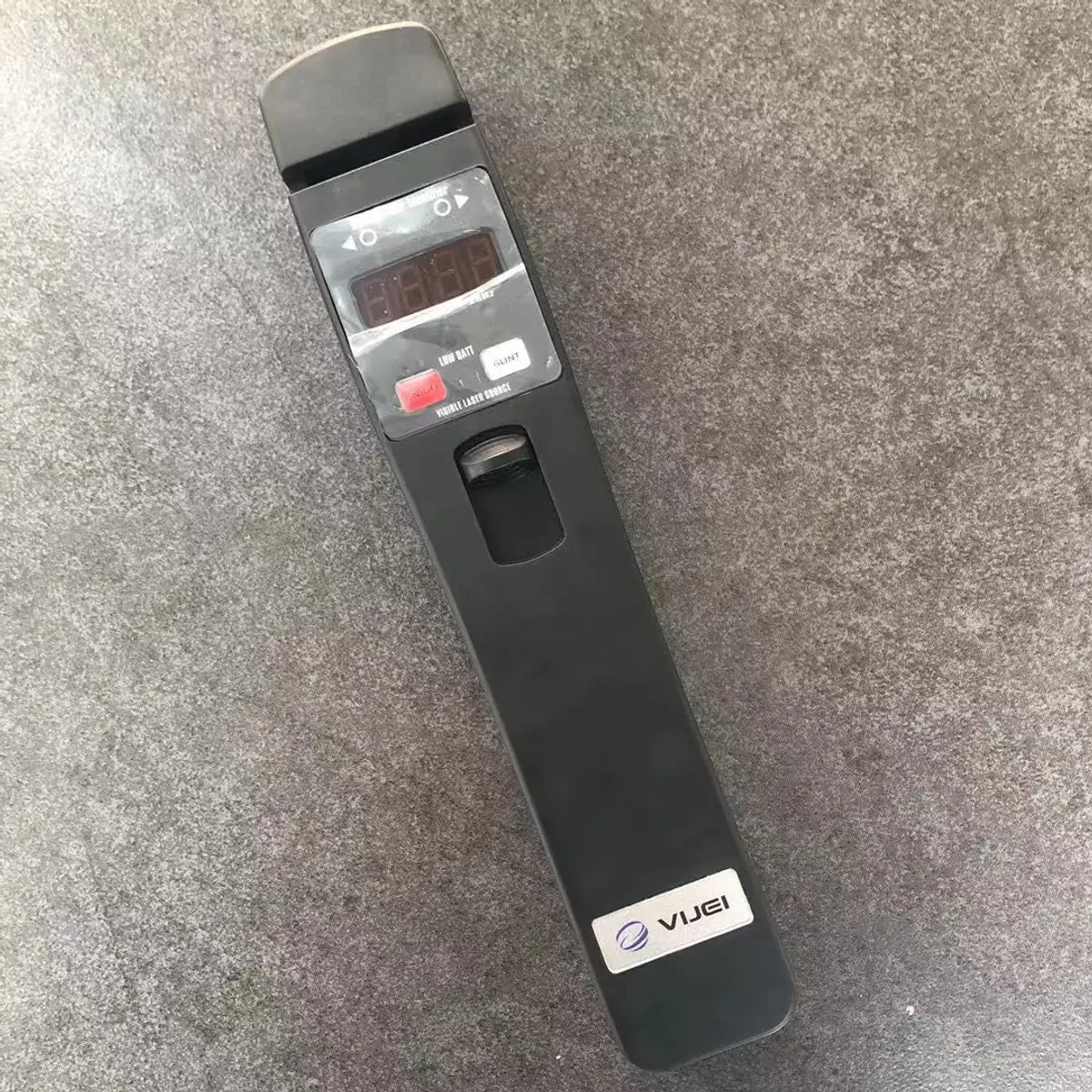
Black handheld fibre identifier with red LED readout and fibre clamp, lying on a grey surface

Fibre Optic Tools

Live Fibre Identifier | 800 to 1700nm, Tone Detect | Optional 10mW VFL

TBS-08725TEST-00381
£168.99
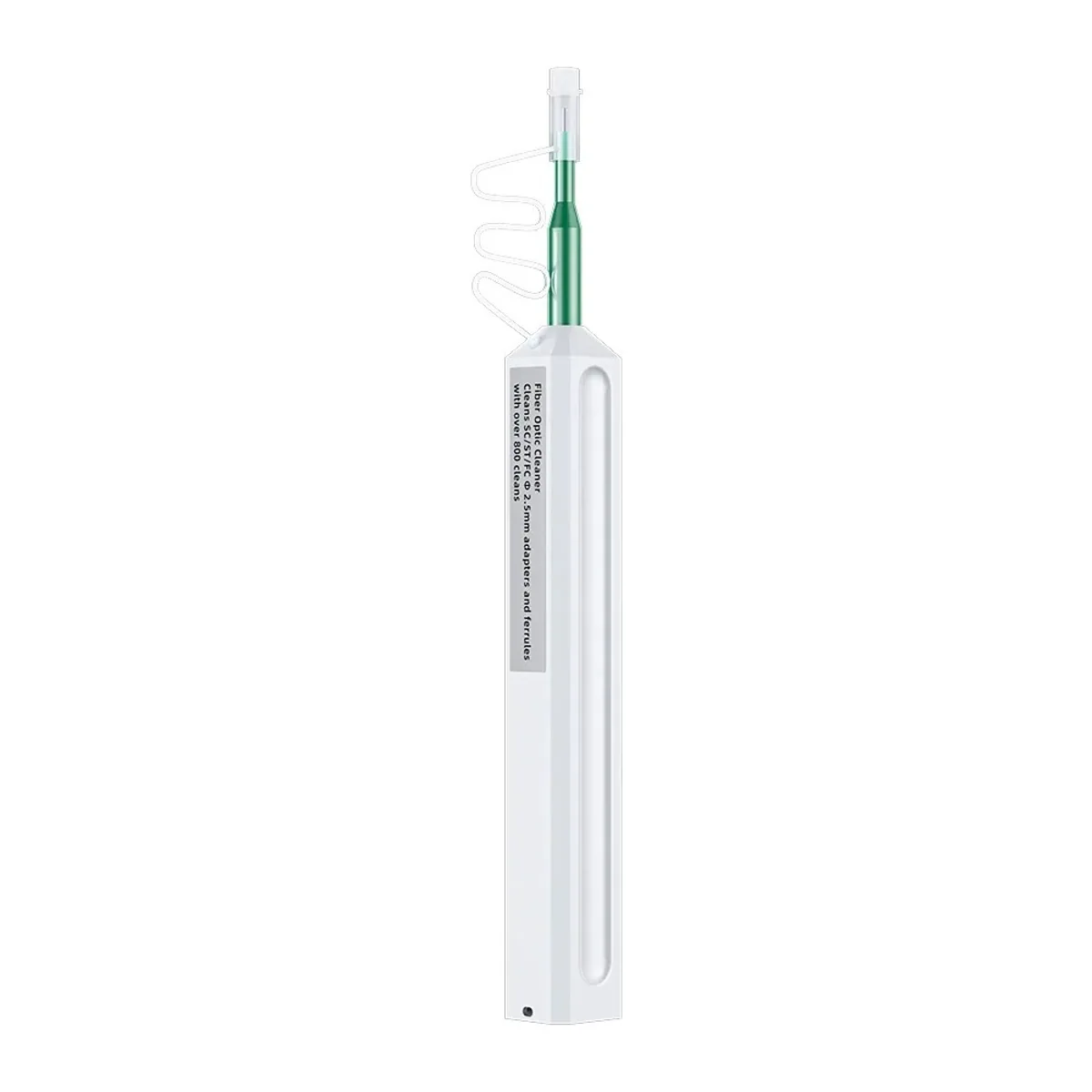
White fibre cleaning pen with green tip and tethered cap, shown beside a blue 1.25 mm pen on white

Fibre Optic Tools

Fibre Optic Cleaning Pen 2.5mm | SC, FC, ST Connectors | Over 800 Cleans

TBS-08722TEST-00378
£47.99
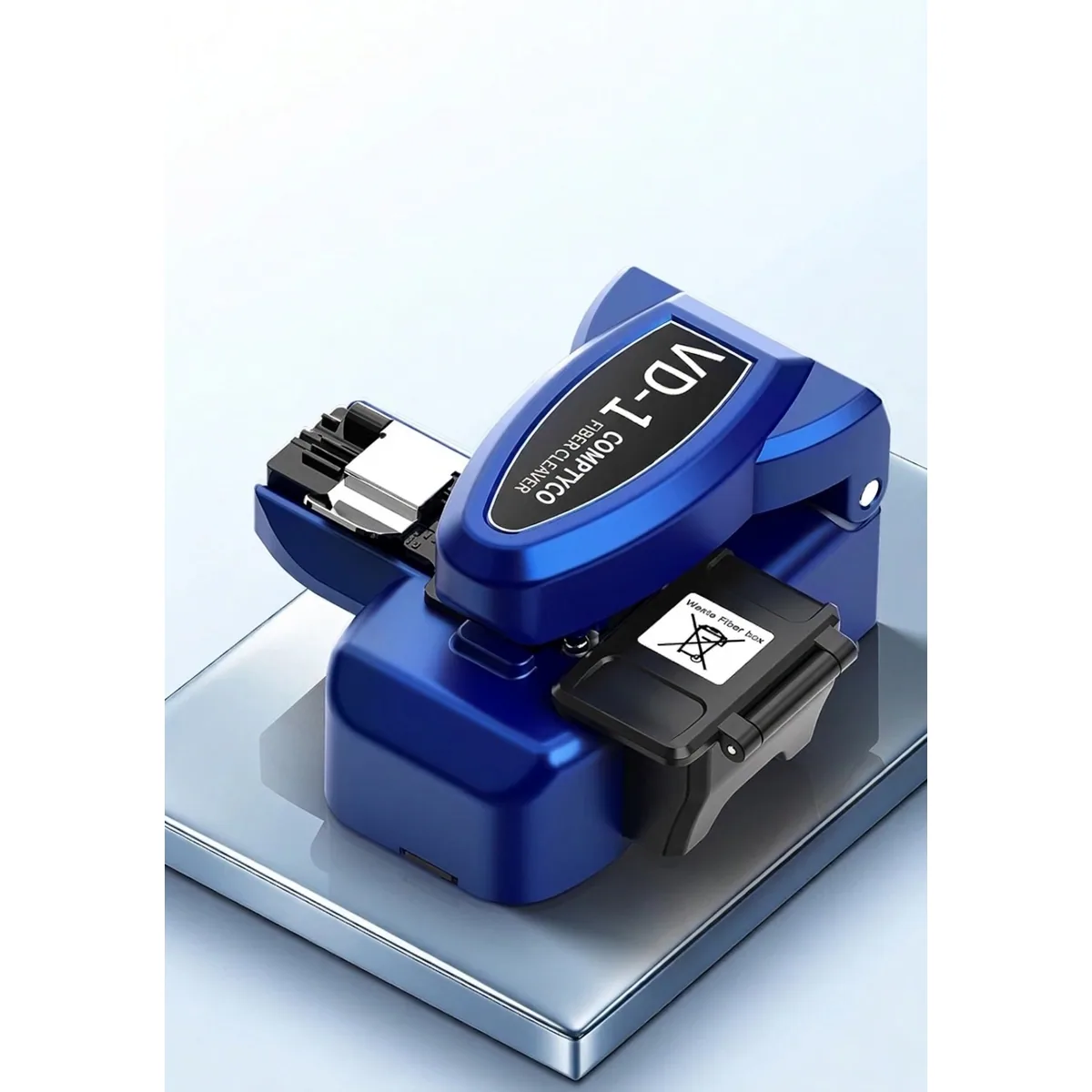
Blue one step fibre cleaver with the lid closed and the black waste fibre box on the side

Fibre Optic Tools

Optical Fibre Cleaver VD-1 | One-Step Cut | 28-Face Blade, 48000 Cuts

TBS-08720TEST-00376
£123.99
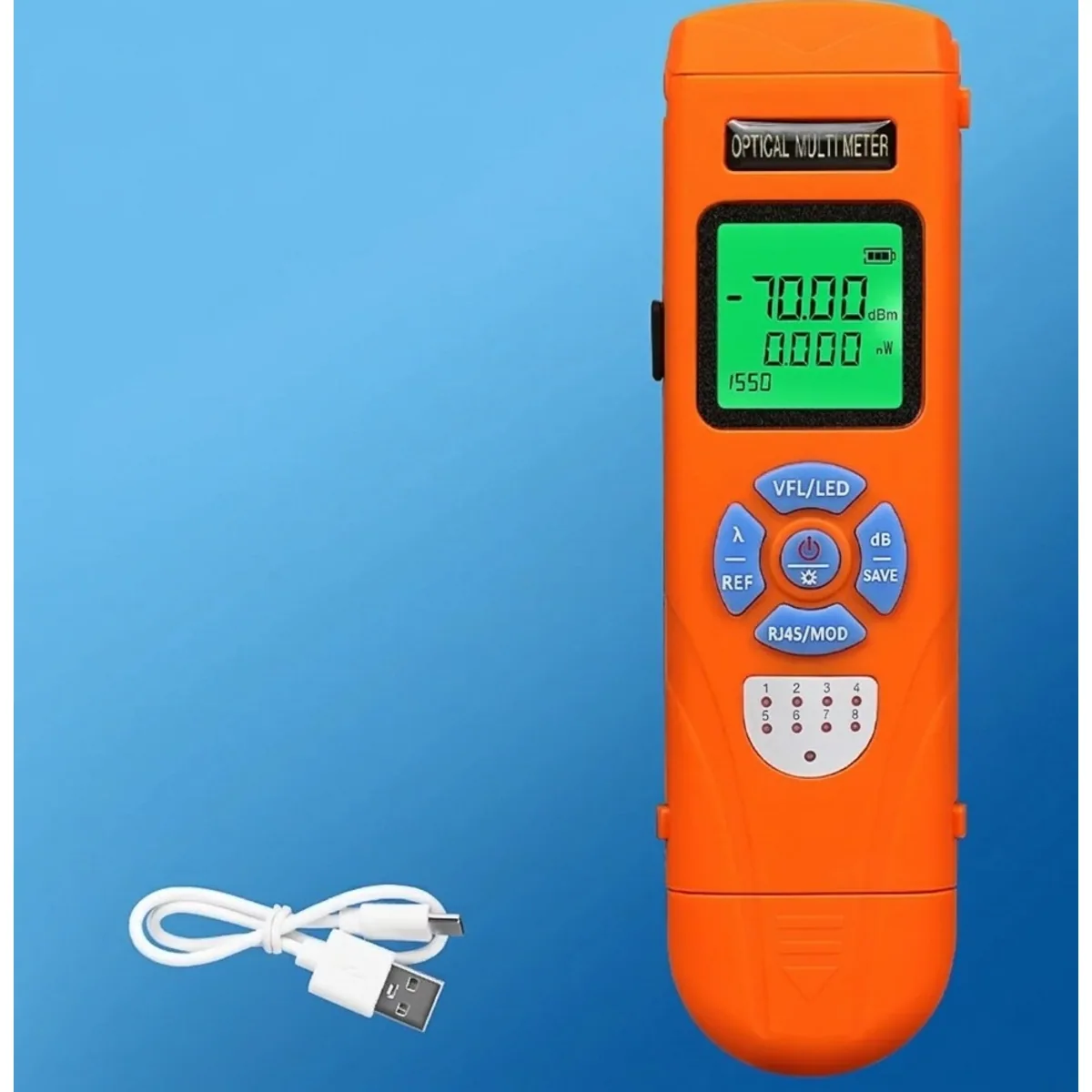
Orange pocket optical power meter with green backlit screen, blue keys and a Type C charging cable

Fibre Optic Tools

Optical Power Meter with VFL AUA-C70/C50 | 10 Wavelengths | RJ45 Tester

TBS-08719TEST-00375
£93.99
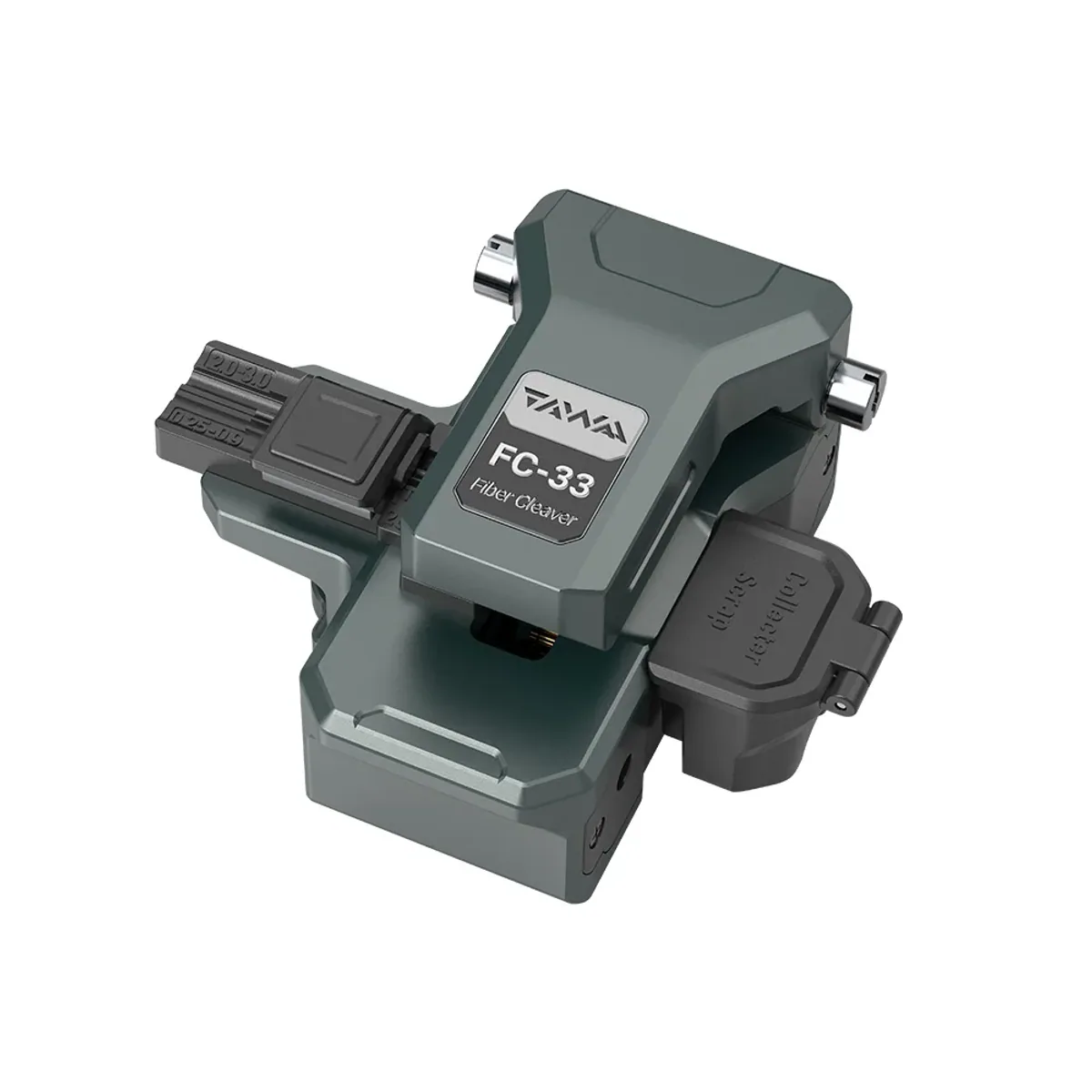
Dark grey full metal fibre cleaver seen from above with the lid closed and the scrap box fitted

Fibre Optic Tools

Fibre Optic Cleaver FC-33 | Full Metal One-Step | Three Fixtures

TBS-08718TEST-00374
£108.99
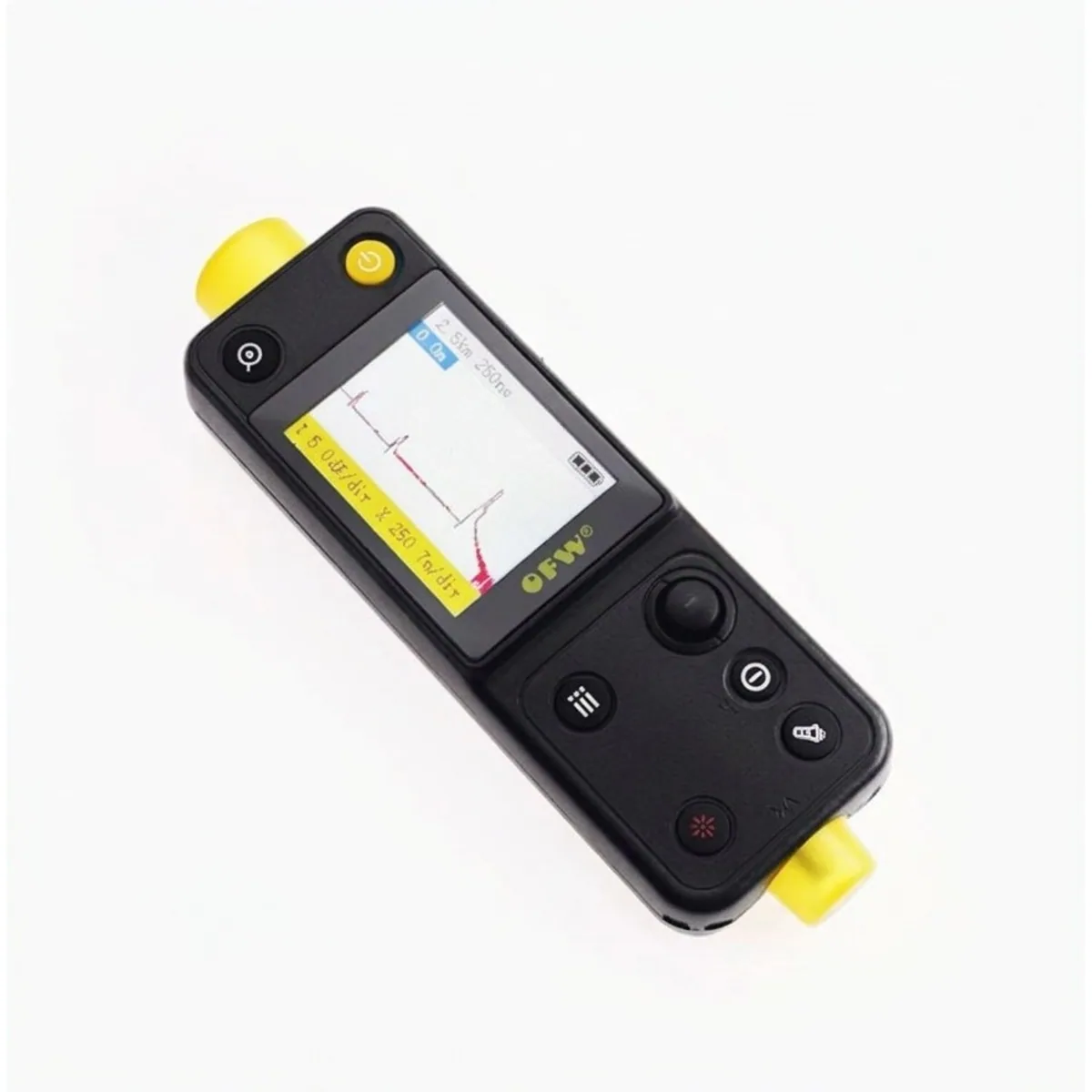
Black pocket fault locator with yellow port caps and a fibre trace on its small colour screen above the rocker keys

Fibre Optic Tools

Visual Fault Locator FWV-100 | 10mW VFL + 1550nm Trace | 20km Fault Finder

TBS-08716TEST-00372
£169.99
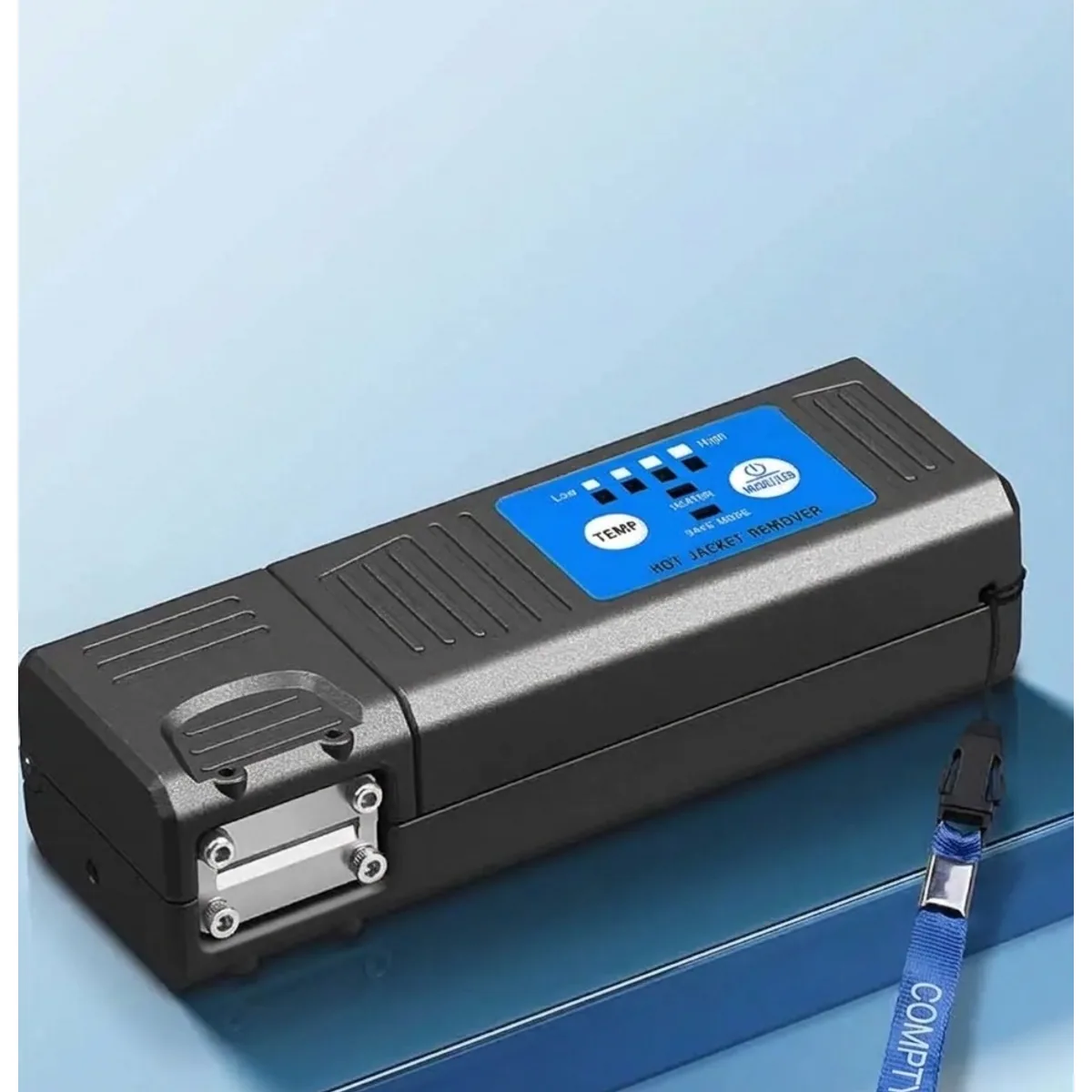
Black thermal fibre stripper with blue control panel and closed heated clamp lid at the front end

Fibre Optic Tools

Thermal Fibre Stripping Tool AUA-M8 | 1 to 48 Fibres | 8 Heat Levels

TBS-08713TEST-00369
£123.99
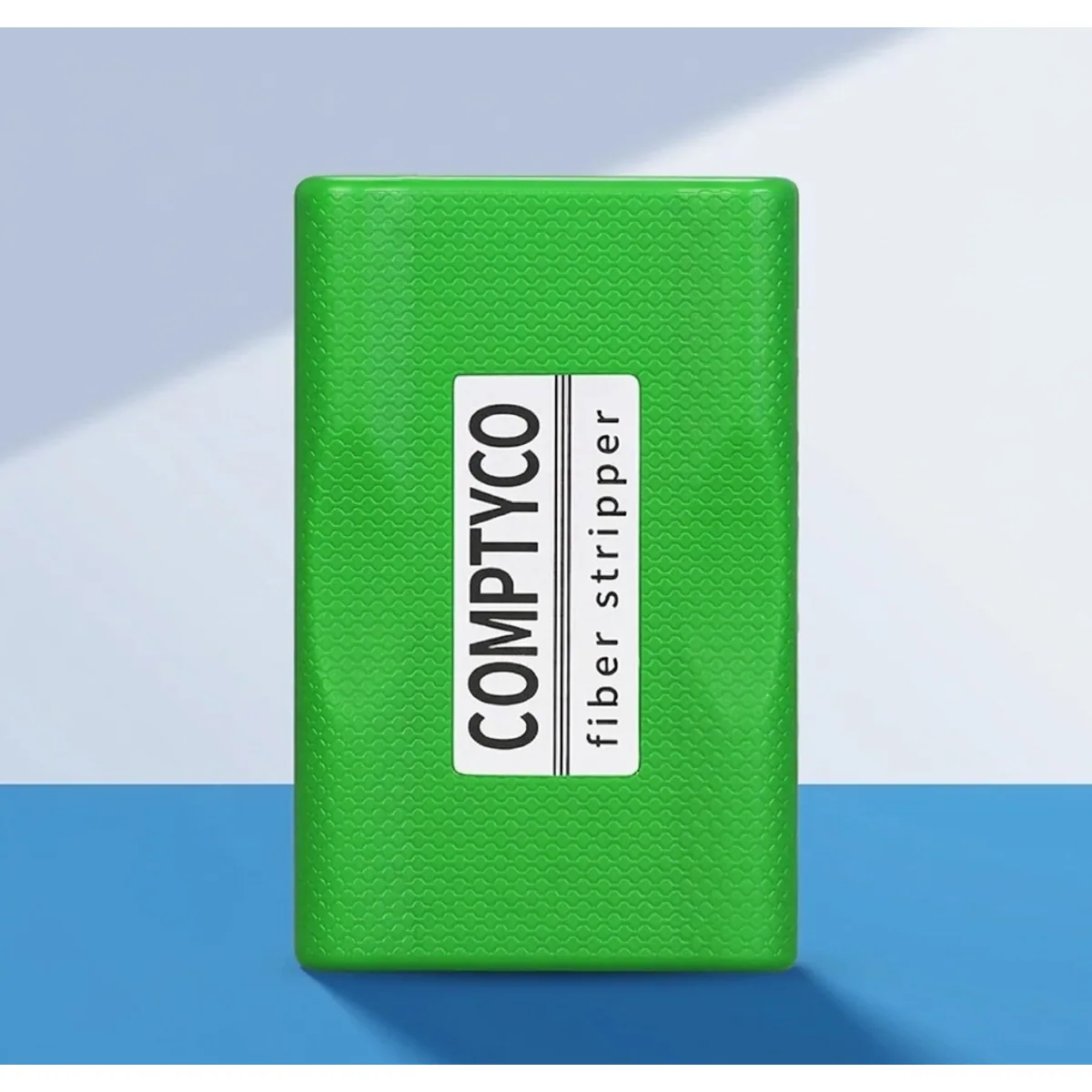
Green loose tube fibre stripper body seen from above on a light background with its printed label

Fibre Optic Tools

Loose Tube Fibre Stripping Tool A-3511 | 3.5 to 11mm | 6 Grooves

TBS-08712TEST-00368
£45.99
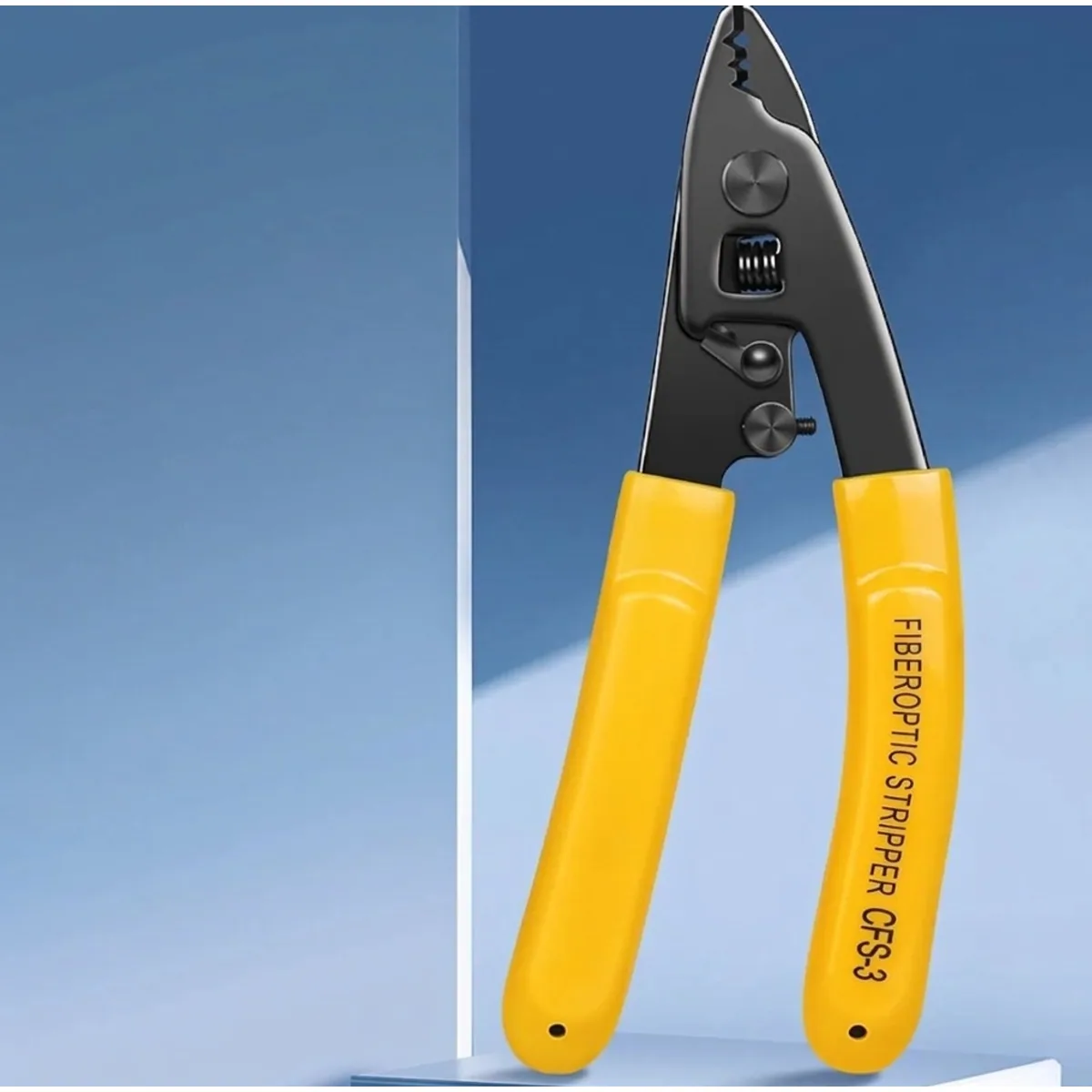
Three-port fibre optic stripping pliers with yellow handles and black steel jaws standing upright

Fibre Optic Tools

Fibre Stripping Tool CFS-3 | Three-Port Stripper | 3mm to 125um Fibre

TBS-08711TEST-00367
£39.99
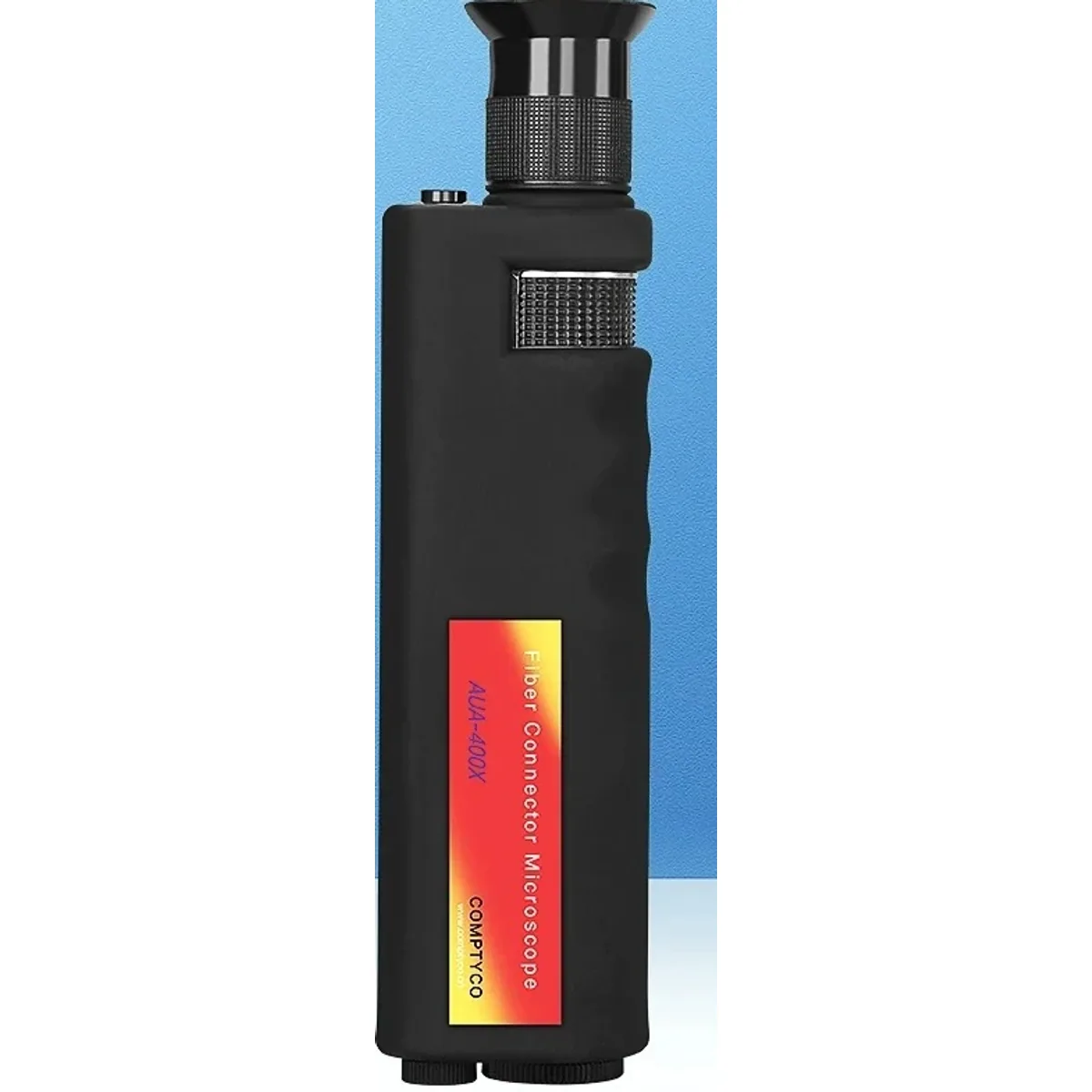
Black handheld fibre microscope lying at an angle with two screw on connector adapters in front

Fibre Optic Tools

Fibre Inspection Microscope | 200x or 400x | 2.5mm and 1.25mm Adapters

TBS-08710TEST-00366
£104.99
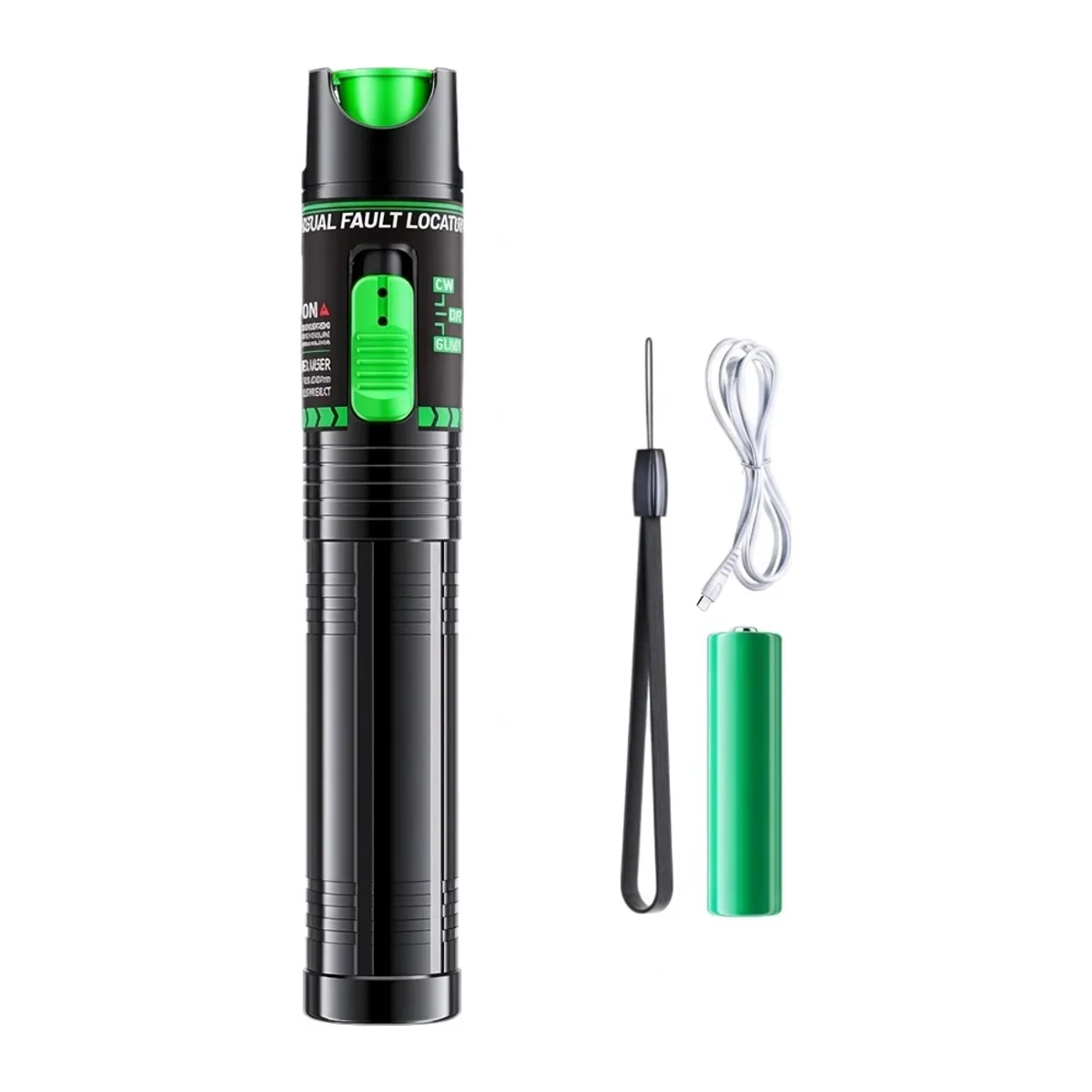
Green visual fault locator pen standing upright on white with lanyard, charging cable and 18650 battery

Fibre Optic Tools

Visual Fault Locator Pen | Green 510nm or Red 650nm | 15mW to 50mW

TBS-08700TEST-00356
£56.99
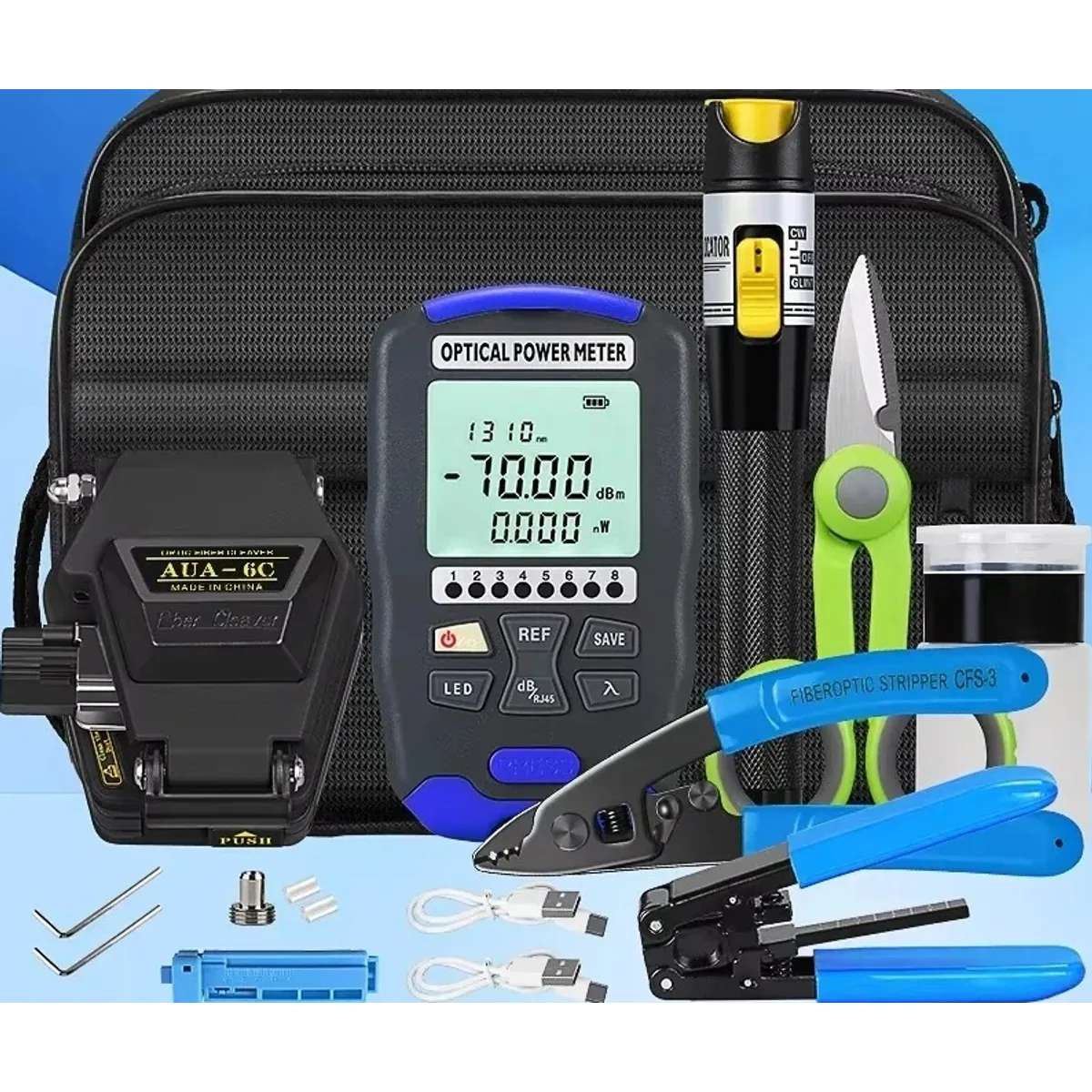
Fibre tool kit laid out on its bag with power meter, fault locator pen, cleaver, strippers and scissors

Fibre Optic Tools

Fibre Termination Kit 22pcs | OPM -70 to +10dBm, 15mW VFL | AUA-6C Cleaver

TBS-08695TEST-00351
£91.99
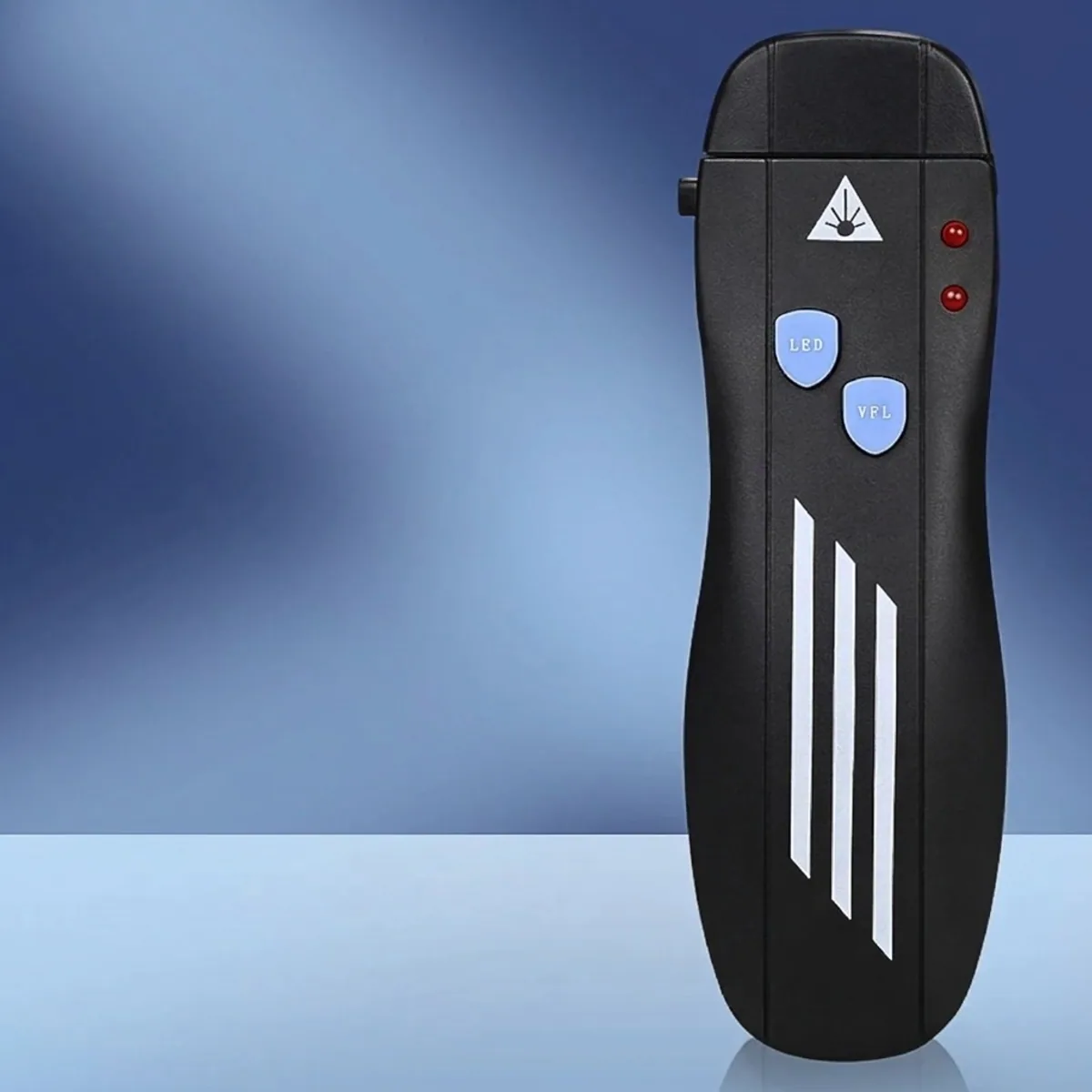
Black pen style visual fault locator with LED and VFL buttons, laser warning symbol and closed port cover

Fibre Optic Tools

Visual Fault Locator 650nm | 1mW to 50mW | Rechargeable, 2.5mm SC/FC/ST

TBS-08693TEST-00349
£56.99
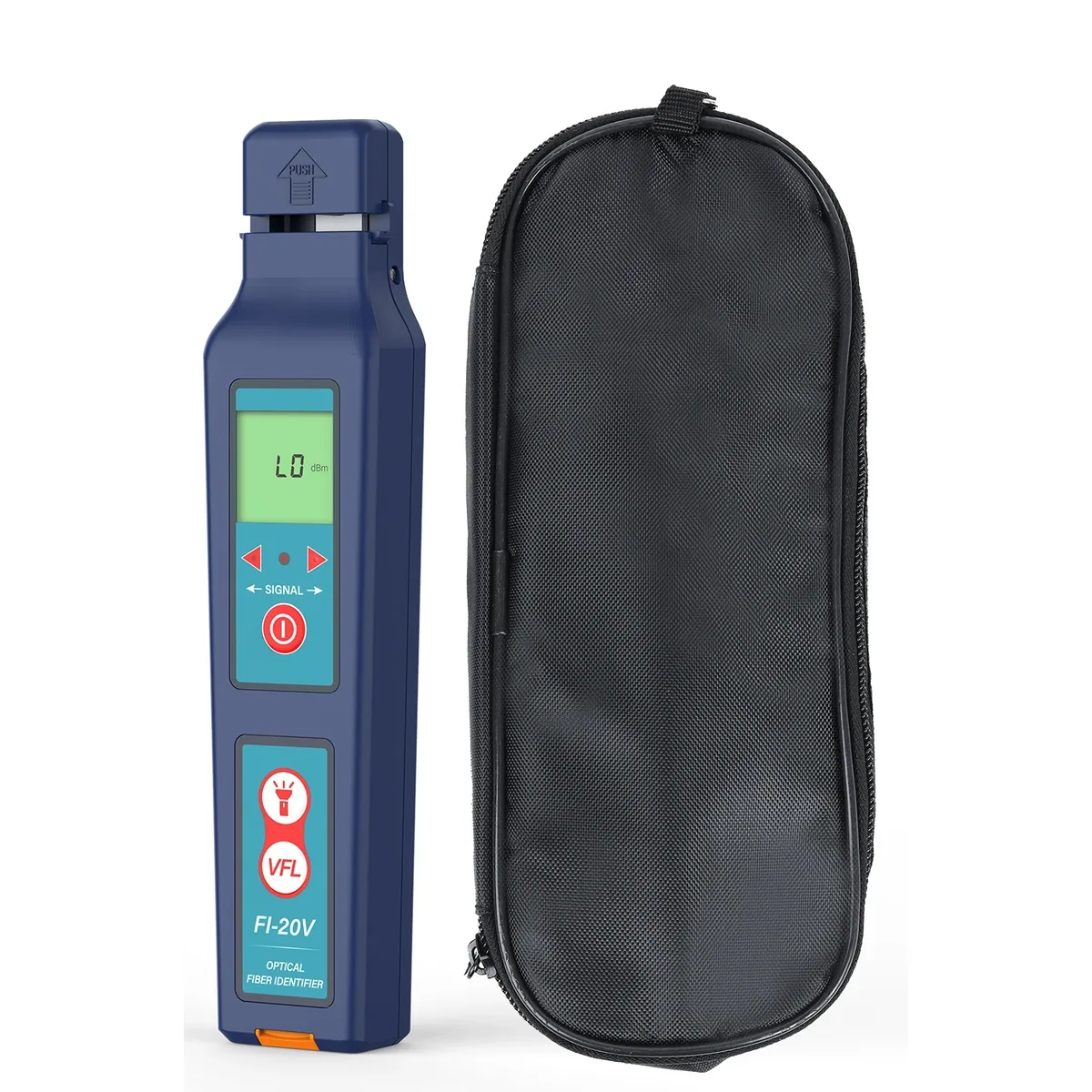
Blue handheld fibre identifier beside a black zipped pouch, with close ups of the clamp and VFL port

Fibre Optic Tools

Live Fibre Identifier FI-20V | 10mW VFL up to 5km | 800 to 1700nm

TBS-08690TEST-00346
£79.99
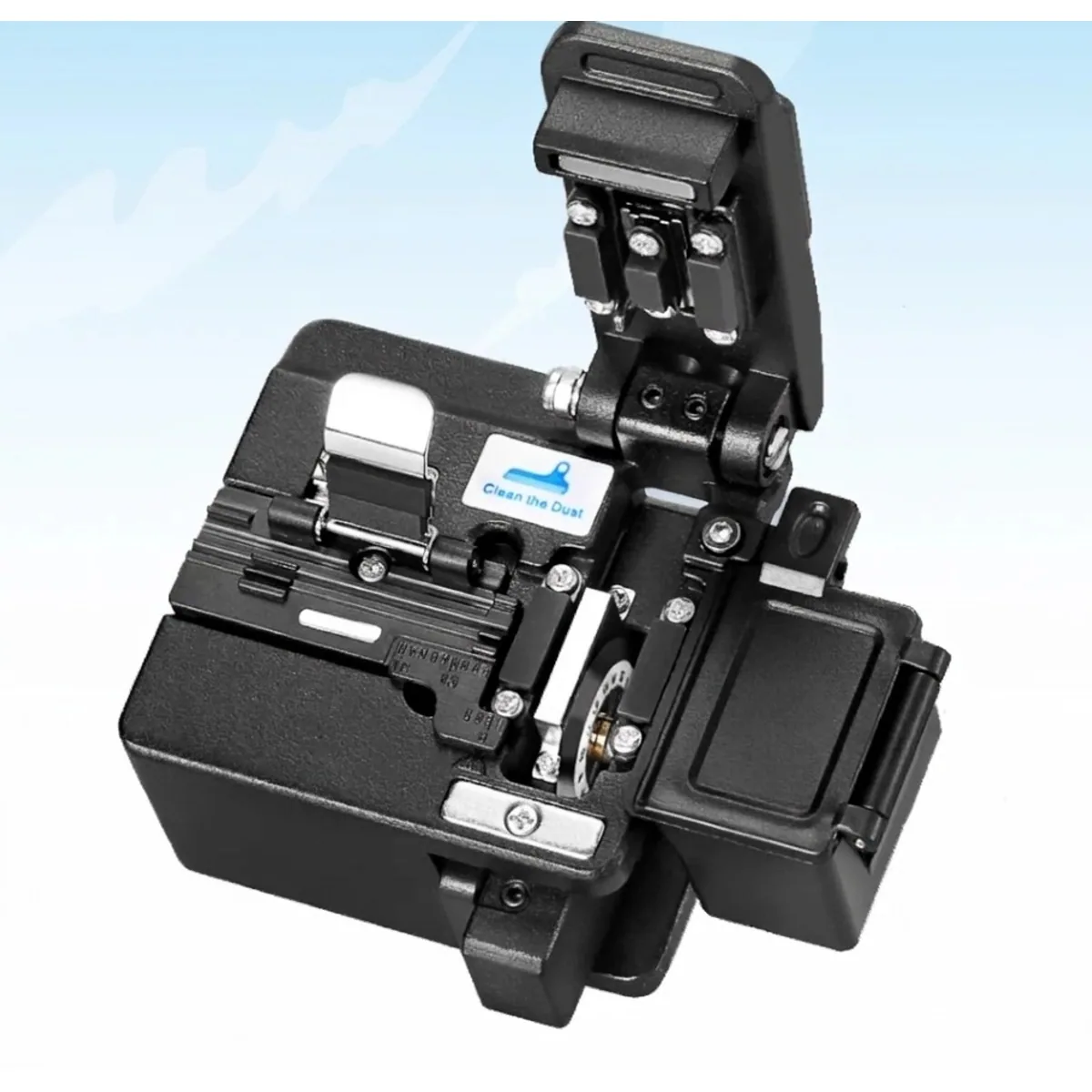
Black fibre cleaver with the clamp lid raised, showing the blade carriage and the side waste box

Fibre Optic Tools

Fibre Cleaver AUA-X5 | 16-Position Tungsten Blade | Waste Fibre Box

TBS-08679TEST-00335
£72.99
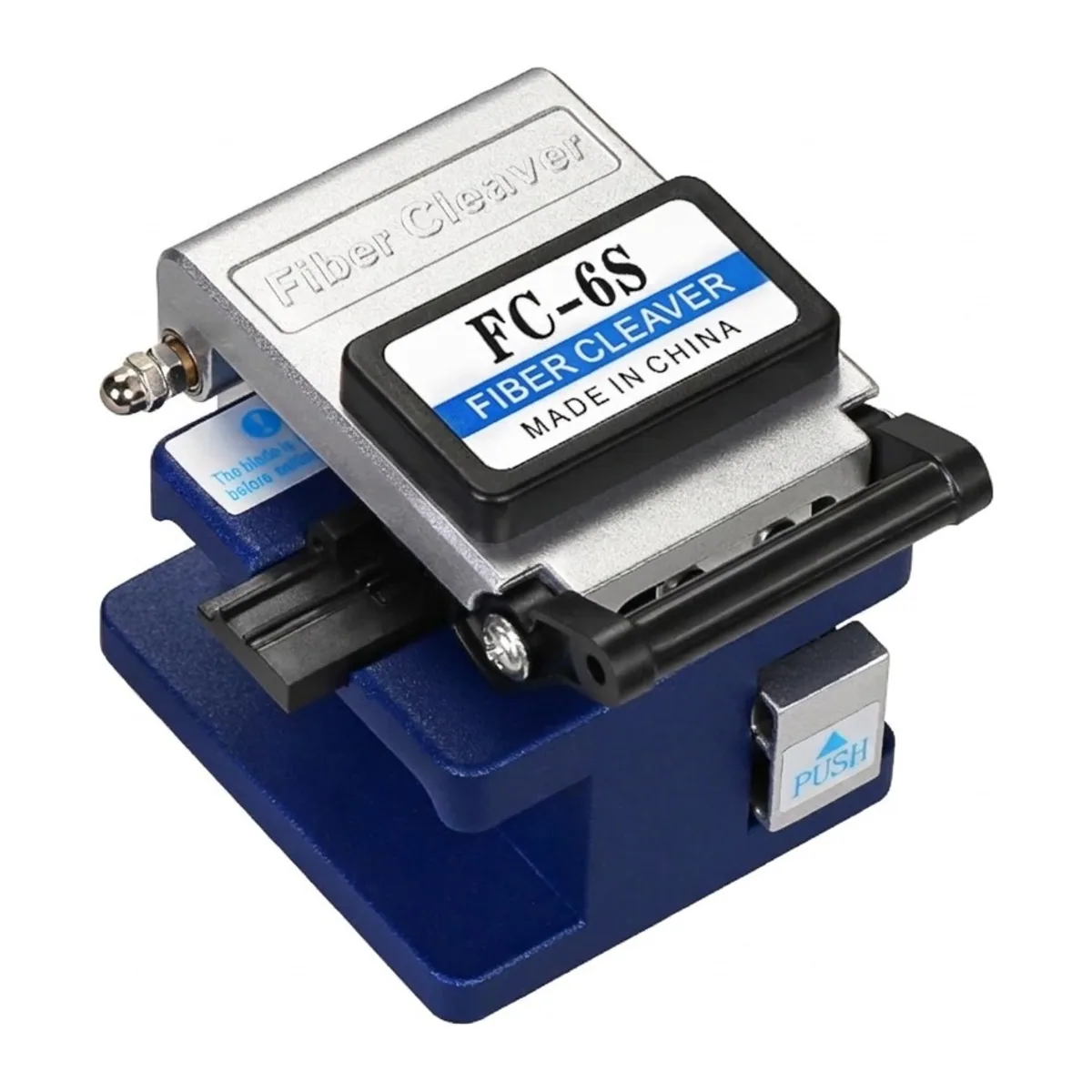
Compact metal fibre cleaver with silver lid and blue base, lid closed, on a white background

Fibre Optic Tools

Fibre Cleaver FC-6S | Metal Body, 3-in-1 Fixture | 16-Face Blade

TBS-08677TEST-00333
£45.99
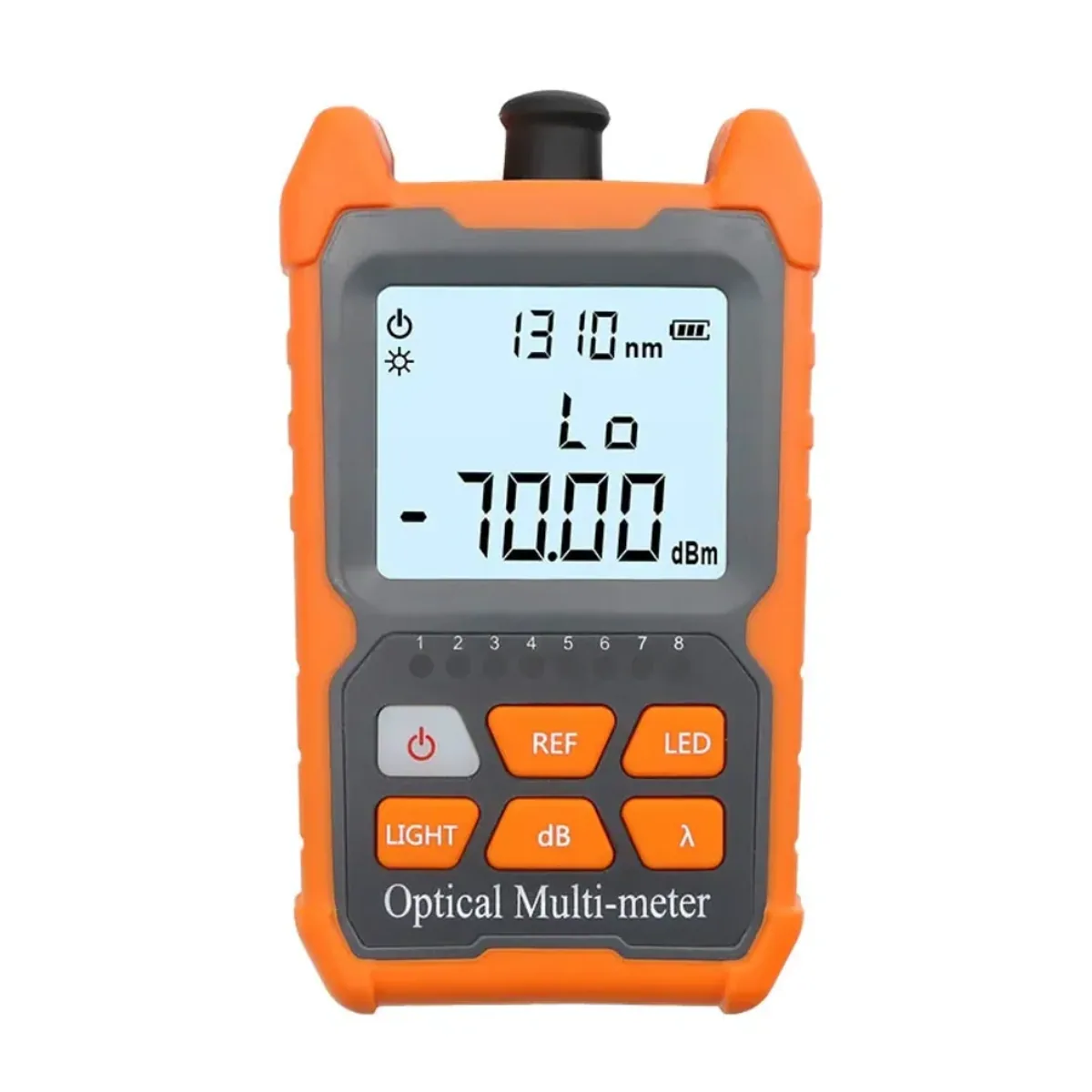
Orange handheld optical power meter with backlit screen reading 1310 nm and minus 70 dBm

Fibre Optic Tools

Mini Optical Power Meter | -70 to +6dBm, 6 Wavelengths | VFL and RJ45 Options

TBS-08675TEST-00331
£53.99
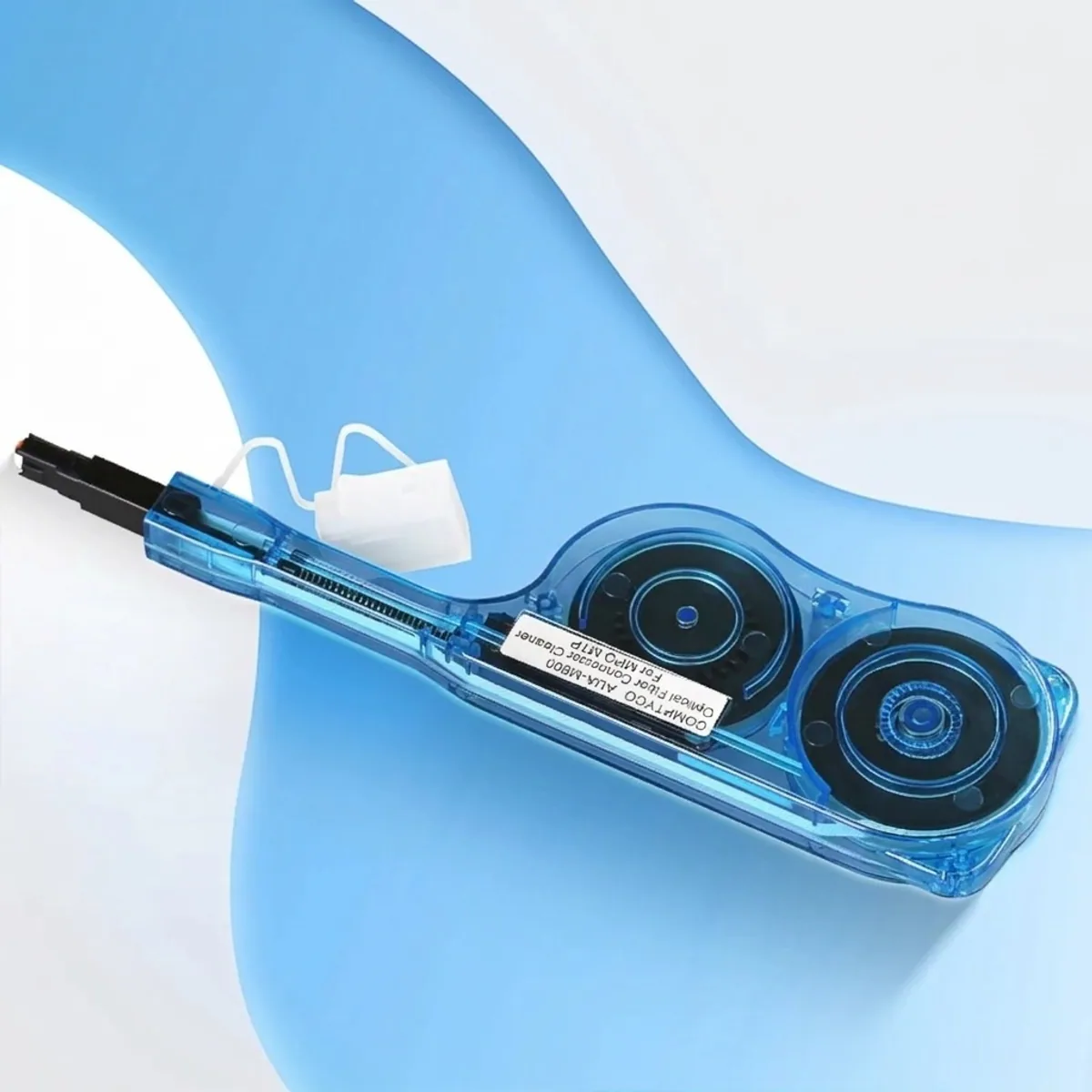
Transparent blue MPO cleaning pen lying at an angle, showing two tape reels and the tethered tip cover

Fibre Optic Tools

MPO/MTP Fibre Cleaning Pen AUA-M600 | Over 600 Cleans | Male and Female

TBS-08672TEST-00328
£53.99
Fibre optic power meter and VFL, a network cable testing tool.

Fibre Optic Tools

Fiber Optic Power Meter & VFL | Network Cable Tester | LAN Line Tracking Tool

CMP-01294TEST-00108
£330.99

Fibre cleaver selection for mechanical jointing and fusion splicer prep

Precise end-face geometry is fundamental to low-loss jointing. A precision fibre cleaver scores and snaps 125µm glass cladding at a perpendicular angle, preventing core misalignment during splicing. Mechanical termination and fusion splicer units require clean breaks without chips or lip defects.

Cleavers like the FC-33 feature a full-metal body and deliver a typical cleaving angle of 0.5° or less. Fixture selection dictates cable compatibility, accommodating bare 250µm strand, 900µm buffer, 3.0mm jacket, drop cable, and multi-core arrangements. Mechanical blade return systems that reset upon opening the cover increase speed across repetitive termination tasks.

  • Cleave angle: typical rating of 0.5° or less for single-mode reliability
  • Single-core cutting length: 8 to 20mm on model FC-33, or 9 to 16mm for 0.25mm fibre on the FC-6S and AUA-X5
  • Multi-core cutting length: 10mm for multi-core configurations
  • Cladding compatibility: standard 125µm quartz fibre

Optical power meter and visual fault locator performance limits

Optical power meter selection centres on dynamic measuring range and calibrated telecommunication wavelengths. Model AUA-C70 covers -70 to +10dBm for standard premises and telco networks, while model AUA-C50 spans -50 to +26dBm for high-power links. Both utilize InGaAs detectors across an 800 to 1700nm detection range, featuring connector interfaces for SC, FC, and ST.

Visual fault locators operate alongside power meters to detect internal breaks, macrobends, and connector faults. Emitting a 650nm red laser in continuous wave or 2Hz pulse mode, these pens identify leakage through buffer jackets. A 1mW source verifies continuity across a test distance of 3 to 5km, while higher outputs reach further, up to 35 to 40km on the 50mW version.

  • Standard telecom measuring range: -70 to +10dBm (model AUA-C70) or -70 to +6dBm (Mini-OPM)
  • High-power measuring range: -50 to +26dBm (models AUA-C50 and high-power Mini-OPM)
  • Wavelength coverage: 800 to 1700nm, with standard wavelengths including 850nm, 1310nm, 1490nm and 1550nm (AUA-C70/C50)
  • Laser output options: 1mW, 10mW, 20mW, 30mW, and 50mW at 650nm

Stripping, cleaning, and preparation for OTDR tester diagnostic sweeps

Cable preparation requires matched mechanical tooling to strip outer jackets and loose buffer tubes without scoring underlying glass. The A-3511 slitter performs longitudinal tube cuts across cable diameters from 3.5 to 11mm, using dedicated channels from 3.5 to 4mm up to 10.5 to 11mm. For ribbon cables and tight buffers, thermal stripping tools like the AUA-M8 apply heated stripping across bare, bundled, or ribbon configurations.

Connector cleanliness determines whether an OTDR tester displays clean transmission or false reflective events. End-face cleaning pens like the AUA-M600 clean MPO and MTP interfaces on both male and female connectors with published cleaning ability up to 99%. Field inspection microscopes with 200x or 400x magnification confirm end faces remain free of scratches and debris before running an OTDR sweep.

  • Loose tube slitter capacity: 3.5 to 11mm cable diameter across defined groove sizes
  • Thermal stripping: accommodates bare fibre, bundled fibre, and ribbon fibre
  • Bulkhead inspection: 200x or 400x optical magnification with built-in infrared attenuation filter
  • Connector interface adapters: 2.5mm for SC, FC, ST; 1.25mm for LC; 3.175mm for SMA905

Buying guide

Choosing Fibre Optic Tools

What cleave angle is acceptable when preparing glass for a fibre fusion splicer?
A fibre fusion splicer typically requires an end-face cleave angle under one degree to avoid high insertion loss or splice rejection. Precision instruments like the FC-33 deliver a typical cleaving angle of 0.5° or less on 125µm cladding diameter glass. Using a quality fibre cleaver with automatic blade return ensures consistent perpendicular cuts across single-core and ribbon fibres.
How do I choose between an optical power meter and an OTDR tester for network validation?
An optical power meter measures total signal attenuation across calibrated wavelengths such as 850nm, 1310nm, and 1550nm, making it standard for insertion loss verification and basic link commissioning. An OTDR tester provides trace diagnostics along the link, locating specific splice faults, micro-bends, and optical return loss issues across distance. Technicians combine an optical power meter with an OTDR during full-span link certification.
What power rating is needed for a visual fault locator?
Output power sets how far the red light carries when pinpointing sharp bends, breaks or damaged splices. A 1mW visual fault locator is rated for a test distance of 3 to 5km, which suits patch rooms and local network runs. Higher outputs reach further with the same 650nm red laser: 10mW is rated for 8 to 10km, 20mW for 15 to 20km, 30mW for 25 to 30km and 50mW for 35 to 40km.
Which buffer tube slitter should be selected for mid-span loose tube access?
Select a longitudinal buffer slitter that matches the outside diameter of the loose tube without damaging internal cores. The A-3511 slitter provides dedicated groove sizes such as 3.5 to 4mm, 4 to 4.5mm, 5.5 to 6mm, 6.5 to 7mm, 7.5 to 8mm, and 10.5 to 11mm. Matching the precise groove size ensures the blade cleanly penetrates the tube wall without nicking the glass inside.

We use cookies. Some keep the store working, others show us what to fix. No third-party trackers, and we never sell your data. Learn more about cookies and your privacy