
Portable Leeb Hardness Tester | HLD 170 to 960 | ±6% (HLD=800)
Stock Nr:
SKU:
1 / 5
£346.99inc VAT
This portable Leeb hardness tester reads the rebound hardness of metal parts and converts the result to HL, HB, HRB, HRC, HRA, HV and HS scales, with an indication error of ±6% at HLD=800. It is a spl...
- Secure checkout
- All major cards
- Tracked delivery
£346.99
Fast Shipping
Secure Payment
Easy Returns
Good to know
Questions about this product
- How do I take a reading?
- Connect the impact device cable, hold the support ring firmly on a clean, supported surface and trigger the impact. The reading appears on the LCD, and a series of impacts gives an automatic average.
- Can I save and export readings?
- Yes. The tester stores results and connects to a computer by USB, where the PC software can view, export and clear the data.
- How is the battery charged?
- Through the Type-C charging port. The built-in Li-ion battery gives about 40 hours of working time, and the unit switches itself off after 10 minutes.
Hardness Testers spec sheet (PDF)
Get a one-page sheet with full description, specifications, technical details, FAQs, price & SKU - handy to save, print, or share.
Not sure which one?
Compare with similar products
The same kind of product, in stock, in a similar price range.
This product: £346.99
This product
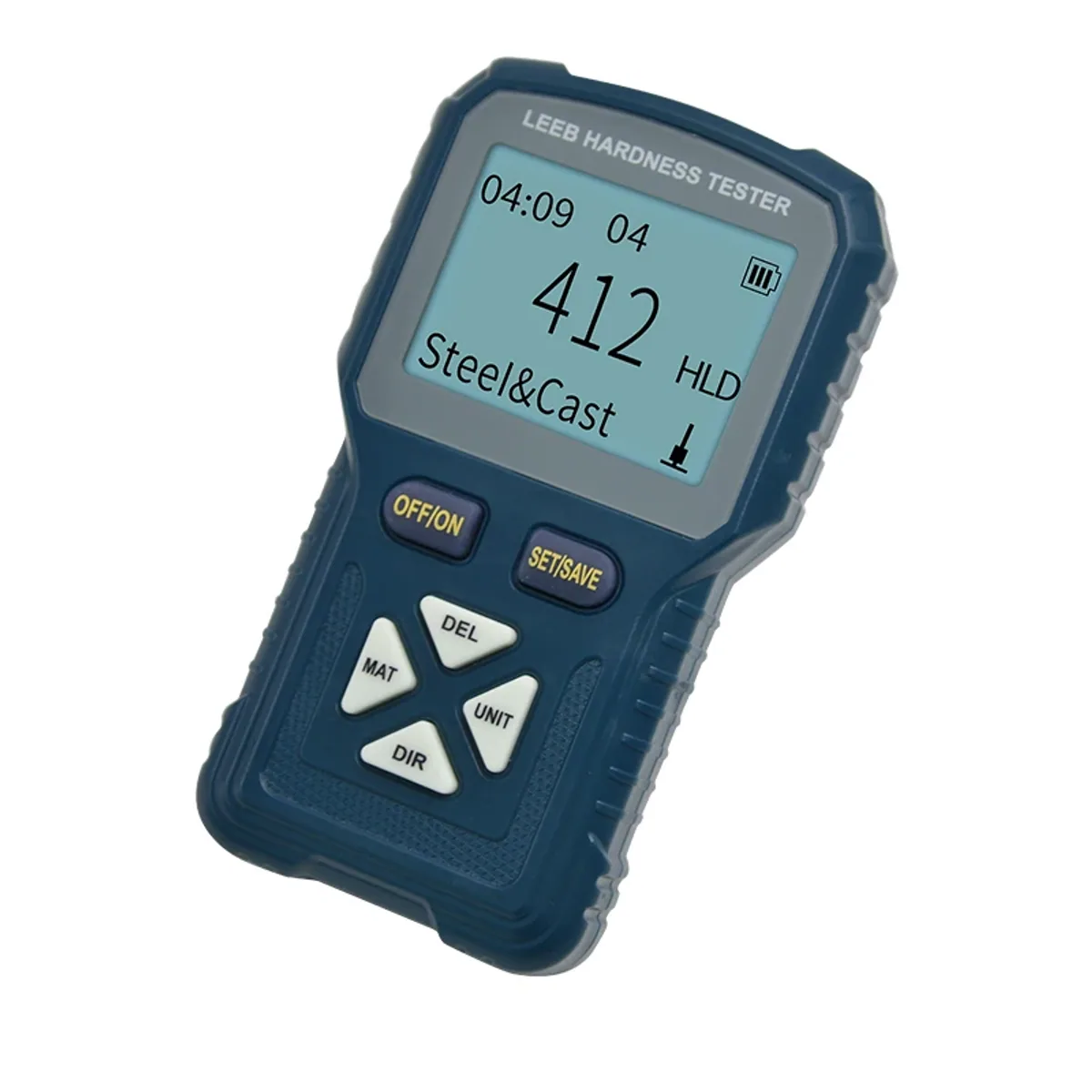
Portable Leeb Hardness Tester | HLD 170 to 960 | ±6% (HLD=800)
- Price
- £346.99
- Rating
- Not rated
- Stock
- In stock
You're viewing this
Alternative
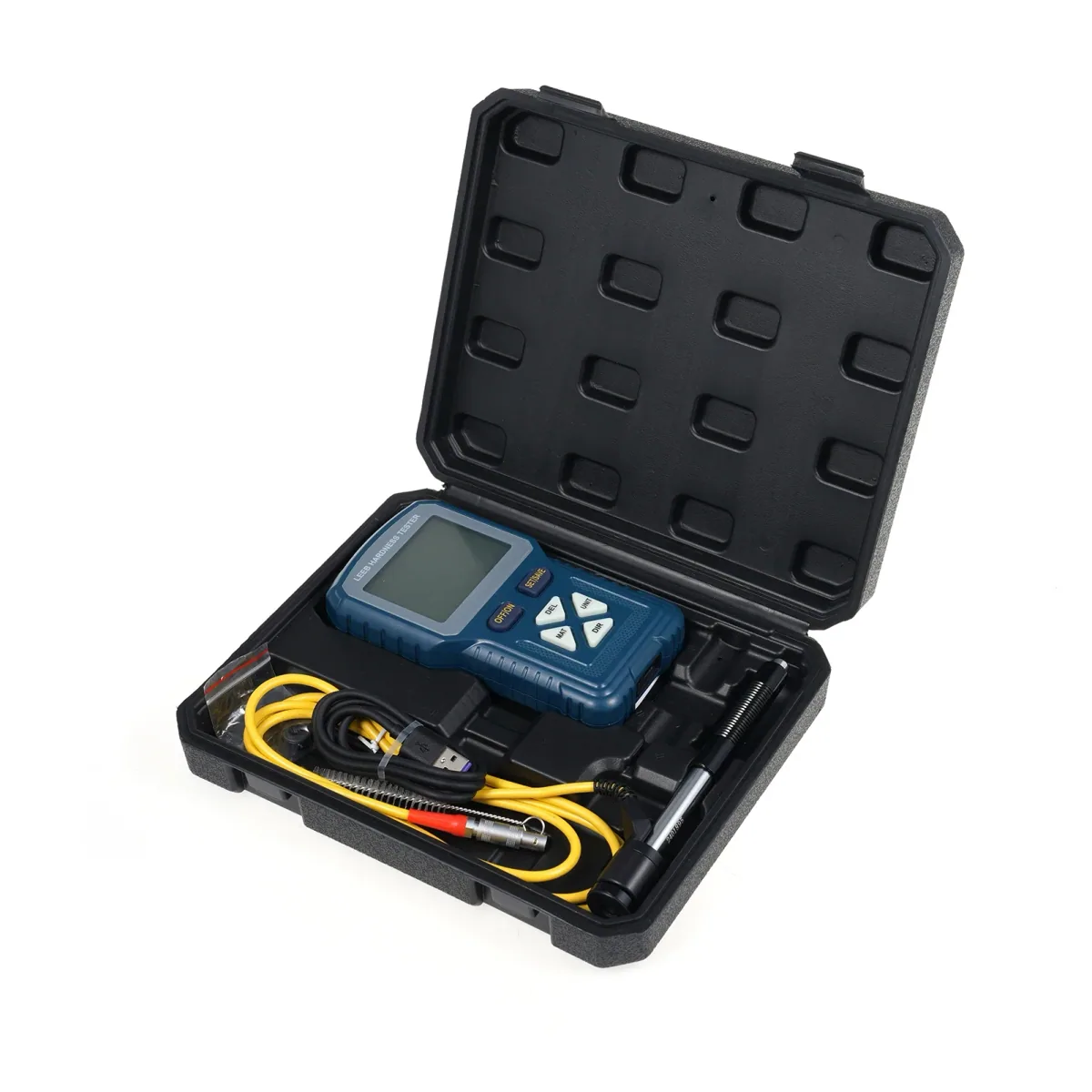
Leeb Hardness Tester | 170 to 960 HLD | 7 Hardness Scales
- Price
- £381.99
- Rating
- Not rated
- Stock
- In stock
Alternative
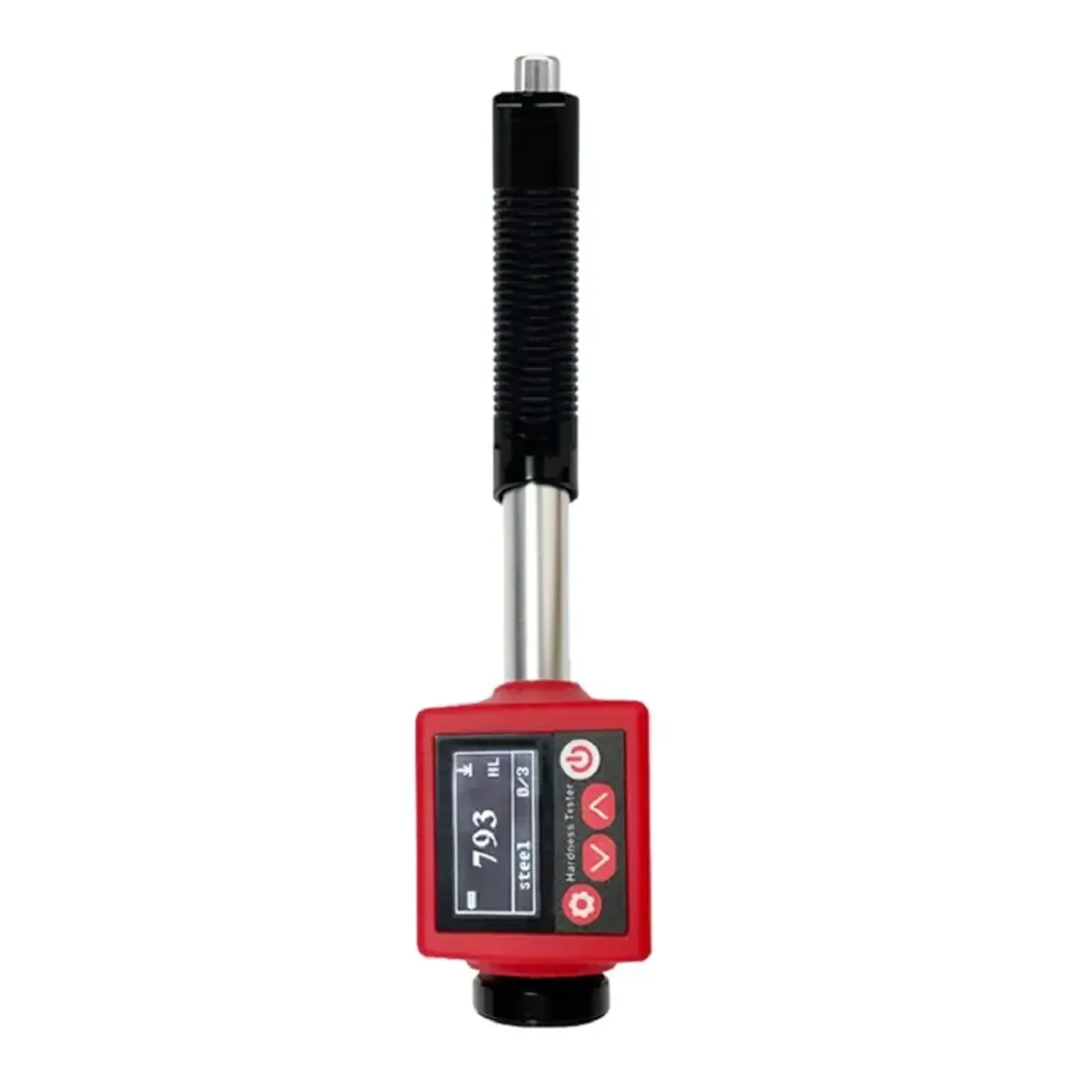
Leeb Hardness Tester | HRC, HRB, HB, HV, HS, HL | 360° Pen Type
- Price
- £275.99
- Rating
- Not rated
- Stock
- In stock
Compare options
More Hardness Testers
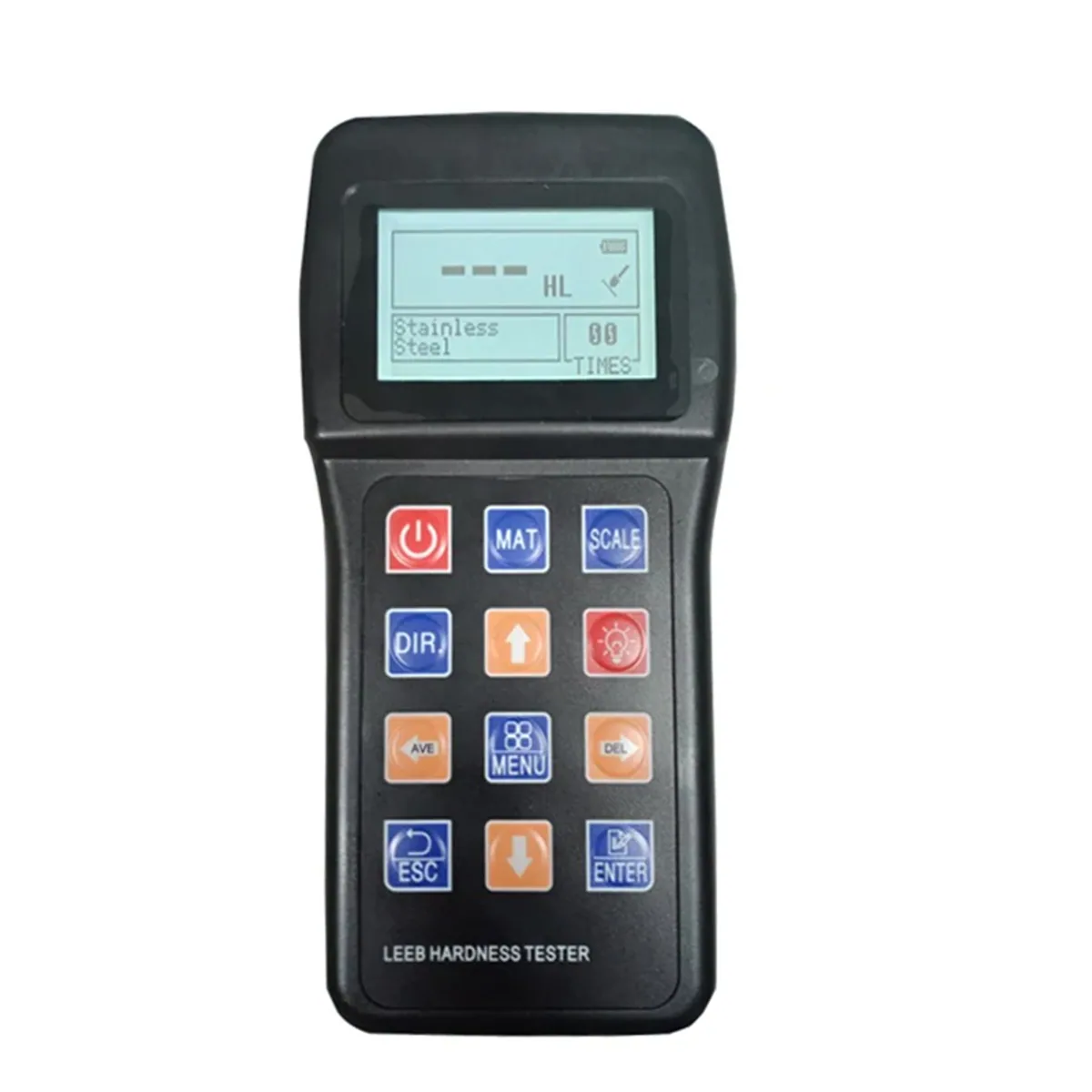
Leeb Hardness Tester SKD-552 | 7 Scales HL HB HRC | 100 Group Memory
£233.99
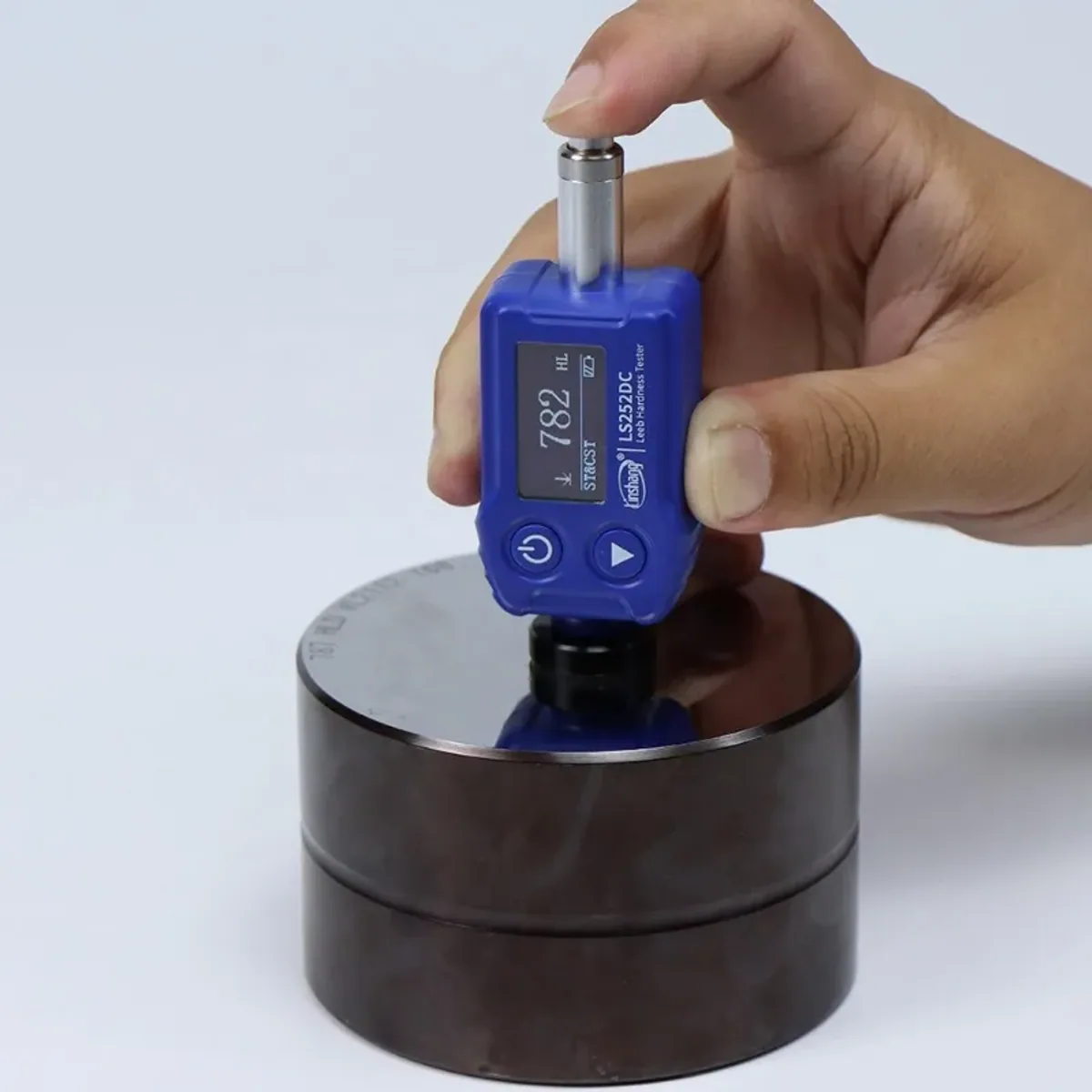
Leeb Hardness Tester LS252D/LS252DC | HL, HV, HB, HRC | Pocket Size
£273.99

Digital Shore Hardness Tester LXD-A/C/D | 0 to 100 | Shore A, C or D
£127.99

Digital Shore Durometer | 0 to 100 HA, HC or HD | 0.5 Resolution
£82.99
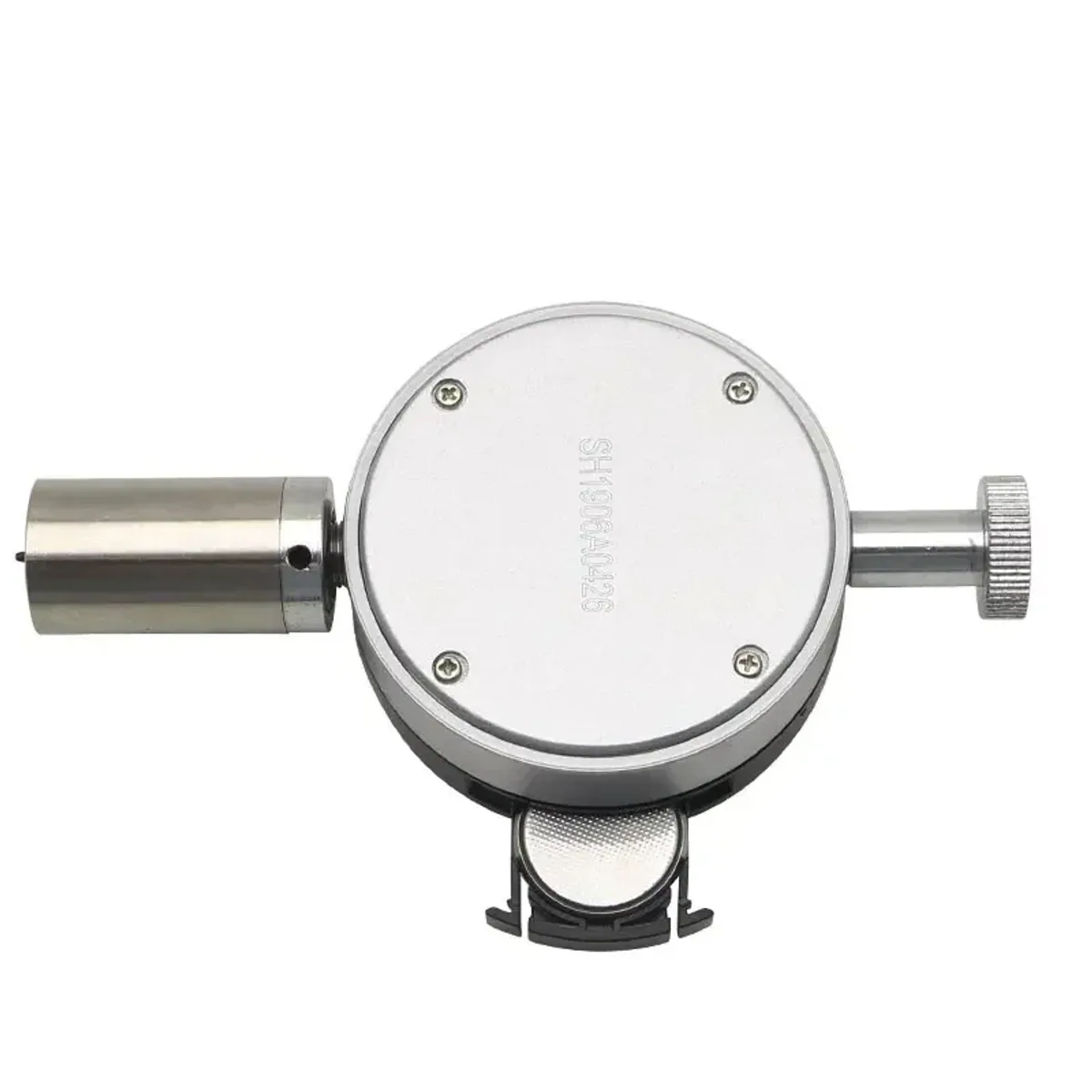
Digital Shore Hardness Tester LXD-A/C/D | 0 to 100 | 115 x 60 x 25mm
£98.99
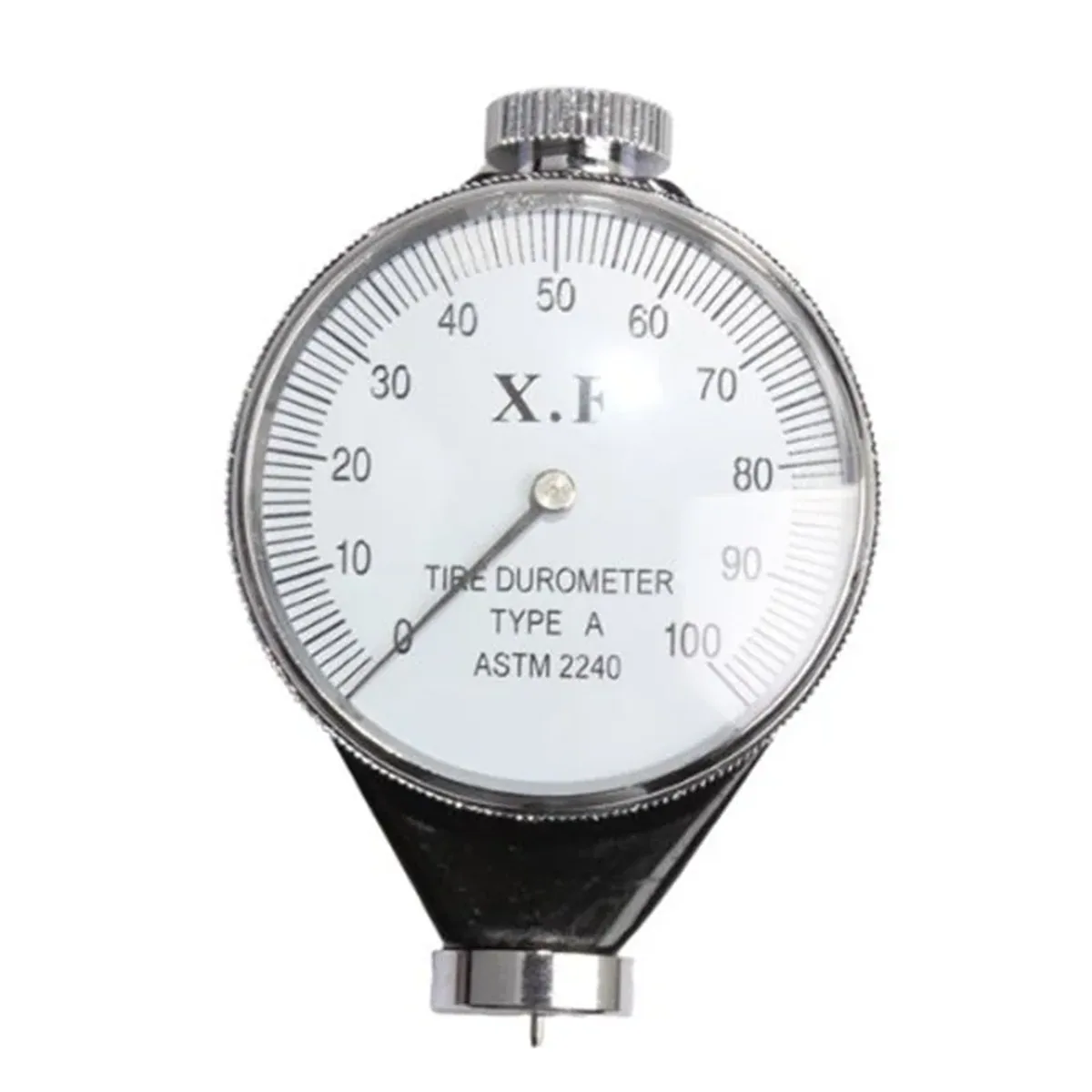
Shore A Durometer Hardness Tester GK156 | 0 to 100HA | Rubber & Tyre
£81.99
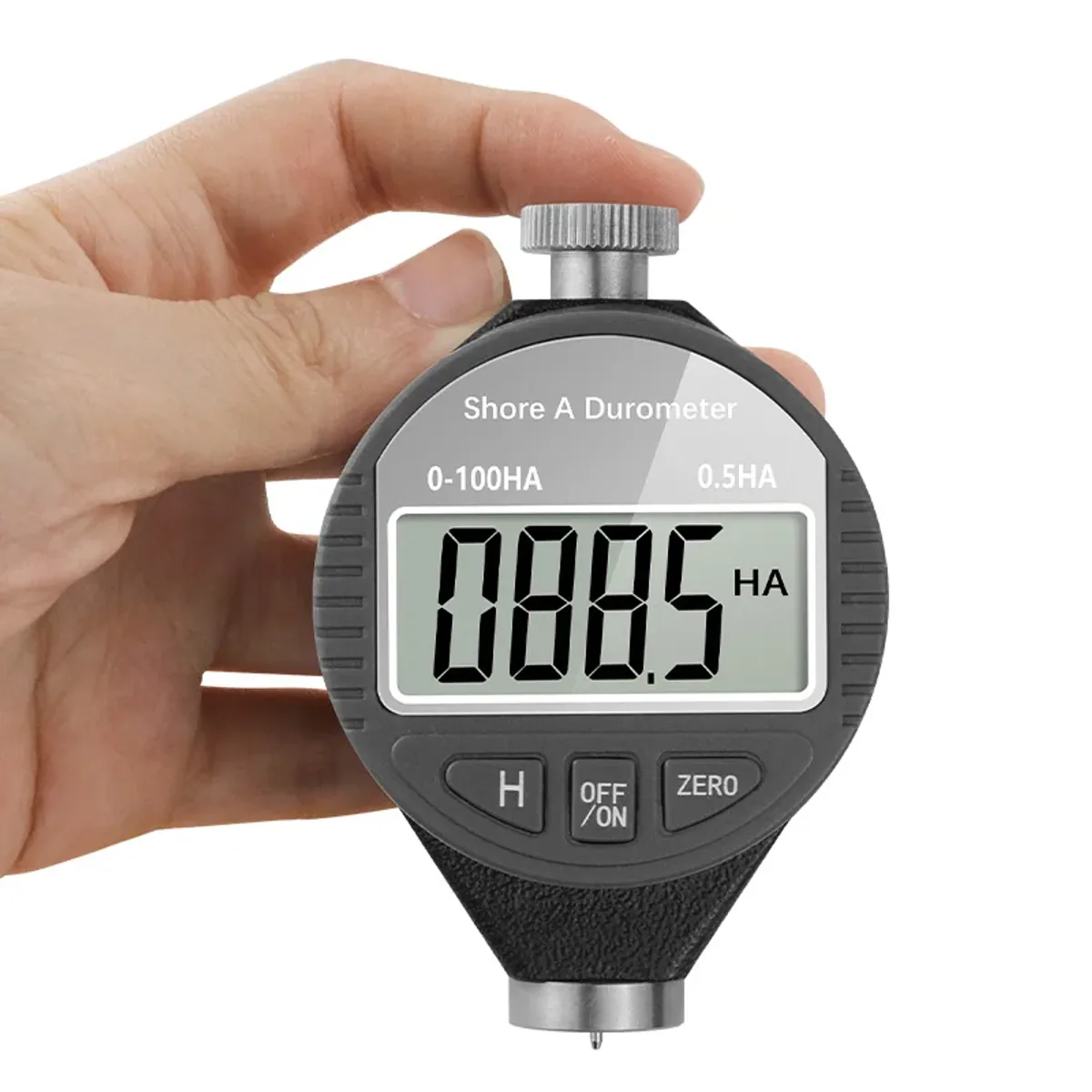
Digital Shore Durometer HA HD HC | Rubber Hardness Tester | 0 to 100
£77.99
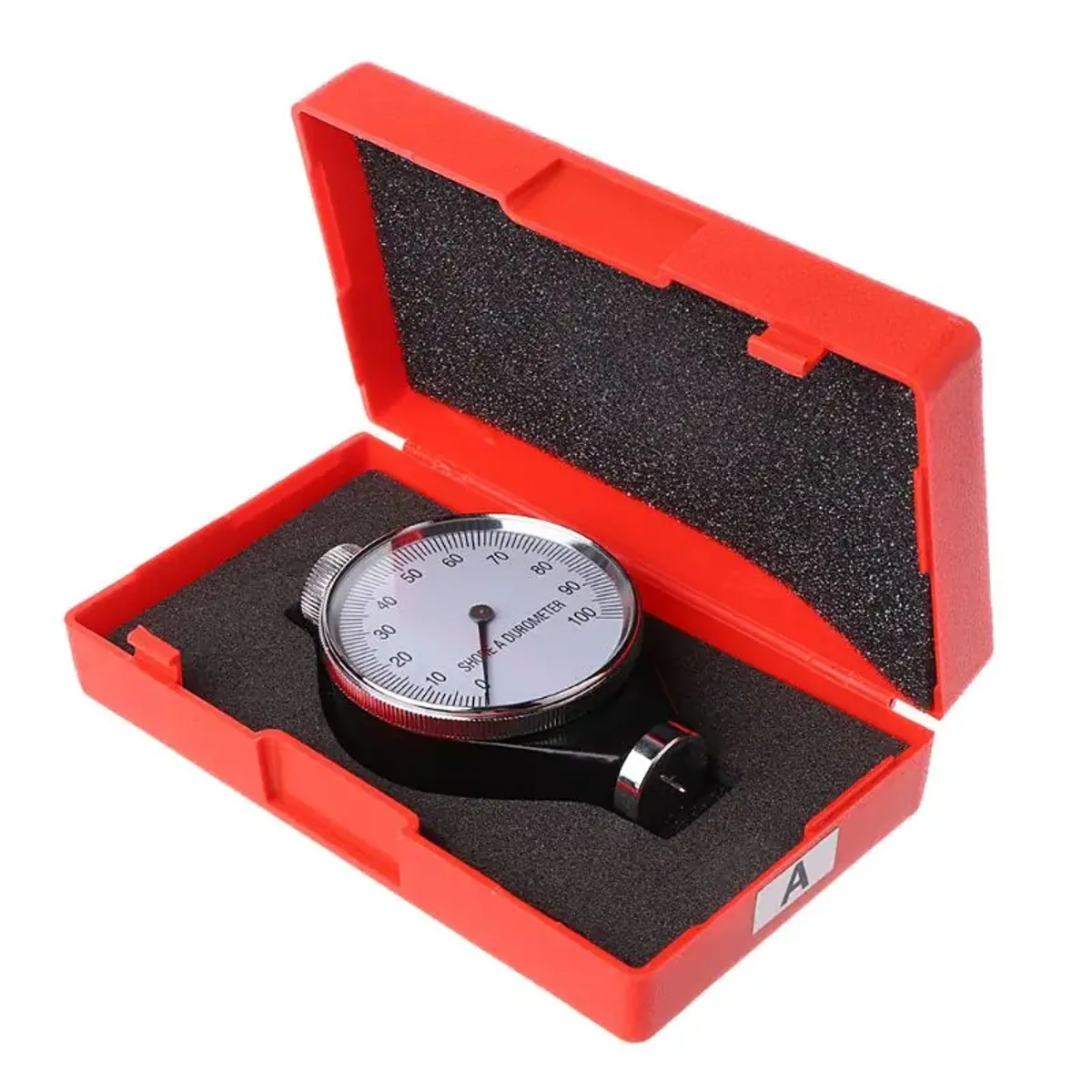
Shore A Durometer Hardness Tester | 0-100HA Dial | Rubber and Elastomers
£68.99
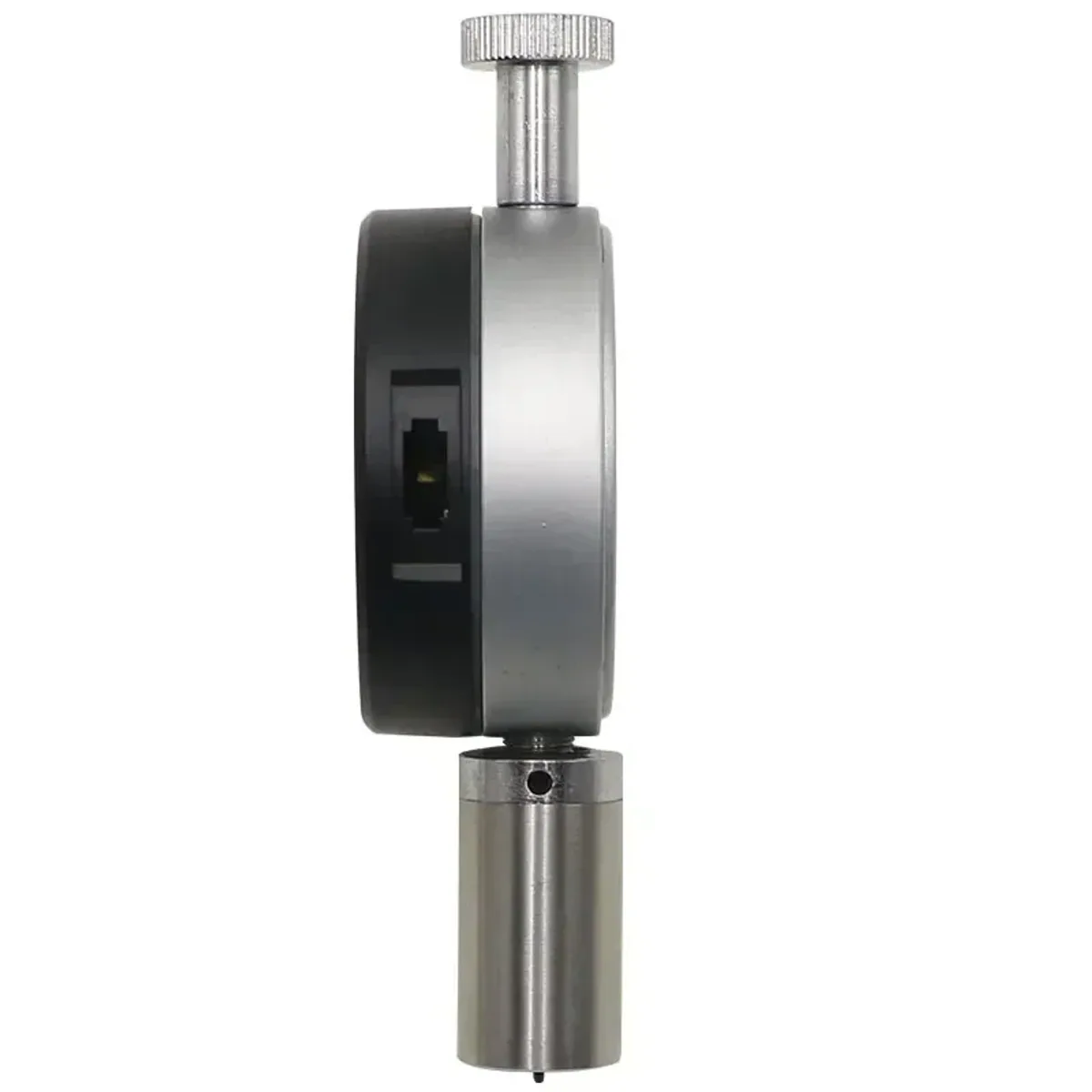
Digital Shore Hardness Tester LXD-A/C/D | 0-100 HA, HC or HD | 0.5 Resolution
£113.99
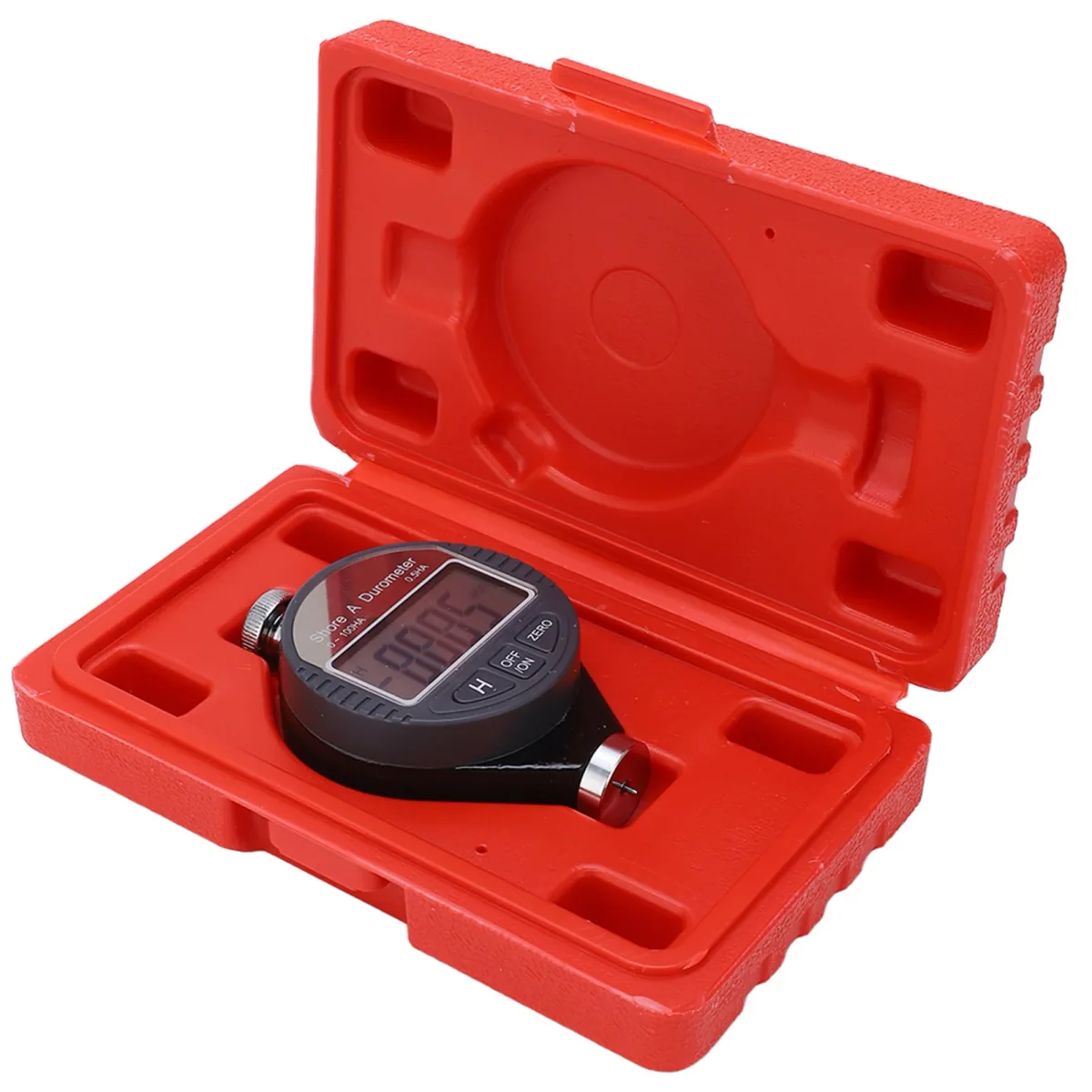
Digital Shore A Durometer Hardness Tester | 0 to 100 HA | LCD Display
£111.99
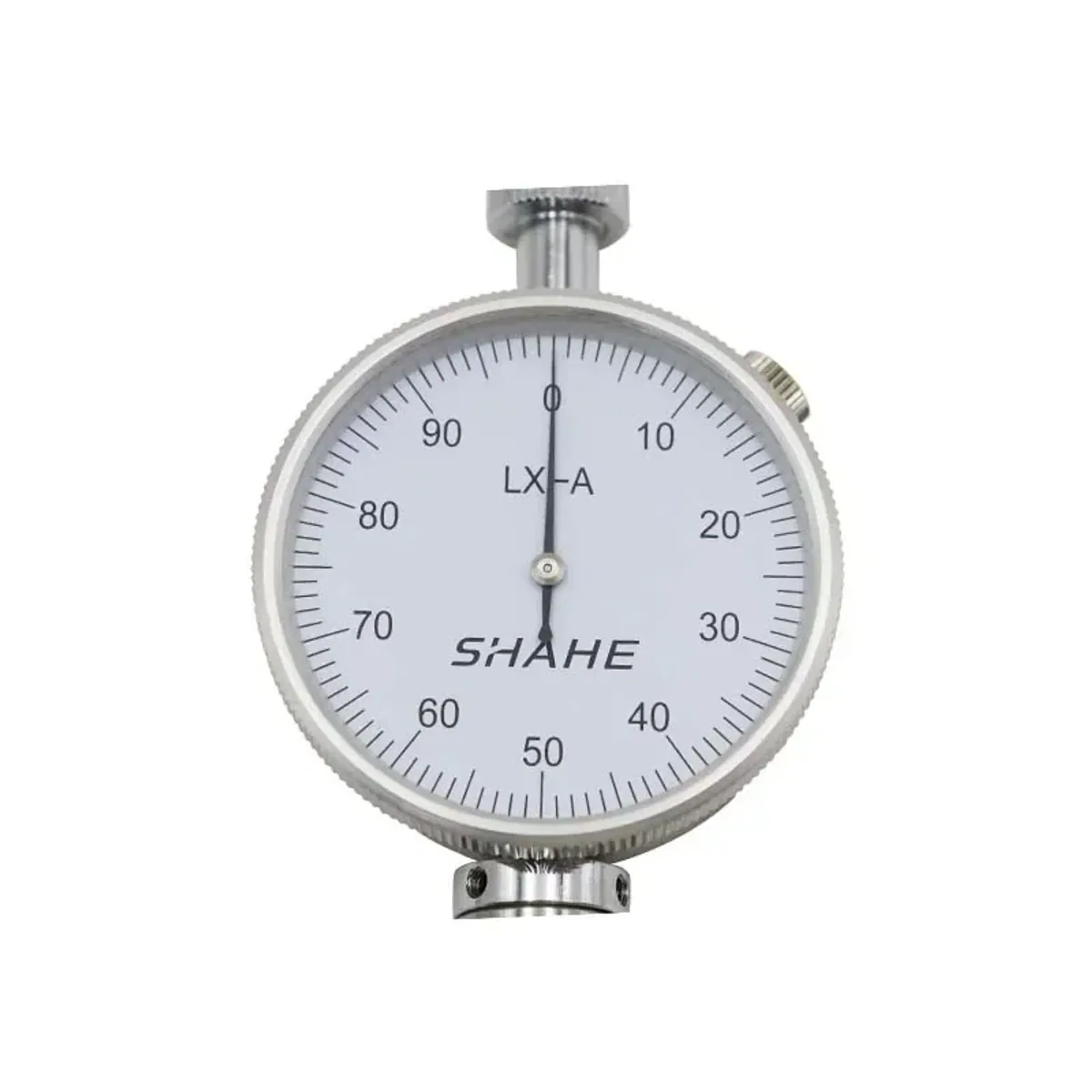
Shore Durometer Hardness Tester | A, C or D Scale | 0-100 Range
£98.99
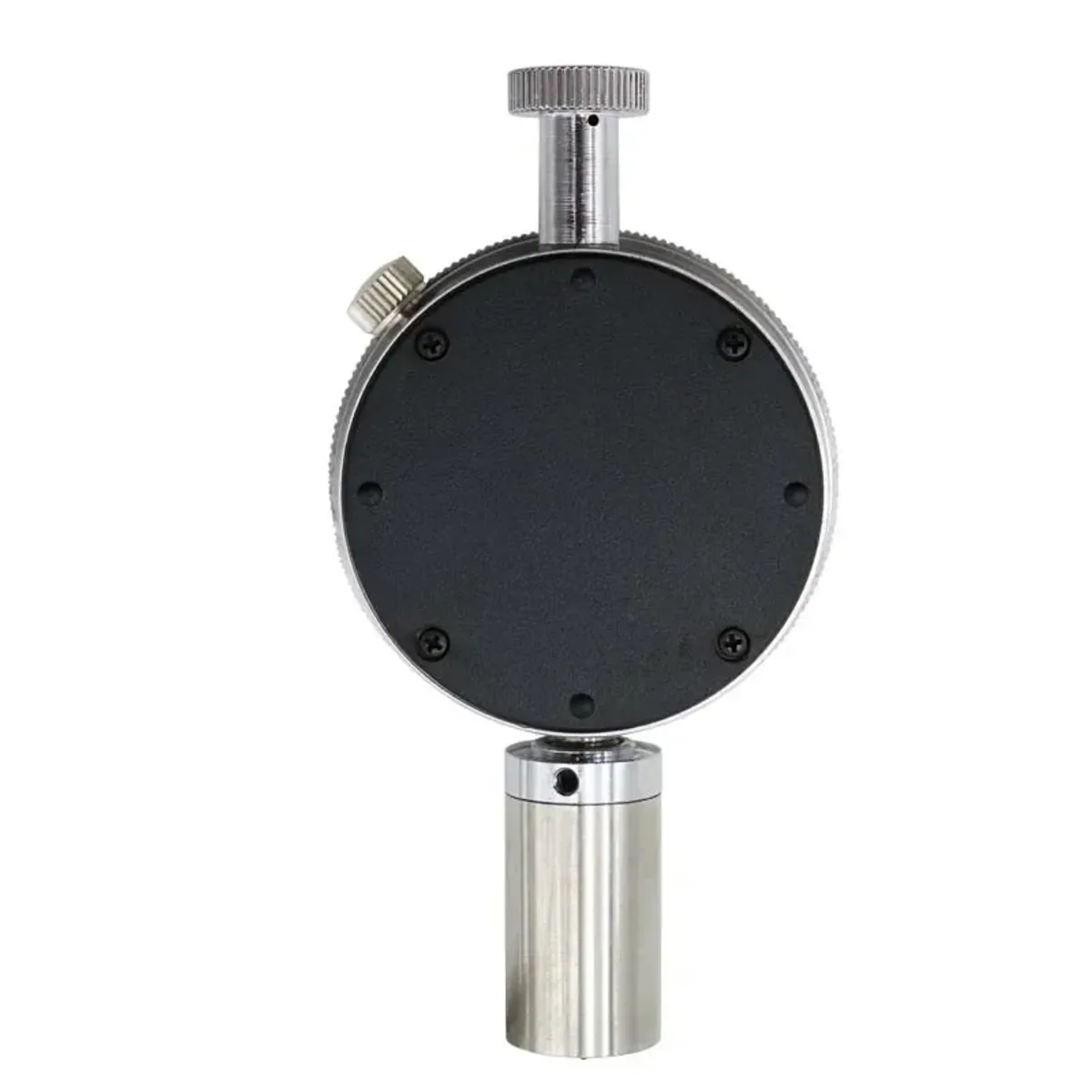
Dial Shore Durometer Hardness Tester | Shore A, C or D | 0 to 100
£123.99
Explore the range
Popular in Laboratory & Testing

Analytical Balance FA2004E | 200g x 0.1mg | Glass Draft Shield
£602.99
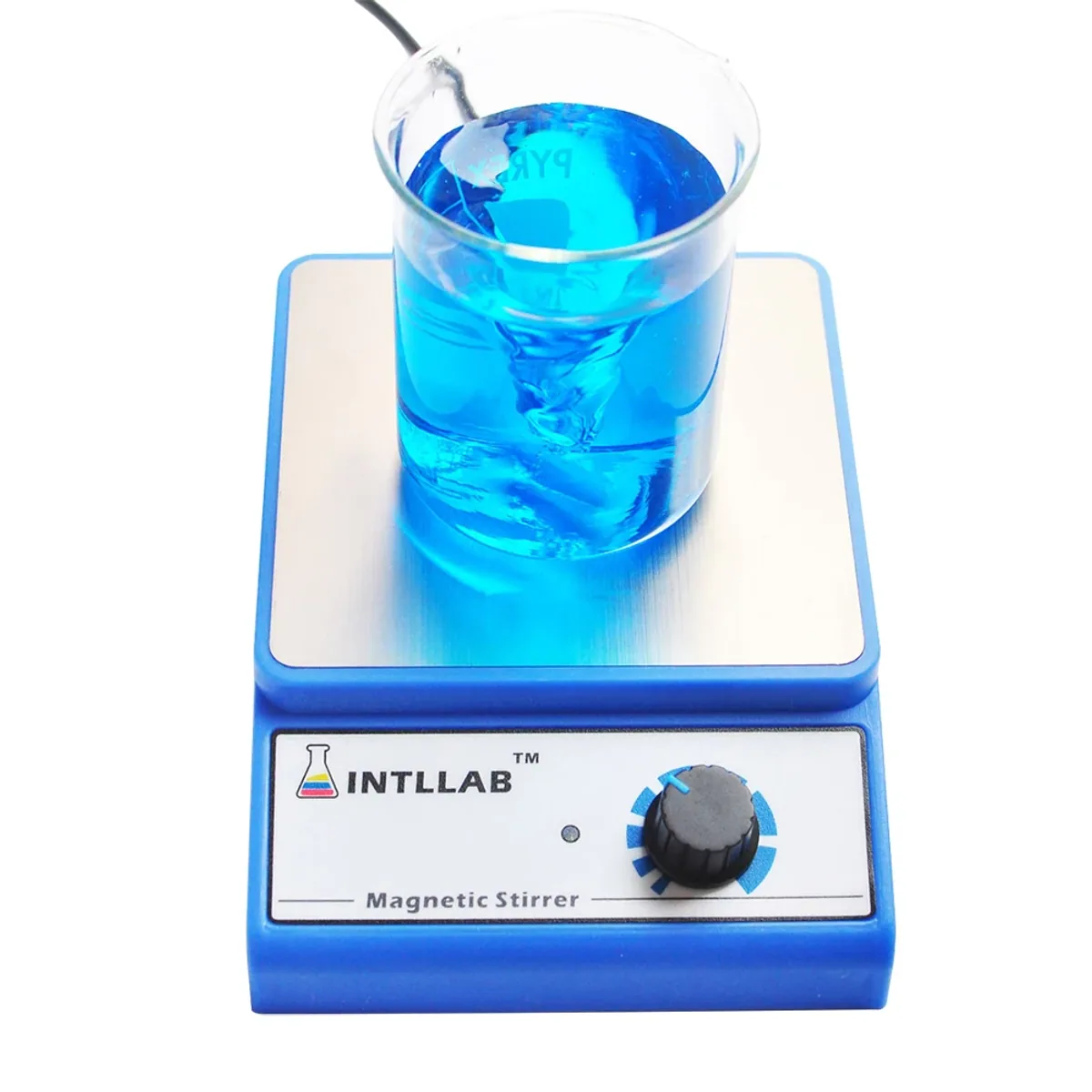
Magnetic Stirrer MS500 | 3000ml | 0 to 3000rpm | 316 Steel Top
£85.99

Centrifuge Tube with Screw Cap | 10ml, 15ml or 50ml | Pack of 10
£27.99
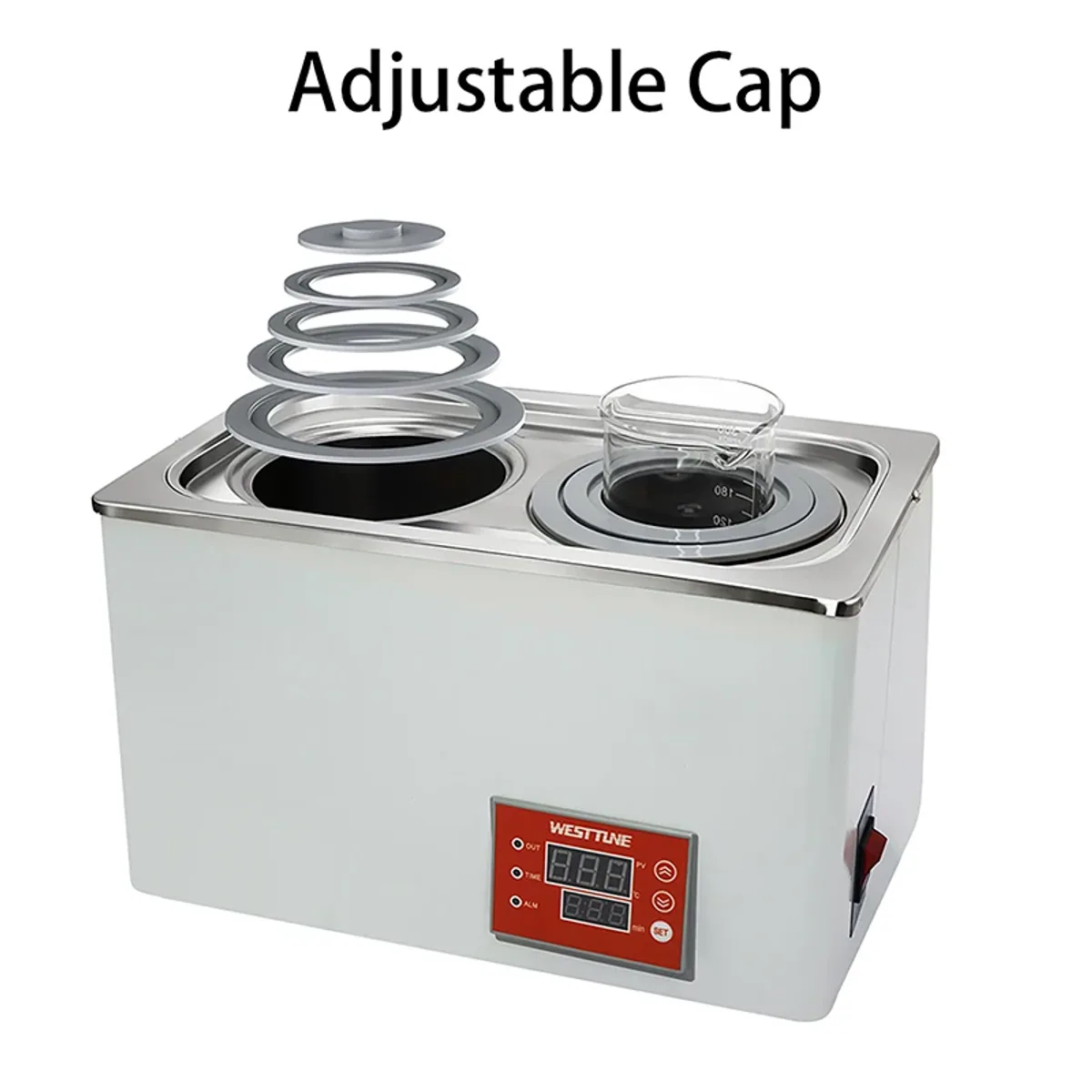
Lab Equipment Supplies Digital Water Bath HWB-1/HWB-2 | RT to 99.9°C
£260.99

Mini Vortex Mixer VM-300 | Up to 3000rpm | 50ml Capacity
£238.99

Refractometer Brix 0 to 90% | ATC Handheld Optical | 0.5% Brix Division
£54.99
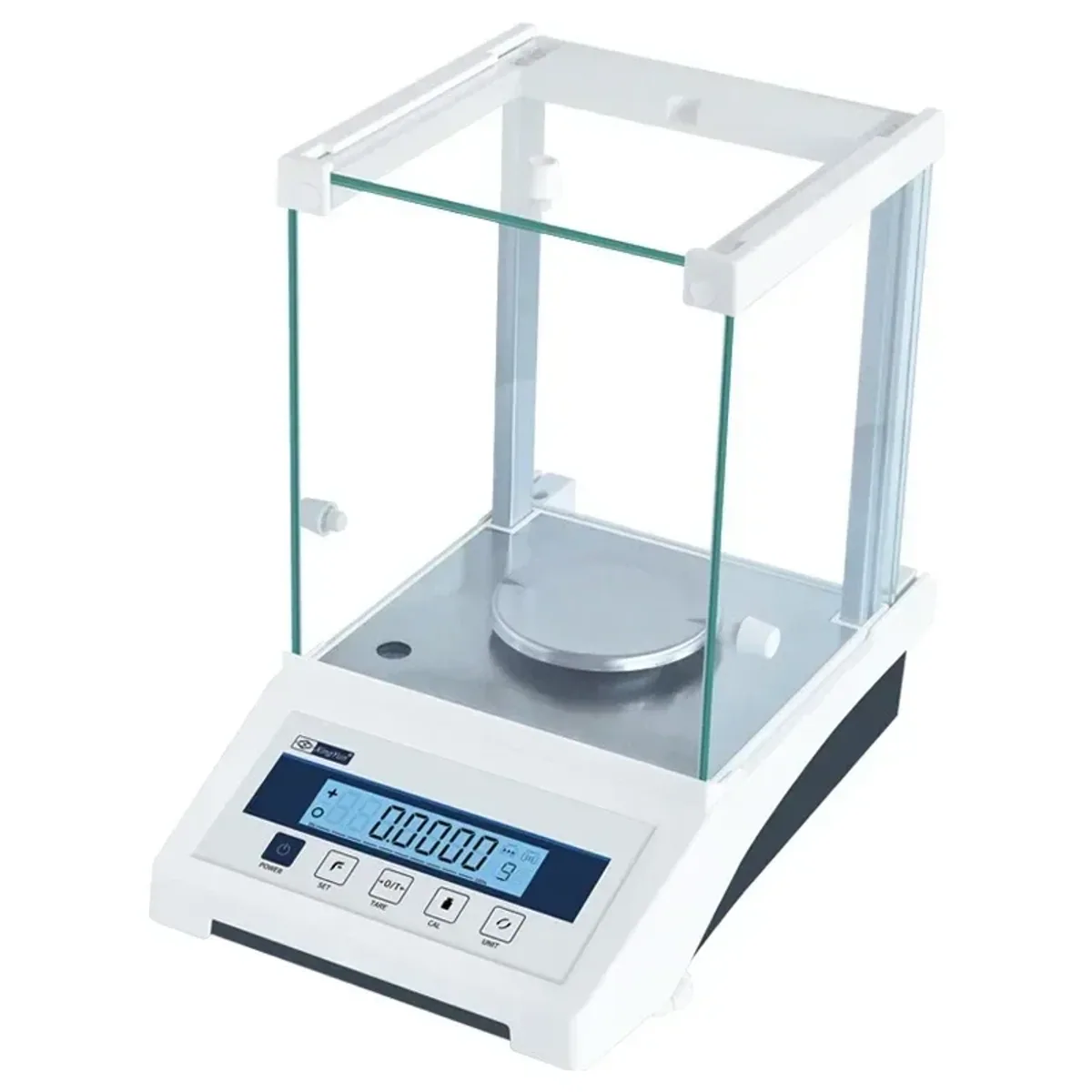
Analytical Balance 0.1mg | 120g or 220g | FA1204E, FA2204E
£638.99
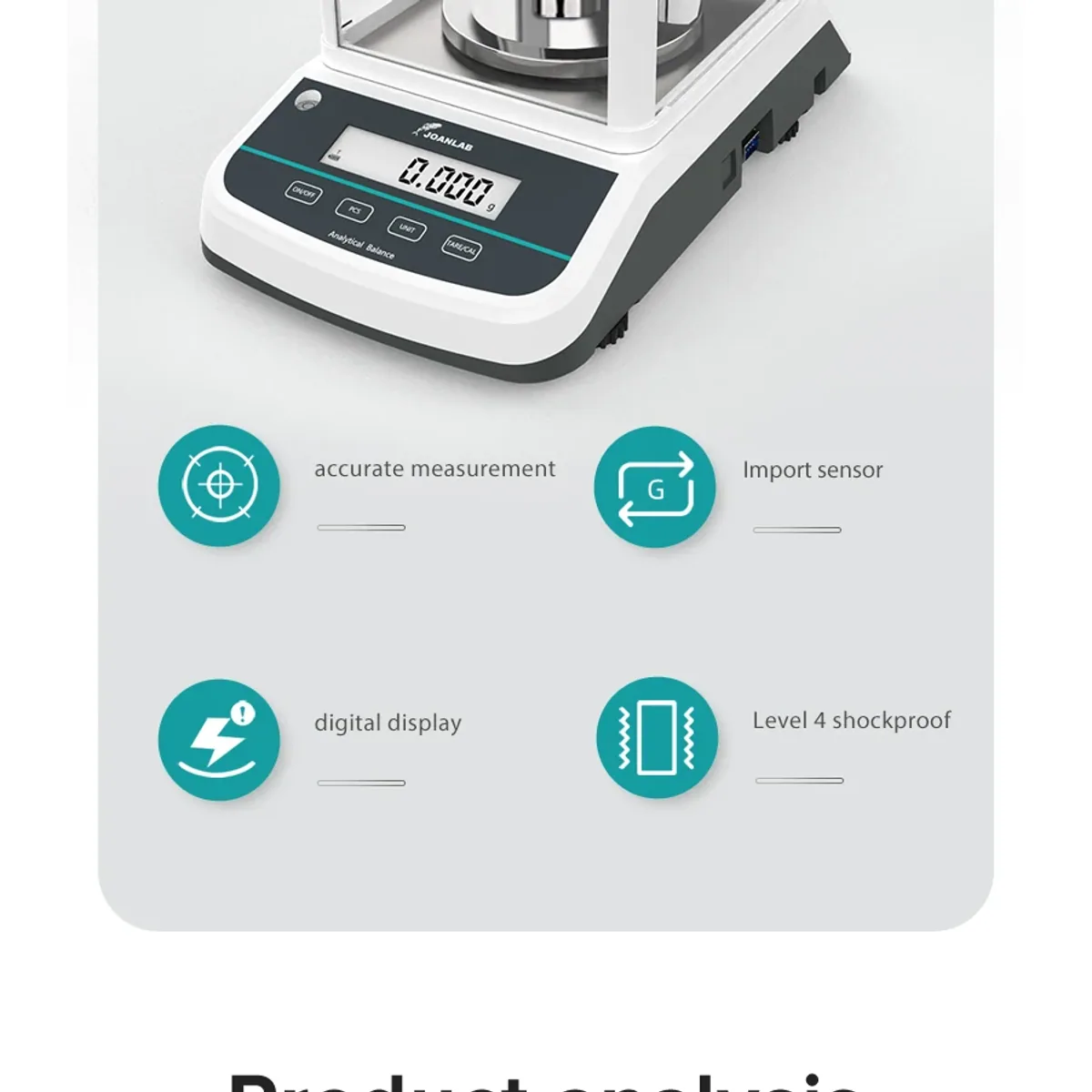
Analytical Balance FA2003S | 200g to 500g | 0.001g Readability
£506.99
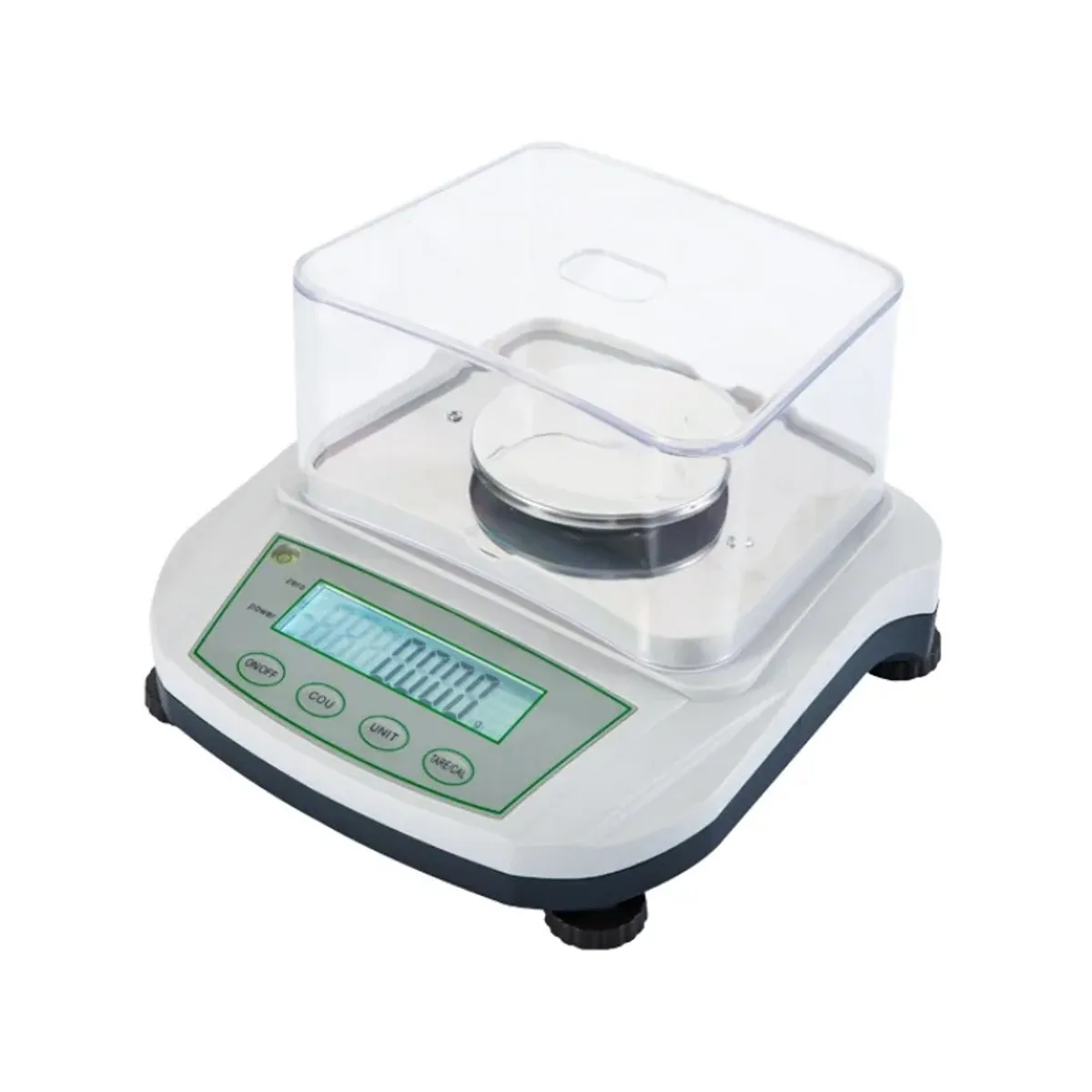
Laboratory Balance 100g/200g/300g | 0.001g Readability | Draft Shield
£231.99
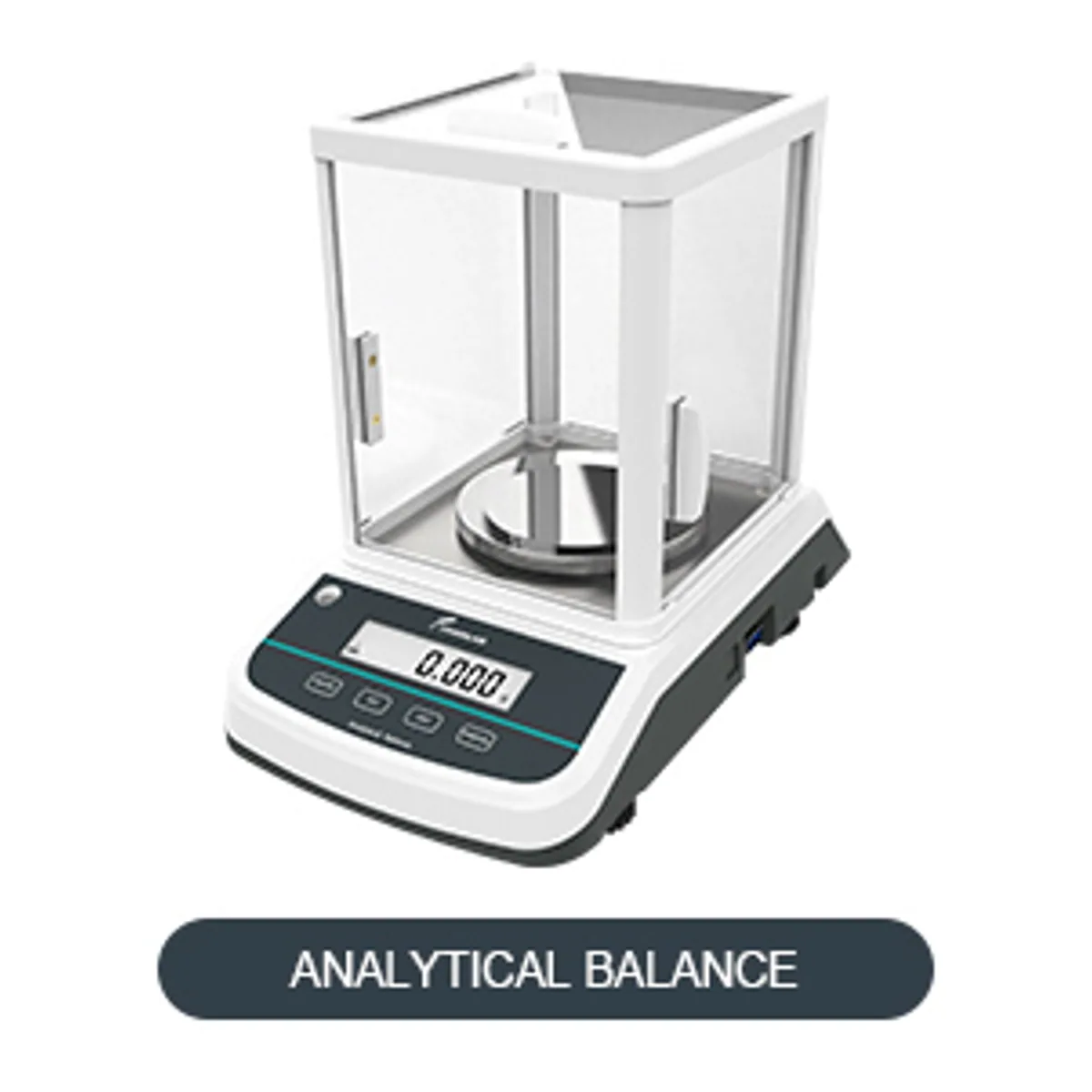
Analytical Balance | 200g, 300g or 500g Models | 0.001g Readability
£506.99
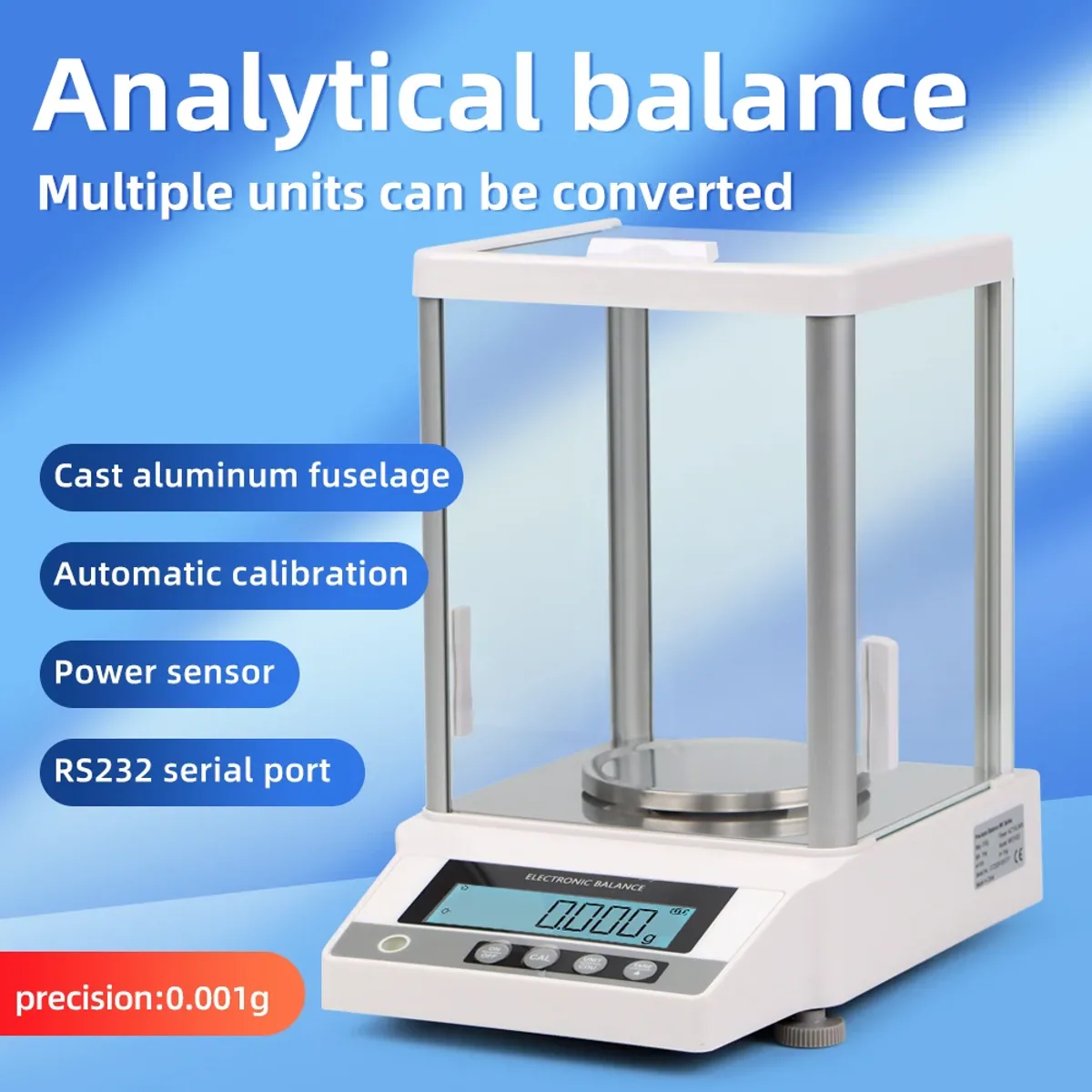
Analytical Balance MK3103C/MK5103E | 0.001g | 310g or 510g | RS232
£519.99
Laboratory Balance 0.01g | 7 Units, Tare, PCS | Bubble Level
£129.99