
Digital Shore Durometer | 0 to 100 HA, HC or HD | 0.5 Resolution
Stock Nr:
SKU:
1 / 4
£82.99inc VAT
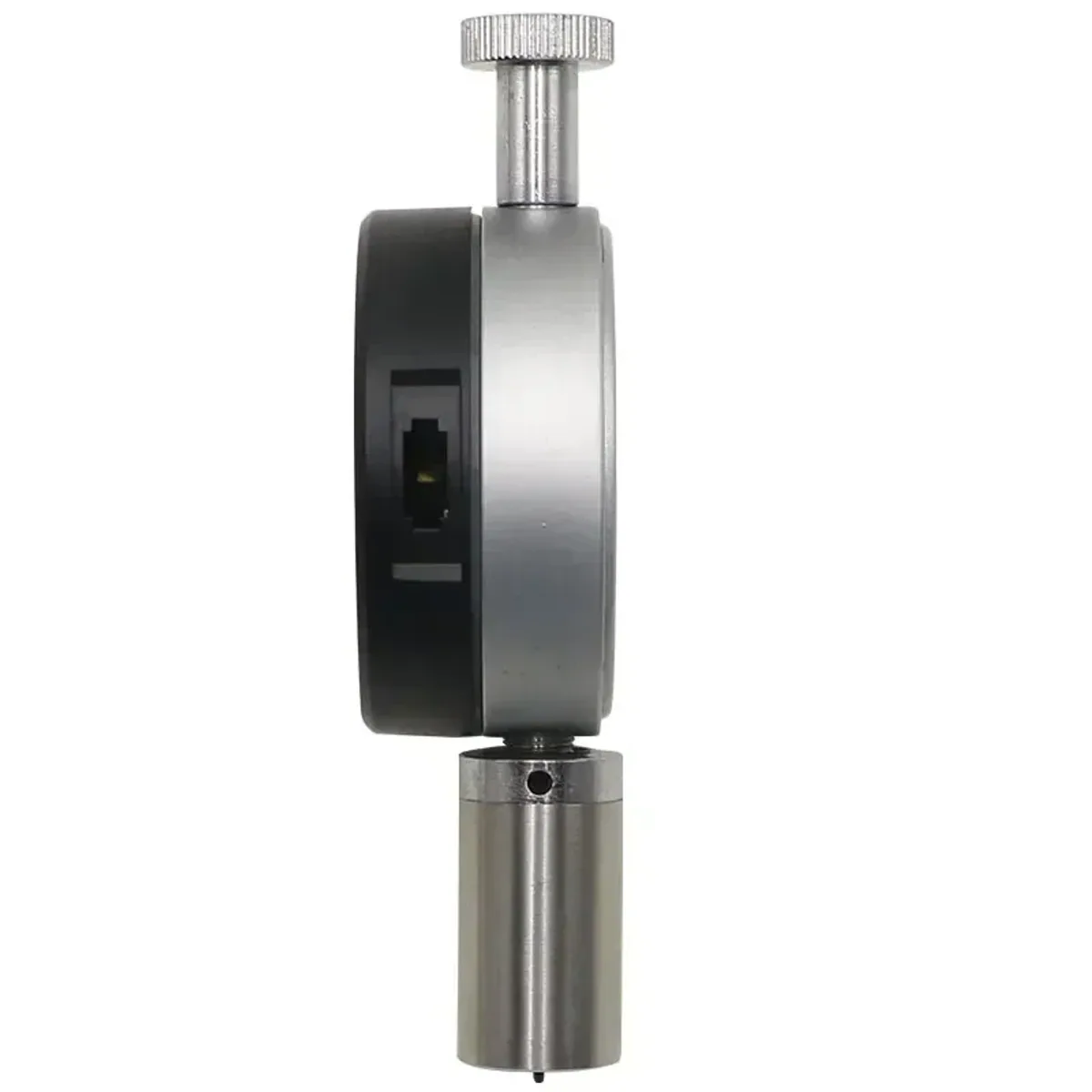
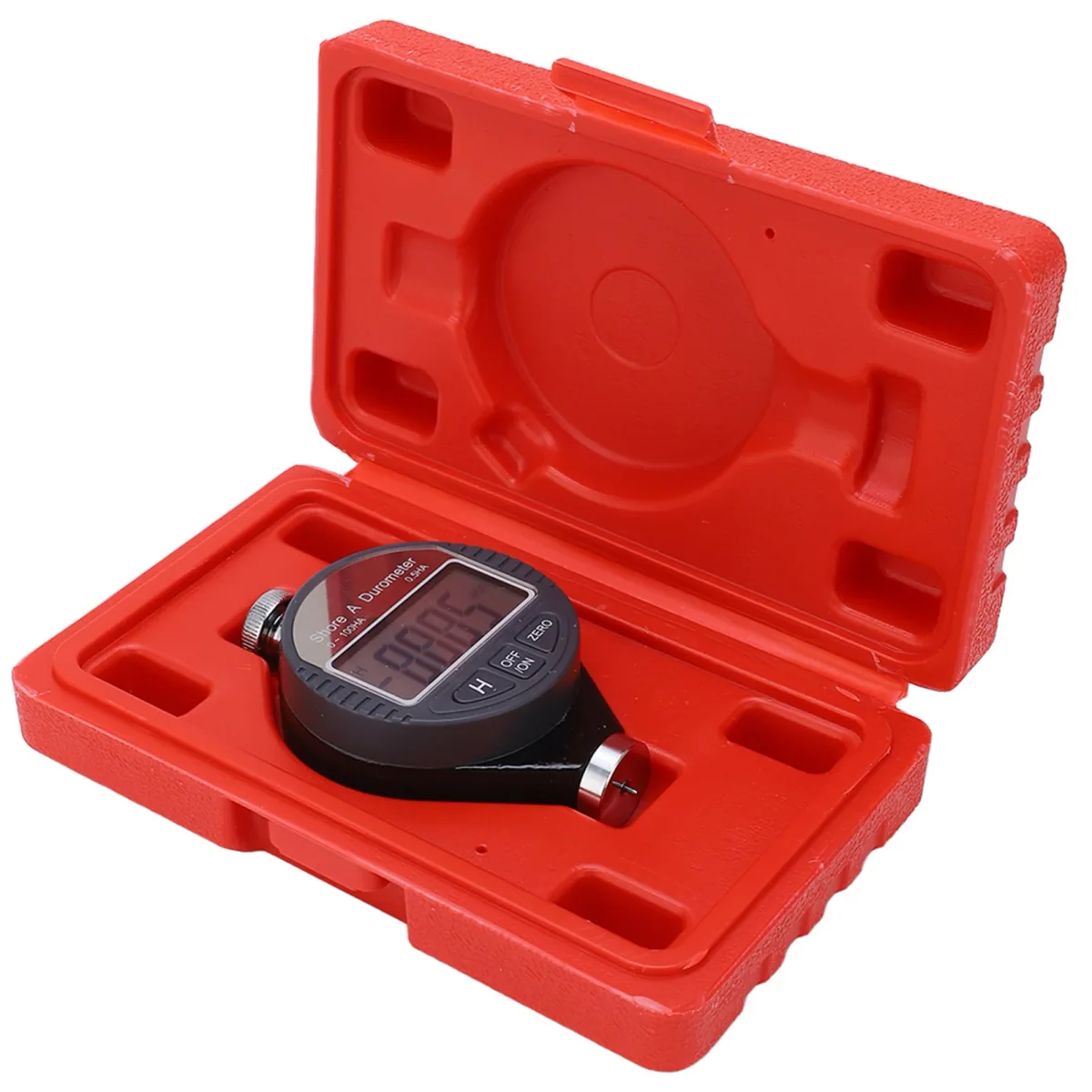
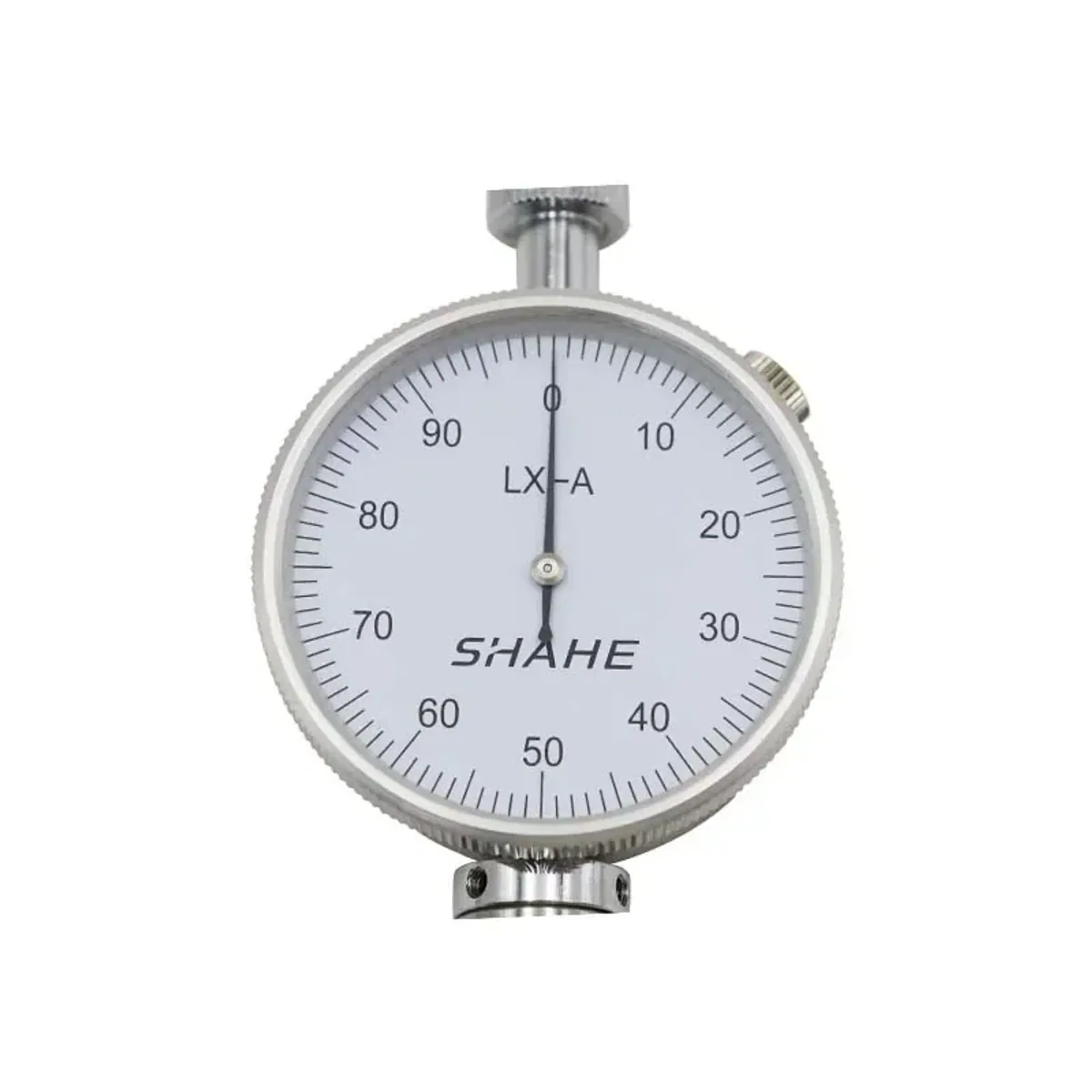
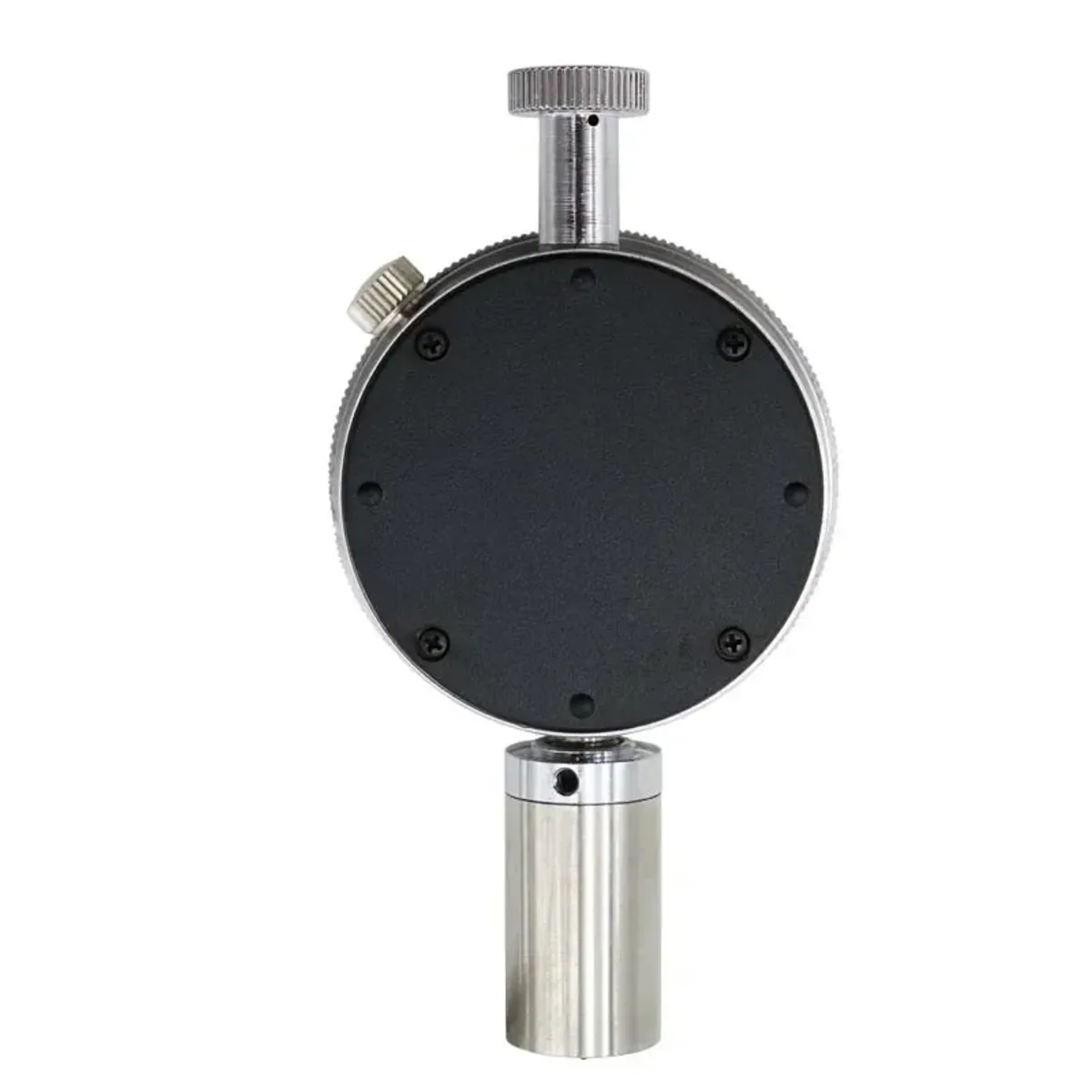
This handheld digital Shore durometer measures the hardness of rubber, plastics and foam on a 0 to 100 scale with 0.5 resolution, and shows the result on an LCD in about 1 second. It comes in three ve...
Select an option
- Secure checkout
- All major cards
- Tracked delivery
£82.99
Fast Shipping
Secure Payment
Easy Returns
Good to know
Questions about this product
- What battery does it use?
- It takes one 1.5V button battery, which is included. When the digits on the display blink, the battery is running low.
- What is included with the tester?
- You receive one hardness tester of the scale you select and one instruction manual, packed in a plastic box.
- Can it test thin sheet material?
- The sample thickness must be greater than 6mm. For thinner sheet, stack layers or use a thicker piece of the same material.
Hardness Testers spec sheet (PDF)
Get a one-page sheet with full description, specifications, technical details, FAQs, price & SKU - handy to save, print, or share.
Not sure which one?
Compare with similar products
The same kind of product, in stock, in a similar price range.
This product: £82.99
This product

Digital Shore Durometer | 0 to 100 HA, HC or HD | 0.5 Resolution
- Price
- £82.99
- Rating
- Not rated
- Stock
- In stock
You're viewing this
Alternative
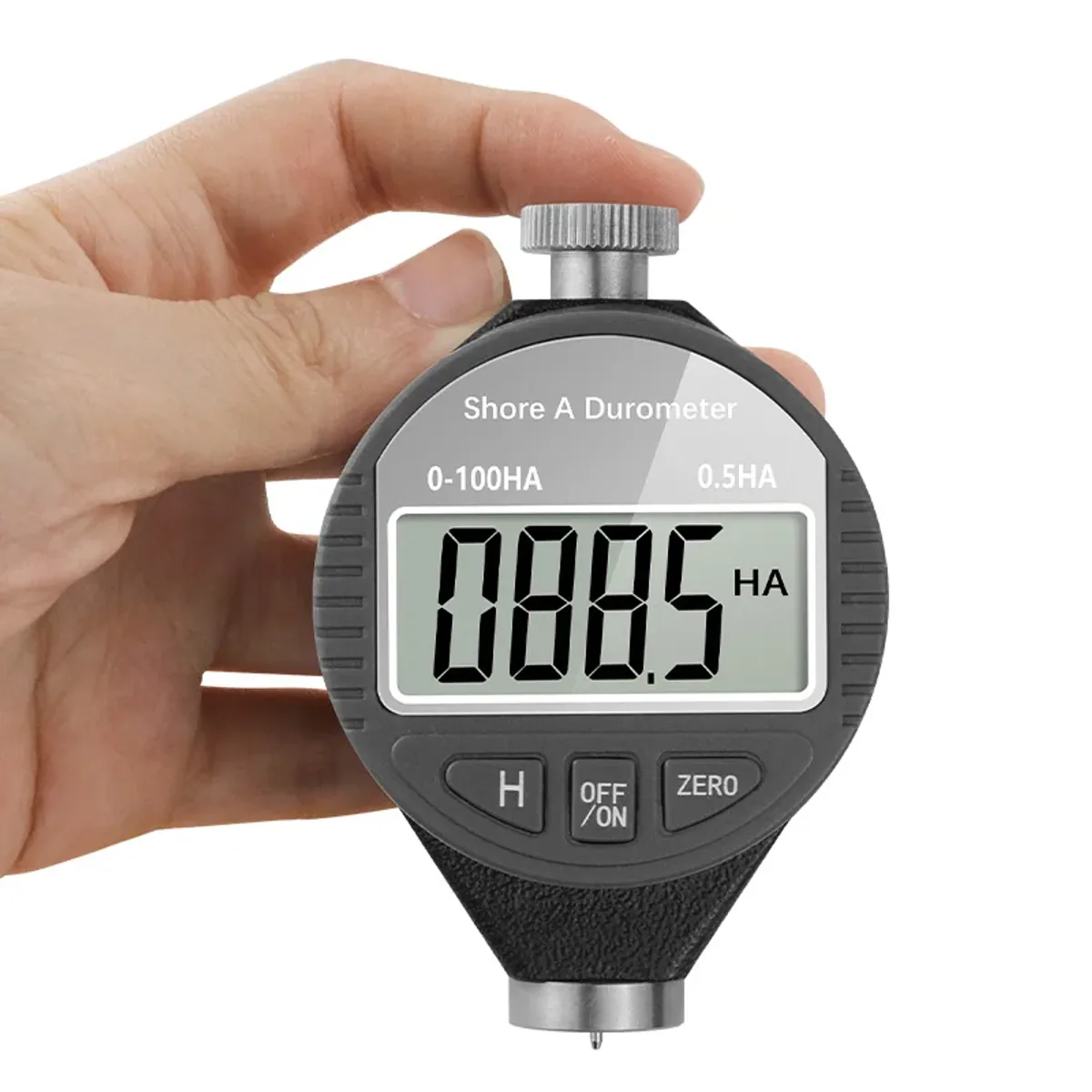
Digital Shore Durometer HA HD HC | Rubber Hardness Tester | 0 to 100
- Price
- £77.99
- Rating
- Not rated
- Stock
- In stock
Compare options
More Hardness Testers

Digital Shore Hardness Tester LXD-A/C/D | 0 to 100 | Shore A, C or D
£127.99
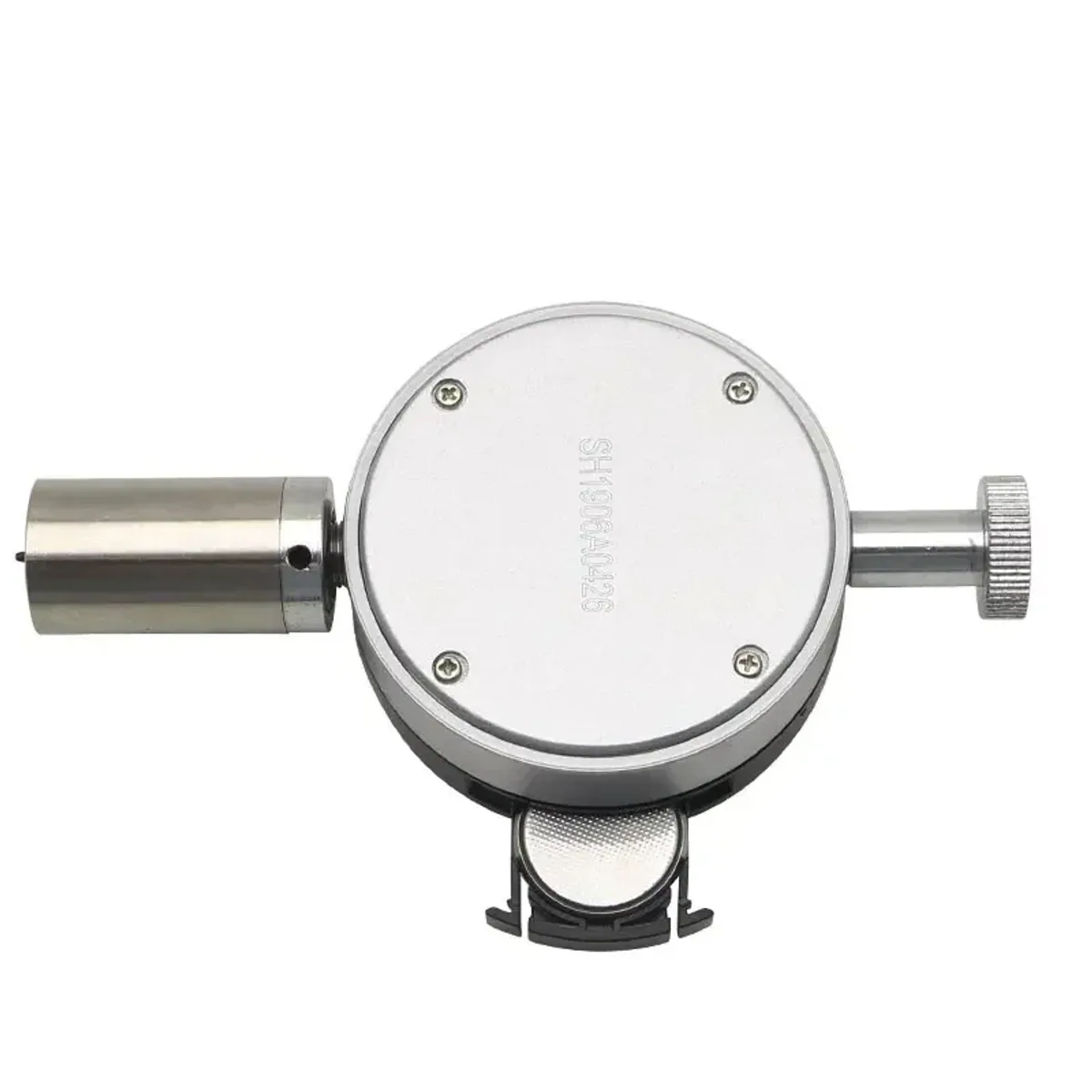
Digital Shore Hardness Tester LXD-A/C/D | 0 to 100 | 115 x 60 x 25mm
£98.99
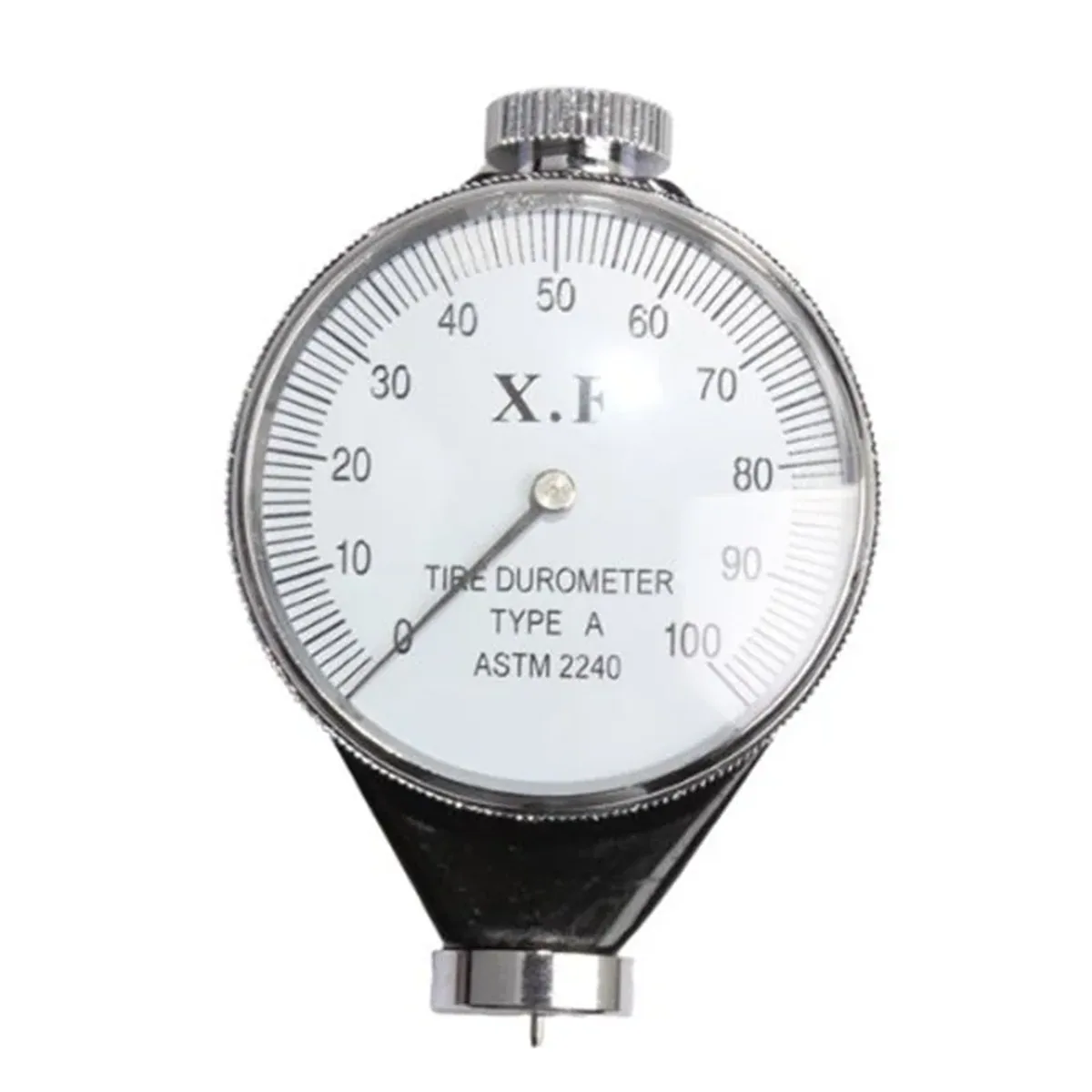
Shore A Durometer Hardness Tester GK156 | 0 to 100HA | Rubber & Tyre
£81.99
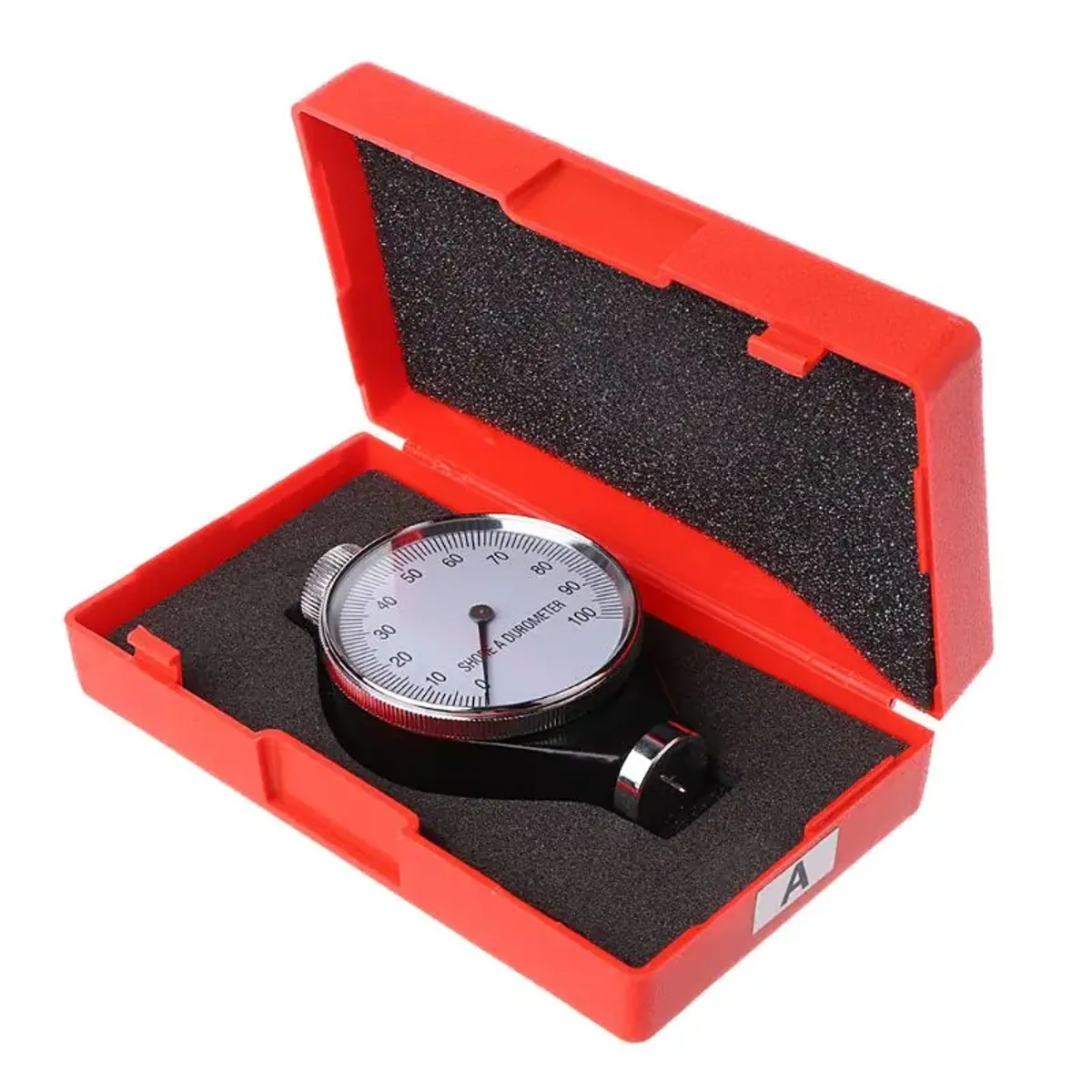
Shore A Durometer Hardness Tester | 0-100HA Dial | Rubber and Elastomers
£68.99
Digital Shore Hardness Tester LXD-A/C/D | 0-100 HA, HC or HD | 0.5 Resolution
£113.99
Digital Shore A Durometer Hardness Tester | 0 to 100 HA | LCD Display
£111.99
Shore Durometer Hardness Tester | A, C or D Scale | 0-100 Range
£98.99
Dial Shore Durometer Hardness Tester | Shore A, C or D | 0 to 100
£123.99
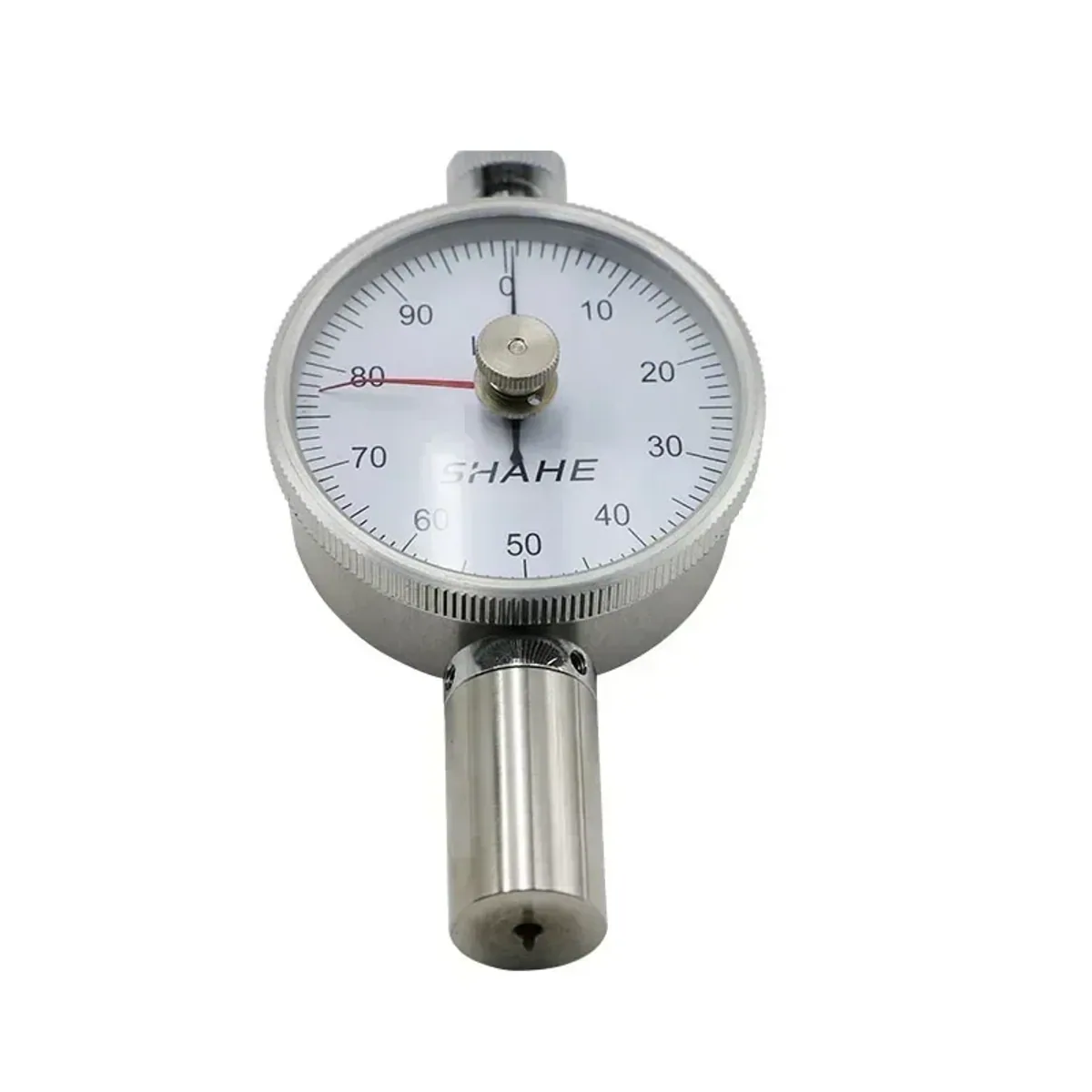
Shore Durometer Hardness Tester LX-A/C/D | 0-100 Range | Analog Dial
£100.99
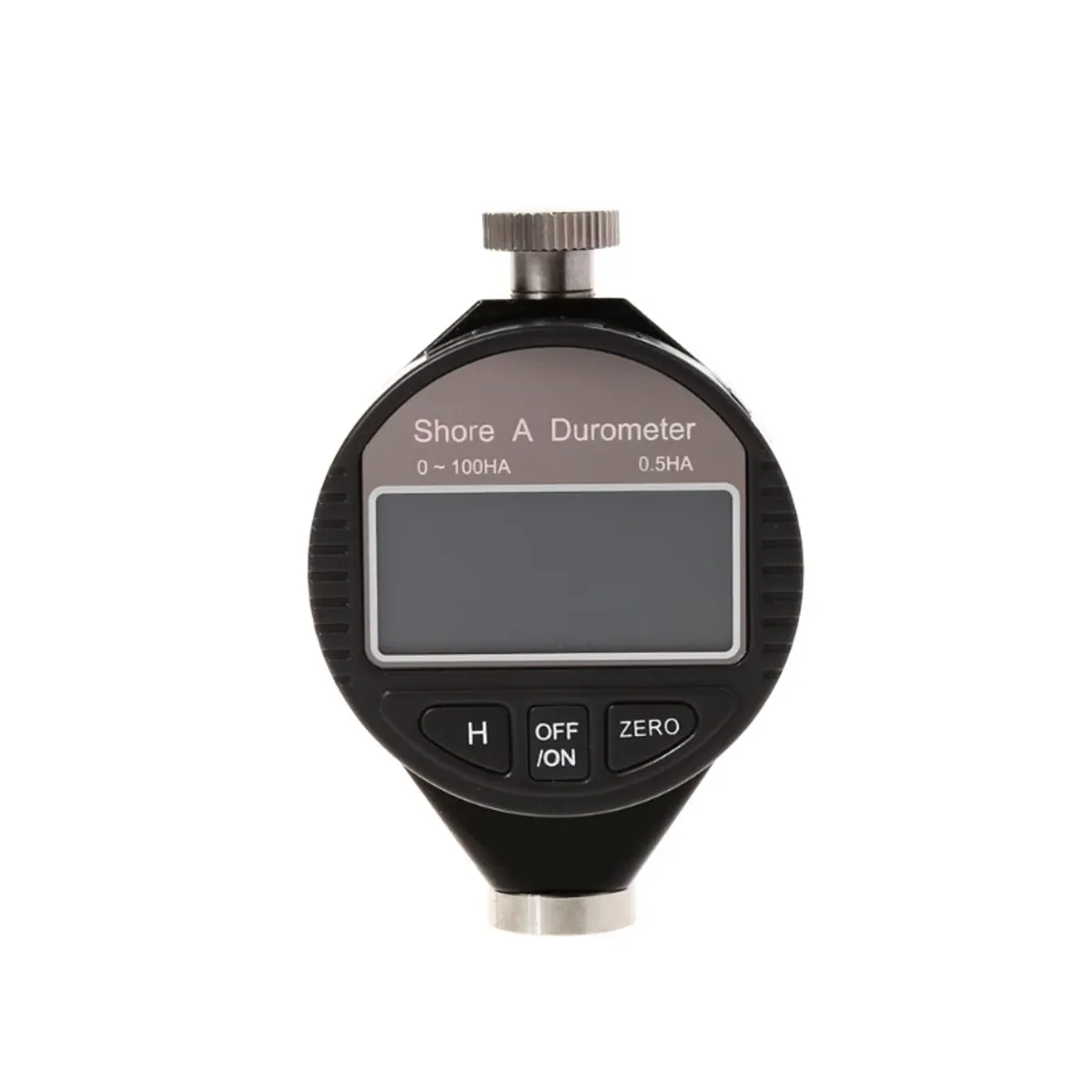
Digital Shore Durometer Shore A | 0 to 100HA | 0.5HA Resolution
£72.99
Explore the range
Popular in Laboratory & Testing

Refractometer Brix 0 to 90% | ATC Handheld Optical | 0.5% Brix Division
£54.99

Centrifuge Tube with Screw Cap | 10ml, 15ml or 50ml | Pack of 10
£27.99

Mini Vortex Mixer VM-300 | Up to 3000rpm | 50ml Capacity
£238.99

Analytical Balance FA2004E | 200g x 0.1mg | Glass Draft Shield
£602.99
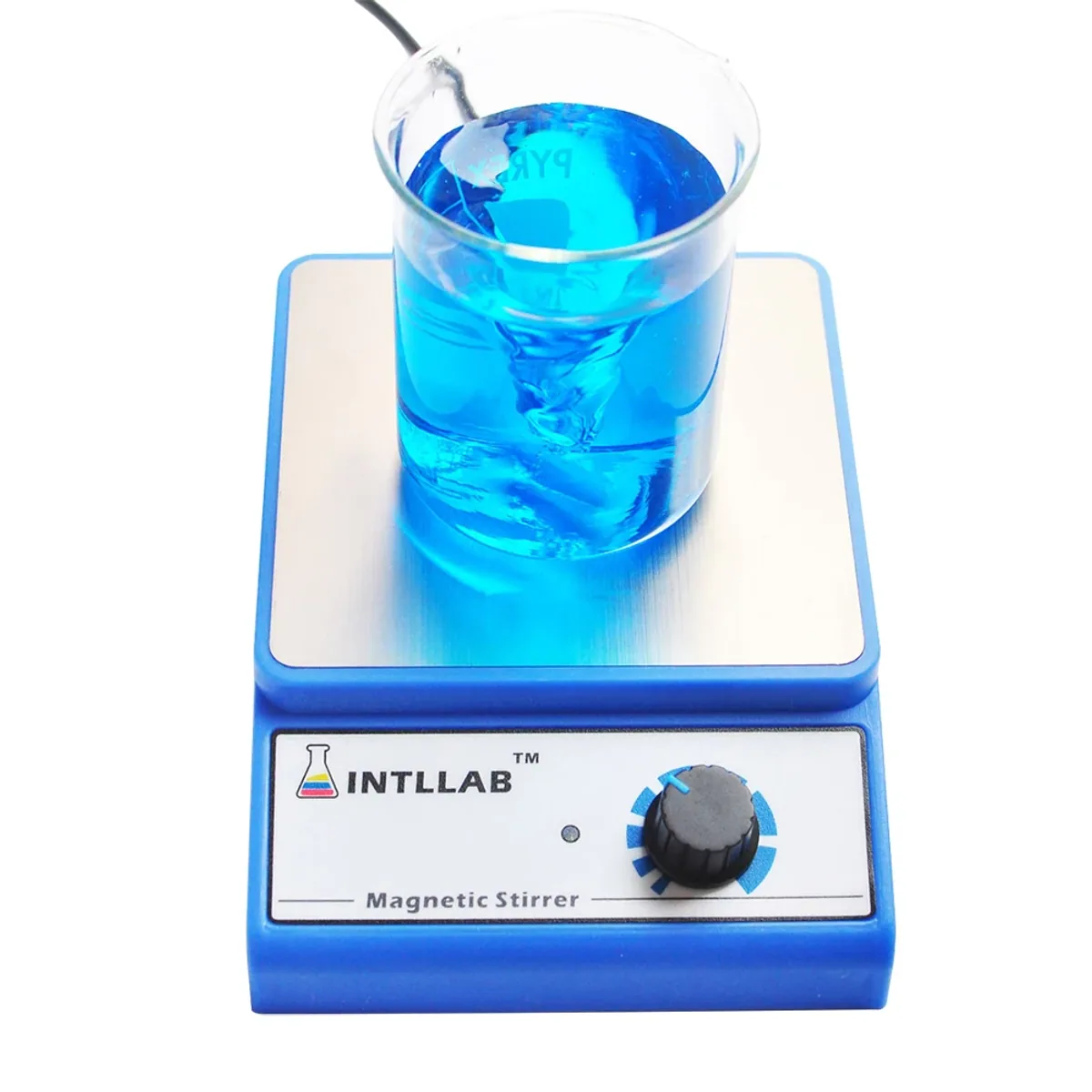
Magnetic Stirrer MS500 | 3000ml | 0 to 3000rpm | 316 Steel Top
£85.99

Laboratory Centrifuge 900-2 / 900-1S | 4000rpm | 6 x 10ml | Timer
£215.99
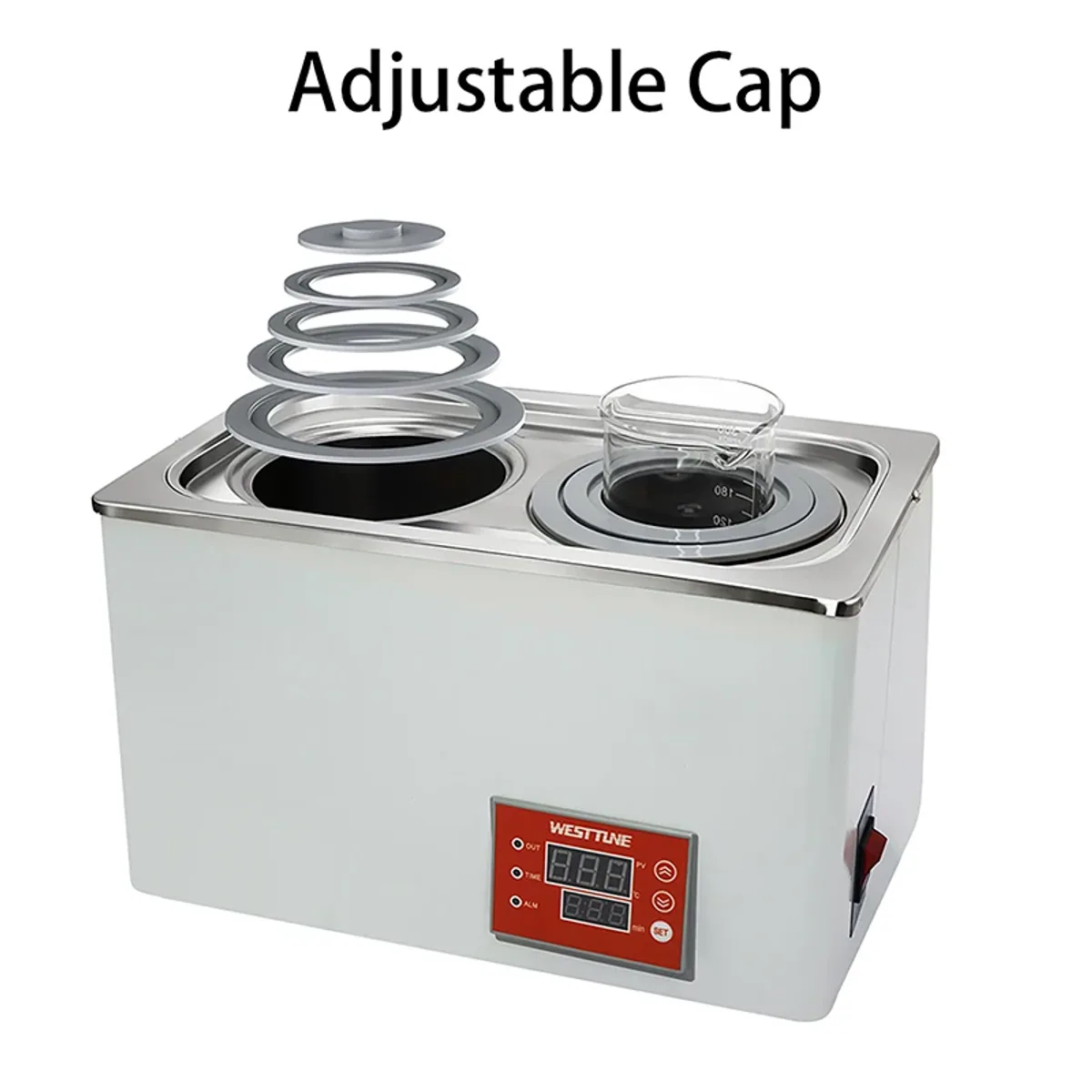
Lab Equipment Supplies Digital Water Bath HWB-1/HWB-2 | RT to 99.9°C
£260.99
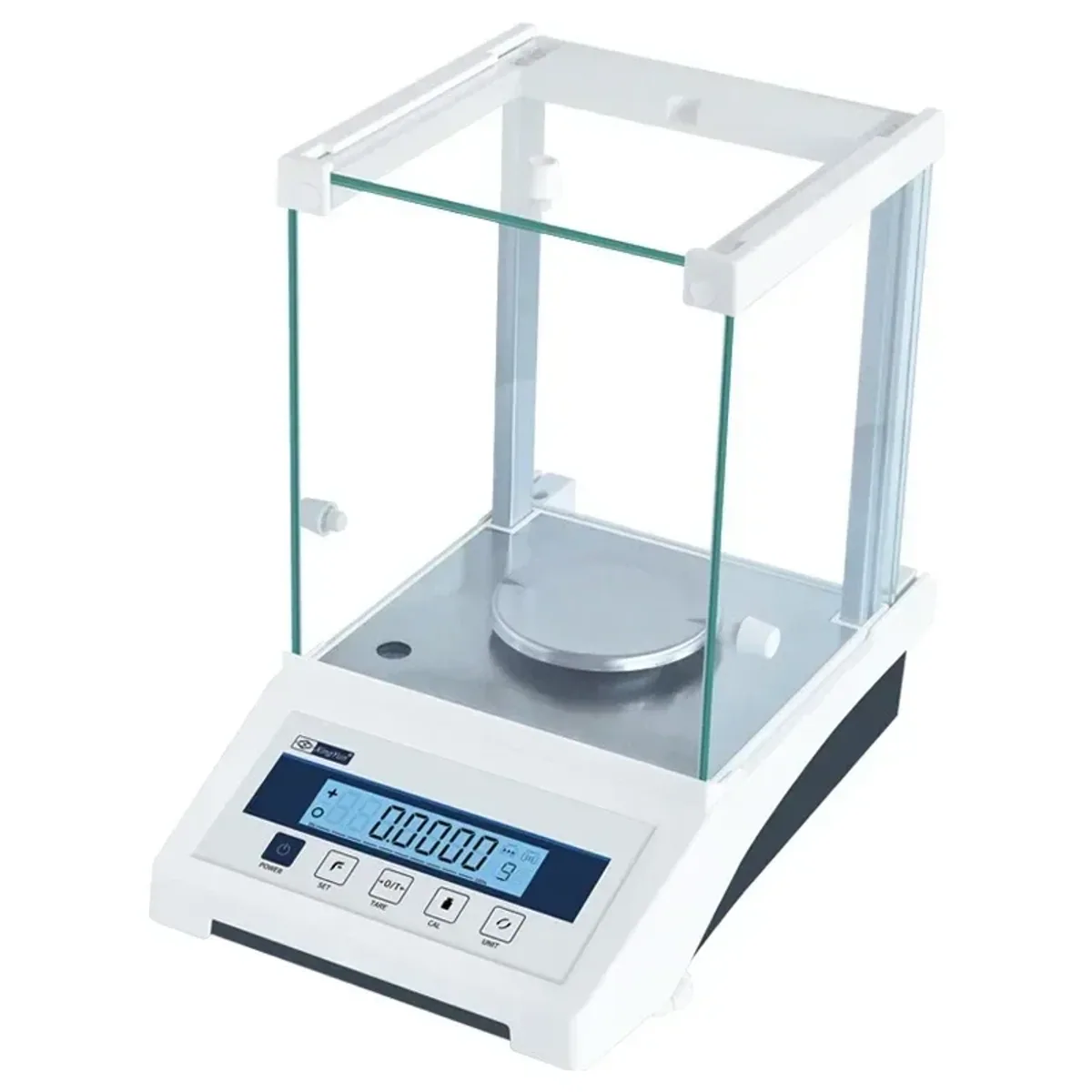
Analytical Balance 0.1mg | 120g or 220g | FA1204E, FA2204E
£638.99

Centrifuge Tube 50ml Screw Cap | Free-standing | Graduated | 25 Pack
£45.99

Honey Refractometer RH-5890Be | 58-90% Brix | Moisture & Baume | ATC
£77.99
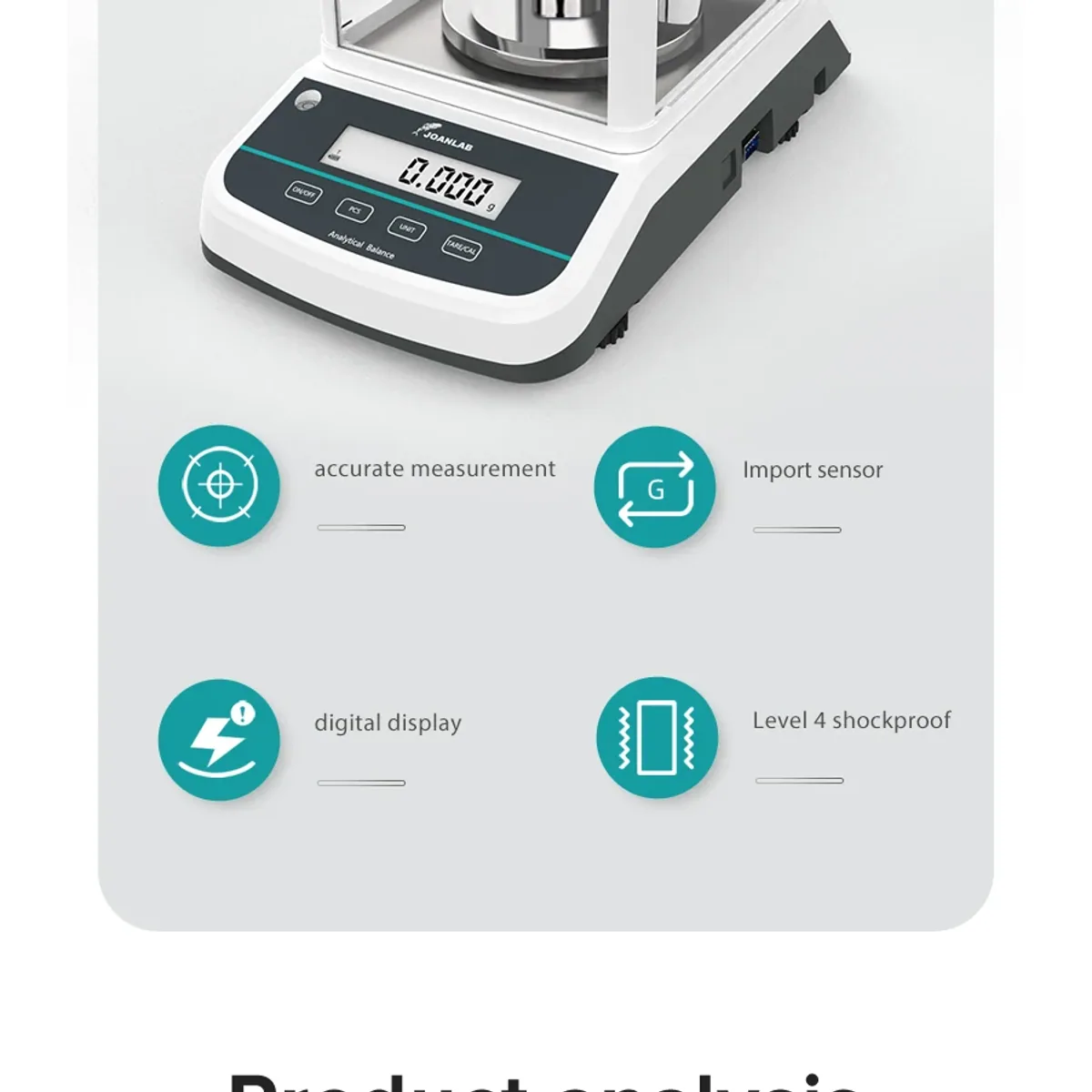
Analytical Balance FA2003S | 200g to 500g | 0.001g Readability
£506.99
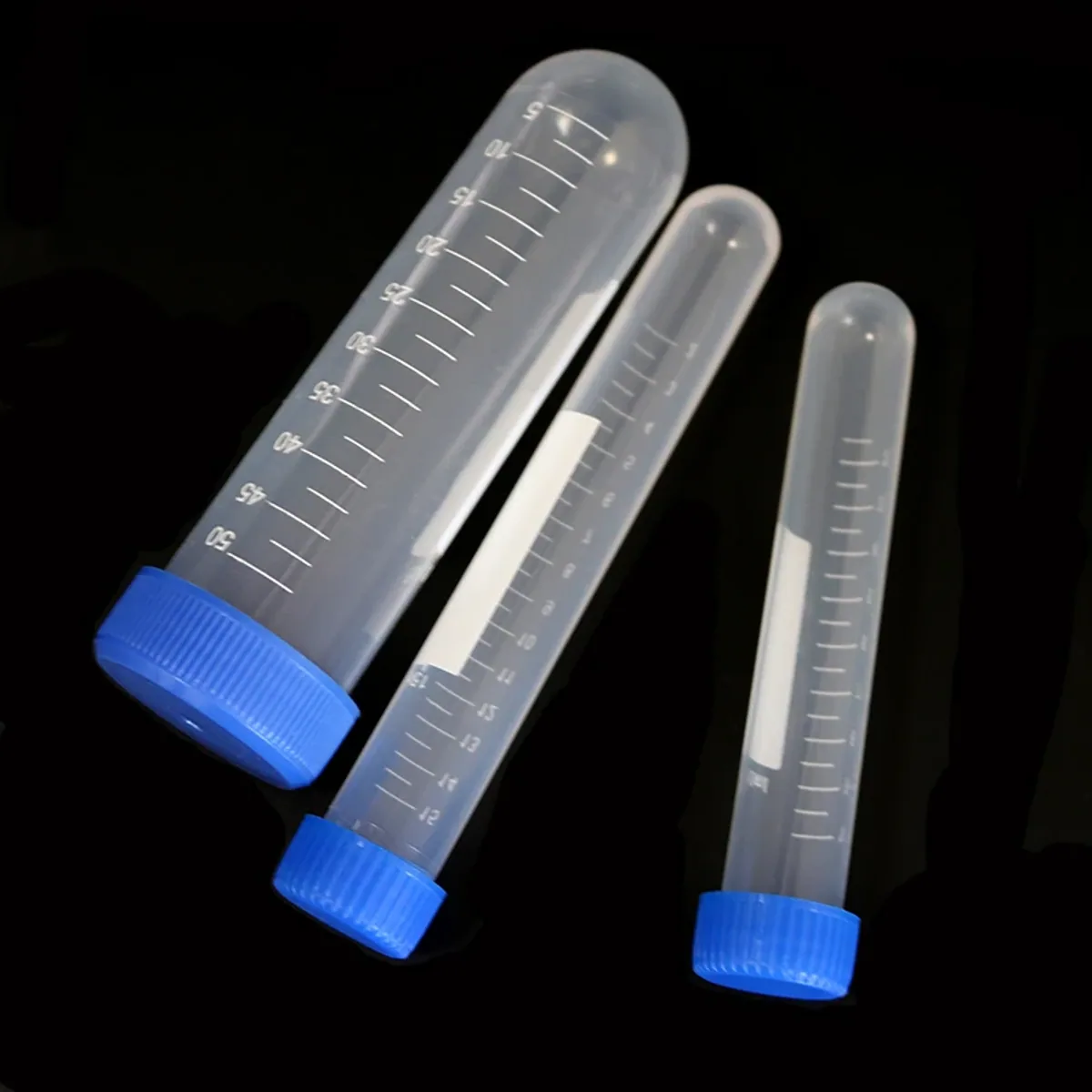
Centrifuge Tube 10 Pack | 10ml, 15ml or 50ml | Blue Screw Cap
£27.99