
Analytical Balance FA2003S | 200g to 500g | 0.001g Readability
This analytical balance weighs to 0.001g (1mg) and comes in three capacities: 200g (FA2003S), 300g (FA3003S) and 500g (FA5003S). It has a backlit LCD, a glass draft shield, a stainless steel weighing ...
- Secure checkout
- All major cards
- Tracked delivery
Good to know
Questions about this product
- Can it run without mains power?
- Yes, it can run on 4 x 1.5V dry batteries as well as the AC110V to 240V adapter. A low power warning shows on the display.
- Which plug should I pick?
- Choose the UK plug option so the adapter fits a UK socket directly. The adapter accepts AC110V to 240V.
- Can I connect it to a printer or computer?
- Yes, it has a standard RS232 interface for printers, computers and other external equipment. You will need a suitable cable and software on the other end.
Lab Balances spec sheet (PDF)
Get a one-page sheet with full description, specifications, technical details, FAQs, price & SKU - handy to save, print, or share.
Not sure which one?
Compare with similar products
The same kind of product, in stock, in a similar price range.
This product: £506.99
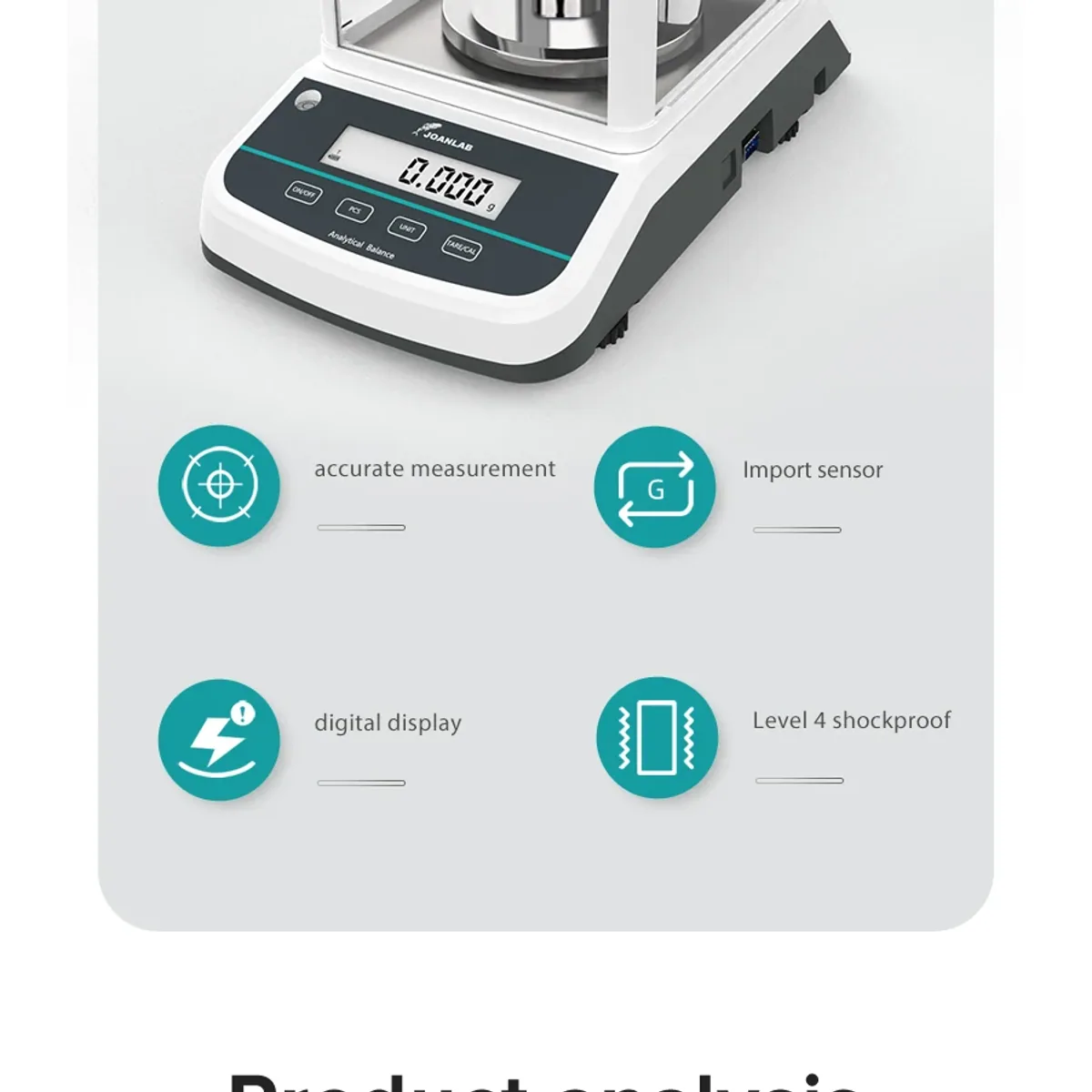
Analytical Balance FA2003S | 200g to 500g | 0.001g Readability
- Price
- £506.99
- Rating
- Not rated
- Stock
- In stock

Analytical Balance FA2004E | 200g x 0.1mg | Glass Draft Shield
- Price
- £602.99
- Rating
- Not rated
- Stock
- In stock
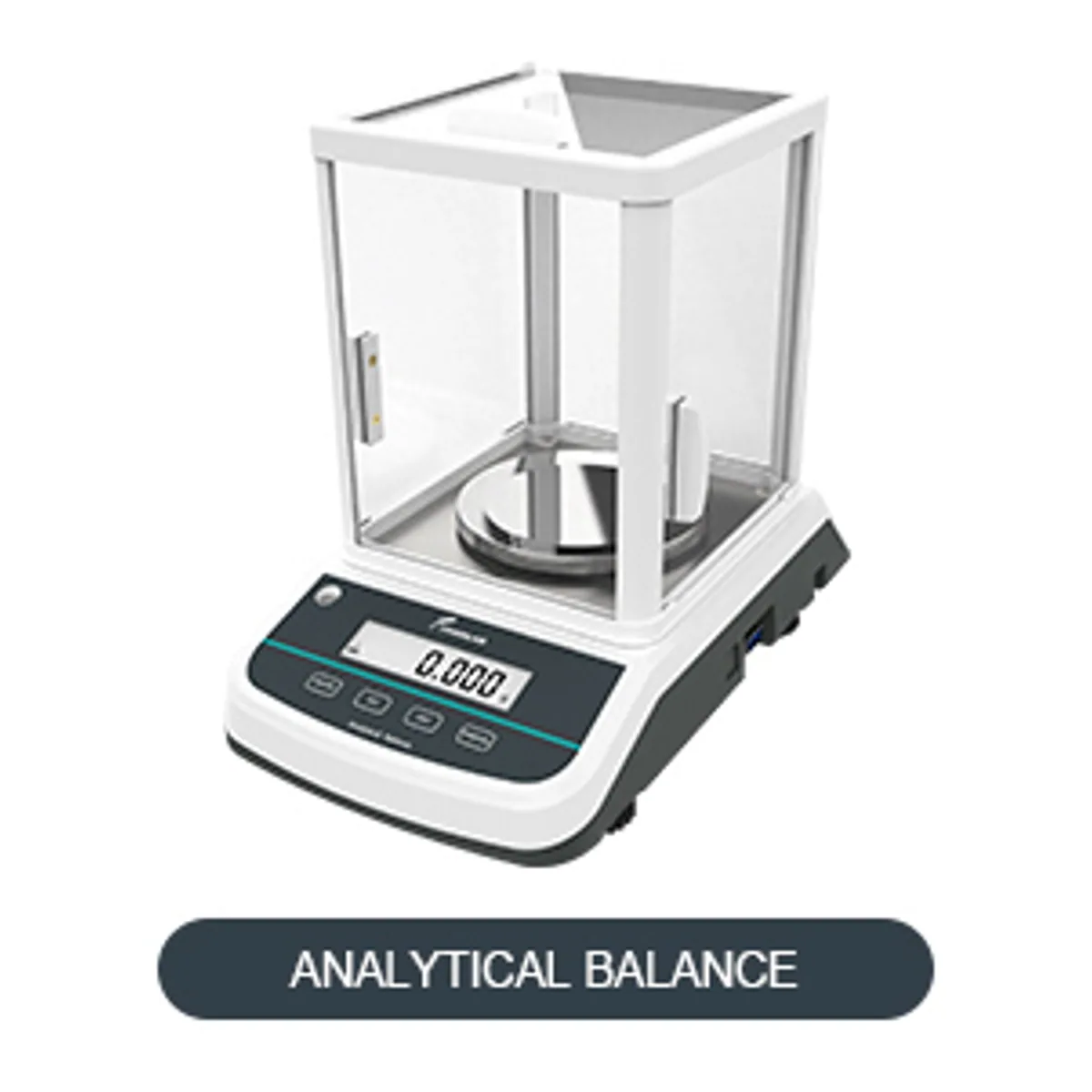
Analytical Balance | 200g, 300g or 500g Models | 0.001g Readability
- Price
- £506.99
- Rating
- Not rated
- Stock
- In stock
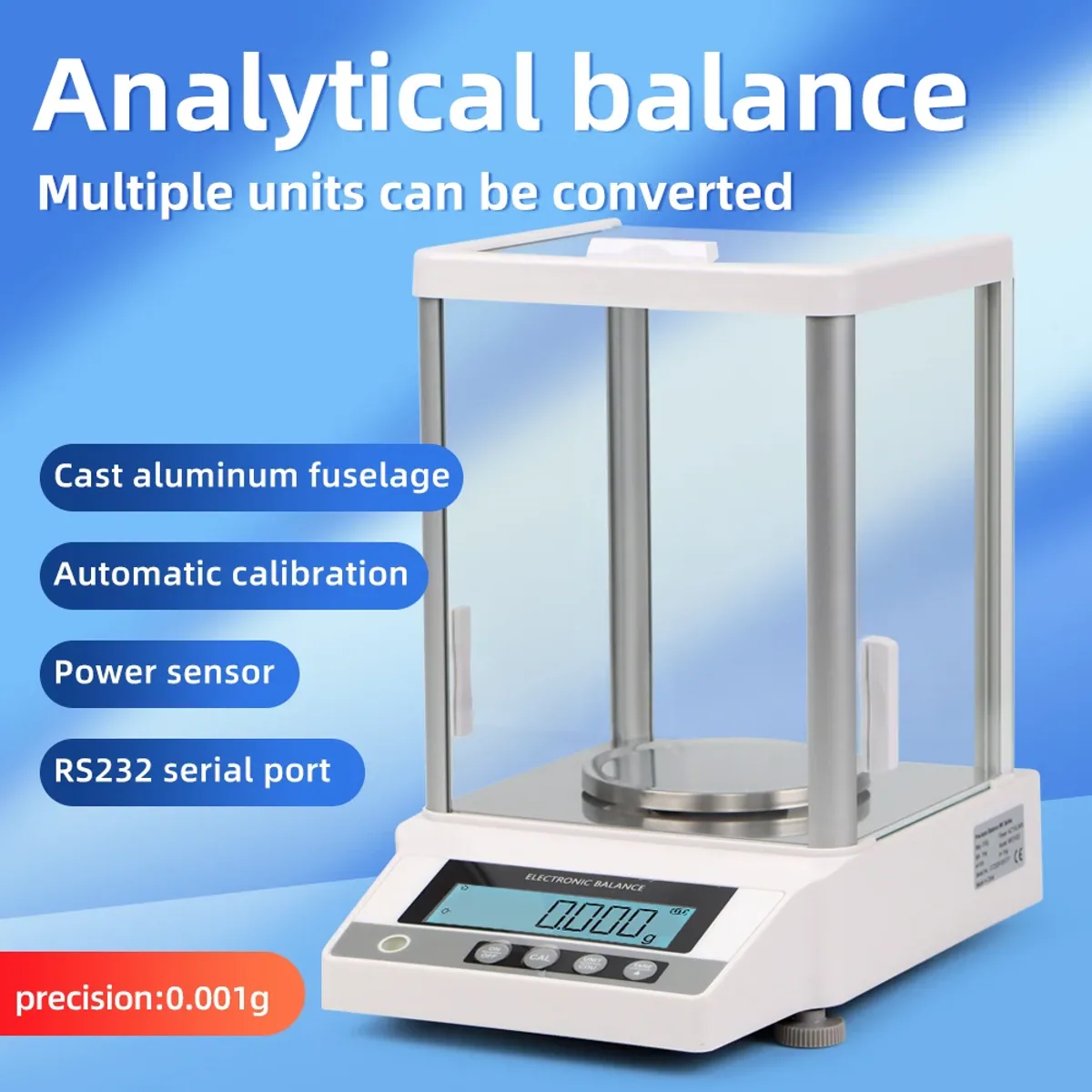
Analytical Balance MK3103C/MK5103E | 0.001g | 310g or 510g | RS232
- Price
- £519.99
- Rating
- Not rated
- Stock
- In stock
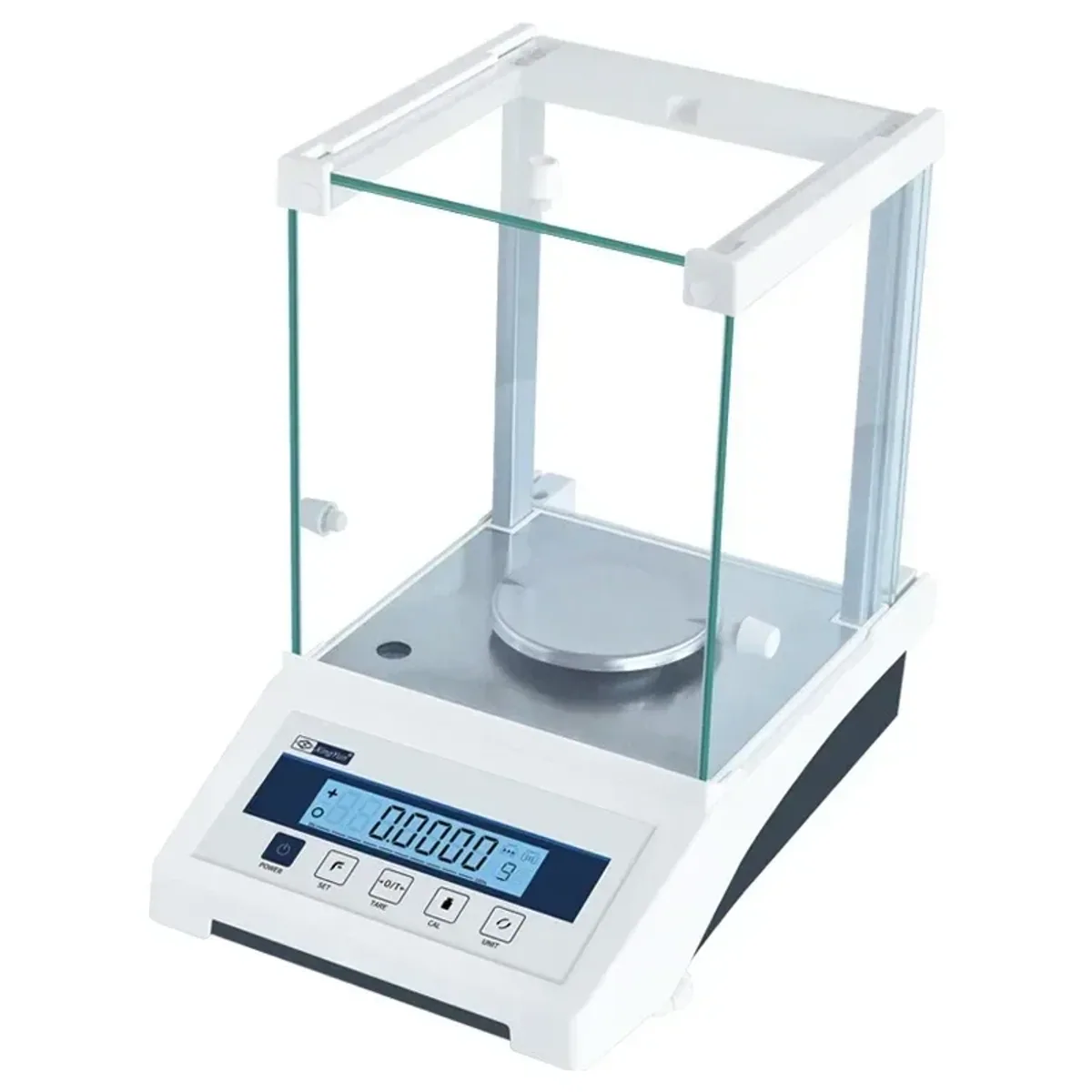
Analytical Balance 0.1mg | 120g or 220g | FA1204E, FA2204E
- Price
- £638.99
- Rating
- Not rated
- Stock
- In stock
Explore the range
Popular in Laboratory & Testing
Magnetic Stirrer MS500 | 3000ml | 0 to 3000rpm | 316 Steel Top

Centrifuge Tube with Screw Cap | 10ml, 15ml or 50ml | Pack of 10
Lab Equipment Supplies Digital Water Bath HWB-1/HWB-2 | RT to 99.9°C

Mini Vortex Mixer VM-300 | Up to 3000rpm | 50ml Capacity

Refractometer Brix 0 to 90% | ATC Handheld Optical | 0.5% Brix Division

Laboratory Centrifuge 900-2 / 900-1S | 4000rpm | 6 x 10ml | Timer

Mini Magnetic Stirrer | 200 to 2000 RPM | Stepless Speed Dial | USB 5V
Magnetic Stirrer Hot Plate | 0-2600RPM | 280°C | 2000ml Working Capacity
Magnetic Stirrer Hot Plate MSB Series | 5L | RT to 300°C | 1600rpm
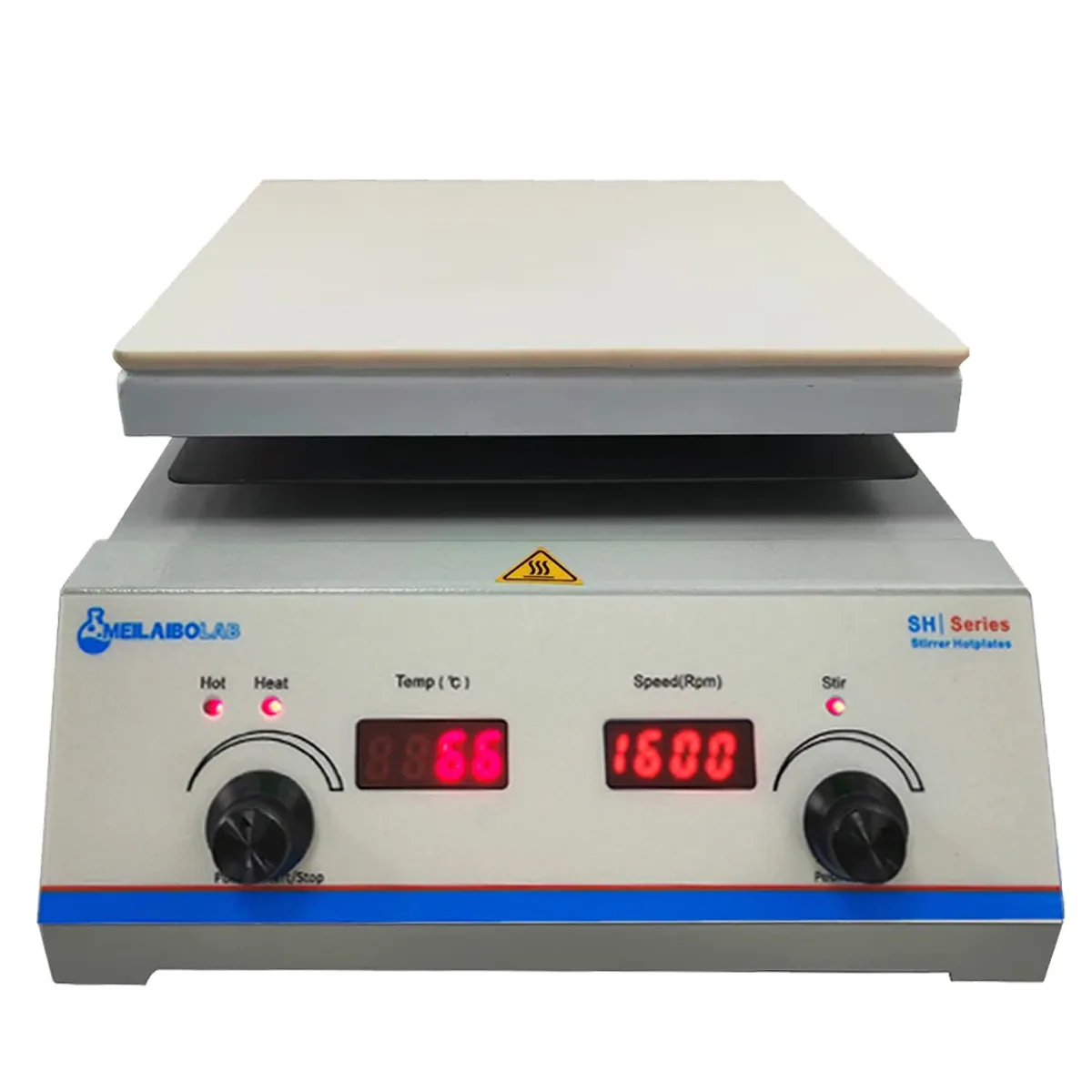
Magnetic Stirrer Hot Plate 10L | 7 Inch Plate | 178 Series

USB Rechargeable Magnetic Stirrer 2608C1 | 200 to 2000RPM | 1.0 to 1.5L
