
Digital Shore Hardness Tester LXD-A/C/D | 0 to 100 | Shore A, C or D
Stock Nr:
SKU:
1 / 4
£127.99inc VAT
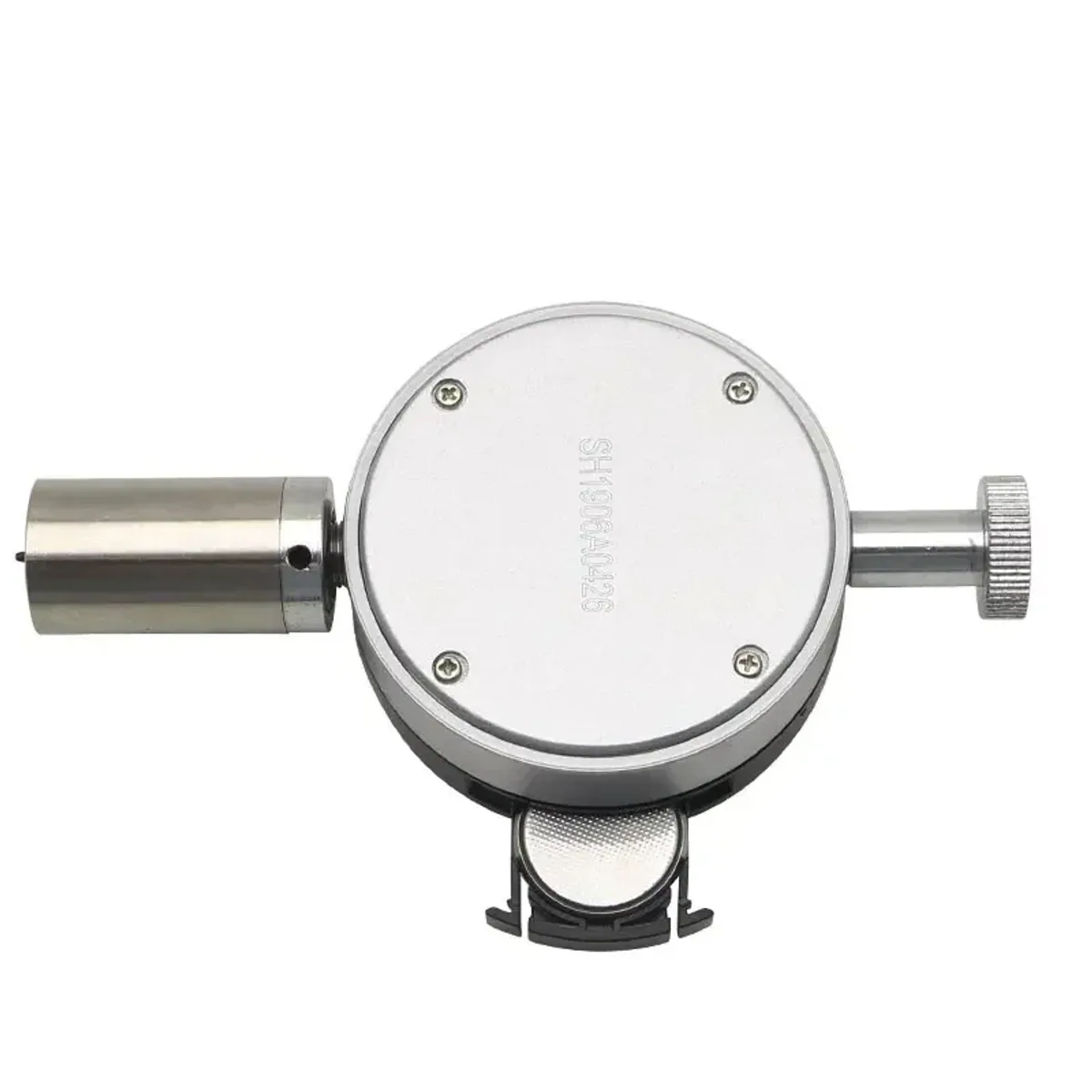
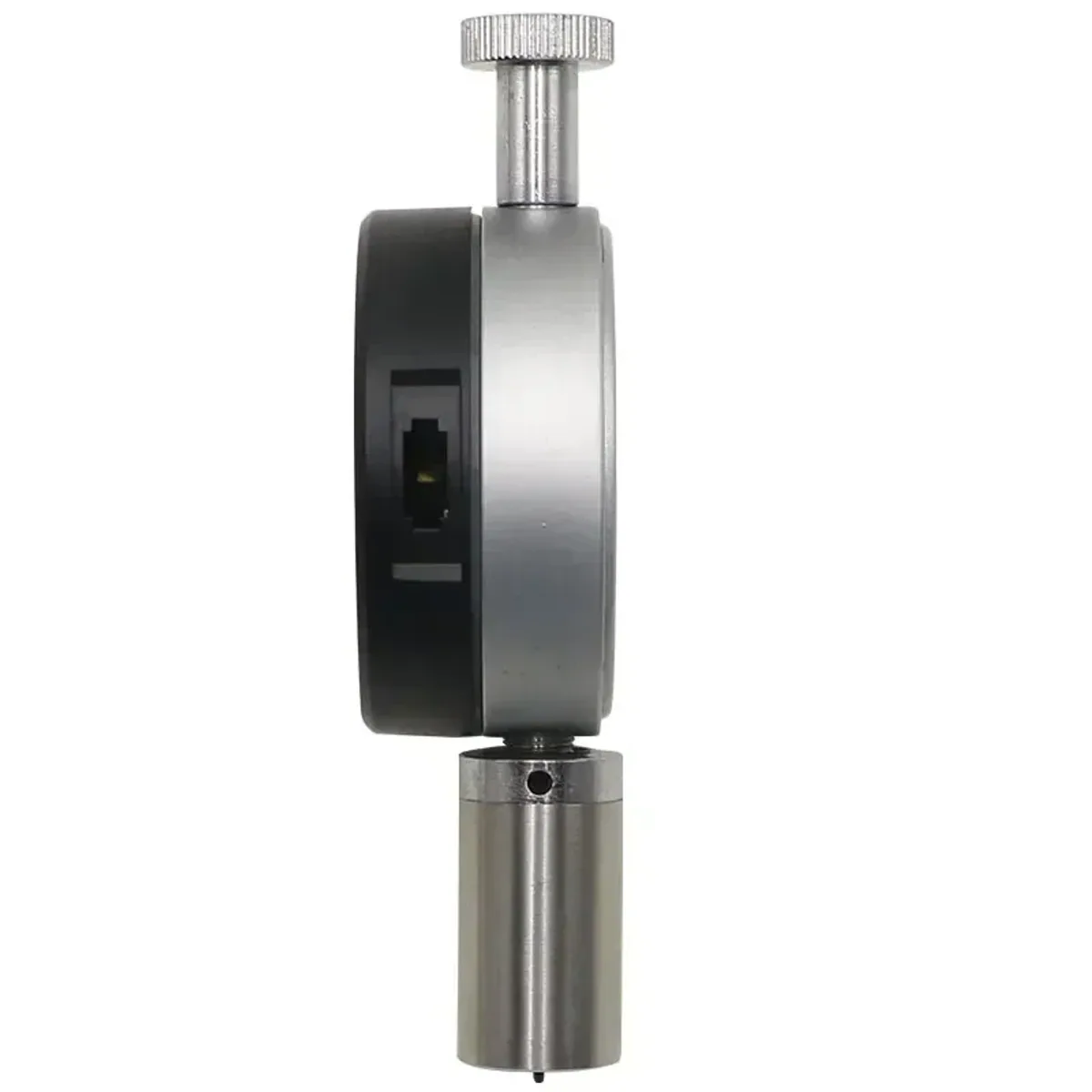
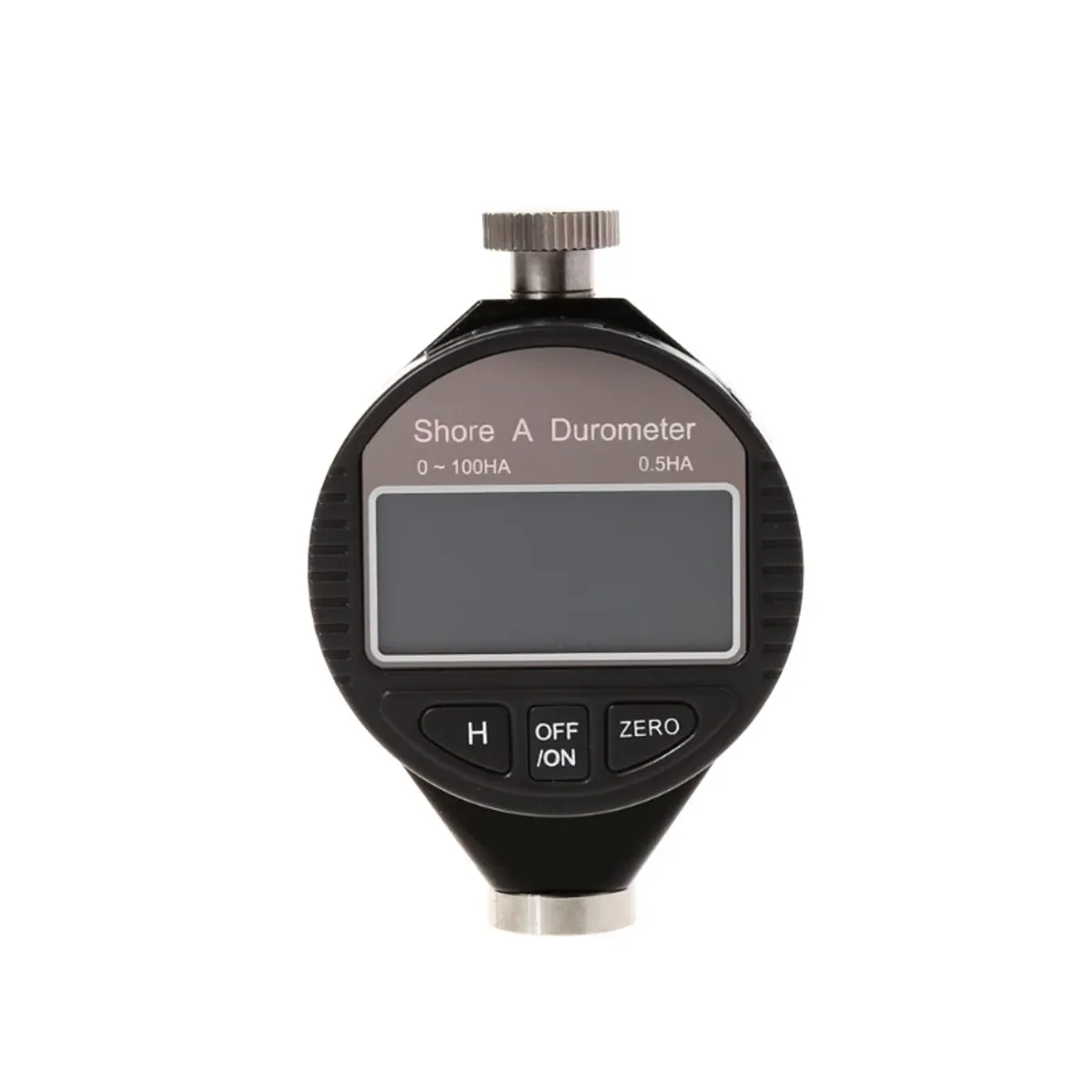
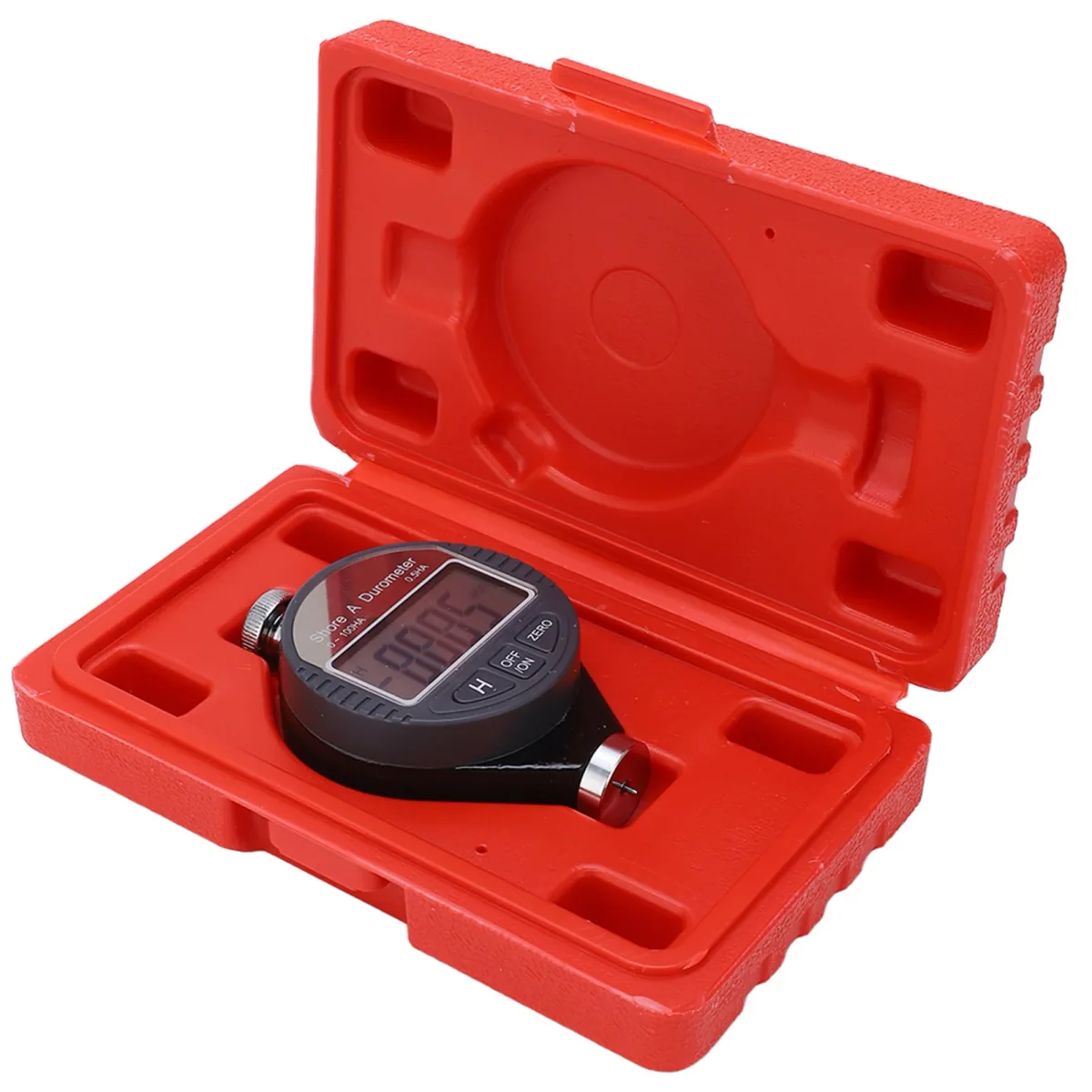
This digital Shore hardness tester reads hardness on a large LCD over a 0 to 100 range and comes in three models: LXD-A (Shore A), LXD-C (Shore C) and LXD-D (Shore D). It is a handheld durometer for c...
Select an option
- Secure checkout
- All major cards
- Tracked delivery
£127.99
Fast Shipping
Secure Payment
Easy Returns
Good to know
Questions about this product
- Which model should I choose?
- Choose LXD-A for rubber and synthetic rubber, LXD-C for foam, sponge and micro porous materials, and LXD-D for hard rubber and hard plastic. The model is picked in the options before you order.
- What is the usable range on each scale?
- Each model reads 0 to 100 on its scale, and the recommended measurement range is 10 to 90 (HA, HC or HD). Readings near the ends of the scale are less reliable, so pick the scale that puts your material in the middle.
- What comes with the tester?
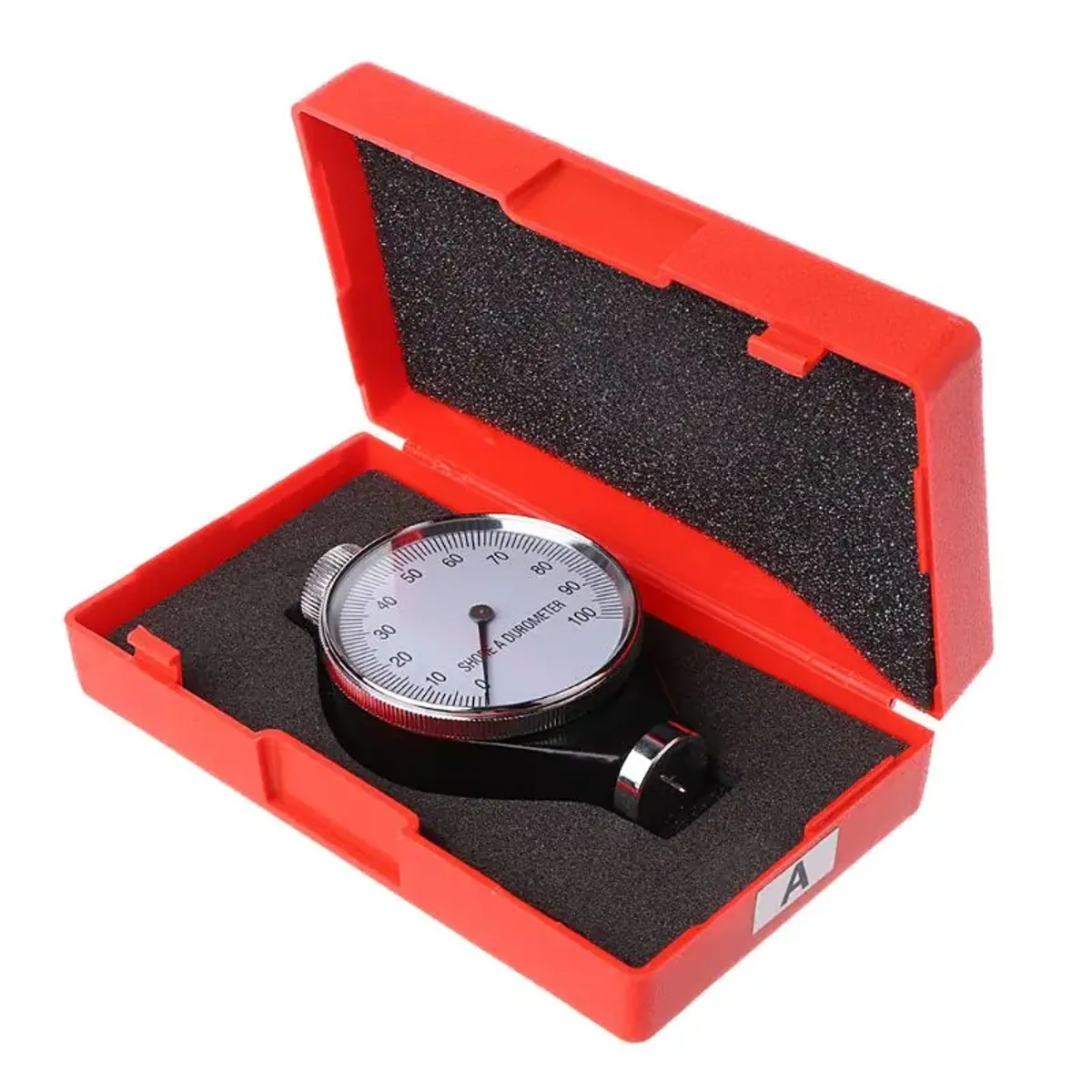
- The tester is supplied in a plastic case. The battery is not included, so you need to buy a 3V CR2032 cell separately.
Hardness Testers spec sheet (PDF)
Get a one-page sheet with full description, specifications, technical details, FAQs, price & SKU - handy to save, print, or share.
Not sure which one?
Compare with similar products
The same kind of product, in stock, in a similar price range.
This product: £127.99
This product

Digital Shore Hardness Tester LXD-A/C/D | 0 to 100 | Shore A, C or D
- Price
- £127.99
- Rating
- Not rated
- Stock
- In stock
You're viewing this
Alternative
Digital Shore Hardness Tester LXD-A/C/D | 0 to 100 | 115 x 60 x 25mm
- Price
- £98.99
- Rating
- Not rated
- Stock
- In stock
Alternative
Digital Shore Hardness Tester LXD-A/C/D | 0-100 HA, HC or HD | 0.5 Resolution
- Price
- £113.99
- Rating
- Not rated
- Stock
- In stock
Compare options
More Hardness Testers
Shore A Durometer Hardness Tester | 0-100HA Dial | Rubber and Elastomers
£68.99
Digital Shore Durometer Shore A | 0 to 100HA | 0.5HA Resolution
£72.99
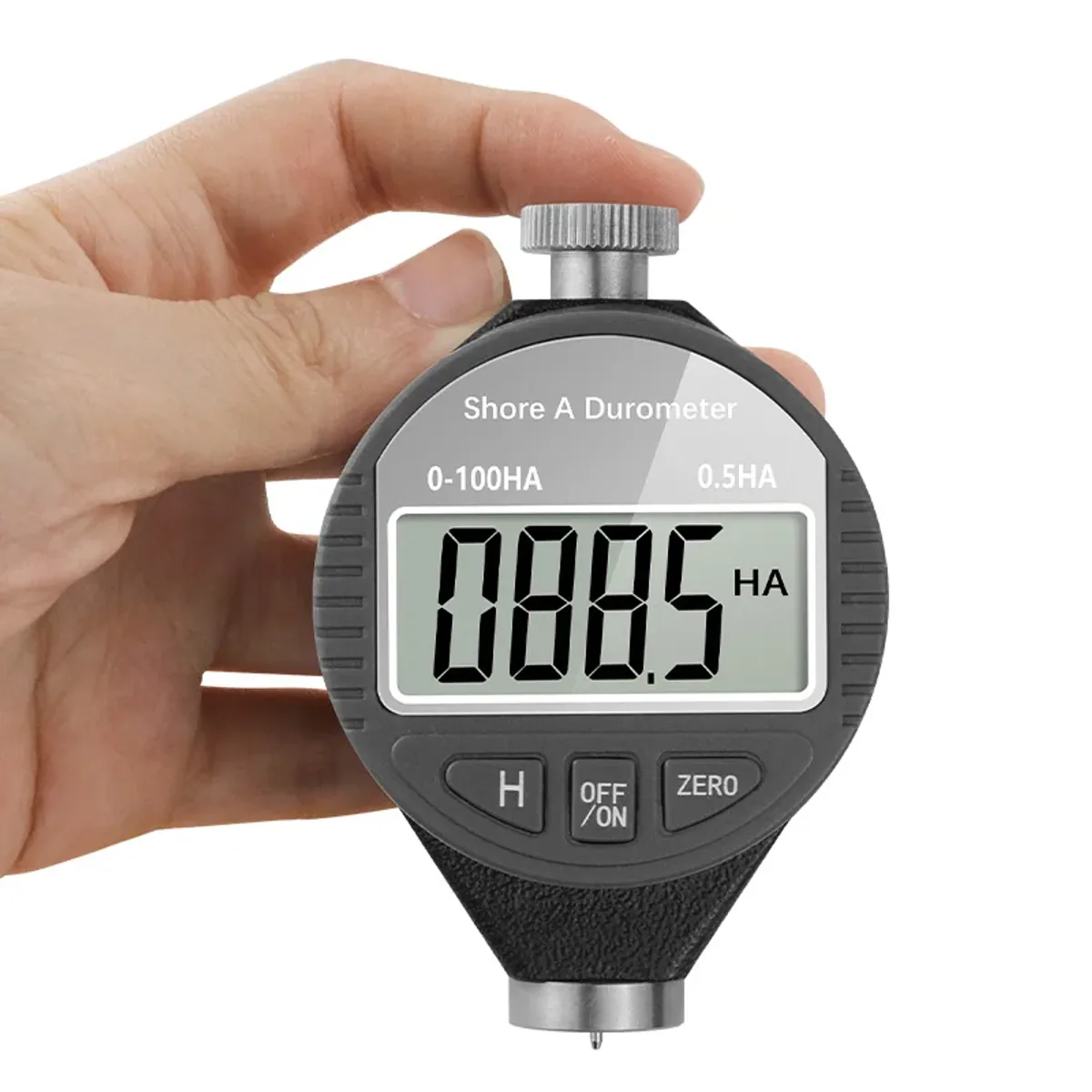
Digital Shore Durometer HA HD HC | Rubber Hardness Tester | 0 to 100
£77.99
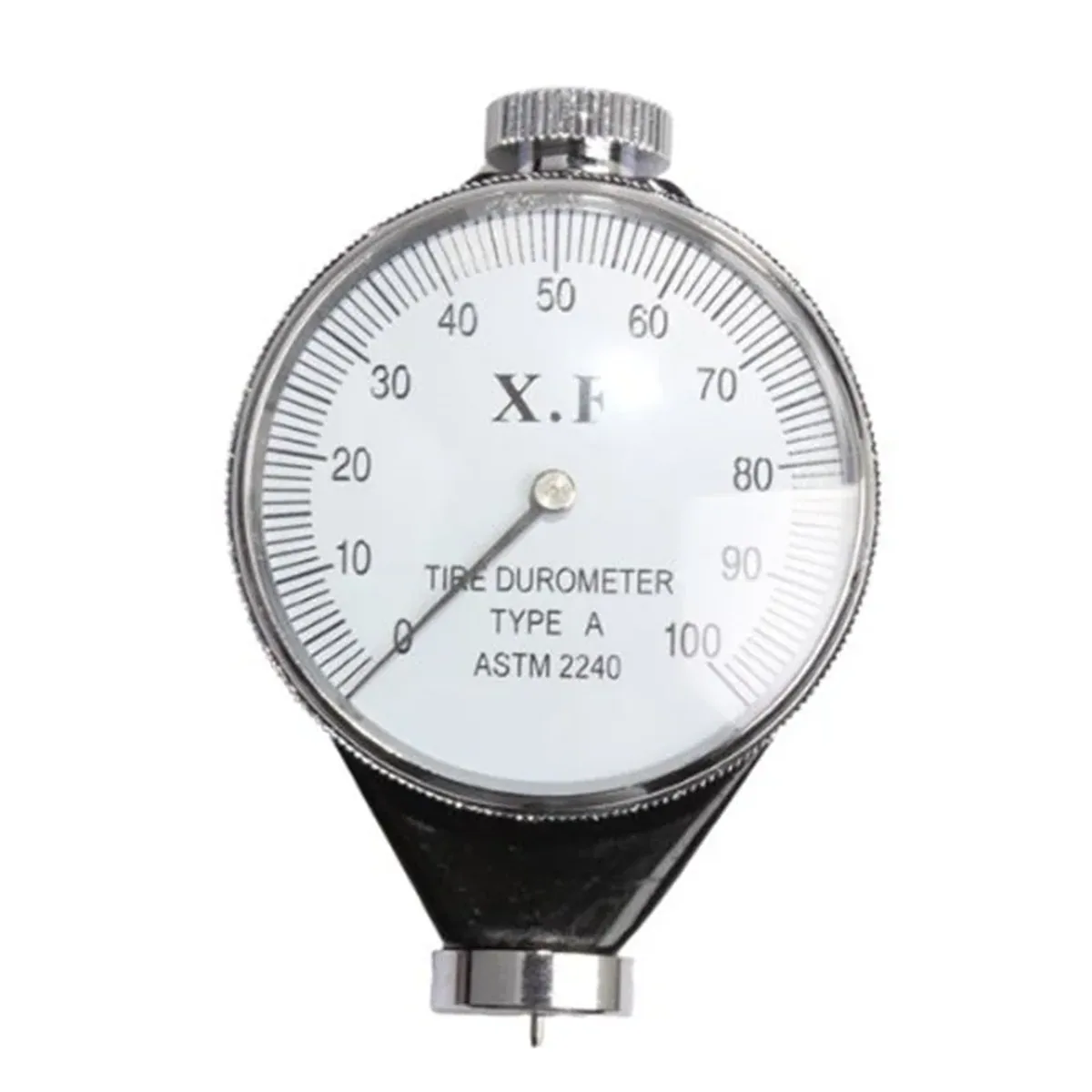
Shore A Durometer Hardness Tester GK156 | 0 to 100HA | Rubber & Tyre
£81.99

Digital Shore Durometer | 0 to 100 HA, HC or HD | 0.5 Resolution
£82.99
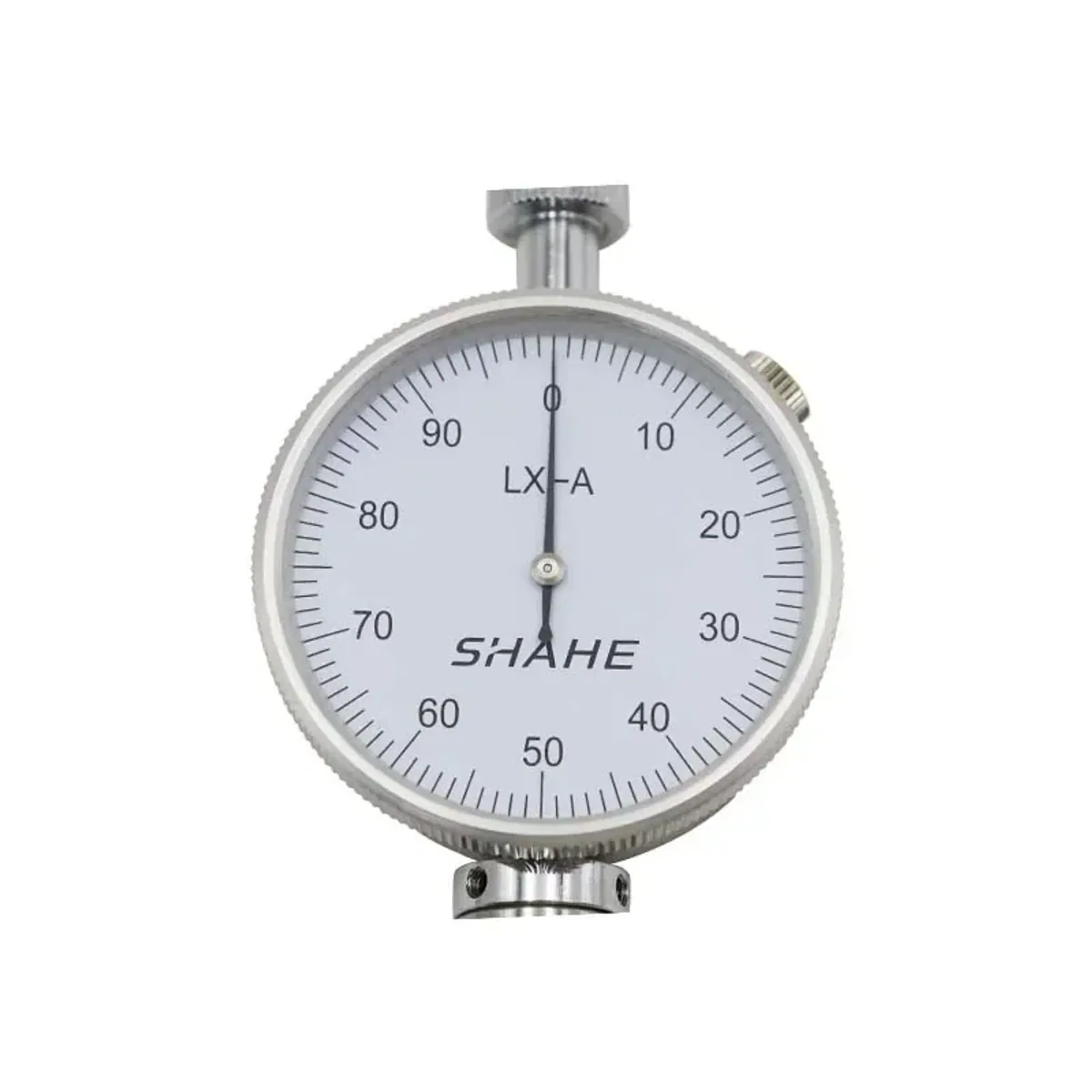
Shore Durometer Hardness Tester | A, C or D Scale | 0-100 Range
£98.99
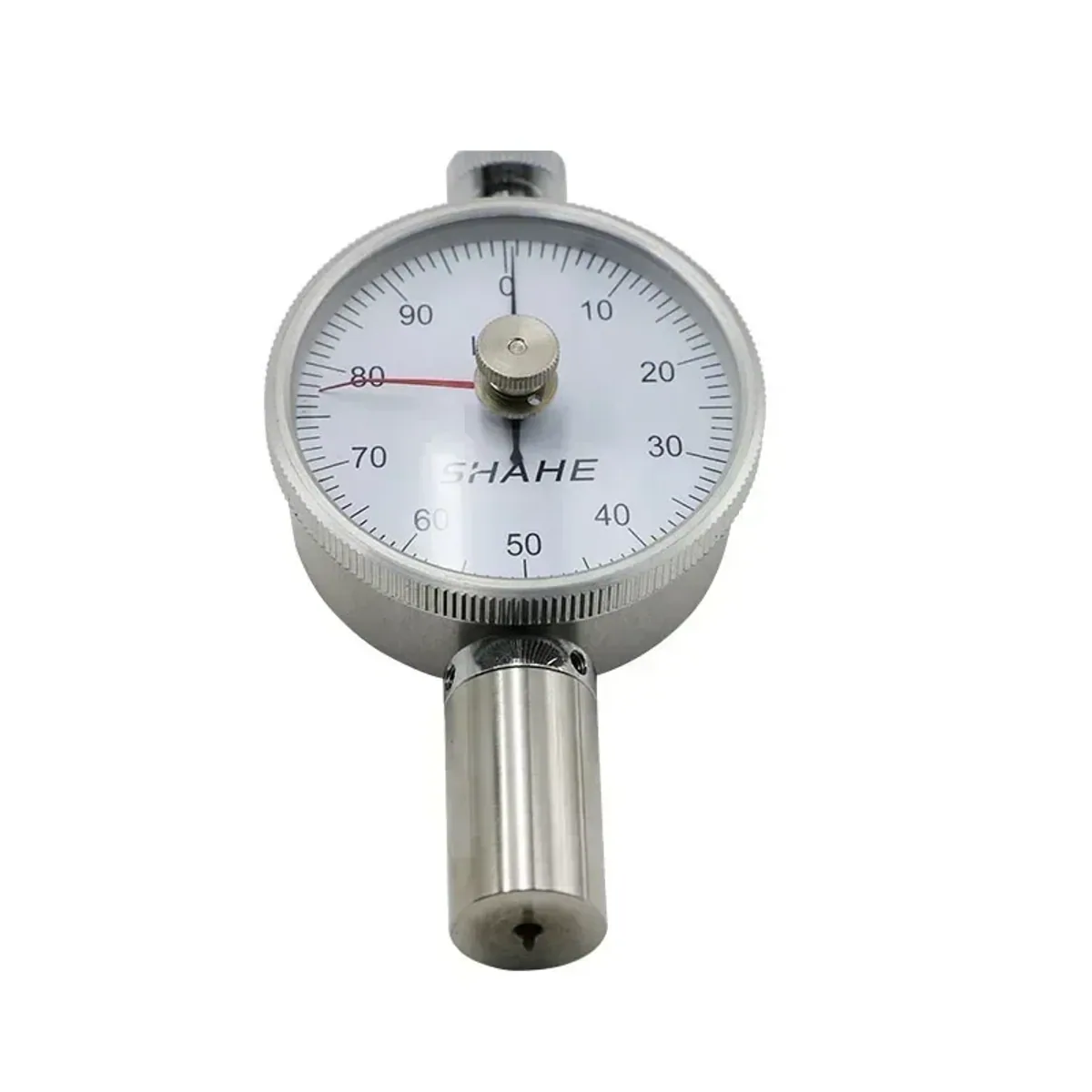
Shore Durometer Hardness Tester LX-A/C/D | 0-100 Range | Analog Dial
£100.99
Digital Shore A Durometer Hardness Tester | 0 to 100 HA | LCD Display
£111.99
Dial Shore Durometer Hardness Tester | Shore A, C or D | 0 to 100
£123.99
Leeb Hardness Tester SKD-552 | 7 Scales HL HB HRC | 100 Group Memory
£233.99
Leeb Hardness Tester LS252D/LS252DC | HL, HV, HB, HRC | Pocket Size
£273.99
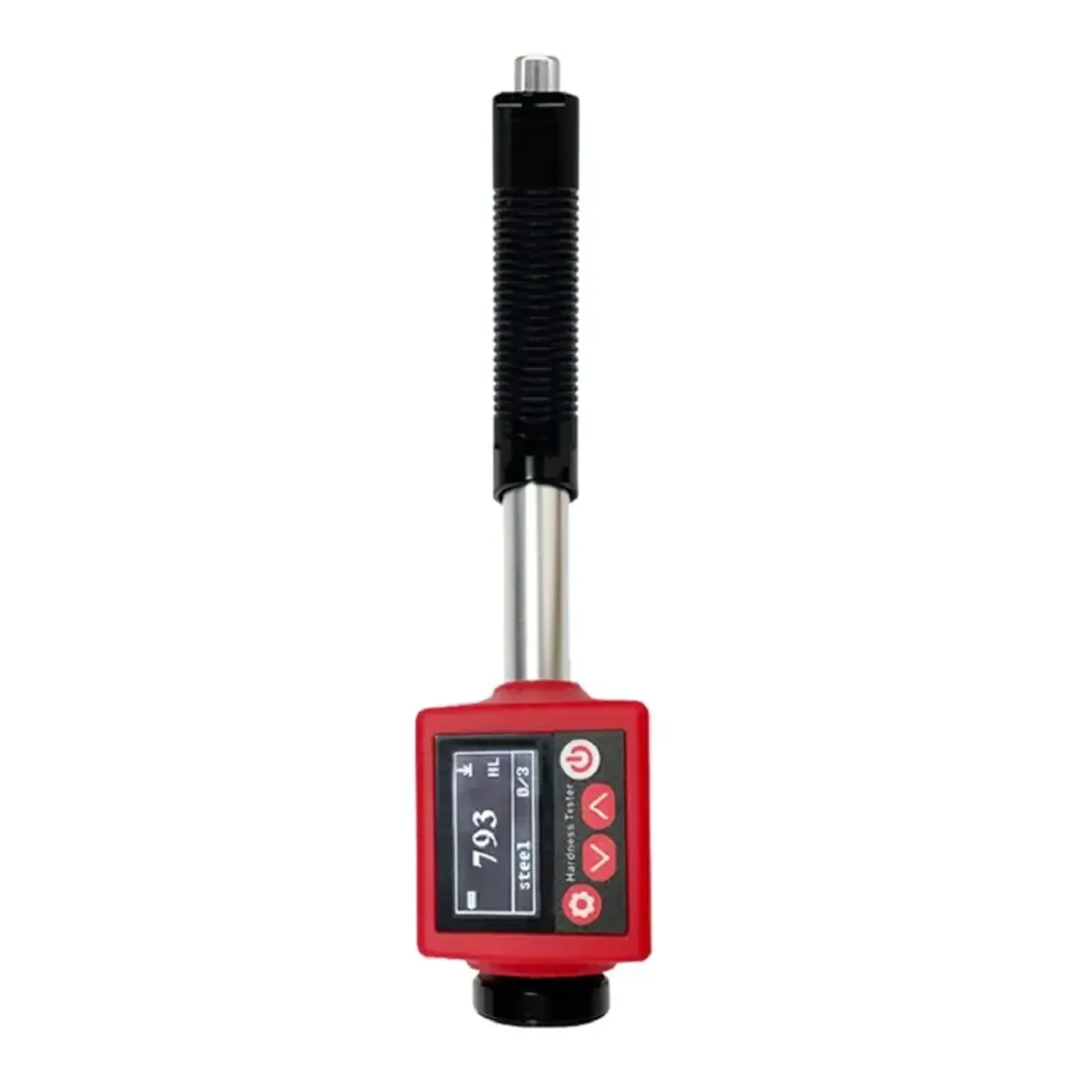
Leeb Hardness Tester | HRC, HRB, HB, HV, HS, HL | 360° Pen Type
£275.99
Explore the range
Popular in Laboratory & Testing

Analytical Balance FA2004E | 200g x 0.1mg | Glass Draft Shield
£602.99
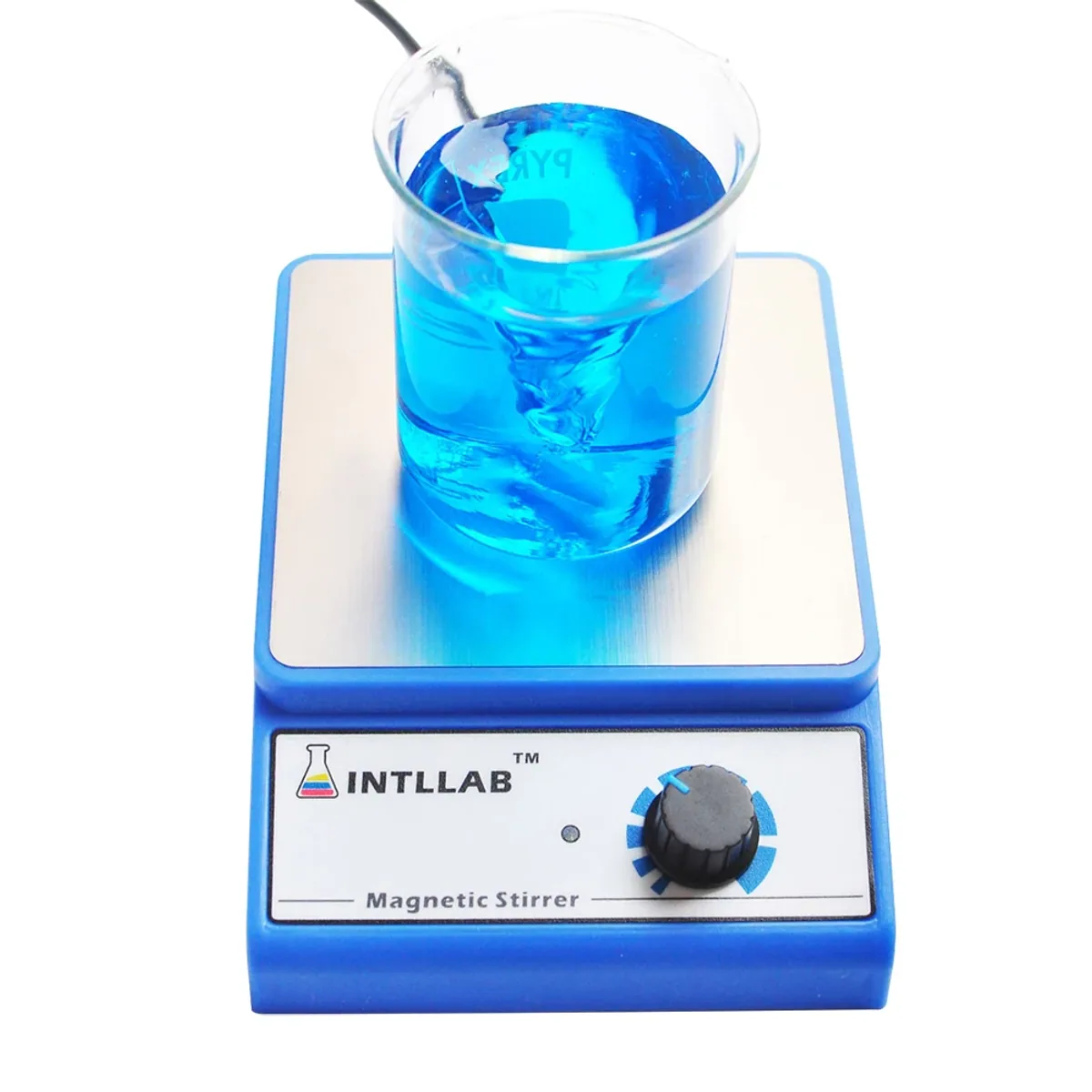
Magnetic Stirrer MS500 | 3000ml | 0 to 3000rpm | 316 Steel Top
£85.99

Centrifuge Tube with Screw Cap | 10ml, 15ml or 50ml | Pack of 10
£27.99
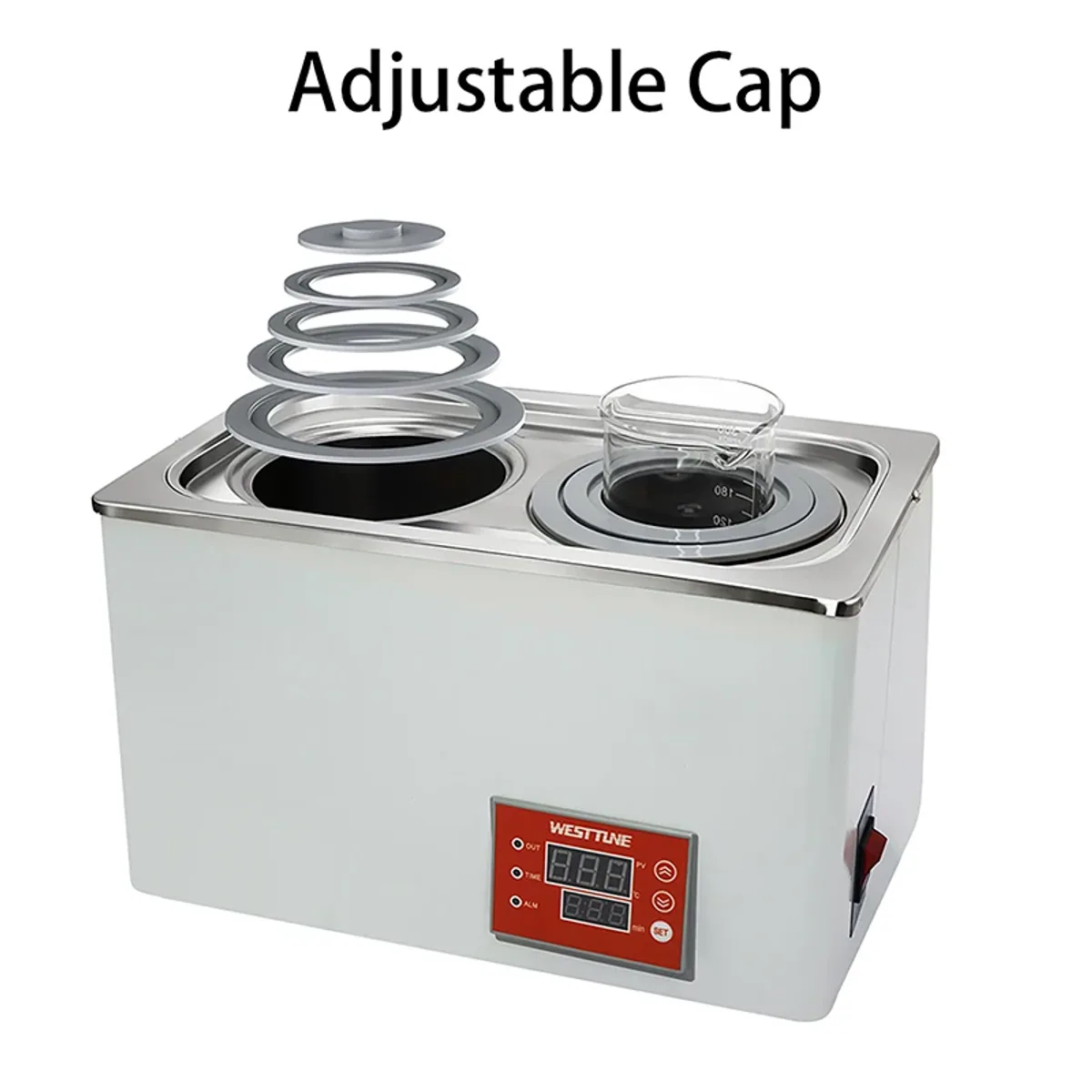
Lab Equipment Supplies Digital Water Bath HWB-1/HWB-2 | RT to 99.9°C
£260.99

Mini Vortex Mixer VM-300 | Up to 3000rpm | 50ml Capacity
£238.99

Refractometer Brix 0 to 90% | ATC Handheld Optical | 0.5% Brix Division
£54.99
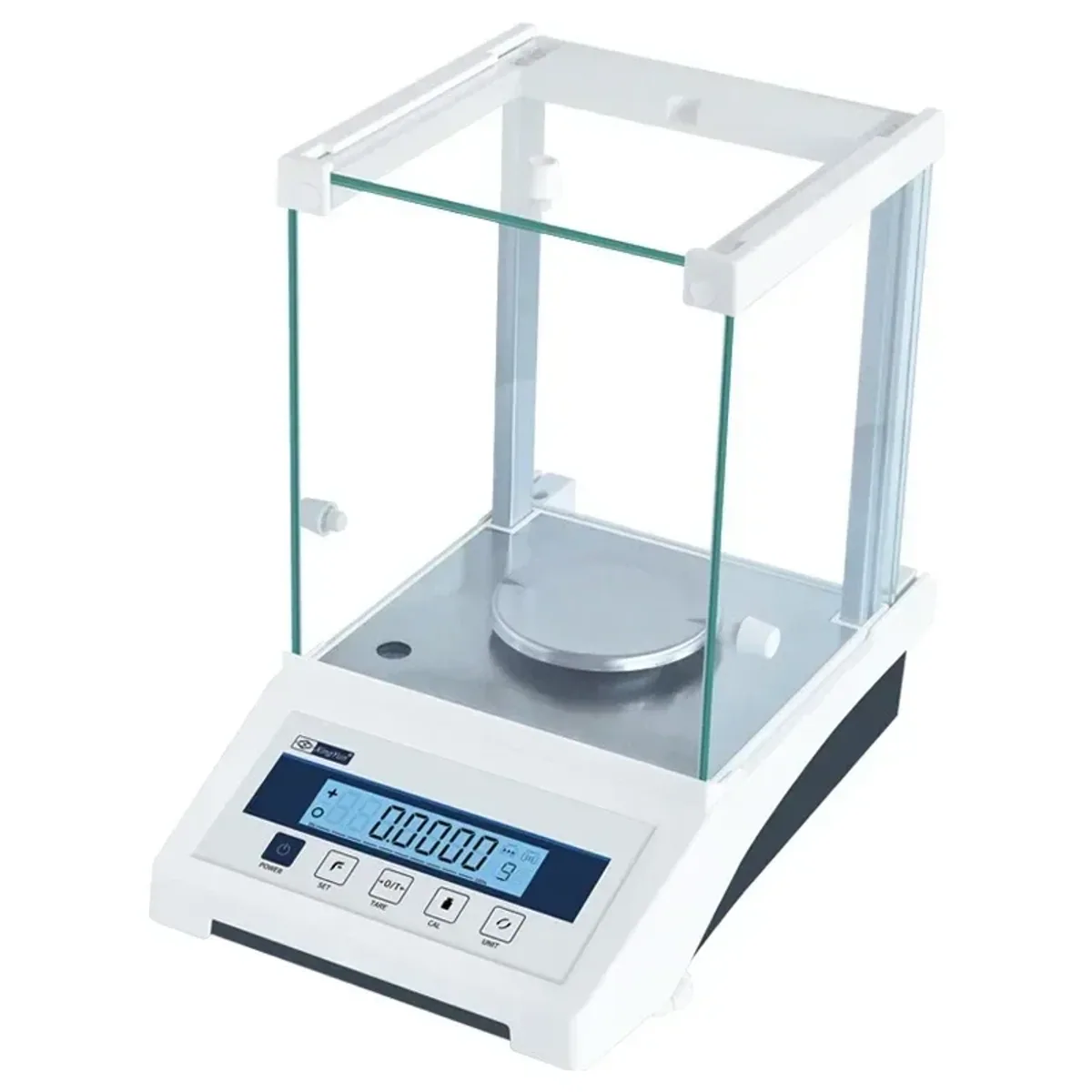
Analytical Balance 0.1mg | 120g or 220g | FA1204E, FA2204E
£638.99
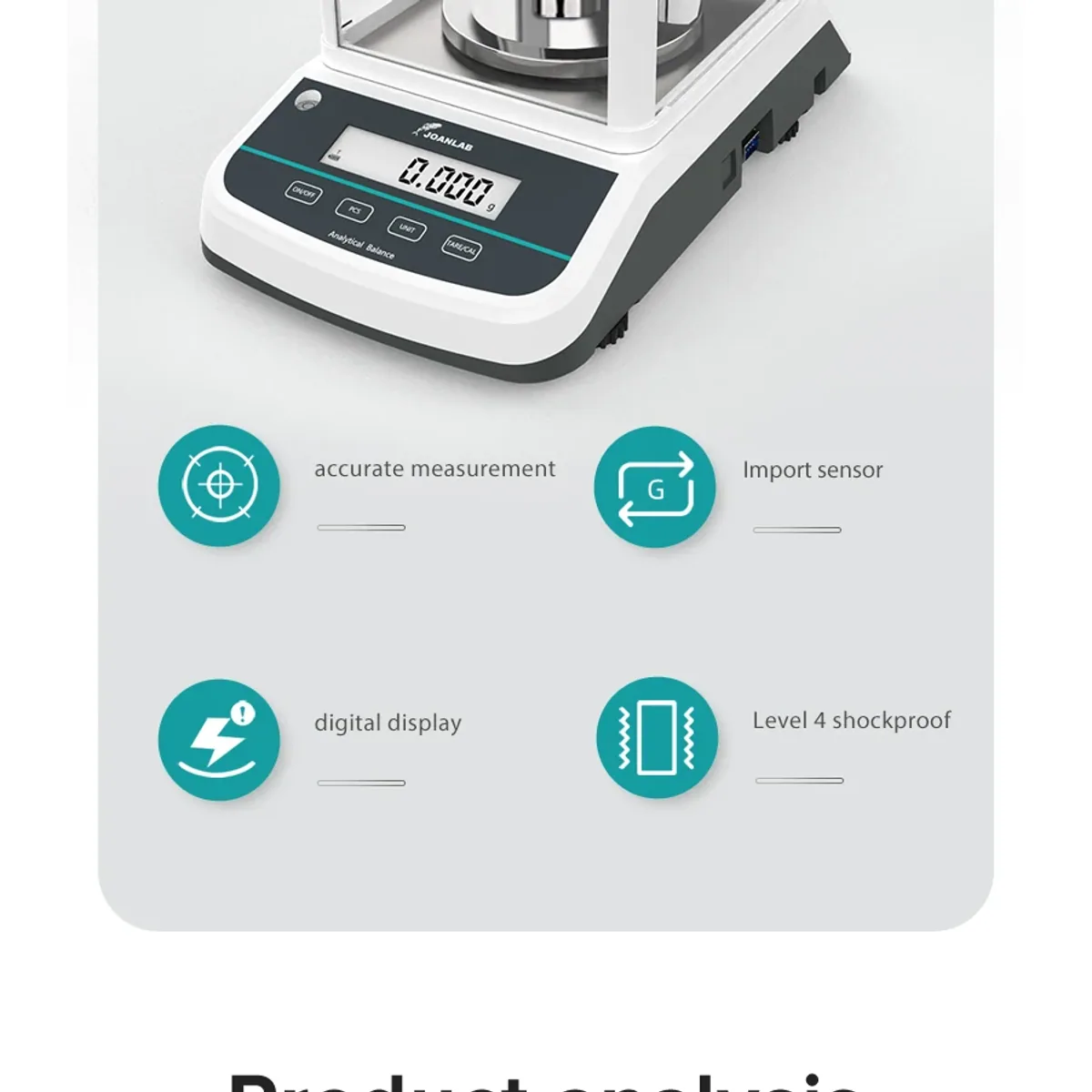
Analytical Balance FA2003S | 200g to 500g | 0.001g Readability
£506.99
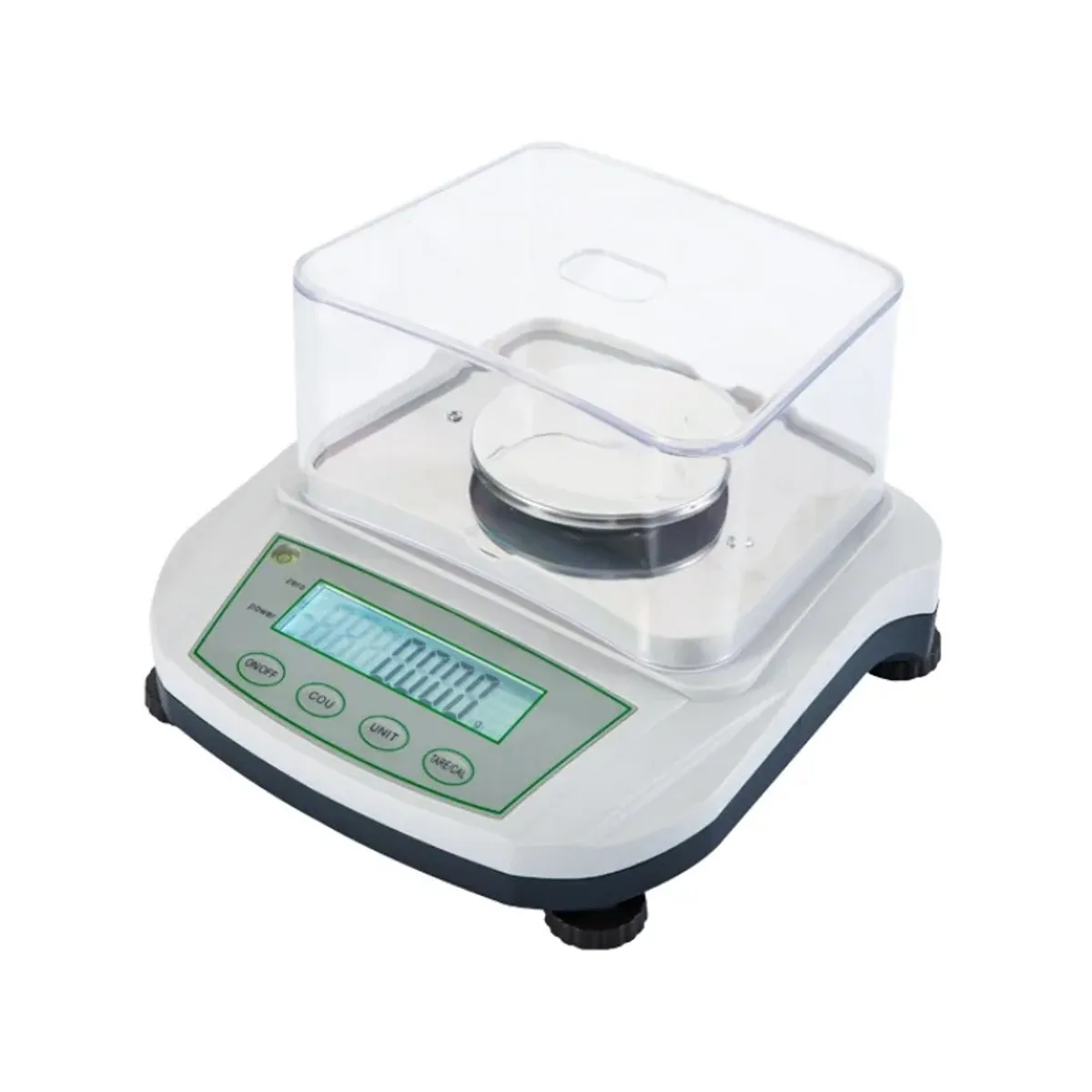
Laboratory Balance 100g/200g/300g | 0.001g Readability | Draft Shield
£231.99
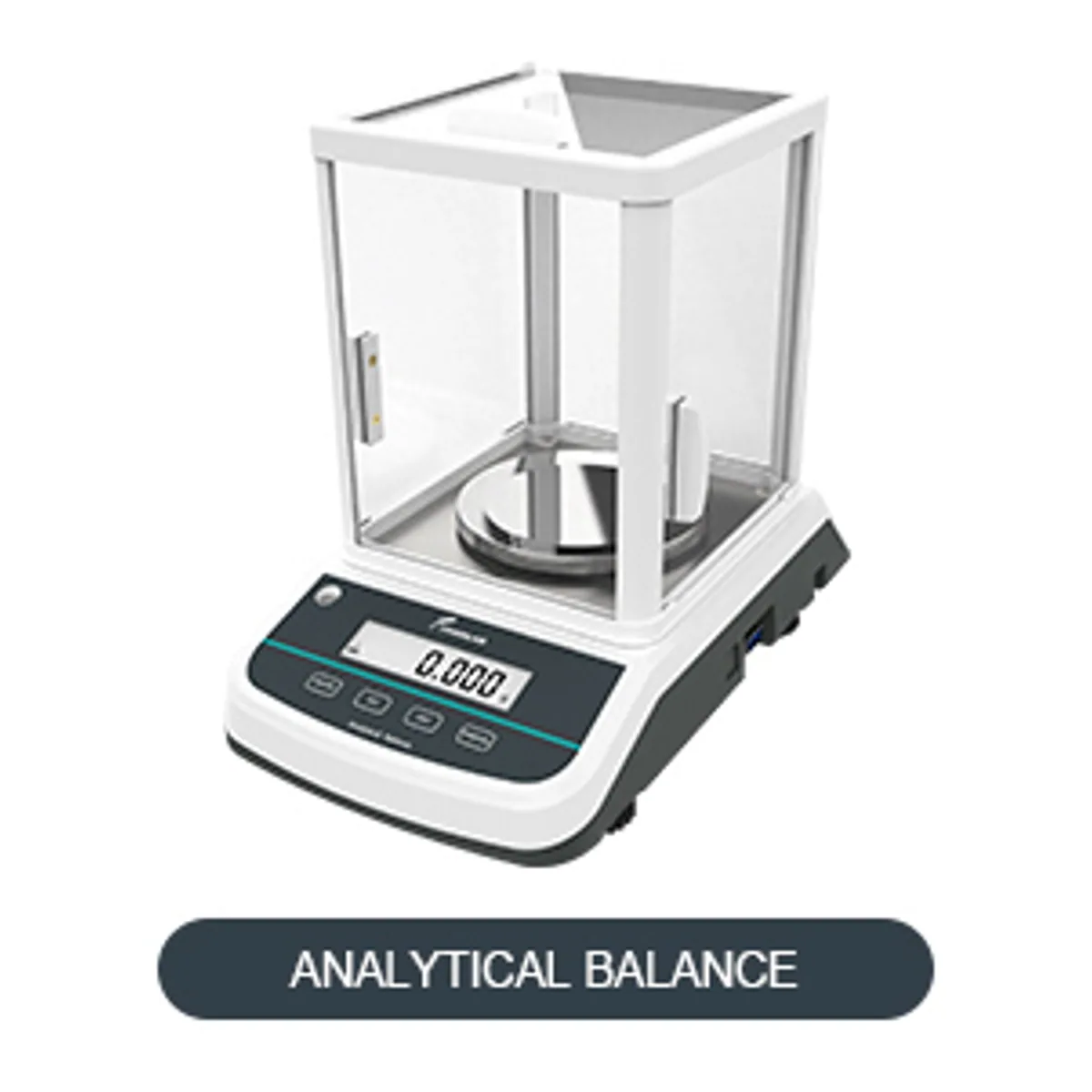
Analytical Balance | 200g, 300g or 500g Models | 0.001g Readability
£506.99
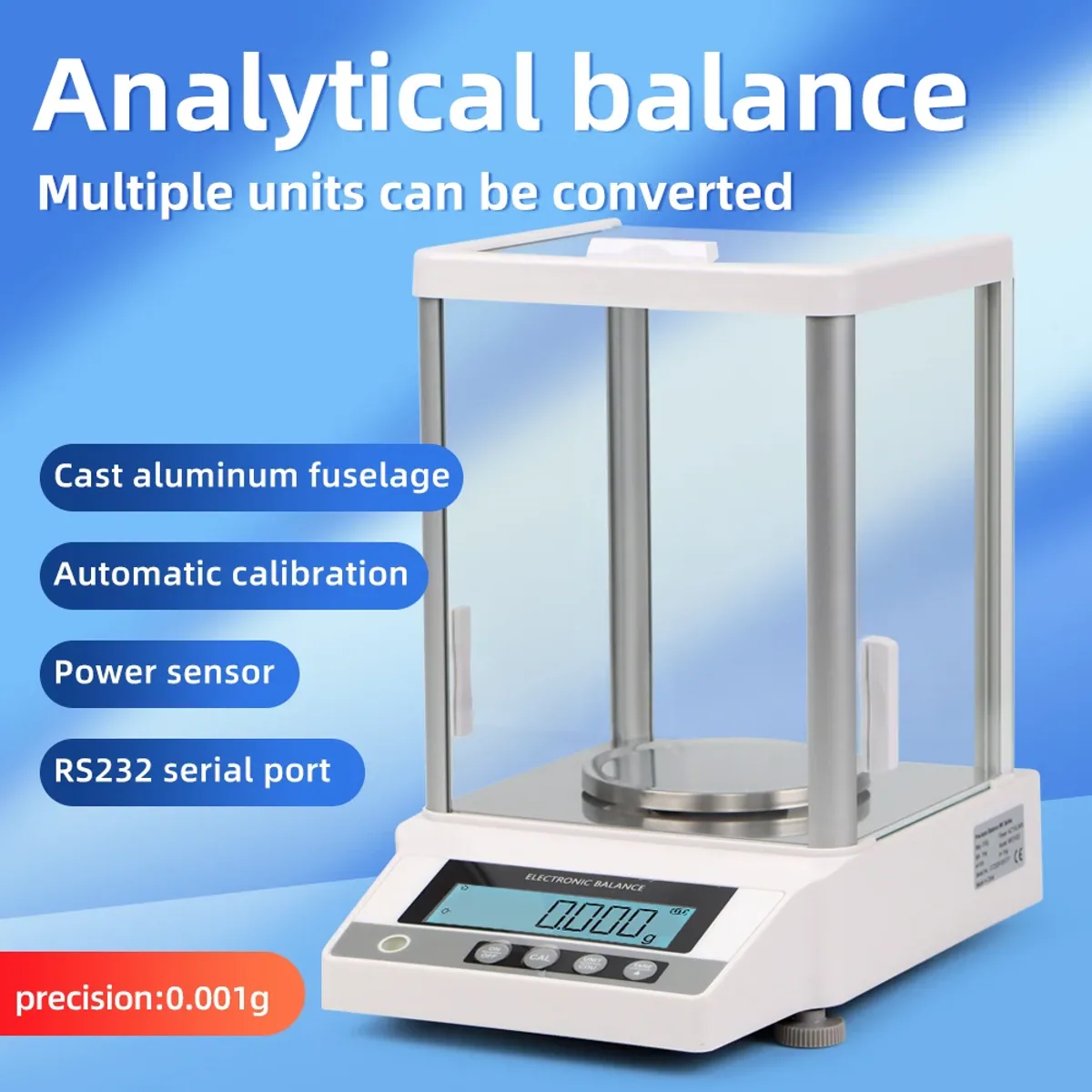
Analytical Balance MK3103C/MK5103E | 0.001g | 310g or 510g | RS232
£519.99
Laboratory Balance 0.01g | 7 Units, Tare, PCS | Bubble Level
£129.99