
Leeb Hardness Tester | HRC, HRB, HB, HV, HS, HL | 360° Pen Type
Stock Nr:
SKU:
1 / 3
£275.99inc VAT
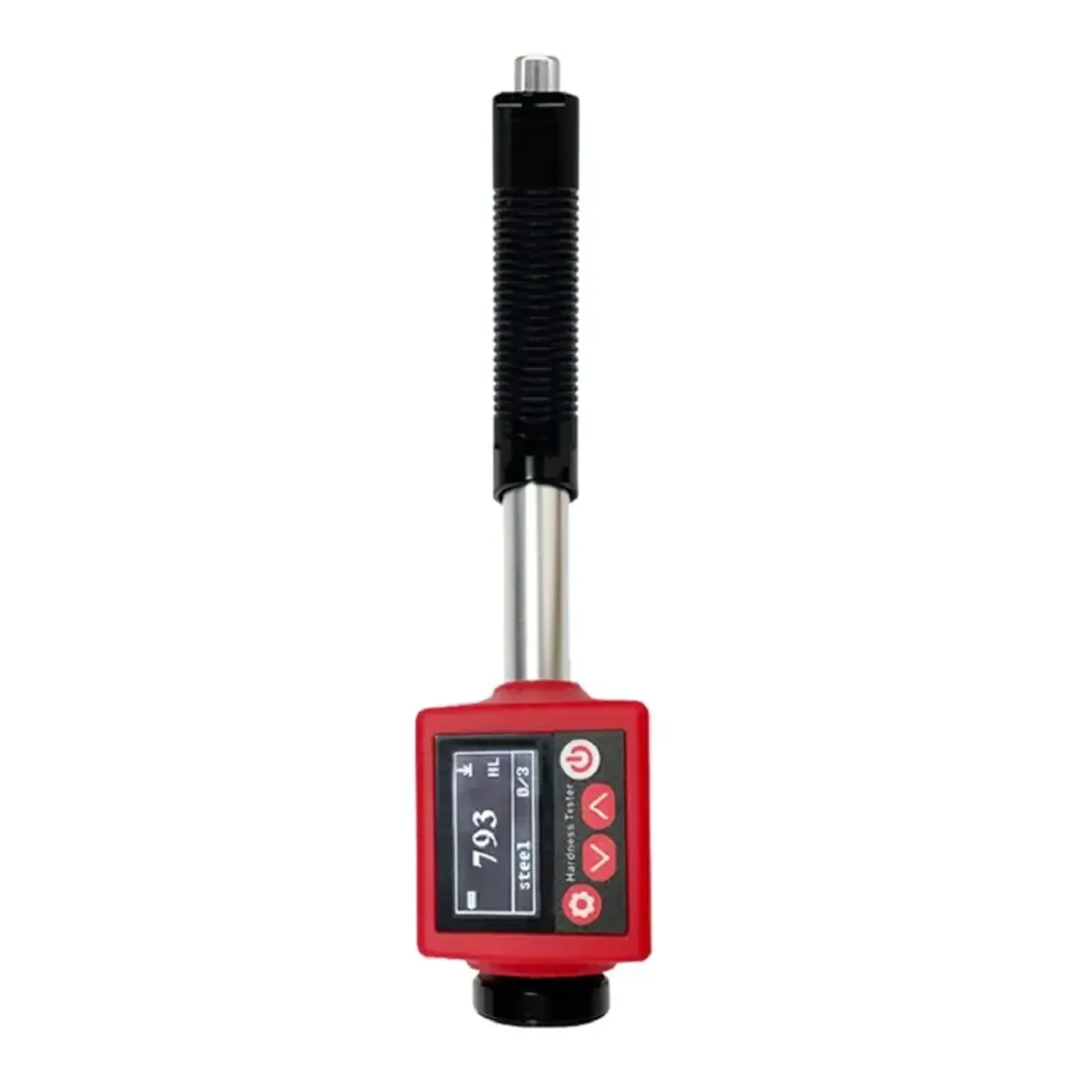
This pen-type Leeb hardness tester measures the hardness of metals by rebound and shows the result on a small OLED screen, with a test range of 170 to 960HLD. It is one handheld unit with no cable to ...
- Secure checkout
- All major cards
- Tracked delivery
£275.99
Fast Shipping
Secure Payment
Easy Returns
Good to know
Questions about this product
- How do I read forged steel in HB?
- Select the forged steel material with the impact type D device and the HB value is displayed directly, so no look-up table is needed.
- How long does the battery last?
- Continuous working time is about 20 hours on the built-in rechargeable lithium battery, charged with the supplied head and cable.
- What comes with the tester?
- The package holds the main unit, a nylon brush, a support ring, a portable bag, an instruction manual, and a charging head and cable.
Hardness Testers spec sheet (PDF)
Get a one-page sheet with full description, specifications, technical details, FAQs, price & SKU - handy to save, print, or share.
Not sure which one?
Compare with similar products
The same kind of product, in stock, in a similar price range.
This product: £275.99
This product
Leeb Hardness Tester | HRC, HRB, HB, HV, HS, HL | 360° Pen Type
- Price
- £275.99
- Rating
- Not rated
- Stock
- In stock
You're viewing this
Alternative
Leeb Hardness Tester | 170 to 960 HLD | 7 Hardness Scales
- Price
- £381.99
- Rating
- Not rated
- Stock
- In stock
Alternative
Portable Leeb Hardness Tester | HLD 170 to 960 | ±6% (HLD=800)
- Price
- £346.99
- Rating
- Not rated
- Stock
- In stock
Compare options
More Hardness Testers

Digital Shore Hardness Tester LXD-A/C/D | 0 to 100 | Shore A, C or D
£127.99
Leeb Hardness Tester SKD-552 | 7 Scales HL HB HRC | 100 Group Memory
£233.99
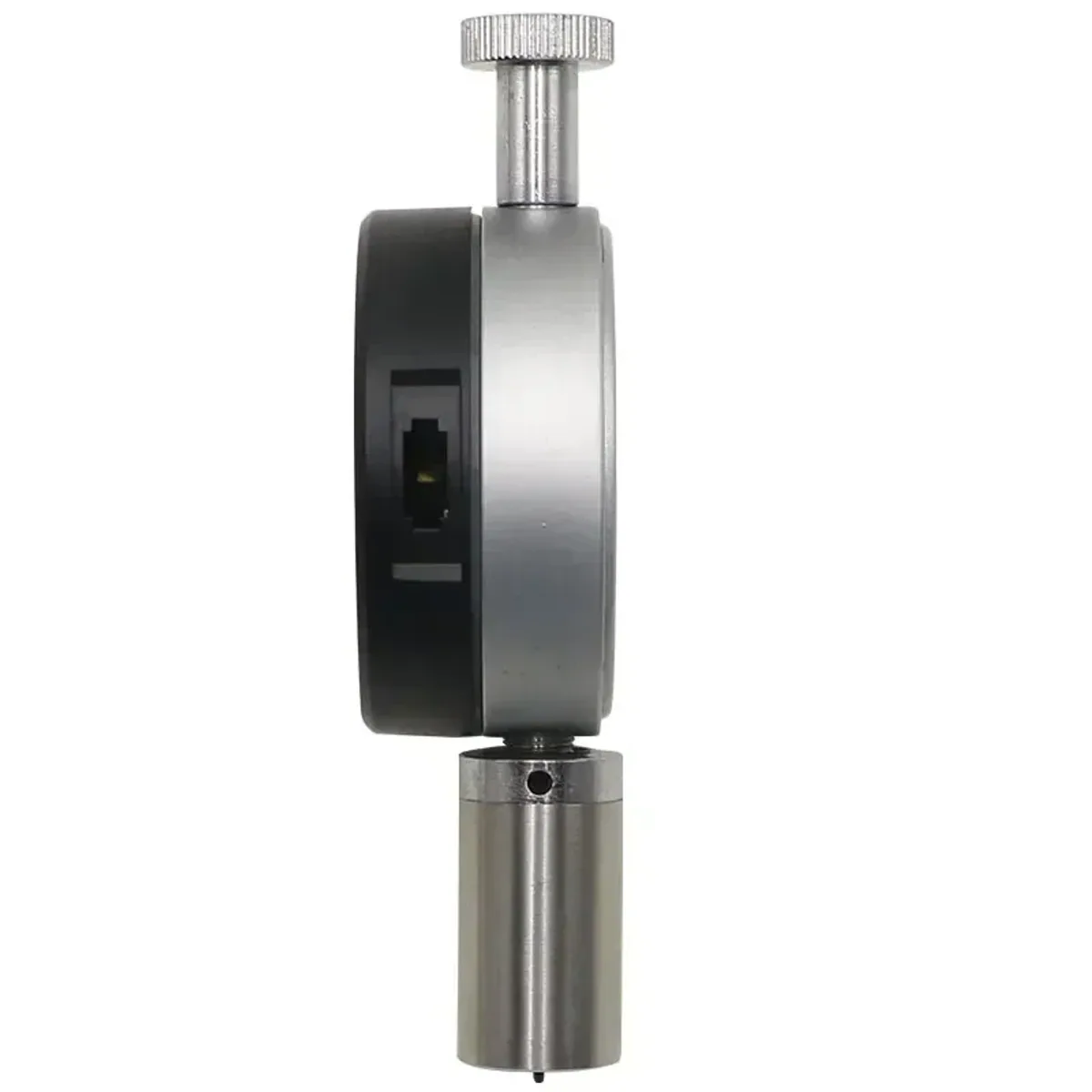
Digital Shore Hardness Tester LXD-A/C/D | 0-100 HA, HC or HD | 0.5 Resolution
£113.99
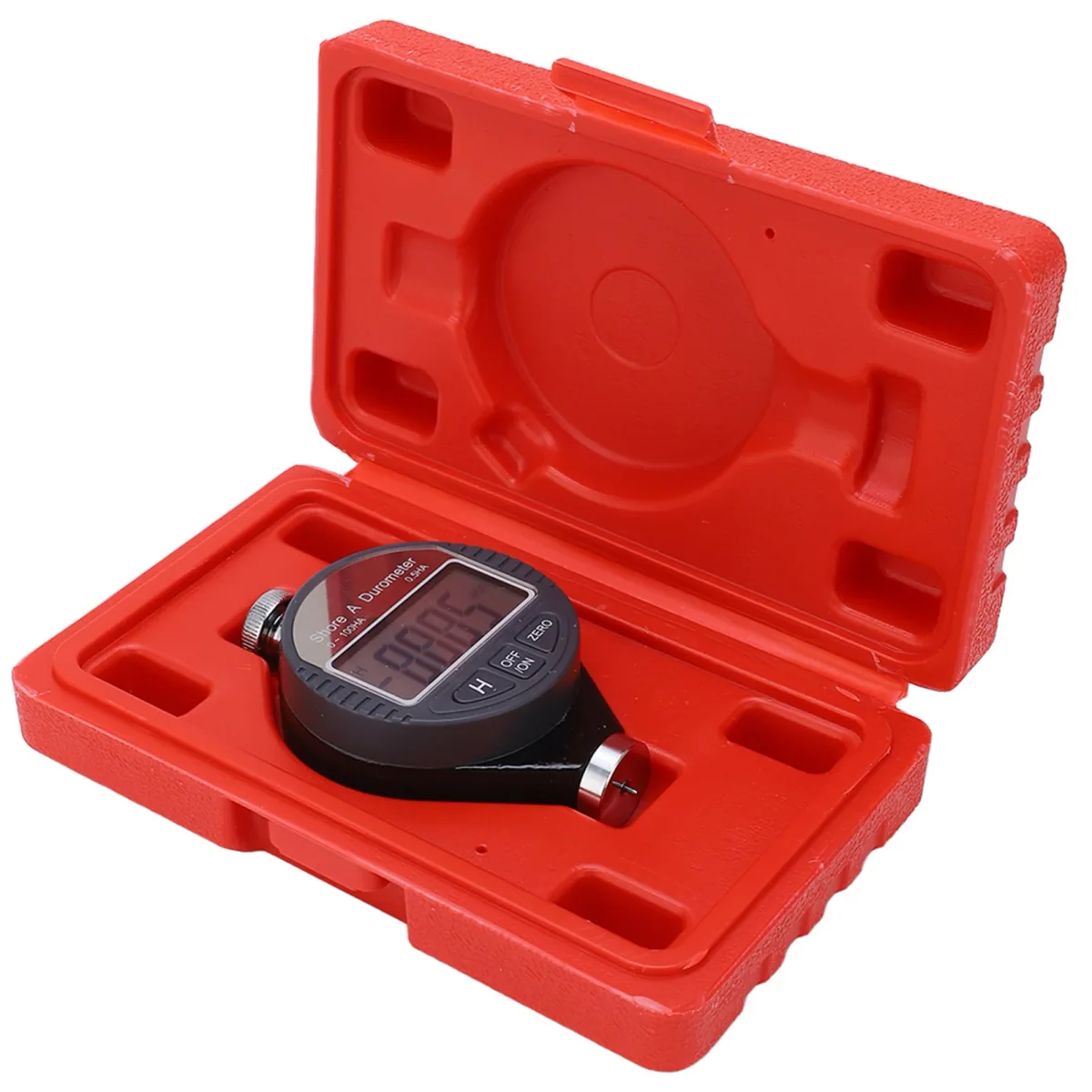
Digital Shore A Durometer Hardness Tester | 0 to 100 HA | LCD Display
£111.99
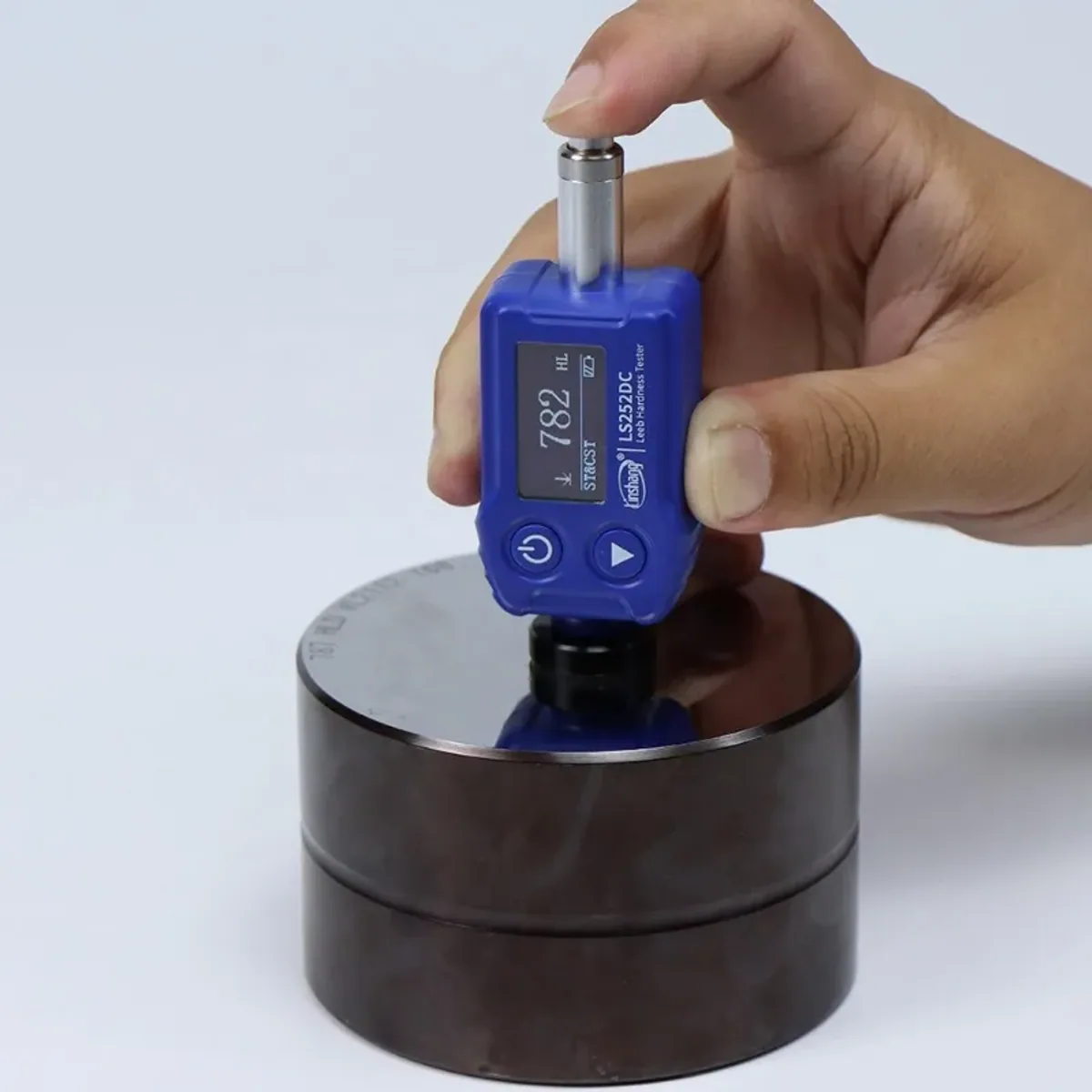
Leeb Hardness Tester LS252D/LS252DC | HL, HV, HB, HRC | Pocket Size
£273.99
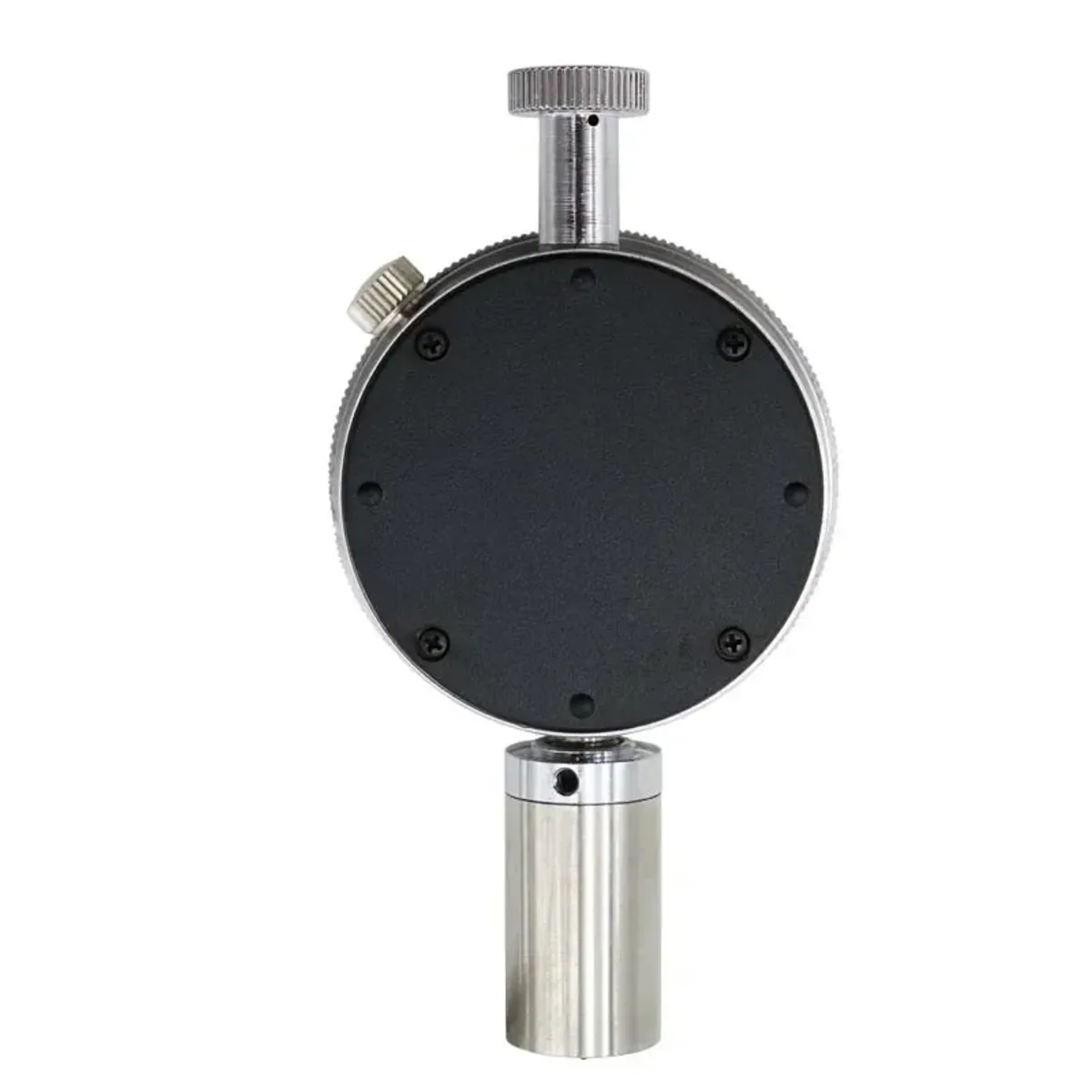
Dial Shore Durometer Hardness Tester | Shore A, C or D | 0 to 100
£123.99
Explore the range
Popular in Laboratory & Testing

Refractometer Brix 0 to 90% | ATC Handheld Optical | 0.5% Brix Division
£54.99

Centrifuge Tube with Screw Cap | 10ml, 15ml or 50ml | Pack of 10
£27.99

Mini Vortex Mixer VM-300 | Up to 3000rpm | 50ml Capacity
£238.99

Analytical Balance FA2004E | 200g x 0.1mg | Glass Draft Shield
£602.99
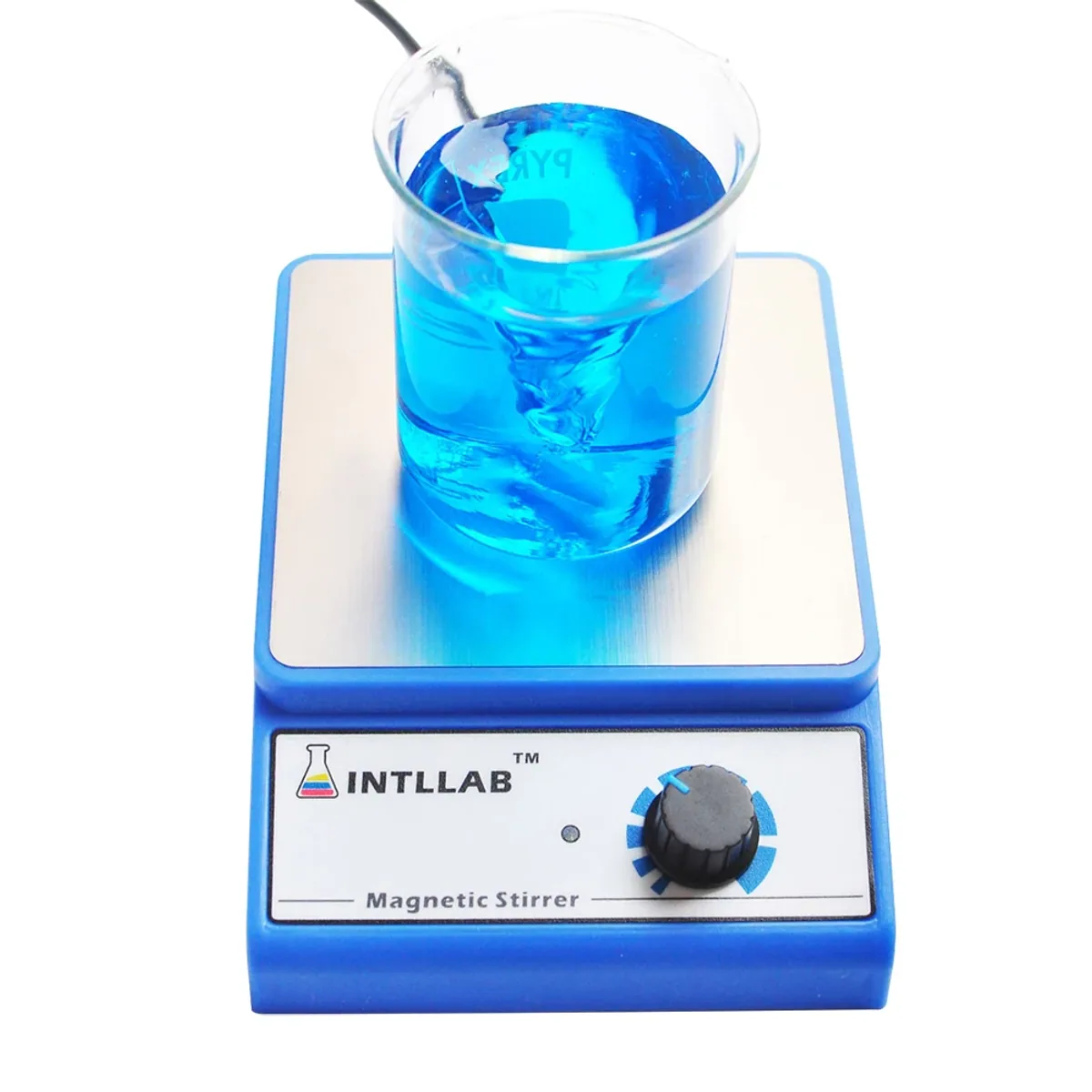
Magnetic Stirrer MS500 | 3000ml | 0 to 3000rpm | 316 Steel Top
£85.99

Laboratory Centrifuge 900-2 / 900-1S | 4000rpm | 6 x 10ml | Timer
£215.99
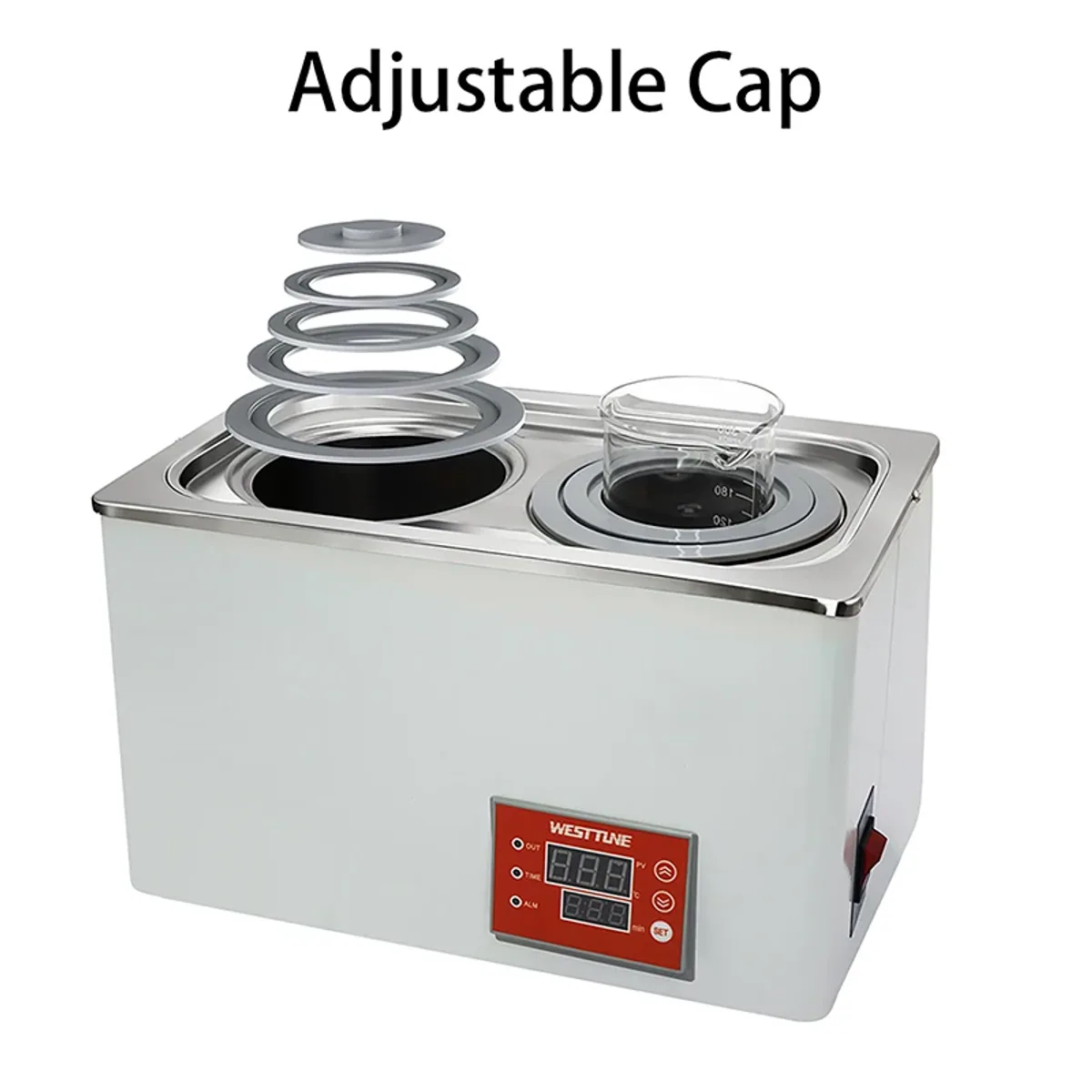
Lab Equipment Supplies Digital Water Bath HWB-1/HWB-2 | RT to 99.9°C
£260.99
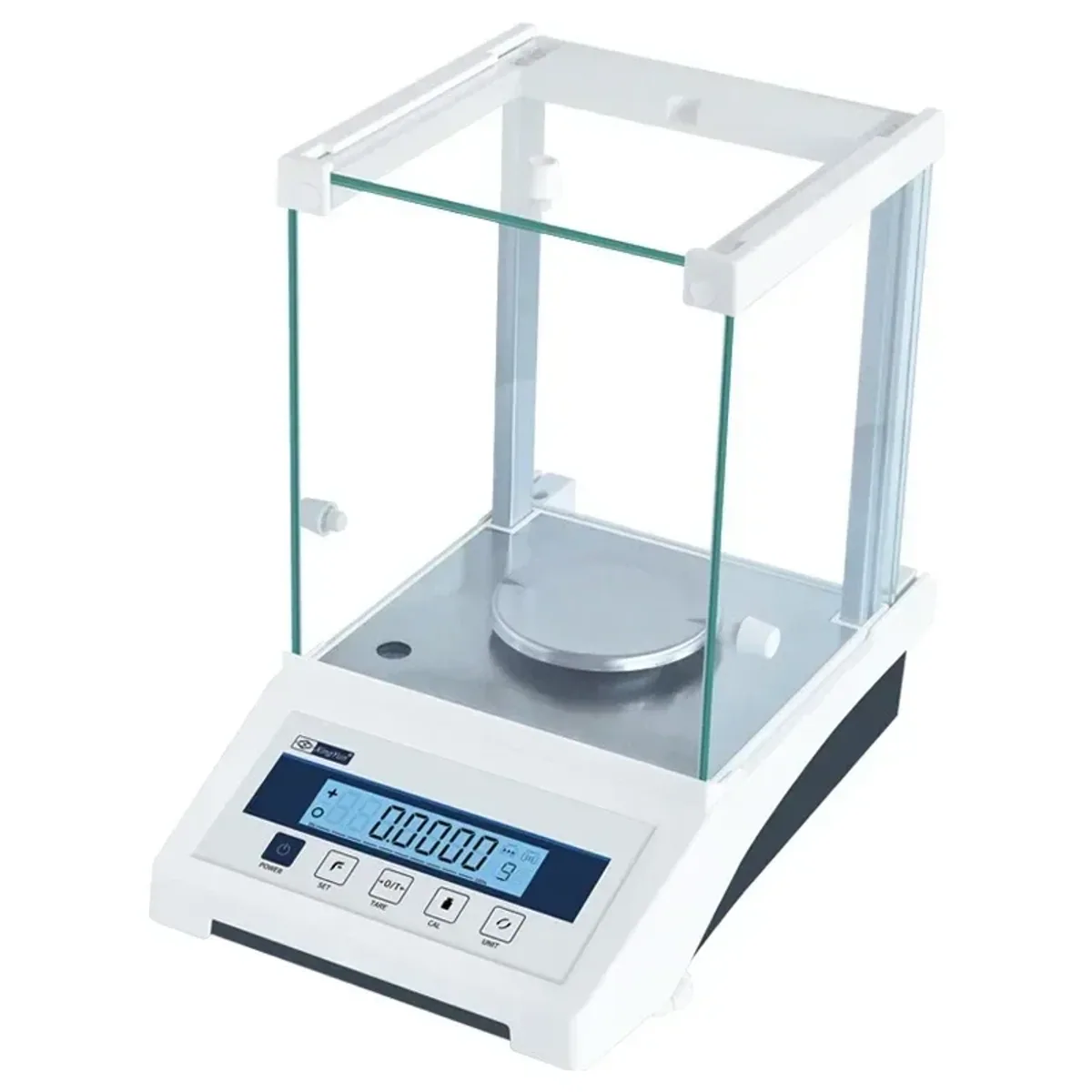
Analytical Balance 0.1mg | 120g or 220g | FA1204E, FA2204E
£638.99

Centrifuge Tube 50ml Screw Cap | Free-standing | Graduated | 25 Pack
£45.99

Honey Refractometer RH-5890Be | 58-90% Brix | Moisture & Baume | ATC
£77.99
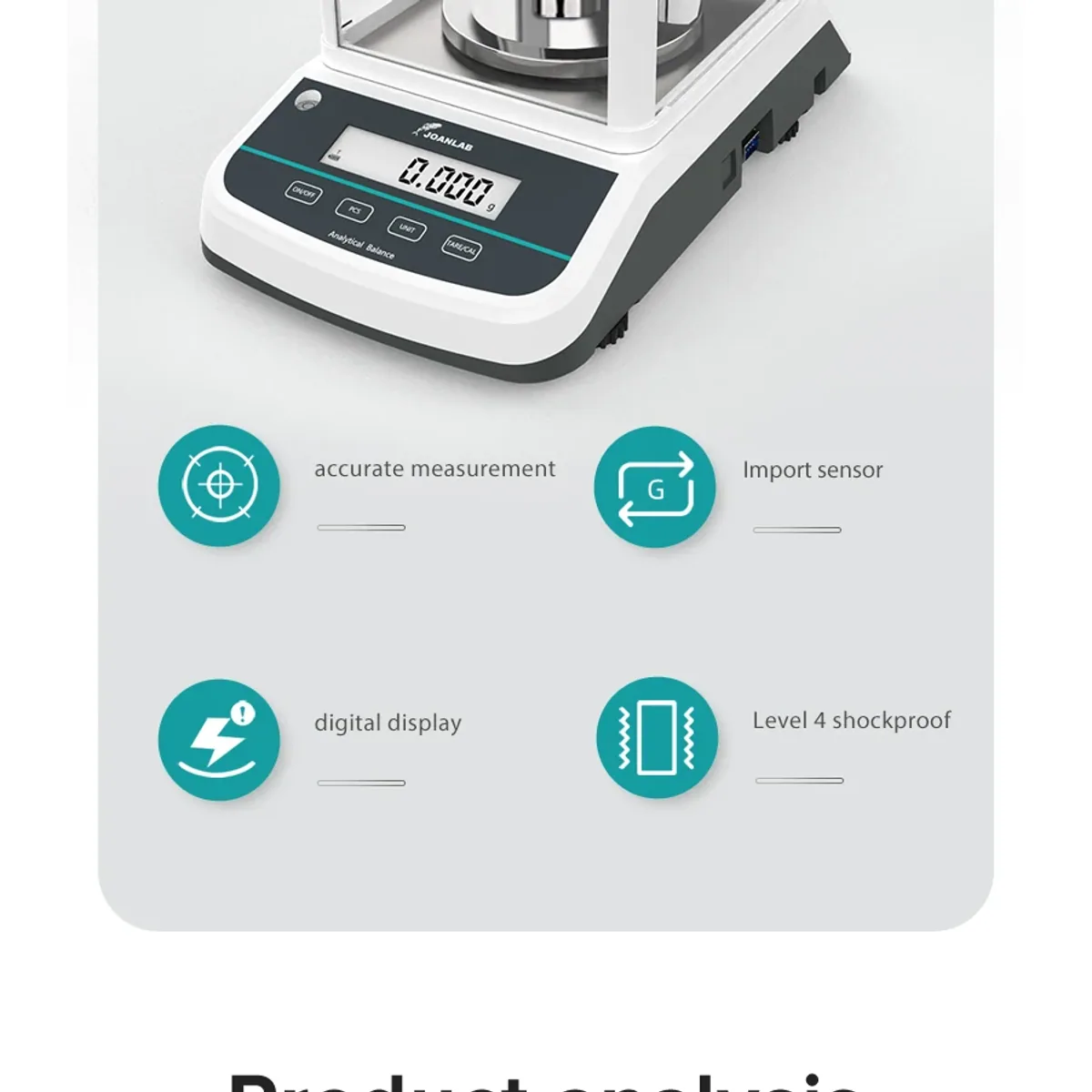
Analytical Balance FA2003S | 200g to 500g | 0.001g Readability
£506.99
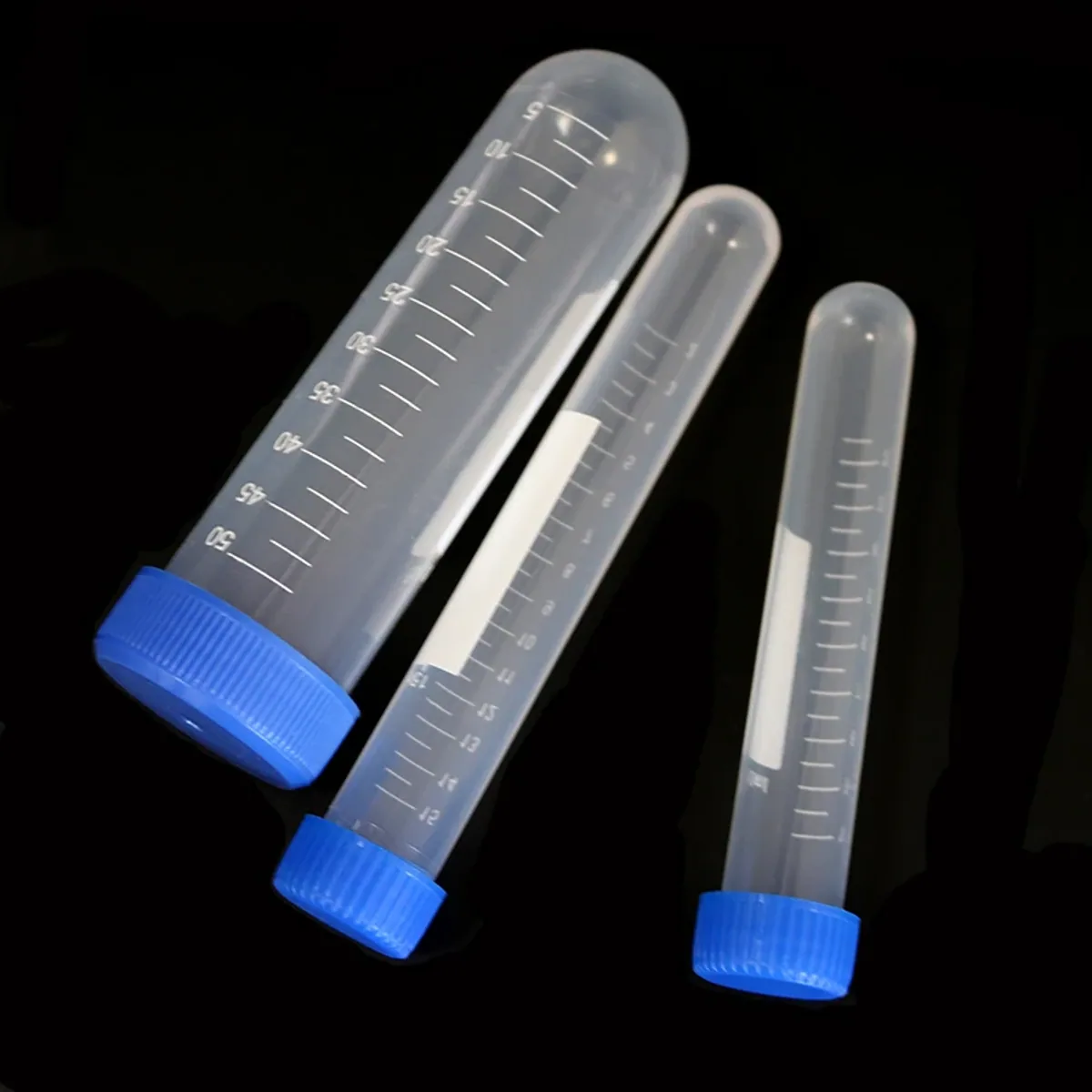
Centrifuge Tube 10 Pack | 10ml, 15ml or 50ml | Blue Screw Cap
£27.99