
Capacitor Discharge Tools
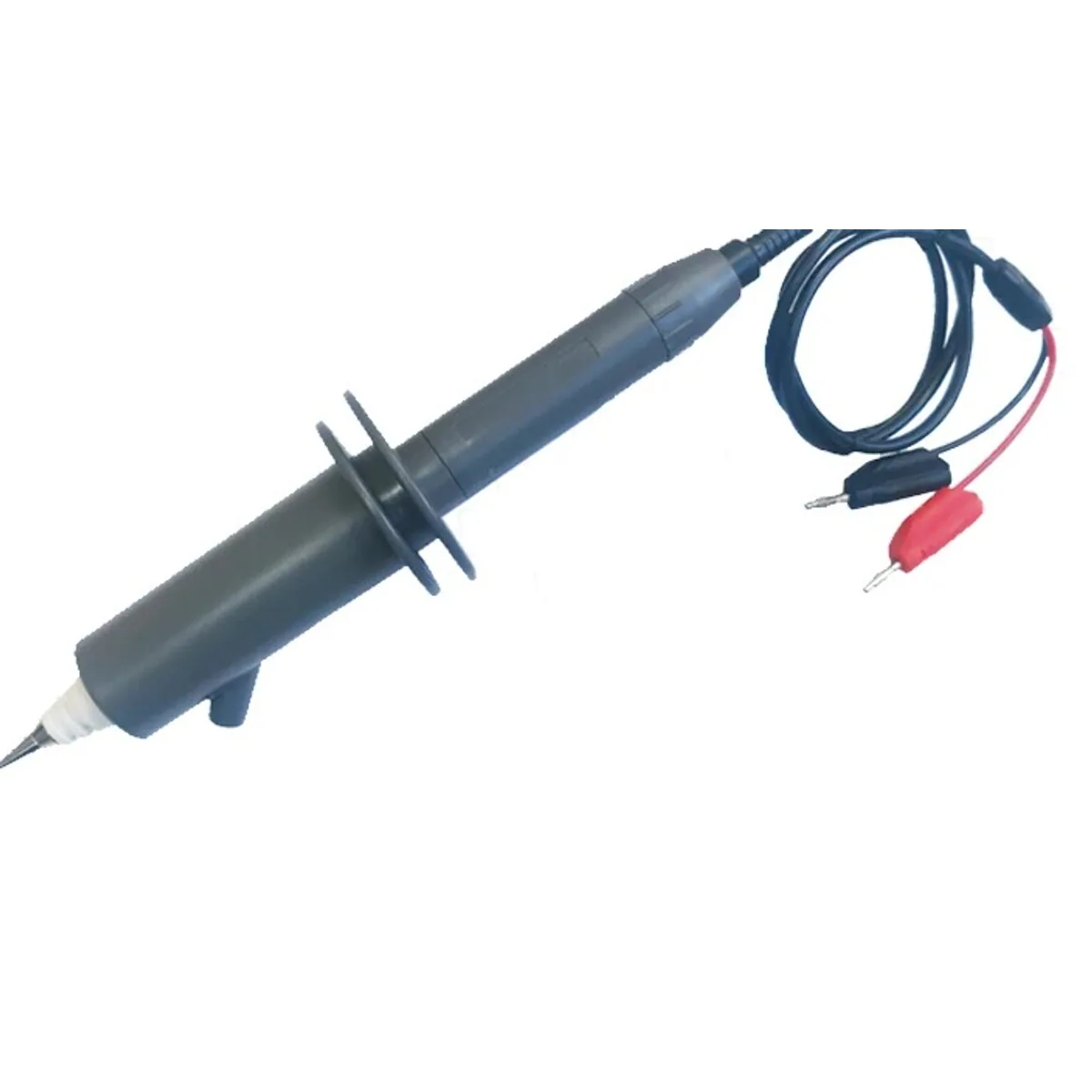
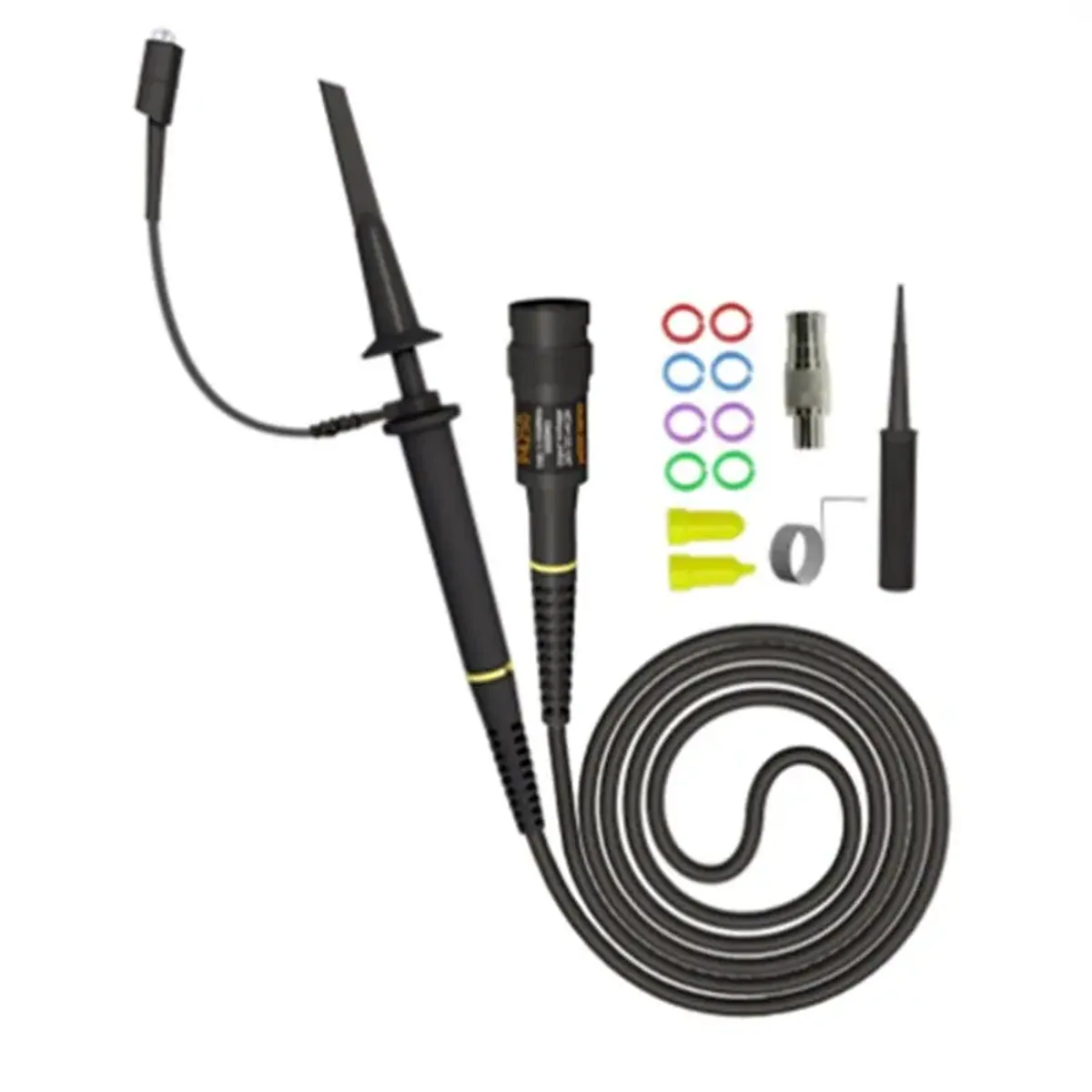
High Voltage Probes | 20kV or 30kV Multimeter Probe | 1000:1, 1000MΩ
TBS-08669TEST-00325
£366.99
24 products available
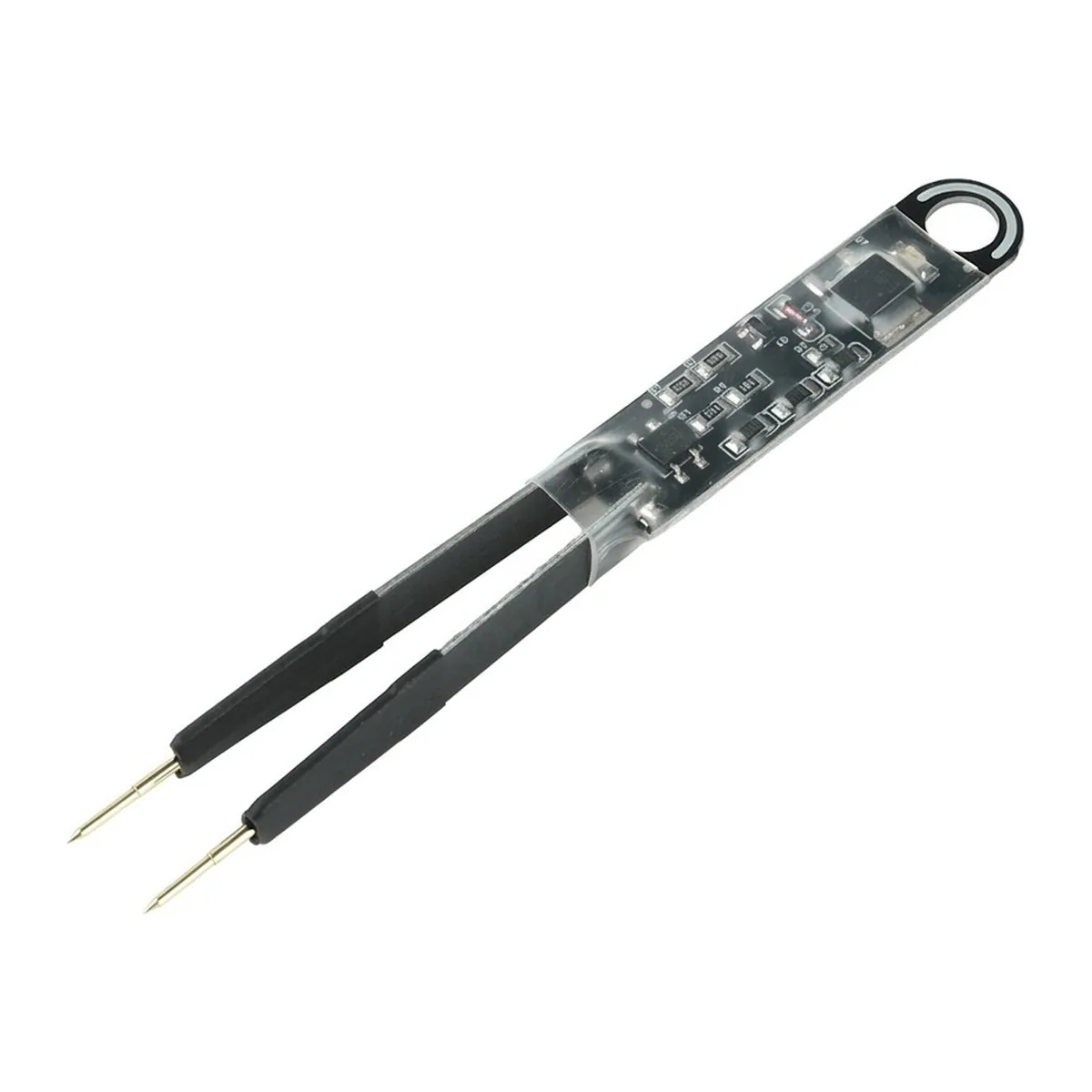
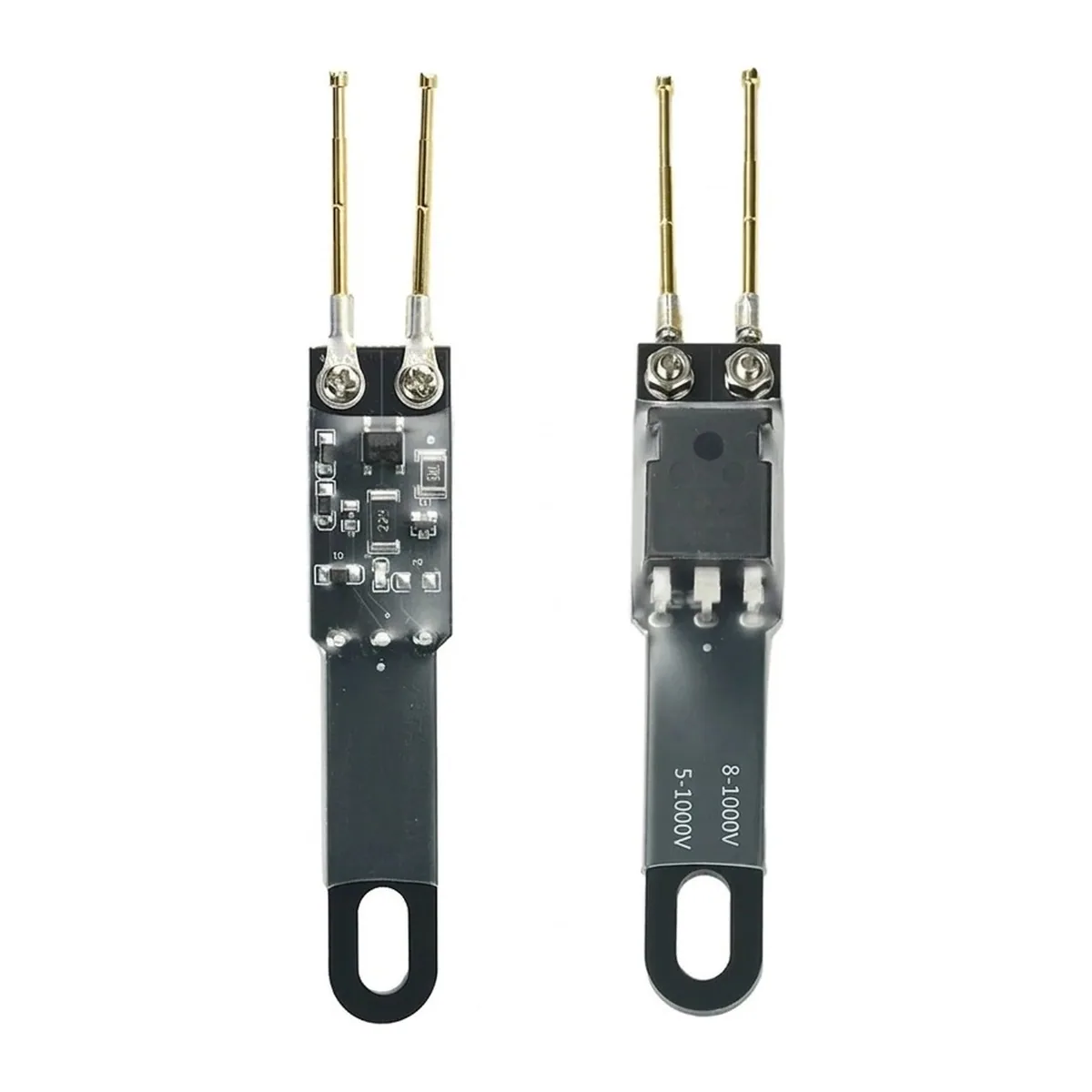
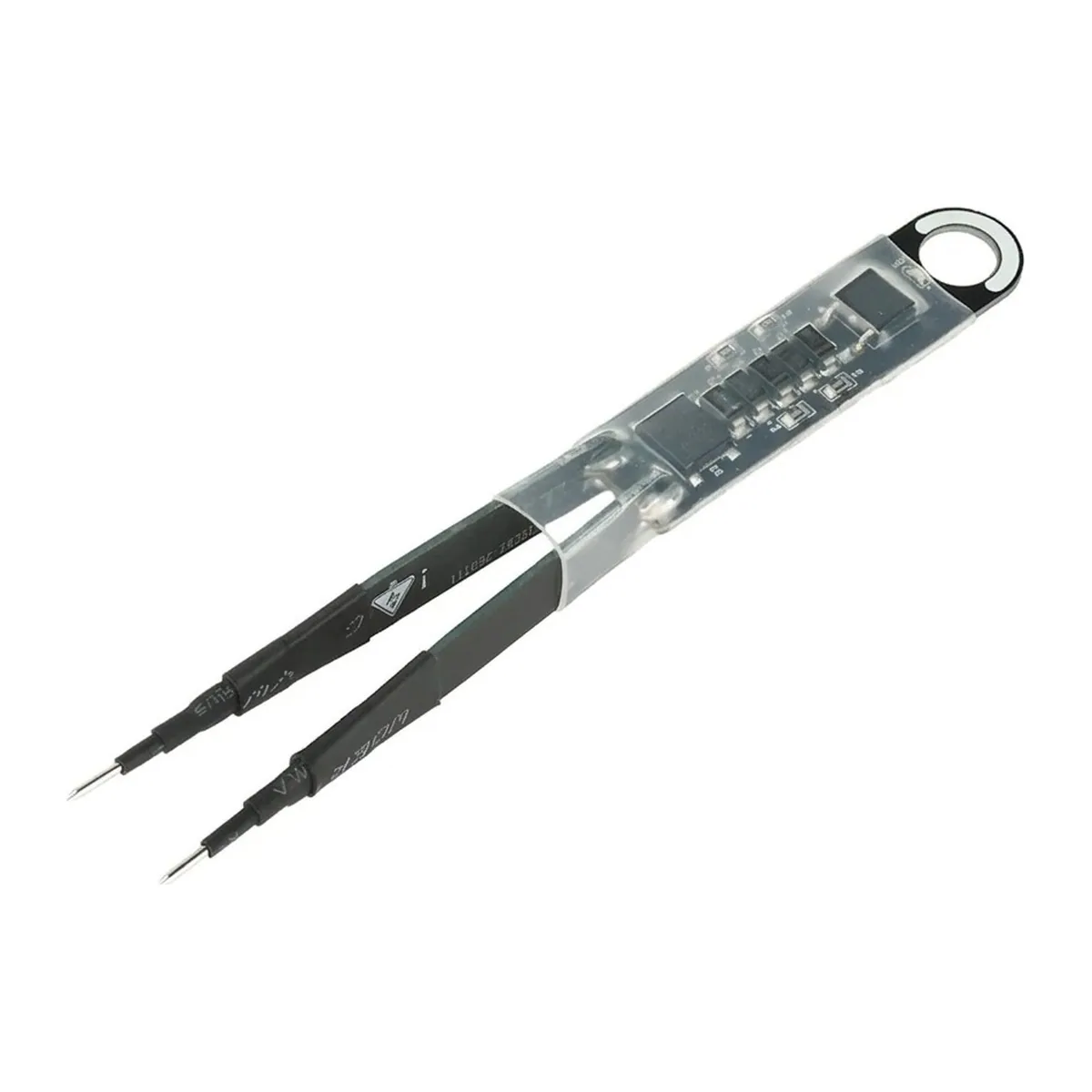
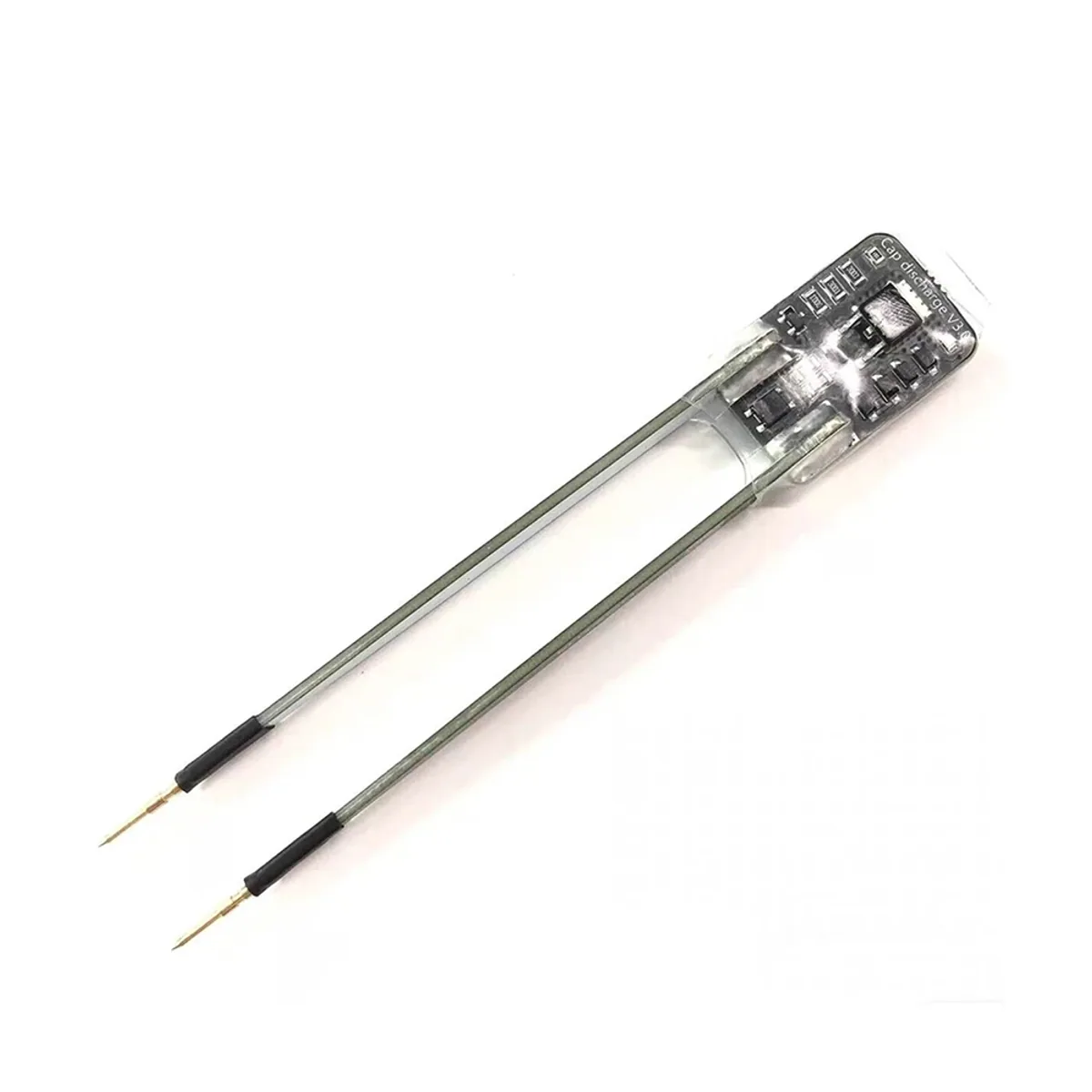
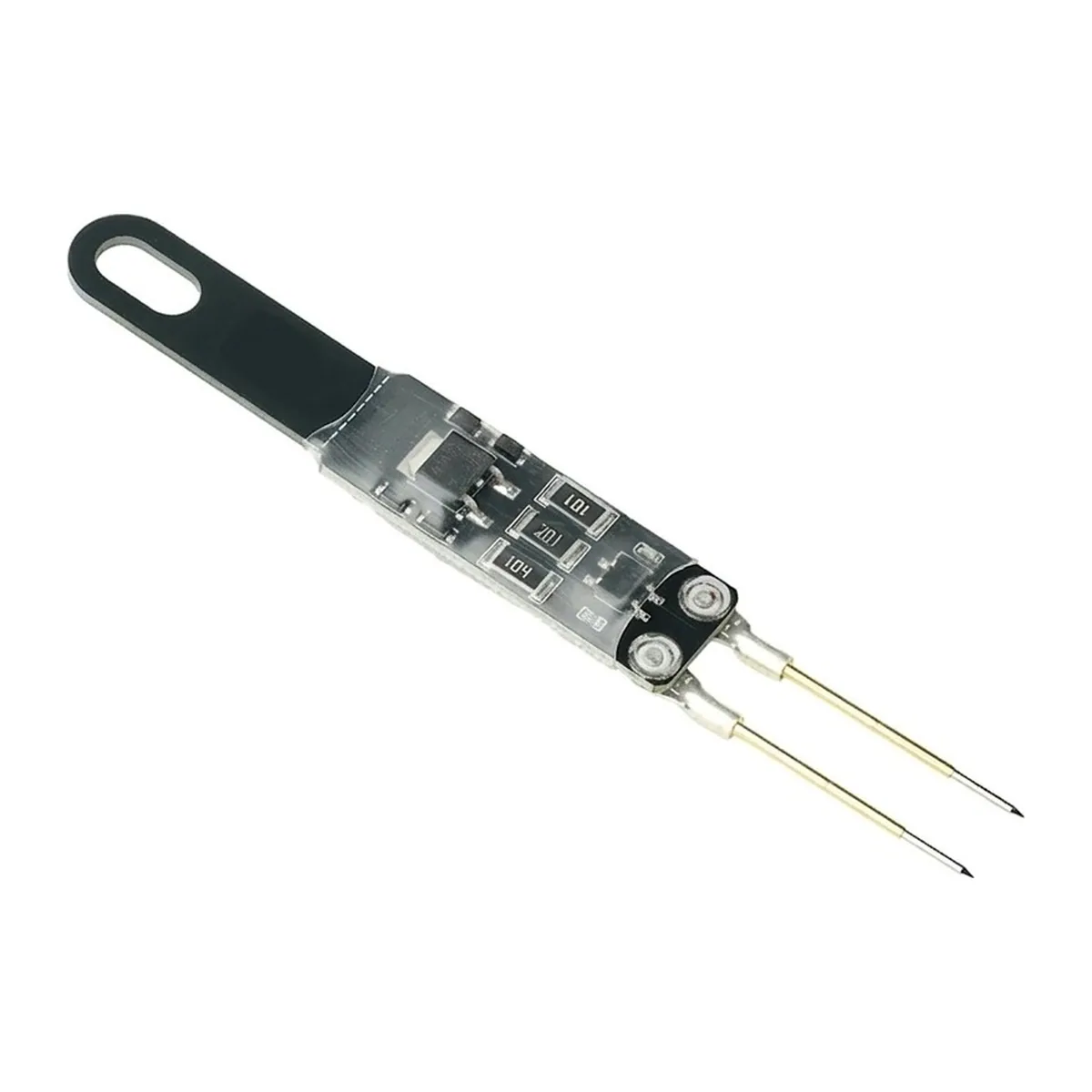
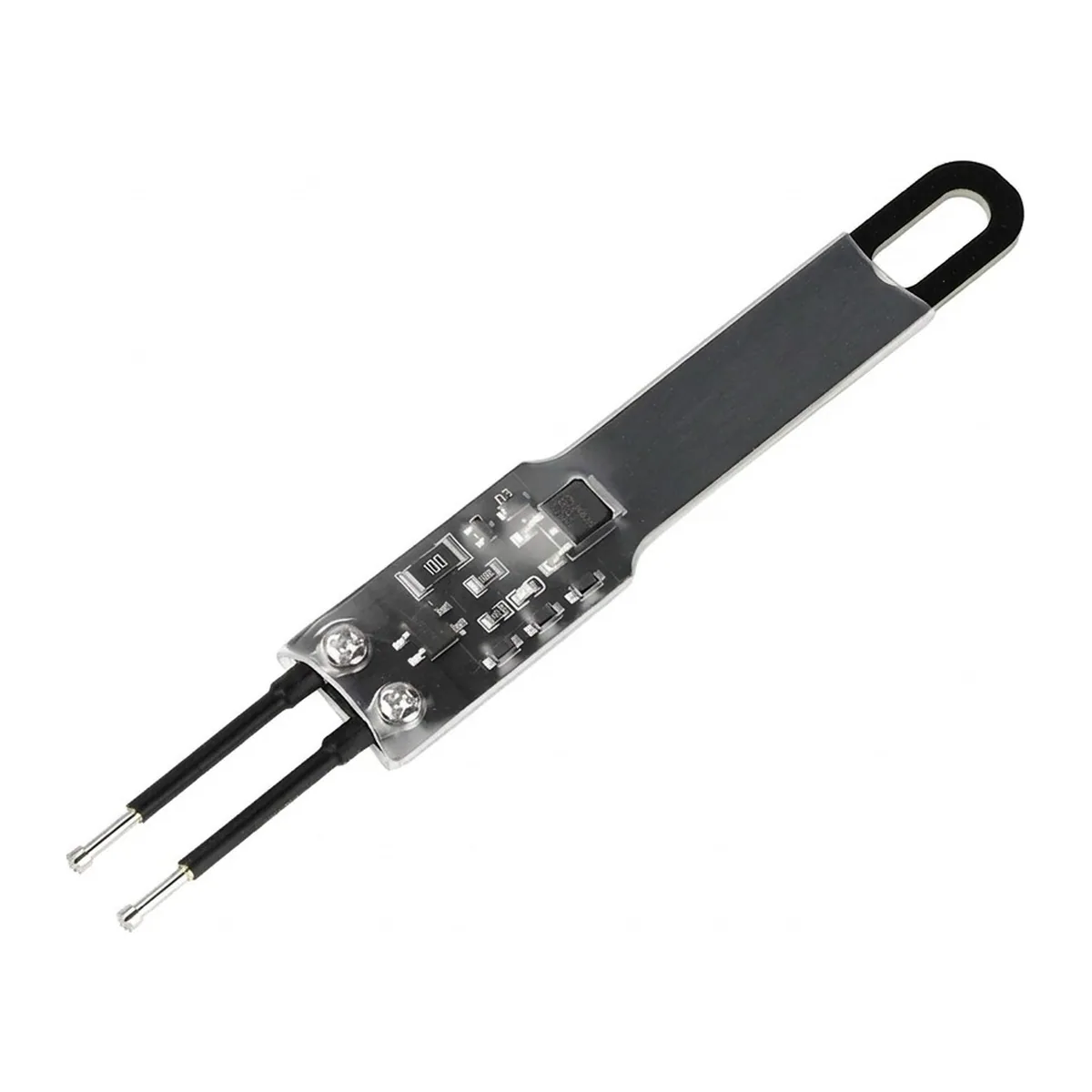
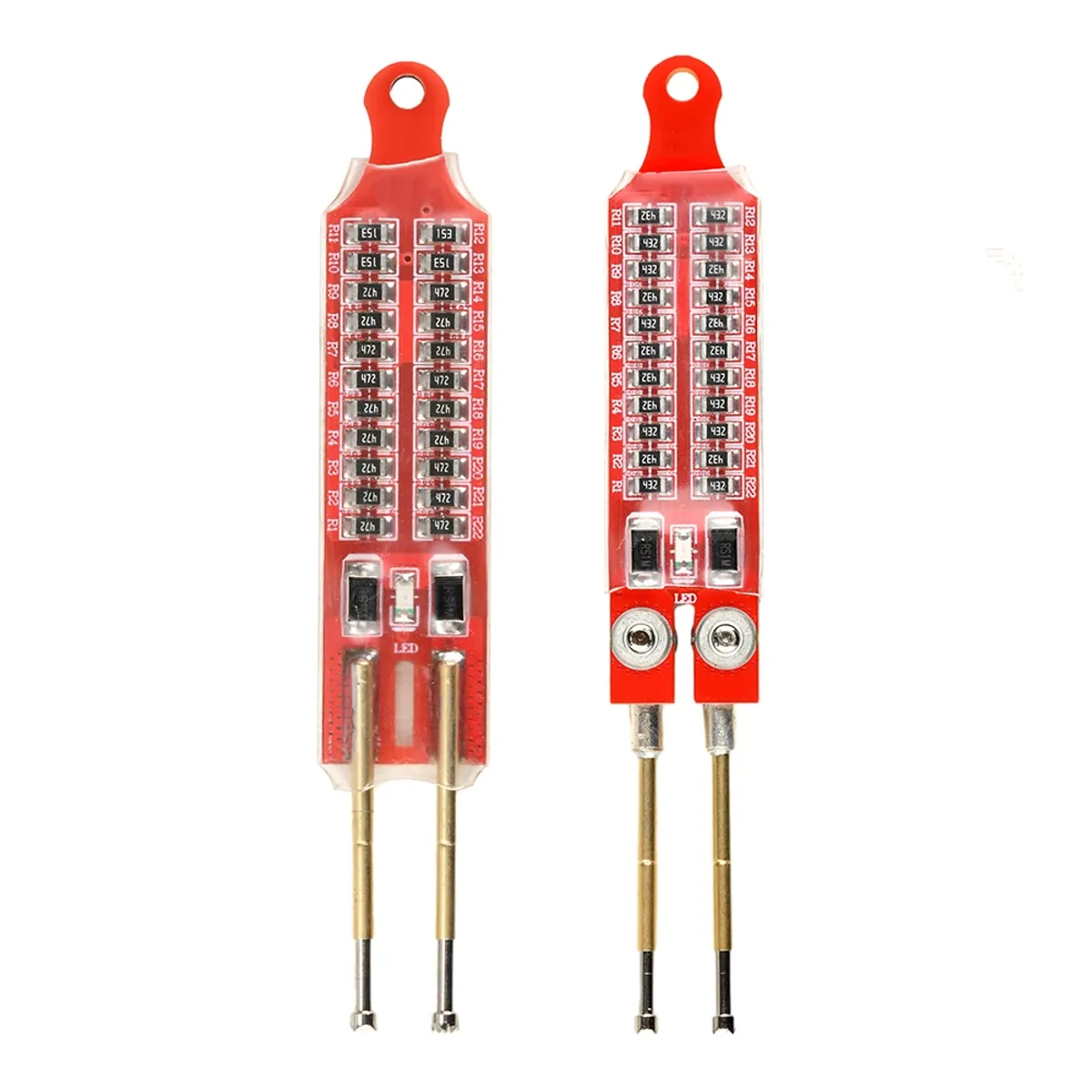
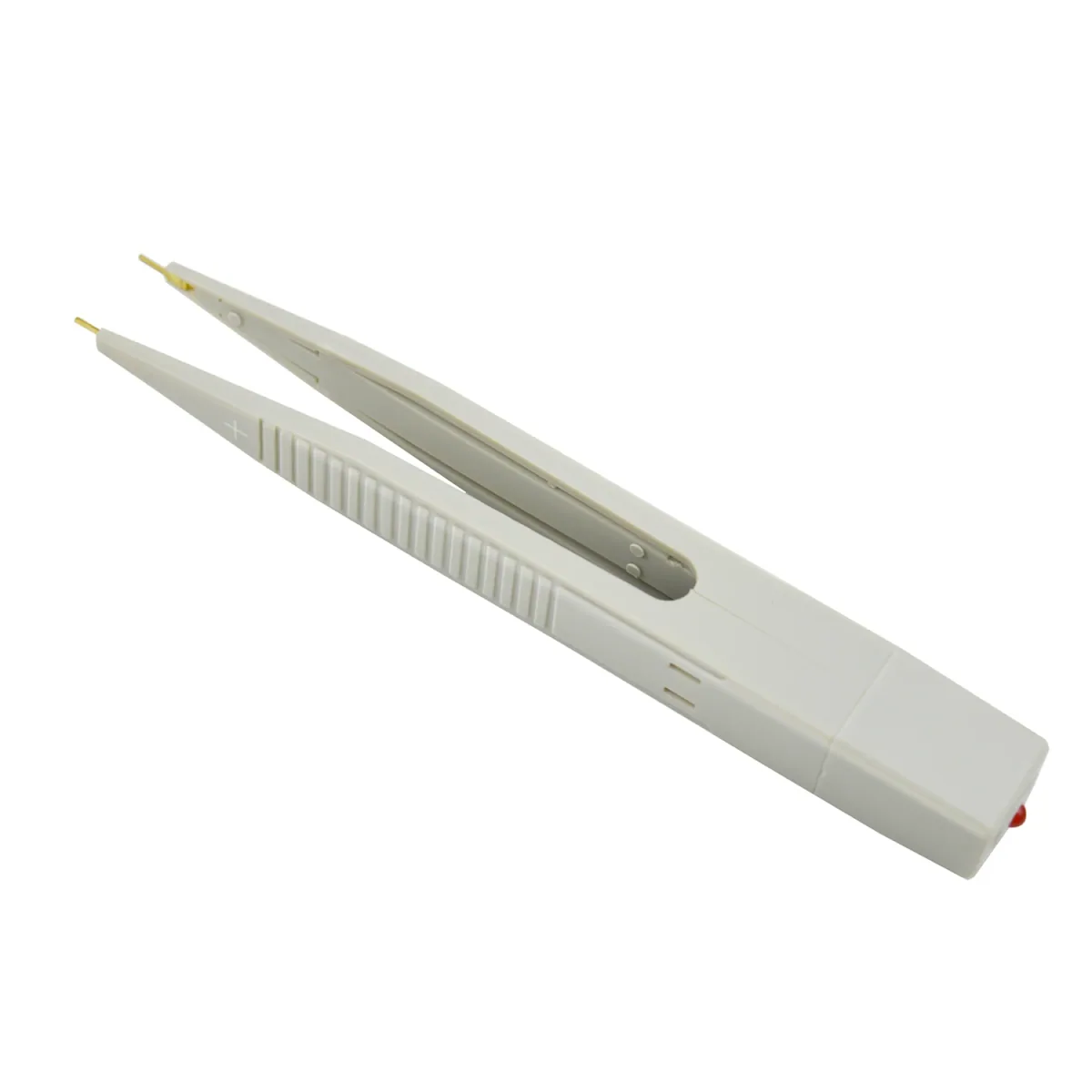
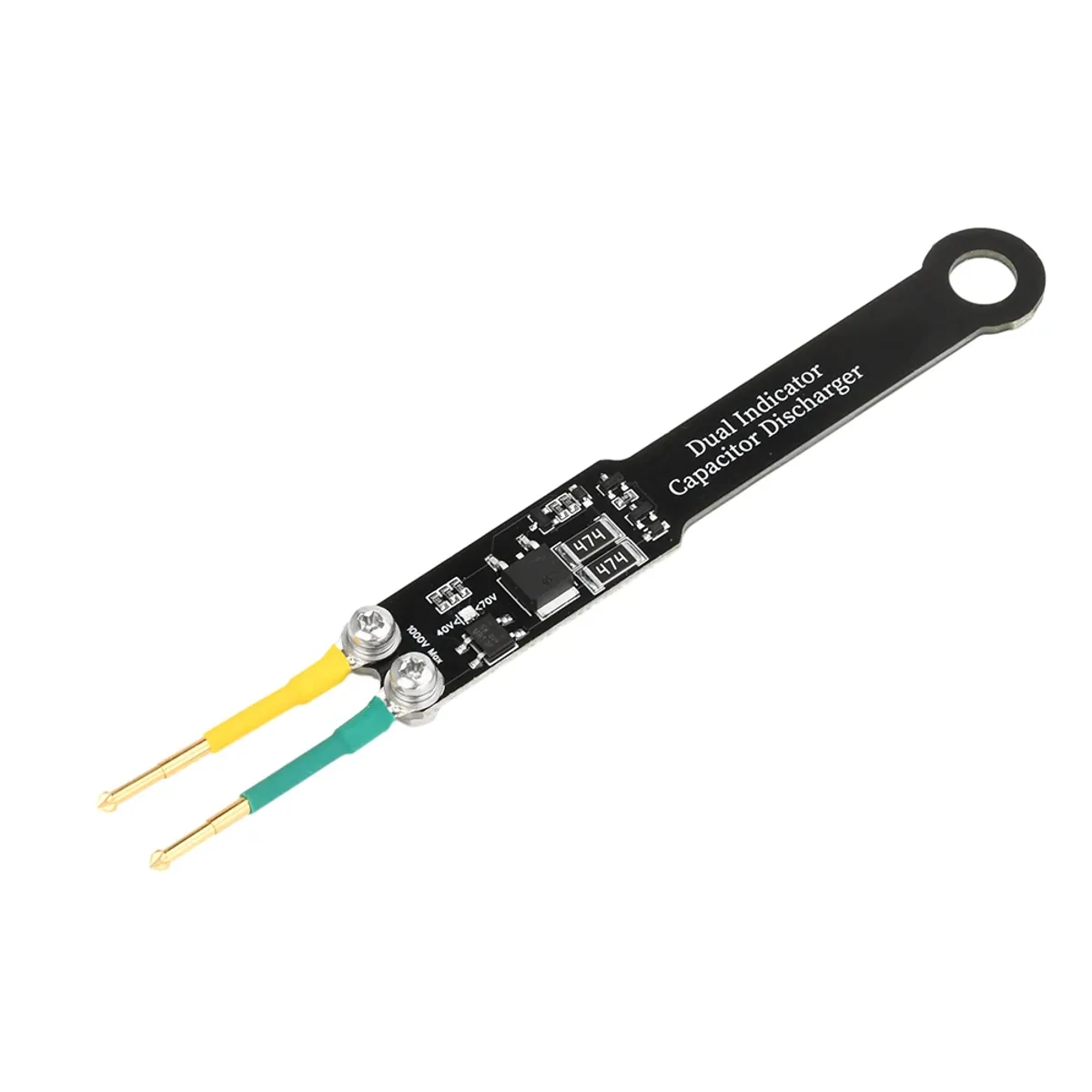
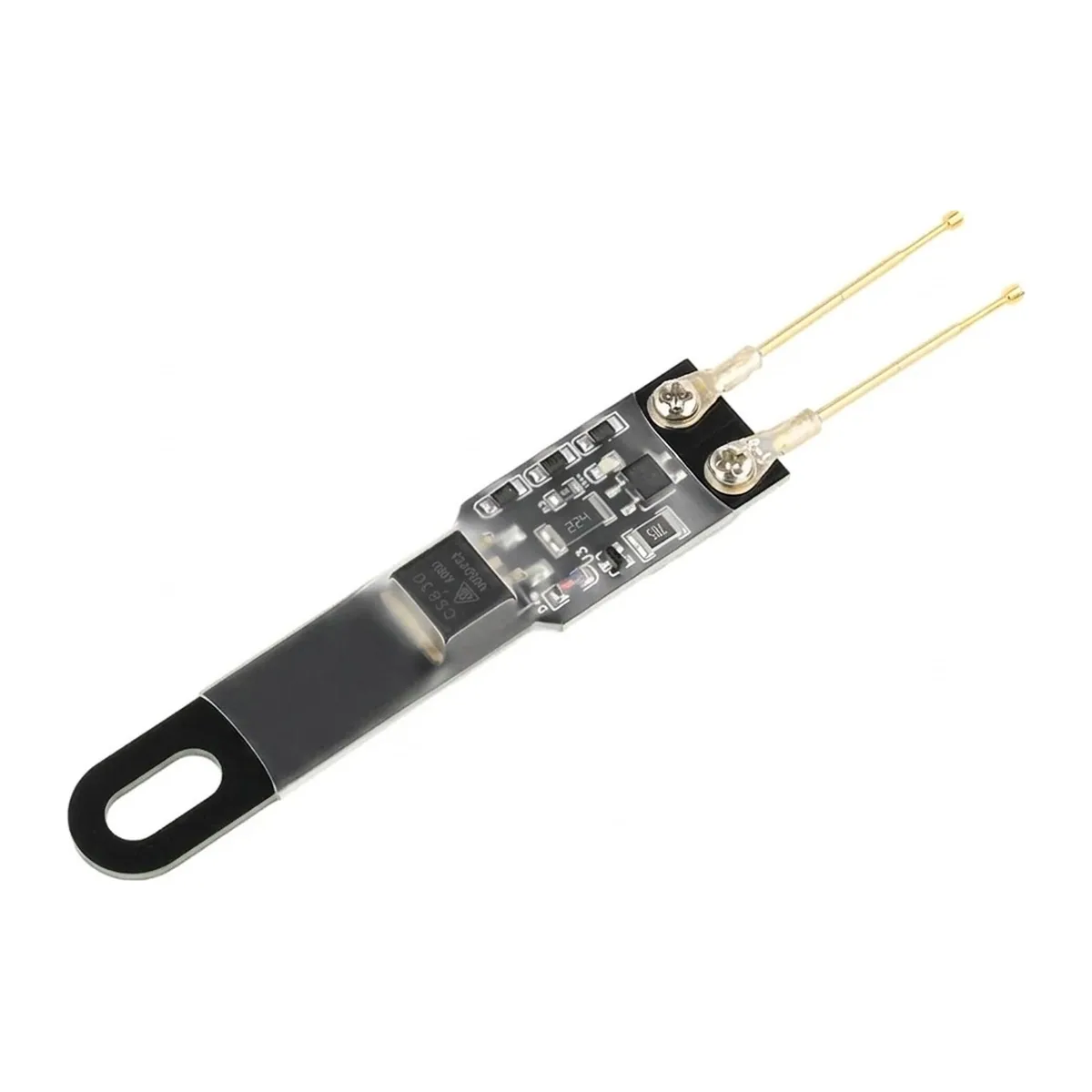
A reliable capacitor discharge tool protects bench technicians and plant electricians from stored electrical energy during maintenance. Stored charge in filter capacitors, power supplies and appliance circuits poses severe shock and arc risks even after equipment isolation. Compel supplies industrial instruments designed to discharge capacitor banks smoothly without destructive terminal arcing. Our inventory spans pocket tweezer pens for PCB rework, digital bench units, and heavy grounding rods for medium-voltage switchgear.
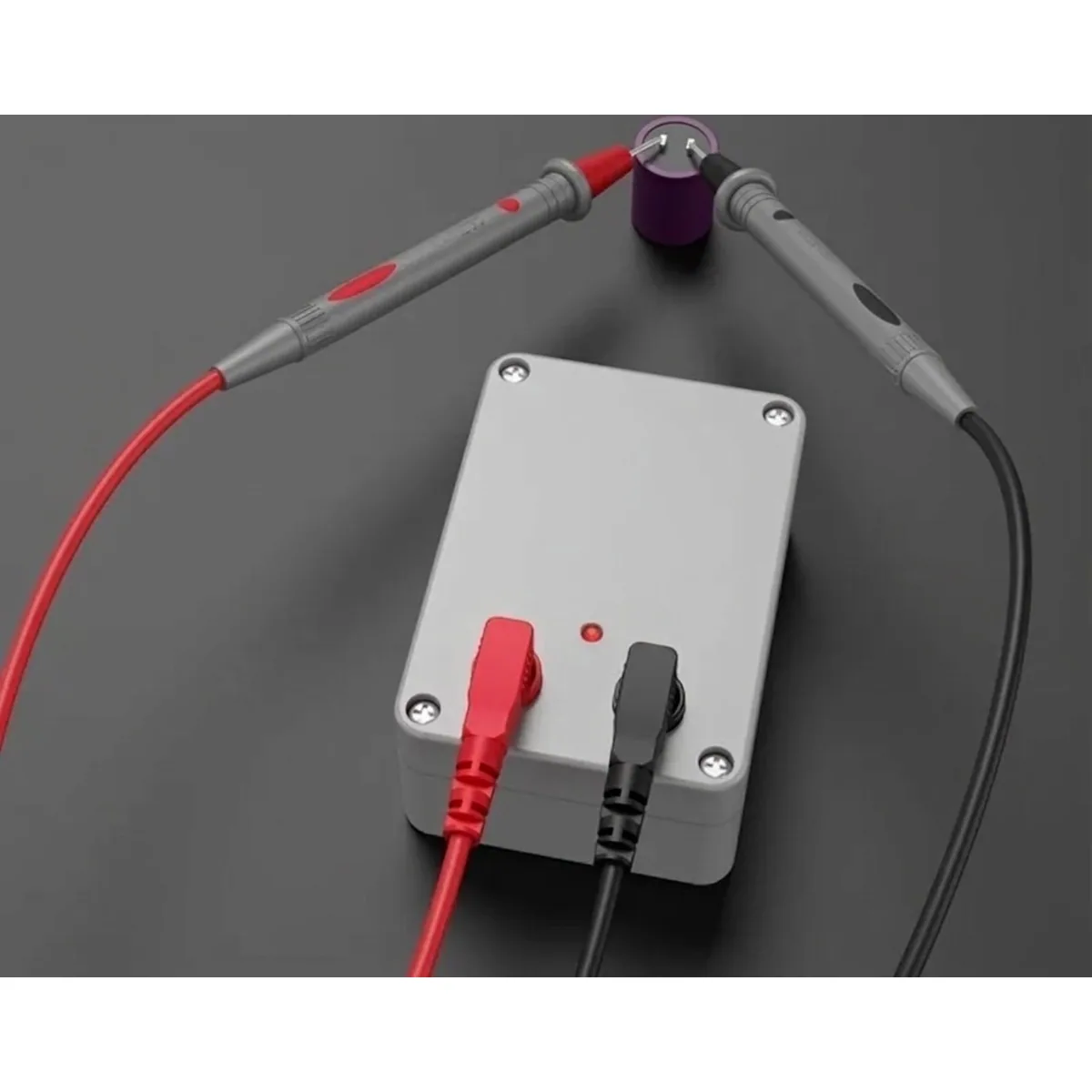
Every capacitor discharger in this range drains stored charge through a controlled path instead of a direct short. Each product page lists the voltage, capacitance and discharge figures its maker publishes, so you can match the tool to the job.
24 products in Capacitor Discharge Tools
Capacitor Discharge Tools
Capacitor Discharge Tools
Capacitor Discharge Tools
Capacitor Discharge Tools
Capacitor Discharge Tools
Capacitor Discharge Tools
Capacitor Discharge Tools
Capacitor Discharge Tools
Capacitor Discharge Tools
Capacitor Discharge Tools
Capacitor Discharge Tools
Capacitor Discharge Tools
Capacitor Discharge Tools
Capacitor Discharge Tools
Capacitor Discharge Tools
Capacitor Discharge Tools
Capacitor Discharge Tools
Capacitor Discharge Tools
Capacitor Discharge Tools
Capacitor Discharge Tools
Capacitor Discharge Tools
Capacitor Discharge Tools
Capacitor Discharge Tools
Capacitor Discharge Tools
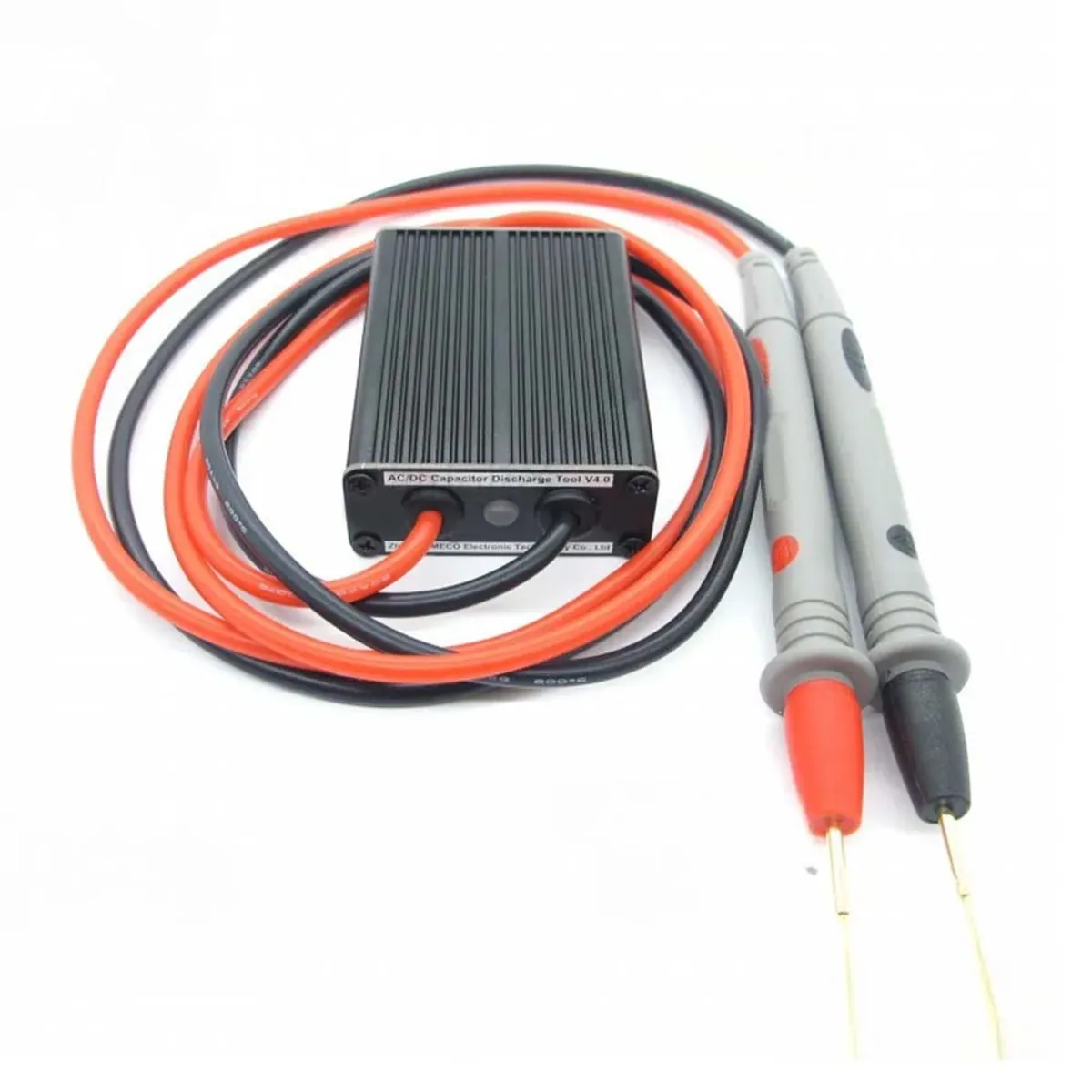
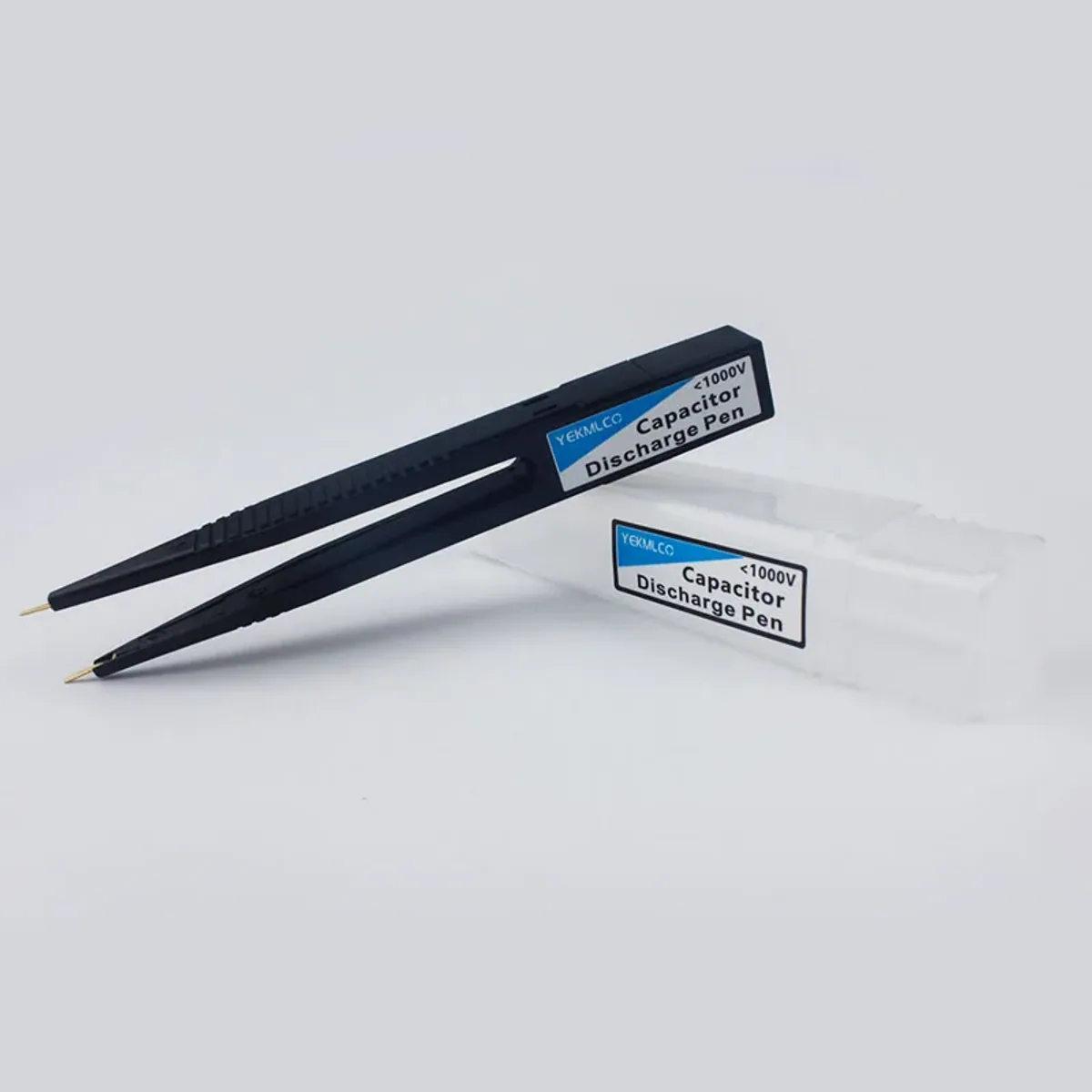
Always match your tool to the maximum circuit potential and total stored energy of the assembly. For PCB assembly and small switch-mode power supplies, a capacitor discharge pen rated below 1000V provides spark-free depletion. Compact units handle circuits from DC 5 to 375V or DC 10 to 650V, with higher-rated boards operating up to DC 5 to 1000V.
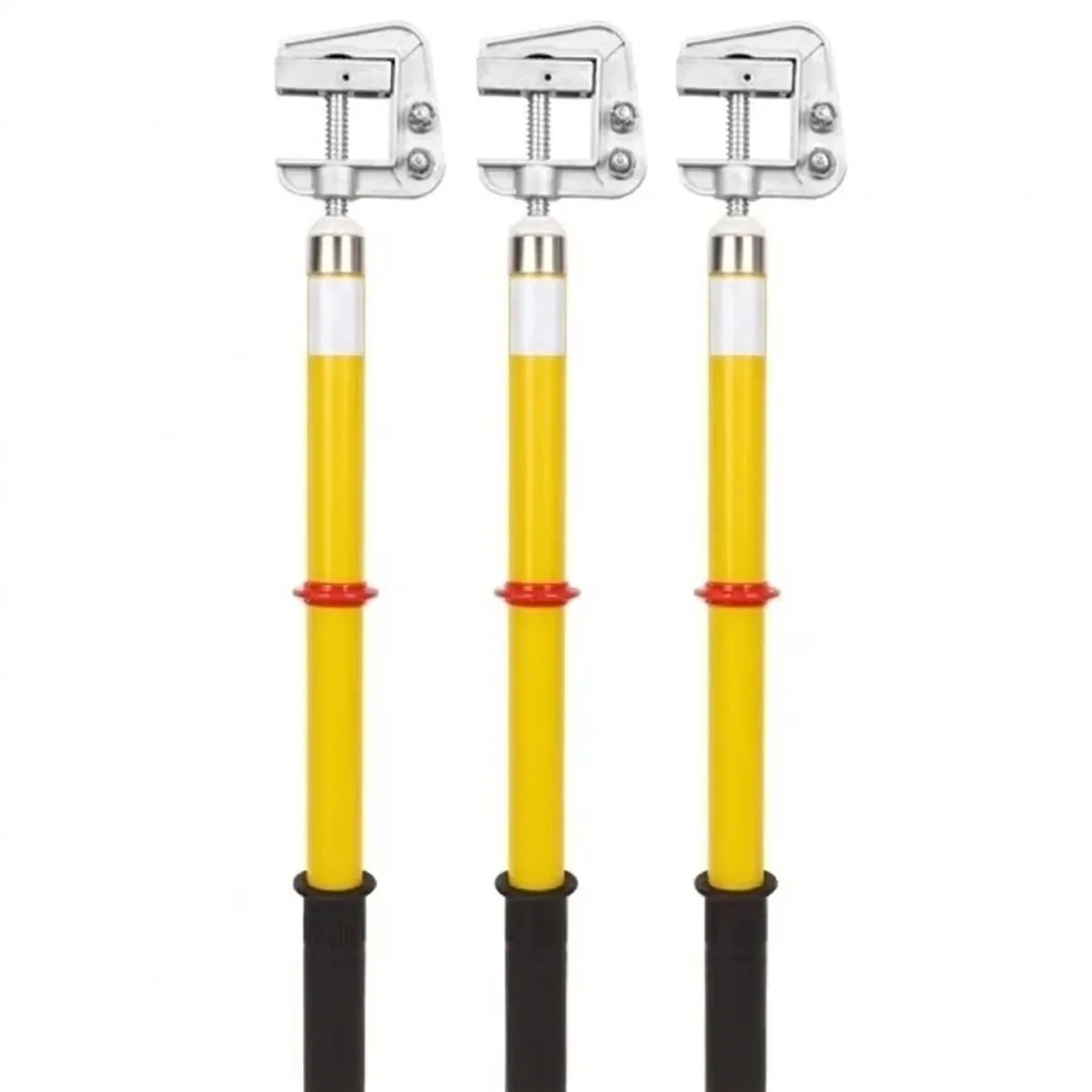
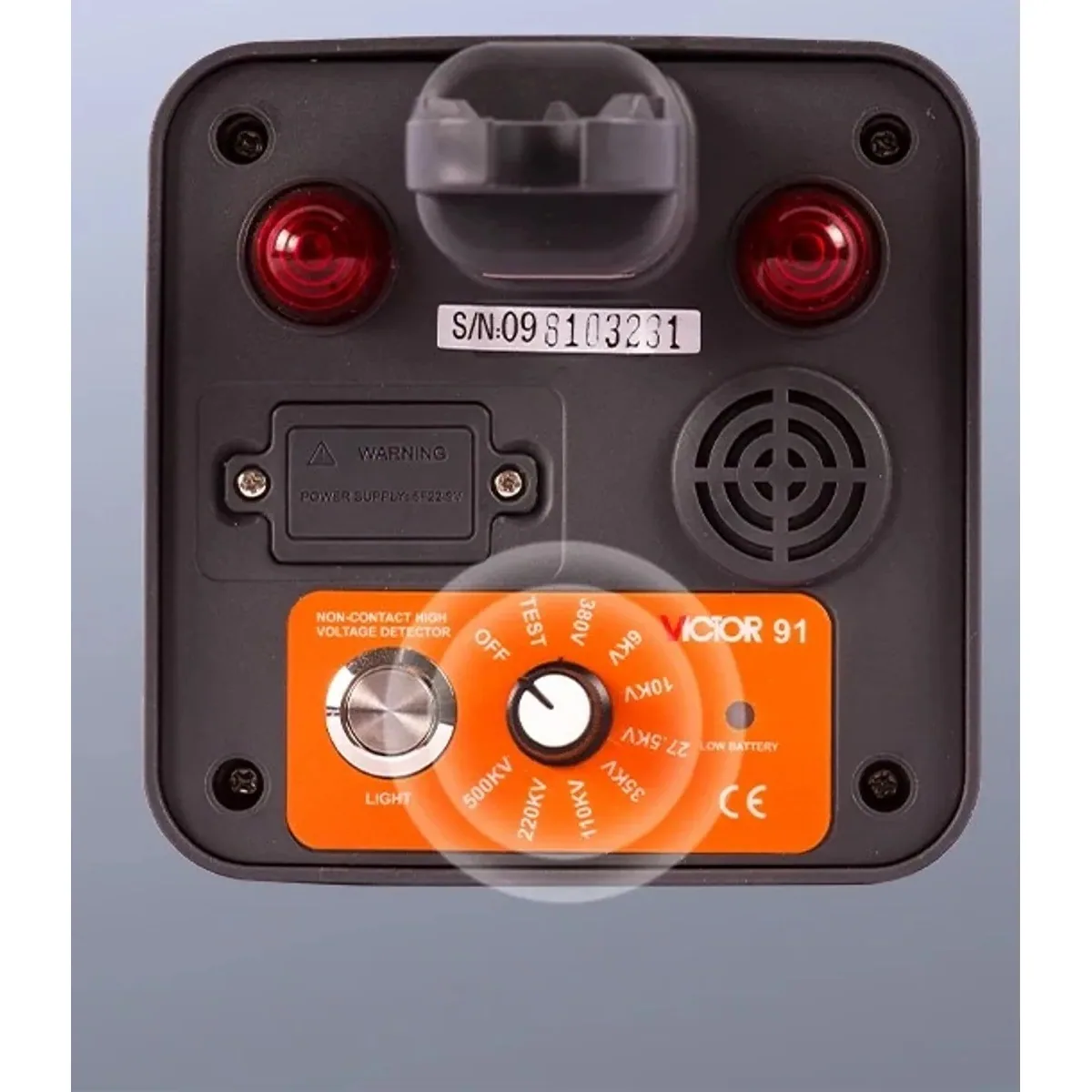
For larger industrial filter assemblies, monitor the total energy capacity. Bench meters often carry limits like 150J Max below 800V DC, though some units have no energy limit for capacitors below 200V. For medium-voltage and utility power installations, choose an epoxy resin insulating pole rated for 10kV, 35kV, 110kV or 220kV.
Direct shorting with manual screwdrivers pits terminal pads, damages component foils, and creates dangerous flash hazards. Professional capacitor discharge tools rely on constant current circuitry or resistive stages to pull down energy smoothly. Many pens throttle the discharge path to 18mA or less, preventing rapid current spikes and arc marks on sensitive circuit boards.
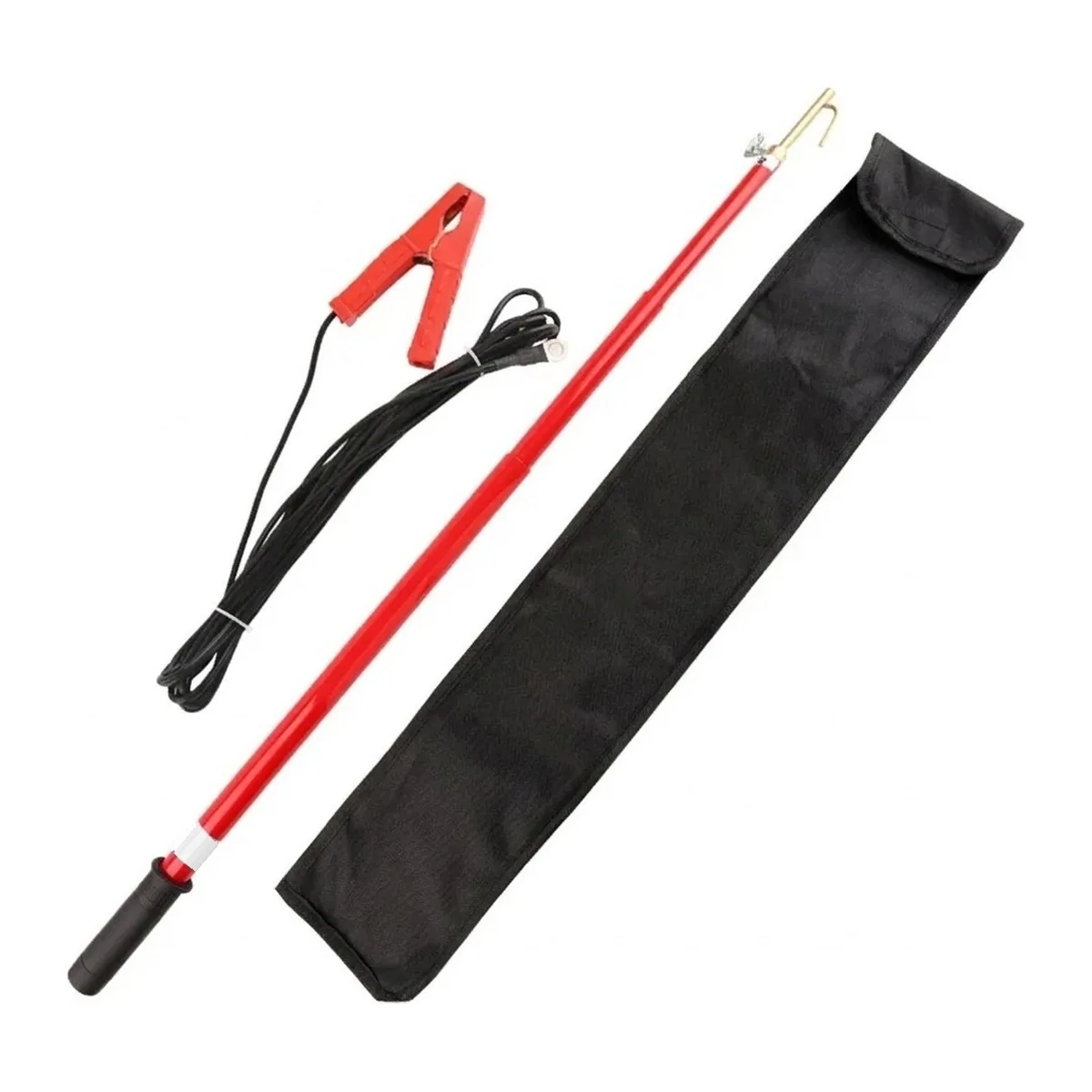
Larger instruments integrate a 1200V/15A IGBT or high-voltage power resistors. These stages hold discharge currents steady until voltage drops into single digits. For medium-voltage distribution systems, telescopic discharge sticks combine resistive damping with direct shorting to handle heavy residual charges safely.
Technicians must confirm a circuit is dead before handling terminals. Basic pen models use an LED that stays lit while discharging and turns off around 3.5V, 6V, or 9 V depending on the circuit. Certain dual LED variants show red at high voltage and switch to green at low voltage to give operators immediate visual status.
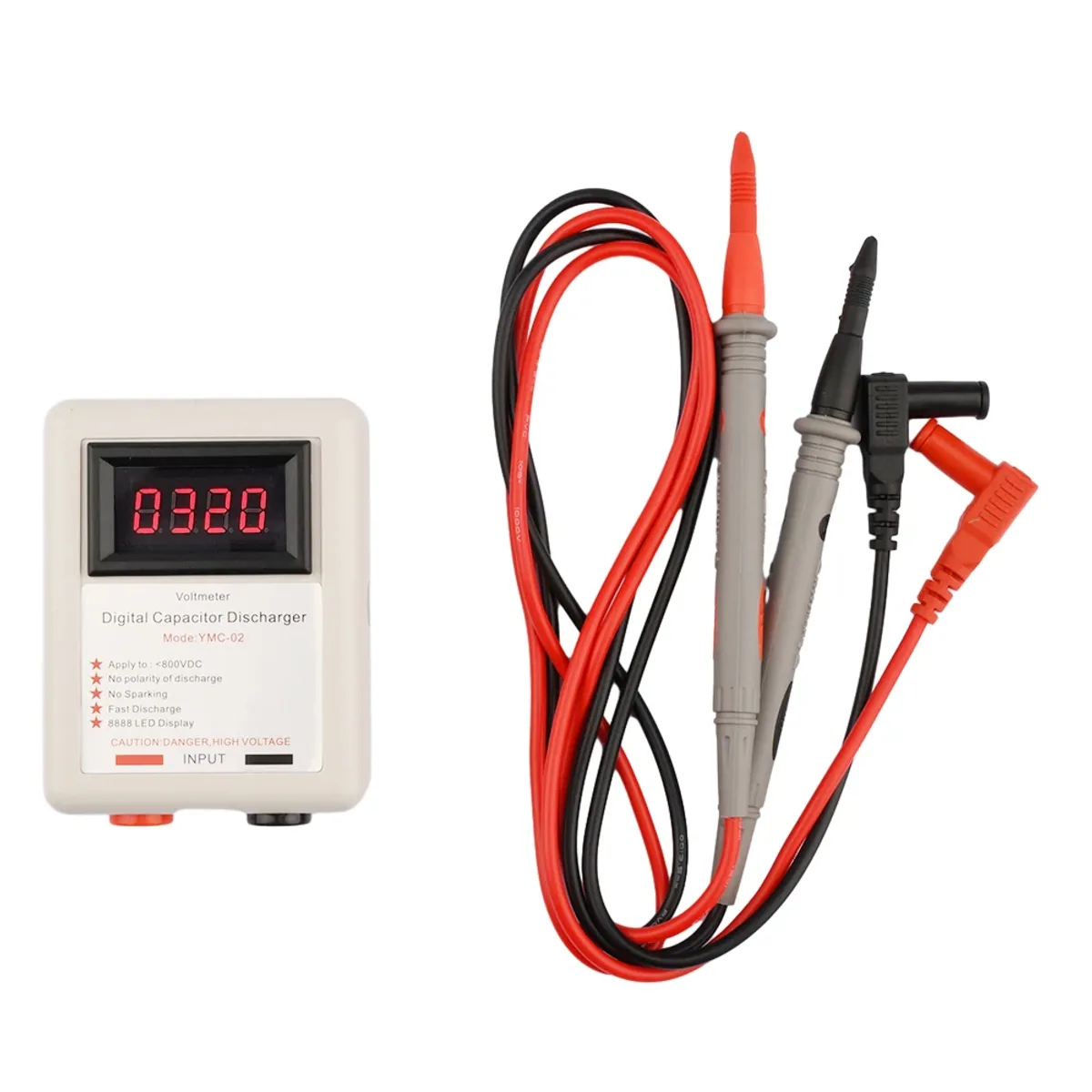
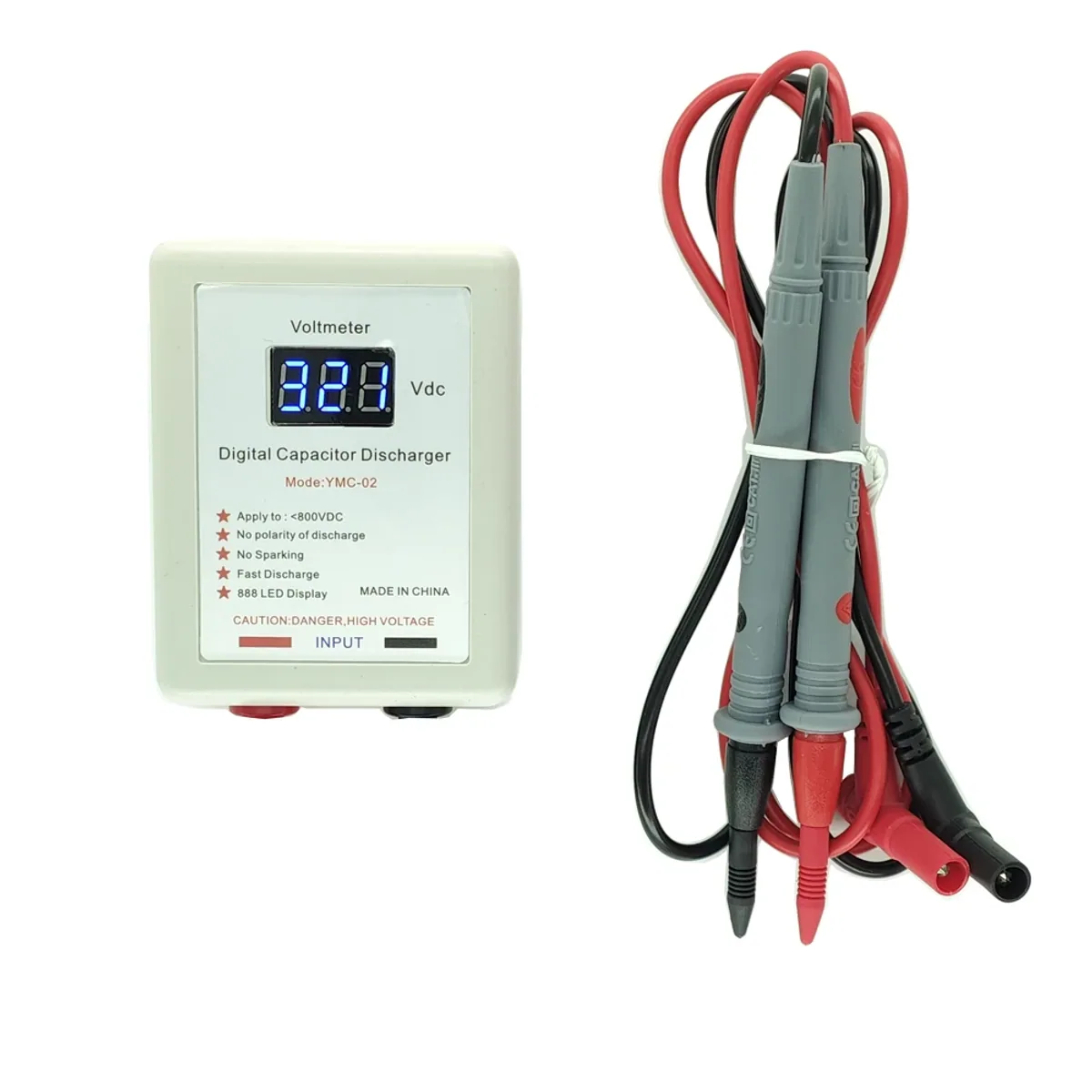
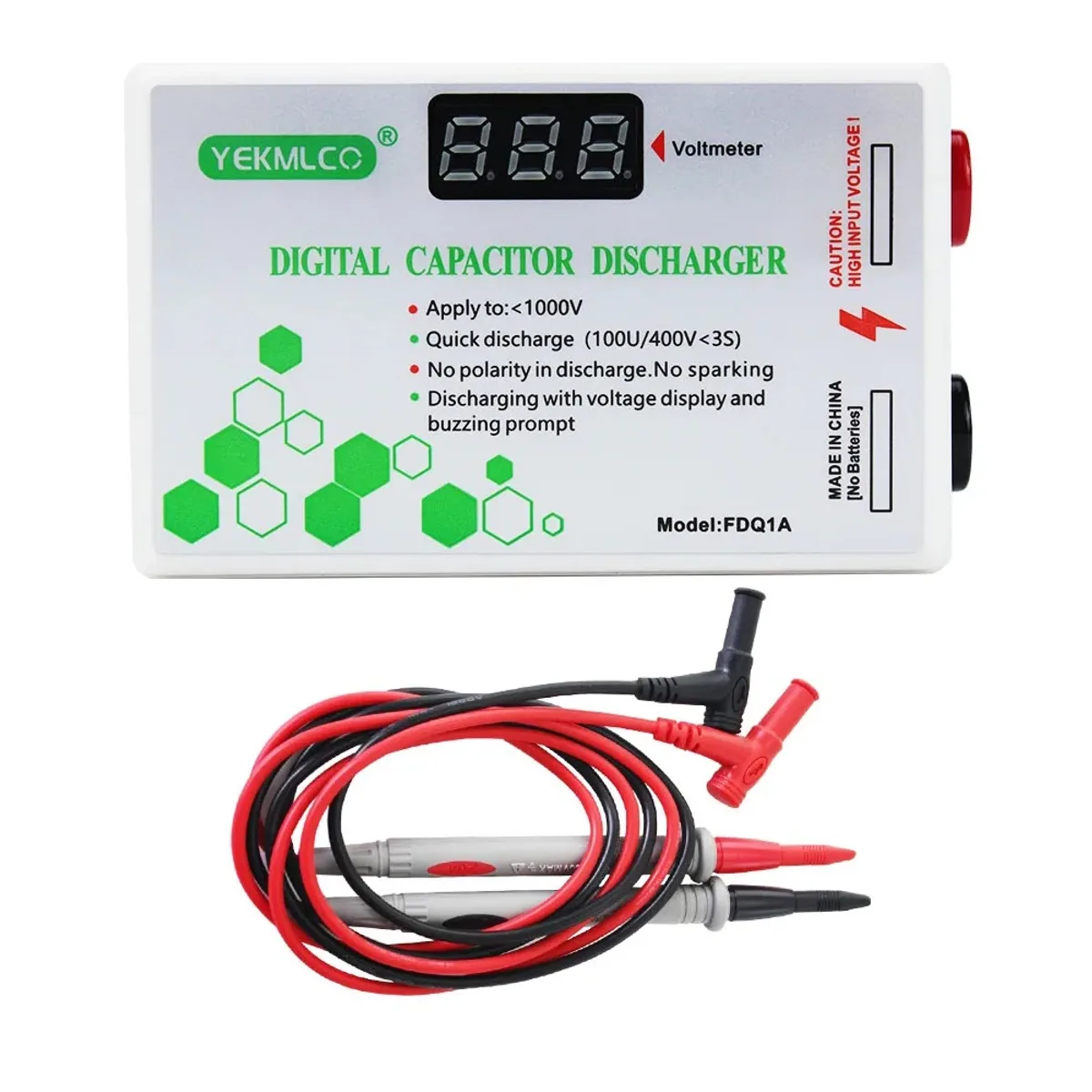
Digital bench units integrate a 3 digit or 4 digit LED voltmeter that reports real-time residual voltage. These active readouts monitor drain speed, such as clearing 100uF at 400V in under 3 seconds on an FDQ1A or about 5 seconds on an FDQ1. Many digital displays shut off around 10V, requiring an additional hold period to reach levels below 5V. When testing distribution gear, verify isolation using an inductive electroscope with audible alarms before applying grounding clamps.
Buying guide
We use cookies. Some keep the store working, others show us what to fix. No third-party trackers, and we never sell your data. Learn more about cookies and your privacy