
Shut-Off Fuel Nozzle | Heavy-Duty Flow Handle | Gas Station Dispenser
Stock Nr:
SKU:
1 / 3
£158.99inc VAT
This automatic shut off fuel nozzle cuts flow the moment your tank fills, preventing messy spills and wasted fuel. Built from cast aluminum, the fuel transfer pump nozzle operates smoothly on gravity ...
Select an option
- Secure checkout
- All major cards
- Tracked delivery
£158.99
Fast Shipping
Secure Payment
Easy Returns
Good to know
Questions about this product
- What inlet thread size does this fuel nozzle use?
- This nozzle has a standard 3/4-inch NPT female inlet thread. It threads directly onto matching 3/4-inch fuel delivery hoses on gravity tanks and electric pumps.
- How does the automatic shut-off function work?
- The spout has a small internal venturi port that pulls air while fuel flows. When the fuel level in your tank rises and covers the tip, the pressure drop instantly trips the internal shut-off mechanism.
- Can I use this auto shut-off nozzle with both petrol and diesel?
- Yes, it works with both diesel and unleaded petrol delivery systems. Make sure your pump provides enough flow pressure, as gravity systems without sufficient head pressure may not trip the auto shut-off.
Fuel Nozzles, Hoses & Meters spec sheet (PDF)
Get a one-page sheet with full description, specifications, technical details, FAQs, price & SKU - handy to save, print, or share.
Not sure which one?
Compare with similar products
The same kind of product, in stock, in a similar price range.
This product: £158.99 · 4.5
This product
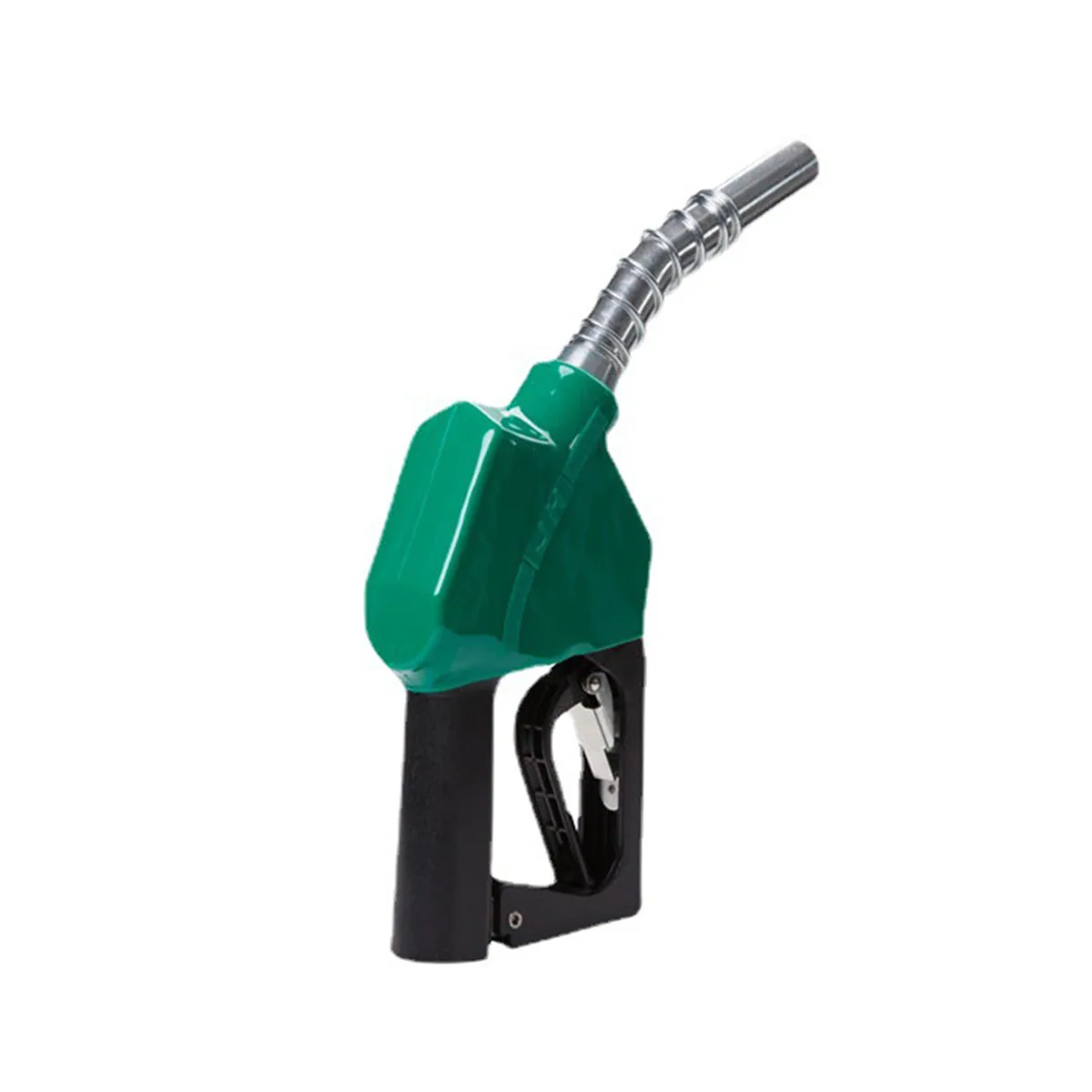
Shut-Off Fuel Nozzle | Heavy-Duty Flow Handle | Gas Station Dispenser
- Price
- £158.99
- Rating
- 4.5(8)
- Sold
- 31+
- Stock
- In stock
You're viewing this
Alternative
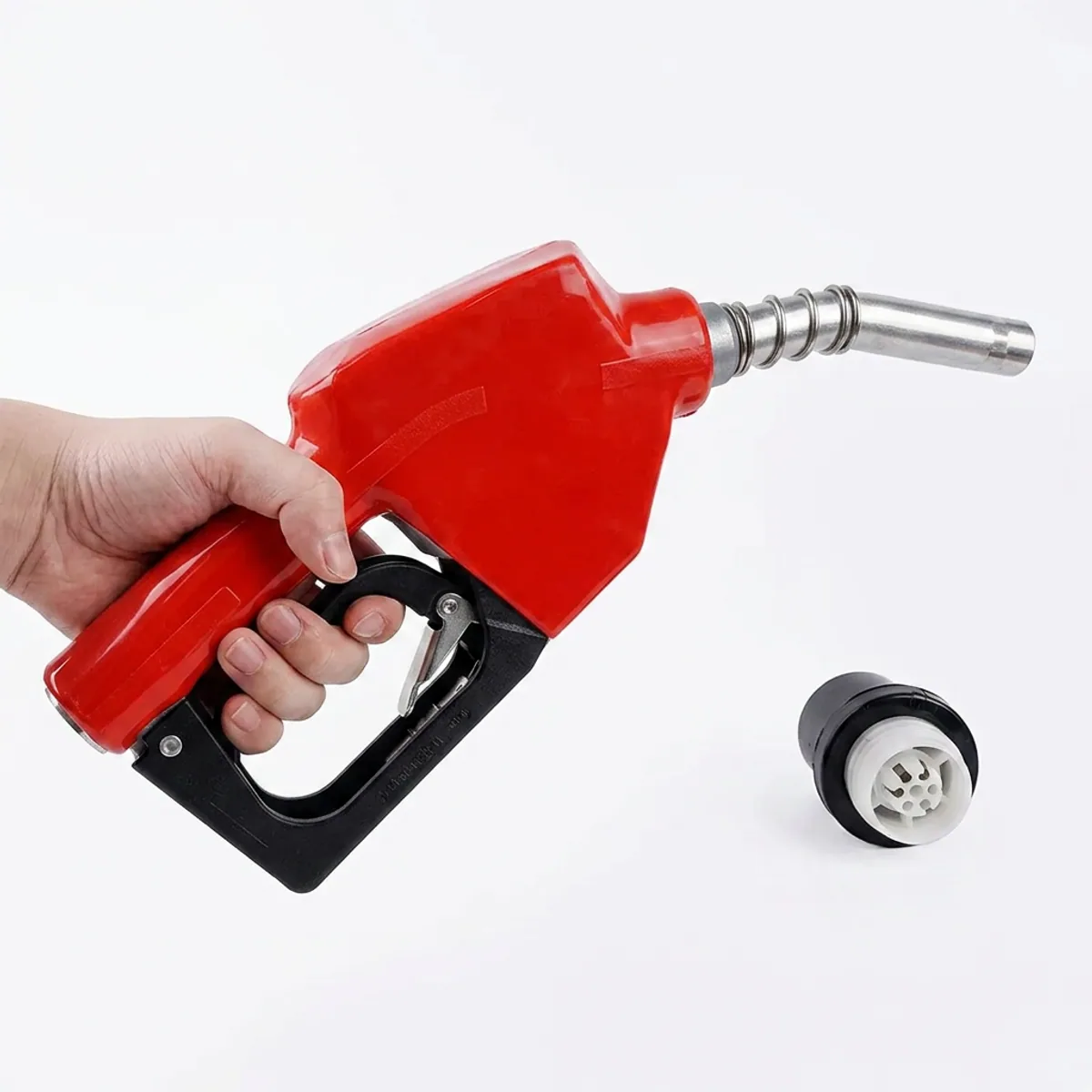
Fuel Nozzle | Stainless Steel Auto Cut-Off | Diesel Dispenser
- Price
- £93.99
- Rating
- 4.7(10)
- Sold
- 87+
- Stock
- In stock
Alternative
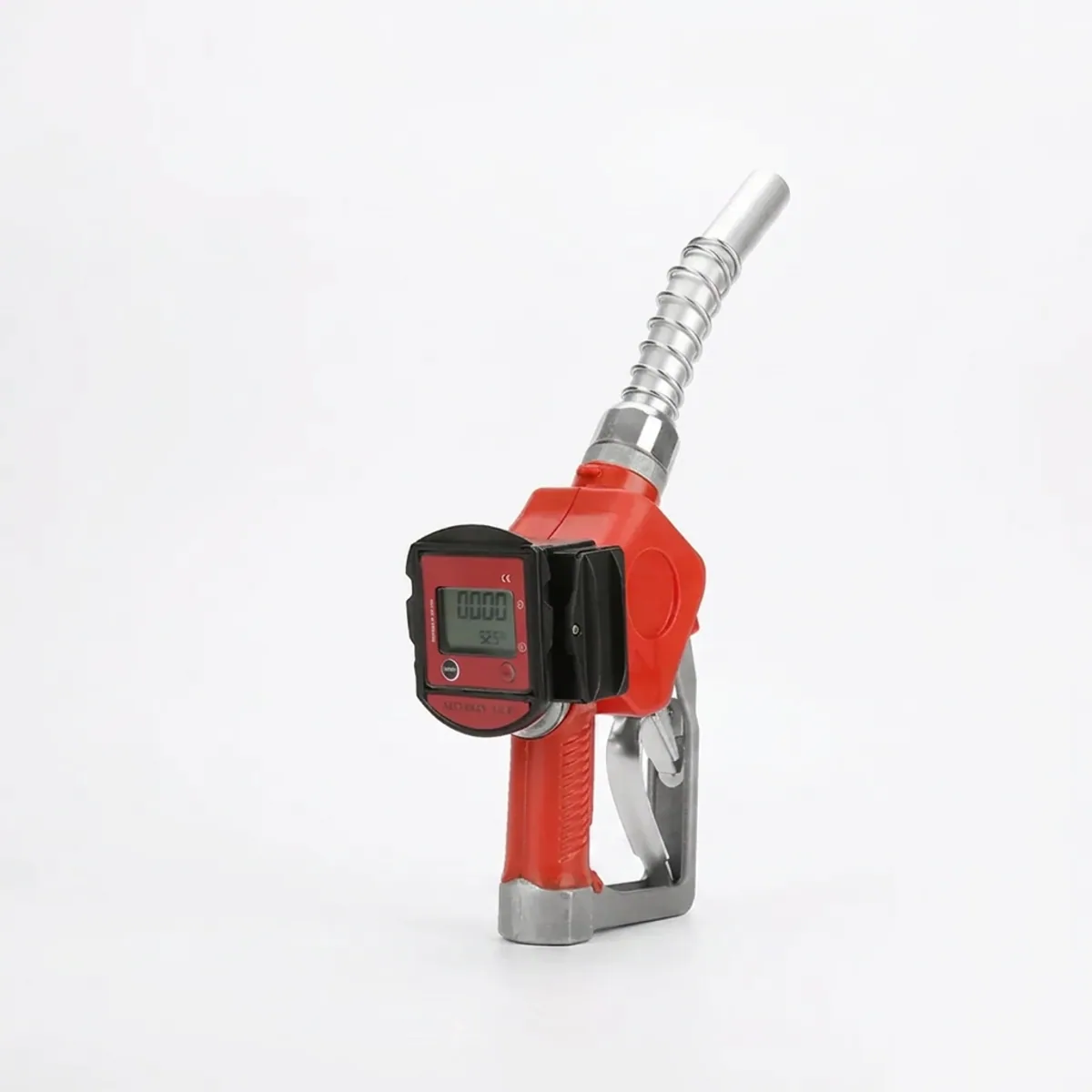
Fuel Nozzle | 1-Inch BSP Flow Meter | Automatic Shut-Off for Gas Diesel
- Price
- £256.99
- Rating
- 4.9(9)
- Sold
- 57+
- Stock
- In stock
Compare options
More Fuel Nozzles, Hoses & Meters
Flow Meter Gauge | Clear LCD Display | Inline Water & Fuel Tool
5.0(20)
£108.99
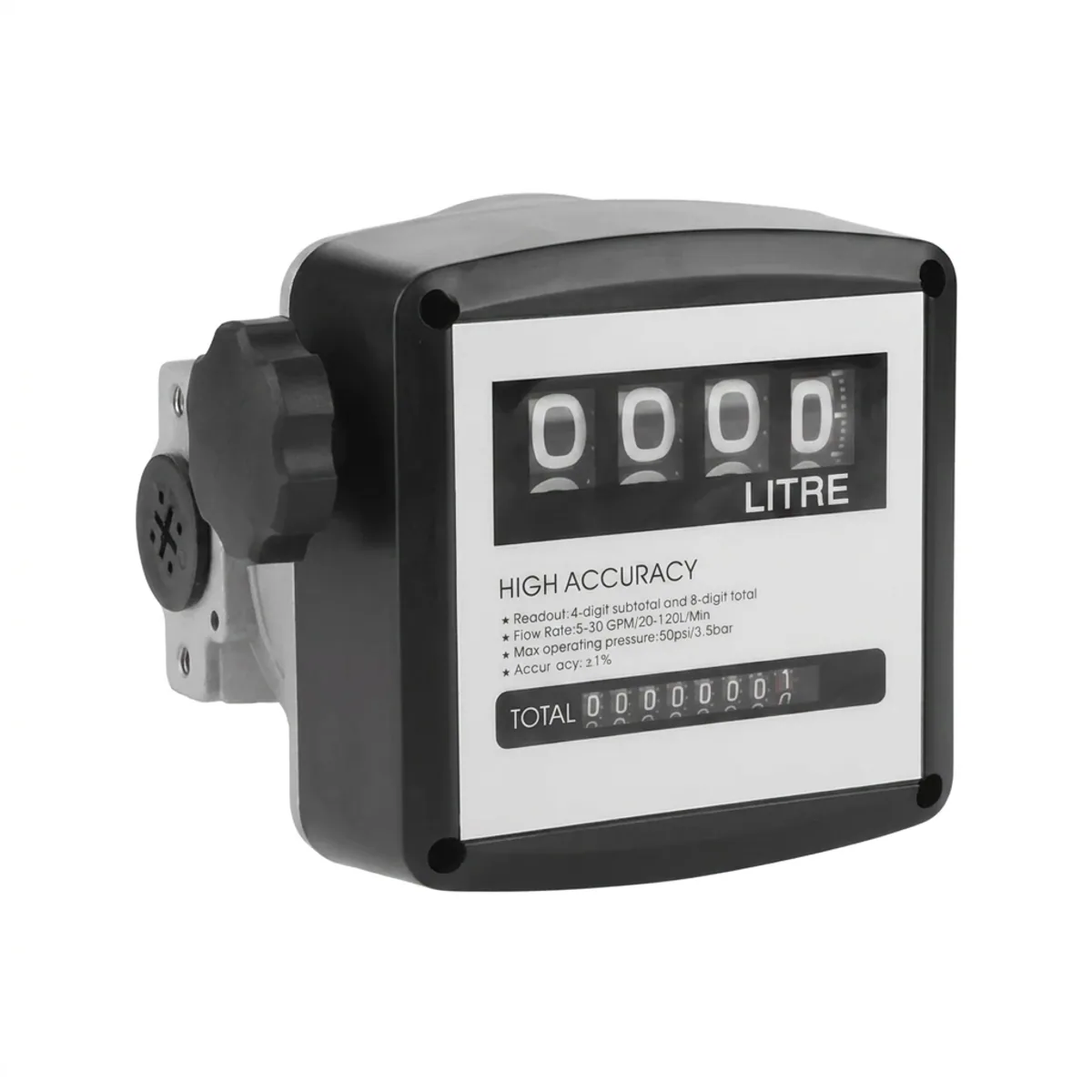
Diesel Flow Meter | 1-Inch Mechanical Counter | High Accuracy 1% Gauge
5.0(9)
£189.99
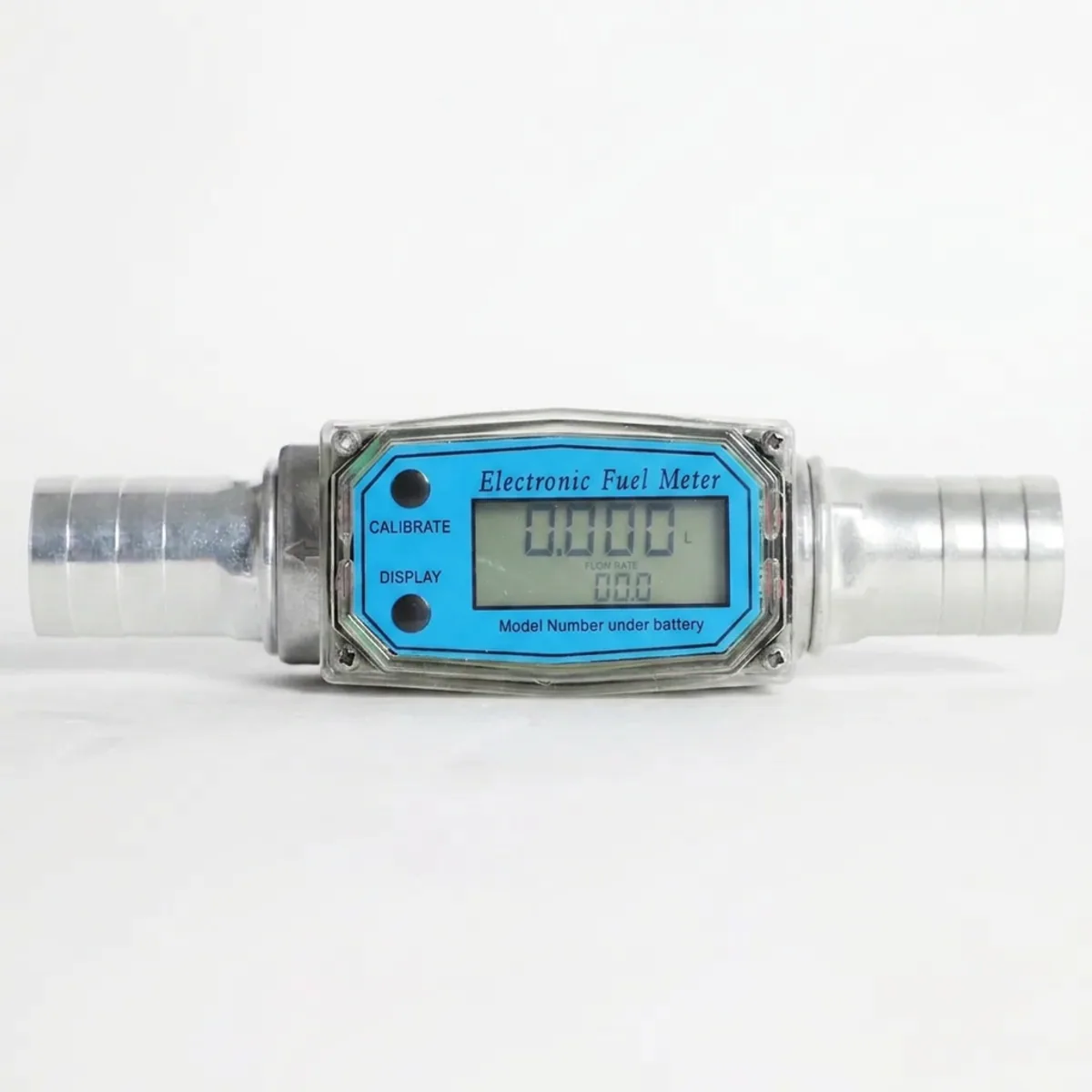
Flow Meter | Aluminum Digital Turbine | Threaded Liquid Transfer Gauge
5.0(1)
£88.99
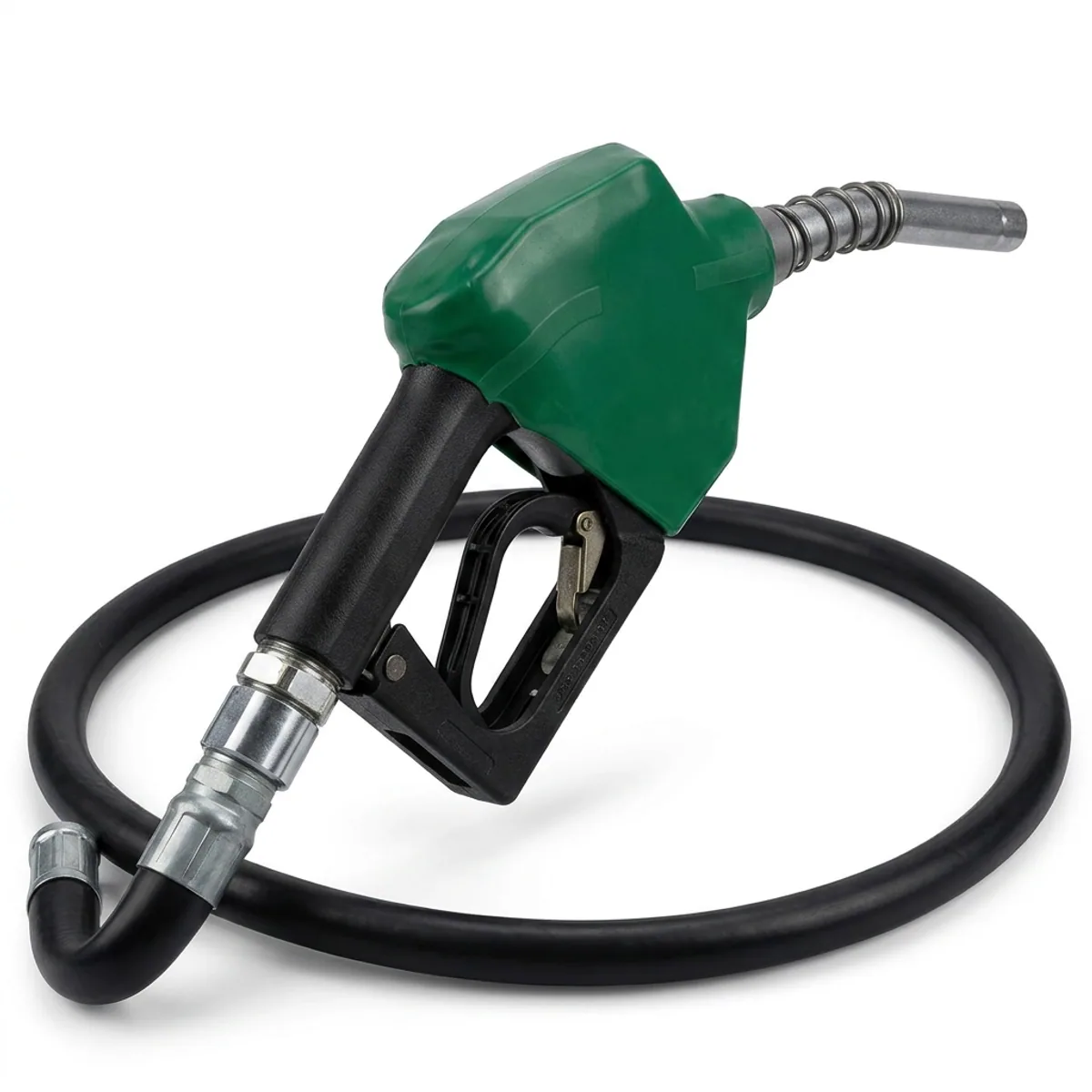
Nozzle Auto Shut Off | Aluminum Alloy Body | Heavy-Duty Diesel Dispenser
5.0(3)
£160.99
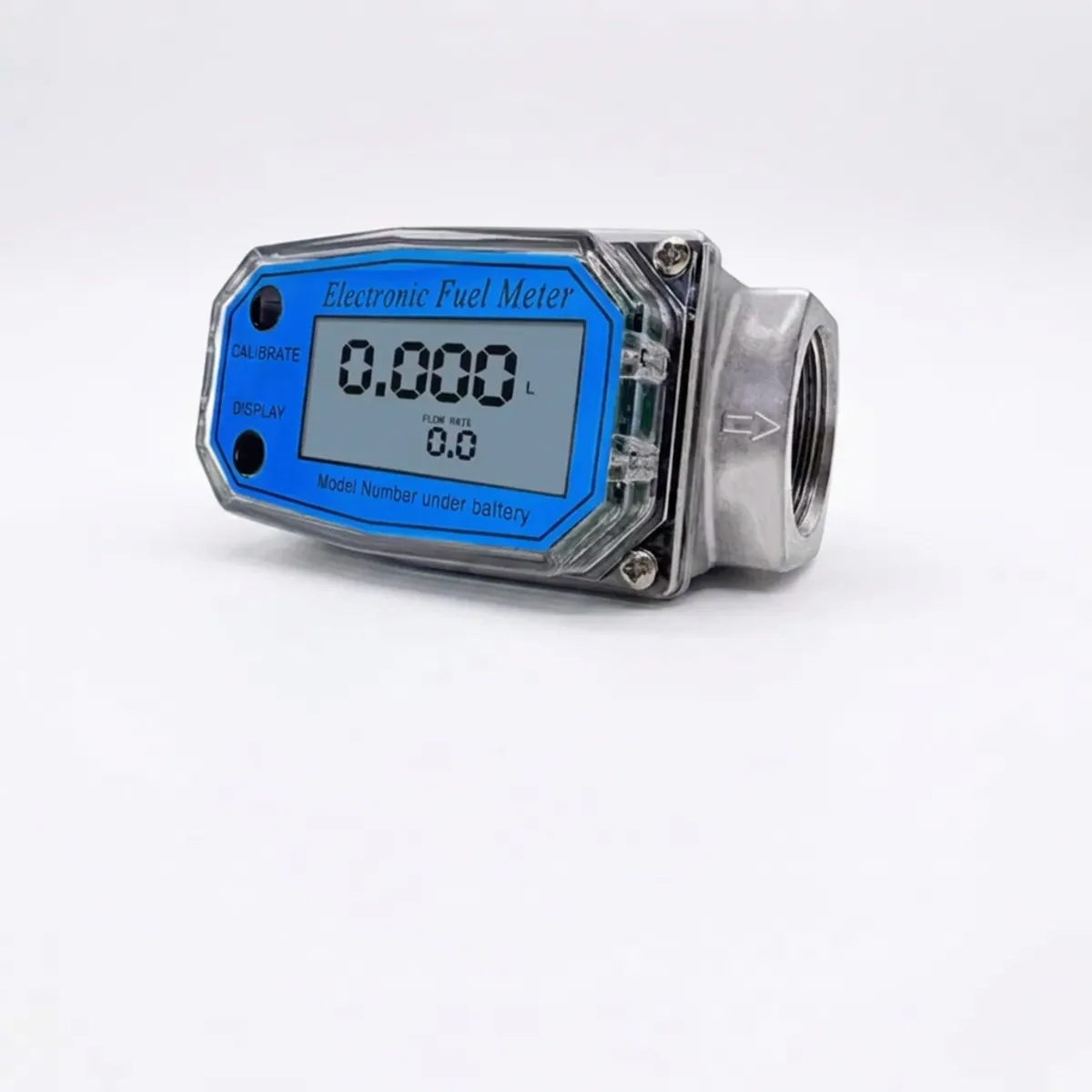
Diesel Flow Meter | Digital LCD Turbine | K24 Fuel & Methanol
5.0(1)
£70.99
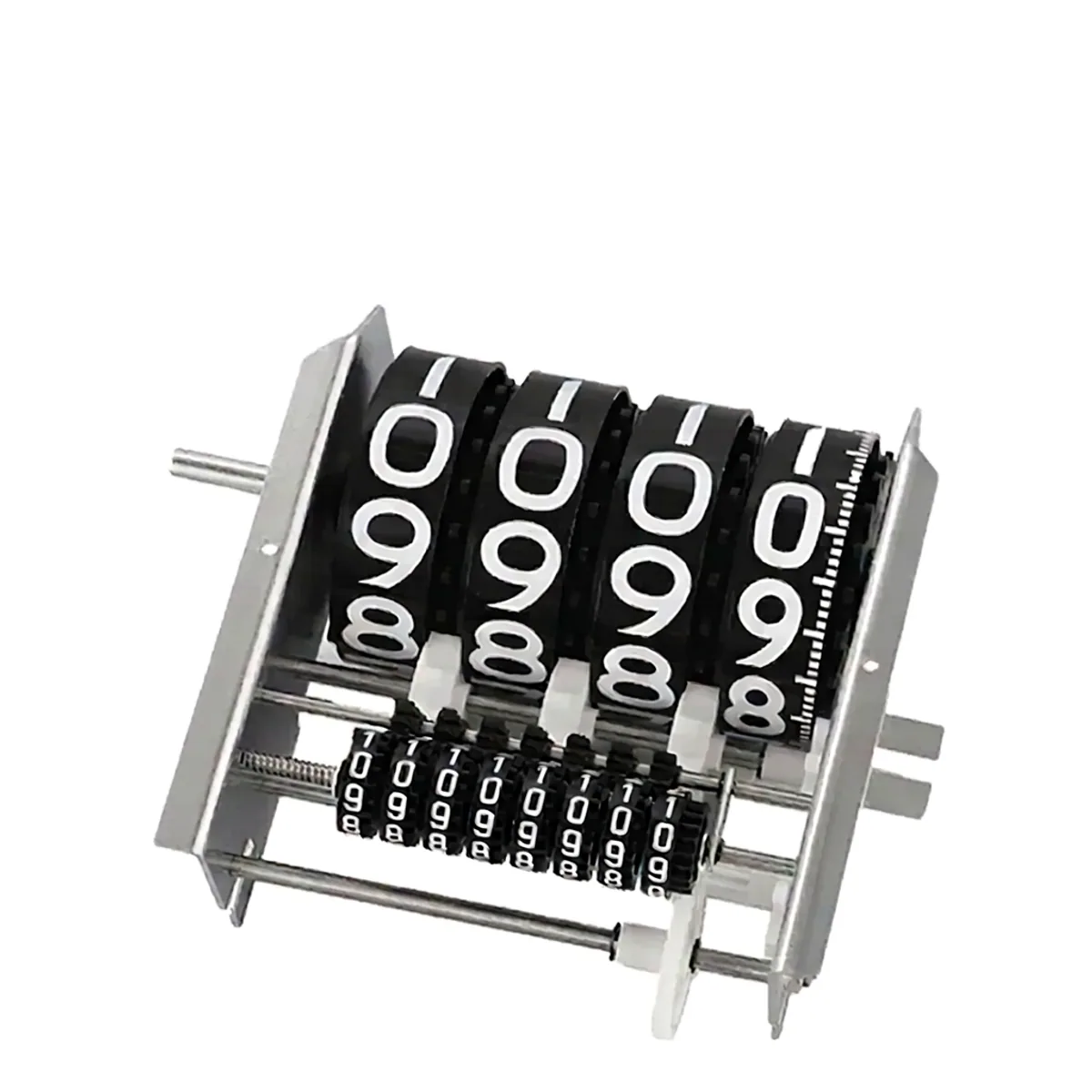
Flow Meter | 4-Digit Mechanical Counter | 20-120L/Min FM-120 Fuel Sensor
5.0(5)
£180.99
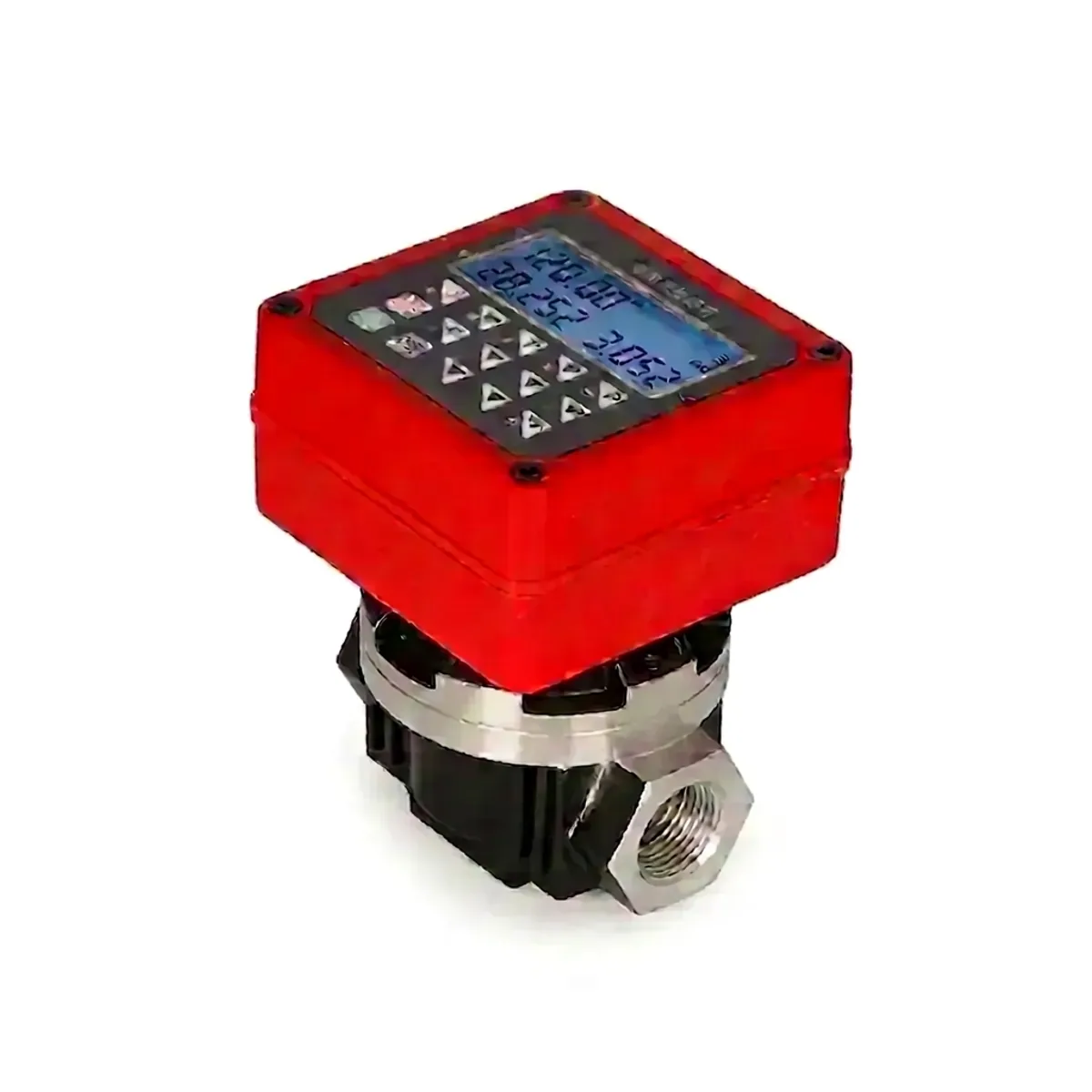
Diesel Flow Meter | DN25 Oval Gear Electronic Gauge | Fuel Dispenser Counter
4.8(4)
£337.99
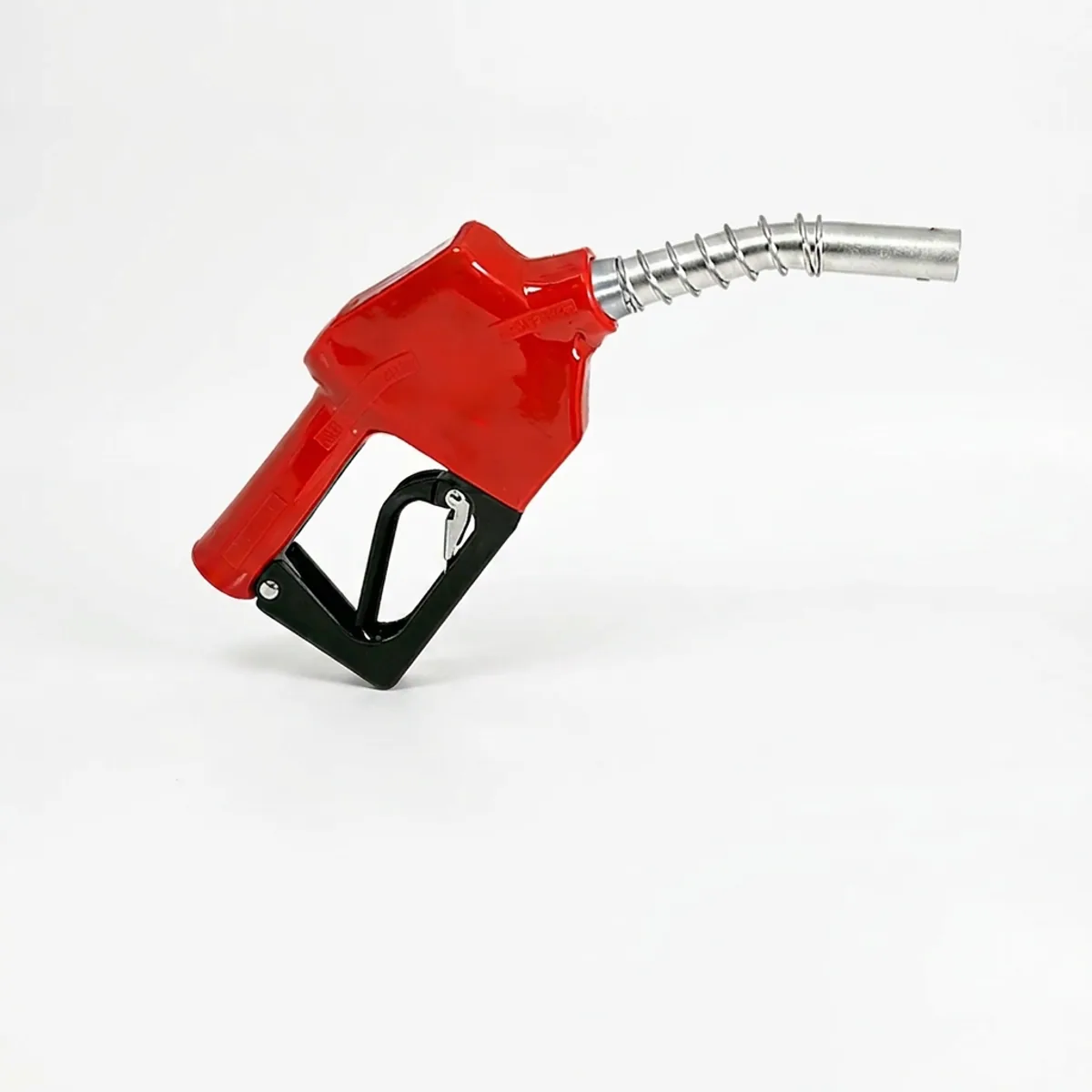
Nozzle with Auto Shut-Off | 11A Dispenser Gun | Petrol Diesel Refueling
4.5(2)
£82.99
Explore the range
Popular in Transfer Pumps
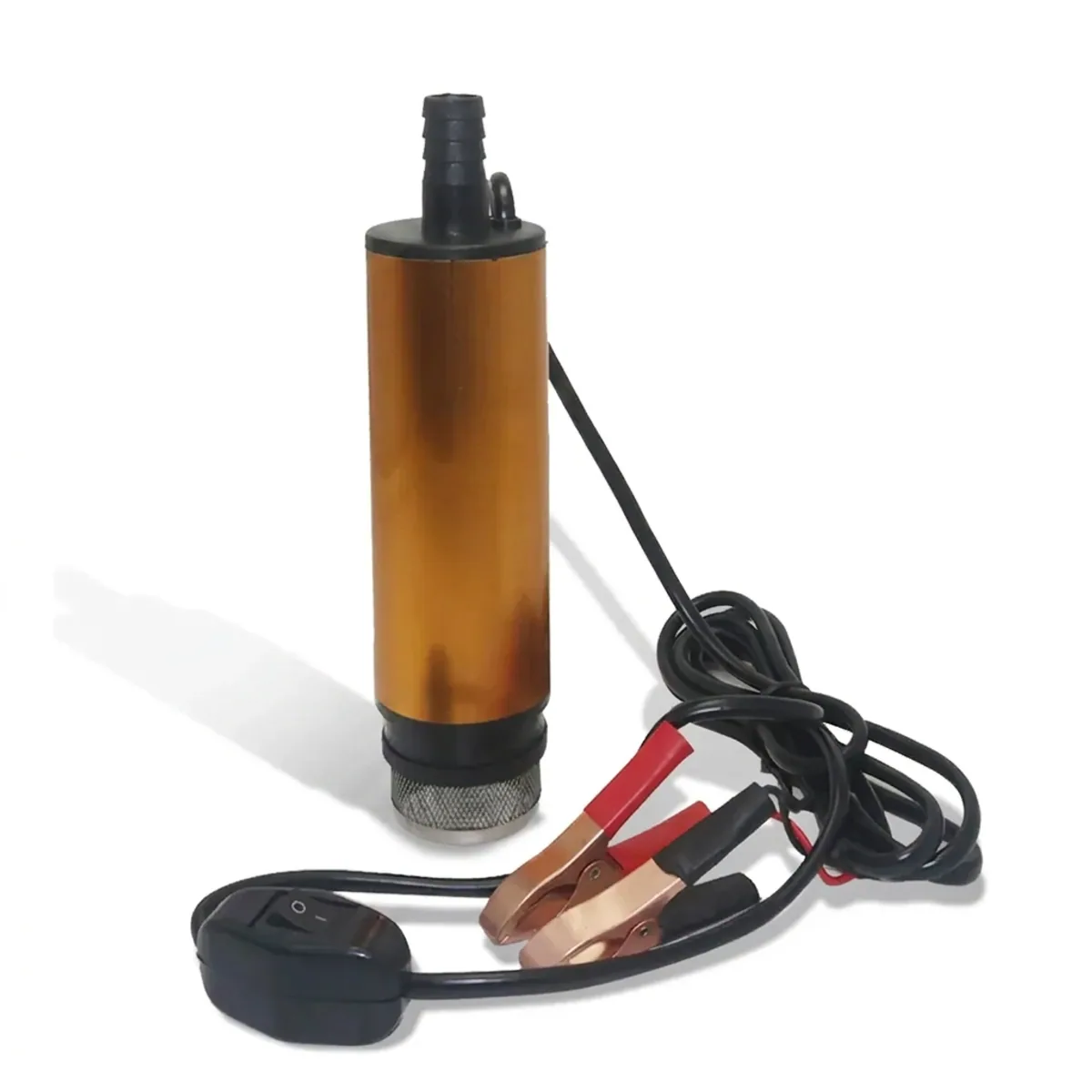
Pump Kit with Refueling Gun | 4m Hose Stainless Steel | 12V 24V 51mm
5.0(14)
£75.99
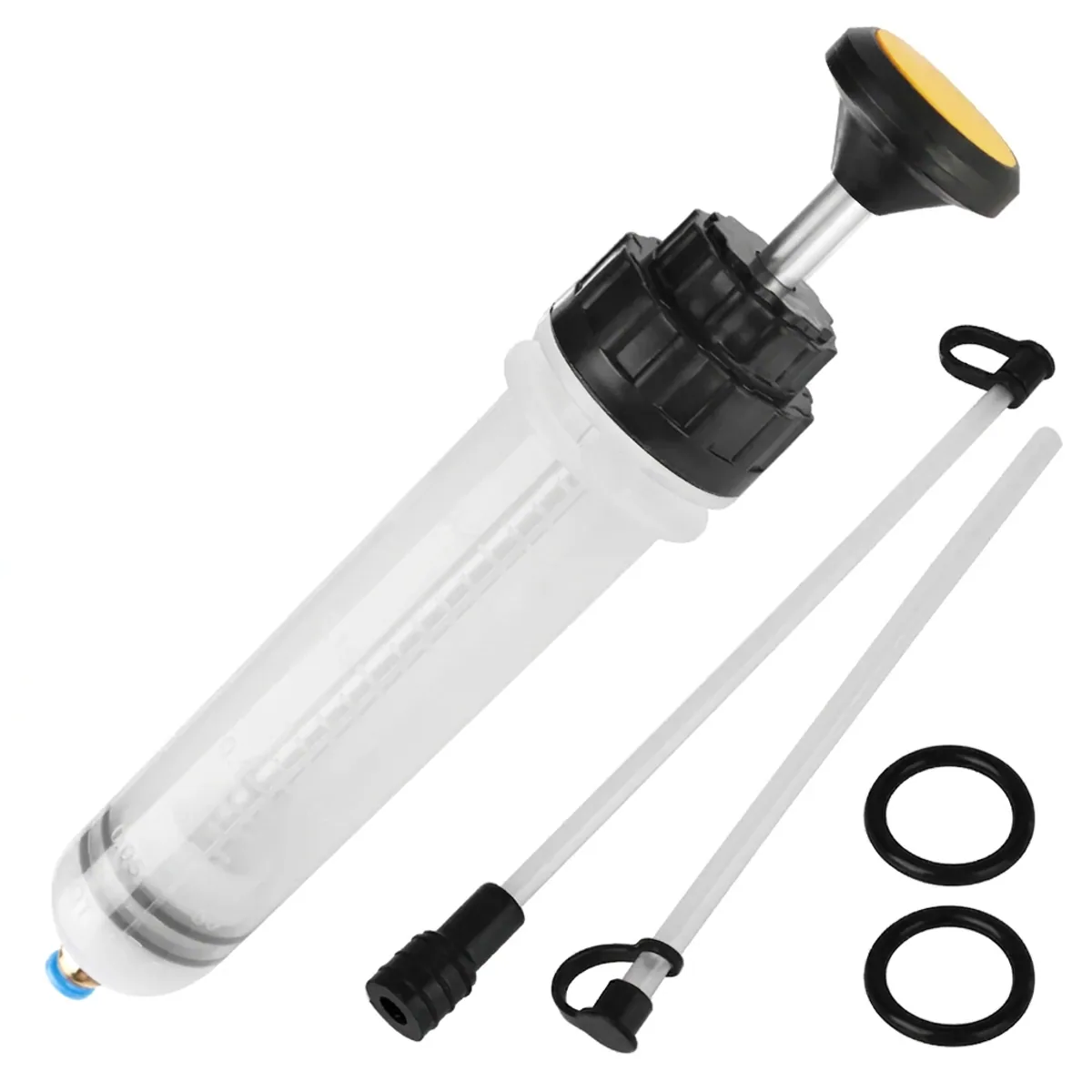
Fuel Pump Extractor | 200cc Fluid Syringe Tool | Car Fluid Extraction
5.0(15)
£52.99
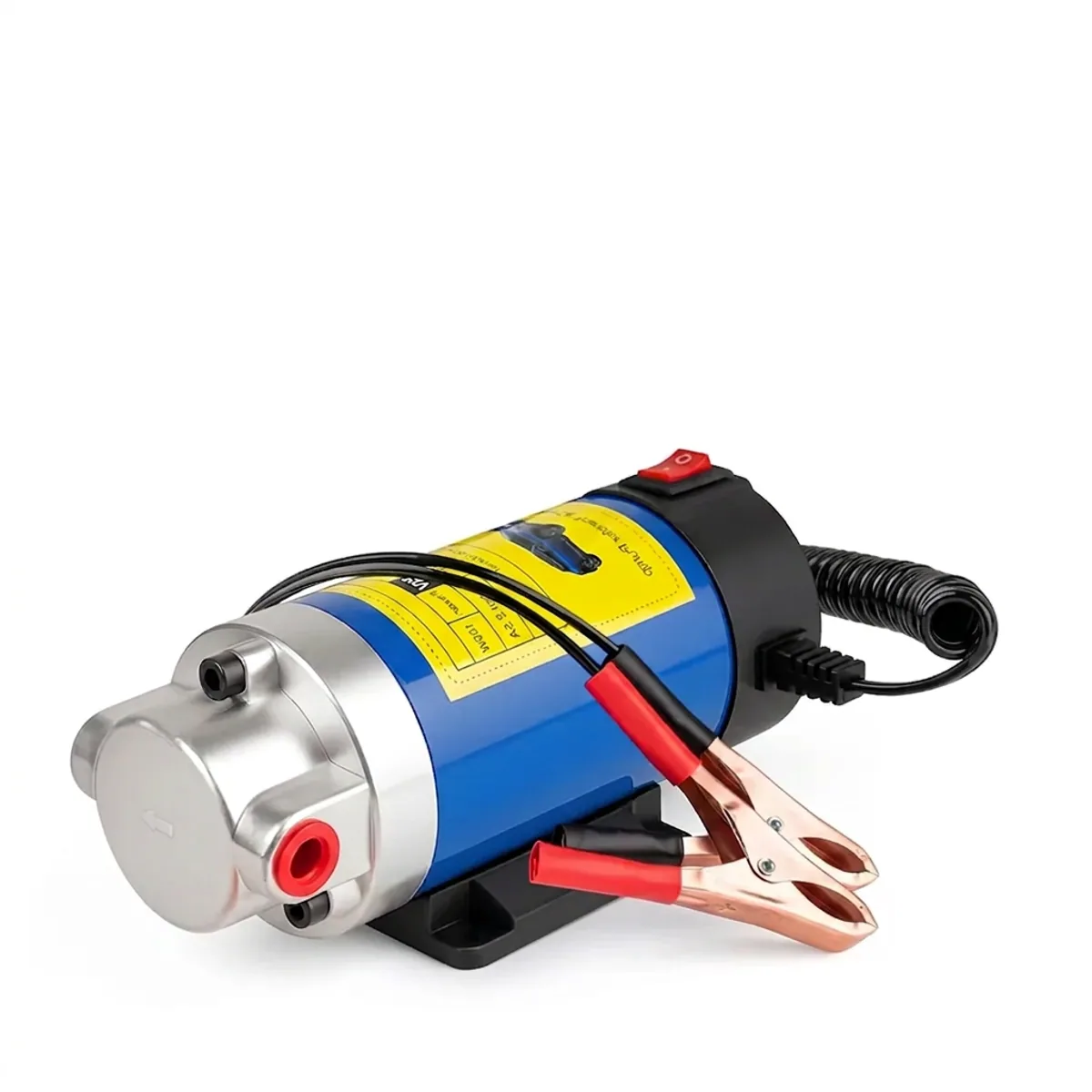
Transfer Pump 12V 1-4L/min | Quick Fluid Extractor | Boat Motorcycle
4.9(183)
£189.99
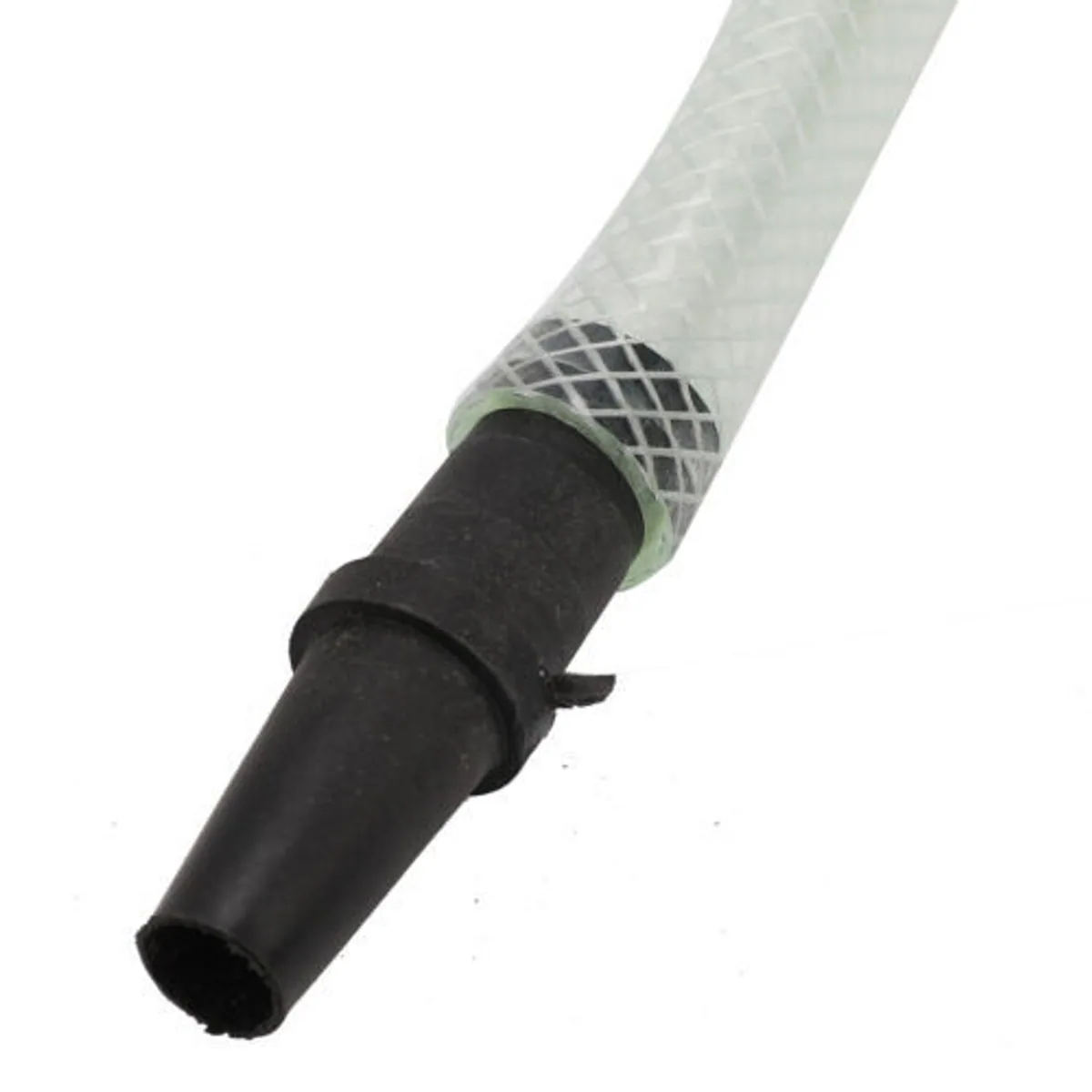
Pump Rotary Aluminum | Heavy-Duty Hand Crank | Oil & Fuel Fluid Extractor
4.9(134)
£72.99
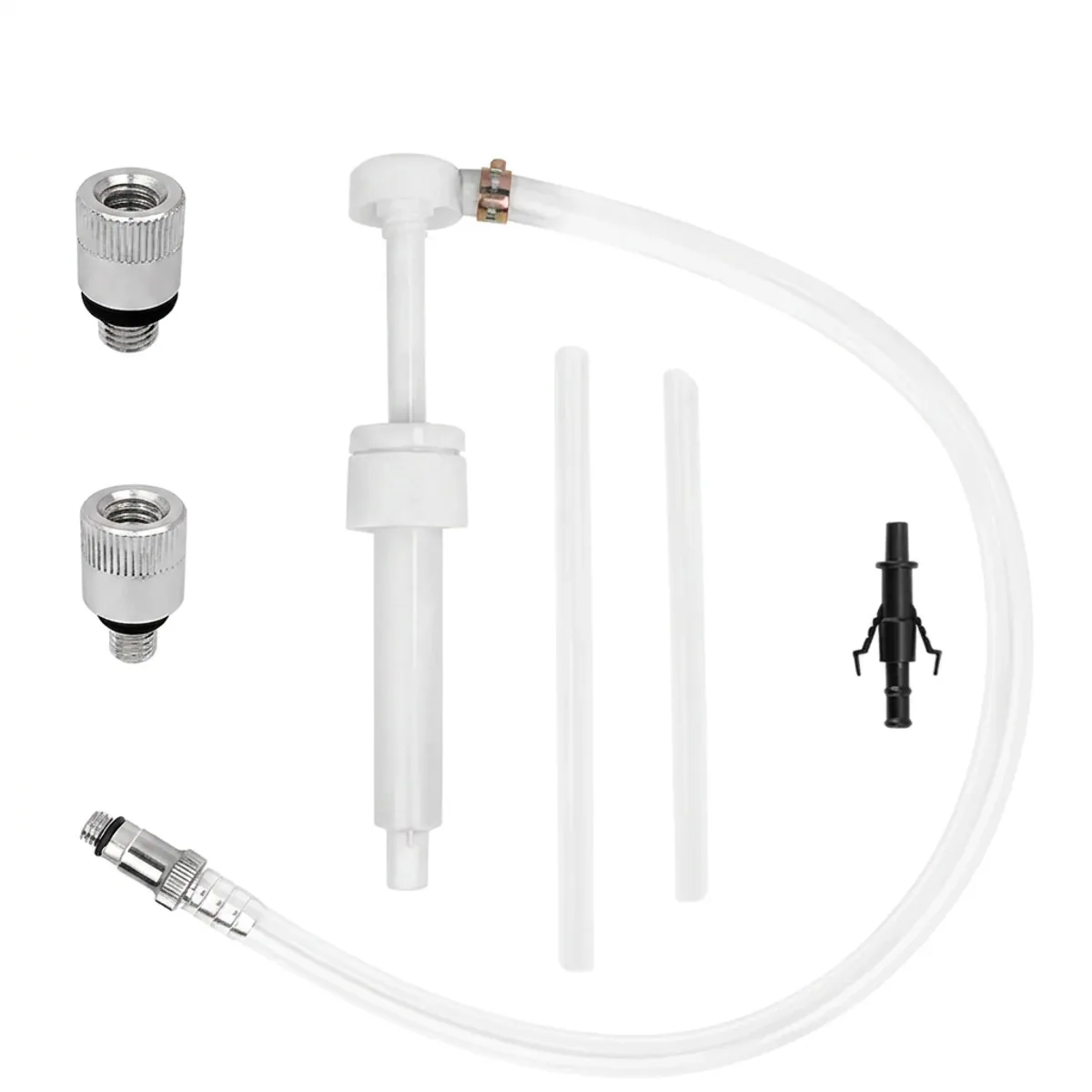
Hand Oil Pump | Lower Unit Gear Lube Adapter | Outboard Motor Fluid Kit
5.0(12)
£36.99
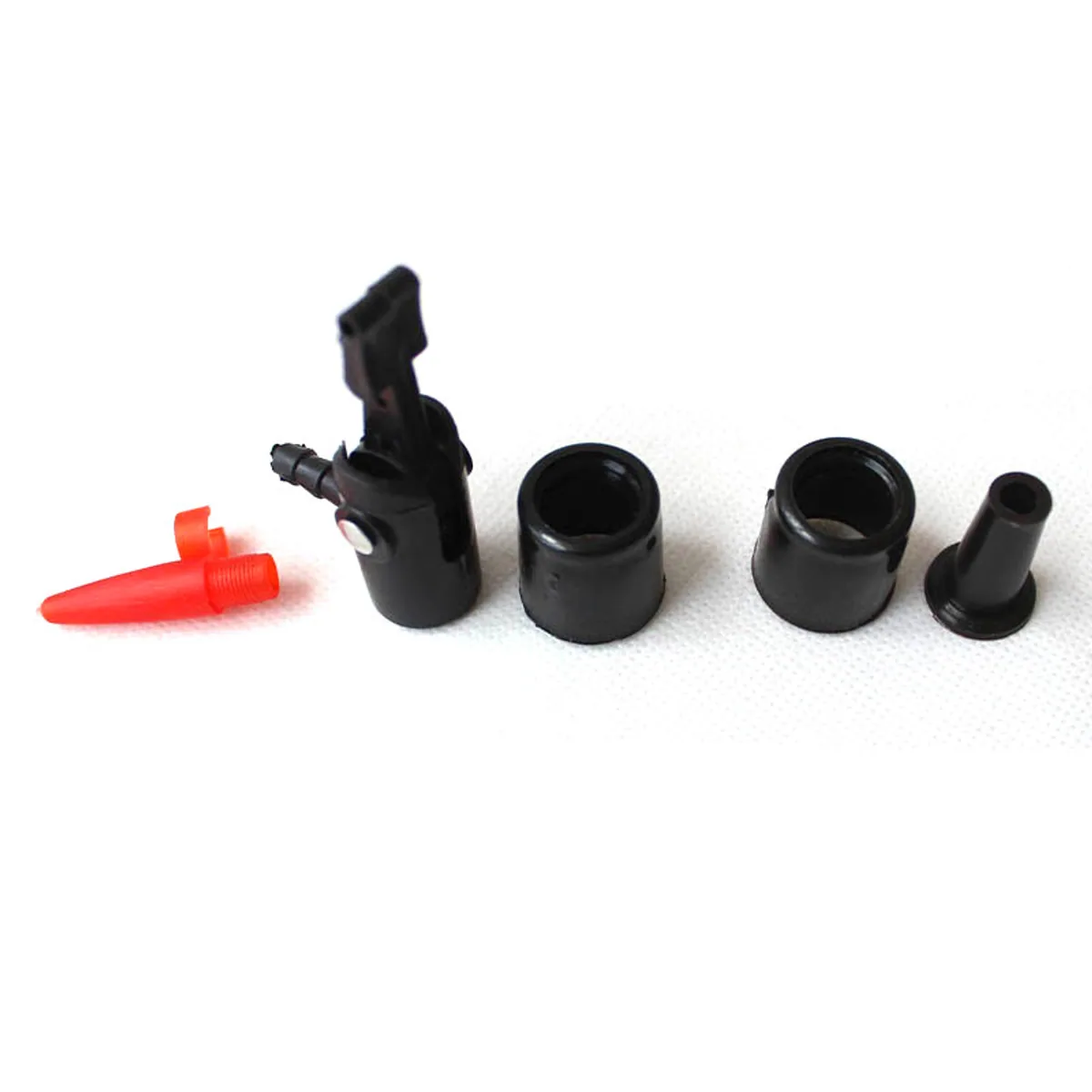
Hand Fuel Pump | Manual Sucker Tube Hose | Emergency Gas Liquid Transfer
4.9(263)
£54.99
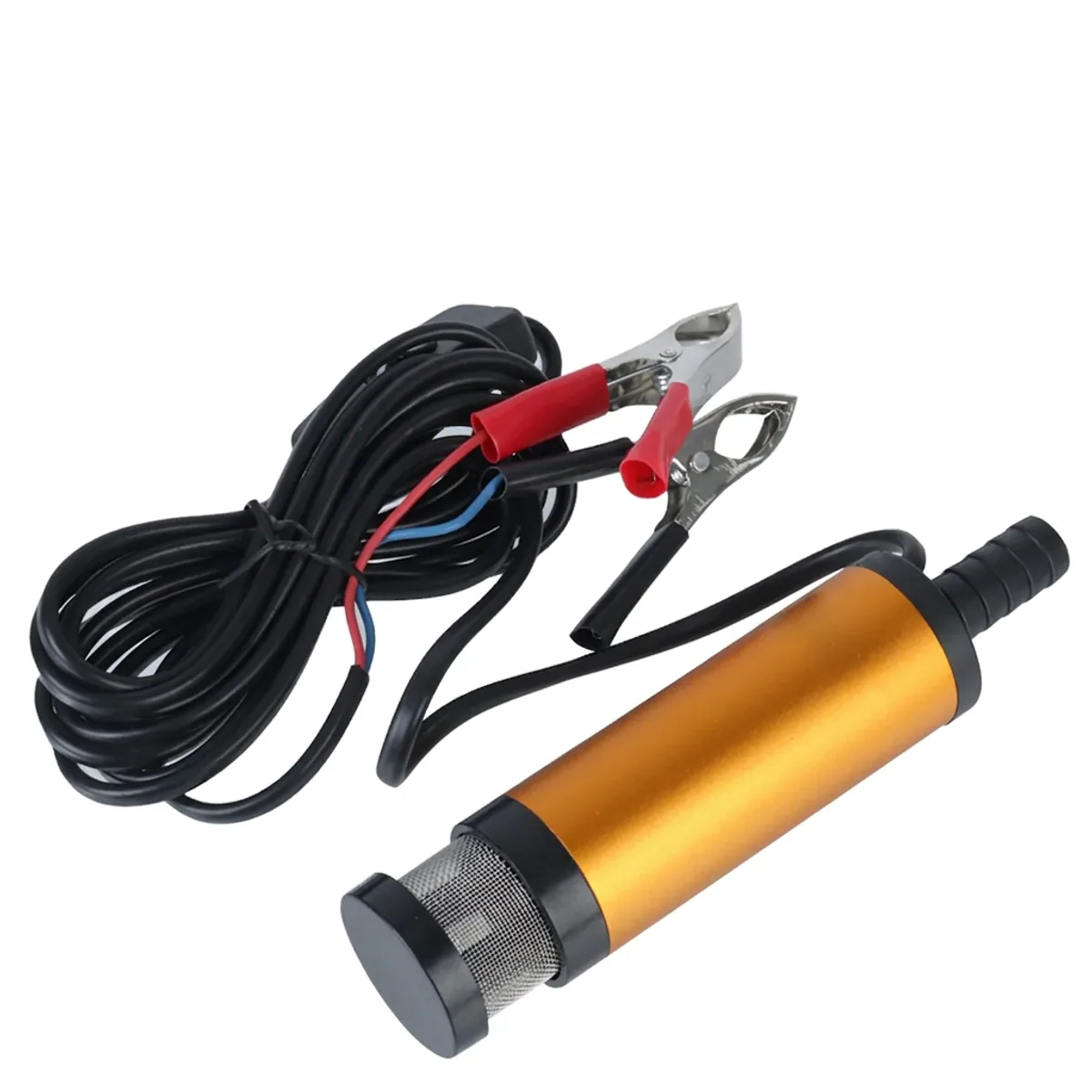
Transfer Pump 12L/min | In-Line Power Switch | 12V Marine Truck Diesel Water
4.9(148)
£56.99
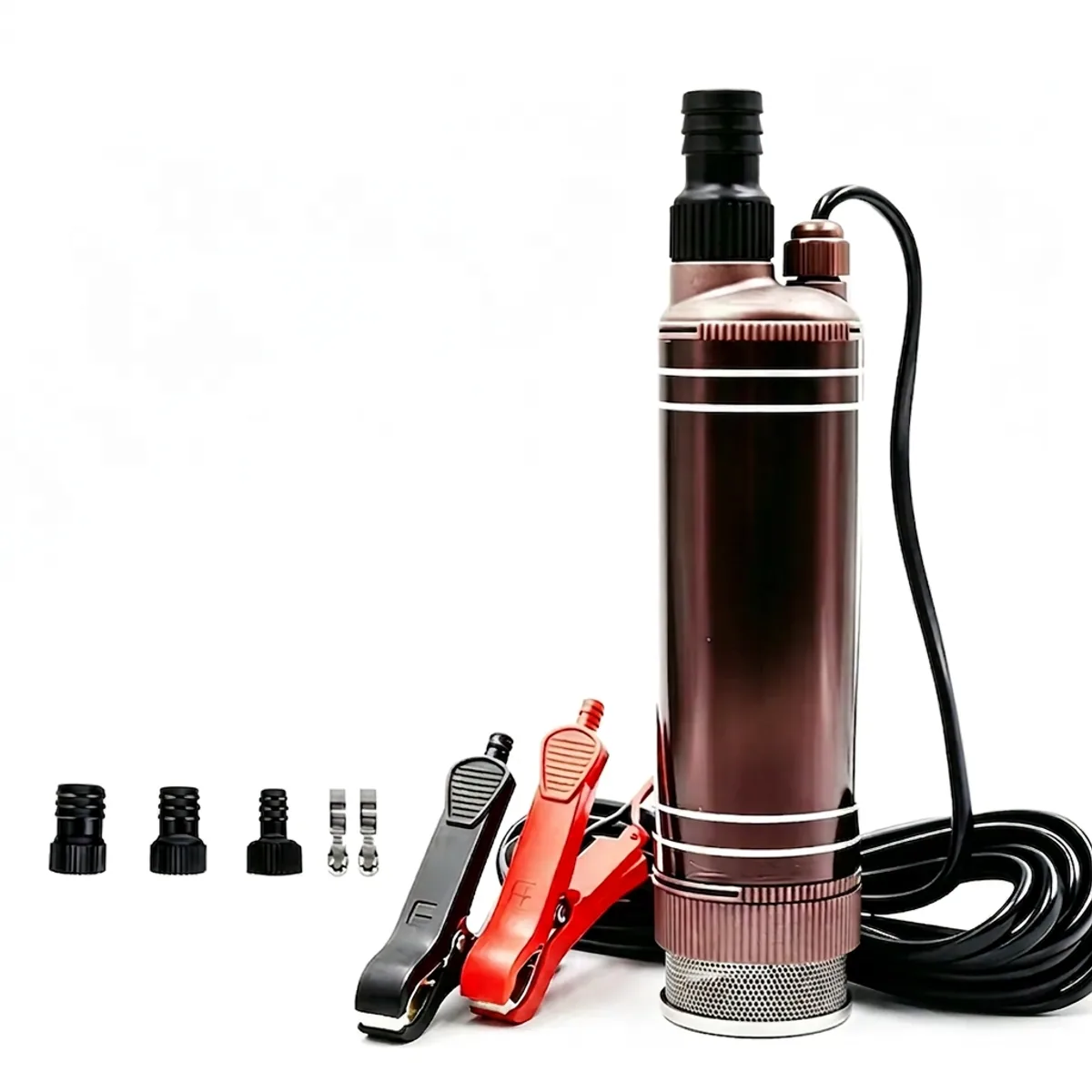
Fuel Transfer Pump | 45L/Min Submersible Unit | 12V 24V 150W DC
4.9(236)
£117.99
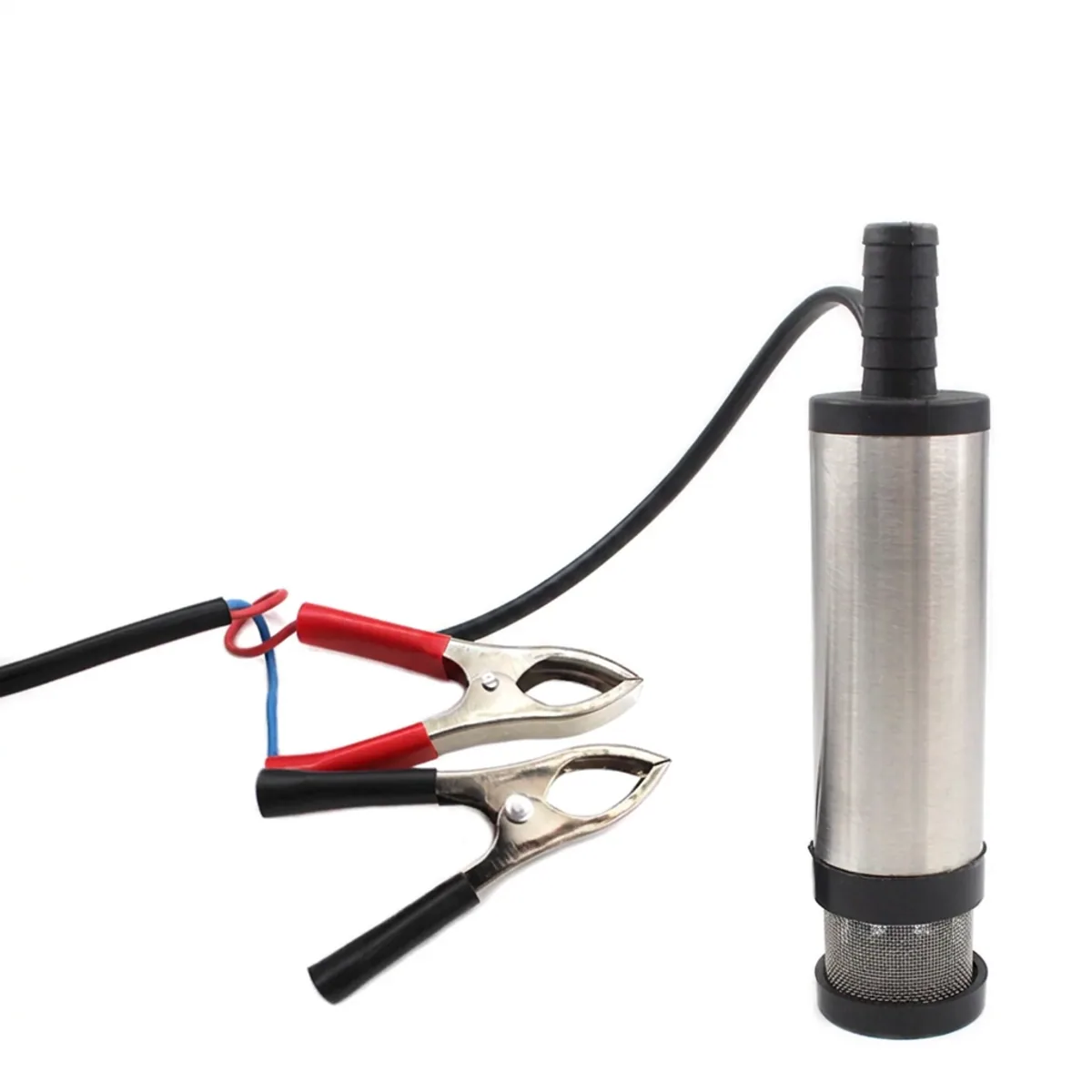
Transfer Pump Submersible | 12V 24V Stainless Steel | 30L/min Flow
4.9(157)
£60.99
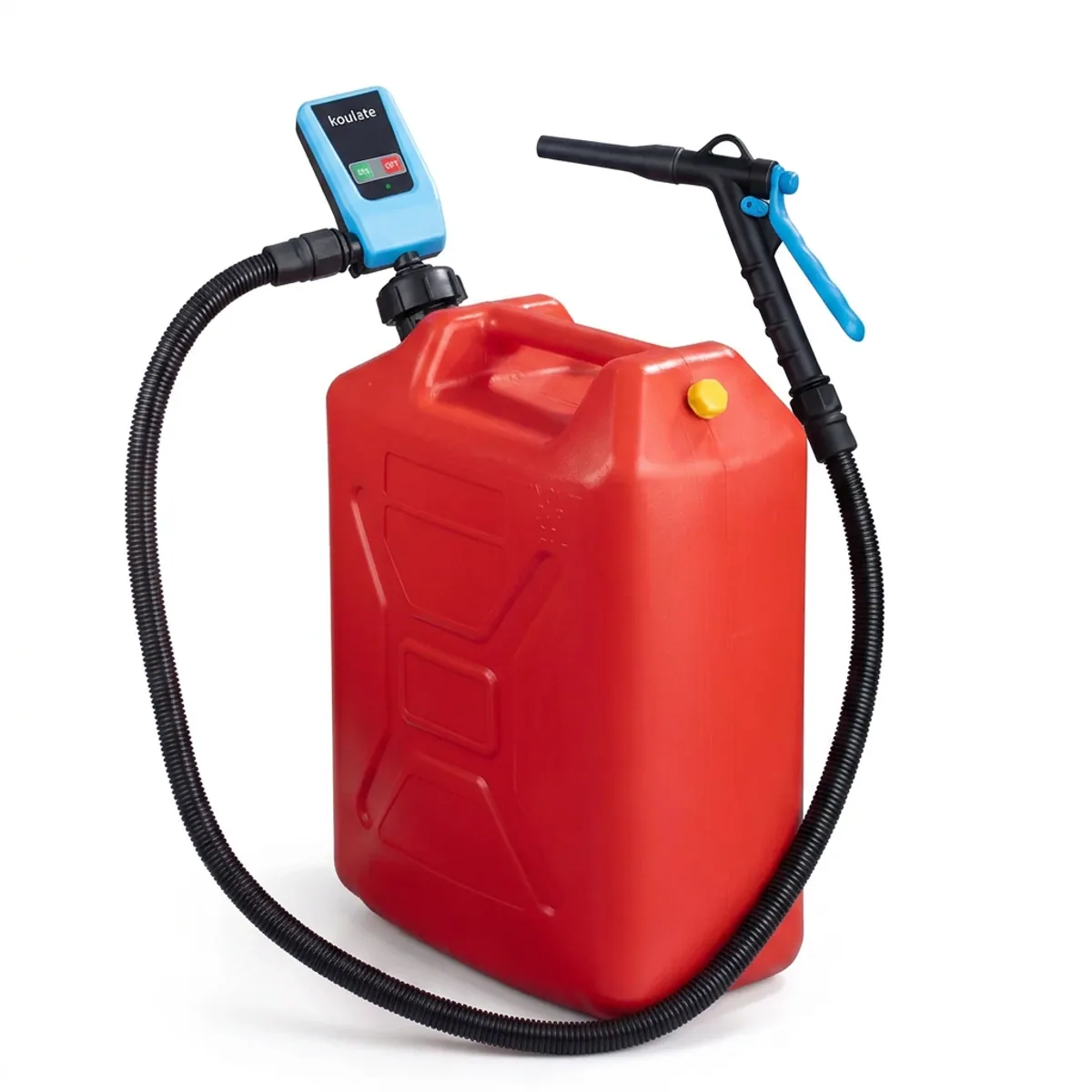
Pump Kit Portable 12V | Battery Gas Transfer | 3.2 GPM with 51 Hose
4.9(42)
£208.99
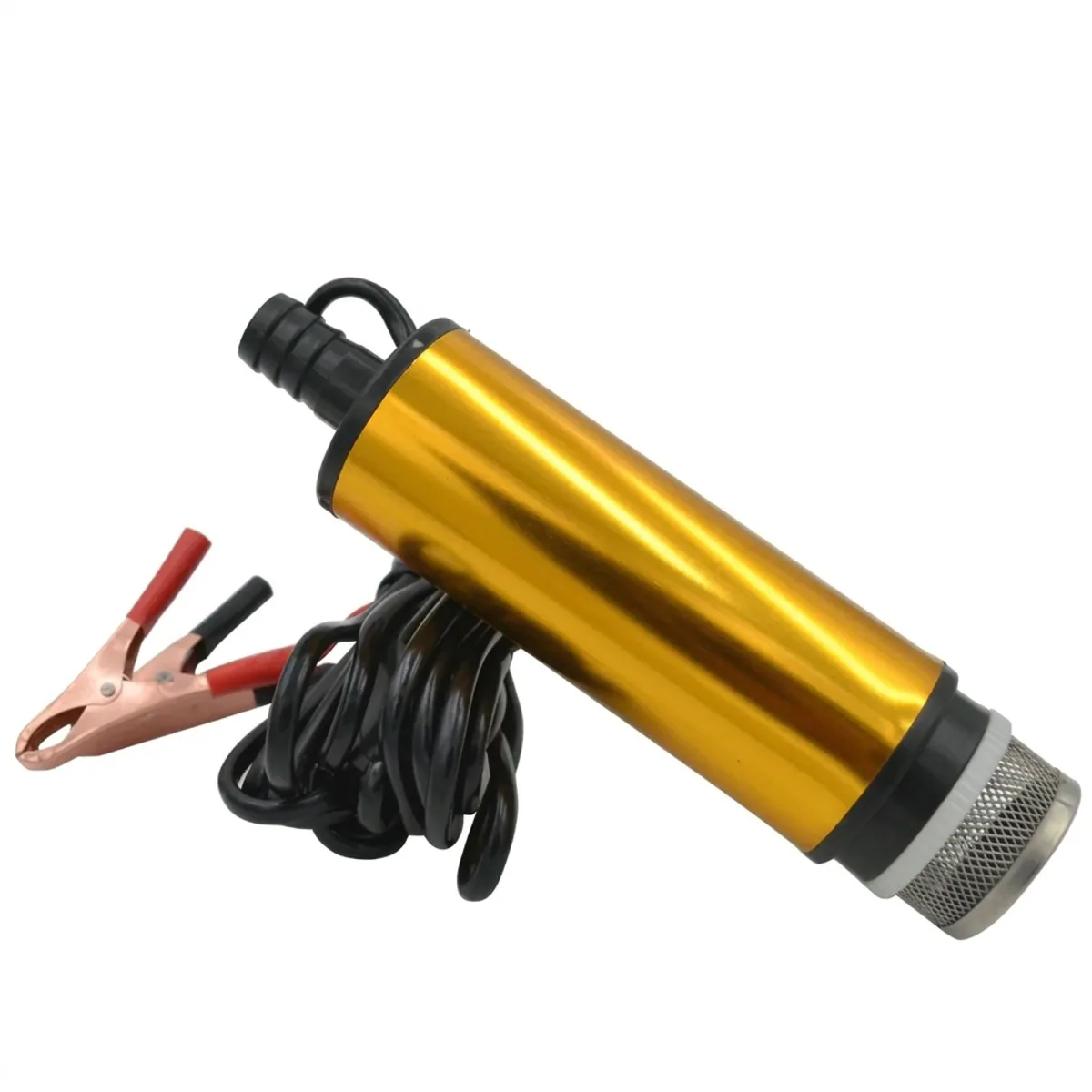
Transfer Pump Submersible | 12V 24V Heavy-Duty | RV Car & Camping Kit
4.9(29)
£72.99
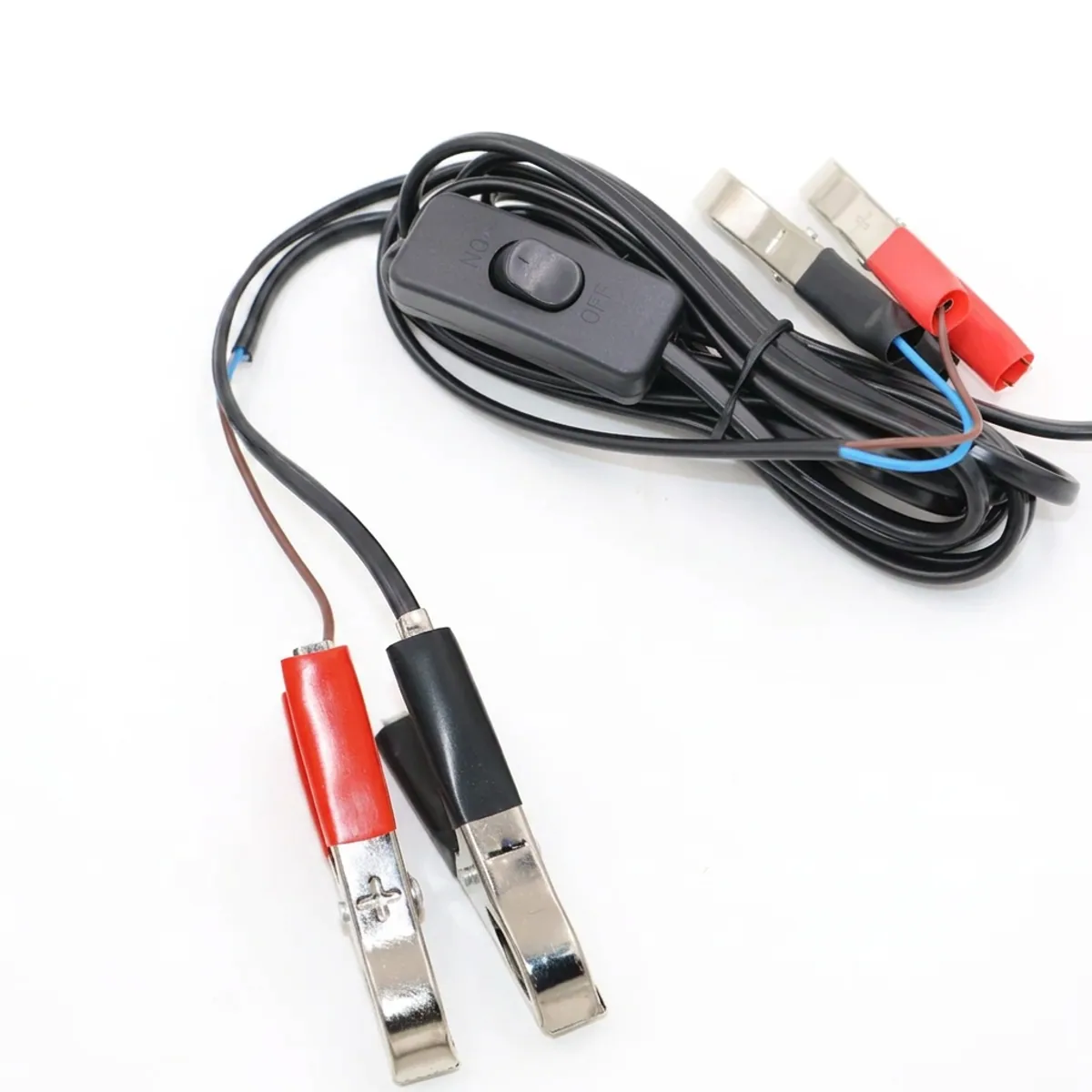
Transfer Pump Submersible | 12V 24V DC 12L/min | Aluminum Alloy Fuel Extractor
4.9(642)
£60.99