
Fuel Nozzle | Stainless Steel Auto Cut-Off | Diesel Dispenser
Stock Nr:
SKU:
1 / 3
£93.99inc VAT
This stainless steel automatic fuel nozzle delivers accurate fluid delivery for modern transfer systems. Constructed from corrosion-resistant 304 stainless steel with a built-in venturi shutoff mechan...
RED
- Secure checkout
- All major cards
- Tracked delivery
£93.99
Fast Shipping
Secure Payment
Easy Returns
Good to know
Questions about this product
- How does the automatic shut-off mechanism work on this fuel nozzle?
- A small sensing port near the tip of the spout uses a venturi vacuum while fuel flows. When the liquid level rises and covers that hole, the airflow stops and trips an internal mechanical shut-off spring.
- Do automatic fuel nozzles work with low-pressure gravity feed tanks?
- No, automatic nozzles need line pressure from an electric or mechanical pump to operate the internal shut-off valve. A standard gravity setup does not push liquid fast enough to trigger the cut-off mechanism properly.
- What liquids can you dispense through this nozzle?
- The stainless steel body handles diesel, petrol, kerosene, and standard engine oils without corroding. It wipes down easily after use and resists standard forecourt fuels.
Fuel Nozzles, Hoses & Meters spec sheet (PDF)
Get a one-page sheet with full description, specifications, technical details, FAQs, price & SKU - handy to save, print, or share.
Not sure which one?
Compare with similar products
The same kind of product, in stock, in a similar price range.
This product: £93.99 · 4.7
This product
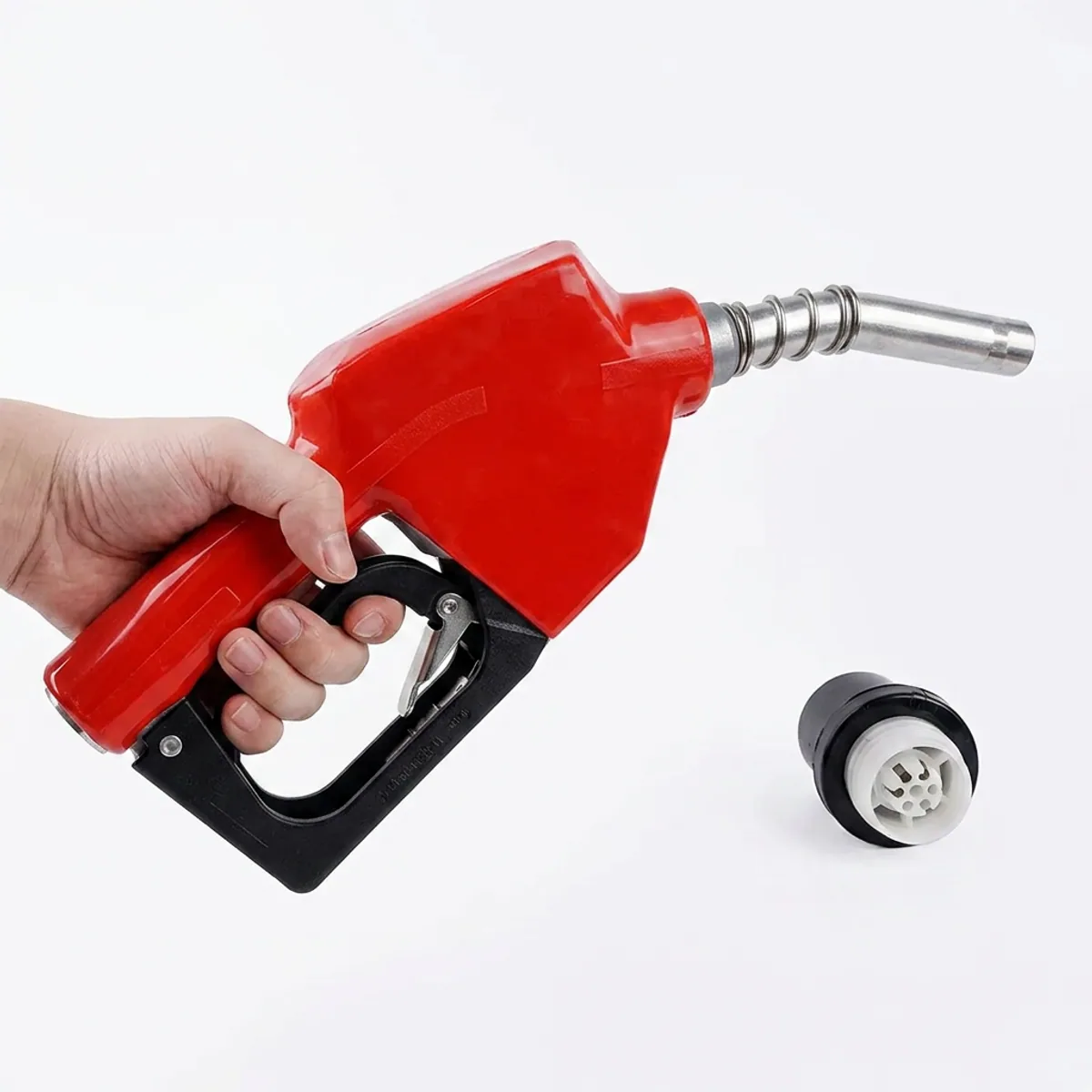
Fuel Nozzle | Stainless Steel Auto Cut-Off | Diesel Dispenser
- Price
- £93.99
- Rating
- 4.7(10)
- Sold
- 87+
- Stock
- In stock
You're viewing this
Alternative
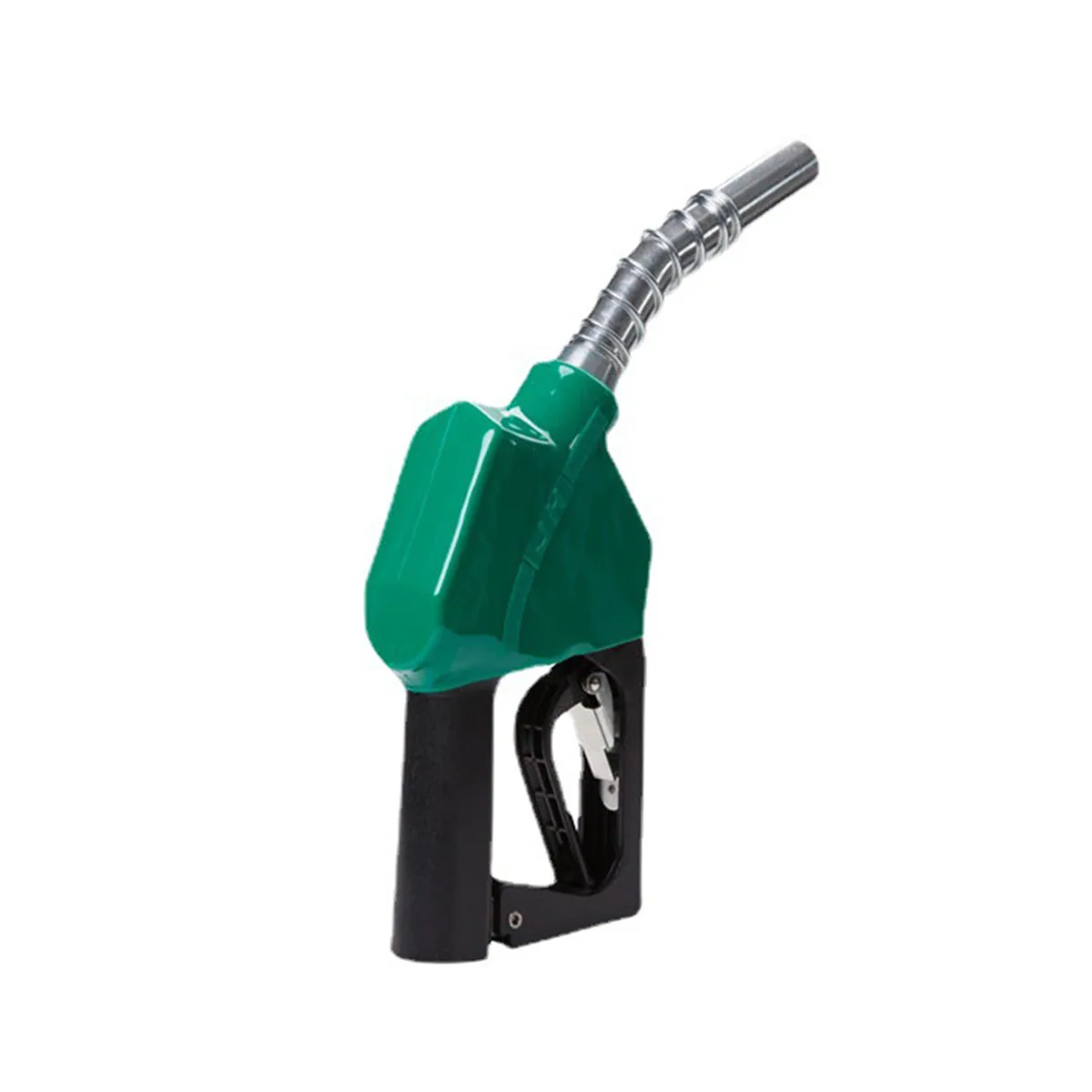
Shut-Off Fuel Nozzle | Heavy-Duty Flow Handle | Gas Station Dispenser
- Price
- £158.99
- Rating
- 4.5(8)
- Sold
- 31+
- Stock
- In stock
Compare options
More Fuel Nozzles, Hoses & Meters
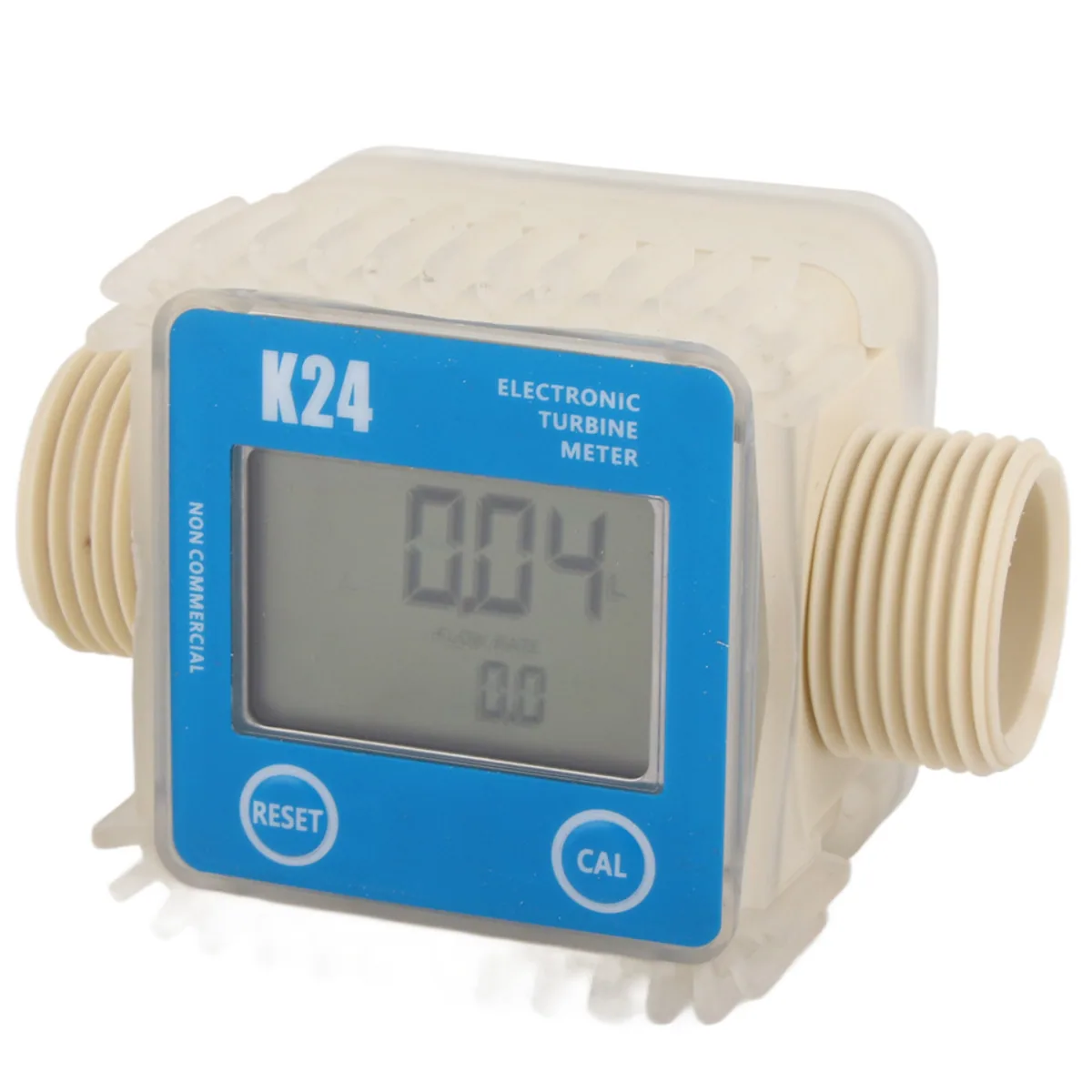
Flow Meter Gauge | Clear LCD Display | Inline Water & Fuel Tool
5.0(20)
£108.99
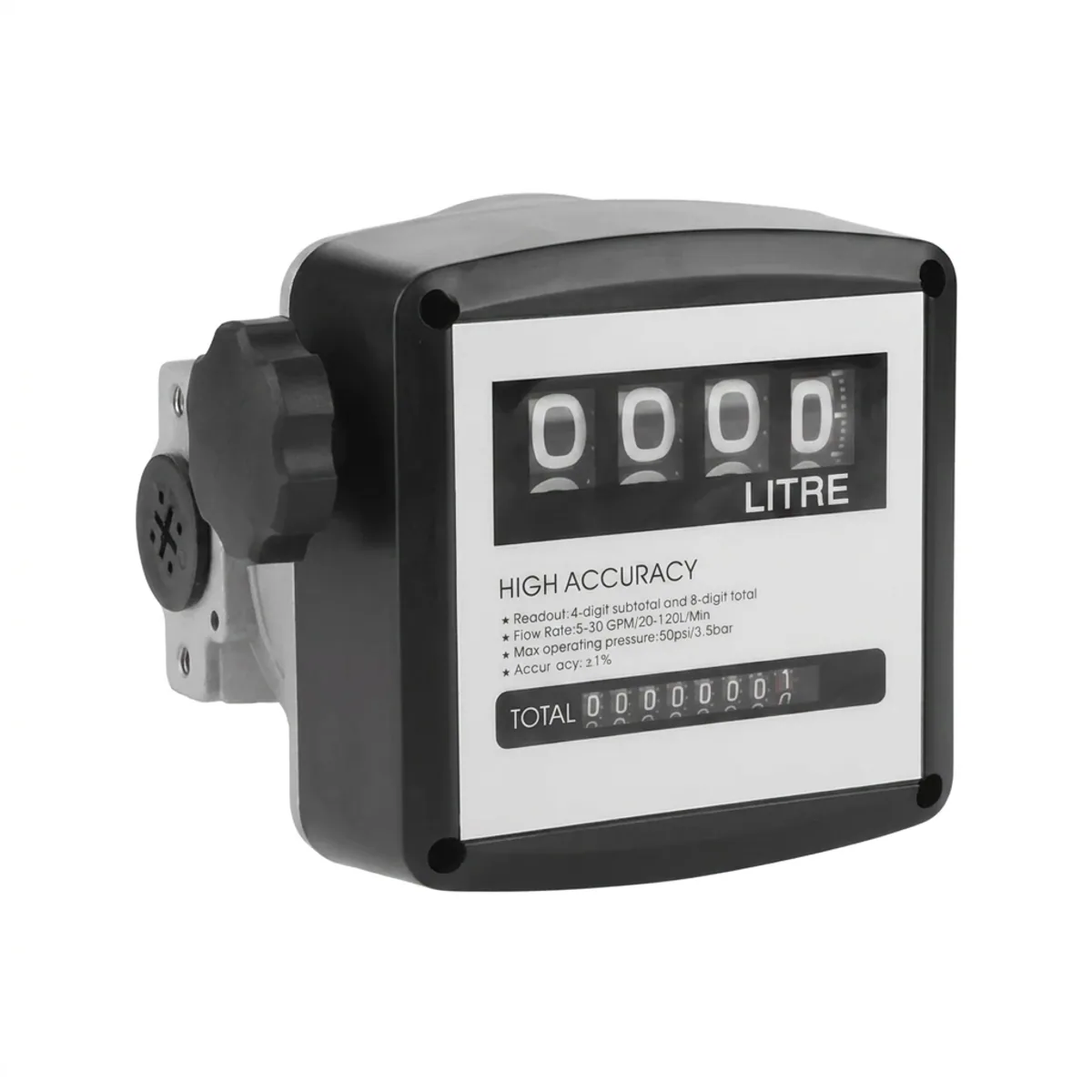
Diesel Flow Meter | 1-Inch Mechanical Counter | High Accuracy 1% Gauge
5.0(9)
£189.99
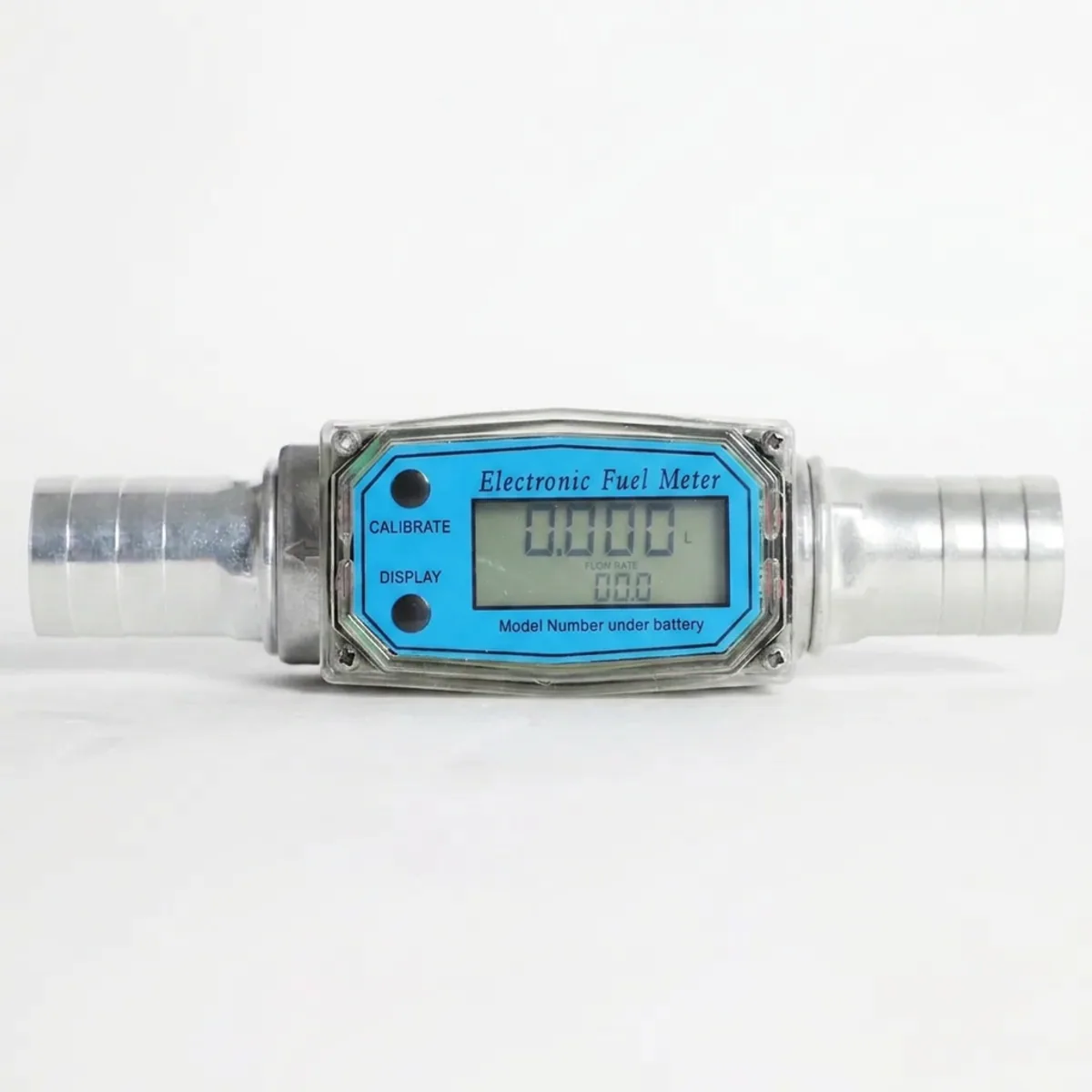
Flow Meter | Aluminum Digital Turbine | Threaded Liquid Transfer Gauge
5.0(1)
£88.99
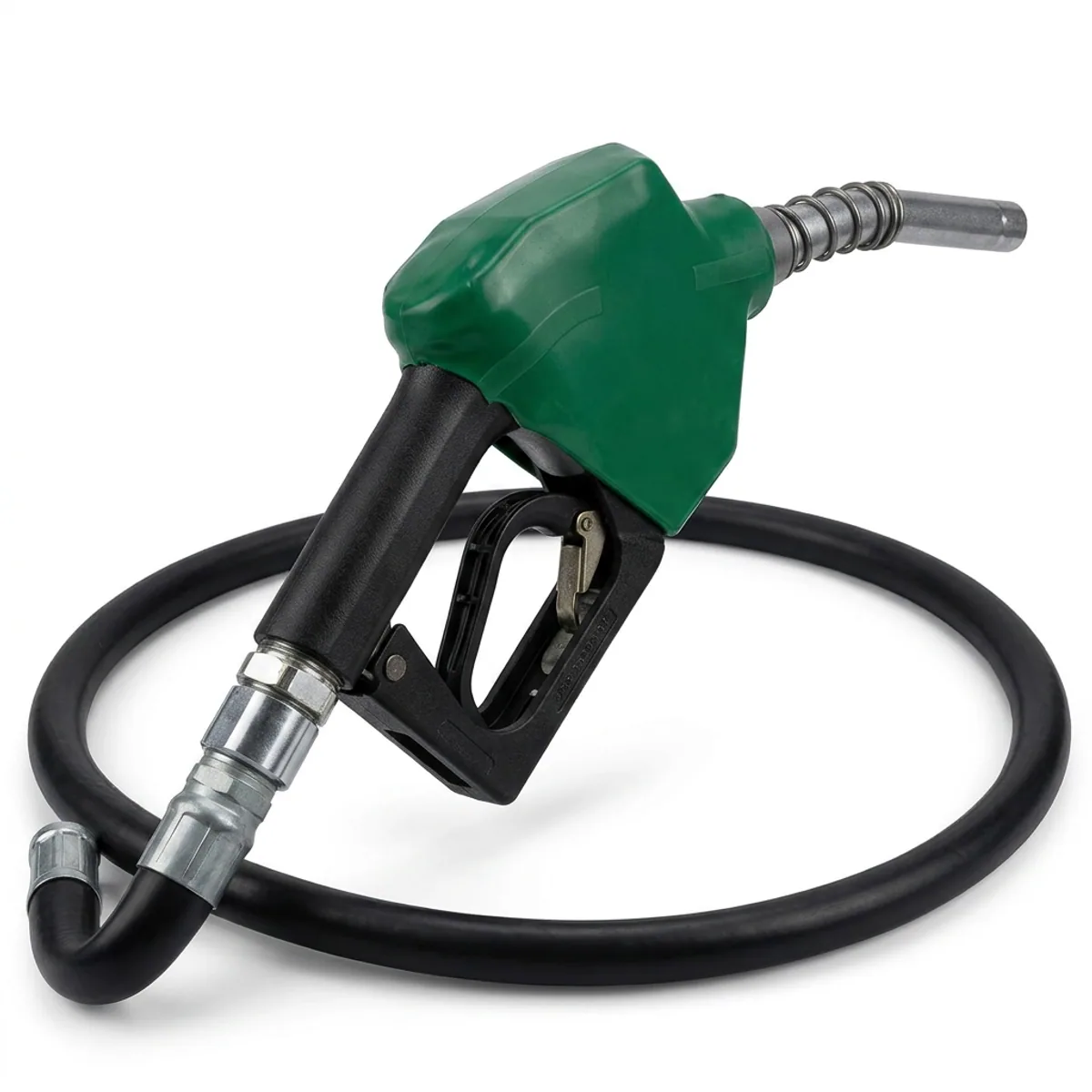
Nozzle Auto Shut Off | Aluminum Alloy Body | Heavy-Duty Diesel Dispenser
5.0(3)
£160.99
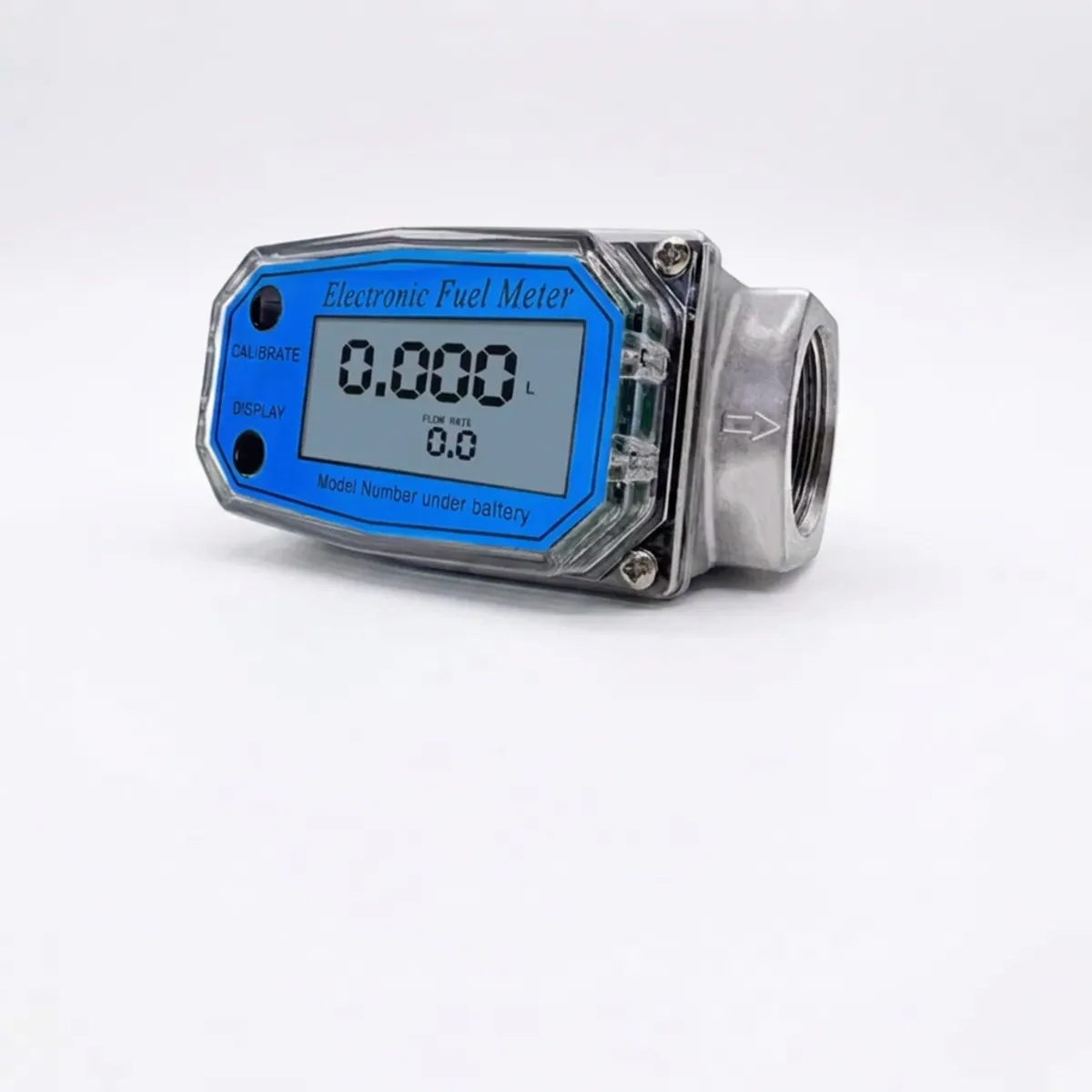
Diesel Flow Meter | Digital LCD Turbine | K24 Fuel & Methanol
5.0(1)
£70.99
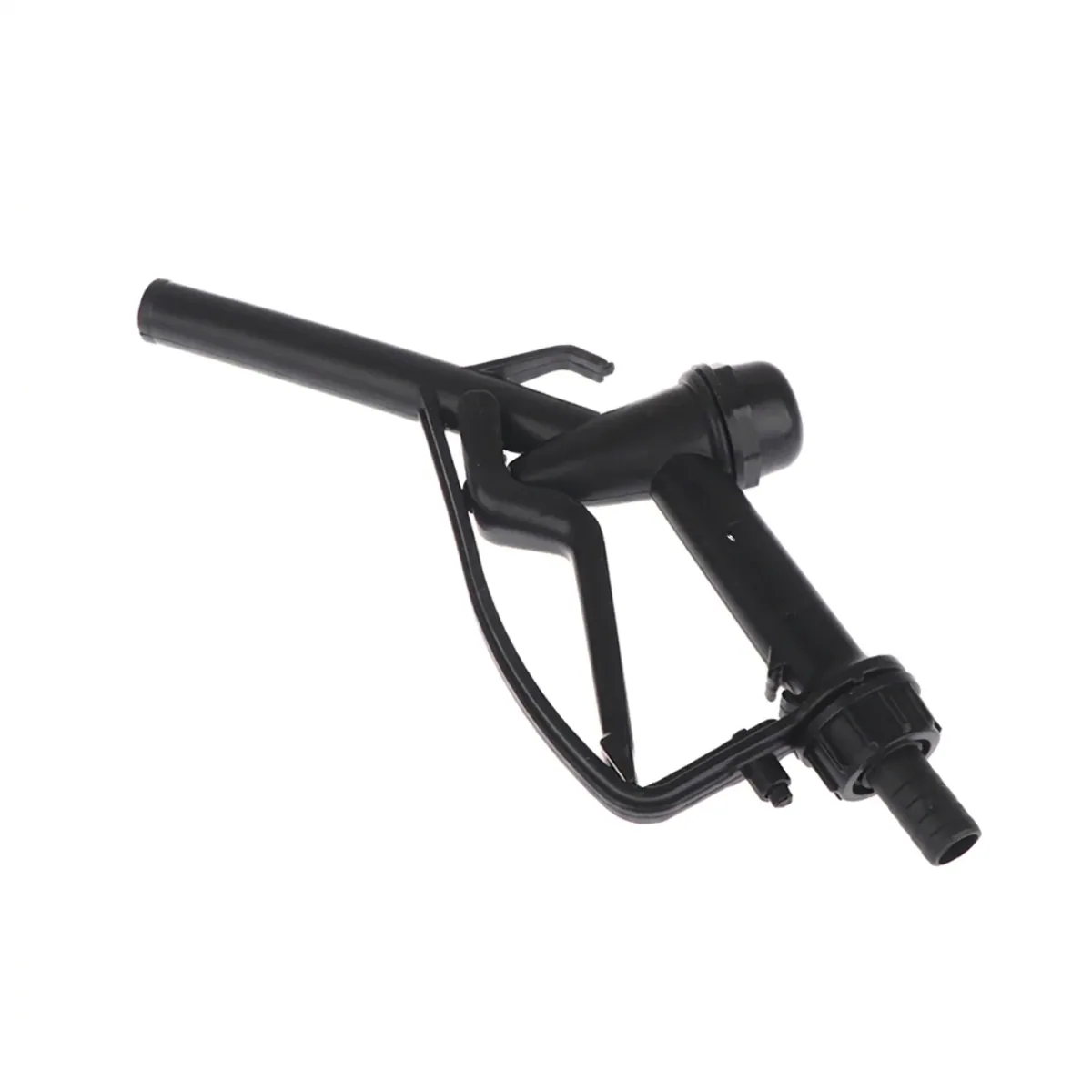
Nozzle Manual Dispenser | 45L/min Flow with Hook | 20mm 25mm Diesel Gas
5.0(5)
£53.99
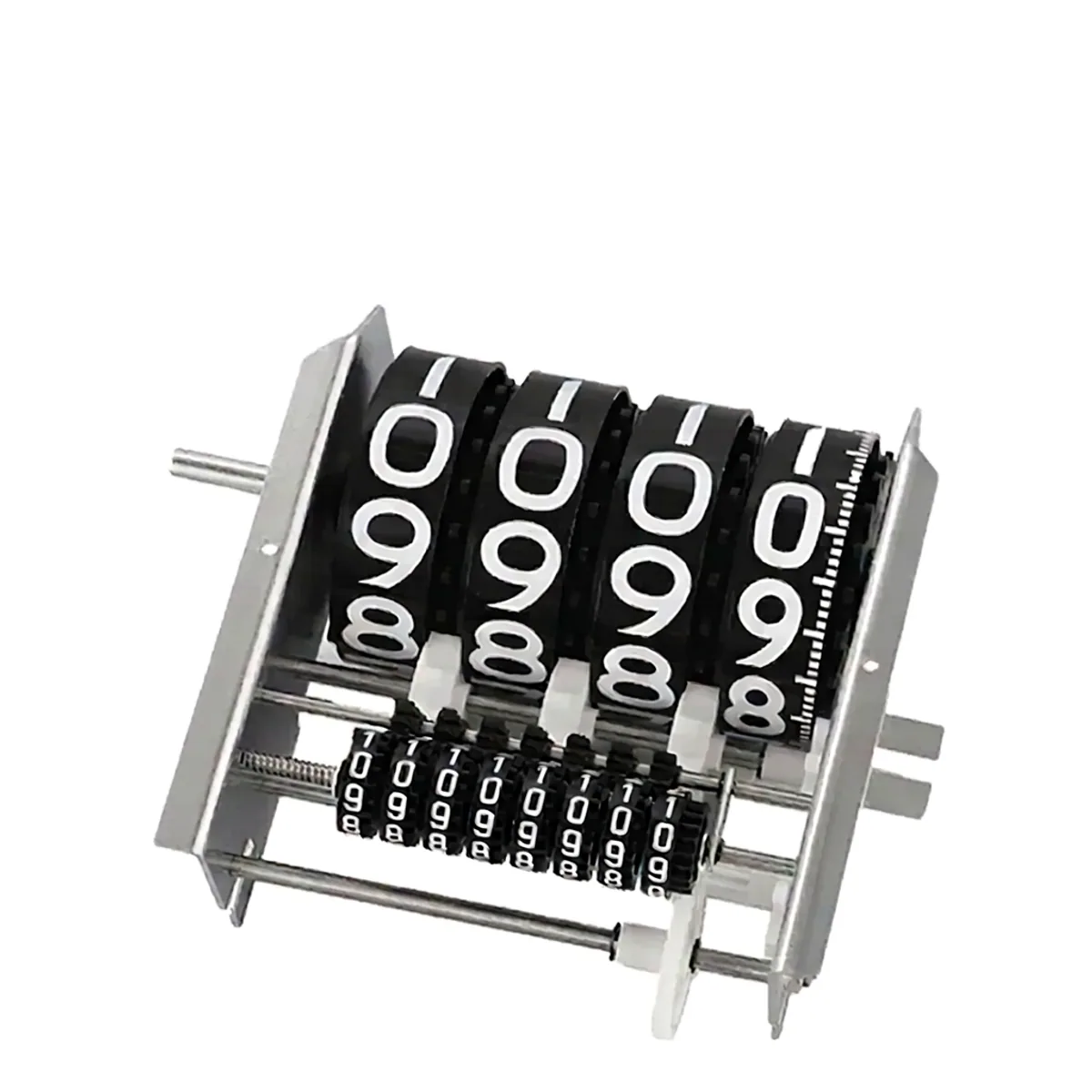
Flow Meter | 4-Digit Mechanical Counter | 20-120L/Min FM-120 Fuel Sensor
5.0(5)
£180.99
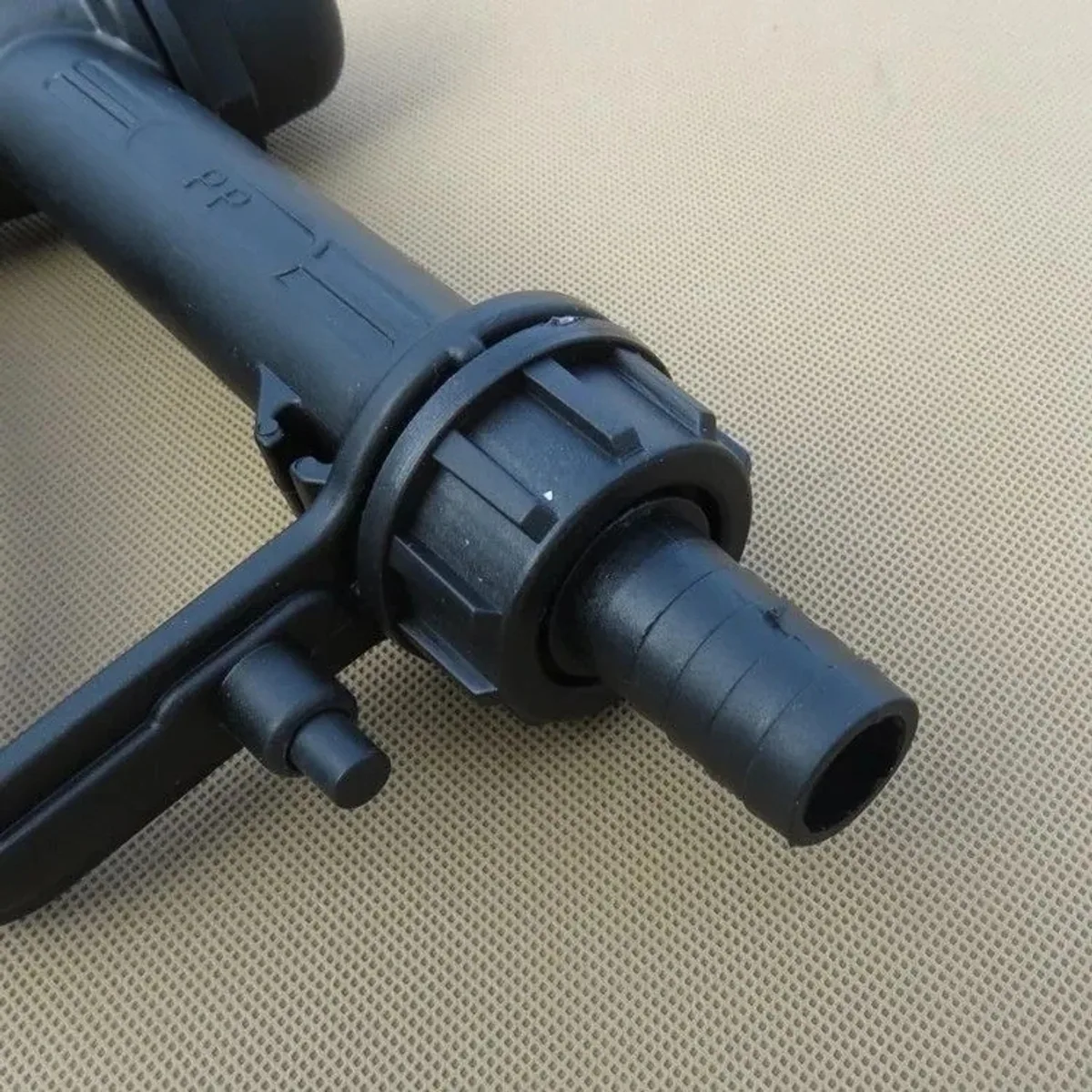
Nozzle Manual Dispenser | 45L/min 25mm Inlet | Heavy-Duty Diesel Handle
4.6(12)
£48.99
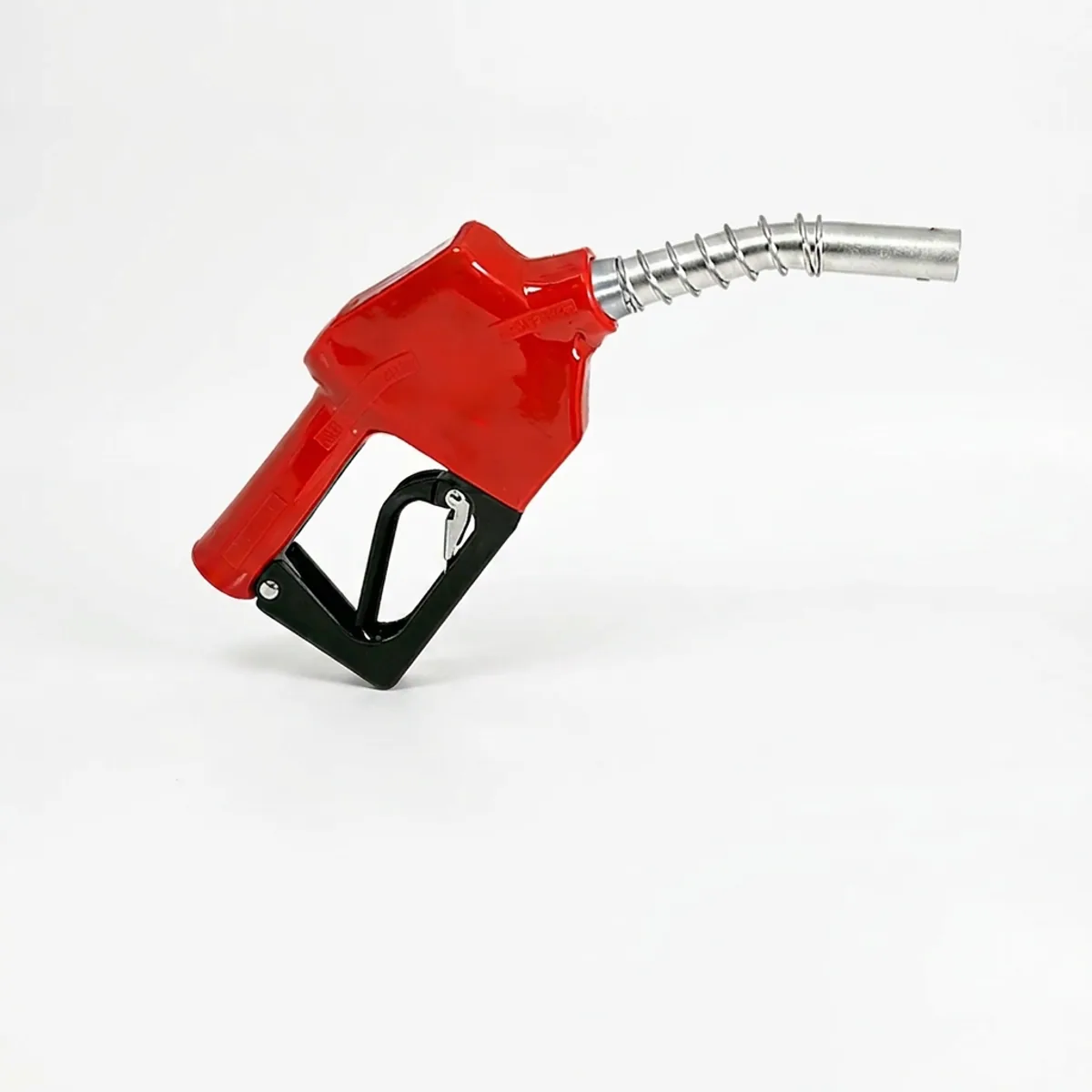
Nozzle with Auto Shut-Off | 11A Dispenser Gun | Petrol Diesel Refueling
4.5(2)
£82.99
Explore the range
Popular in Transfer Pumps
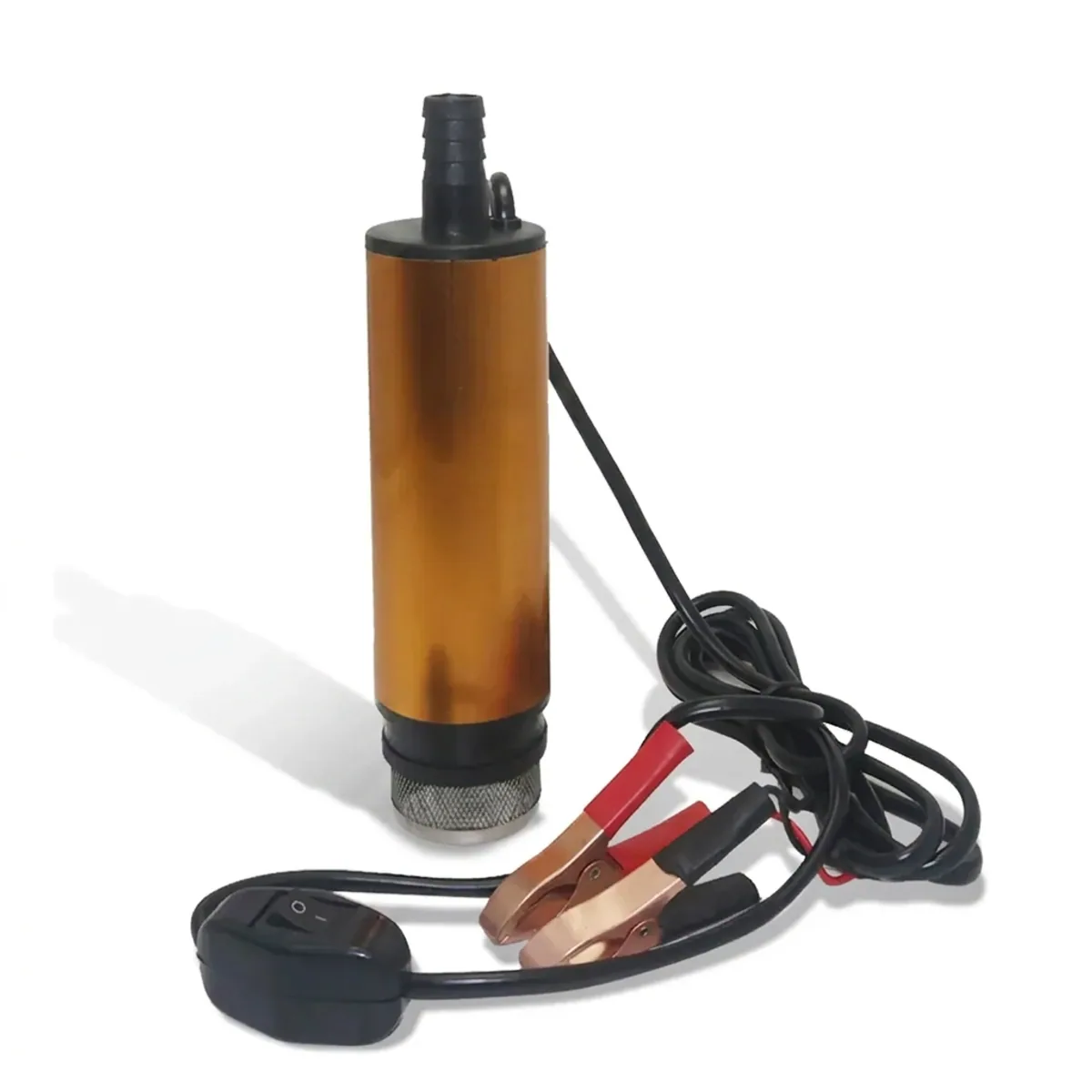
Pump Kit with Refueling Gun | 4m Hose Stainless Steel | 12V 24V 51mm
5.0(14)
£75.99
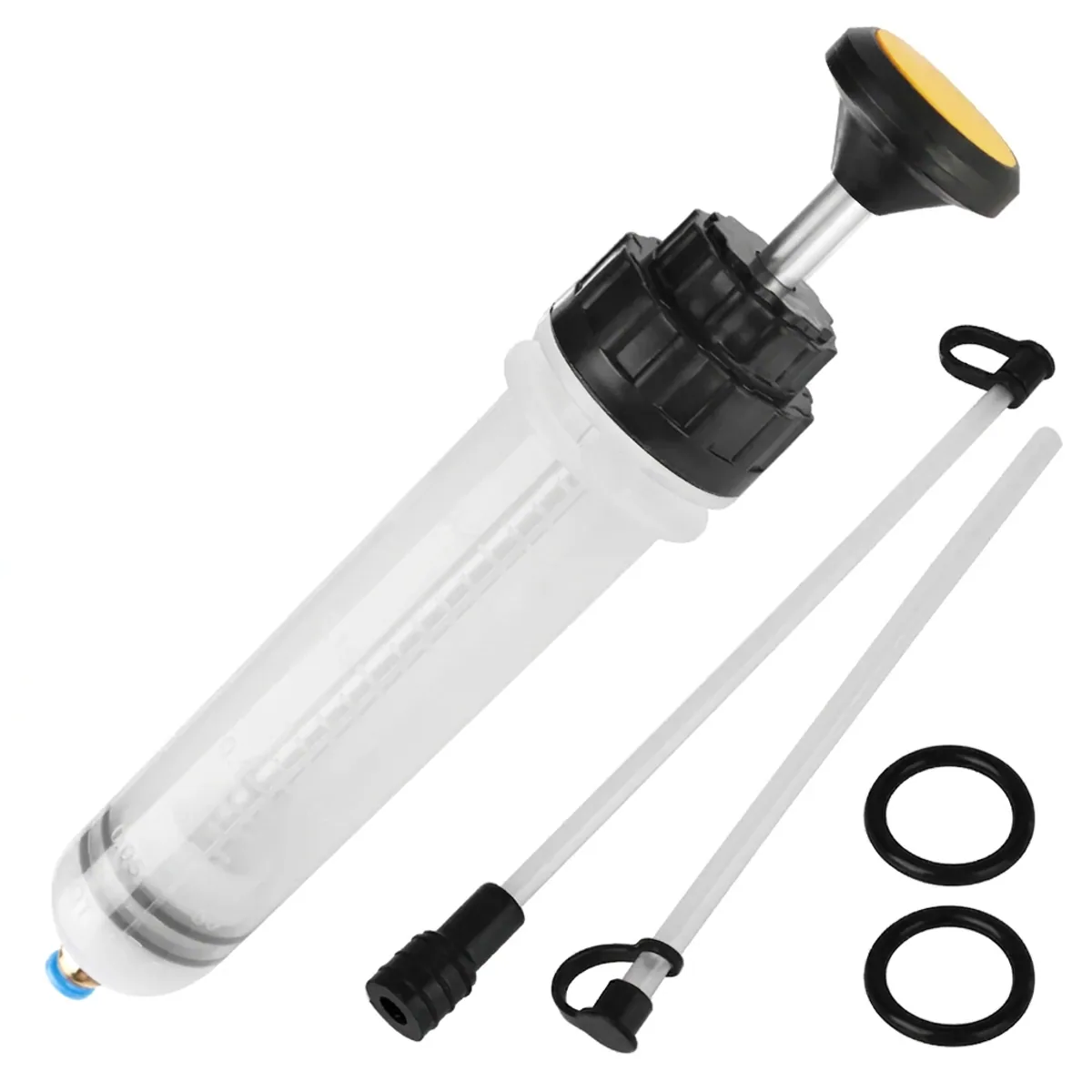
Fuel Pump Extractor | 200cc Fluid Syringe Tool | Car Fluid Extraction
5.0(15)
£52.99
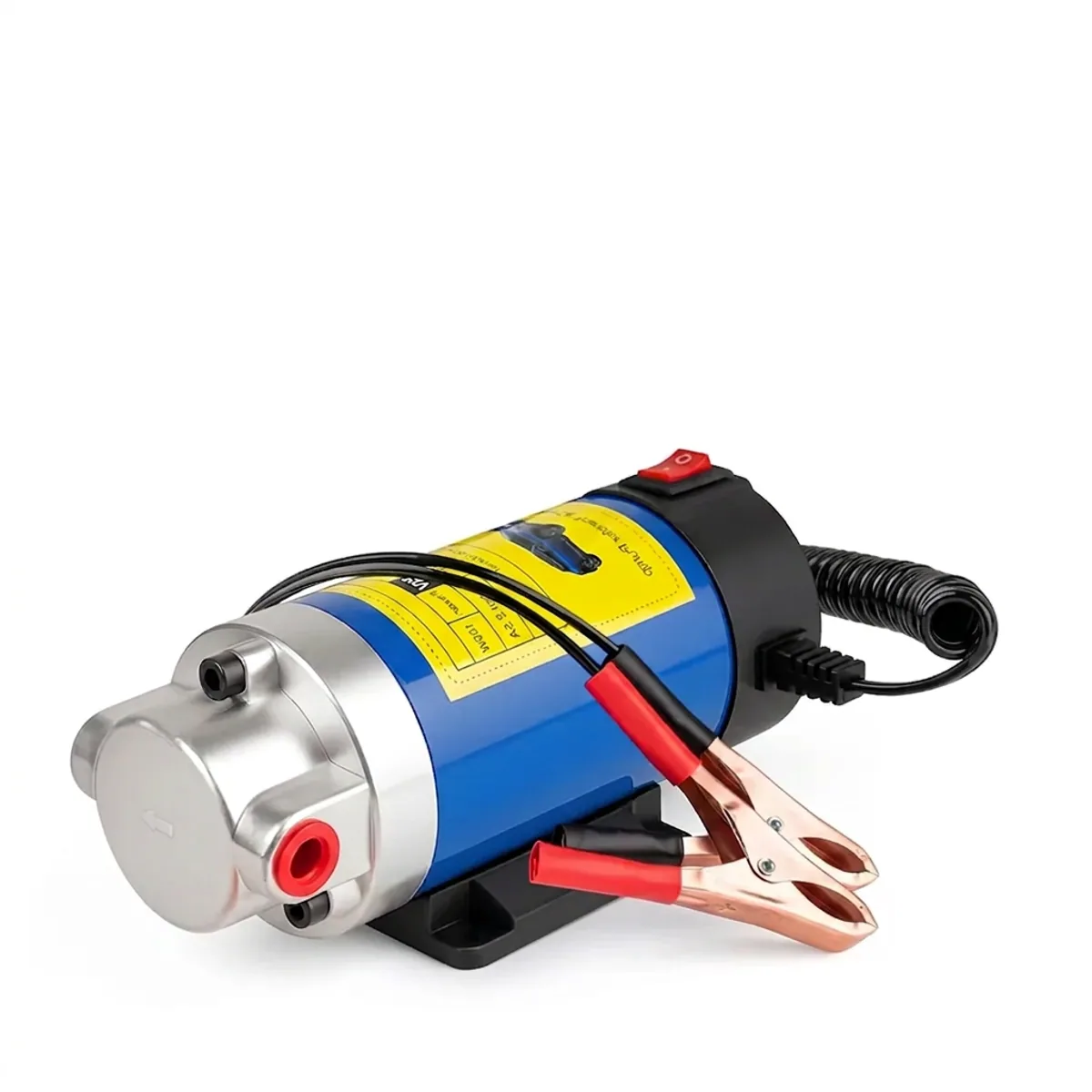
Transfer Pump 12V 1-4L/min | Quick Fluid Extractor | Boat Motorcycle
4.9(183)
£189.99
Pump Rotary Aluminum | Heavy-Duty Hand Crank | Oil & Fuel Fluid Extractor
4.9(134)
£72.99
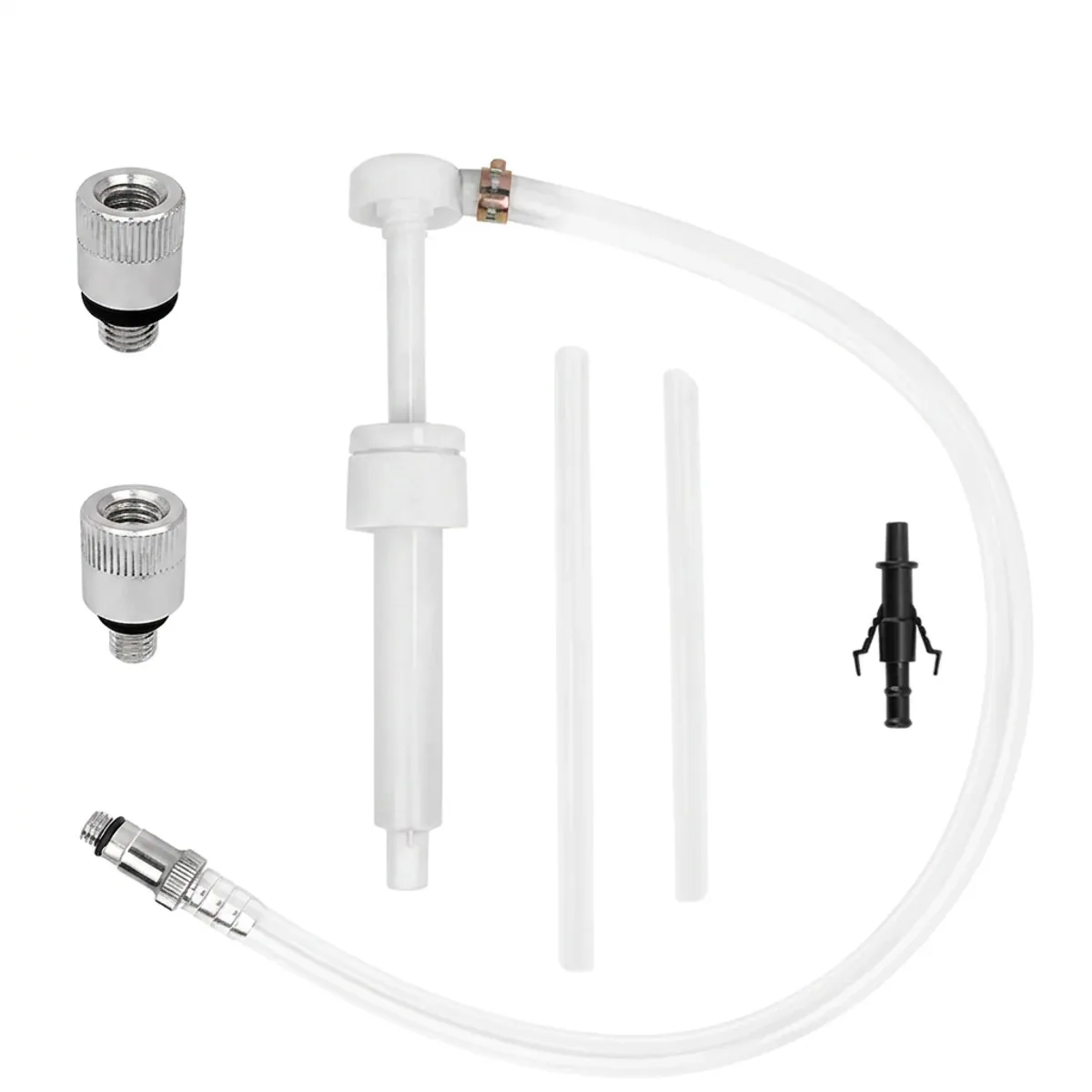
Hand Oil Pump | Lower Unit Gear Lube Adapter | Outboard Motor Fluid Kit
5.0(12)
£36.99
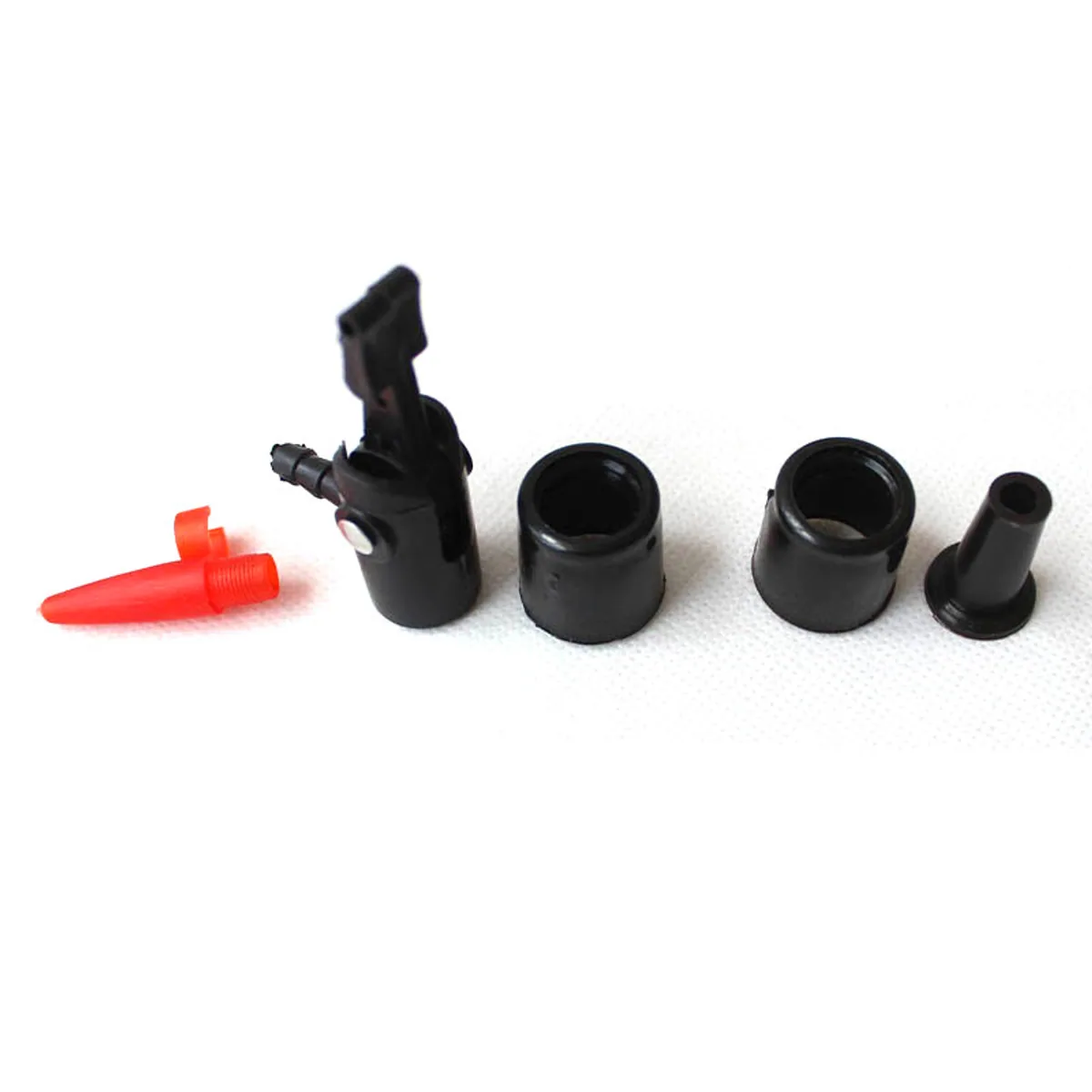
Hand Fuel Pump | Manual Sucker Tube Hose | Emergency Gas Liquid Transfer
4.9(263)
£54.99
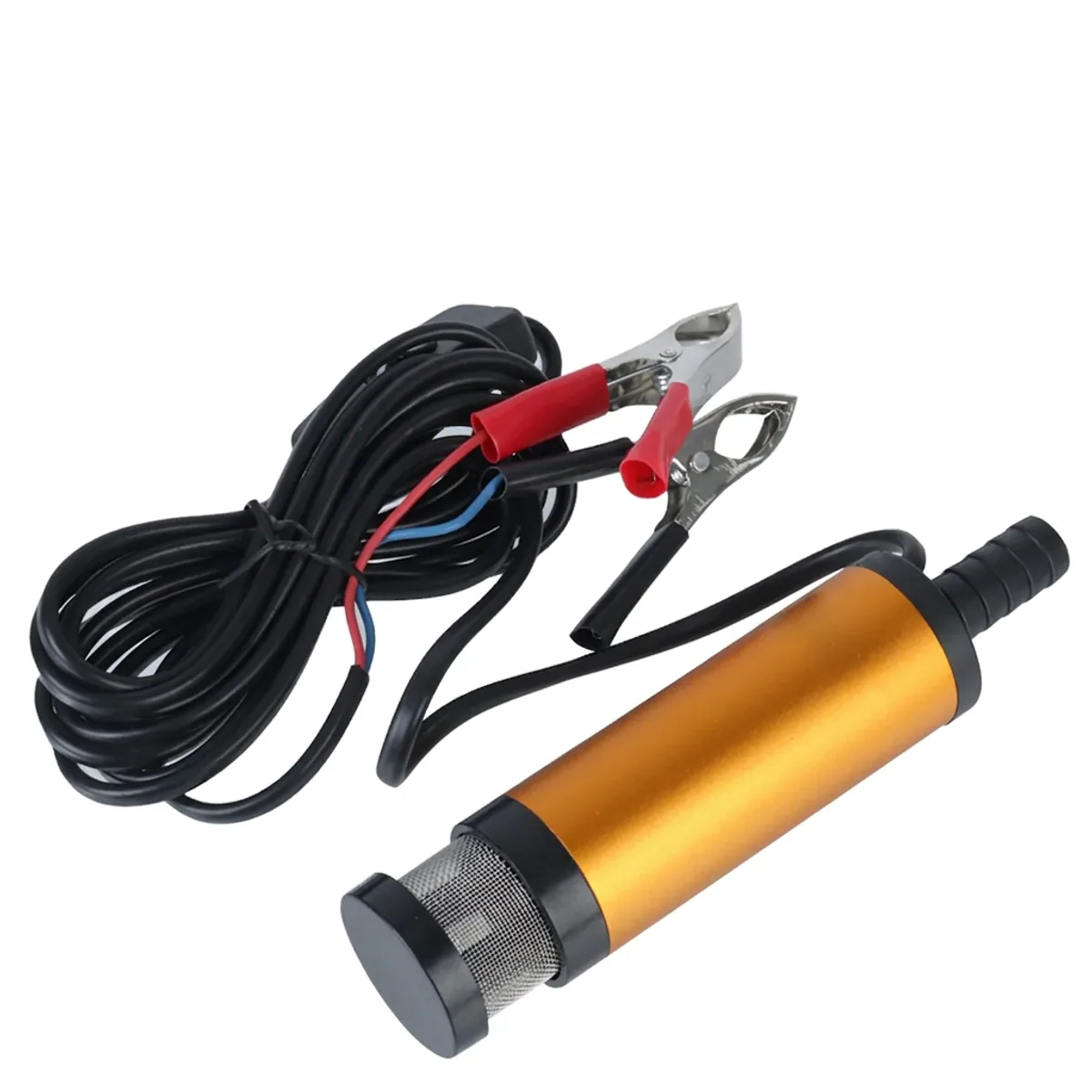
Transfer Pump 12L/min | In-Line Power Switch | 12V Marine Truck Diesel Water
4.9(148)
£56.99
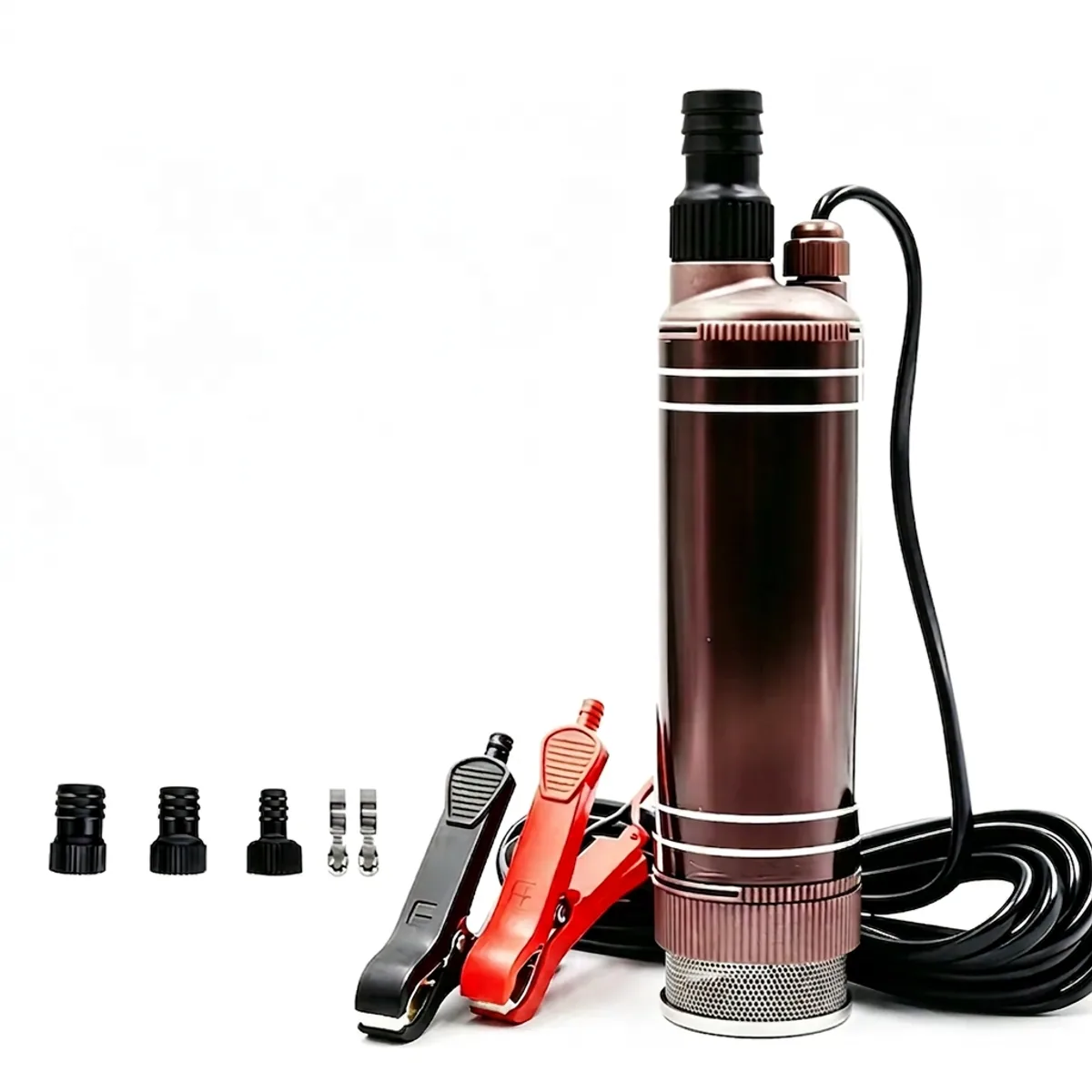
Fuel Transfer Pump | 45L/Min Submersible Unit | 12V 24V 150W DC
4.9(236)
£117.99
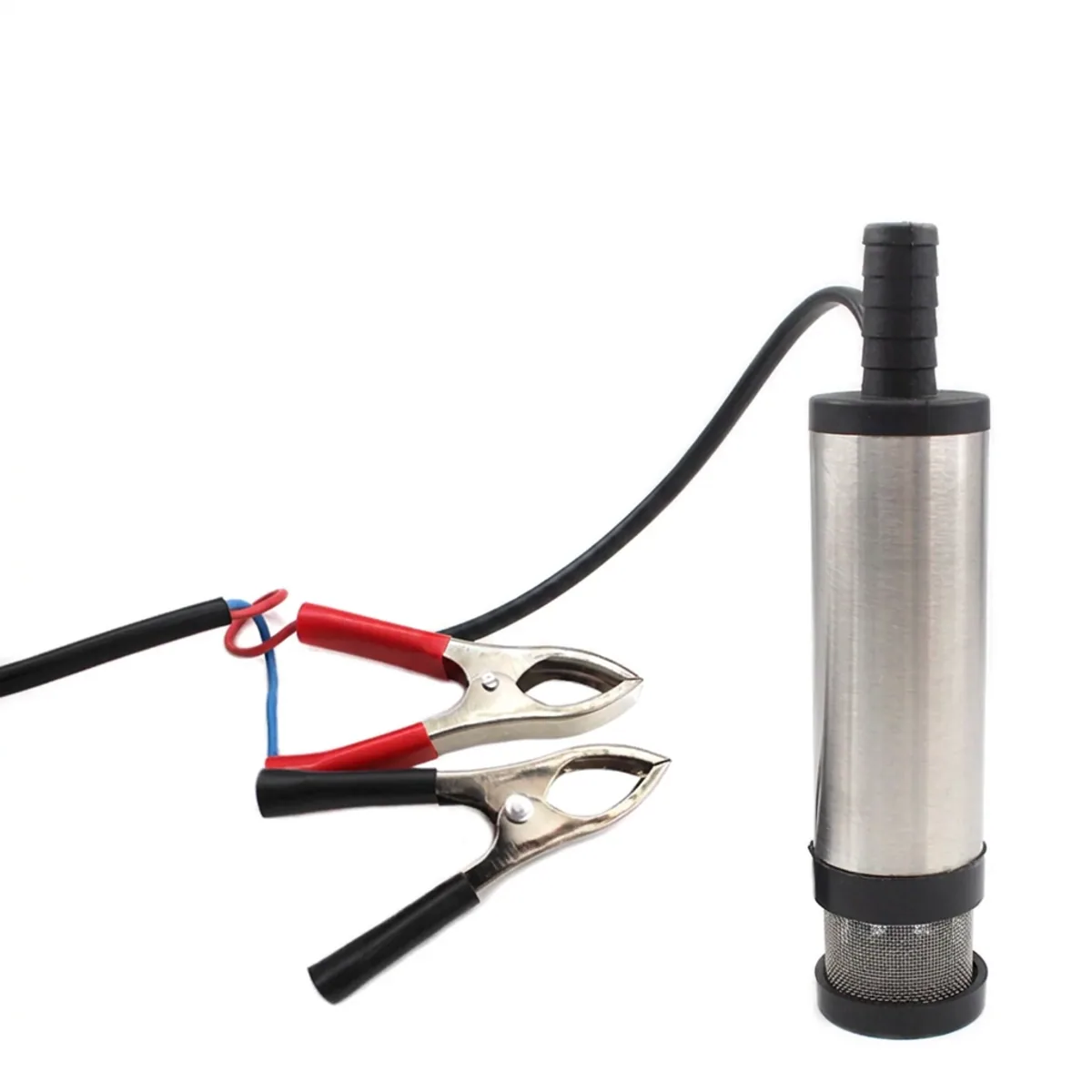
Transfer Pump Submersible | 12V 24V Stainless Steel | 30L/min Flow
4.9(157)
£60.99
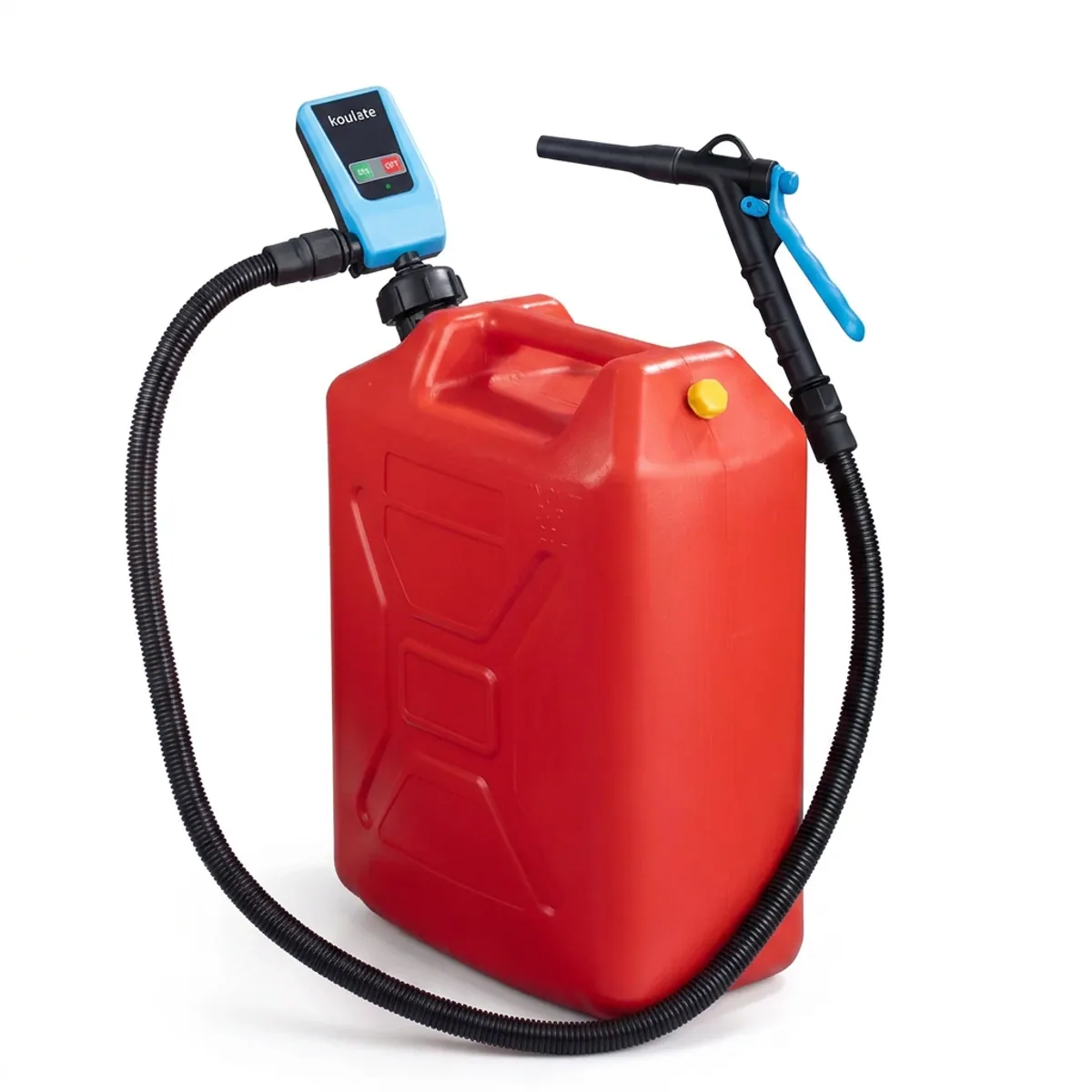
Pump Kit Portable 12V | Battery Gas Transfer | 3.2 GPM with 51 Hose
4.9(42)
£208.99
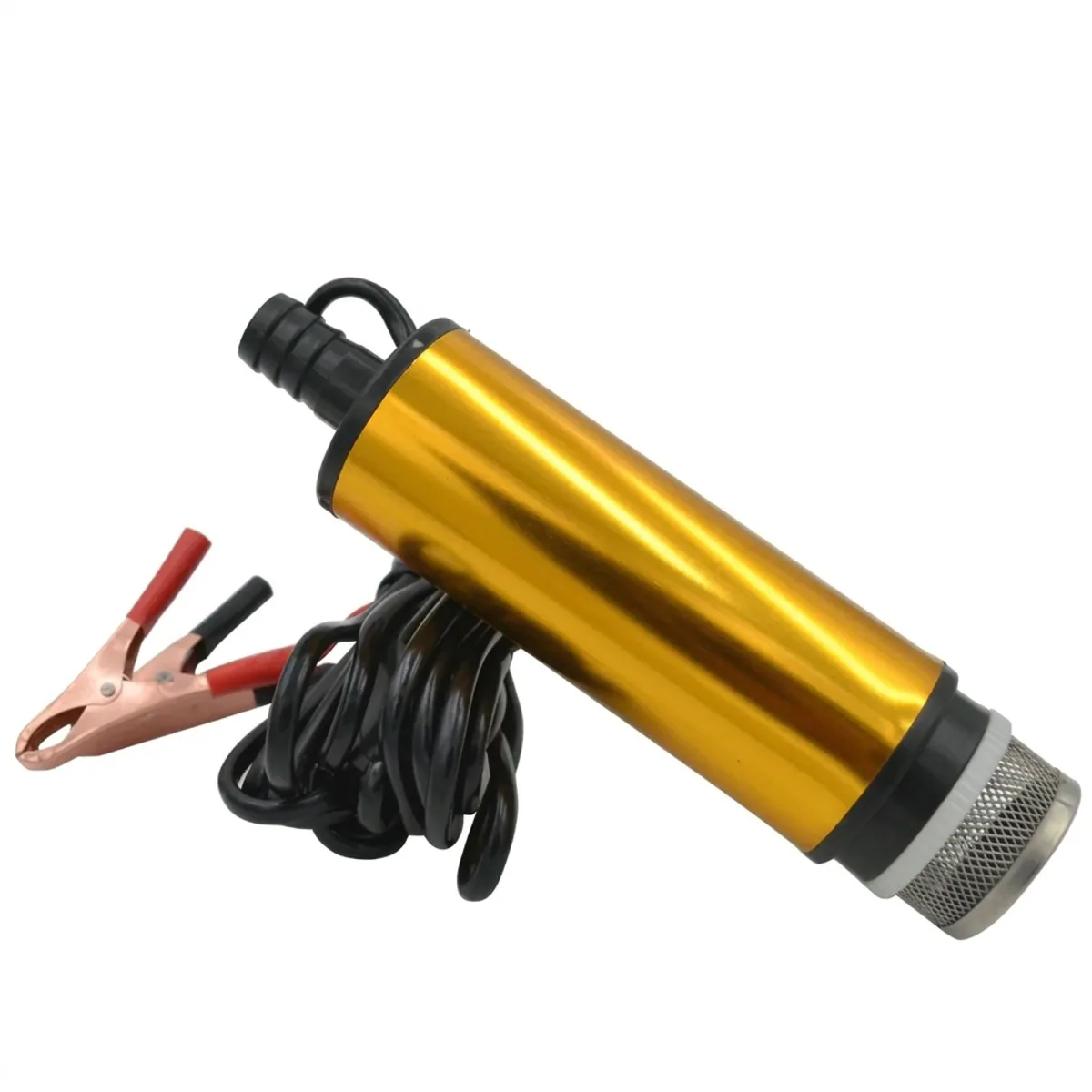
Transfer Pump Submersible | 12V 24V Heavy-Duty | RV Car & Camping Kit
4.9(29)
£72.99
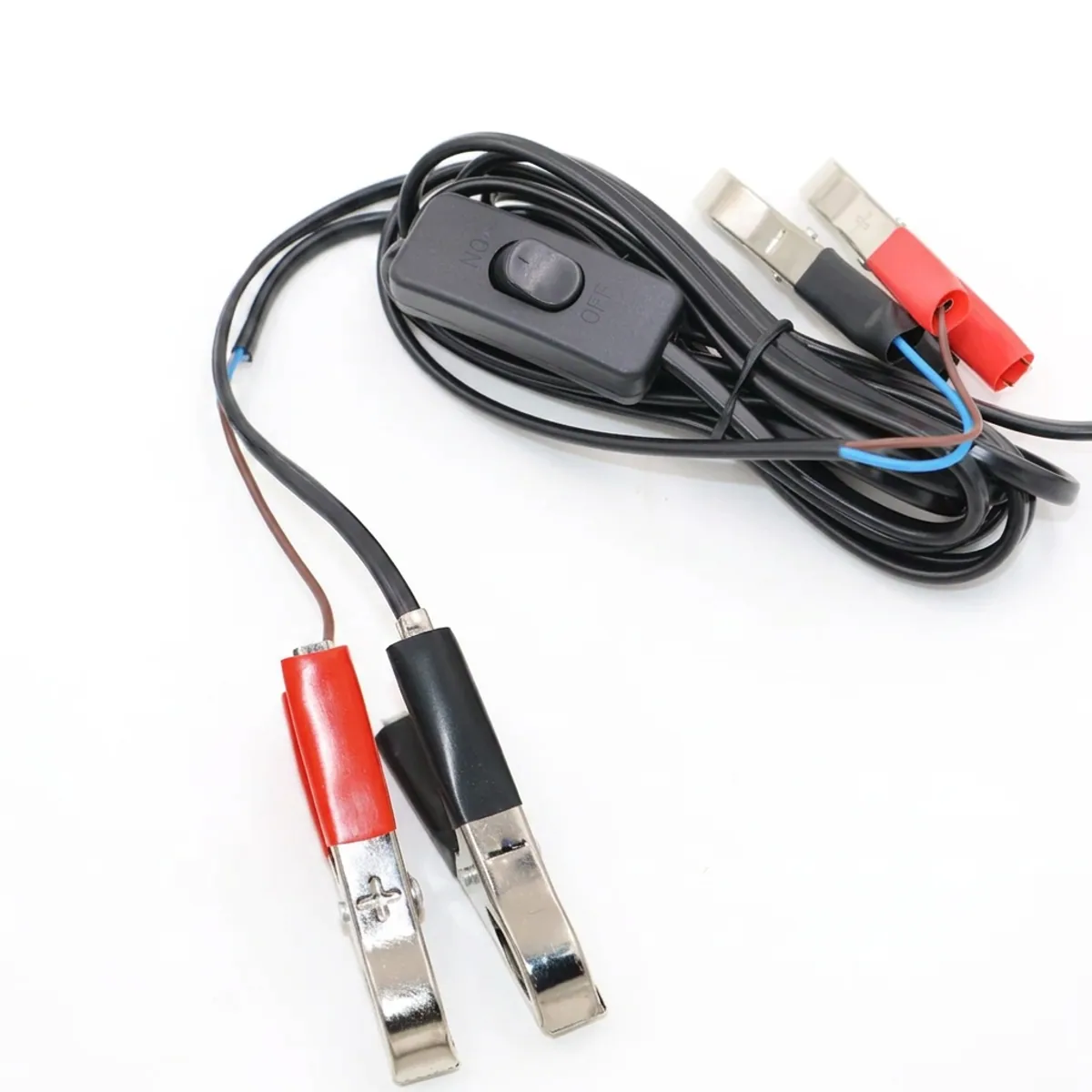
Transfer Pump Submersible | 12V 24V DC 12L/min | Aluminum Alloy Fuel Extractor
4.9(642)
£60.99