
Diesel Flow Meter | 1-Inch Mechanical Counter | High Accuracy 1% Gauge
Stock Nr:
SKU:
1 / 4
£189.99inc VAT
Keep track of fluid transfers with this inline diesel flow meter. It installs directly into standard 1-inch NPT pipe setups to measure diesel, kerosene, and gasoline. The internal turbine provides 1% ...
A
- Secure checkout
- All major cards
- Tracked delivery
£189.99
Fast Shipping
Secure Payment
Easy Returns
Good to know
Questions about this product
- Can this flow meter be installed vertically on my fuel line?
- Yes, you can mount this unit either horizontally or vertically in-line with your pipework. The mechanical display housing can be positioned so the numbers remain upright and readable from your working angle.
- What fuels and fluids can I run through this meter?
- It is built for non-commercial transfer of diesel, gas oil, and kerosene. It features an aluminium back body and plastic housing designed specifically for light fuel dispensing.
- How do you reset the batch reading between fuel transfers?
- The side of the unit has a manual hand-wheel reset knob. A quick turn rolls the 4-digit subtotal counter straight back to zero before you begin pumping your next batch.
Fuel Nozzles, Hoses & Meters spec sheet (PDF)
Get a one-page sheet with full description, specifications, technical details, FAQs, price & SKU - handy to save, print, or share.
Not sure which one?
Compare with similar products
The same kind of product, in stock, in a similar price range.
This product: £189.99 · 5.0
This product
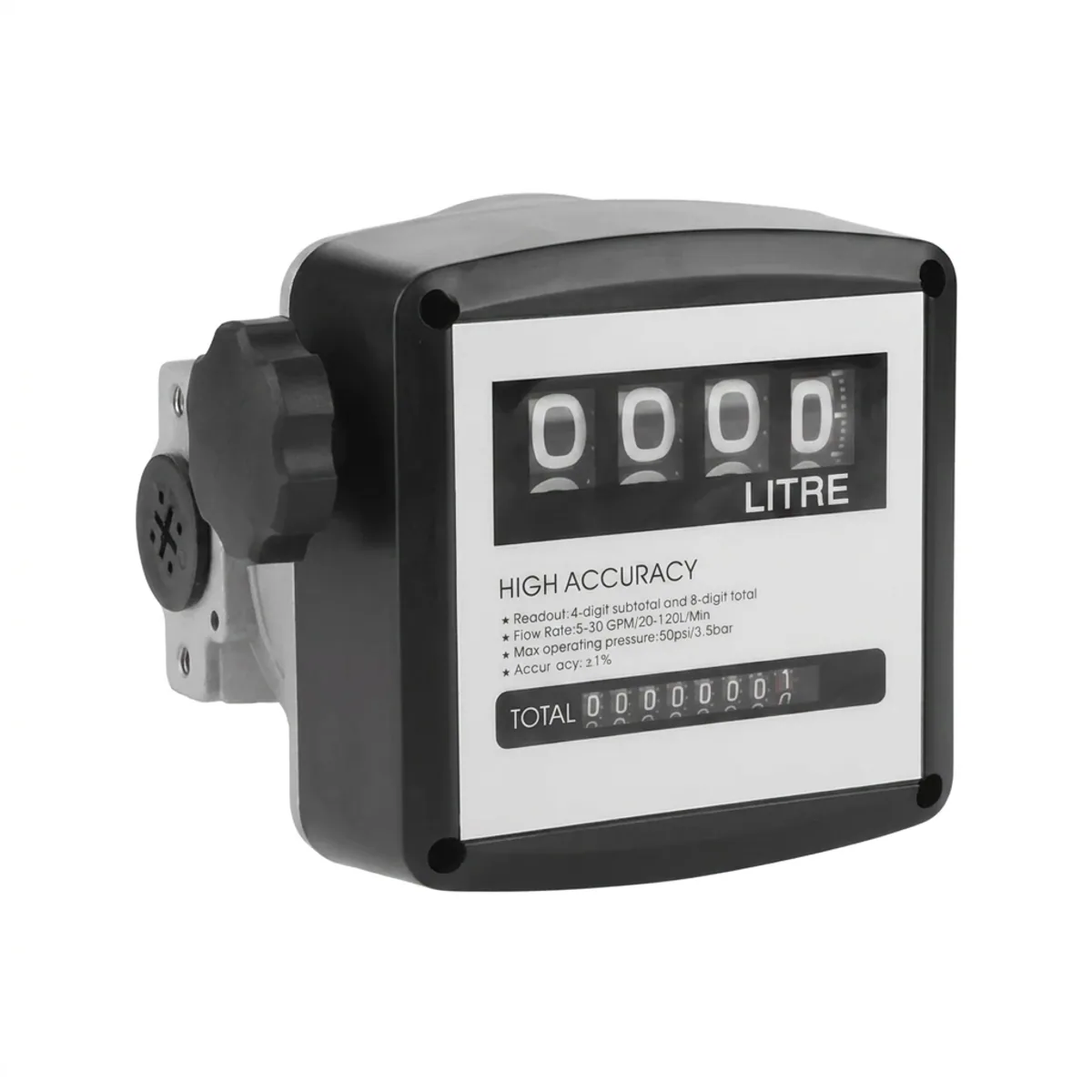
Diesel Flow Meter | 1-Inch Mechanical Counter | High Accuracy 1% Gauge
- Price
- £189.99
- Rating
- 5.0(9)
- Sold
- 86+
- Stock
- In stock
You're viewing this
Alternative
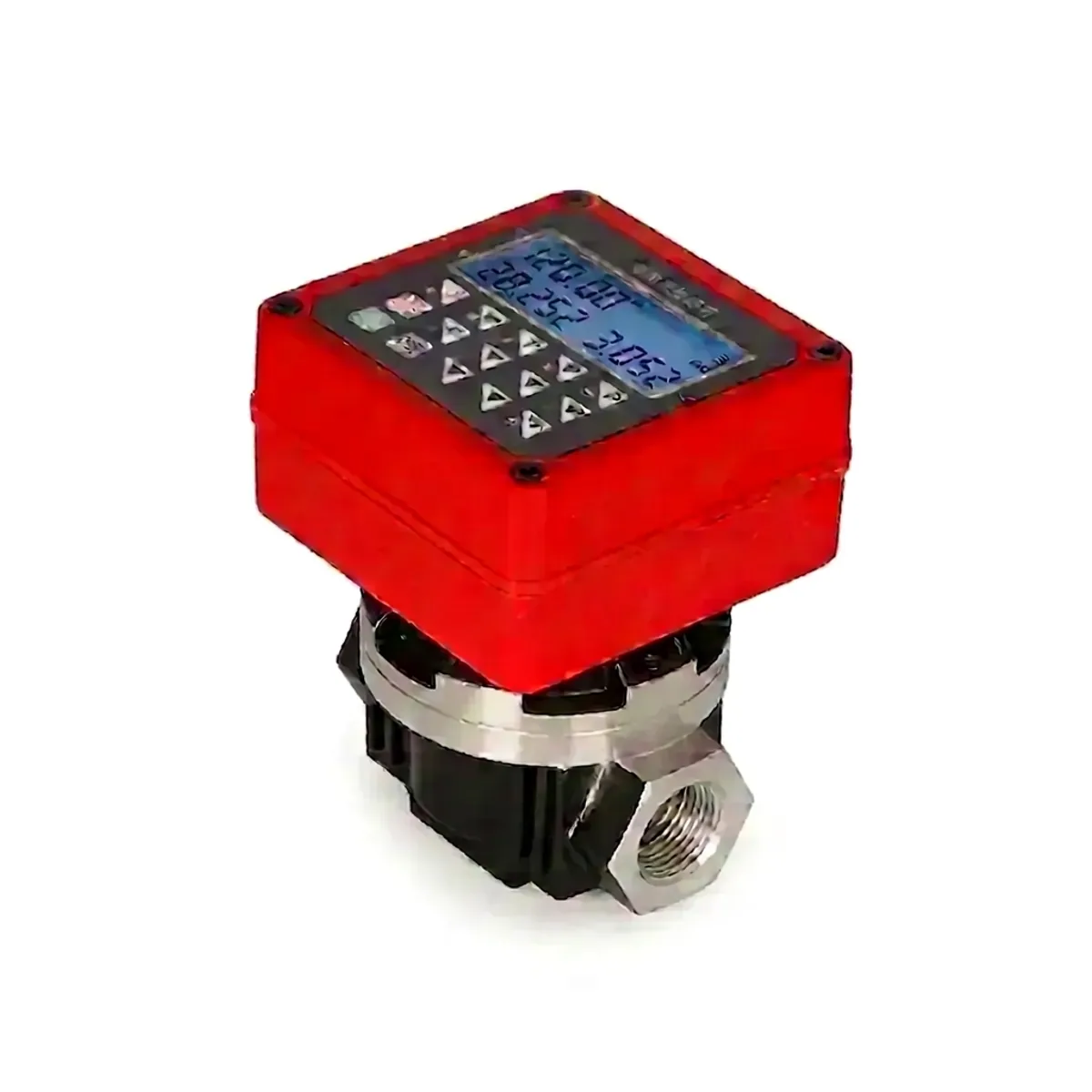
Diesel Flow Meter | DN25 Oval Gear Electronic Gauge | Fuel Dispenser Counter
- Price
- £337.99
- Rating
- 4.8(4)
- Sold
- 39+
- Stock
- In stock
Compare options
More Fuel Nozzles, Hoses & Meters
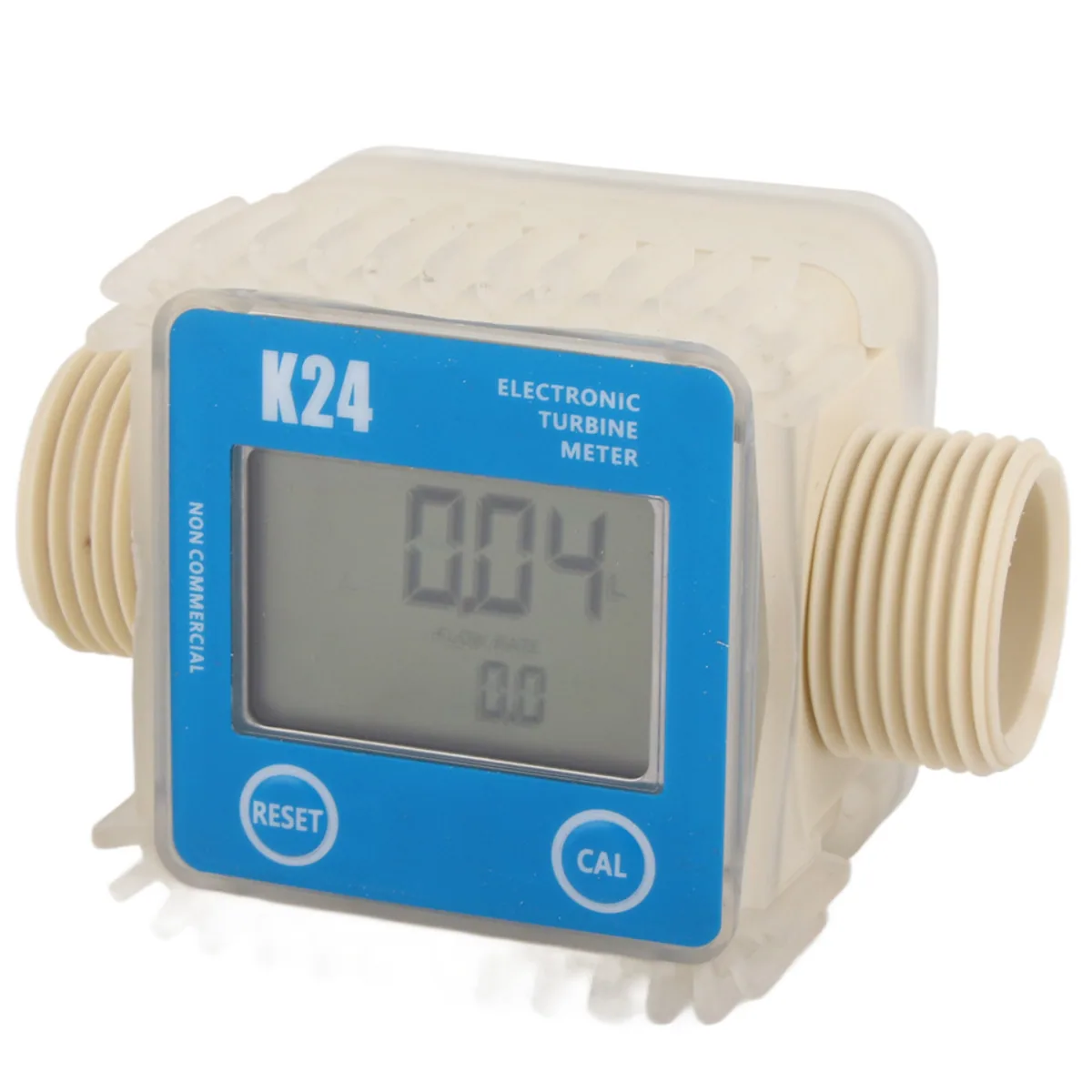
Flow Meter Gauge | Clear LCD Display | Inline Water & Fuel Tool
5.0(20)
£108.99
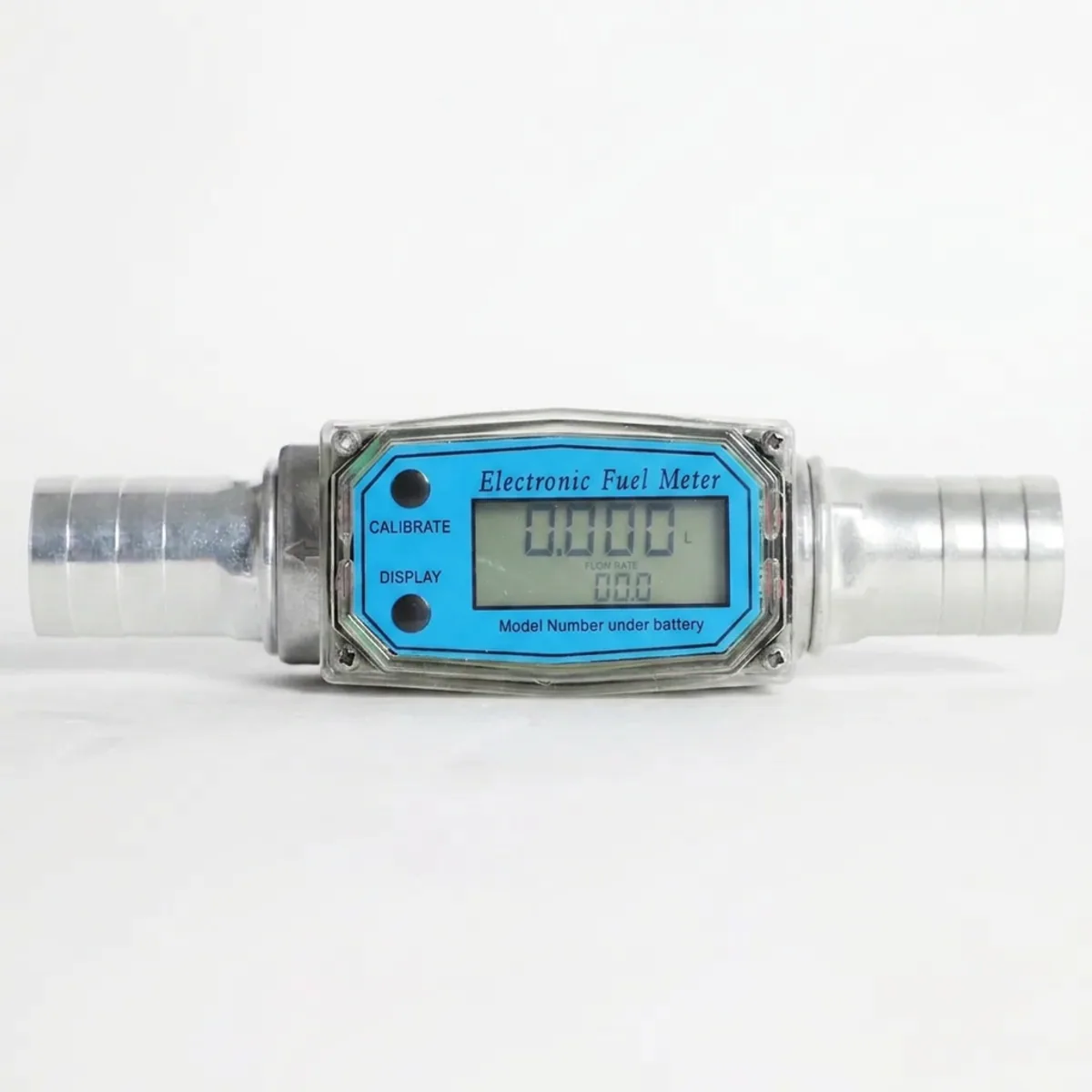
Flow Meter | Aluminum Digital Turbine | Threaded Liquid Transfer Gauge
5.0(1)
£88.99
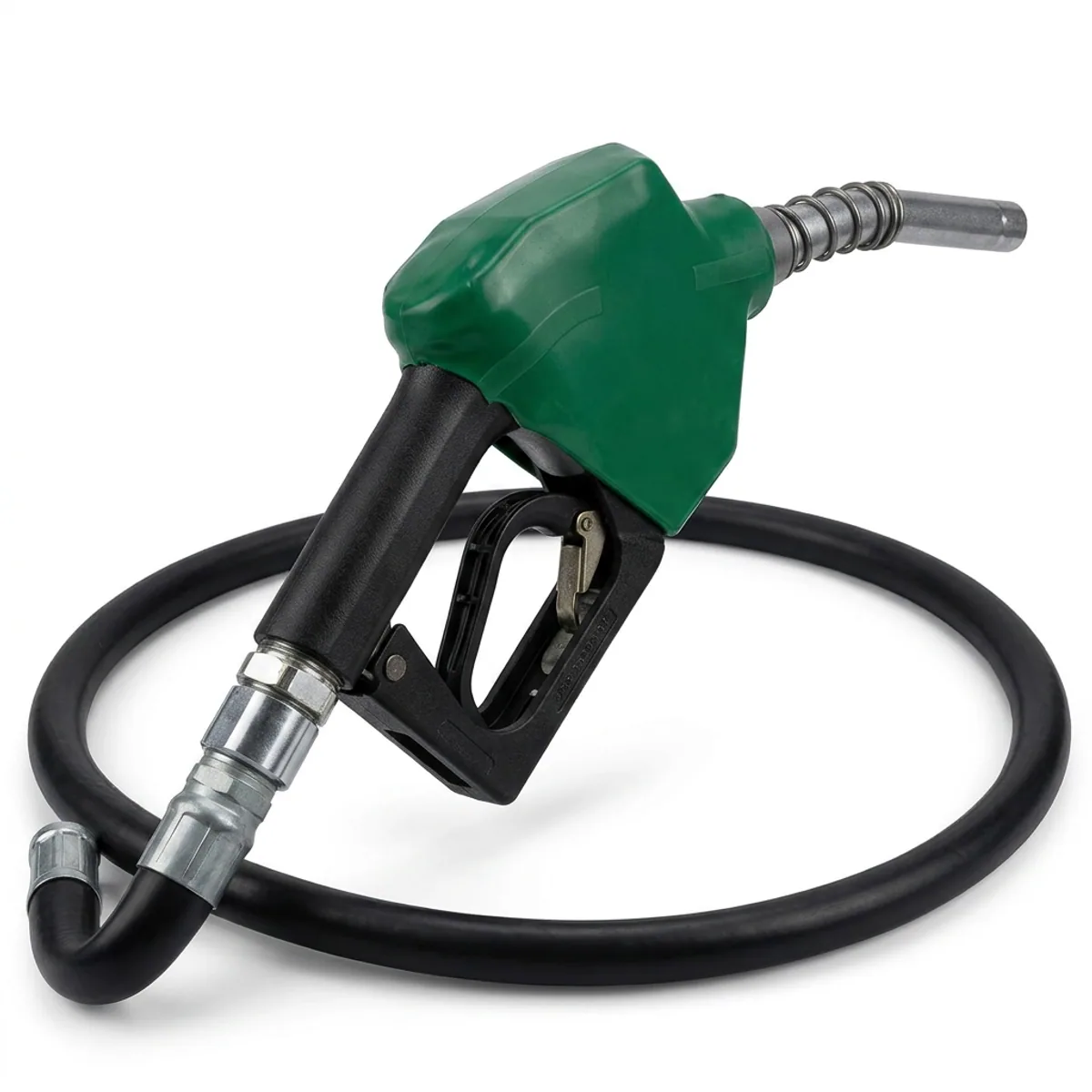
Nozzle Auto Shut Off | Aluminum Alloy Body | Heavy-Duty Diesel Dispenser
5.0(3)
£160.99
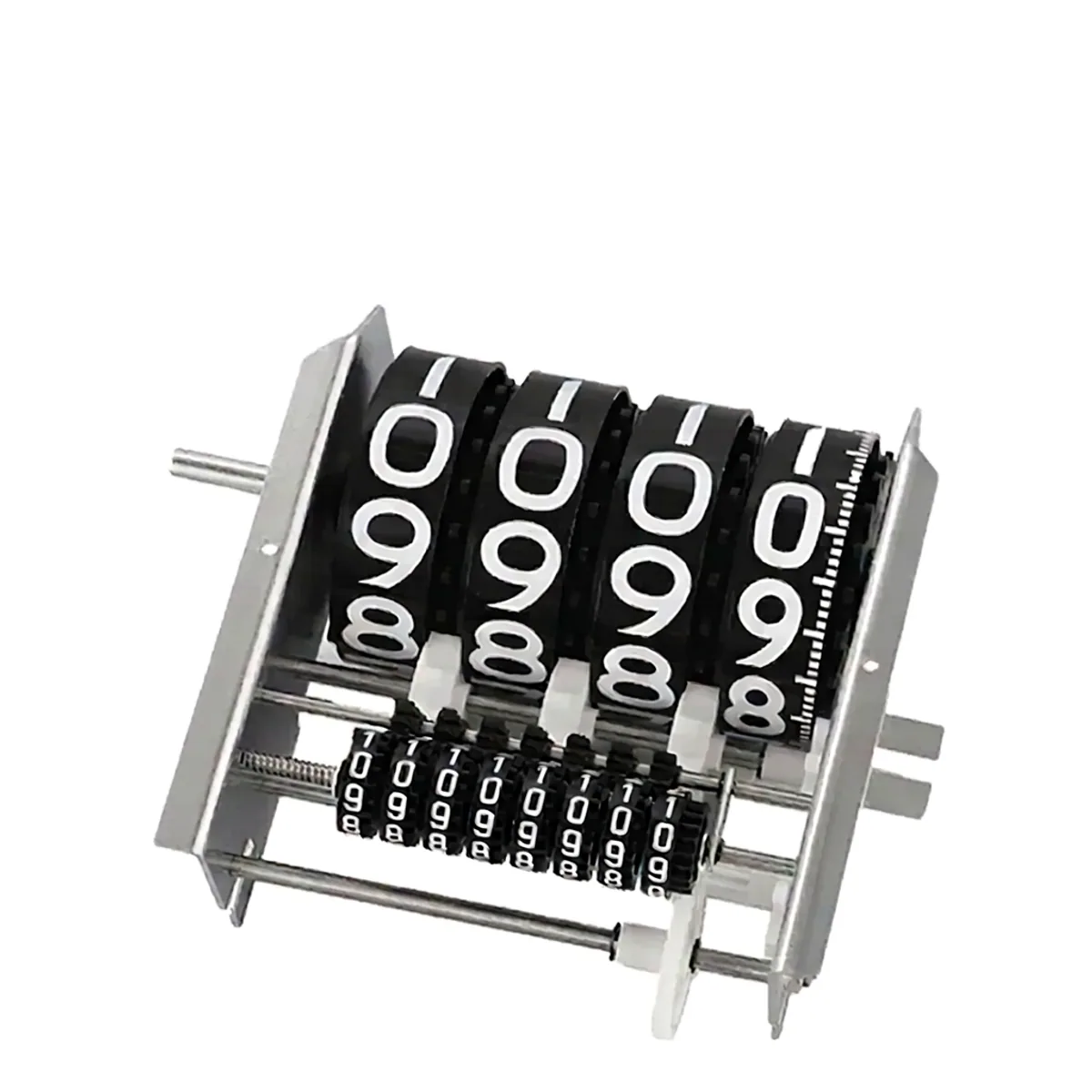
Flow Meter | 4-Digit Mechanical Counter | 20-120L/Min FM-120 Fuel Sensor
5.0(5)
£180.99
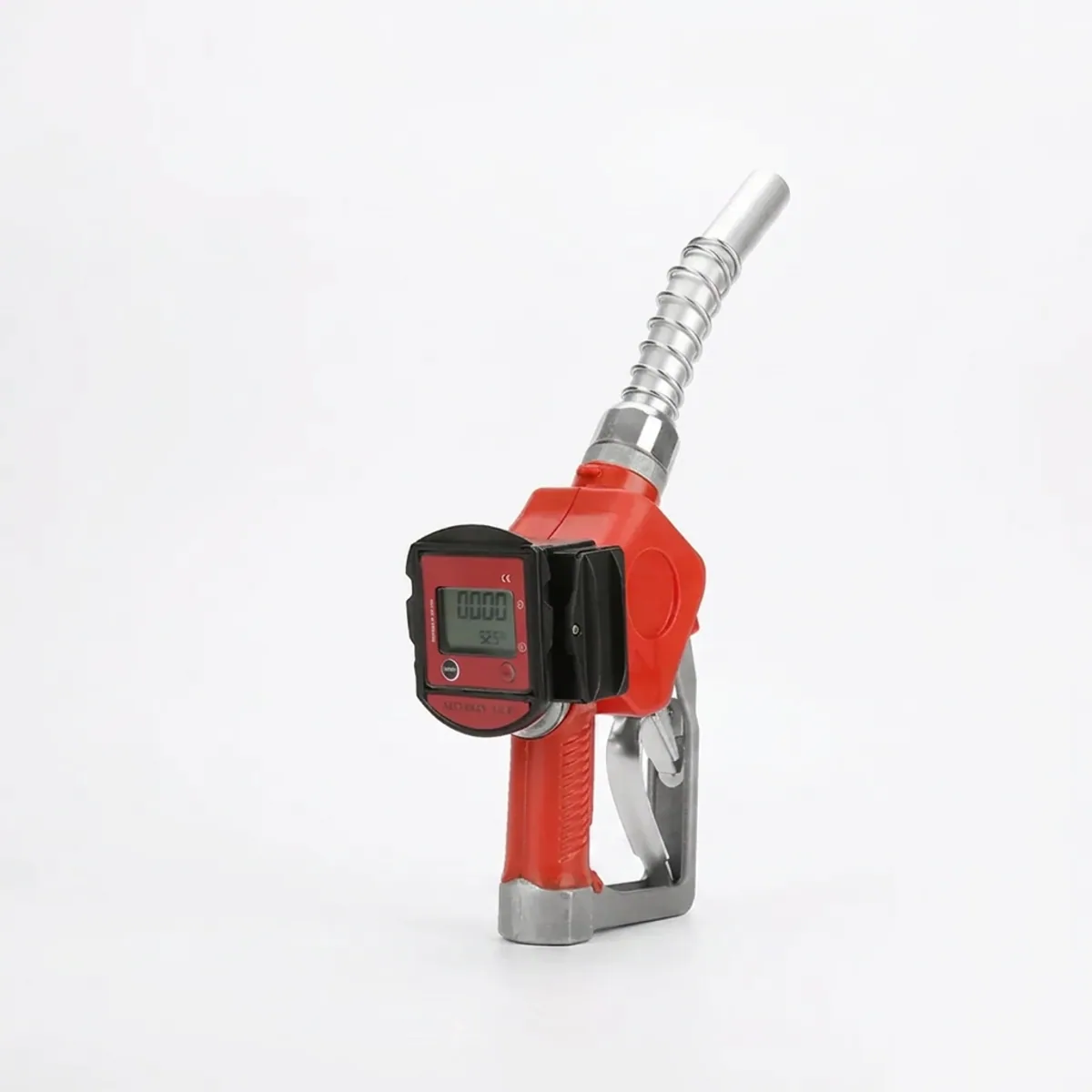
Fuel Nozzle | 1-Inch BSP Flow Meter | Automatic Shut-Off for Gas Diesel
4.9(9)
£256.99
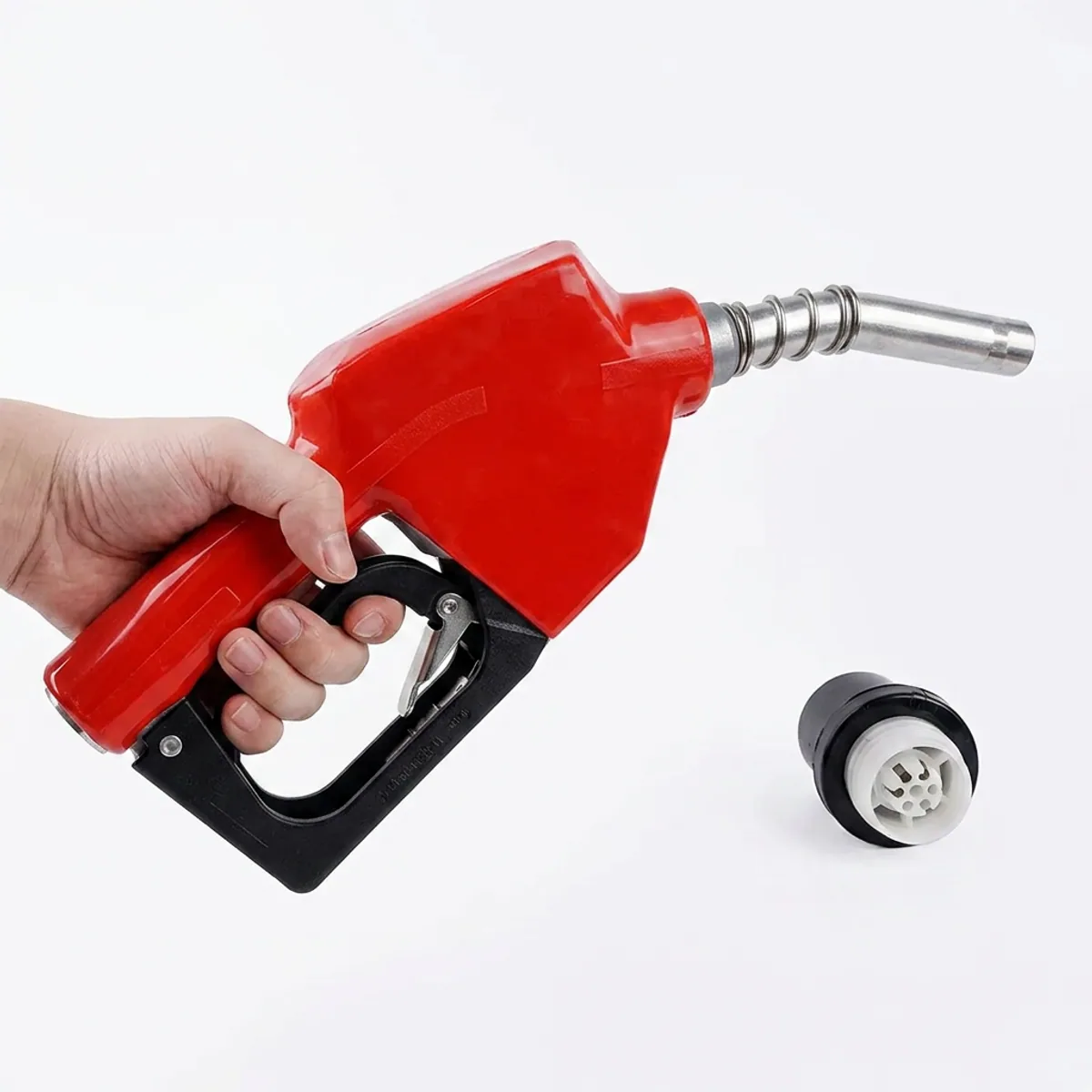
Fuel Nozzle | Stainless Steel Auto Cut-Off | Diesel Dispenser
4.7(10)
£93.99
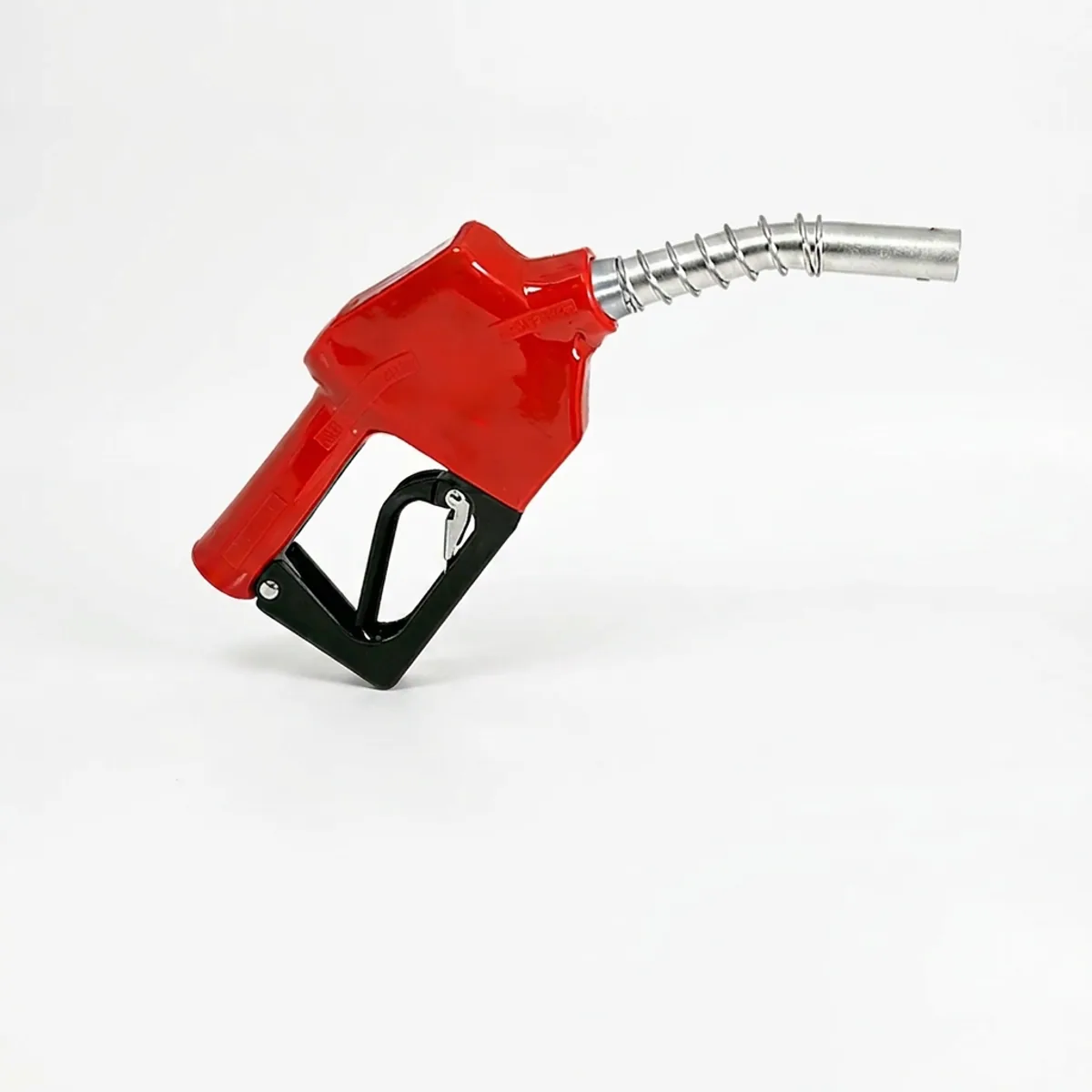
Nozzle with Auto Shut-Off | 11A Dispenser Gun | Petrol Diesel Refueling
4.5(2)
£82.99
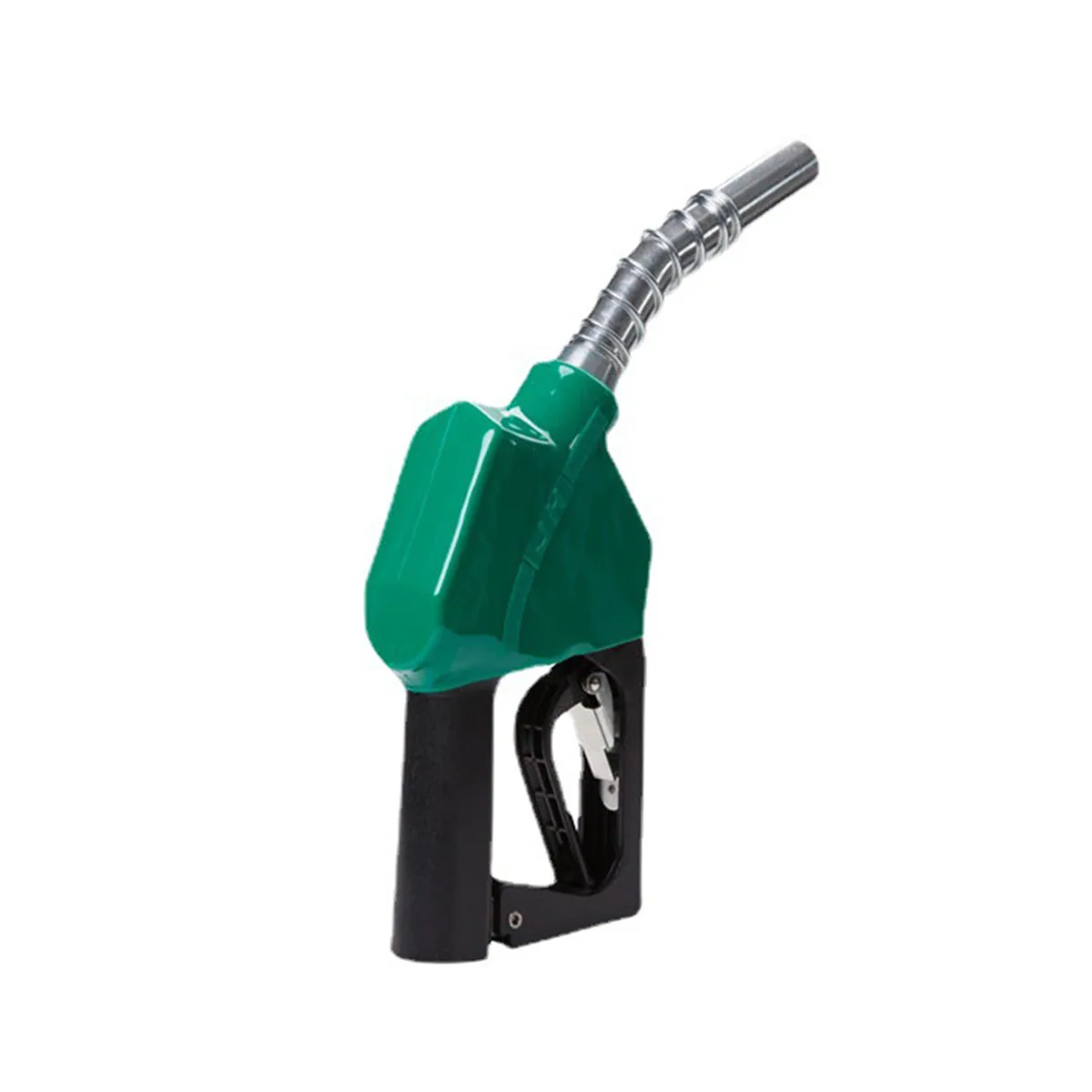
Shut-Off Fuel Nozzle | Heavy-Duty Flow Handle | Gas Station Dispenser
4.5(8)
£158.99
Explore the range
Popular in Transfer Pumps
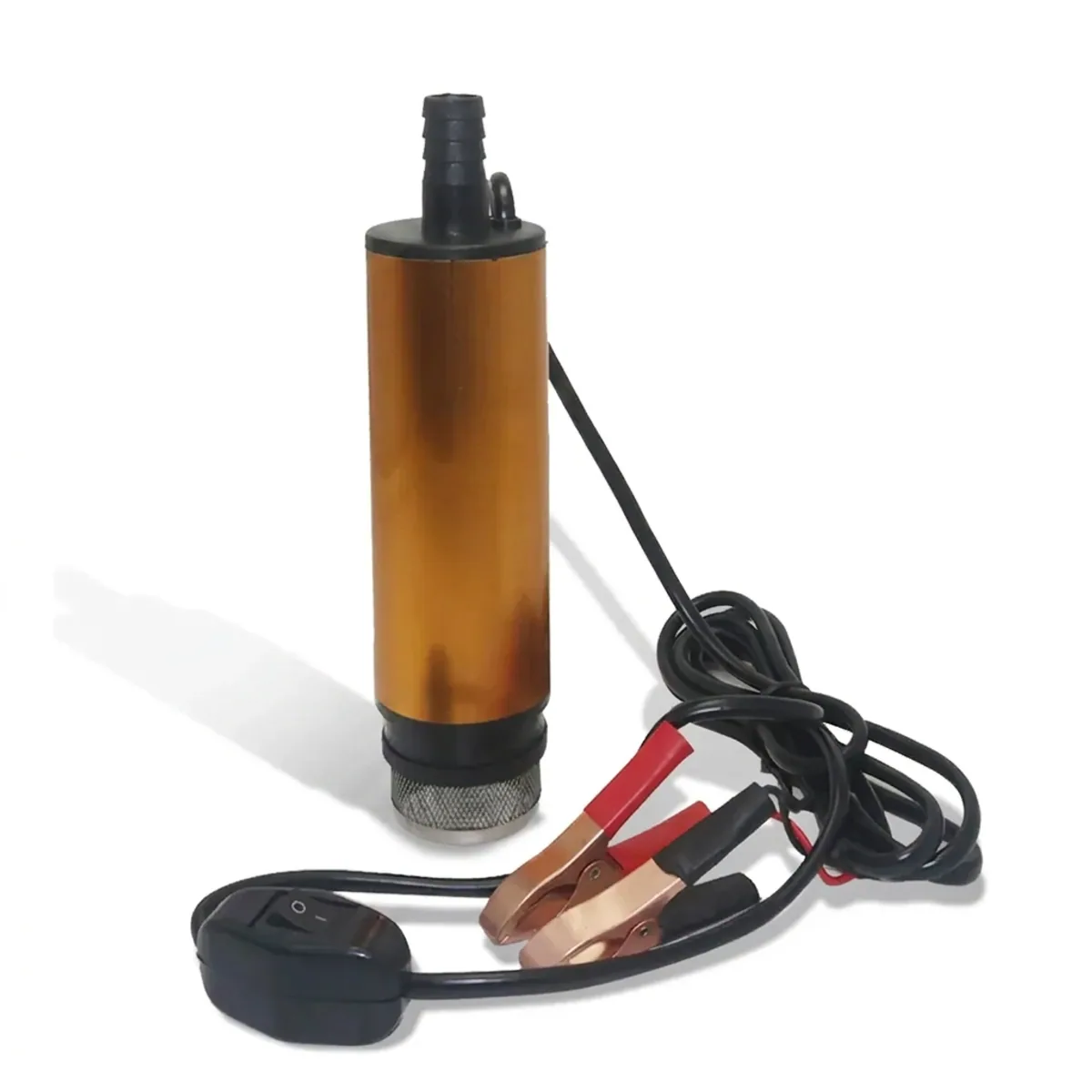
Pump Kit with Refueling Gun | 4m Hose Stainless Steel | 12V 24V 51mm
5.0(14)
£75.99
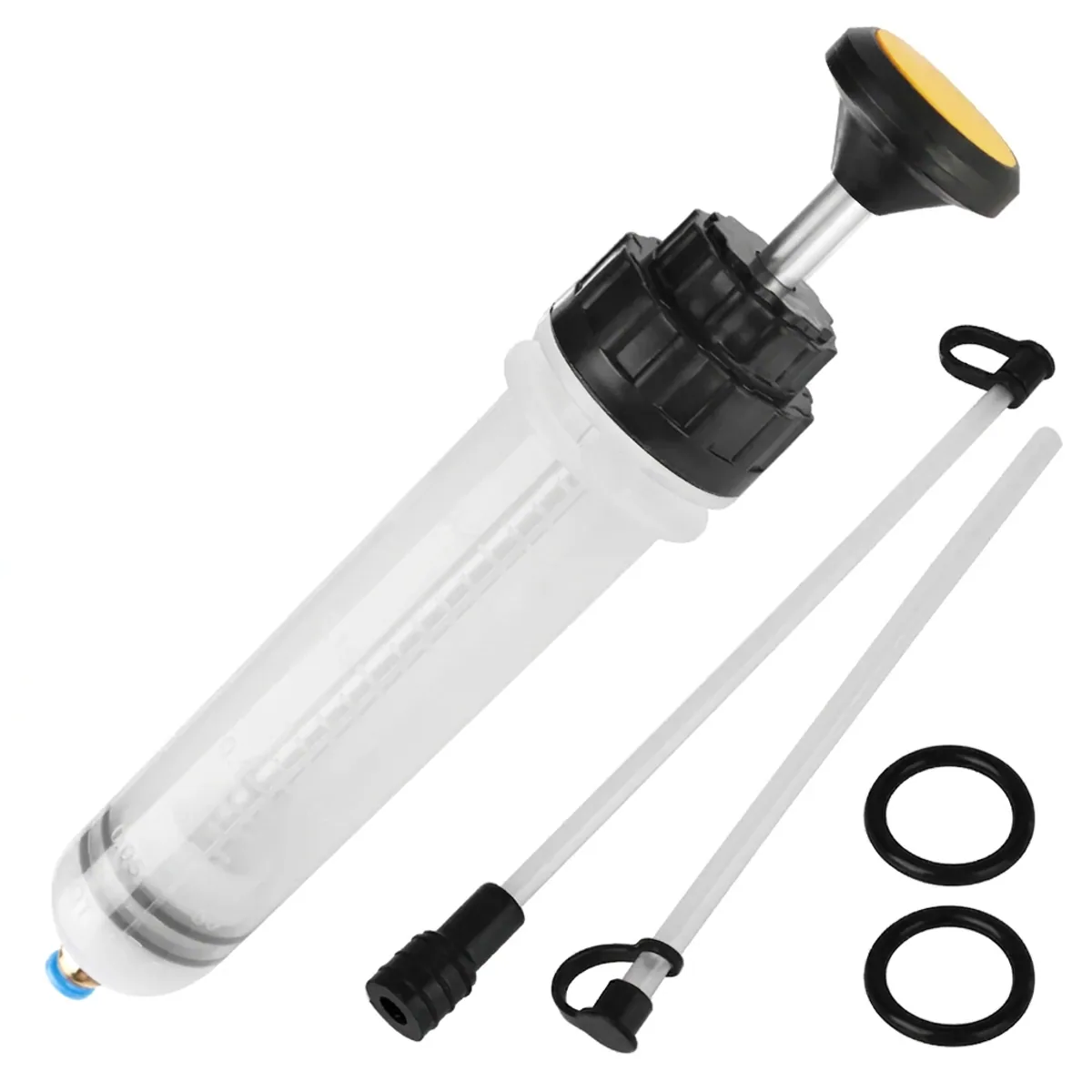
Fuel Pump Extractor | 200cc Fluid Syringe Tool | Car Fluid Extraction
5.0(15)
£52.99
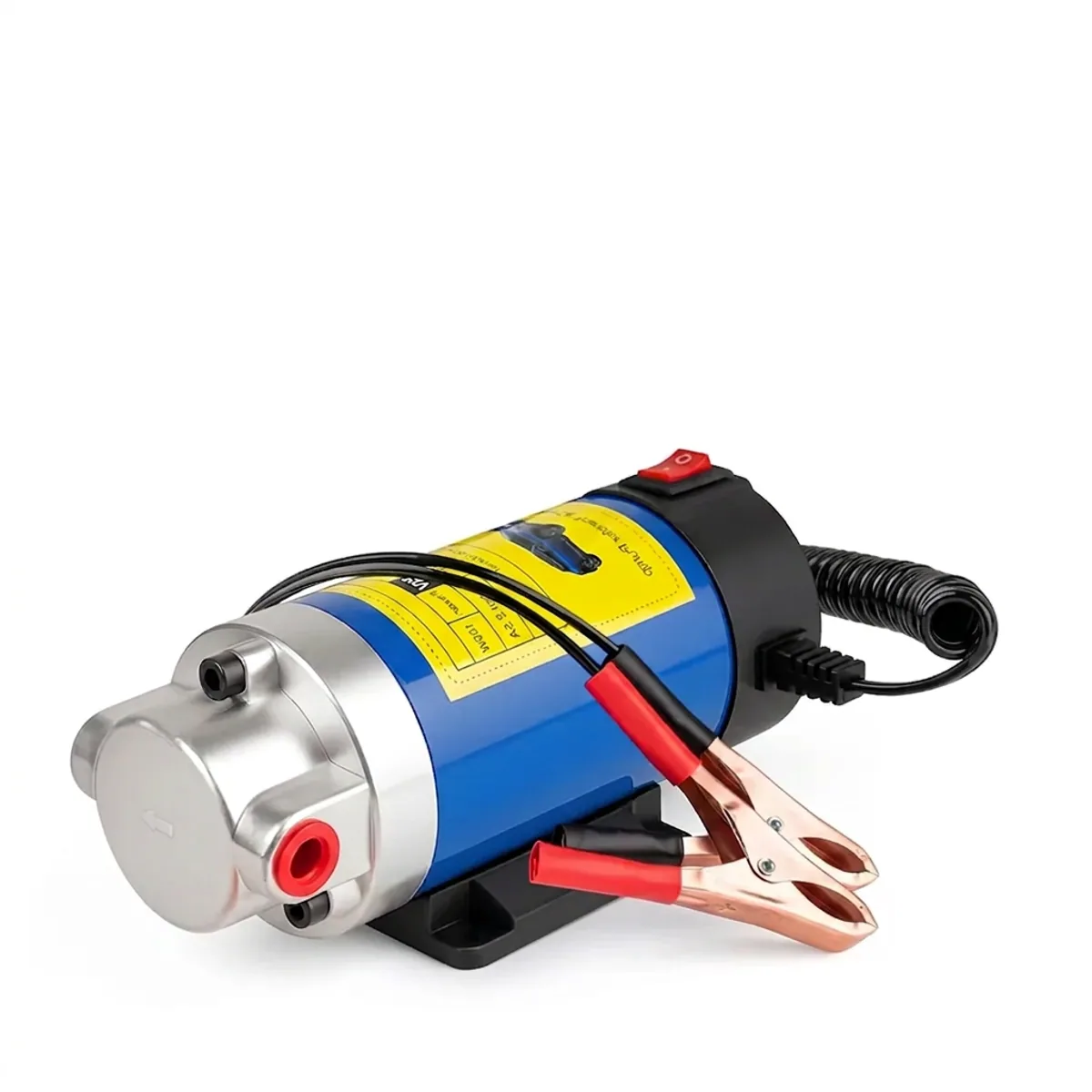
Transfer Pump 12V 1-4L/min | Quick Fluid Extractor | Boat Motorcycle
4.9(183)
£189.99
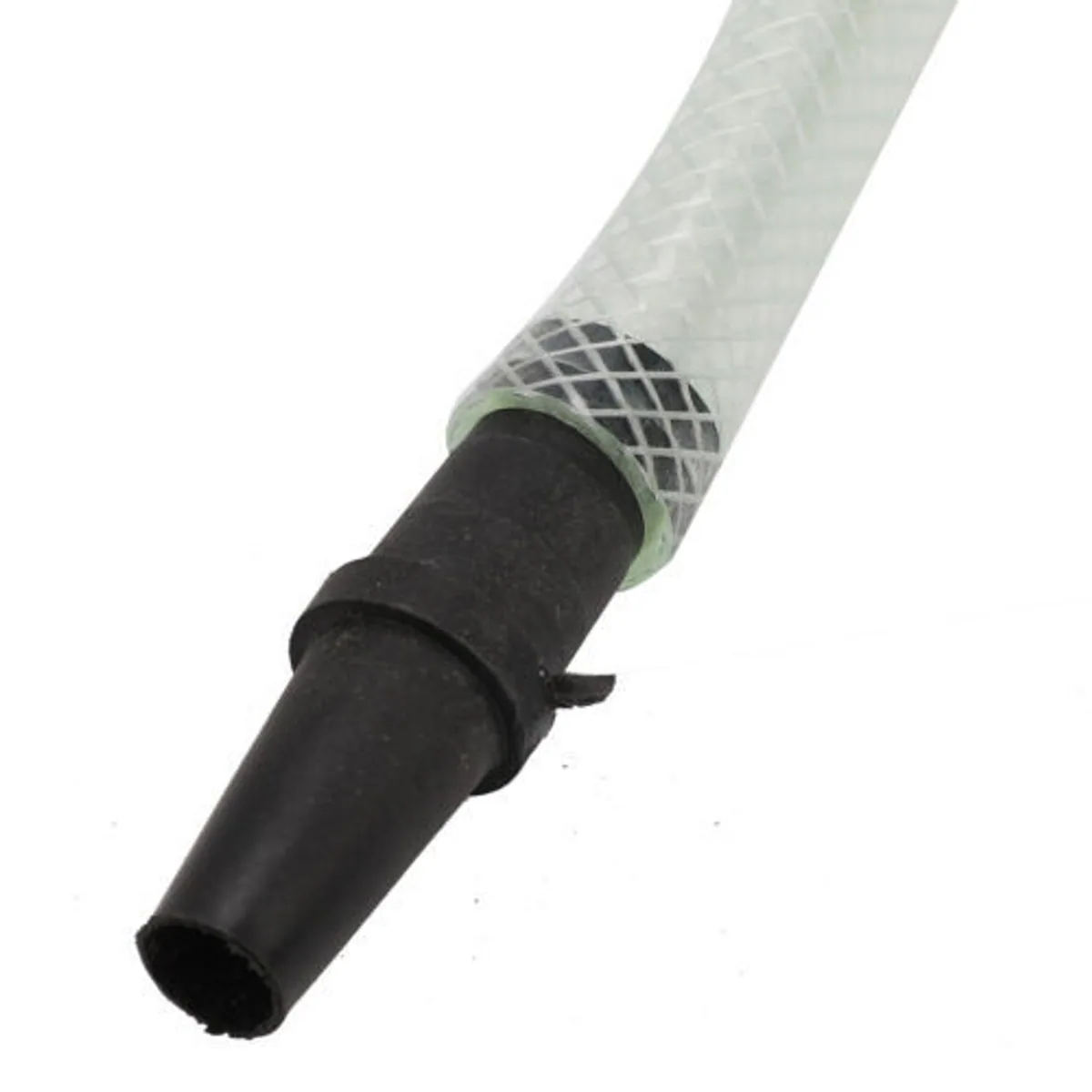
Pump Rotary Aluminum | Heavy-Duty Hand Crank | Oil & Fuel Fluid Extractor
4.9(134)
£72.99
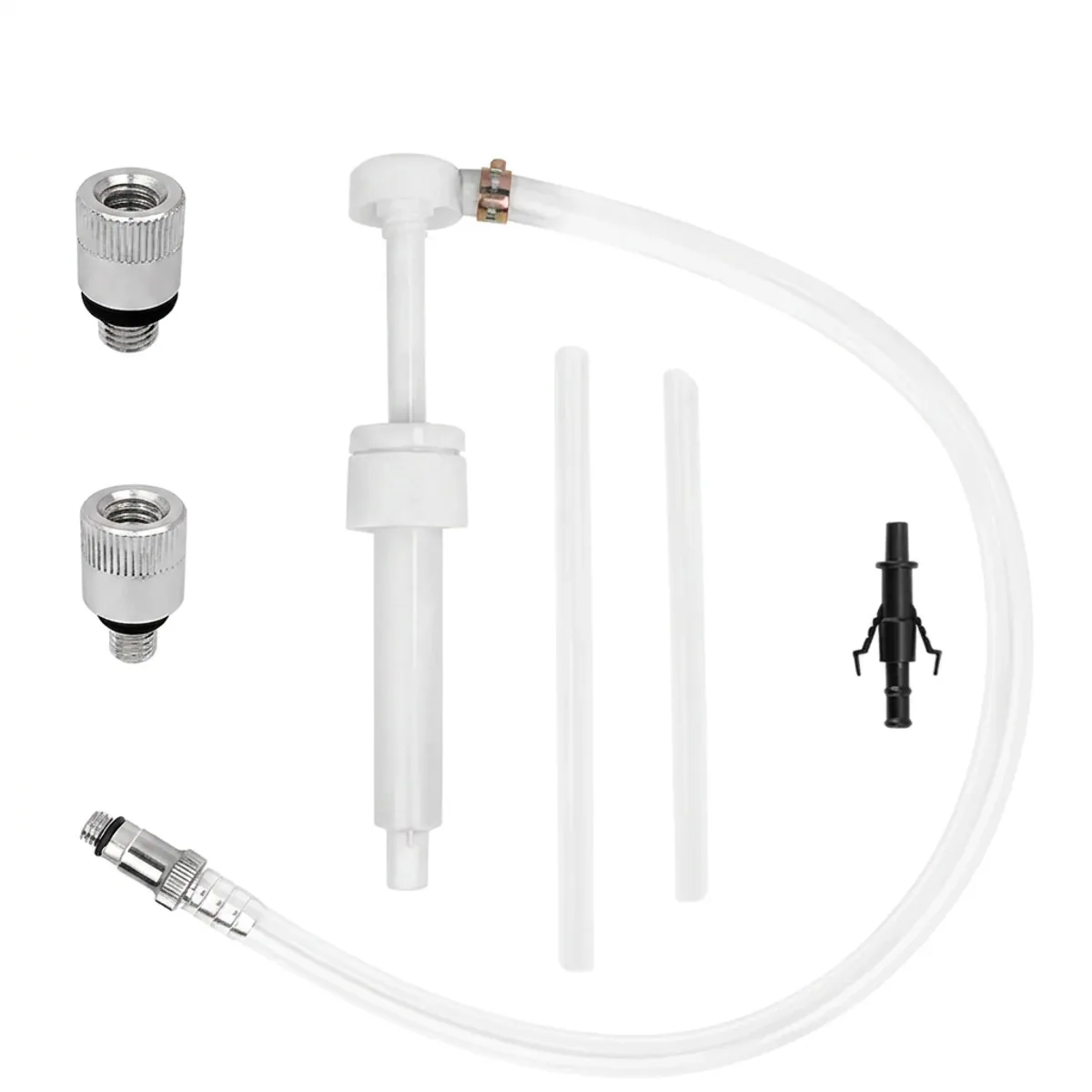
Hand Oil Pump | Lower Unit Gear Lube Adapter | Outboard Motor Fluid Kit
5.0(12)
£36.99
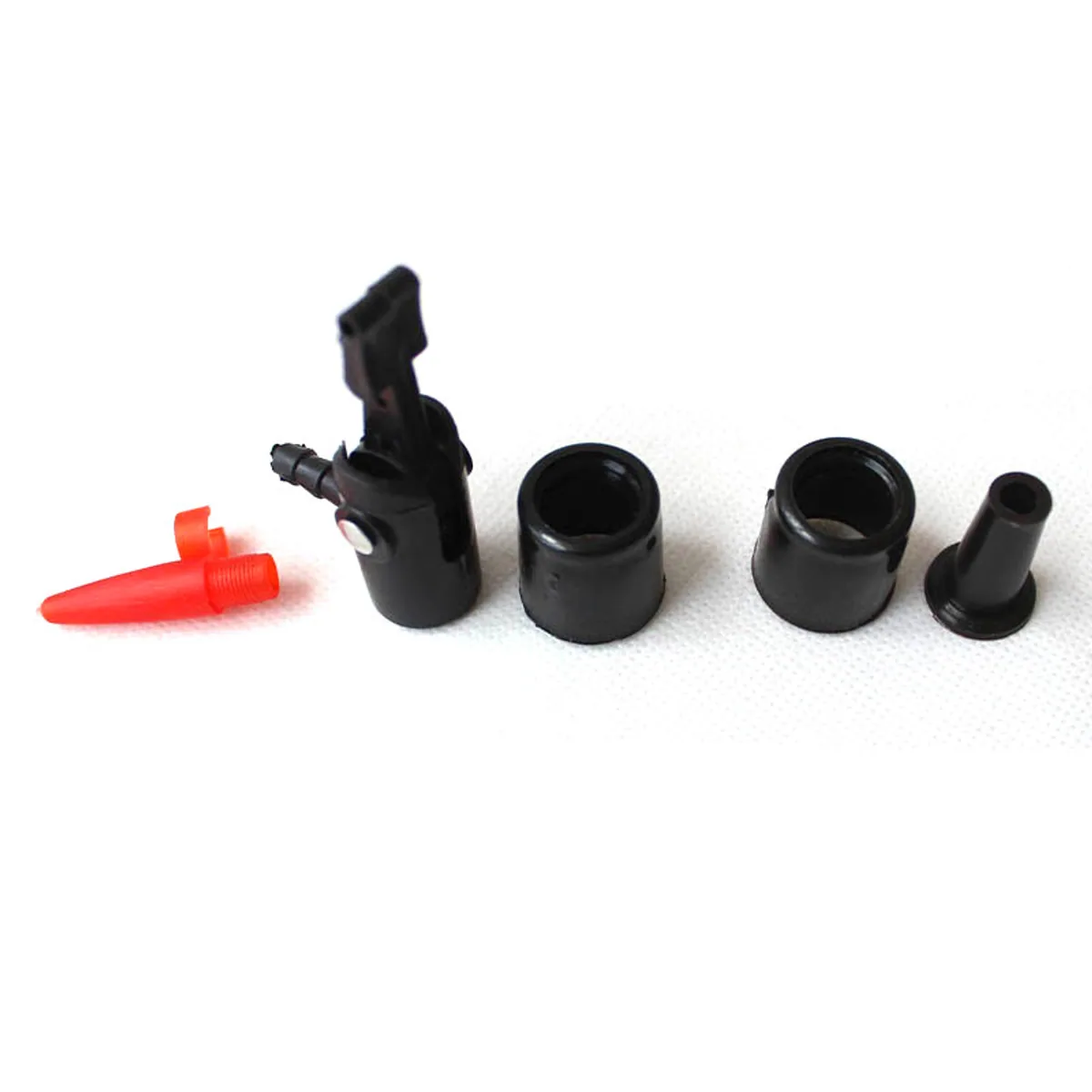
Hand Fuel Pump | Manual Sucker Tube Hose | Emergency Gas Liquid Transfer
4.9(263)
£54.99
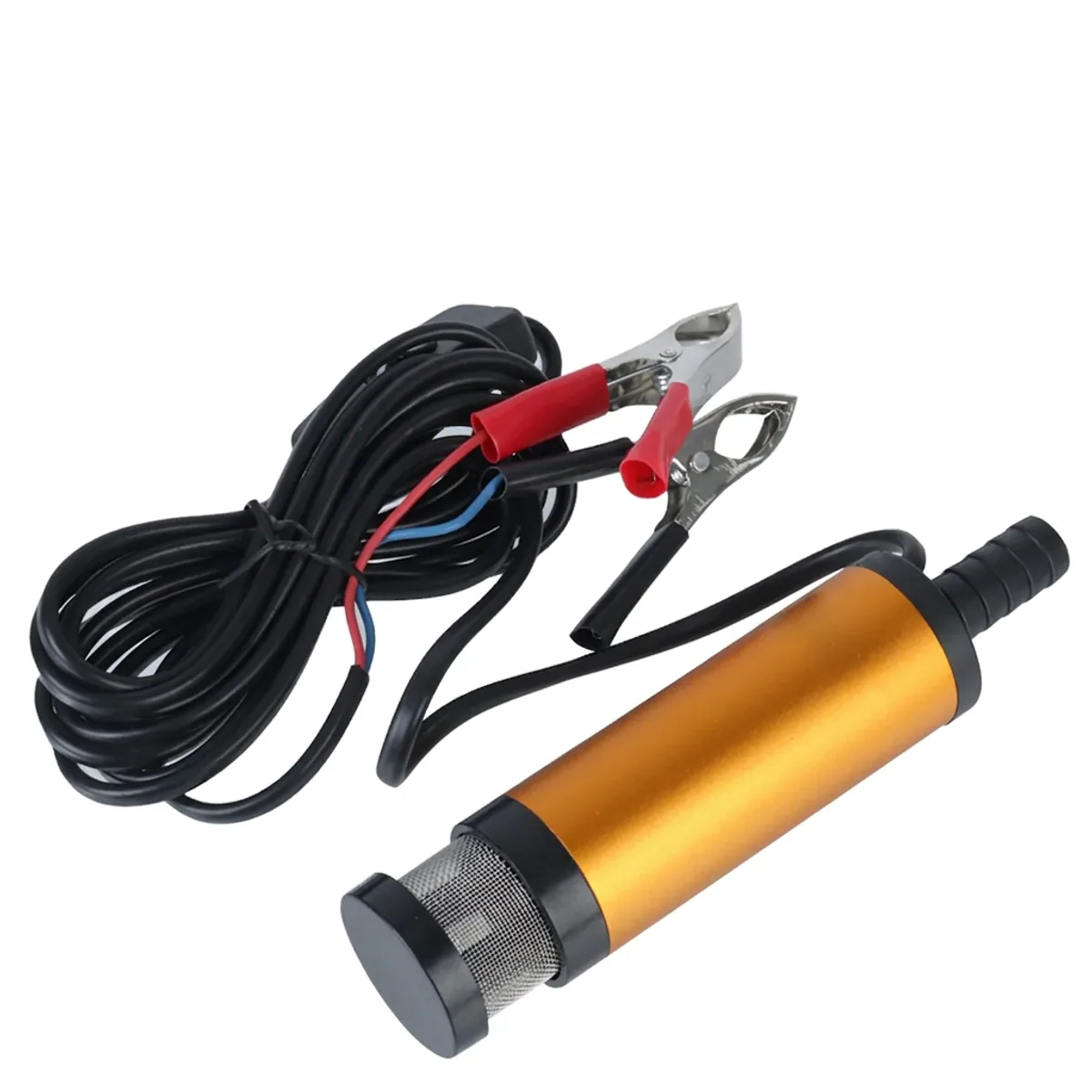
Transfer Pump 12L/min | In-Line Power Switch | 12V Marine Truck Diesel Water
4.9(148)
£56.99
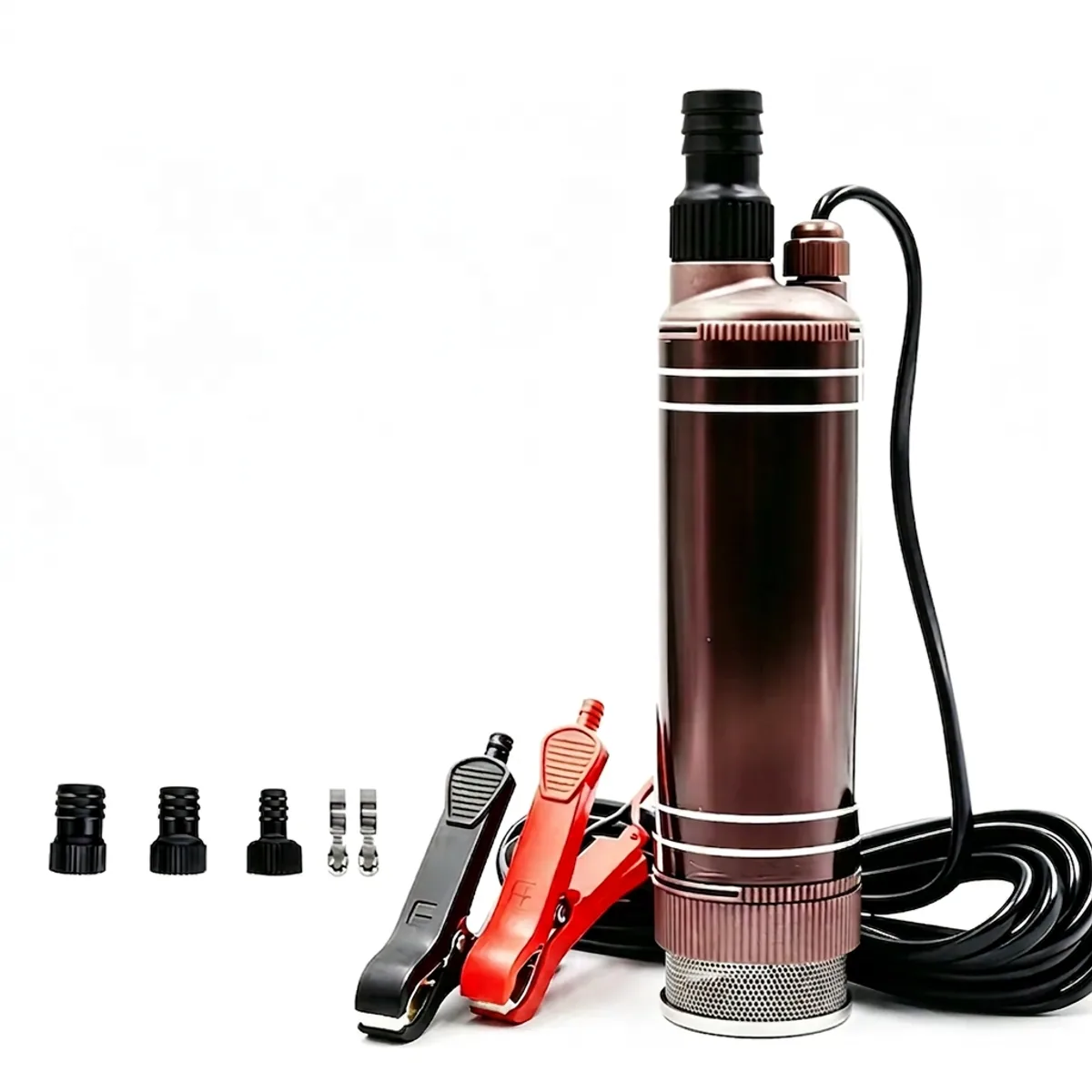
Fuel Transfer Pump | 45L/Min Submersible Unit | 12V 24V 150W DC
4.9(236)
£117.99
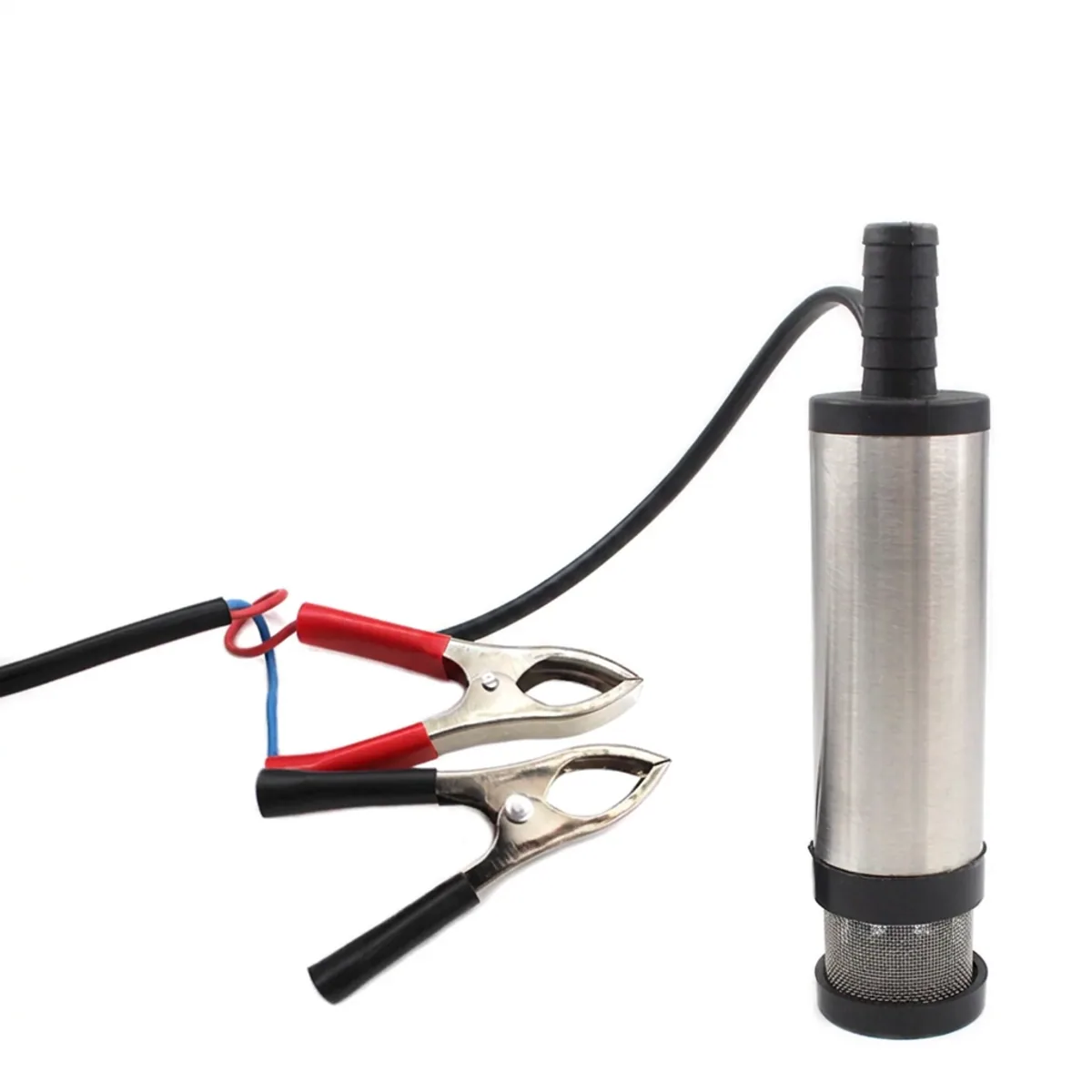
Transfer Pump Submersible | 12V 24V Stainless Steel | 30L/min Flow
4.9(157)
£60.99
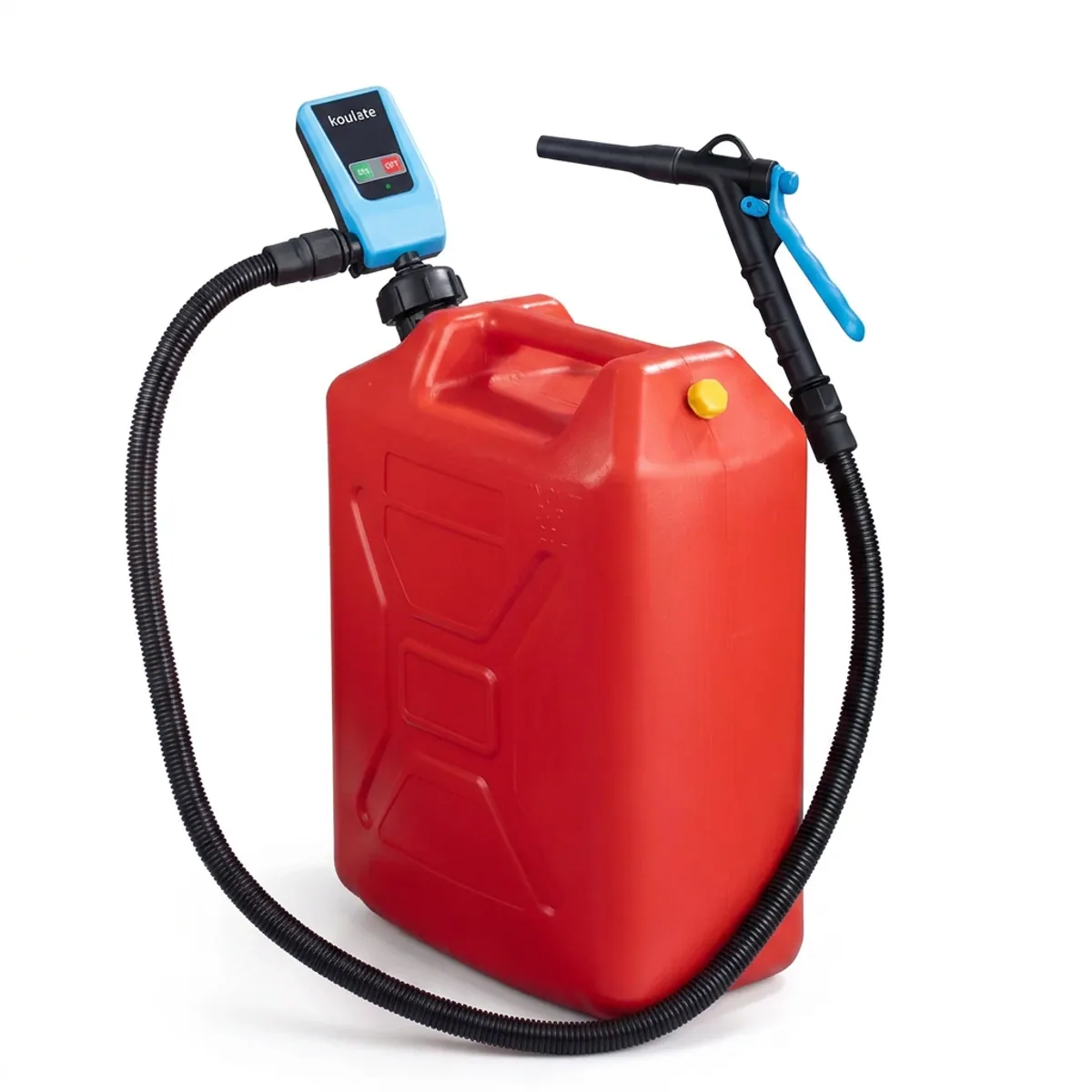
Pump Kit Portable 12V | Battery Gas Transfer | 3.2 GPM with 51 Hose
4.9(42)
£208.99
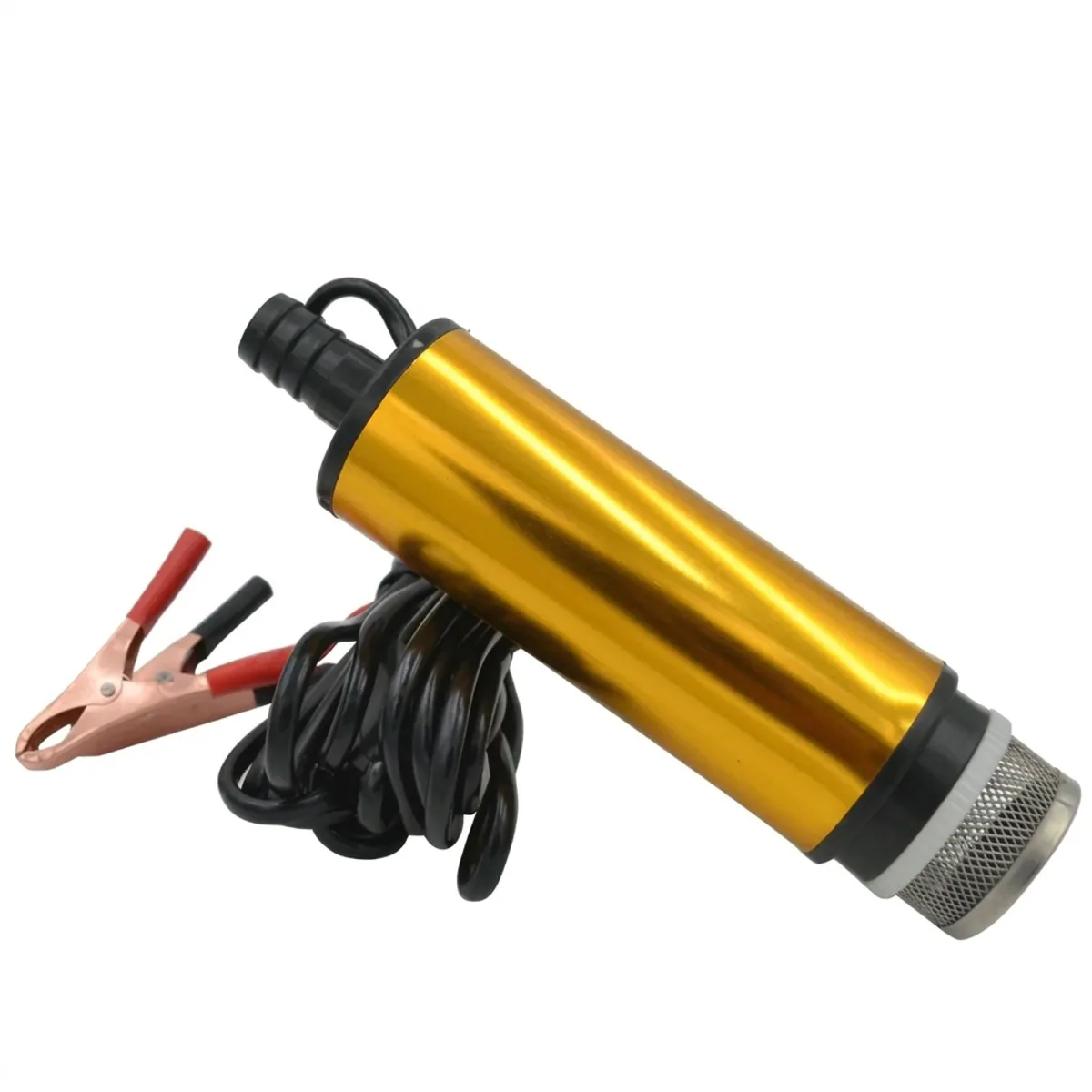
Transfer Pump Submersible | 12V 24V Heavy-Duty | RV Car & Camping Kit
4.9(29)
£72.99
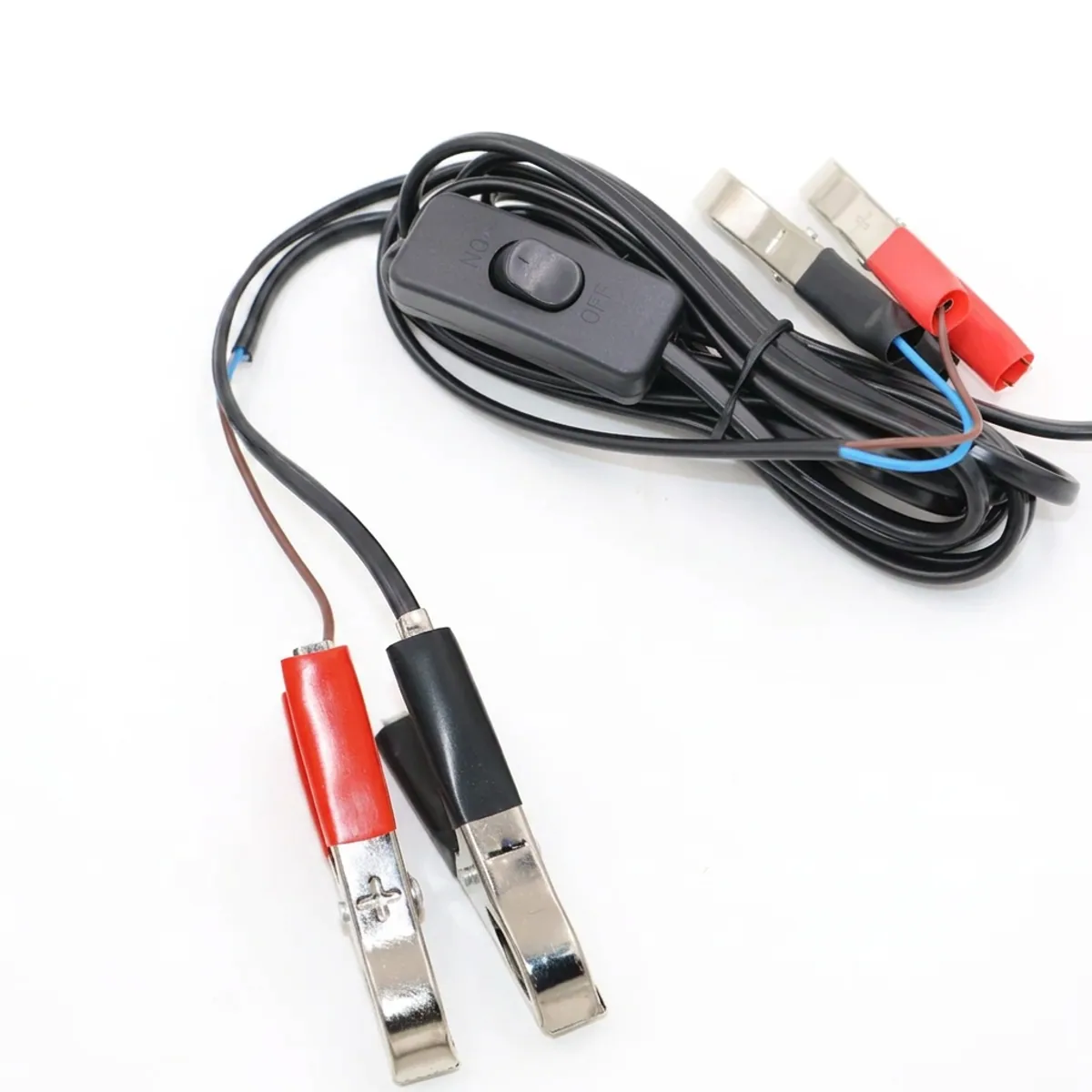
Transfer Pump Submersible | 12V 24V DC 12L/min | Aluminum Alloy Fuel Extractor
4.9(642)
£60.99