
Diesel Flow Meter | DN25 Oval Gear Electronic Gauge | Fuel Dispenser Counter
Stock Nr:
SKU:
£337.99inc VAT
This 1-inch inline meter measures liquid volume as fluid passes through its internal chamber. Two interlocking oval gears turn with the flow to track exact volume per rotation. The meter reads thin fu...
Select an option
- Secure checkout
- All major cards
- Tracked delivery
£337.99
Fast Shipping
Secure Payment
Easy Returns
Good to know
Questions about this product
- What power supplies can run this electronic flow meter?
- This unit is built to run on DC 12V, DC 24V, or standard AC 220V depending on your system setup. You must specify the required voltage to match your pump or control valve before installing it.
- Can this oval gear flow meter measure AdBlue, diesel, and petrol?
- Yes, the 1-inch DN25 meter works with diesel, petrol, and urea solutions like AdBlue. The internal oval gears handle fluids across different viscosities without losing metering accuracy.
- Do oval gear flow meters require straight pipe runs for installation?
- No, oval gear meters do not need long, straight pipe runs before or after the unit. They measure positive fluid displacement, so you can mount them right next to elbows, valves, or your transfer pump as long as the flow stays between 10 and 120 L/min.
Fuel Nozzles, Hoses & Meters spec sheet (PDF)
Get a one-page sheet with full description, specifications, technical details, FAQs, price & SKU - handy to save, print, or share.
Not sure which one?
Compare with similar products
The same kind of product, in stock, in a similar price range.
This product: £337.99 · 4.8
This product
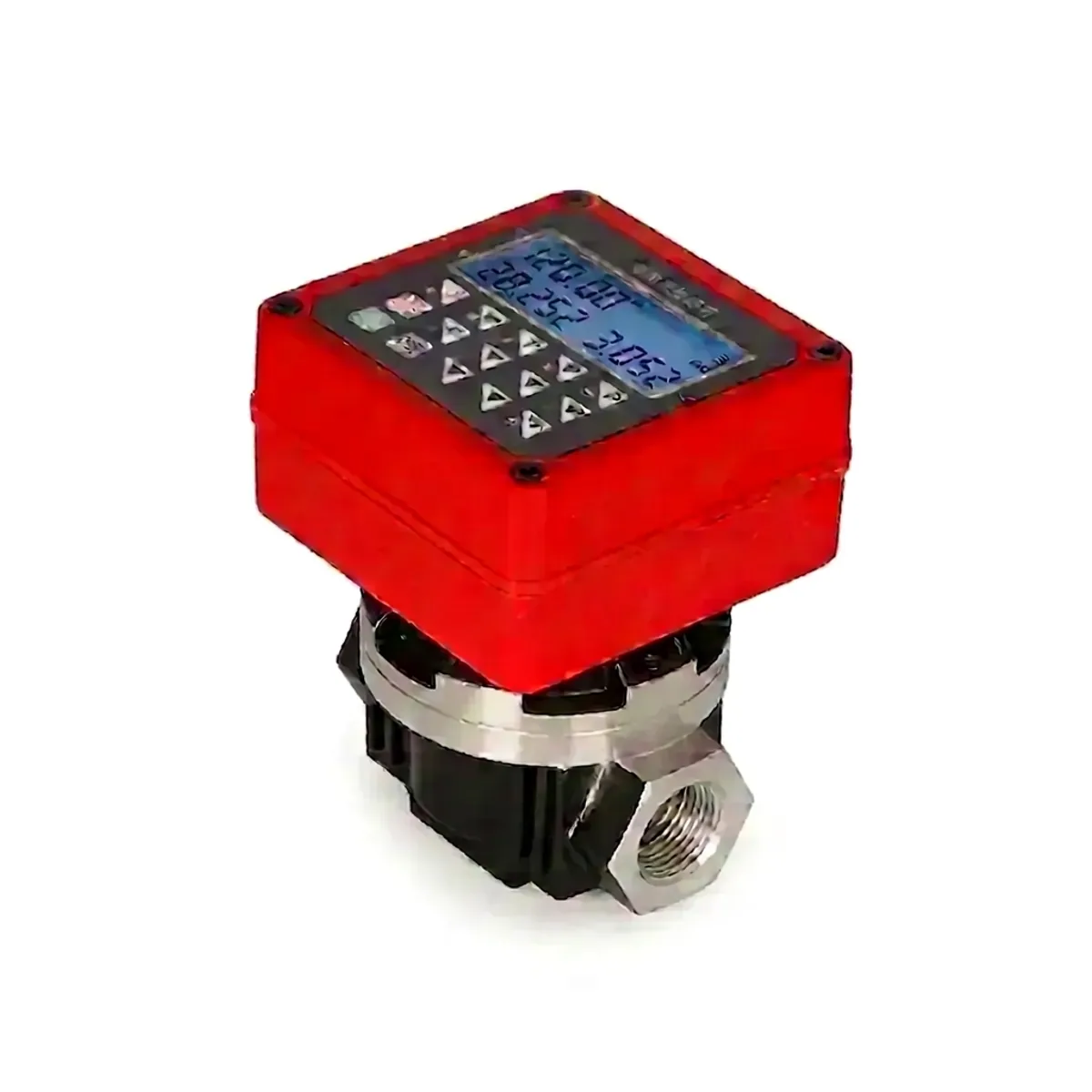
Diesel Flow Meter | DN25 Oval Gear Electronic Gauge | Fuel Dispenser Counter
- Price
- £337.99
- Rating
- 4.8(4)
- Sold
- 39+
- Stock
- In stock
You're viewing this
Alternative
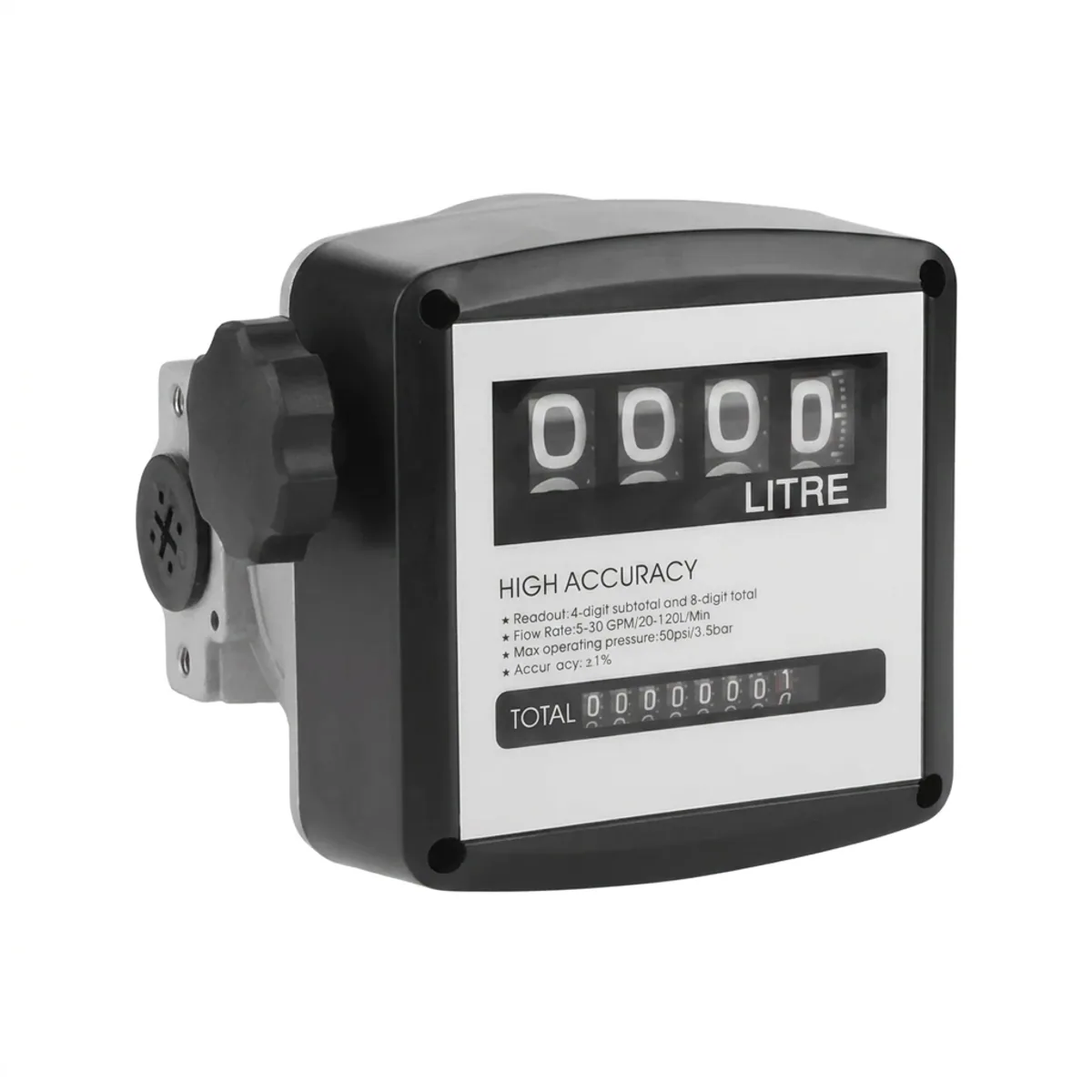
Diesel Flow Meter | 1-Inch Mechanical Counter | High Accuracy 1% Gauge
- Price
- £189.99
- Rating
- 5.0(9)
- Sold
- 86+
- Stock
- In stock
Compare options
More Fuel Nozzles, Hoses & Meters
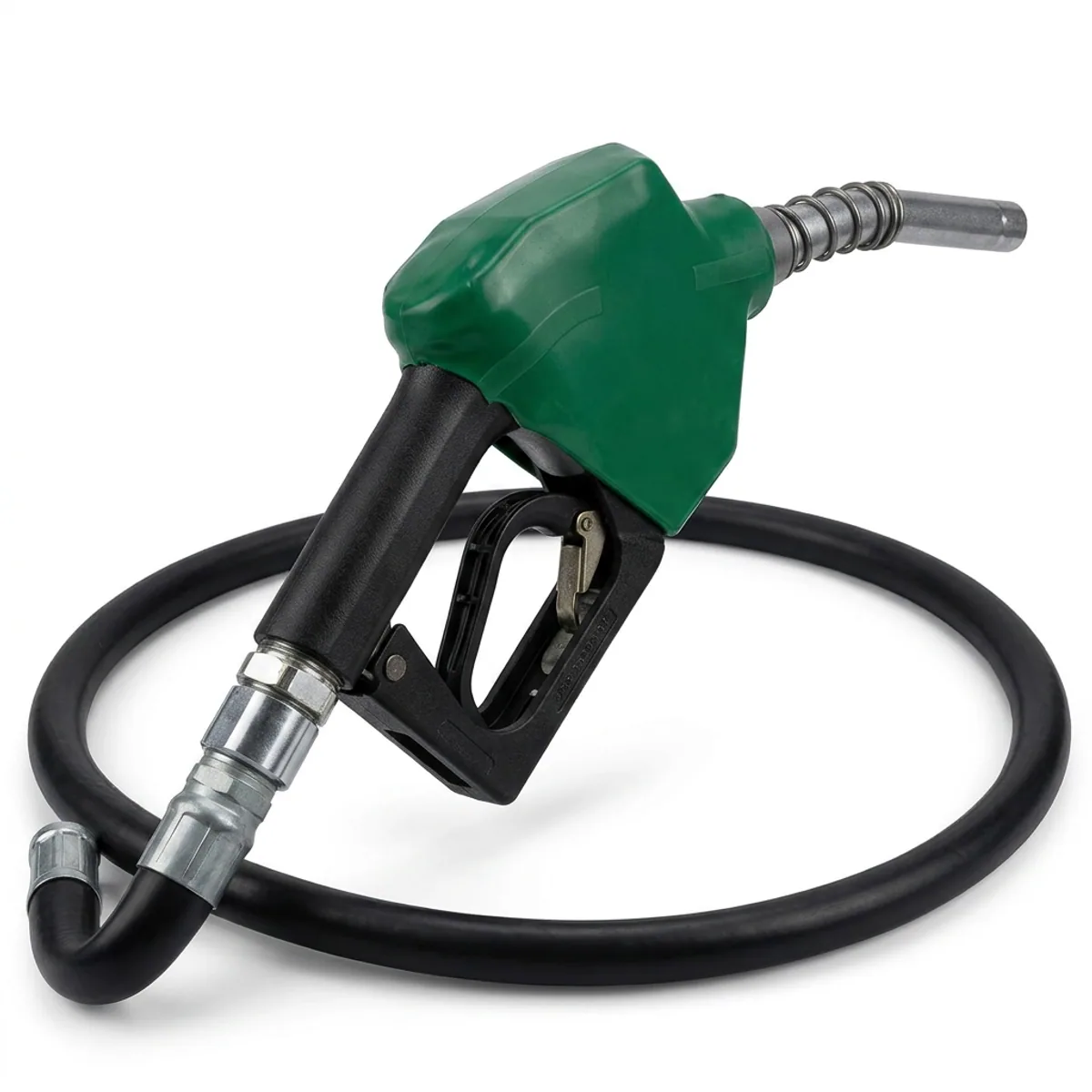
Nozzle Auto Shut Off | Aluminum Alloy Body | Heavy-Duty Diesel Dispenser
5.0(3)
£160.99
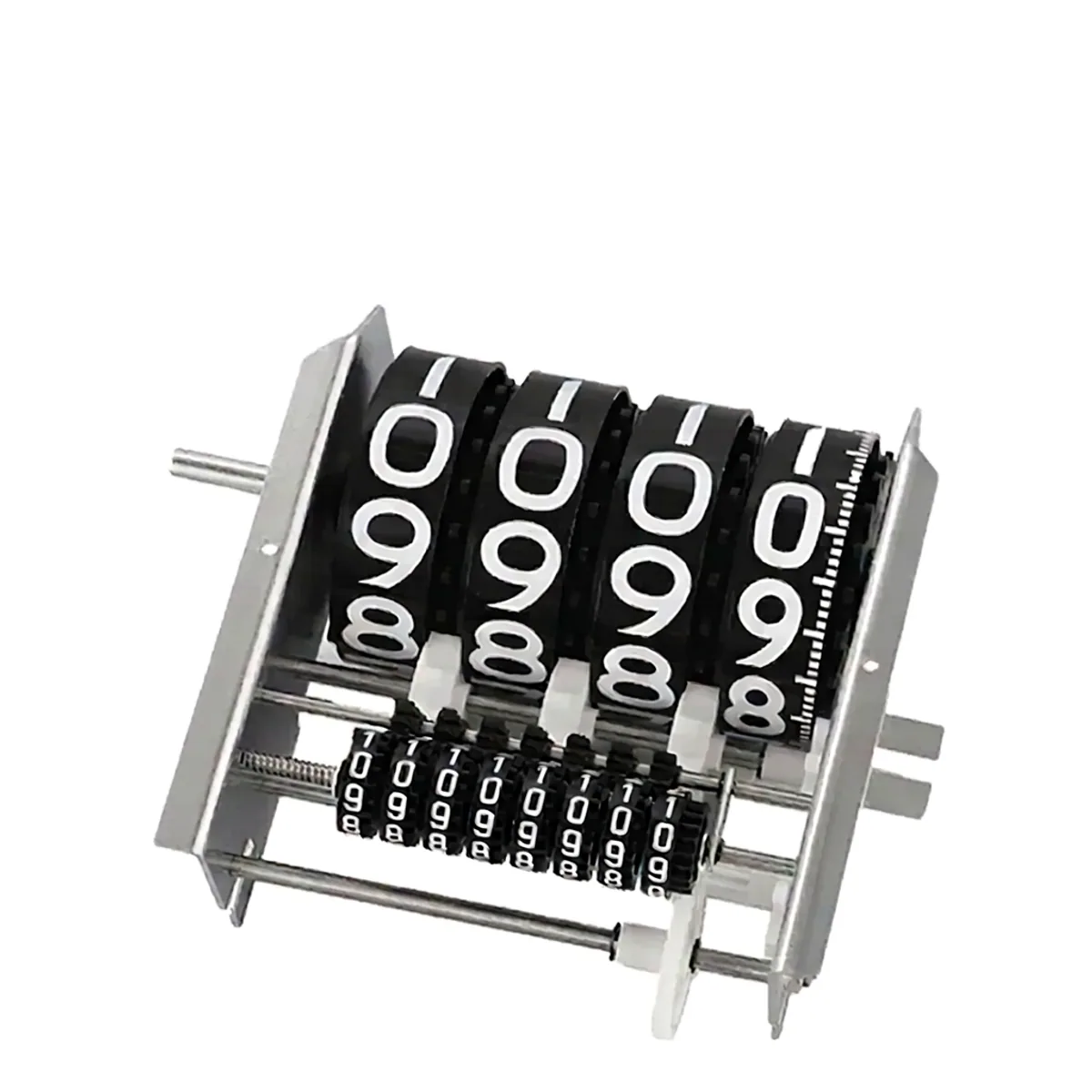
Flow Meter | 4-Digit Mechanical Counter | 20-120L/Min FM-120 Fuel Sensor
5.0(5)
£180.99
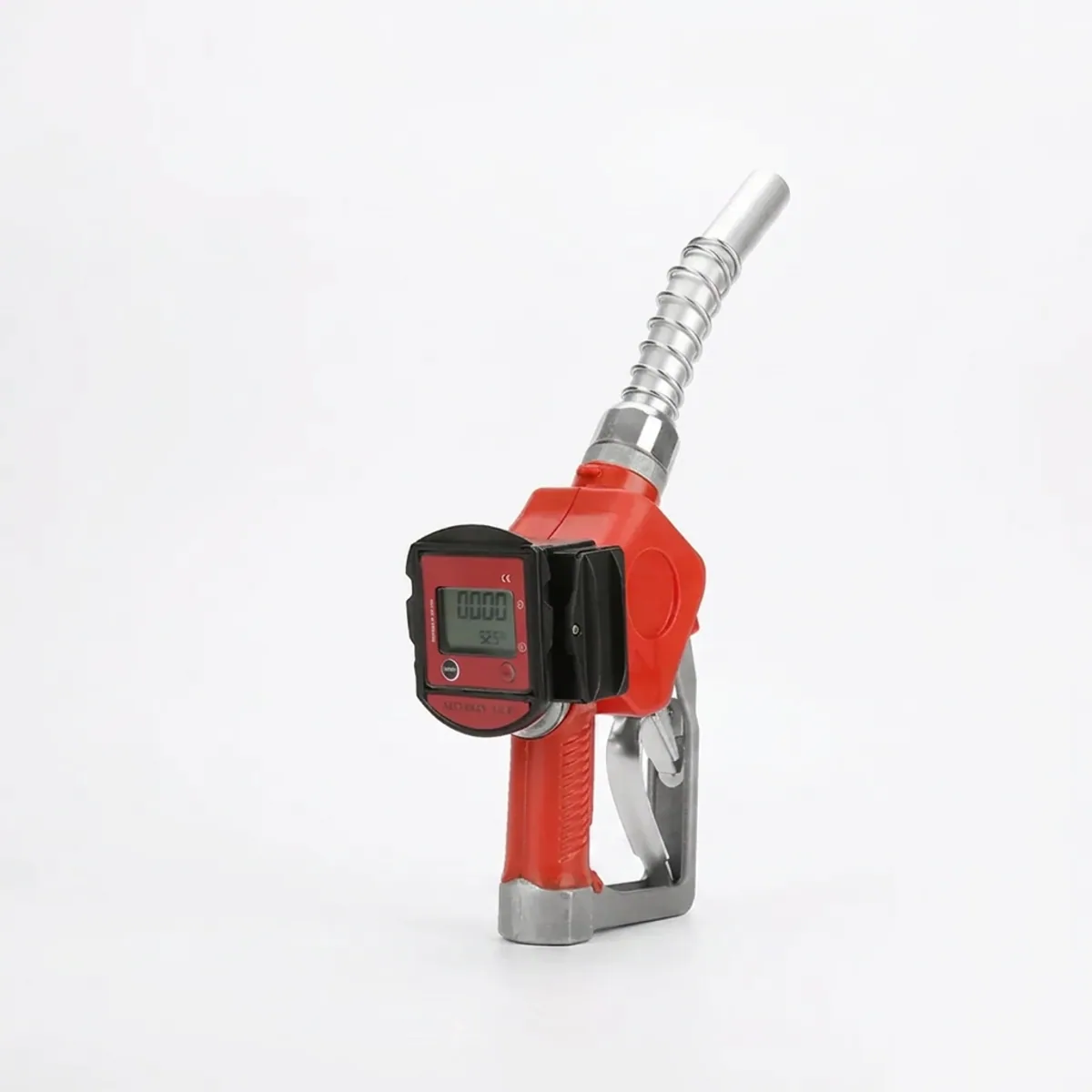
Fuel Nozzle | 1-Inch BSP Flow Meter | Automatic Shut-Off for Gas Diesel
4.9(9)
£256.99
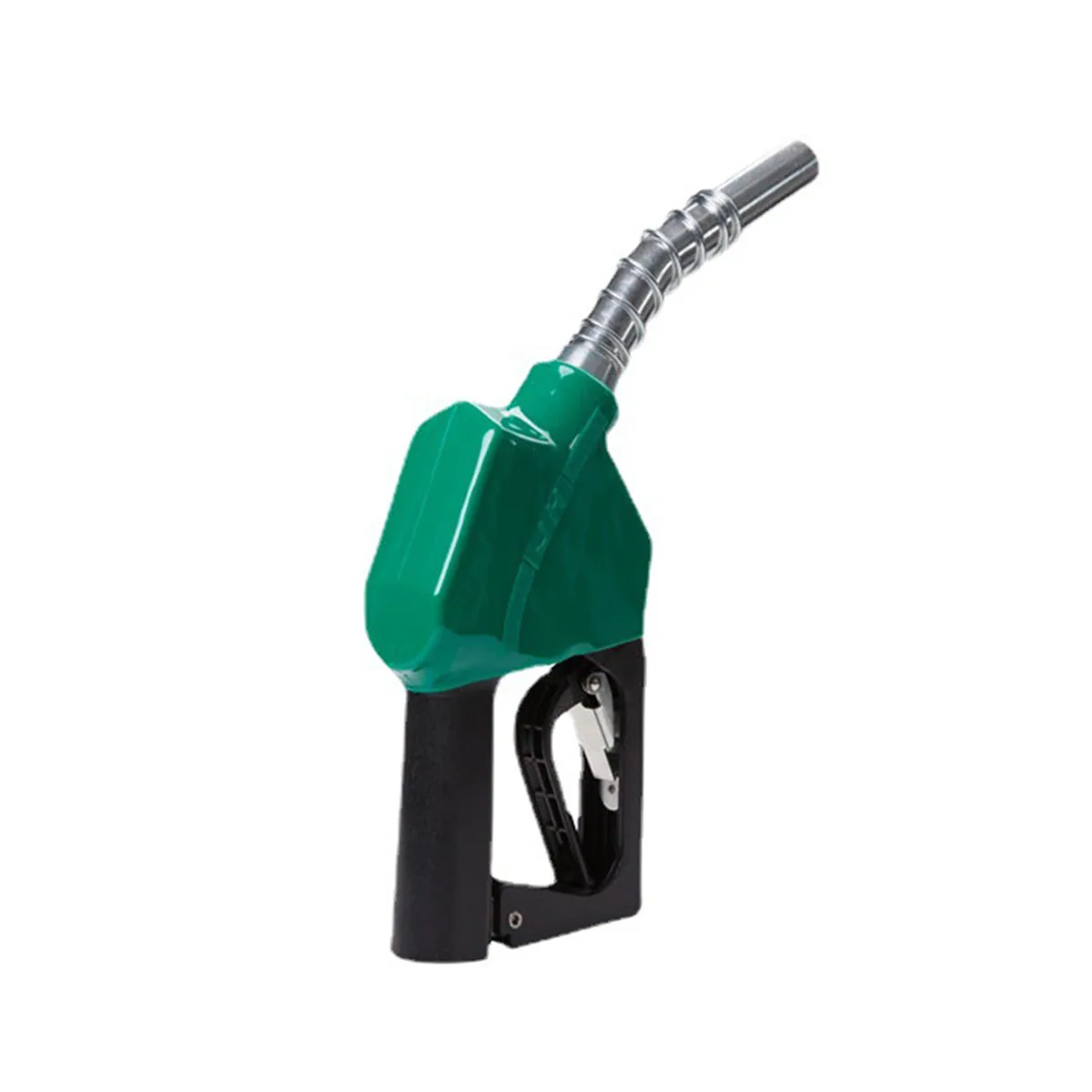
Shut-Off Fuel Nozzle | Heavy-Duty Flow Handle | Gas Station Dispenser
4.5(8)
£158.99
Explore the range
Popular in Transfer Pumps
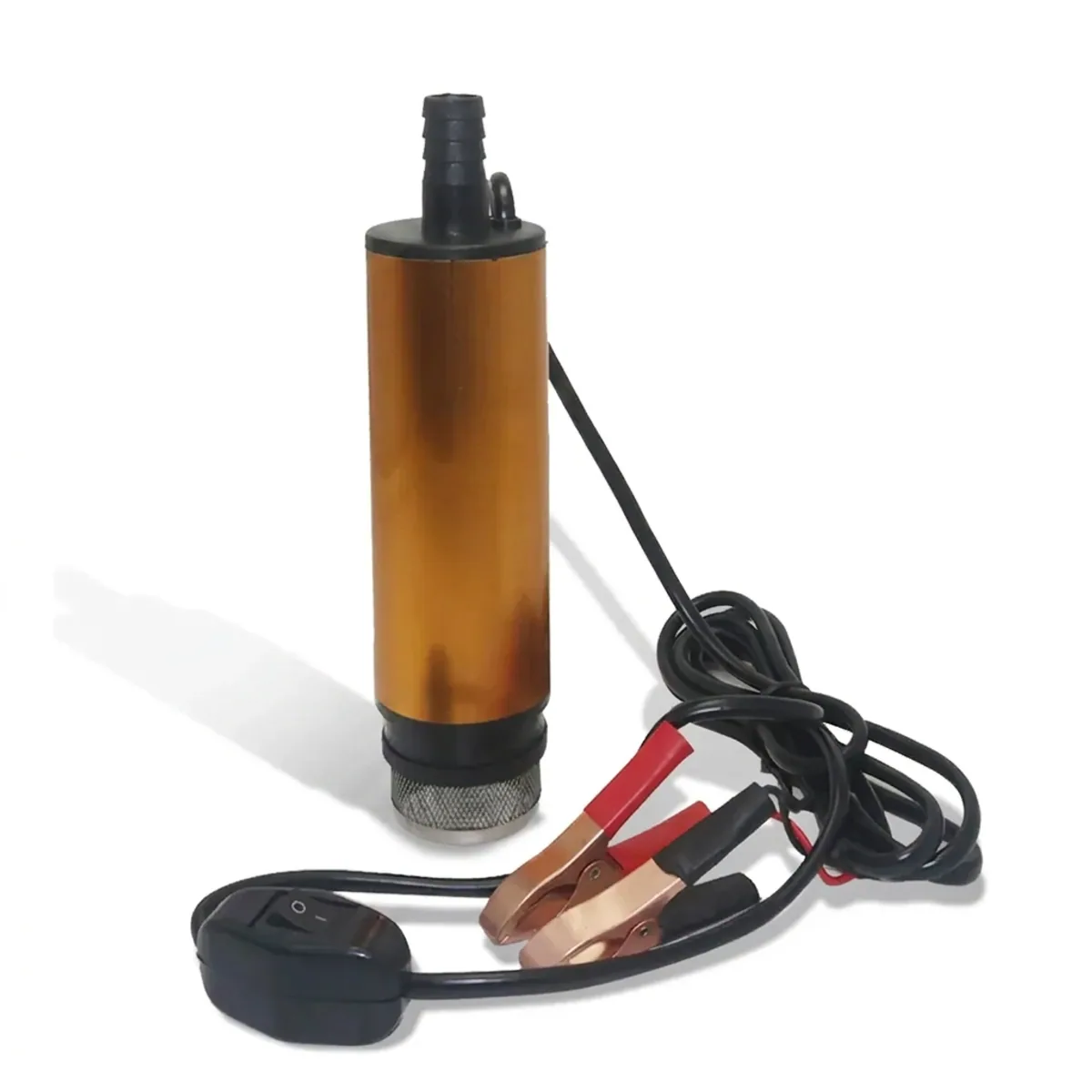
Pump Kit with Refueling Gun | 4m Hose Stainless Steel | 12V 24V 51mm
5.0(14)
£75.99
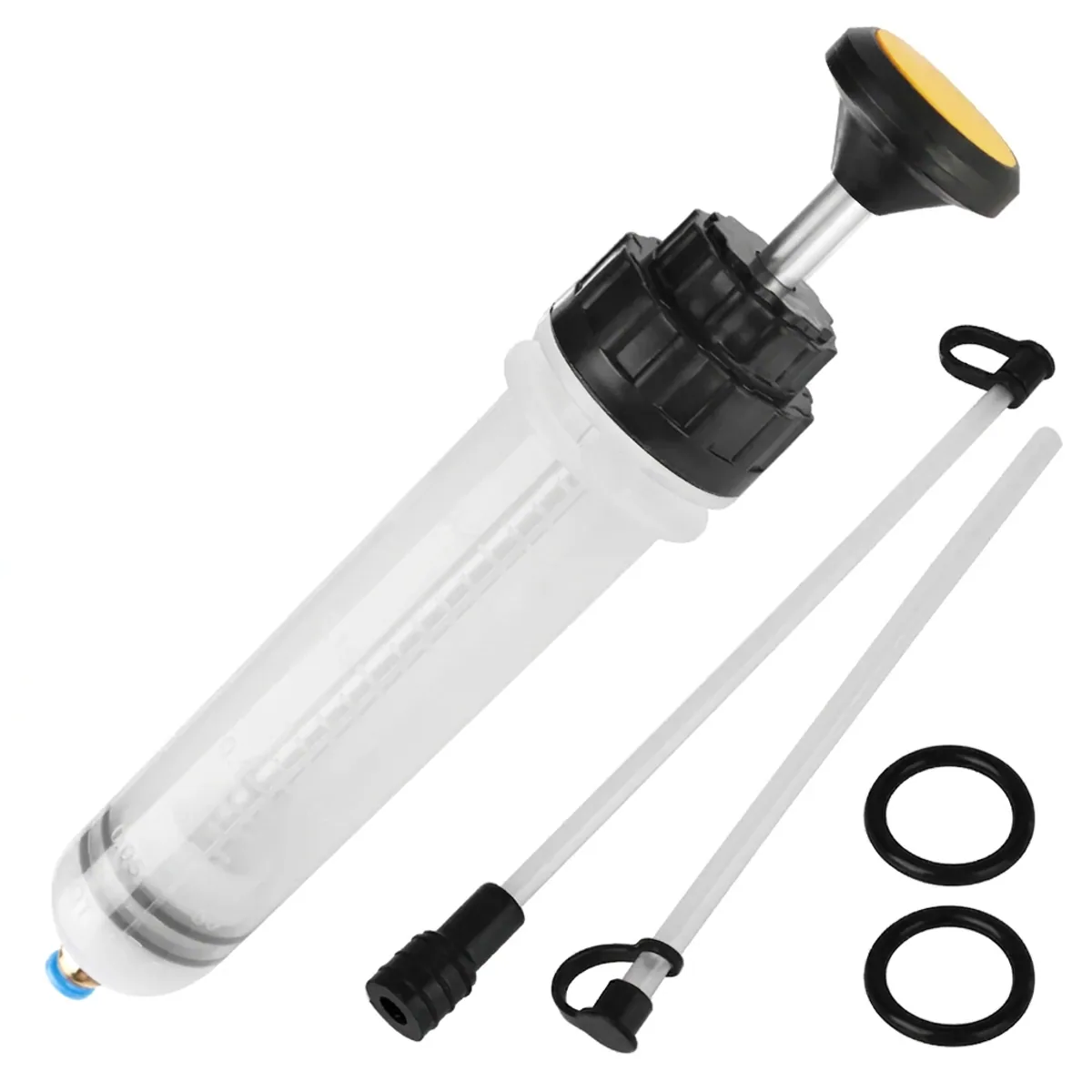
Fuel Pump Extractor | 200cc Fluid Syringe Tool | Car Fluid Extraction
5.0(15)
£52.99
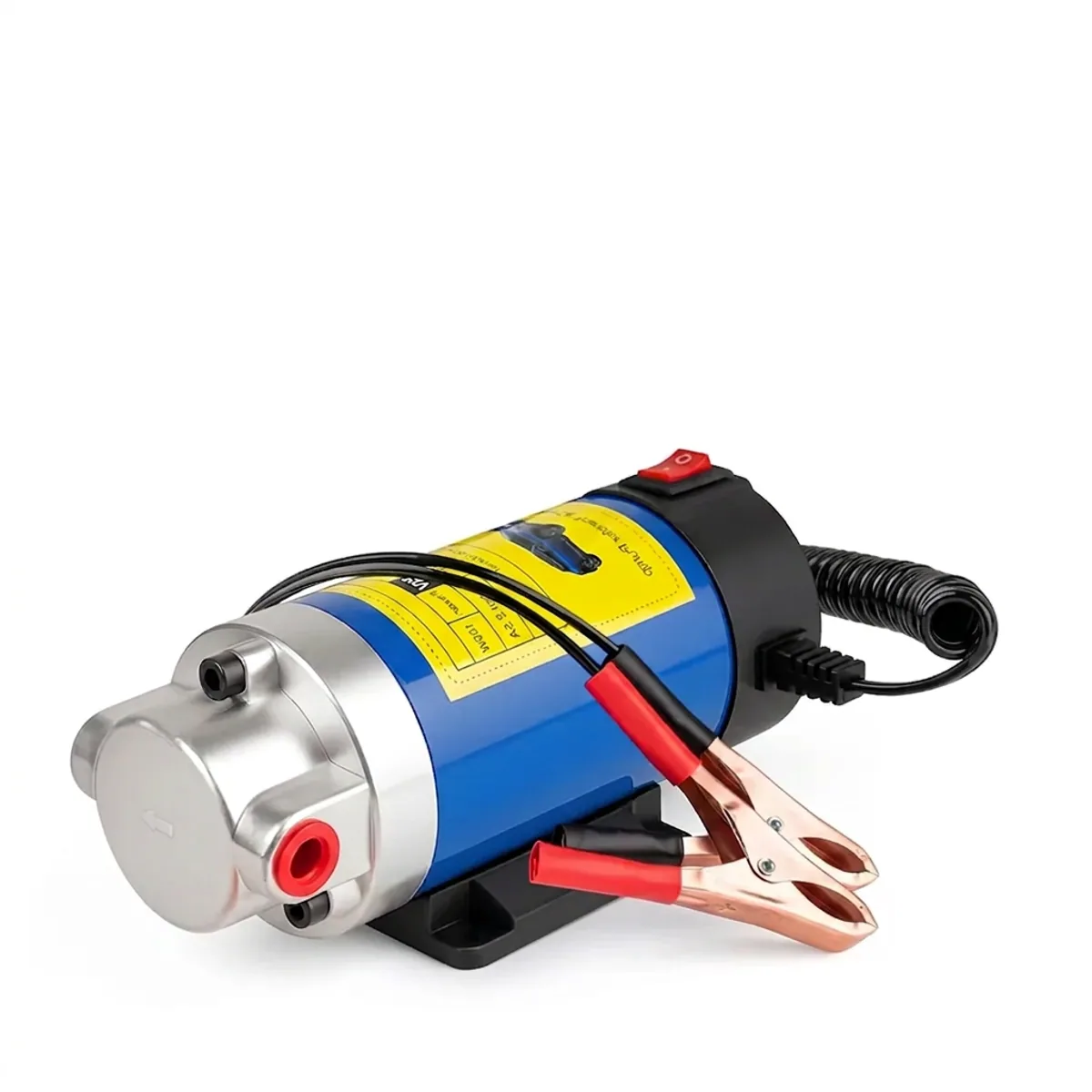
Transfer Pump 12V 1-4L/min | Quick Fluid Extractor | Boat Motorcycle
4.9(183)
£189.99
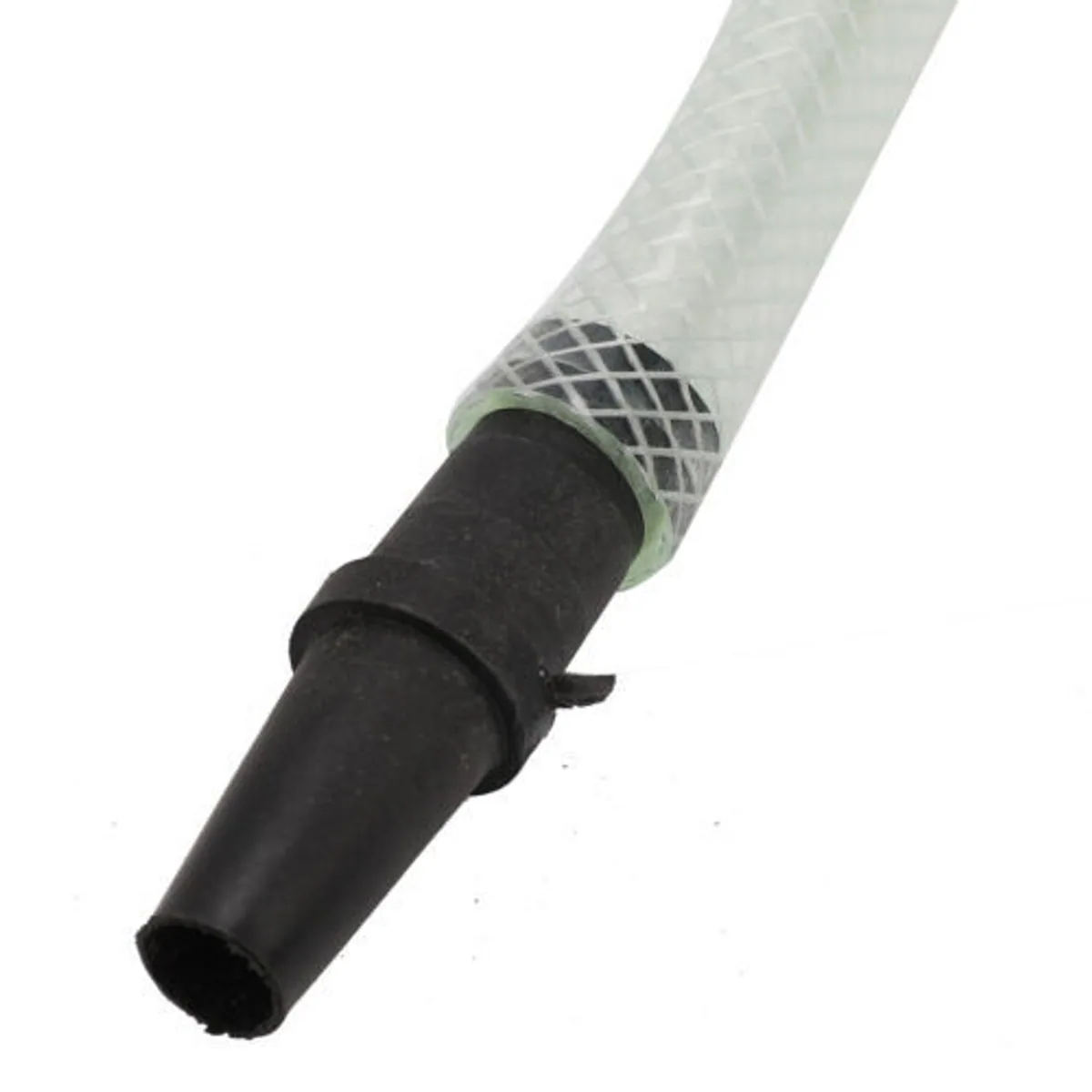
Pump Rotary Aluminum | Heavy-Duty Hand Crank | Oil & Fuel Fluid Extractor
4.9(134)
£72.99
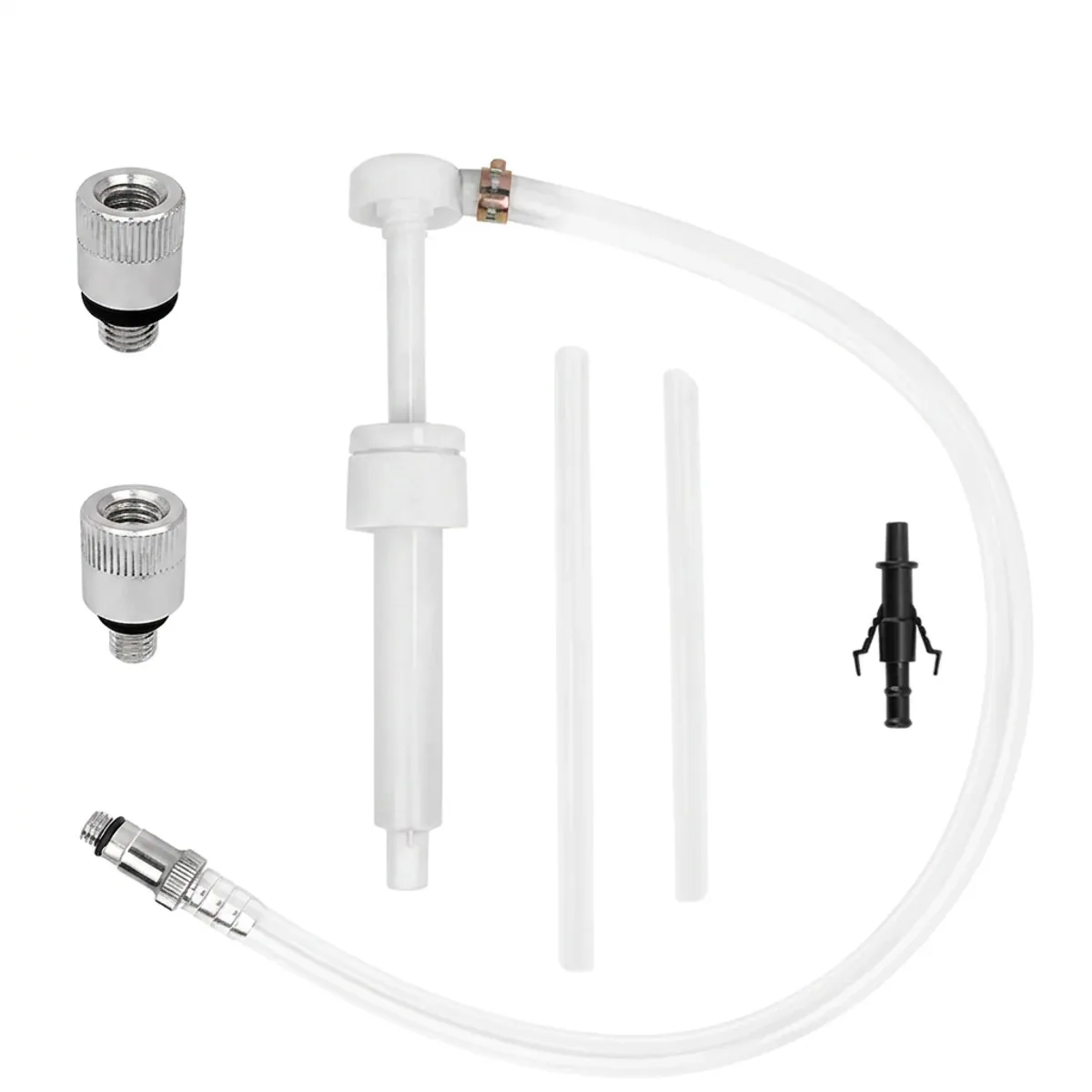
Hand Oil Pump | Lower Unit Gear Lube Adapter | Outboard Motor Fluid Kit
5.0(12)
£36.99
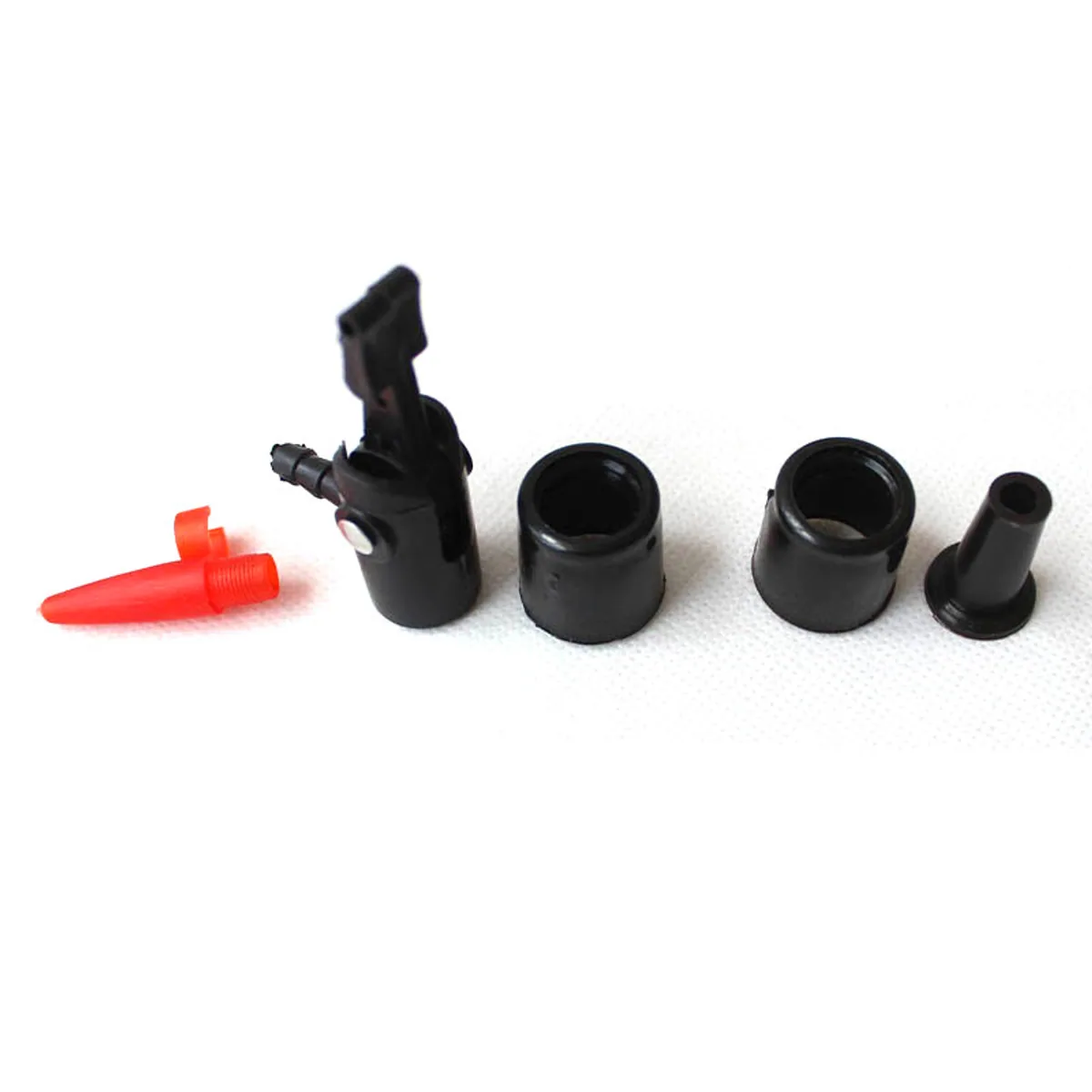
Hand Fuel Pump | Manual Sucker Tube Hose | Emergency Gas Liquid Transfer
4.9(263)
£54.99
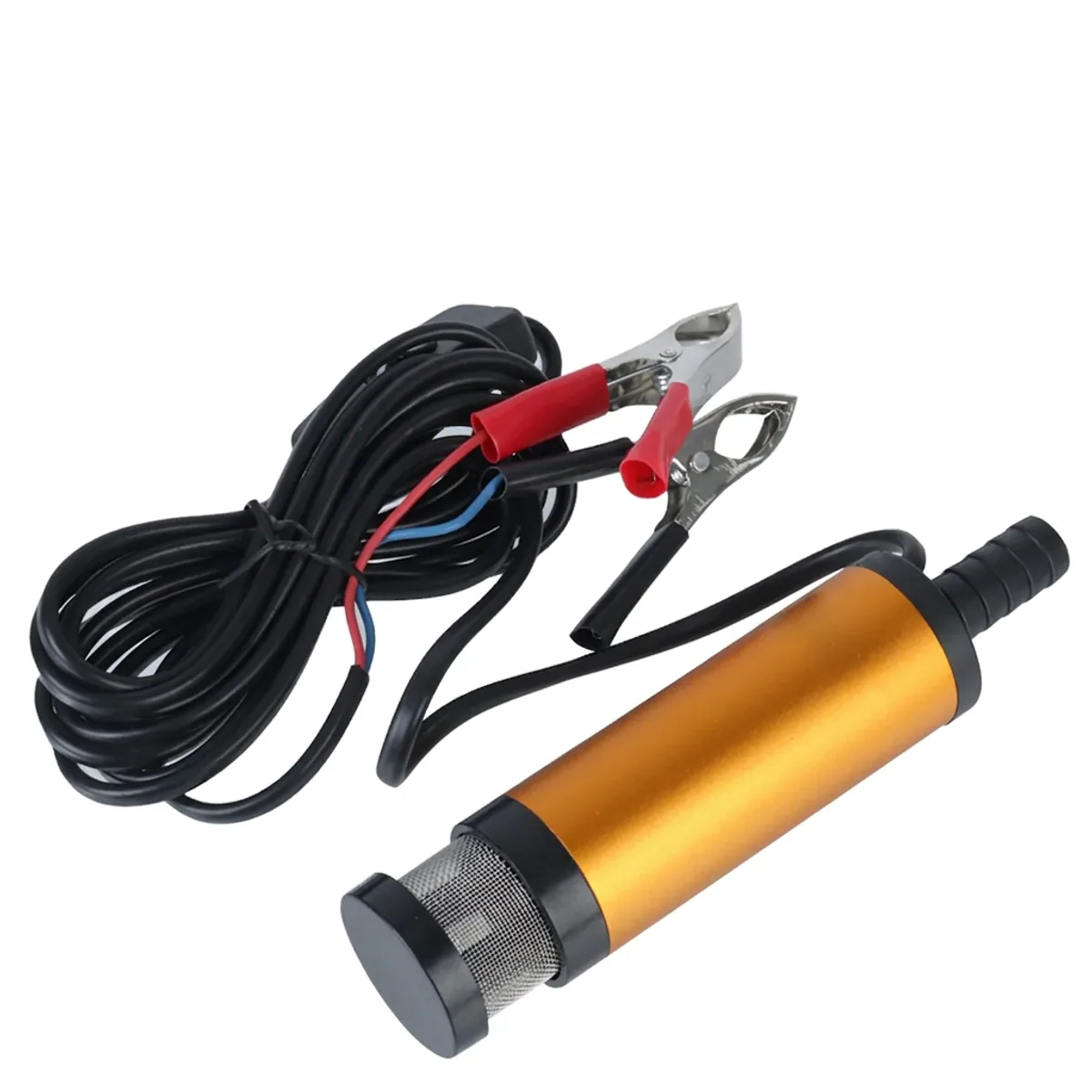
Transfer Pump 12L/min | In-Line Power Switch | 12V Marine Truck Diesel Water
4.9(148)
£56.99
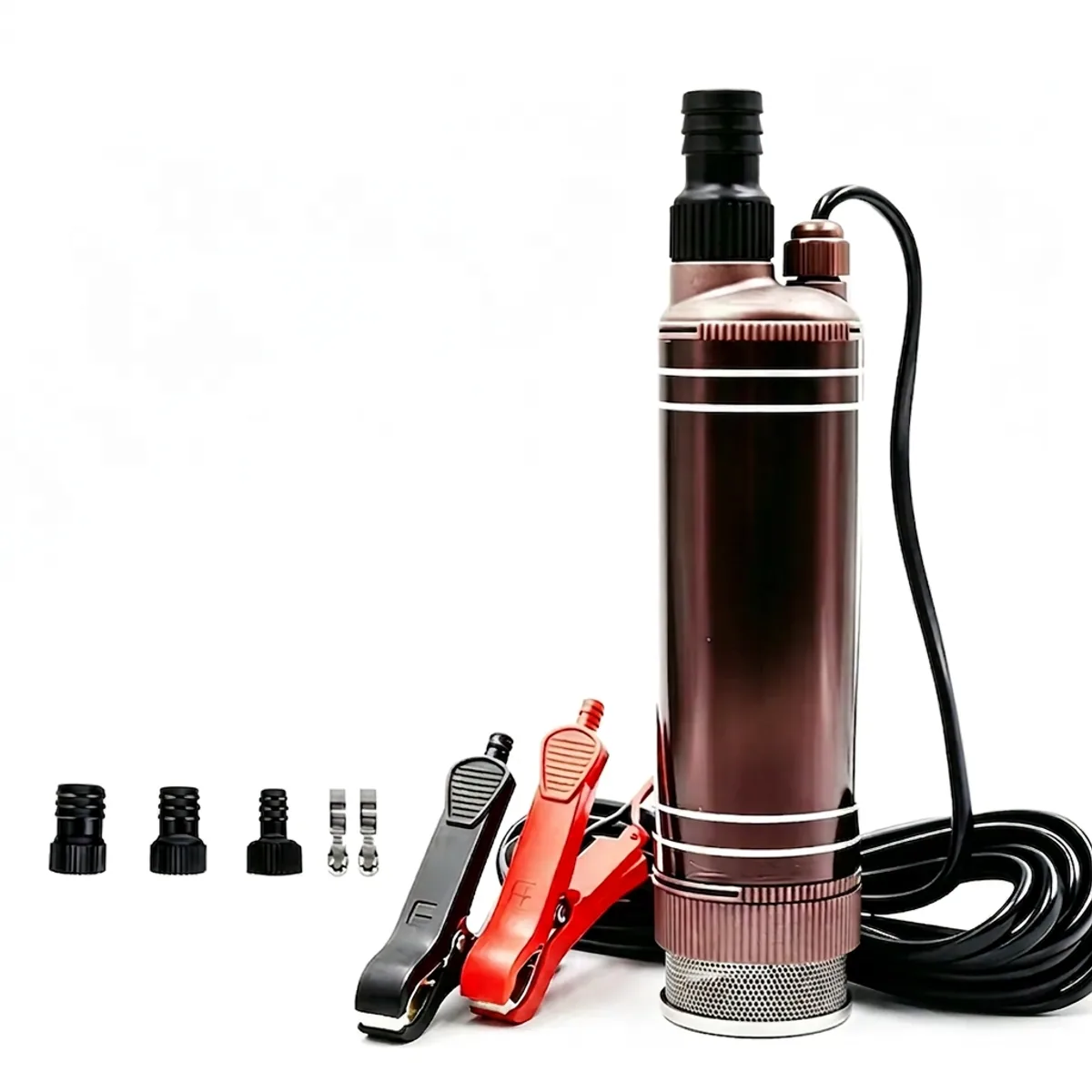
Fuel Transfer Pump | 45L/Min Submersible Unit | 12V 24V 150W DC
4.9(236)
£117.99
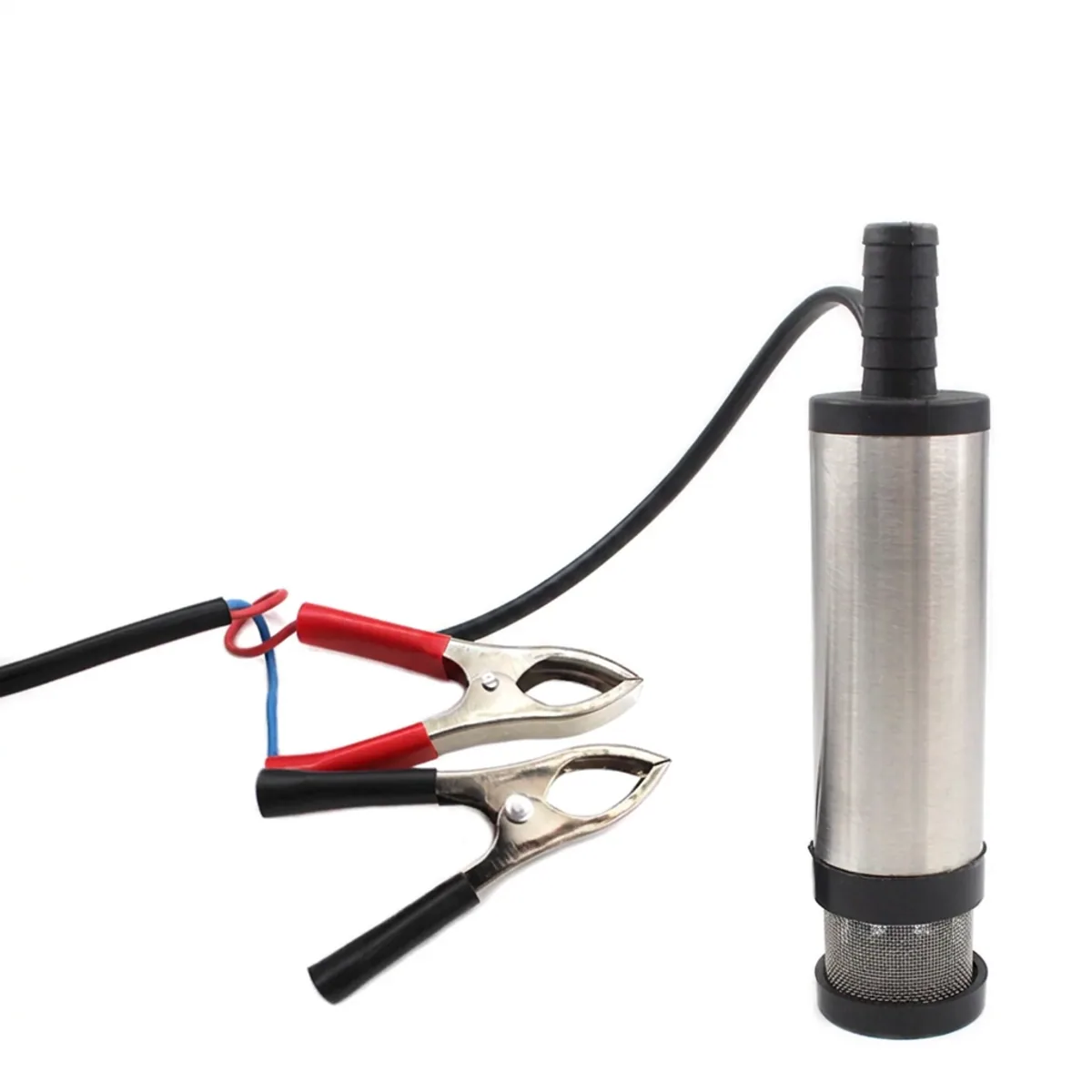
Transfer Pump Submersible | 12V 24V Stainless Steel | 30L/min Flow
4.9(157)
£60.99
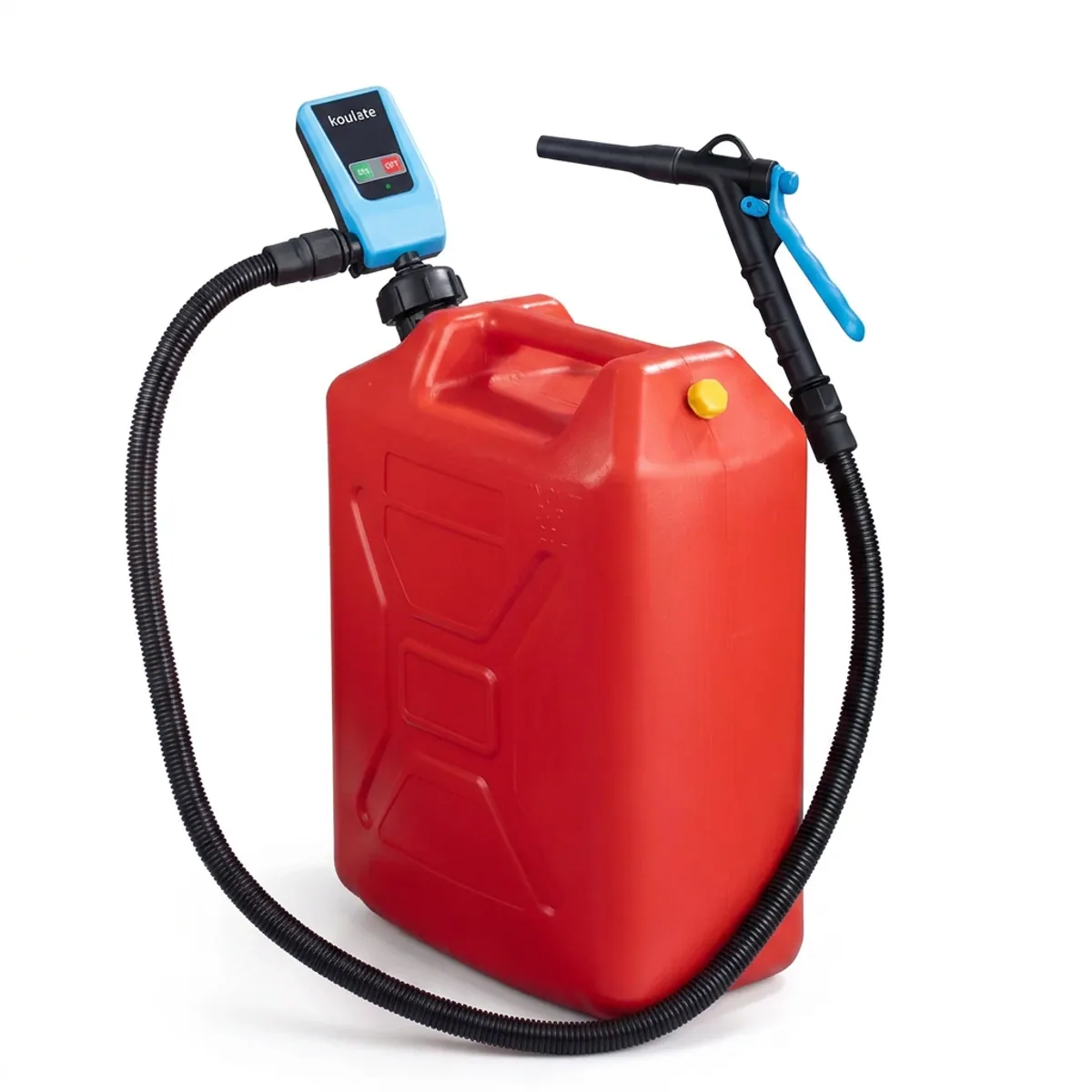
Pump Kit Portable 12V | Battery Gas Transfer | 3.2 GPM with 51 Hose
4.9(42)
£208.99
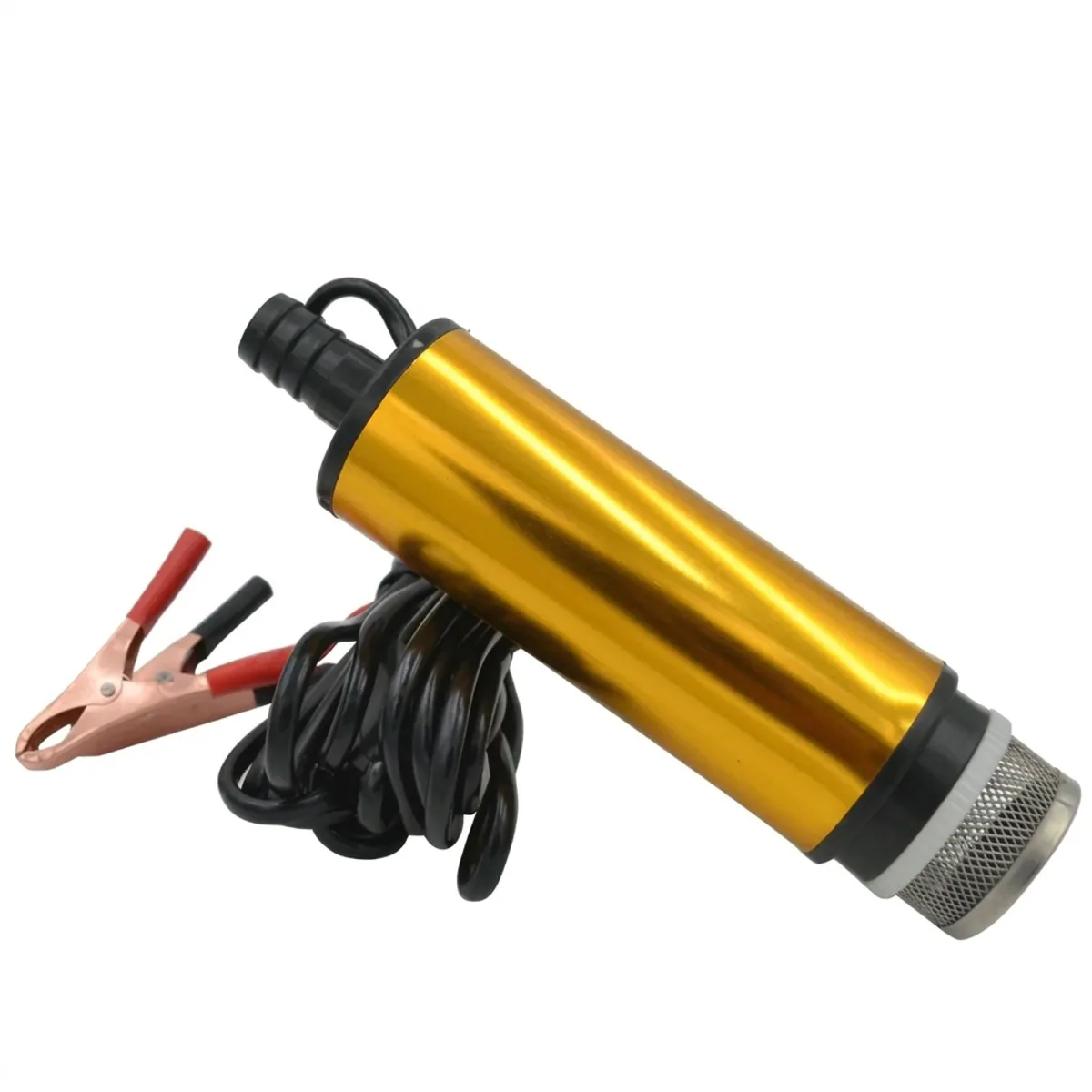
Transfer Pump Submersible | 12V 24V Heavy-Duty | RV Car & Camping Kit
4.9(29)
£72.99
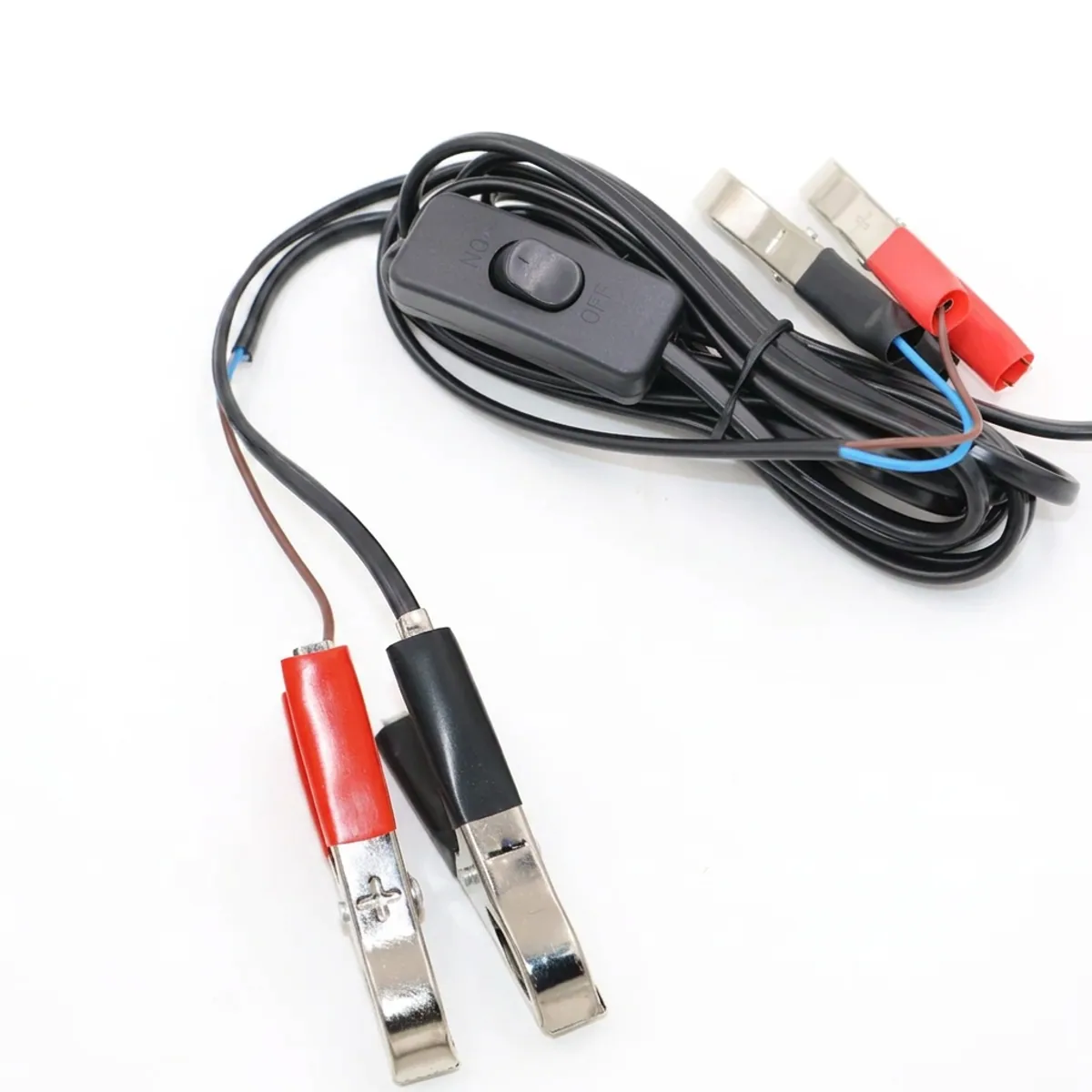
Transfer Pump Submersible | 12V 24V DC 12L/min | Aluminum Alloy Fuel Extractor
4.9(642)
£60.99