
Diesel Flow Meter | Digital LCD Turbine | K24 Fuel & Methanol
Stock Nr:
SKU:
1 / 6
£70.99inc VAT
Keep exact records of fluid usage with this inline diesel flow meter. Built with a stainless steel body and internal turbine, it handles diesel, methanol, and water with plus-or-minus one percent accu...
Select an option
- Secure checkout
- All major cards
- Tracked delivery
£70.99
Fast Shipping
Secure Payment
Easy Returns
Good to know
Questions about this product
- What liquids can this digital turbine flow meter measure?
- It works with diesel, petrol, methanol, alcohol, and water. The internal turbine parts resist chemical wear across these standard fuels and workshop liquids.
- How accurate is the electronic counter on this unit?
- The meter measures liquid within plus or minus 1% accuracy up to a maximum working pressure of 6 bar. The screen shows a batch readout up to 99,999 and a total tally up to 29,999,999.
- How do I choose the correct thread size for my pipework flow rate?
- Match the meter bore to your pump output: the 1-inch (DN25) handles 10 to 100 litres per minute, the 1.5-inch (DN40) covers 40 to 280 L/min, and the 2-inch (DN50) suits 60 to 500 L/min.
Fuel Nozzles, Hoses & Meters spec sheet (PDF)
Get a one-page sheet with full description, specifications, technical details, FAQs, price & SKU - handy to save, print, or share.
Not sure which one?
Compare with similar products
Nothing close enough to compare right now
We only put products side by side when they are genuinely the same kind of thing, in stock and in a similar price range. For this one there is no true match at the moment, so we would rather show you nothing than the wrong thing.
Compare options
More Fuel Nozzles, Hoses & Meters
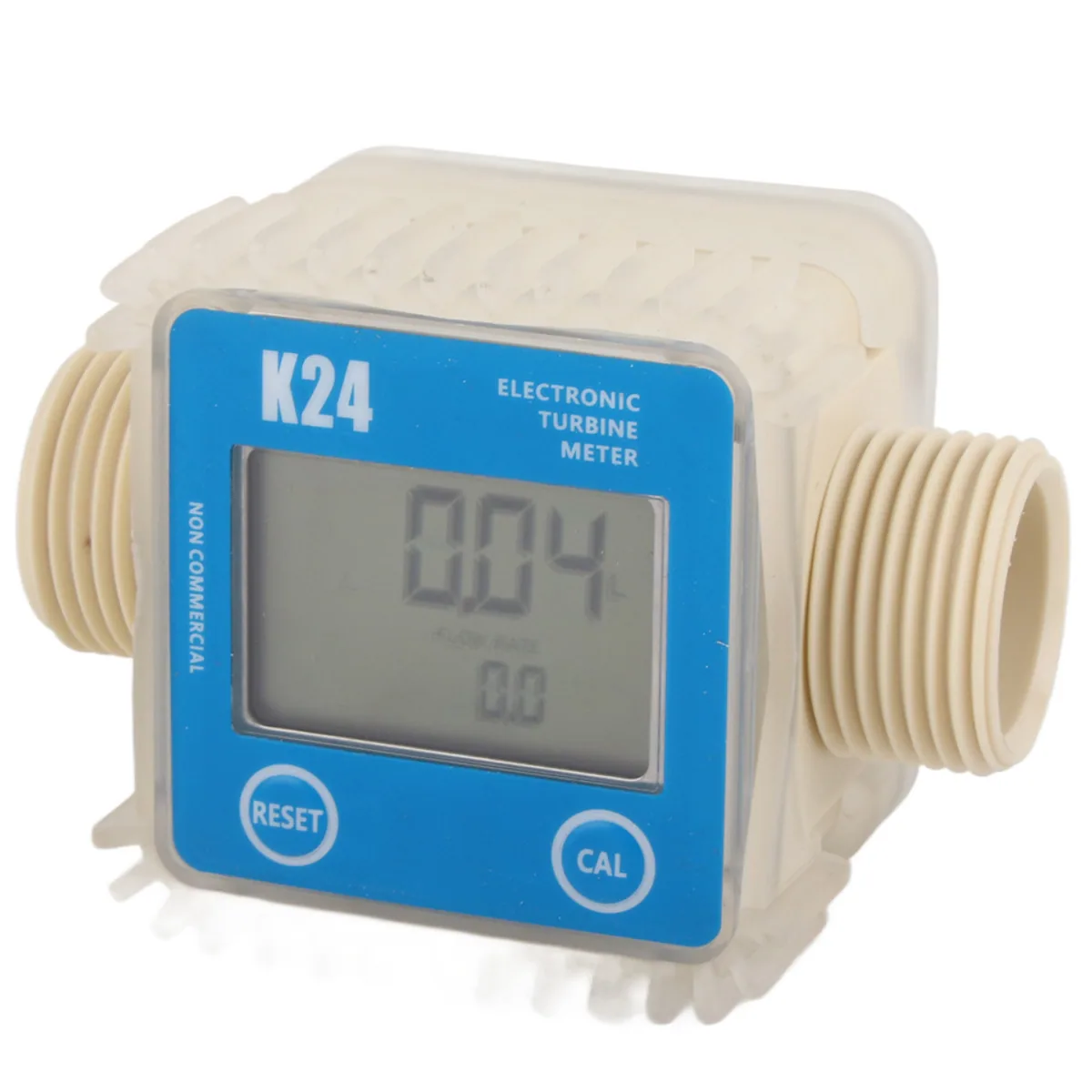
Flow Meter Gauge | Clear LCD Display | Inline Water & Fuel Tool
5.0(20)
£108.99
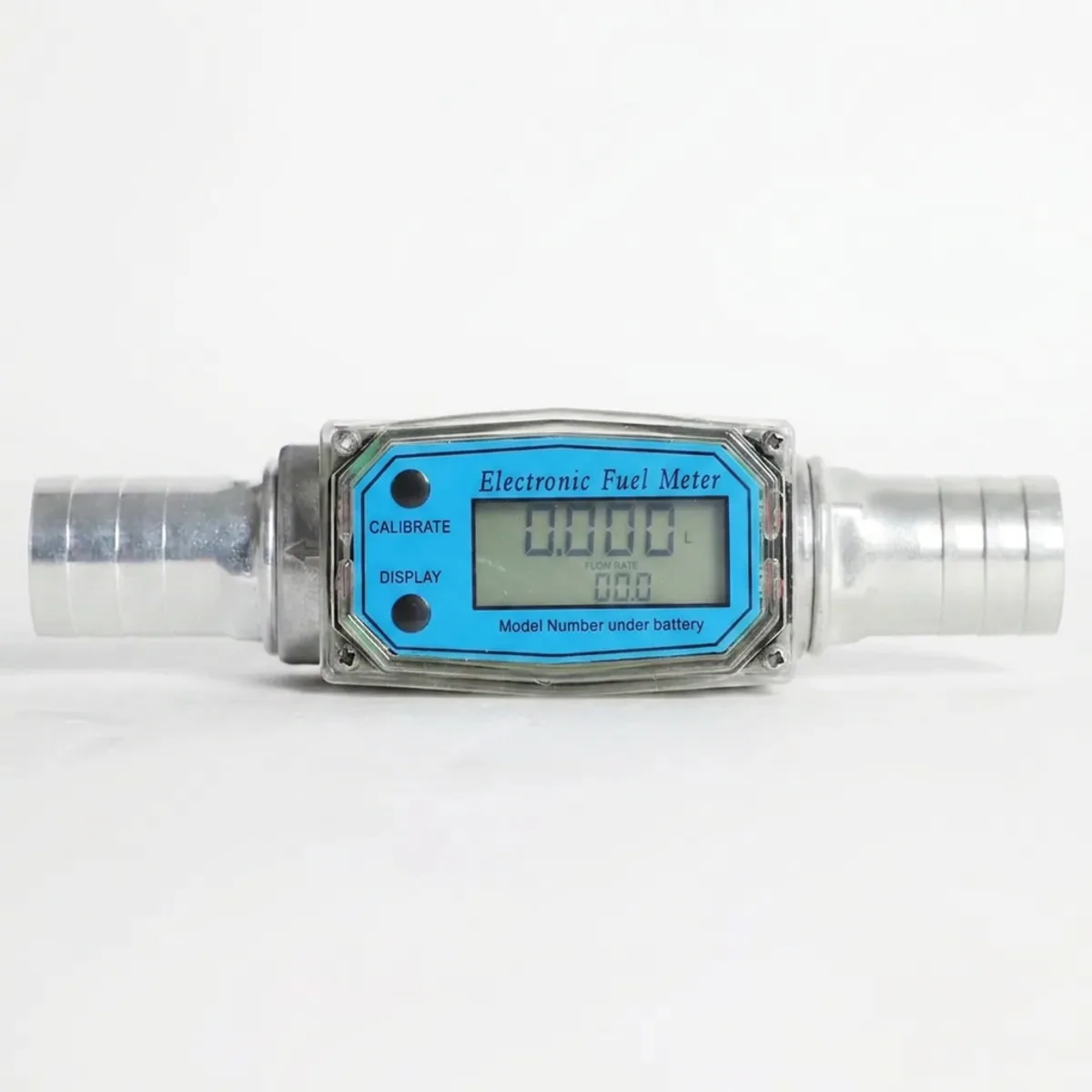
Flow Meter | Aluminum Digital Turbine | Threaded Liquid Transfer Gauge
5.0(1)
£88.99
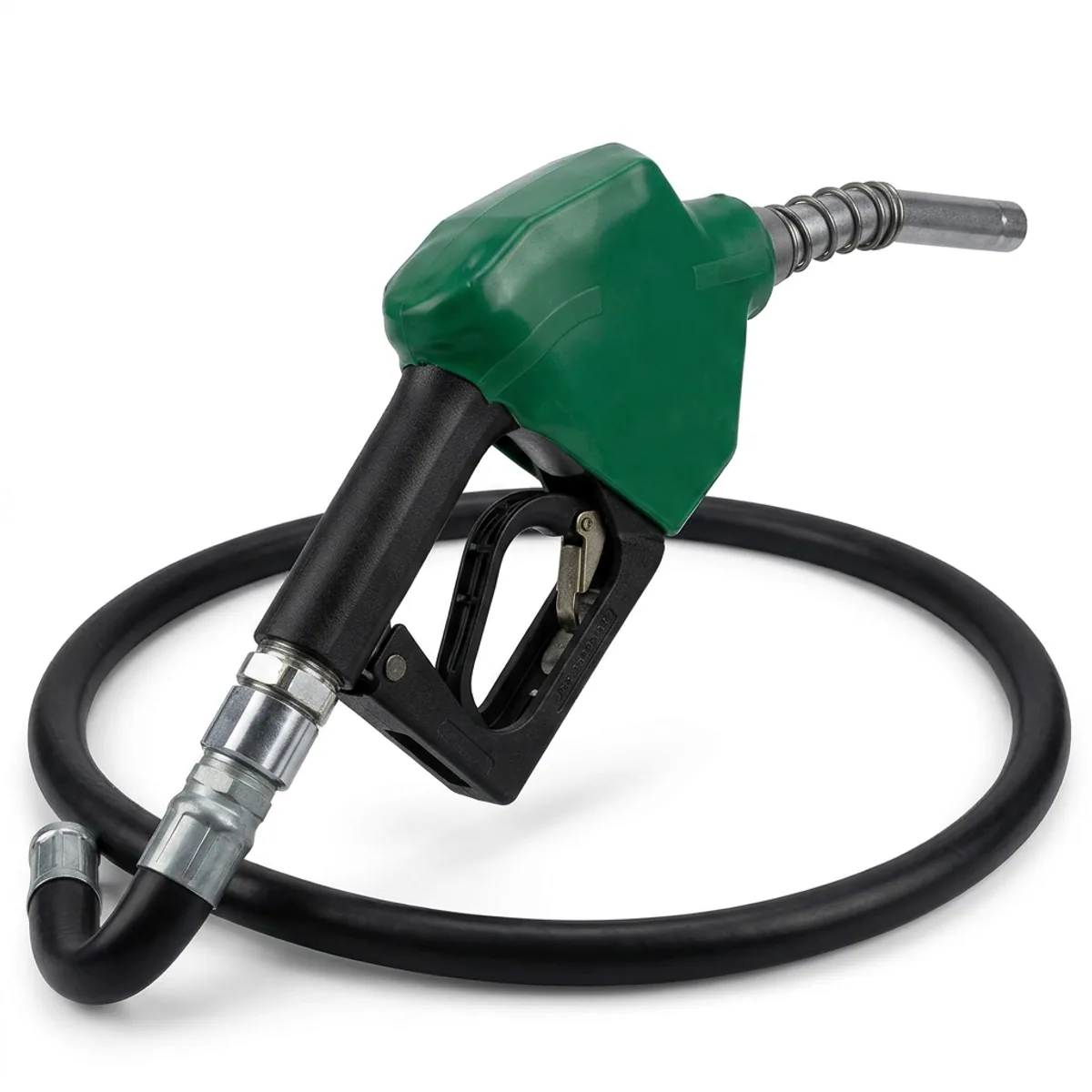
Nozzle Auto Shut Off | Aluminum Alloy Body | Heavy-Duty Diesel Dispenser
5.0(3)
£160.99
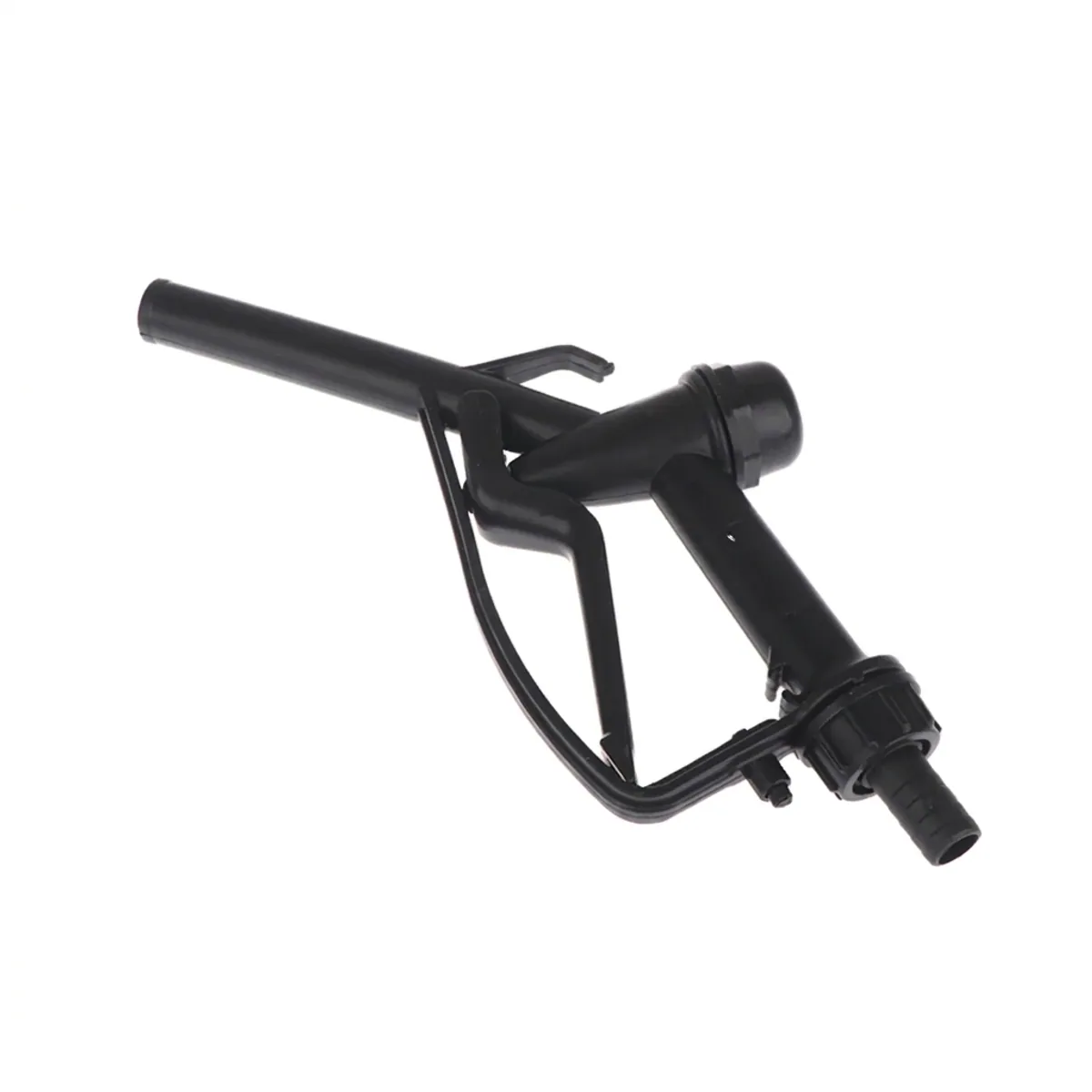
Nozzle Manual Dispenser | 45L/min Flow with Hook | 20mm 25mm Diesel Gas
5.0(5)
£53.99
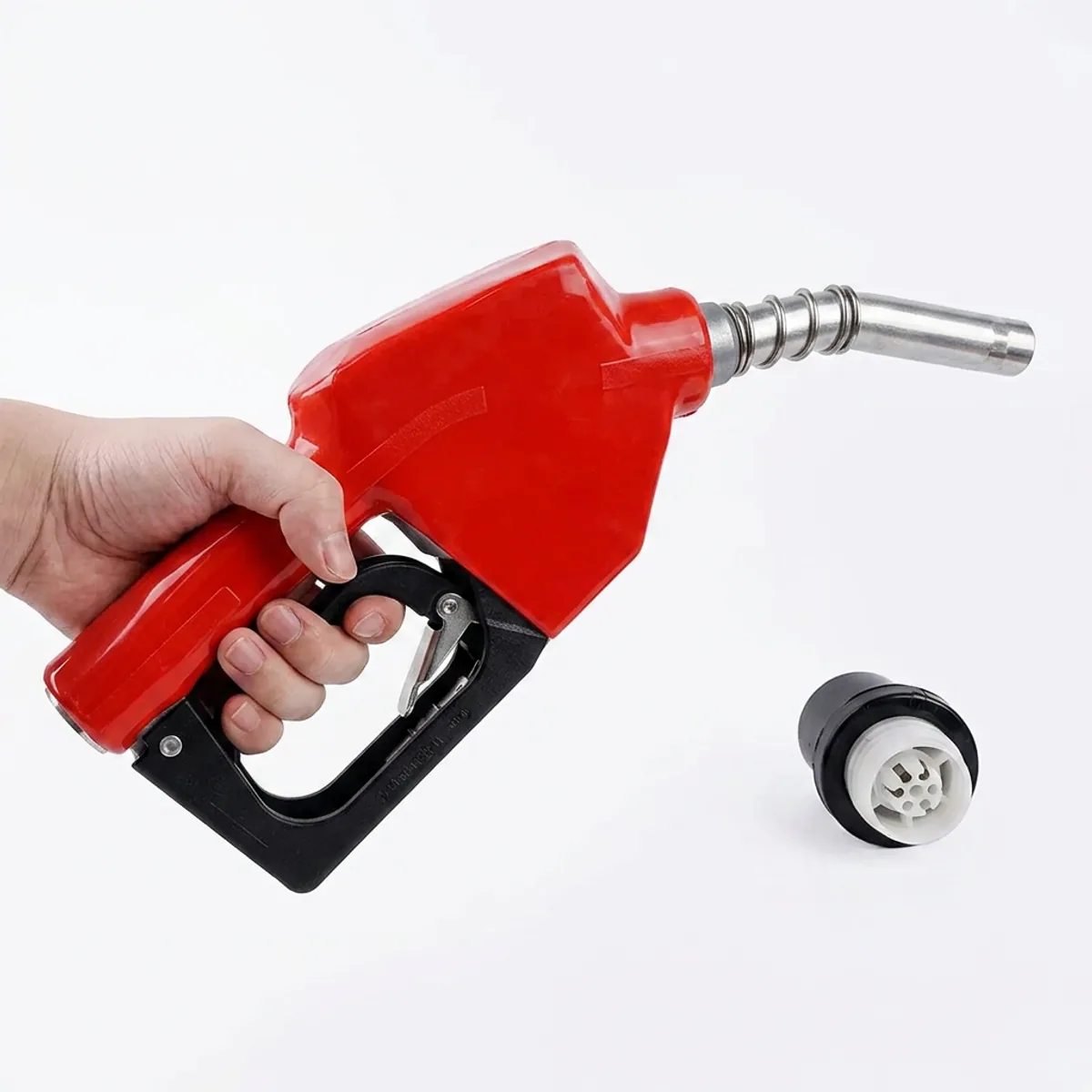
Fuel Nozzle | Stainless Steel Auto Cut-Off | Diesel Dispenser
4.7(10)
£93.99
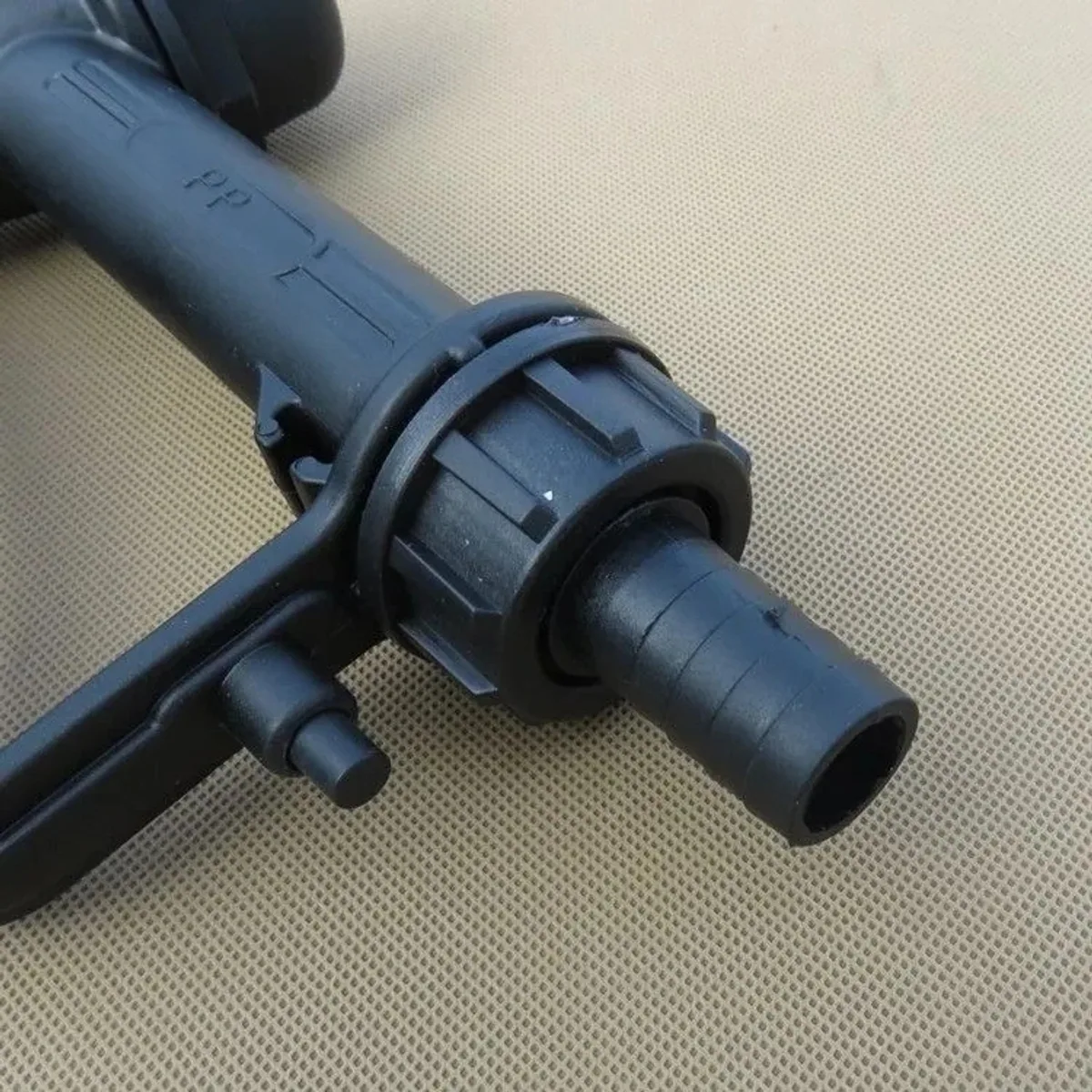
Nozzle Manual Dispenser | 45L/min 25mm Inlet | Heavy-Duty Diesel Handle
4.6(12)
£48.99
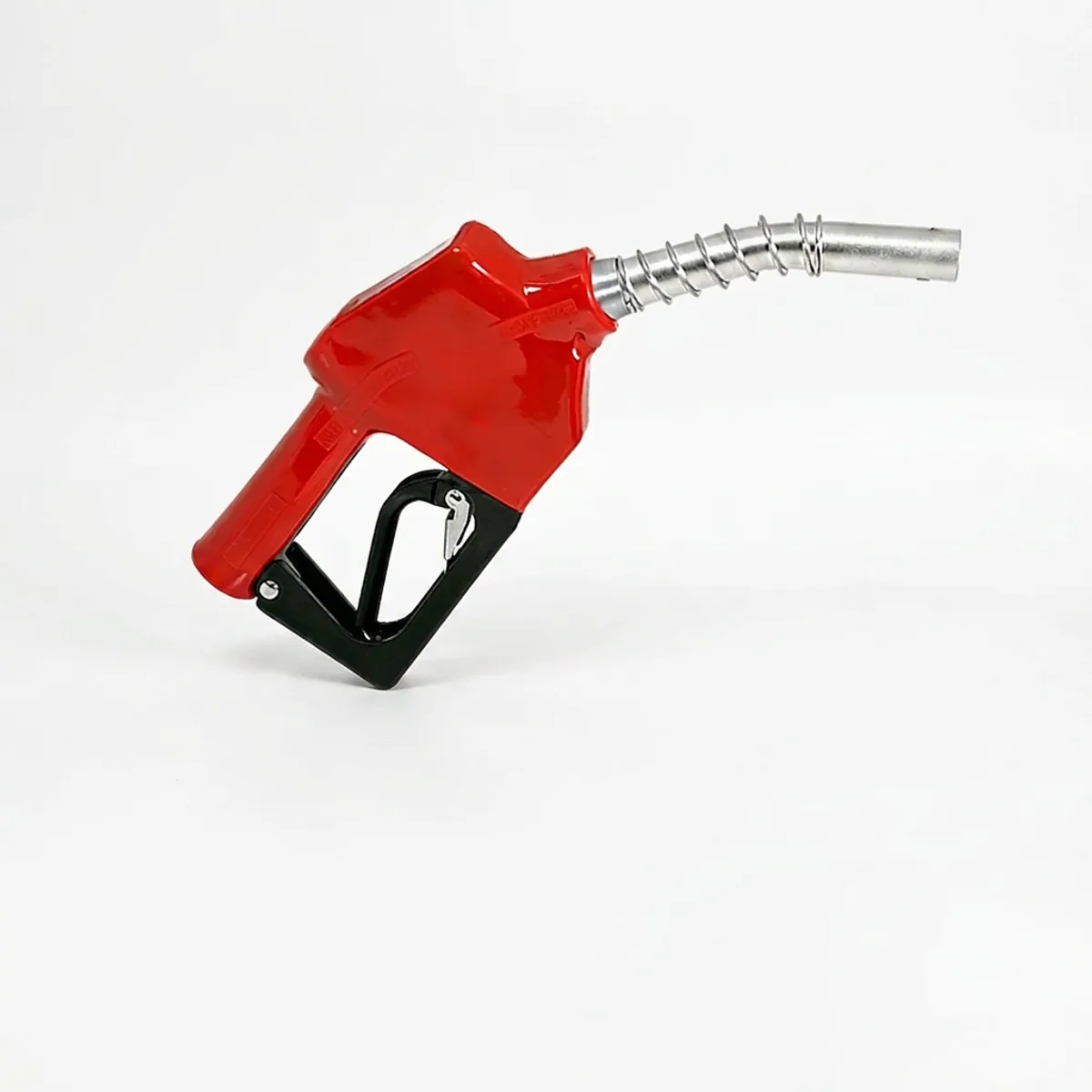
Nozzle with Auto Shut-Off | 11A Dispenser Gun | Petrol Diesel Refueling
4.5(2)
£82.99
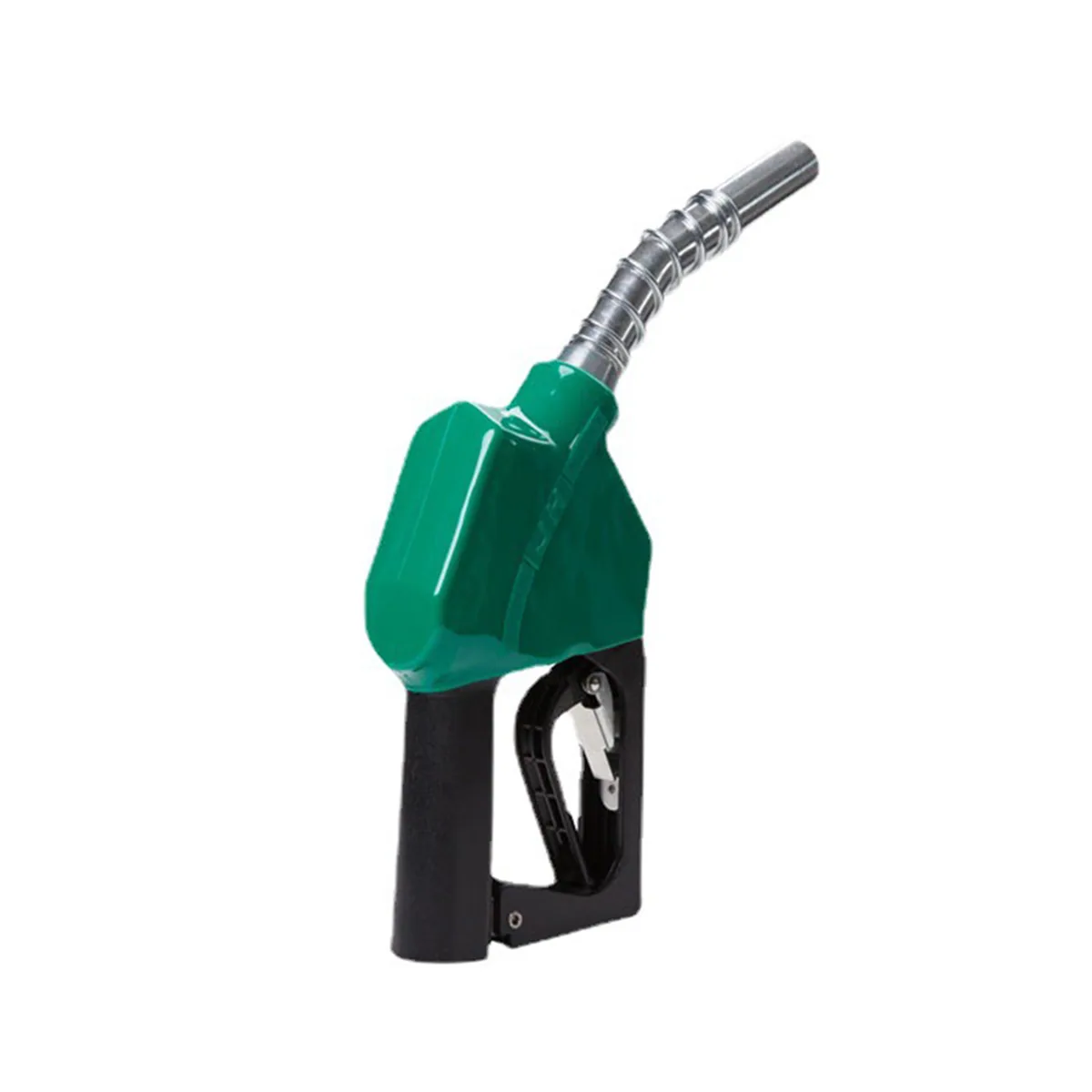
Shut-Off Fuel Nozzle | Heavy-Duty Flow Handle | Gas Station Dispenser
4.5(8)
£158.99
Explore the range
Popular in Transfer Pumps
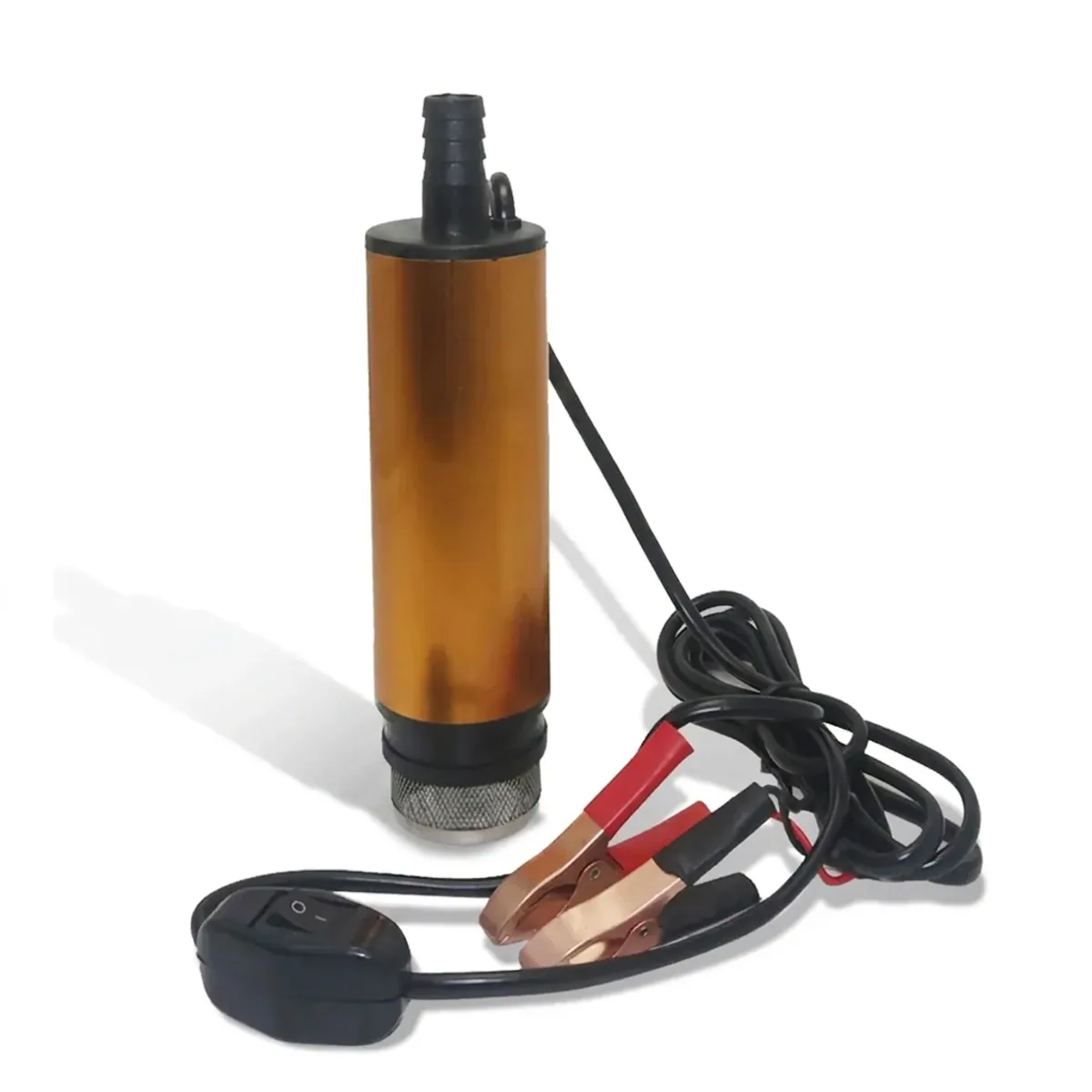
Pump Kit with Refueling Gun | 4m Hose Stainless Steel | 12V 24V 51mm
5.0(14)
£75.99
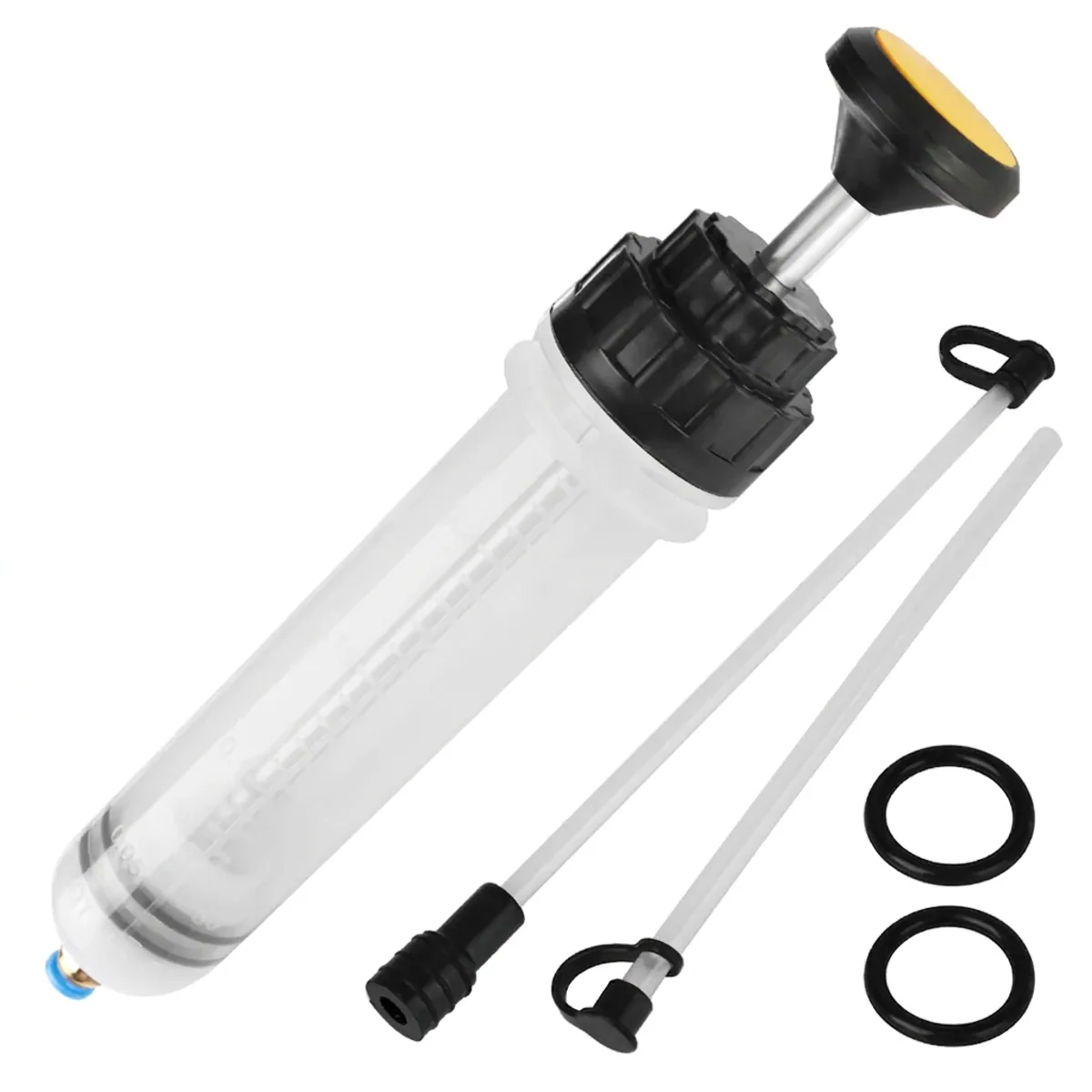
Fuel Pump Extractor | 200cc Fluid Syringe Tool | Car Fluid Extraction
5.0(15)
£52.99
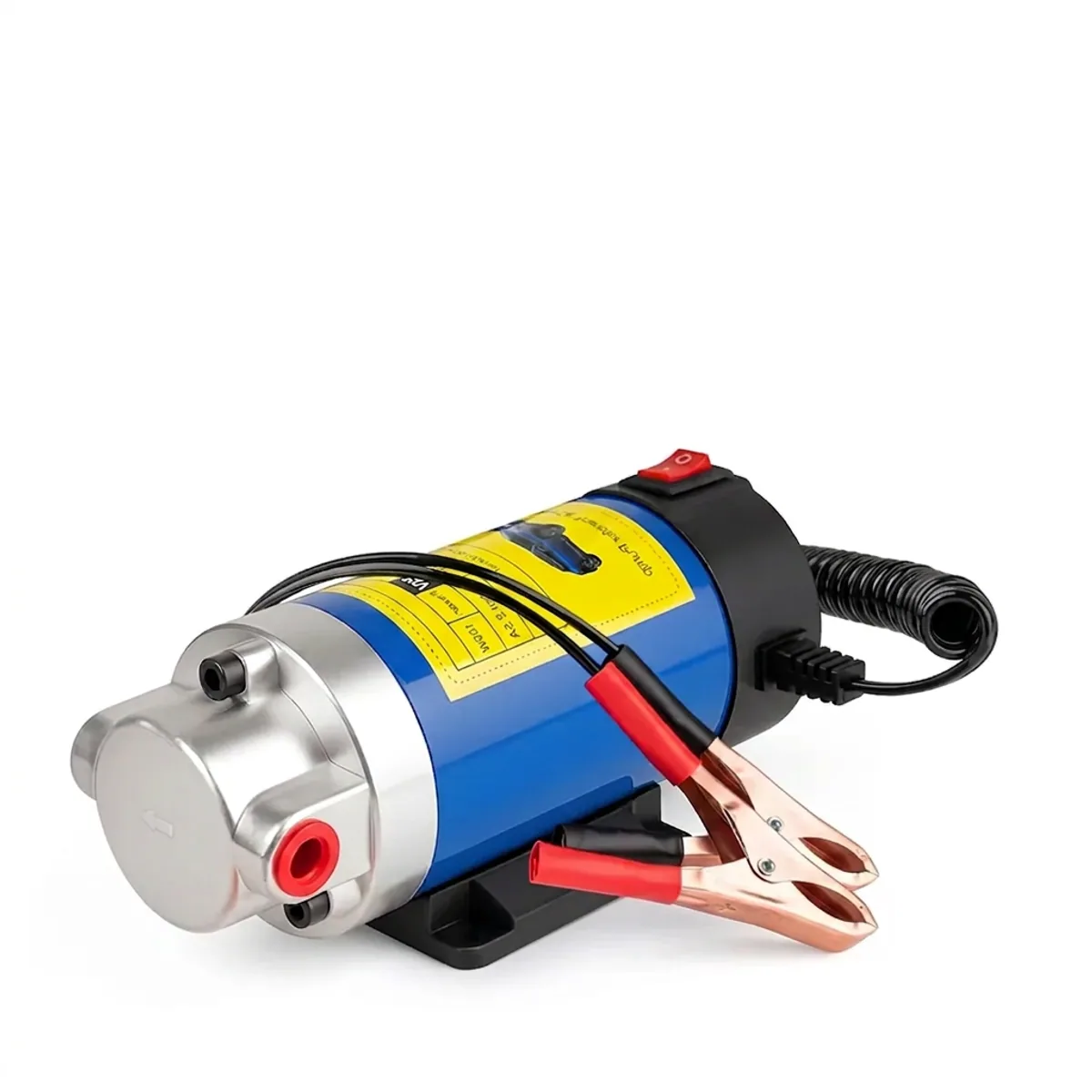
Transfer Pump 12V 1-4L/min | Quick Fluid Extractor | Boat Motorcycle
4.9(183)
£189.99
Pump Rotary Aluminum | Heavy-Duty Hand Crank | Oil & Fuel Fluid Extractor
4.9(134)
£72.99
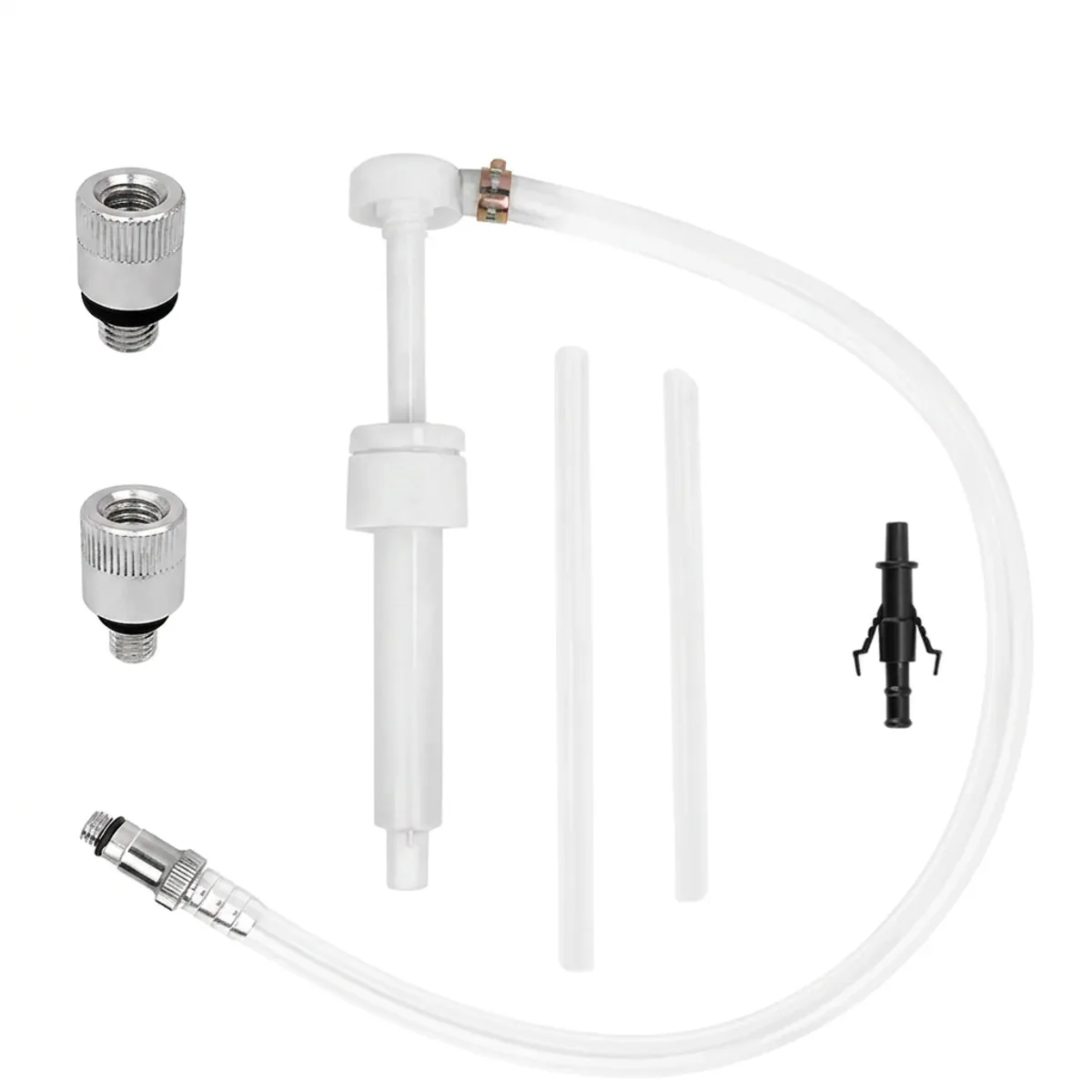
Hand Oil Pump | Lower Unit Gear Lube Adapter | Outboard Motor Fluid Kit
5.0(12)
£36.99
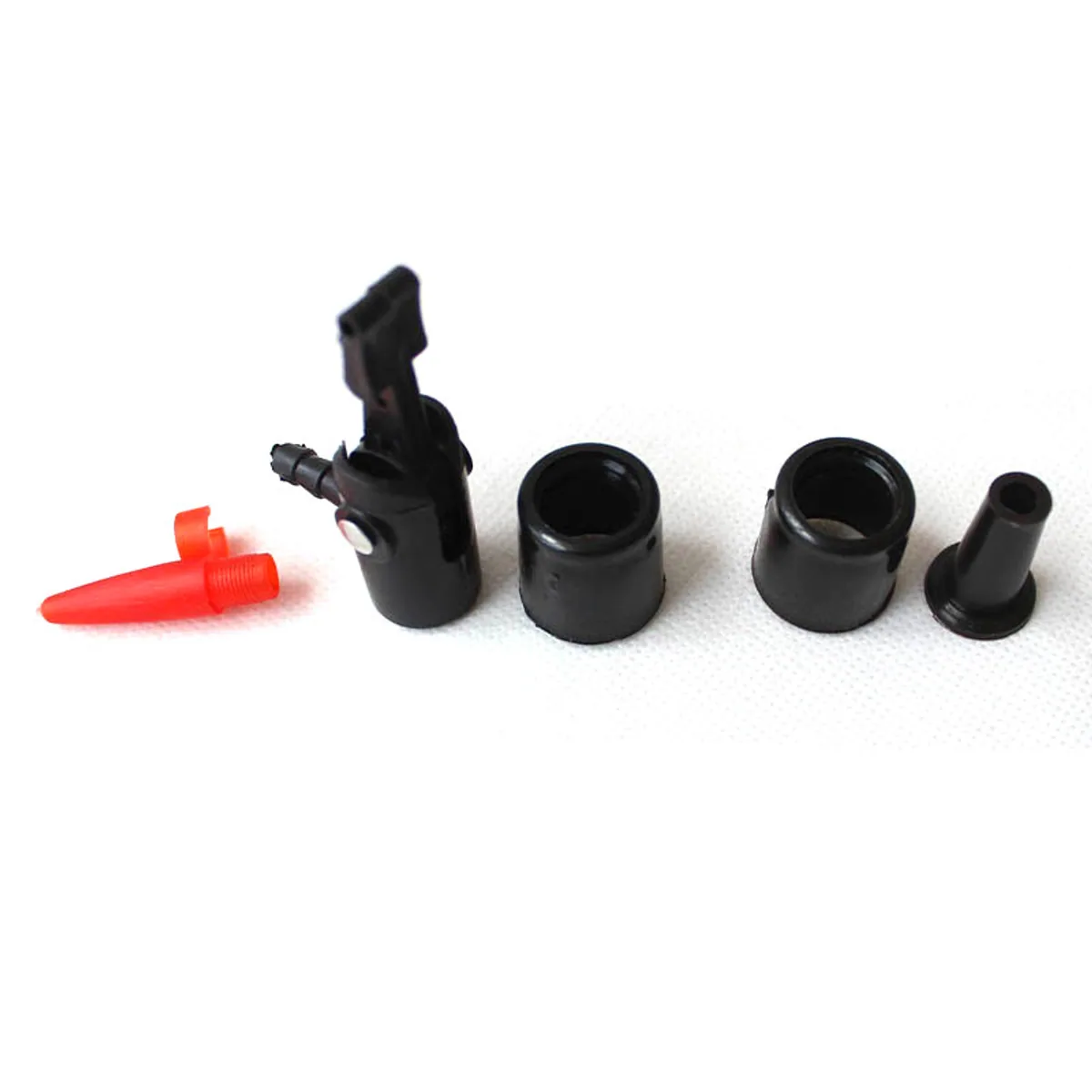
Hand Fuel Pump | Manual Sucker Tube Hose | Emergency Gas Liquid Transfer
4.9(263)
£54.99
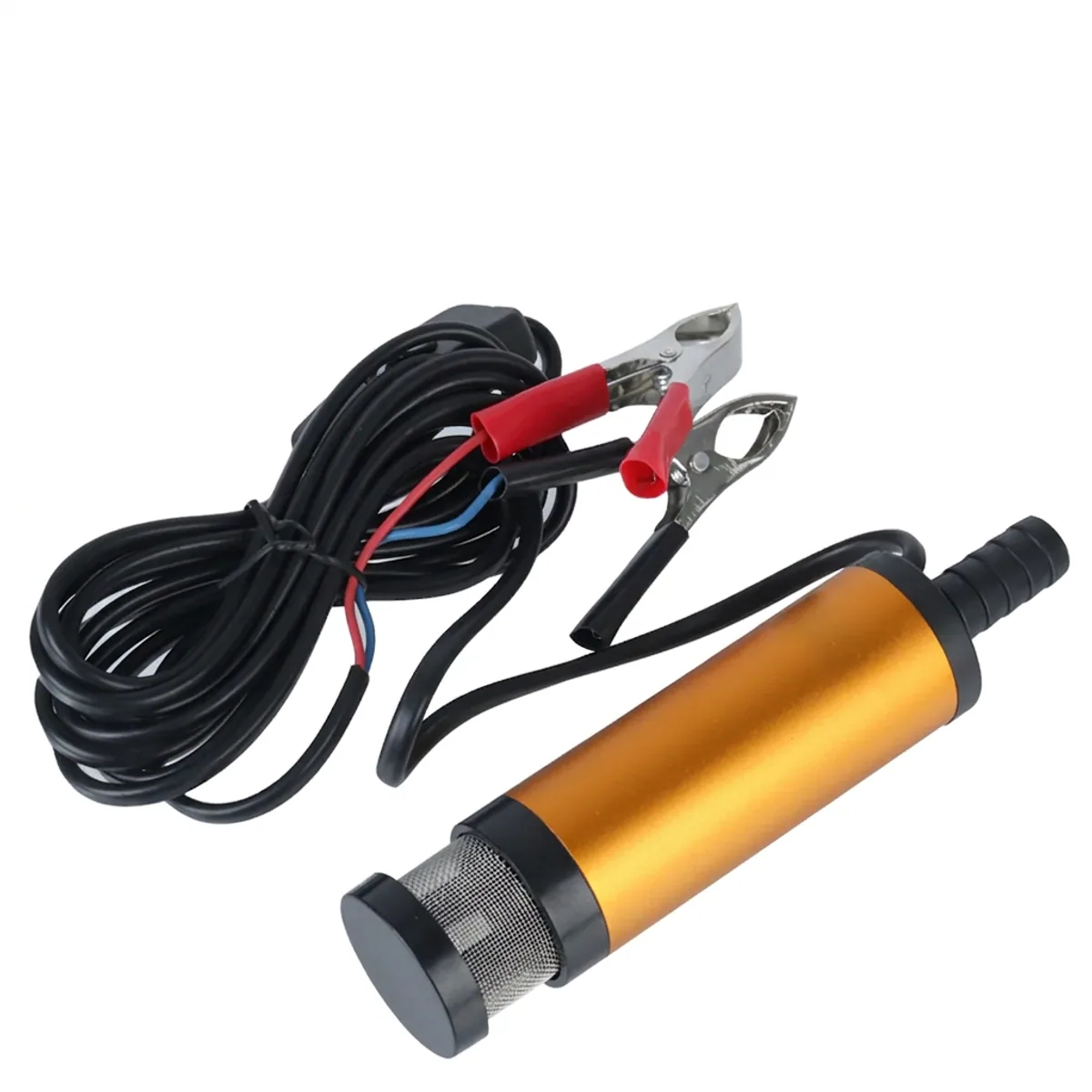
Transfer Pump 12L/min | In-Line Power Switch | 12V Marine Truck Diesel Water
4.9(148)
£56.99
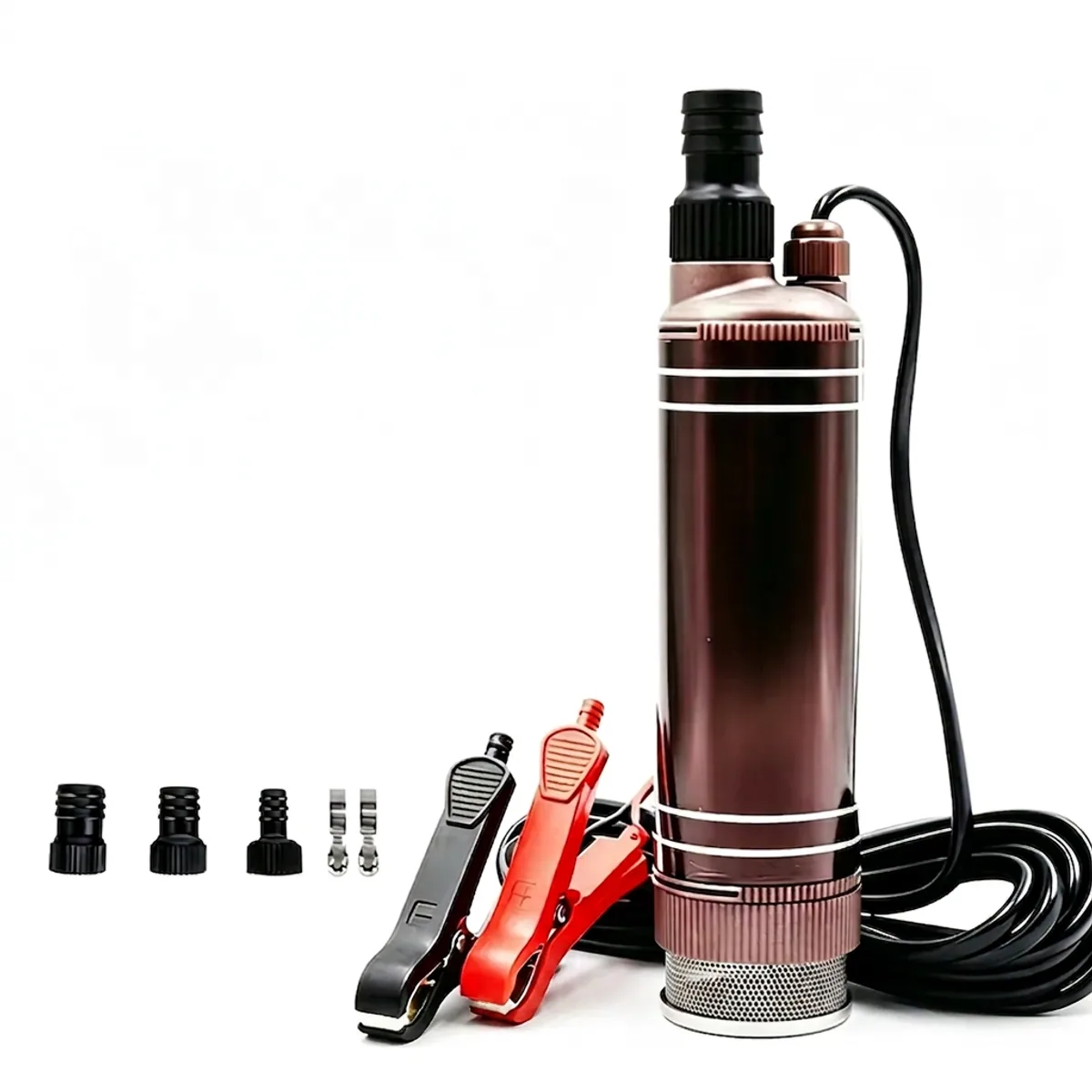
Fuel Transfer Pump | 45L/Min Submersible Unit | 12V 24V 150W DC
4.9(236)
£117.99
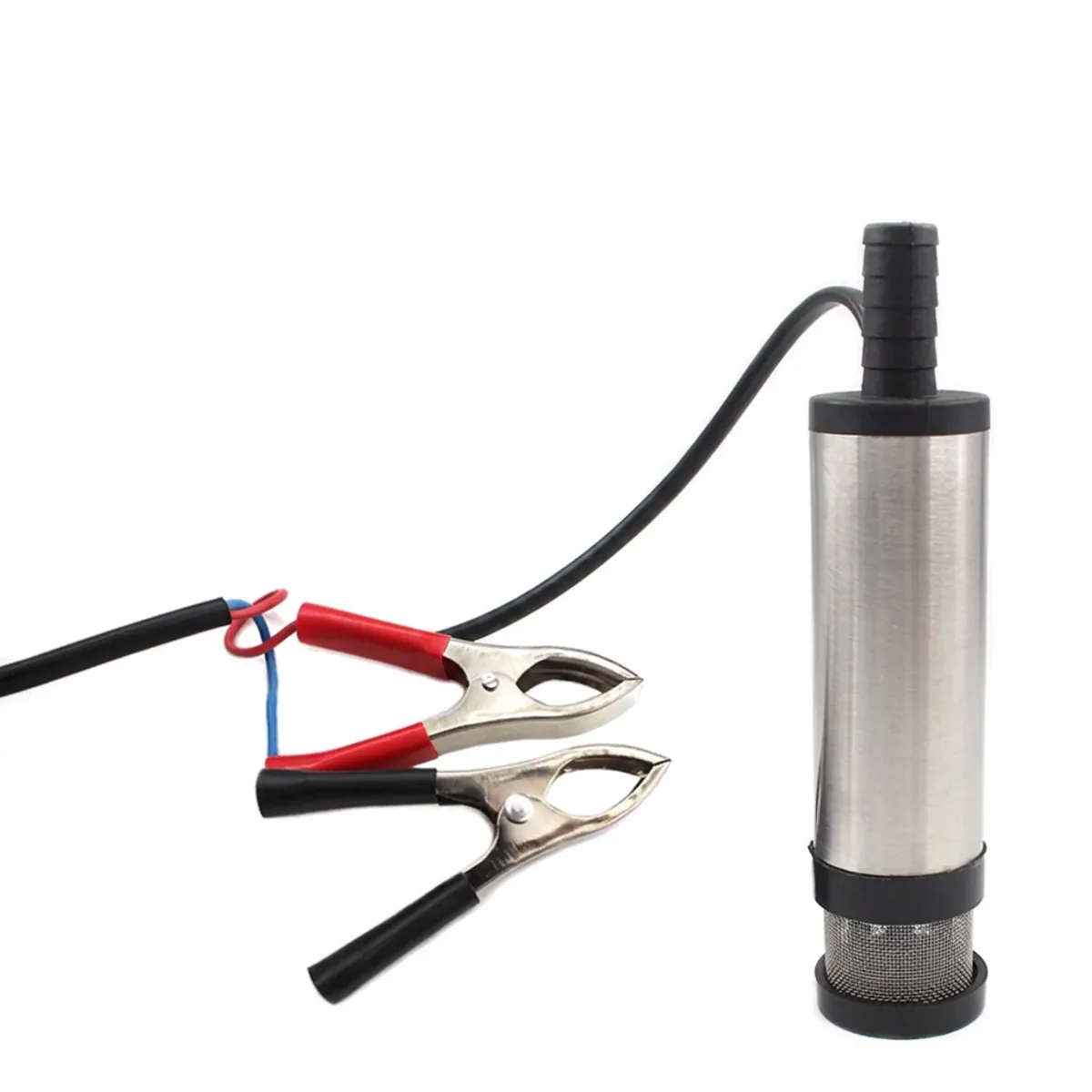
Transfer Pump Submersible | 12V 24V Stainless Steel | 30L/min Flow
4.9(157)
£60.99
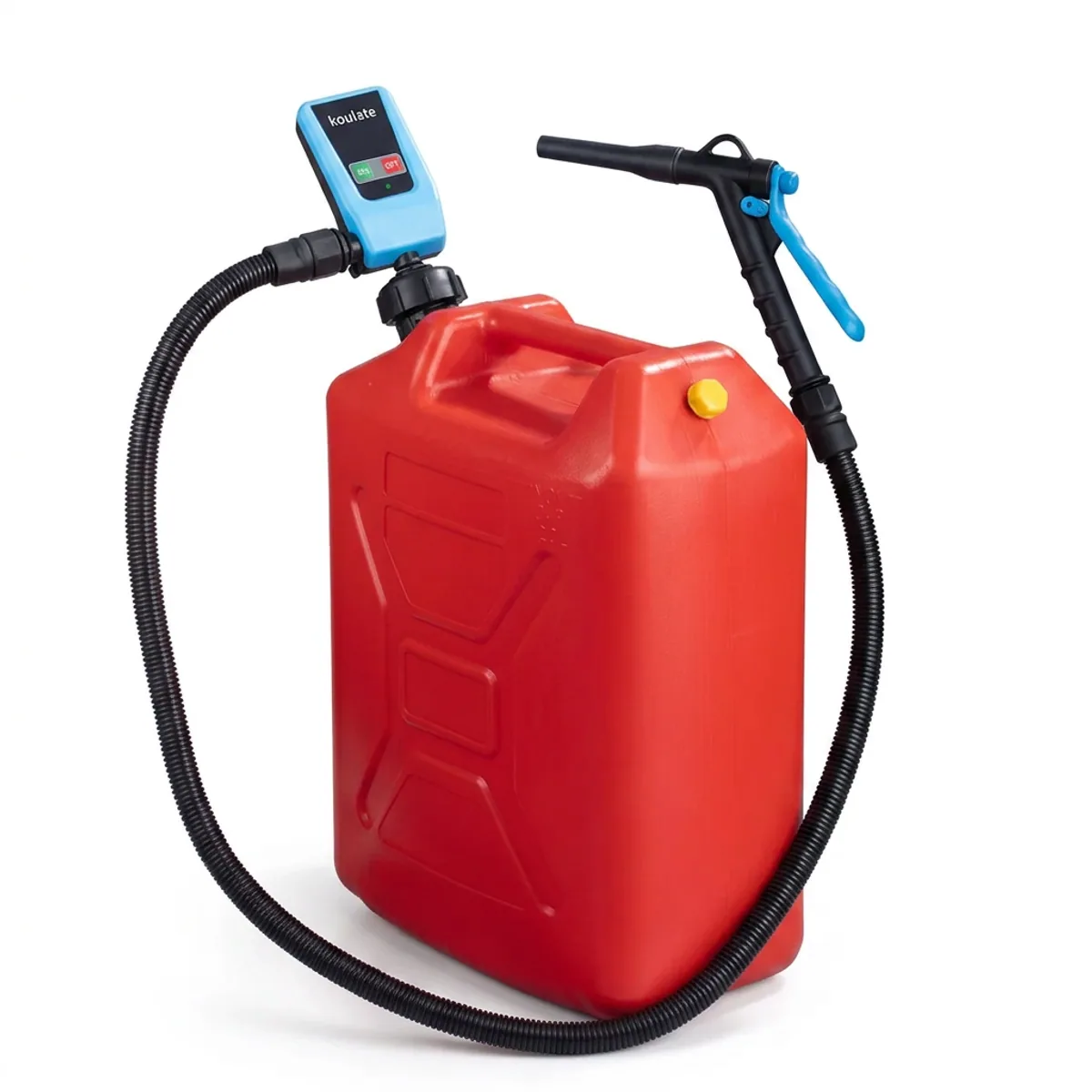
Pump Kit Portable 12V | Battery Gas Transfer | 3.2 GPM with 51 Hose
4.9(42)
£208.99
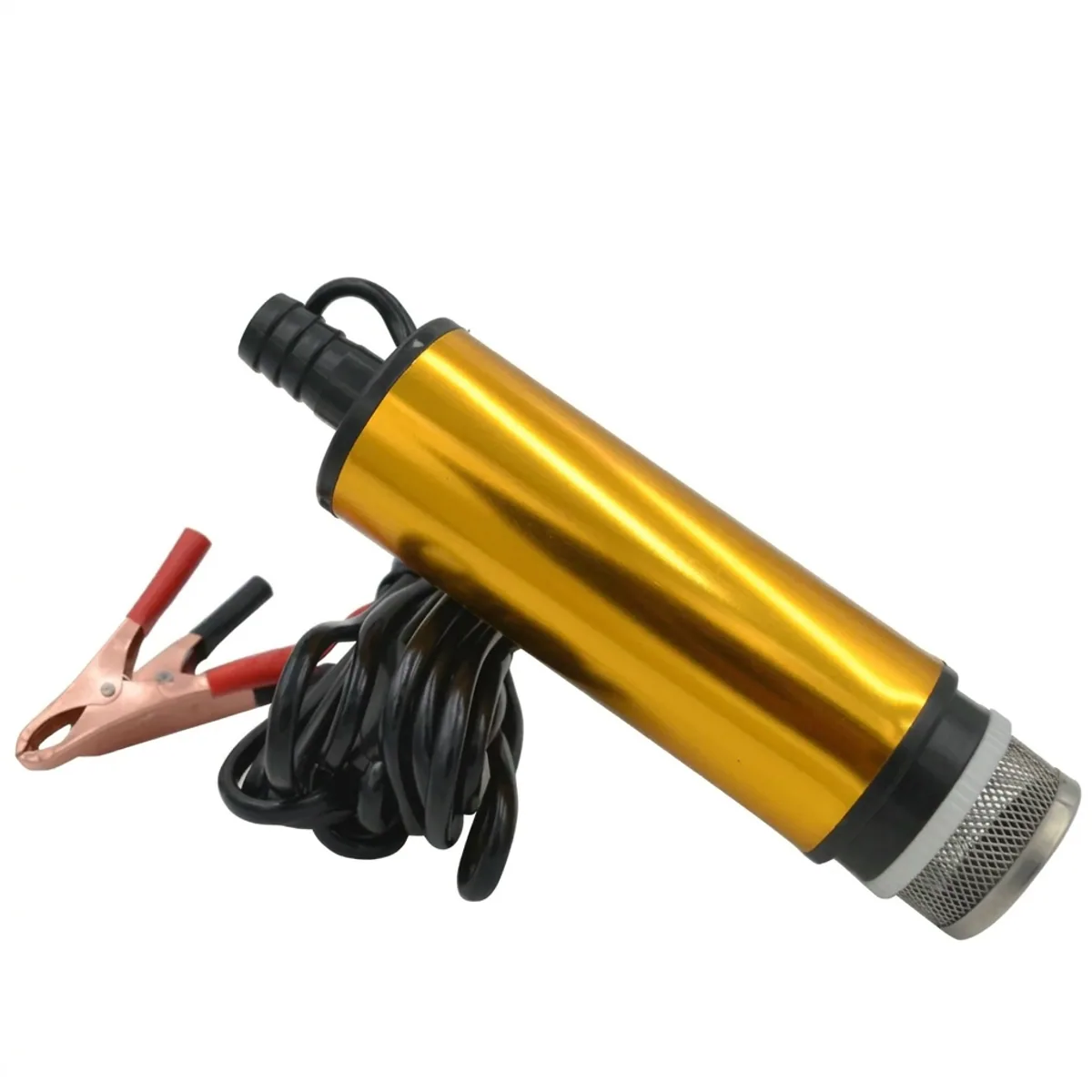
Transfer Pump Submersible | 12V 24V Heavy-Duty | RV Car & Camping Kit
4.9(29)
£72.99
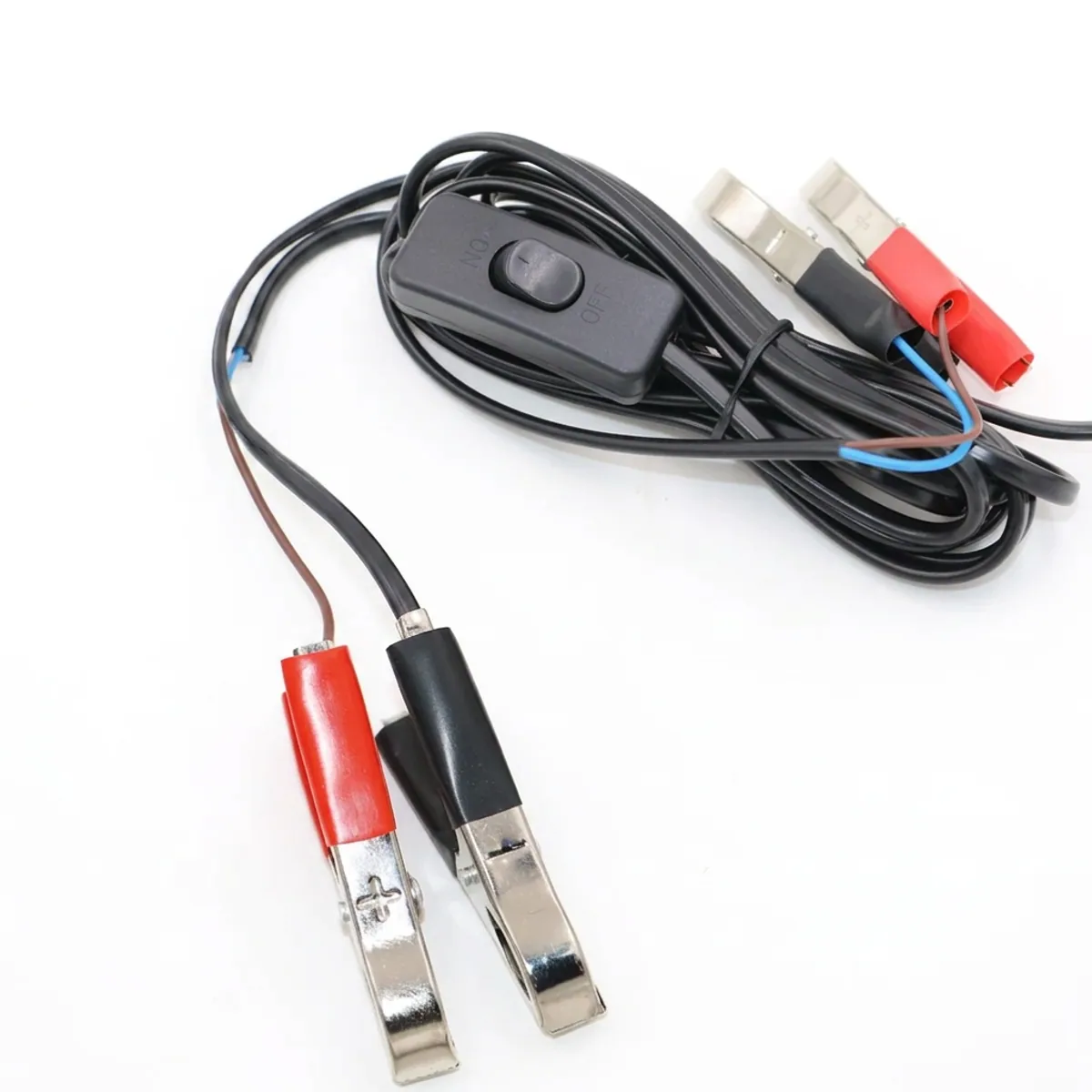
Transfer Pump Submersible | 12V 24V DC 12L/min | Aluminum Alloy Fuel Extractor
4.9(642)
£60.99