
Flow Meter Gauge | Clear LCD Display | Inline Water & Fuel Tool
Stock Nr:
SKU:
1 / 6
£108.99inc VAT
This diesel flow meter tracks fuel transfer rates between 10 and 120 liters per minute. The K24 digital diesel fuel flow meter installs directly onto 1-inch pipe lines. It monitors diesel, kerosene, a...
Blue
- Secure checkout
- All major cards
- Tracked delivery
£108.99
Fast Shipping
Secure Payment
Easy Returns
Good to know
Questions about this product
- Can the K24 flow meter be used for water as well as diesel?
- Yes, it works with water, diesel, kerosene, urea, and light chemical liquids. The internal turbine and housing materials suit both standard fuel transfer and neutral liquid dispensing. Do not use it with thick oils or strong acids.
- How do you know when the meter batteries are running low?
- The digital screen shows an 'LBat' warning once the battery voltage drops between 2.2V and 2.4V. This lets you know it is time to swap the cells before the display blanks out mid-fill. You can change them by unscrewing the front display cover.
- How do you reset the batch total on the K24 screen?
- Press and hold the 'RESET' button on the front fascia for about three seconds to zero the current batch reading. The unit also keeps a cumulative, non-resettable total stored in memory for tracking overall volume. You can toggle between litres, gallons, pints, and quarts using the 'CAL' key.
Fuel Nozzles, Hoses & Meters spec sheet (PDF)
Get a one-page sheet with full description, specifications, technical details, FAQs, price & SKU - handy to save, print, or share.
Not sure which one?
Compare with similar products
Nothing close enough to compare right now
We only put products side by side when they are genuinely the same kind of thing, in stock and in a similar price range. For this one there is no true match at the moment, so we would rather show you nothing than the wrong thing.
Compare options
More Fuel Nozzles, Hoses & Meters
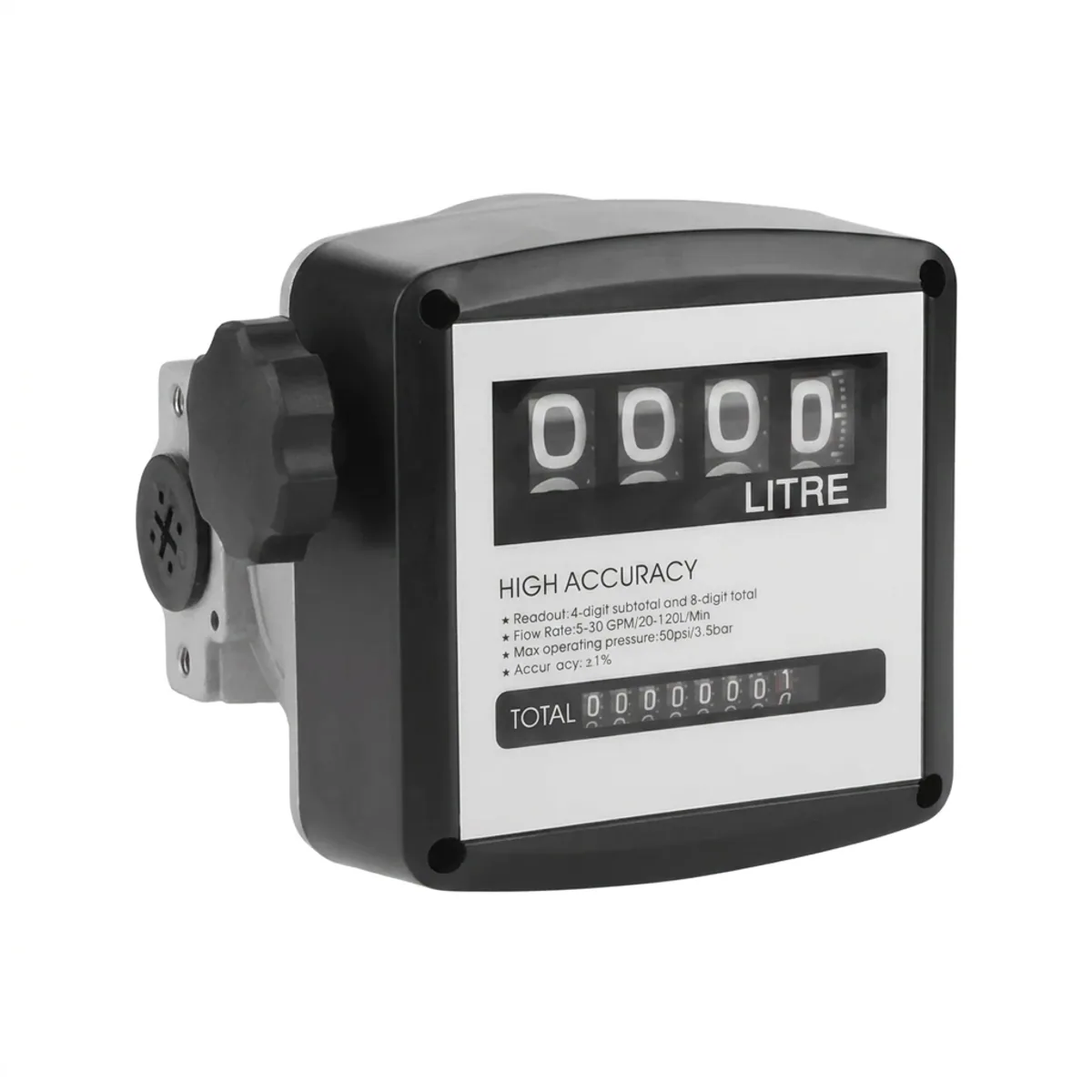
Diesel Flow Meter | 1-Inch Mechanical Counter | High Accuracy 1% Gauge
5.0(9)
£189.99
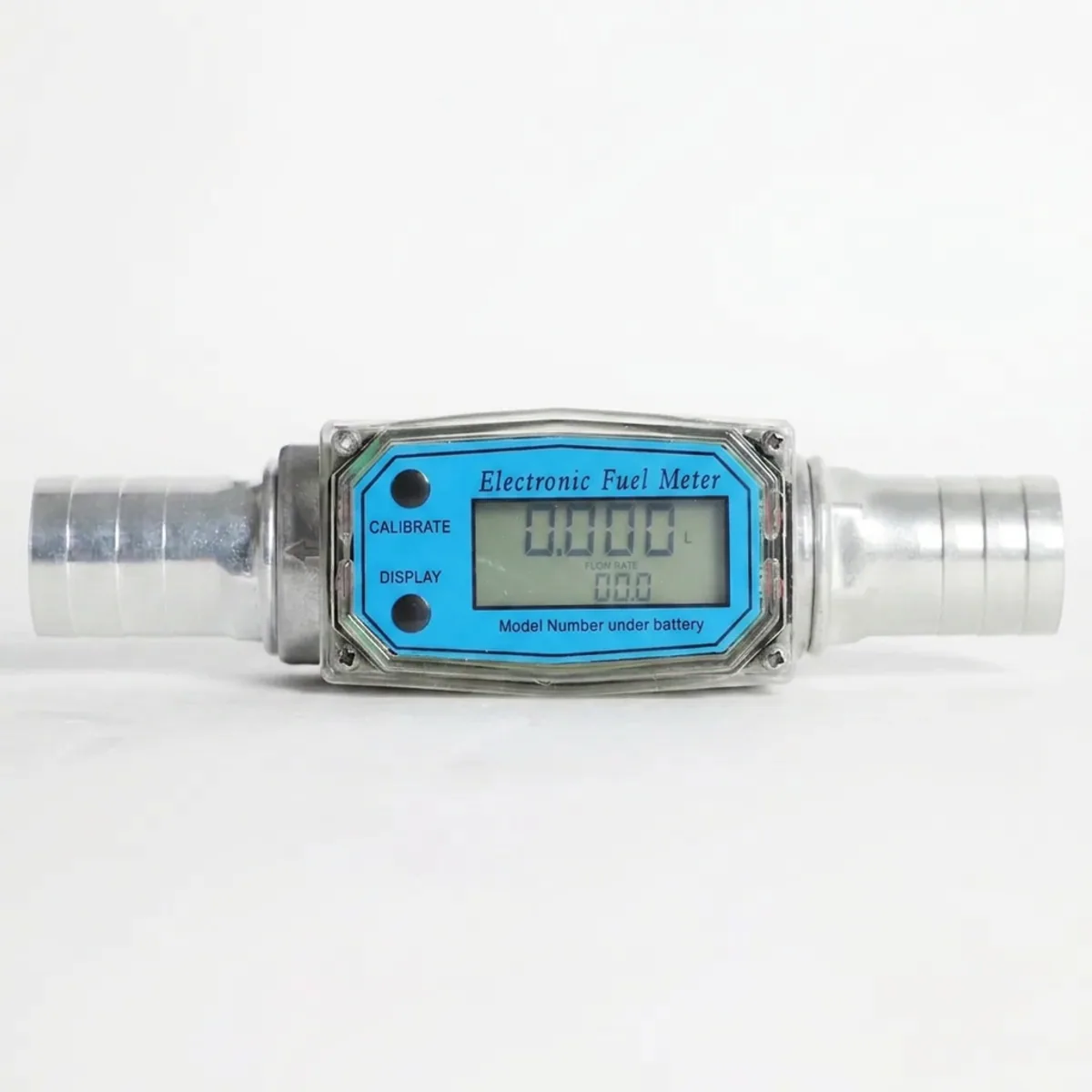
Flow Meter | Aluminum Digital Turbine | Threaded Liquid Transfer Gauge
5.0(1)
£88.99
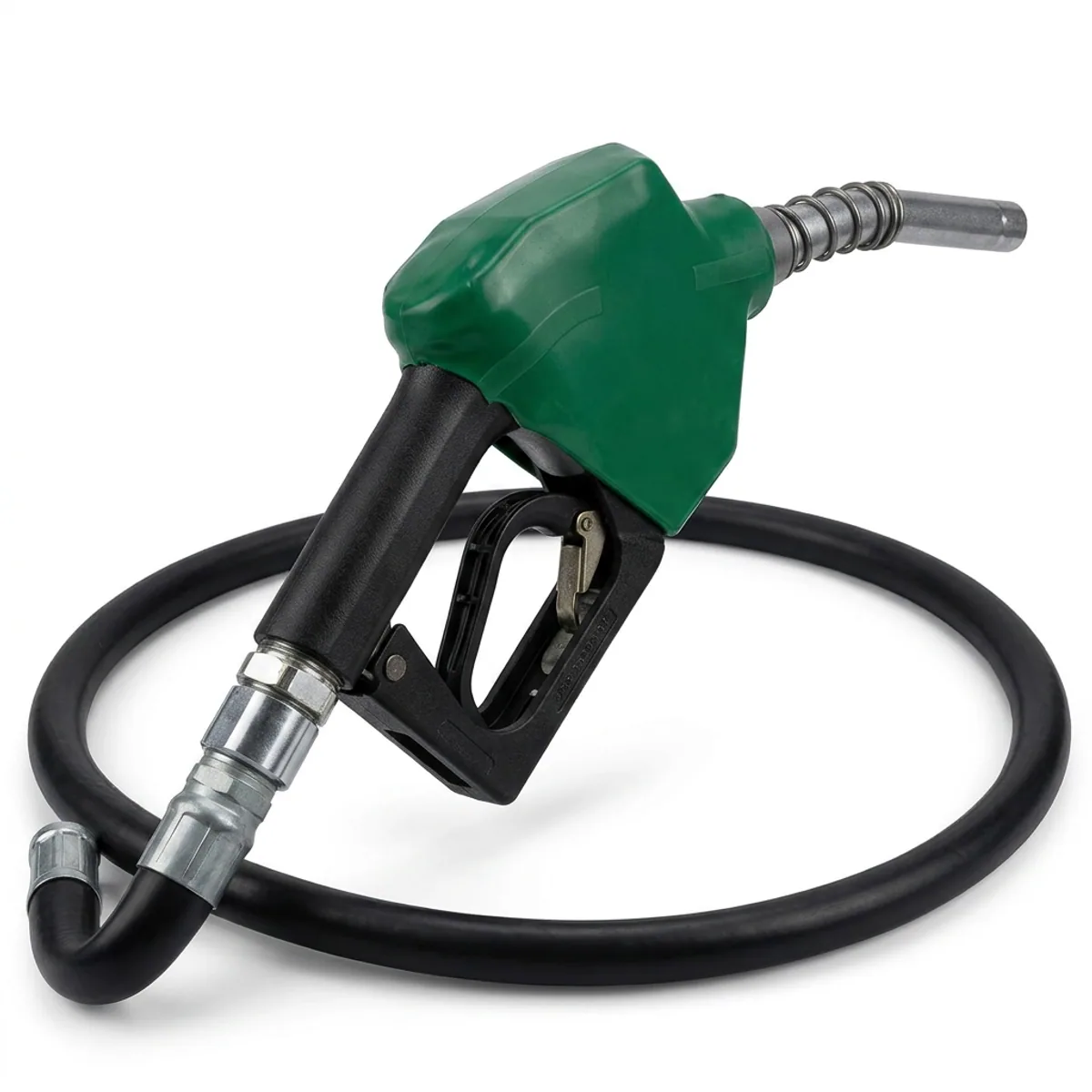
Nozzle Auto Shut Off | Aluminum Alloy Body | Heavy-Duty Diesel Dispenser
5.0(3)
£160.99
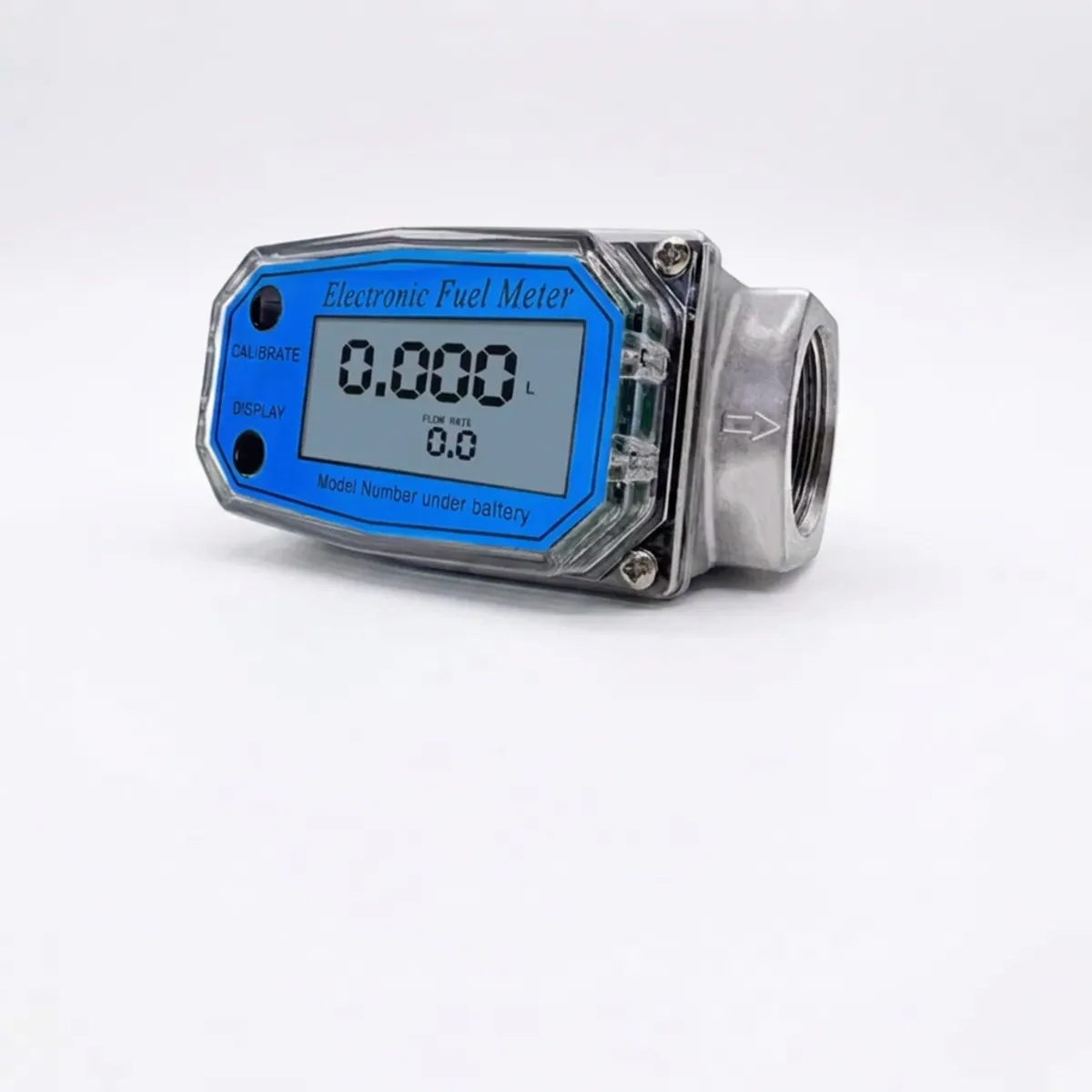
Diesel Flow Meter | Digital LCD Turbine | K24 Fuel & Methanol
5.0(1)
£70.99
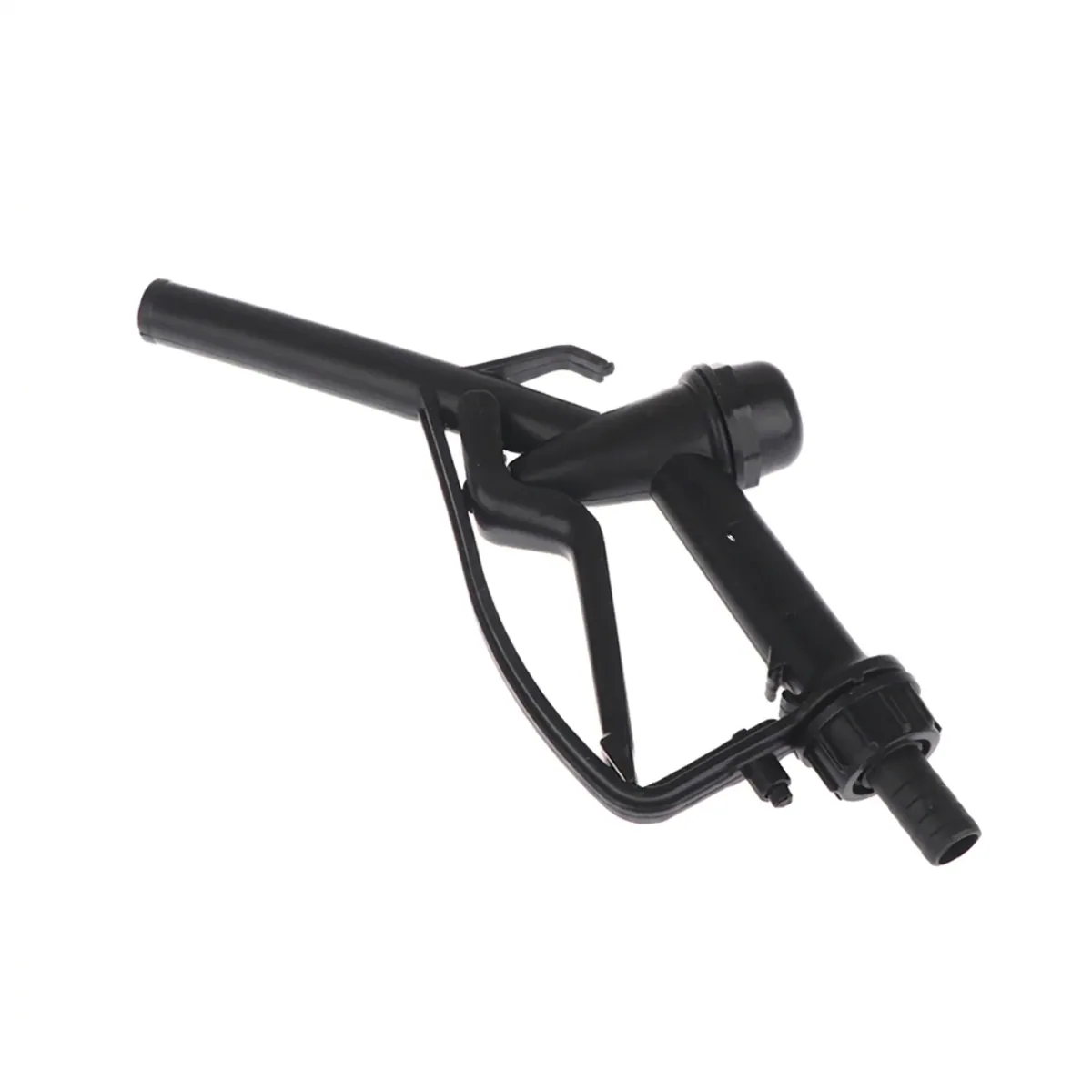
Nozzle Manual Dispenser | 45L/min Flow with Hook | 20mm 25mm Diesel Gas
5.0(5)
£53.99
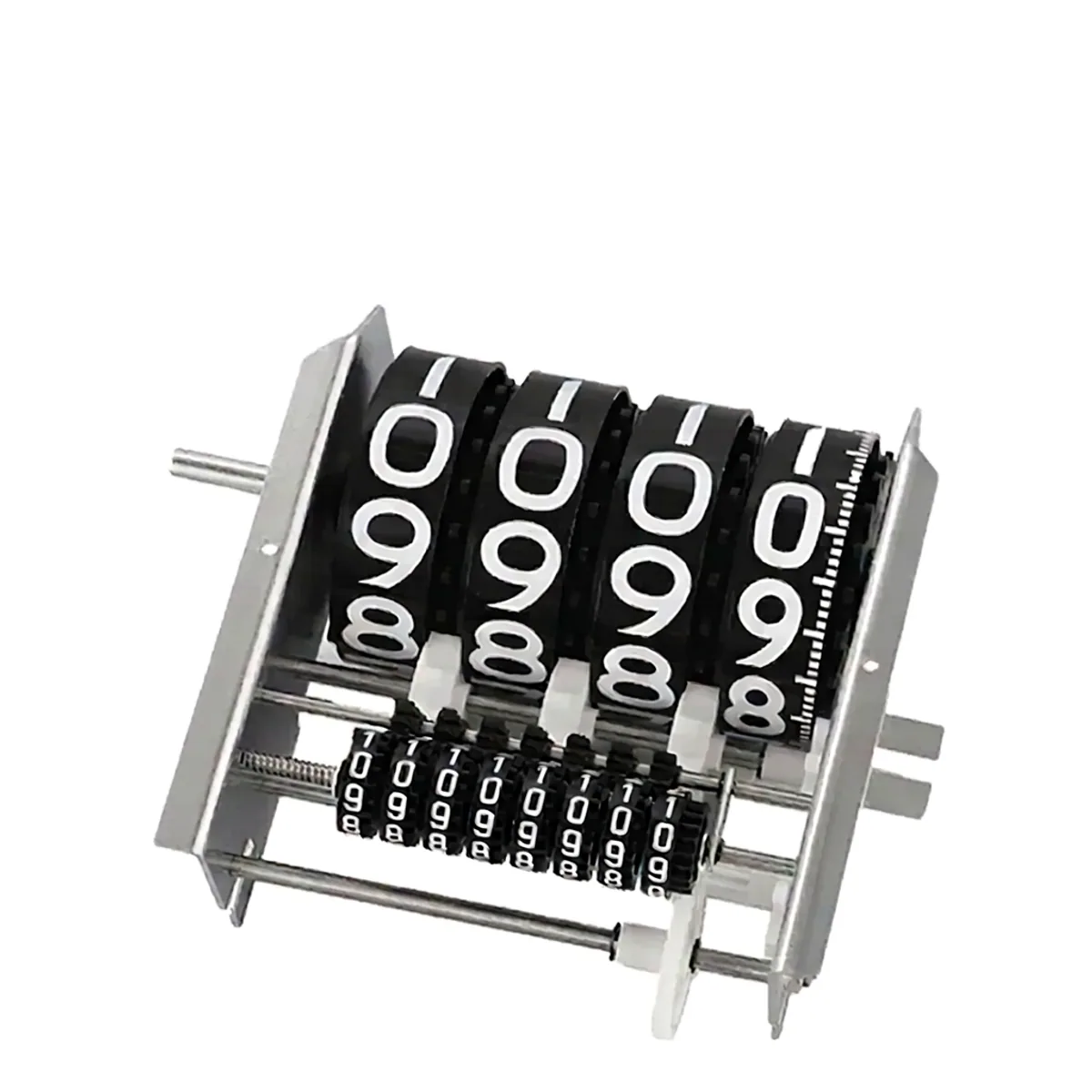
Flow Meter | 4-Digit Mechanical Counter | 20-120L/Min FM-120 Fuel Sensor
5.0(5)
£180.99
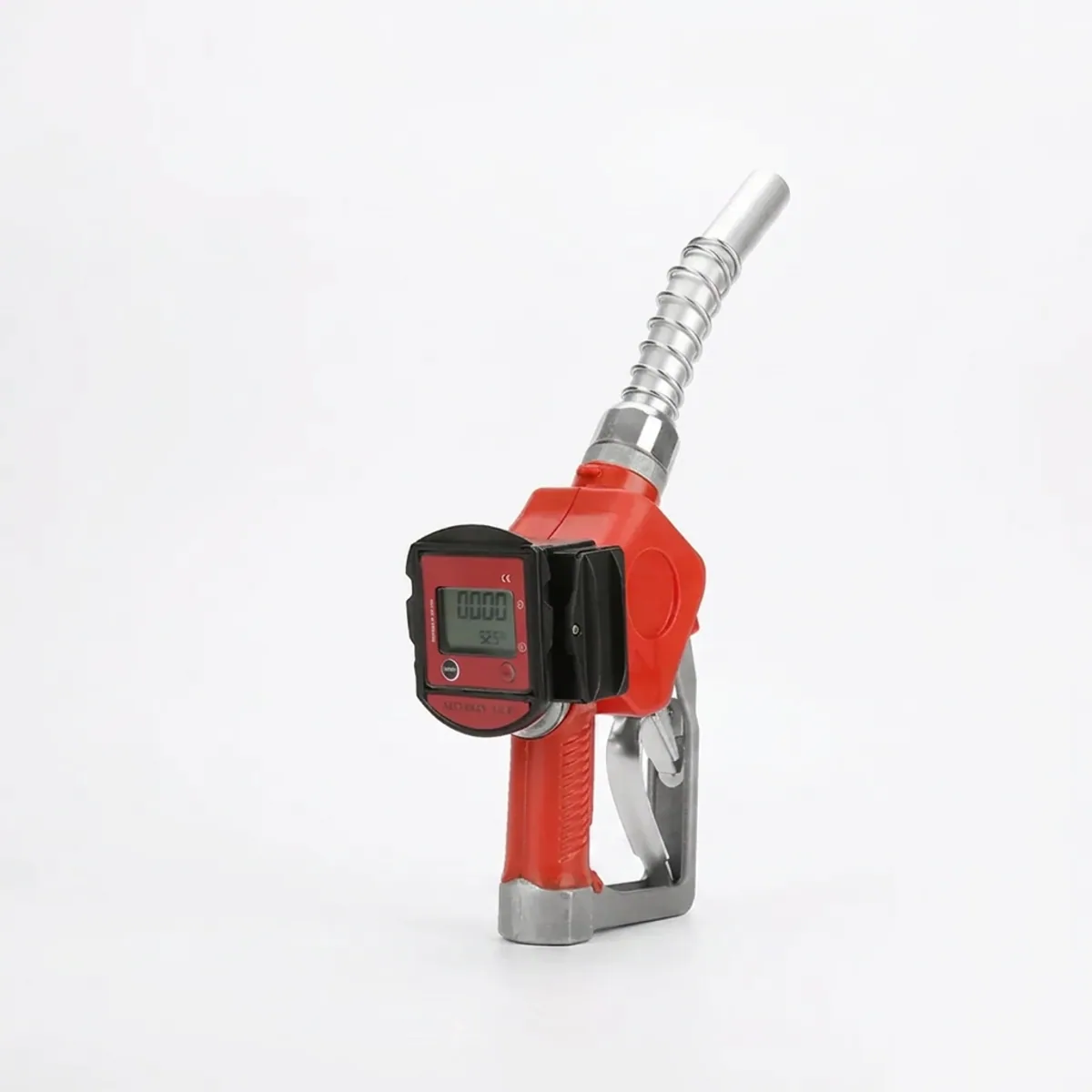
Fuel Nozzle | 1-Inch BSP Flow Meter | Automatic Shut-Off for Gas Diesel
4.9(9)
£256.99
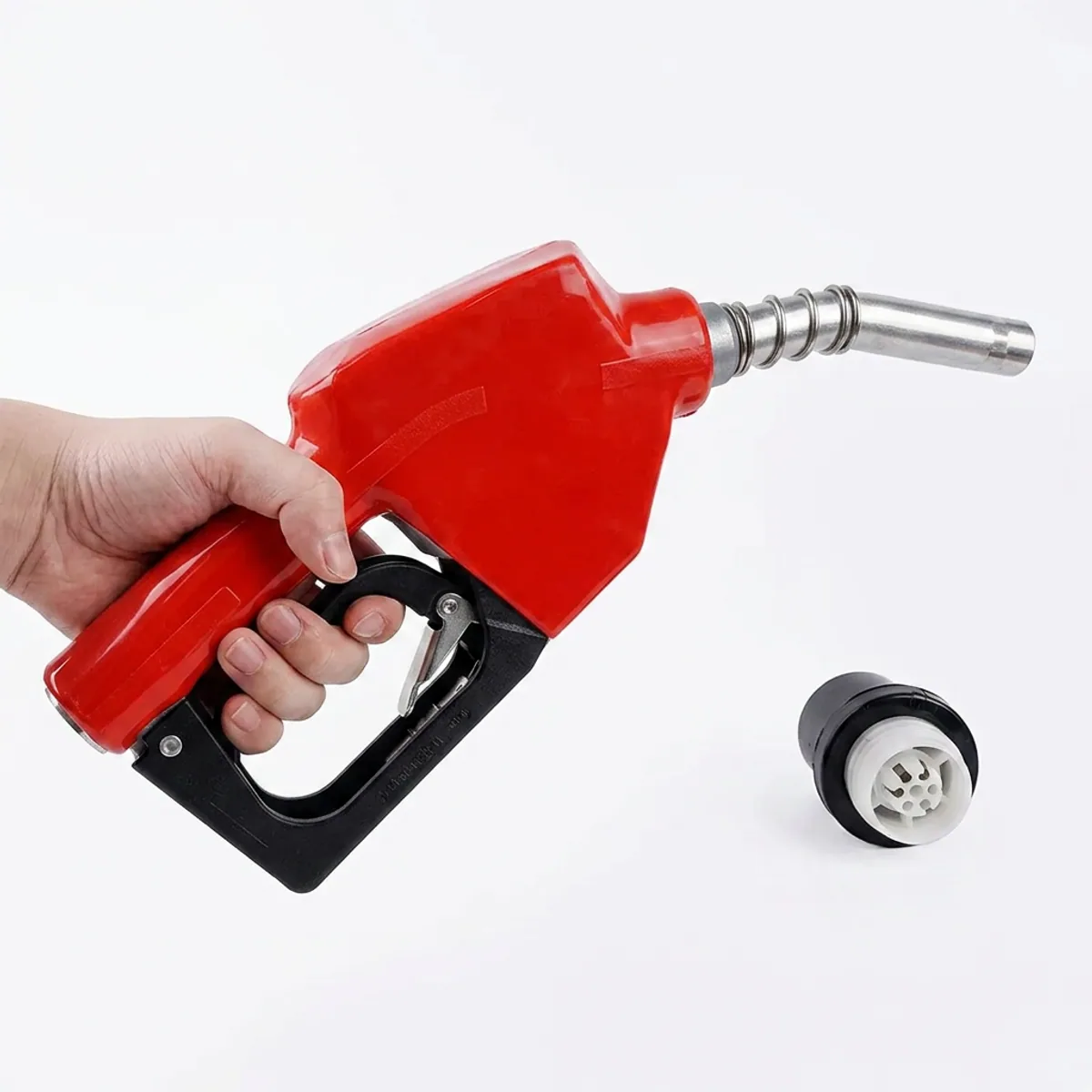
Fuel Nozzle | Stainless Steel Auto Cut-Off | Diesel Dispenser
4.7(10)
£93.99
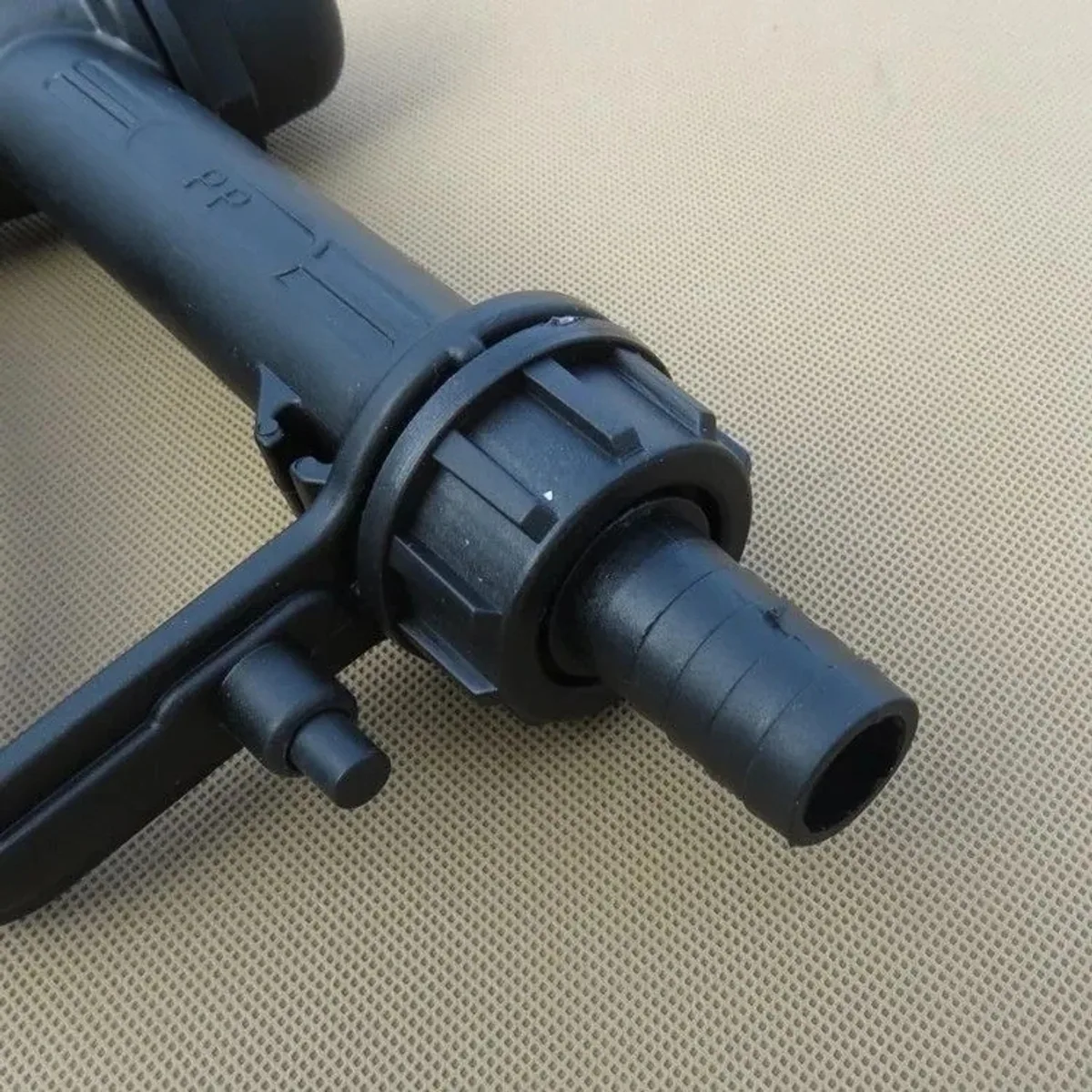
Nozzle Manual Dispenser | 45L/min 25mm Inlet | Heavy-Duty Diesel Handle
4.6(12)
£48.99
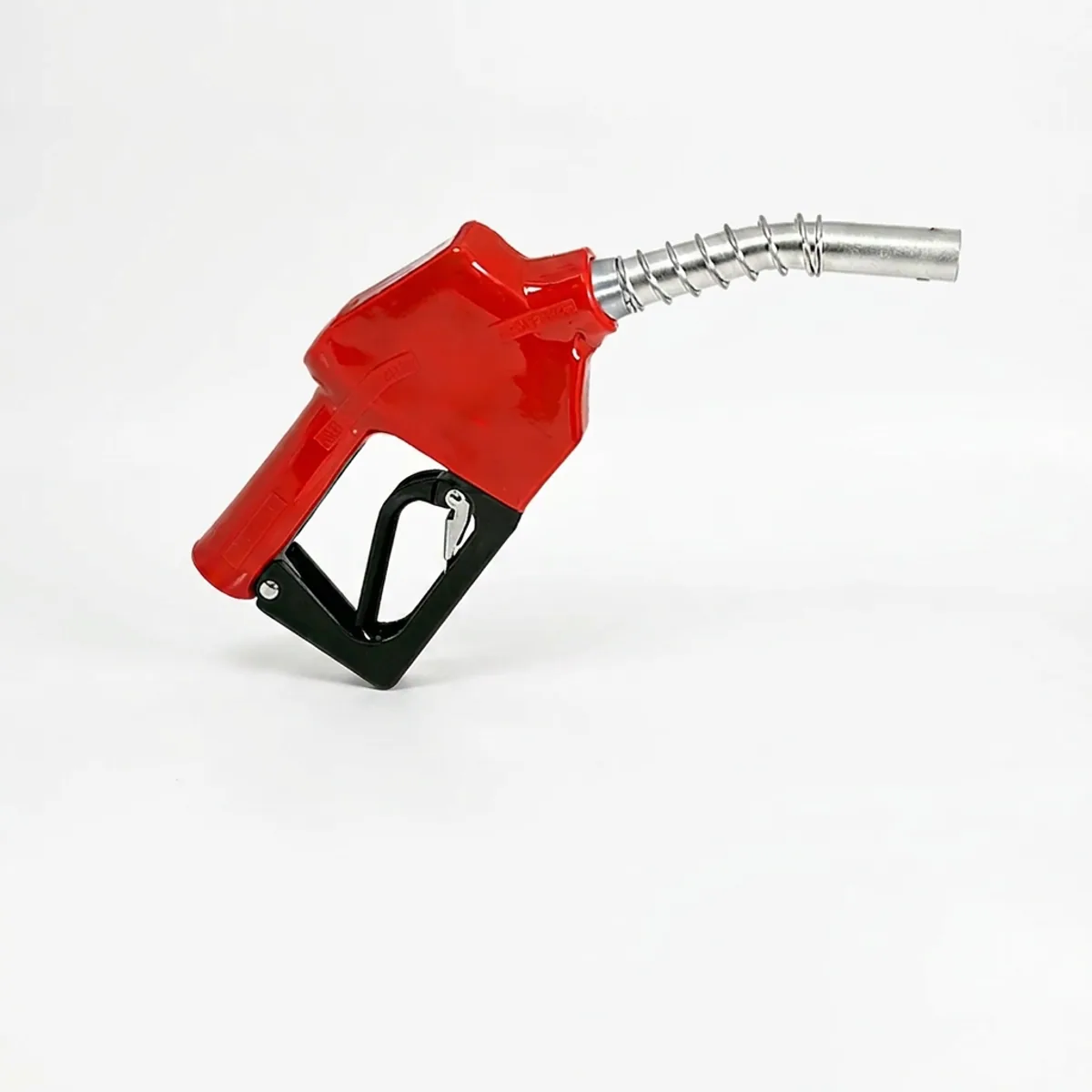
Nozzle with Auto Shut-Off | 11A Dispenser Gun | Petrol Diesel Refueling
4.5(2)
£82.99
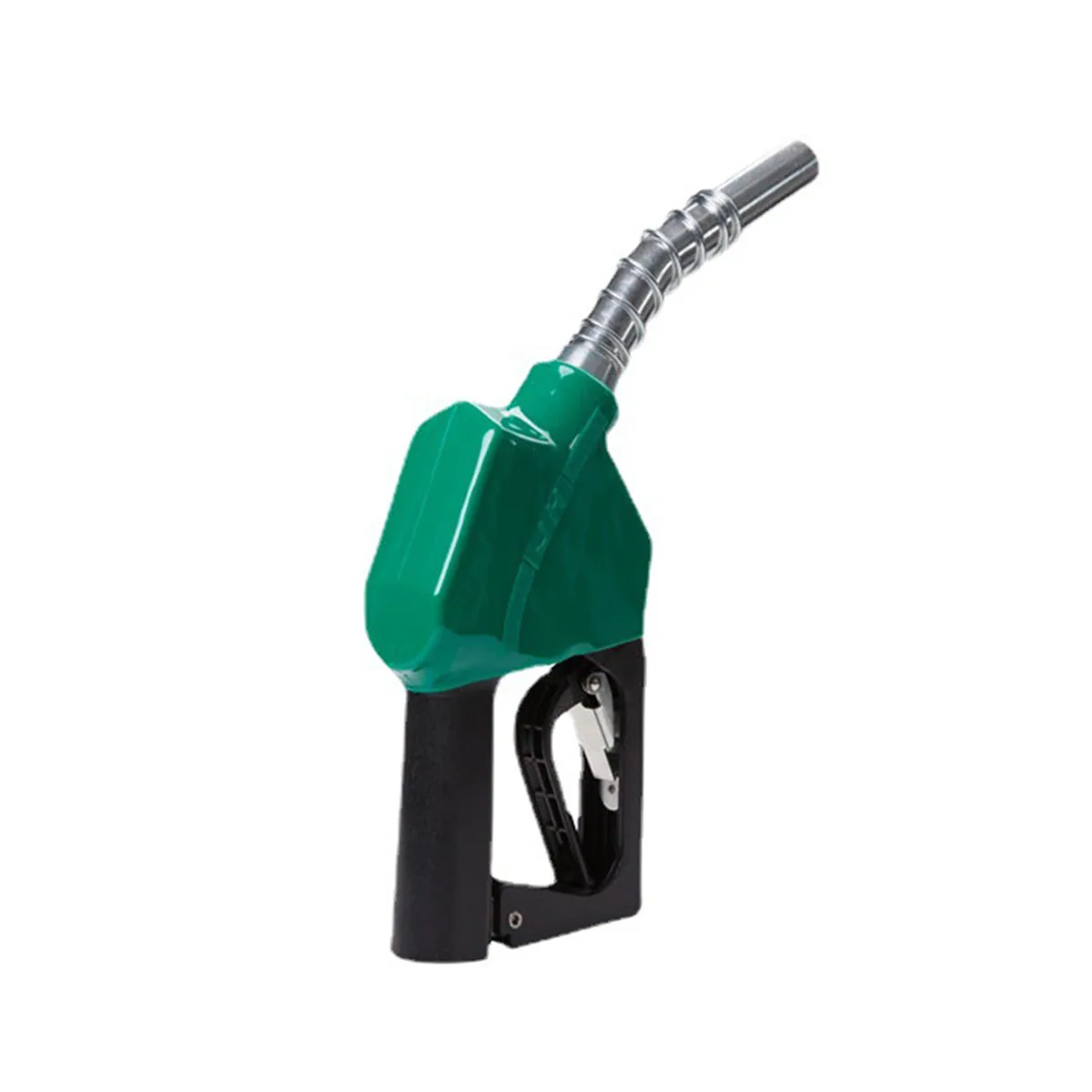
Shut-Off Fuel Nozzle | Heavy-Duty Flow Handle | Gas Station Dispenser
4.5(8)
£158.99
Explore the range
Popular in Transfer Pumps
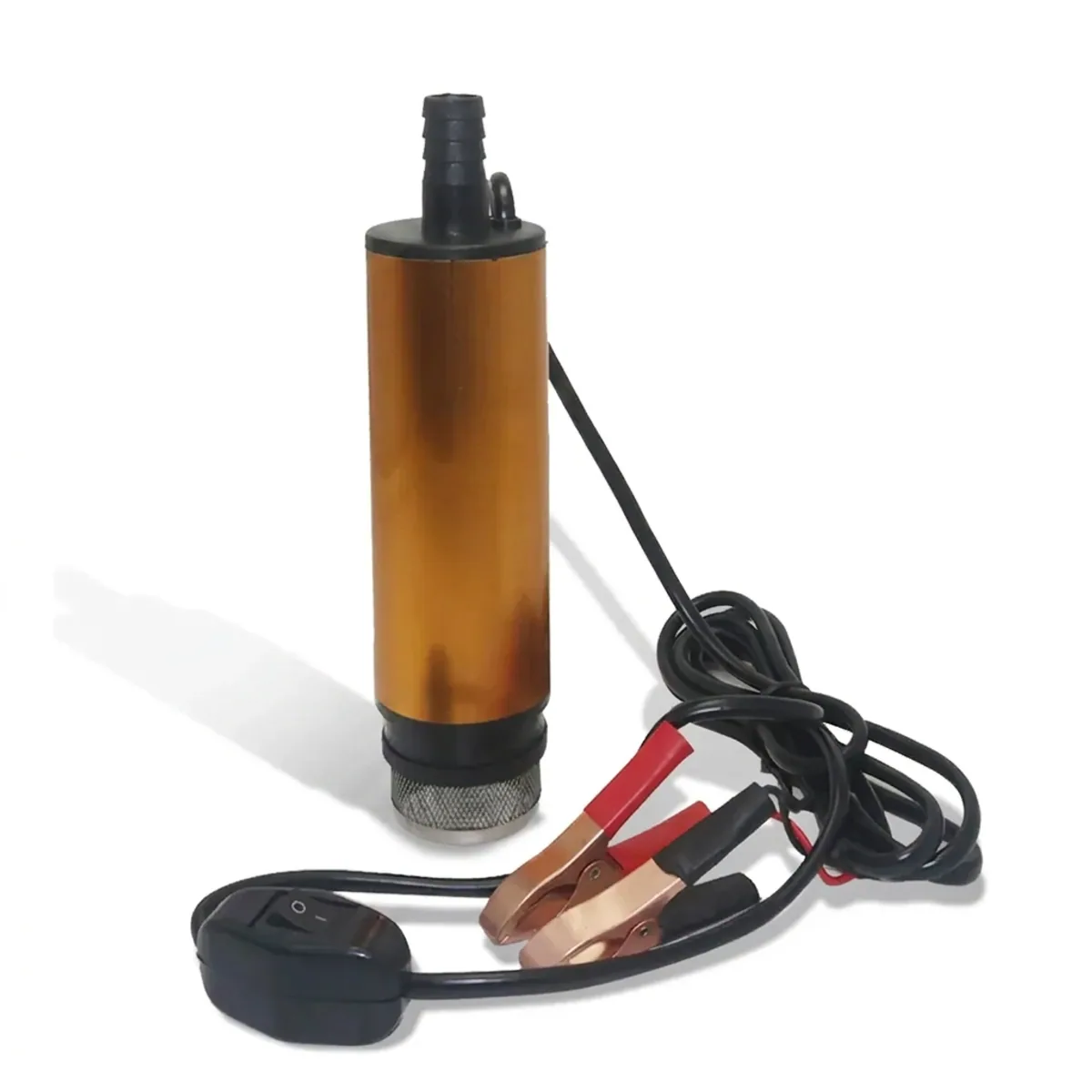
Pump Kit with Refueling Gun | 4m Hose Stainless Steel | 12V 24V 51mm
5.0(14)
£75.99
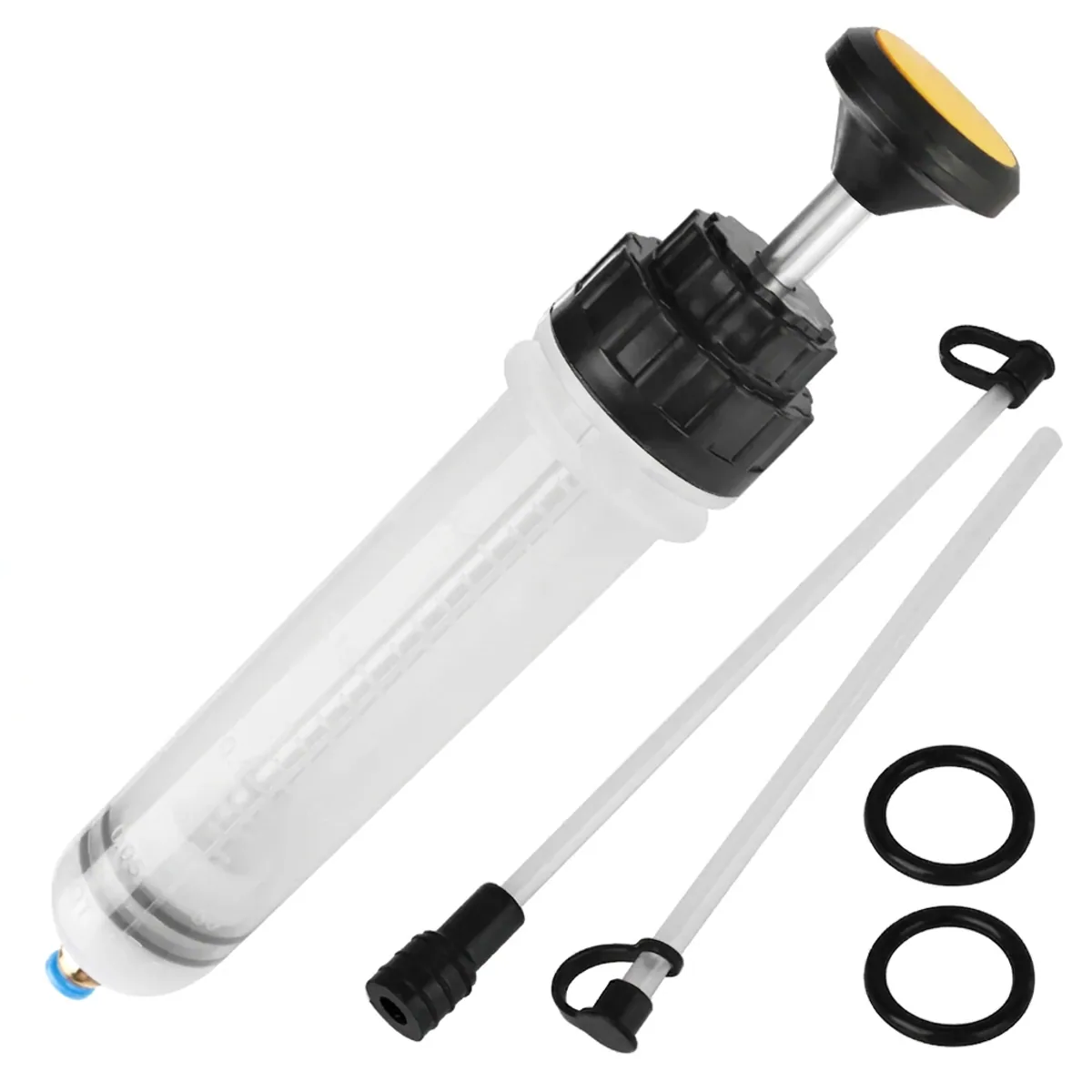
Fuel Pump Extractor | 200cc Fluid Syringe Tool | Car Fluid Extraction
5.0(15)
£52.99
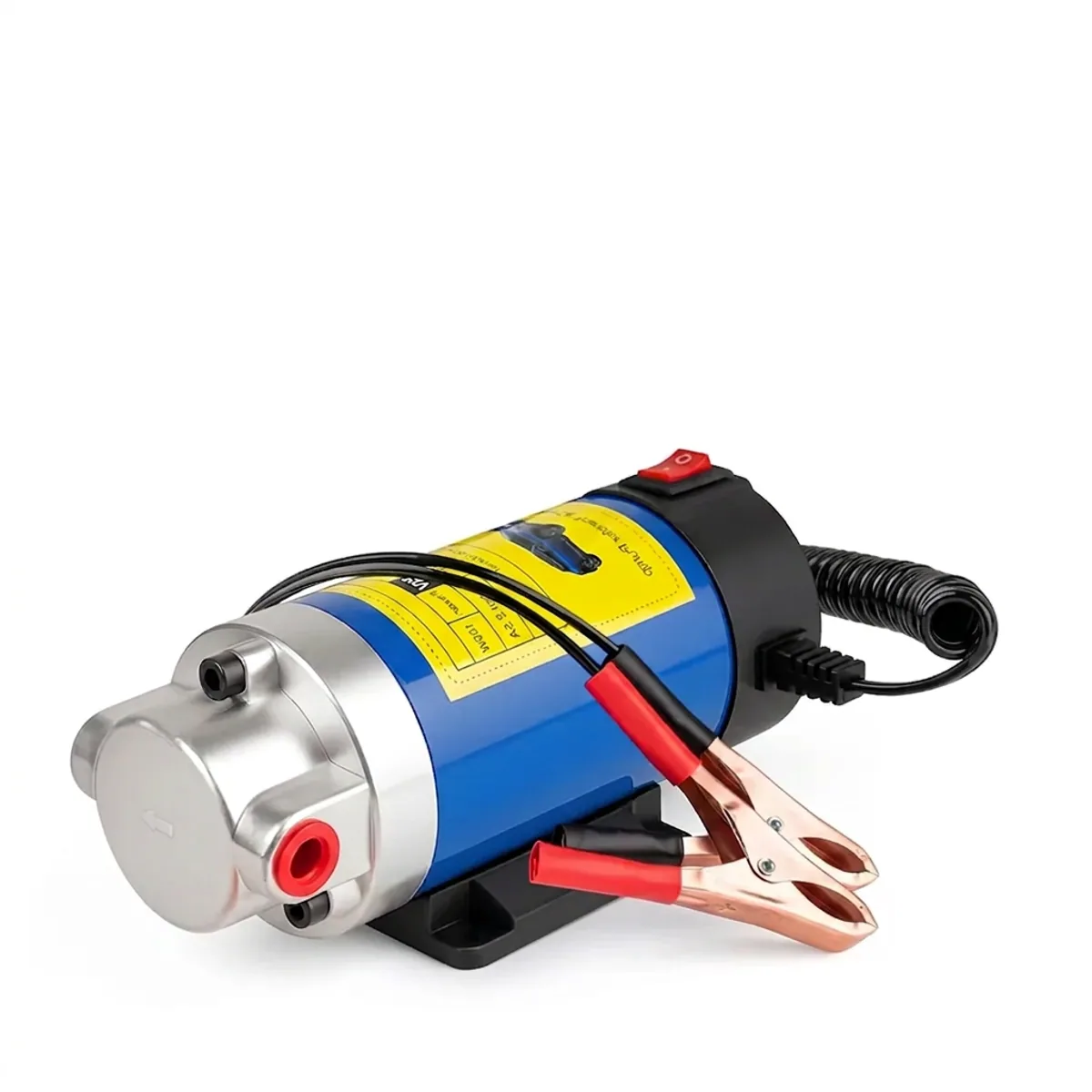
Transfer Pump 12V 1-4L/min | Quick Fluid Extractor | Boat Motorcycle
4.9(183)
£189.99
Pump Rotary Aluminum | Heavy-Duty Hand Crank | Oil & Fuel Fluid Extractor
4.9(134)
£72.99
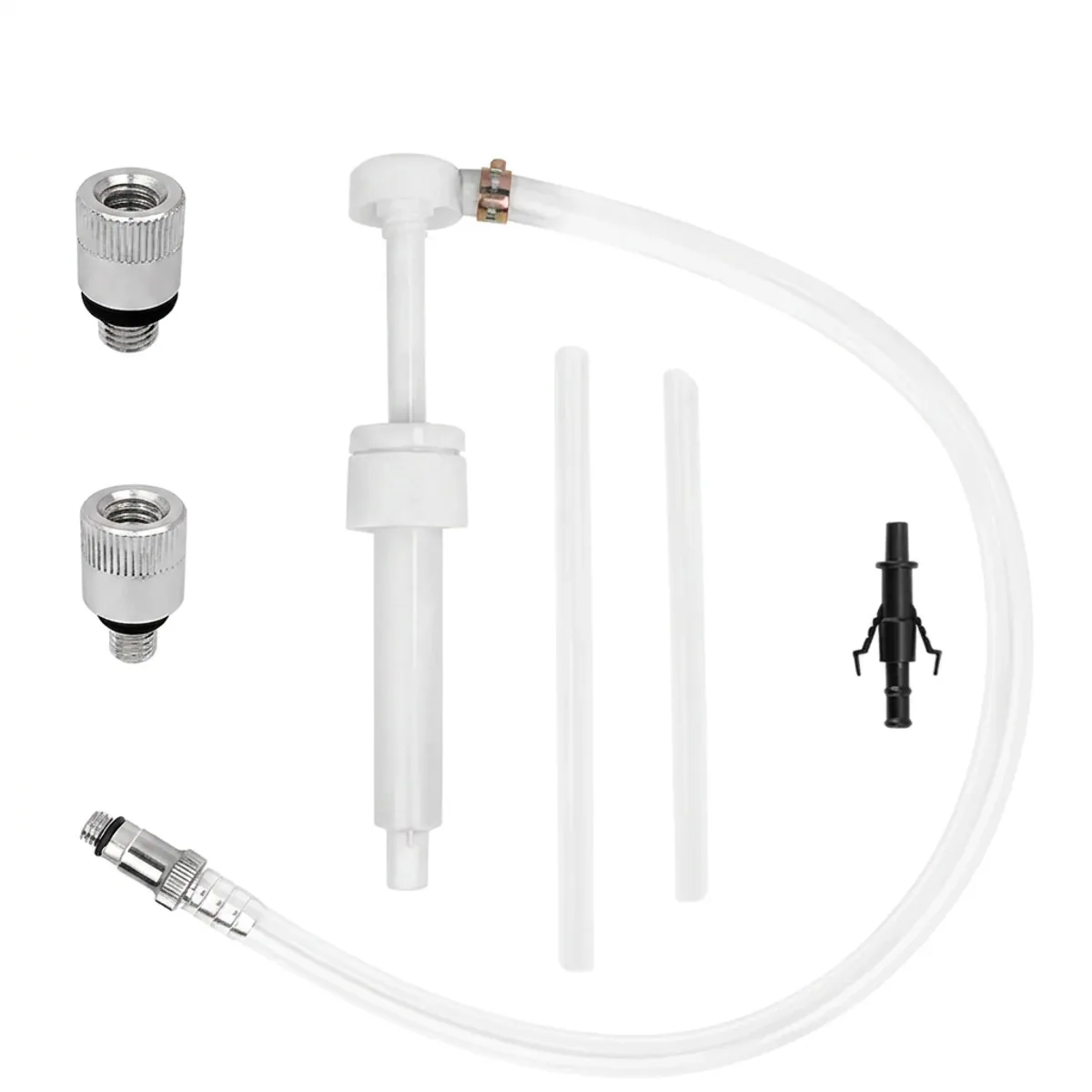
Hand Oil Pump | Lower Unit Gear Lube Adapter | Outboard Motor Fluid Kit
5.0(12)
£36.99
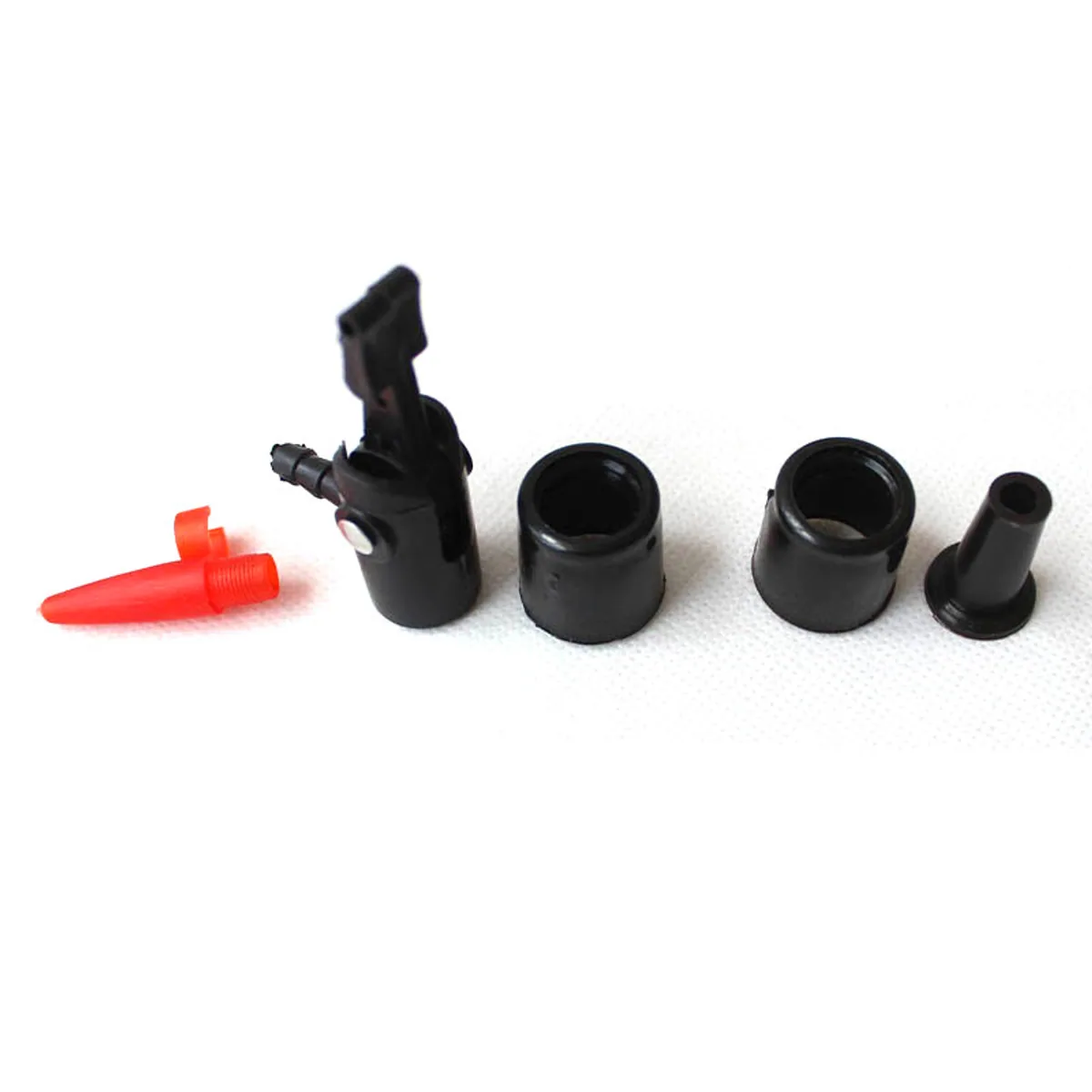
Hand Fuel Pump | Manual Sucker Tube Hose | Emergency Gas Liquid Transfer
4.9(263)
£54.99
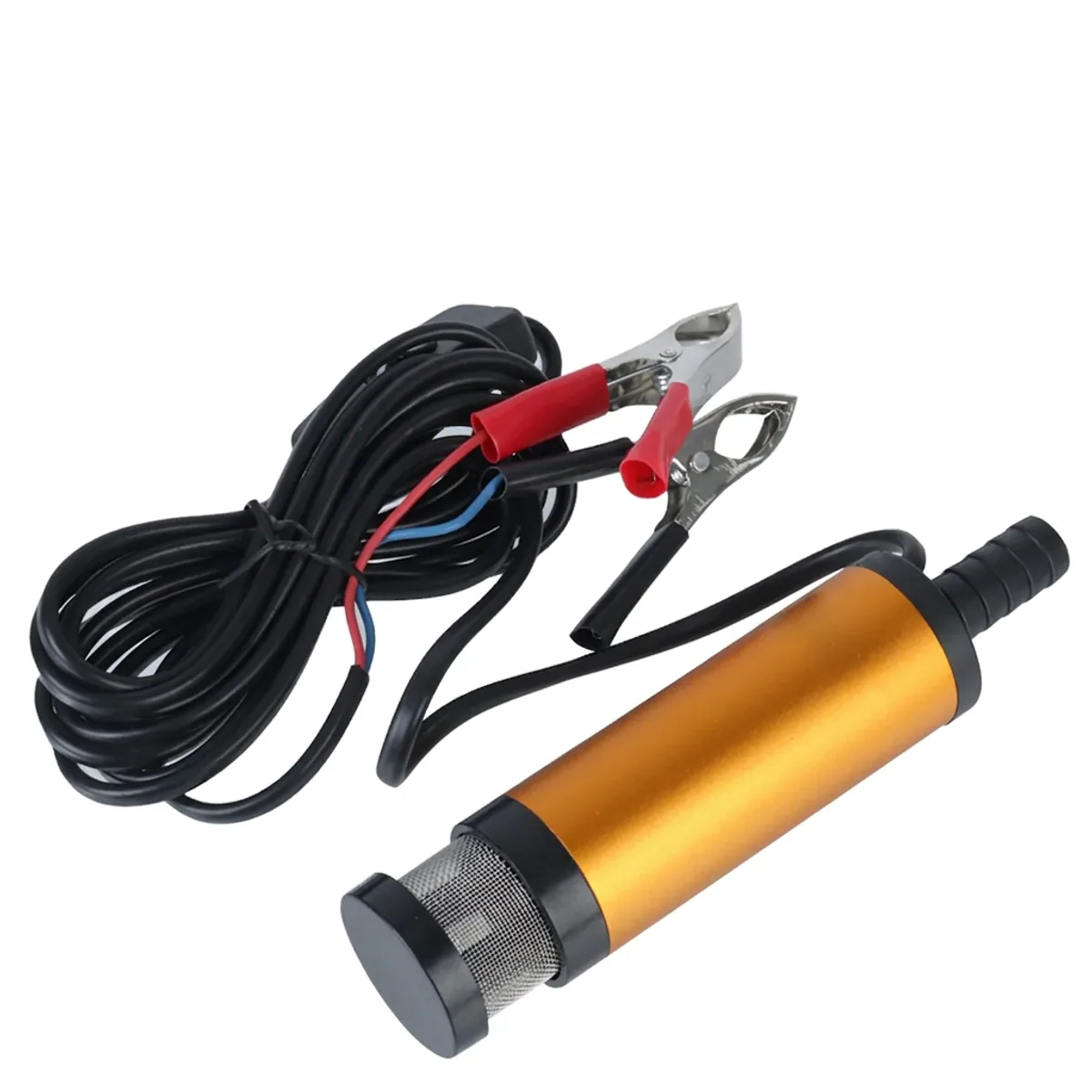
Transfer Pump 12L/min | In-Line Power Switch | 12V Marine Truck Diesel Water
4.9(148)
£56.99
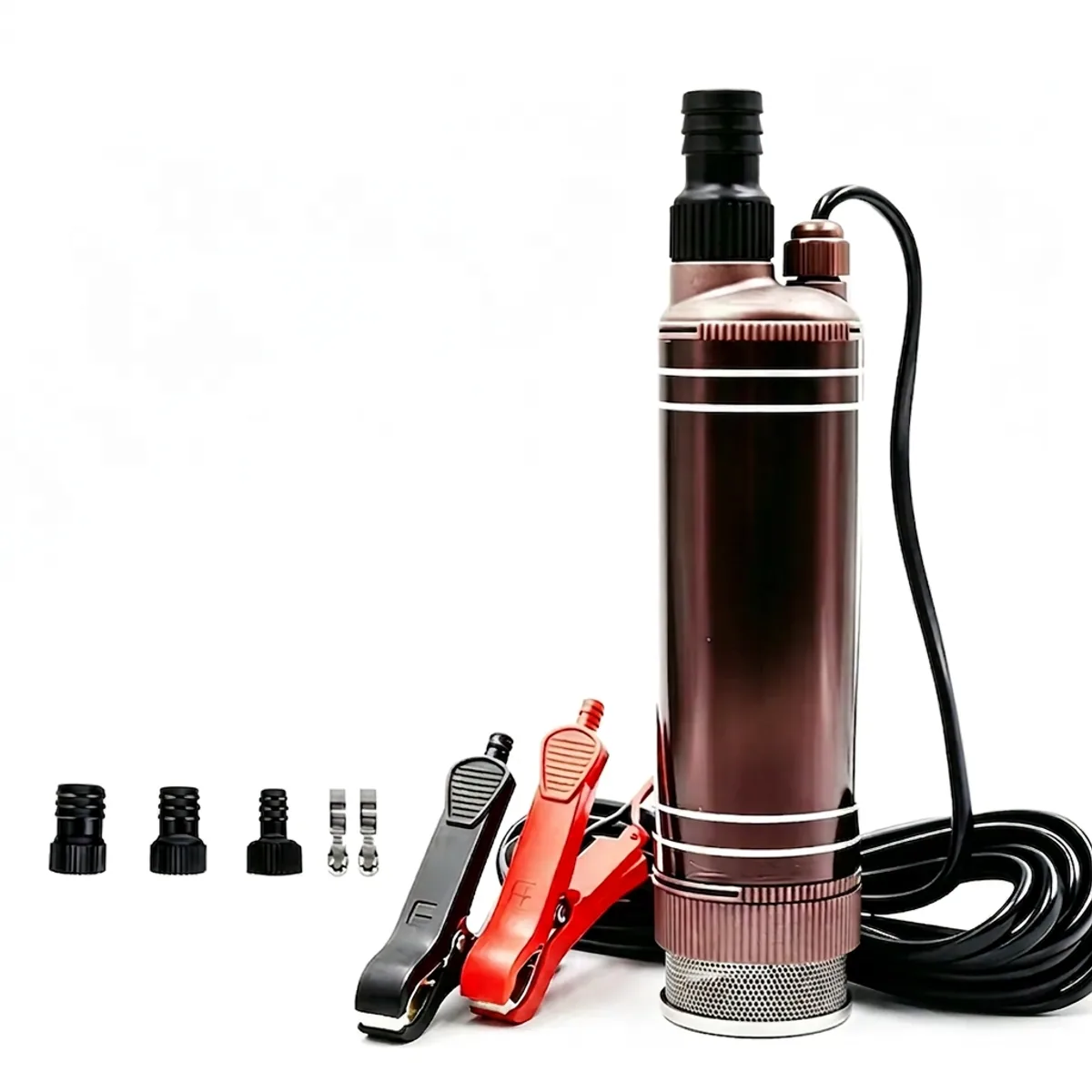
Fuel Transfer Pump | 45L/Min Submersible Unit | 12V 24V 150W DC
4.9(236)
£117.99
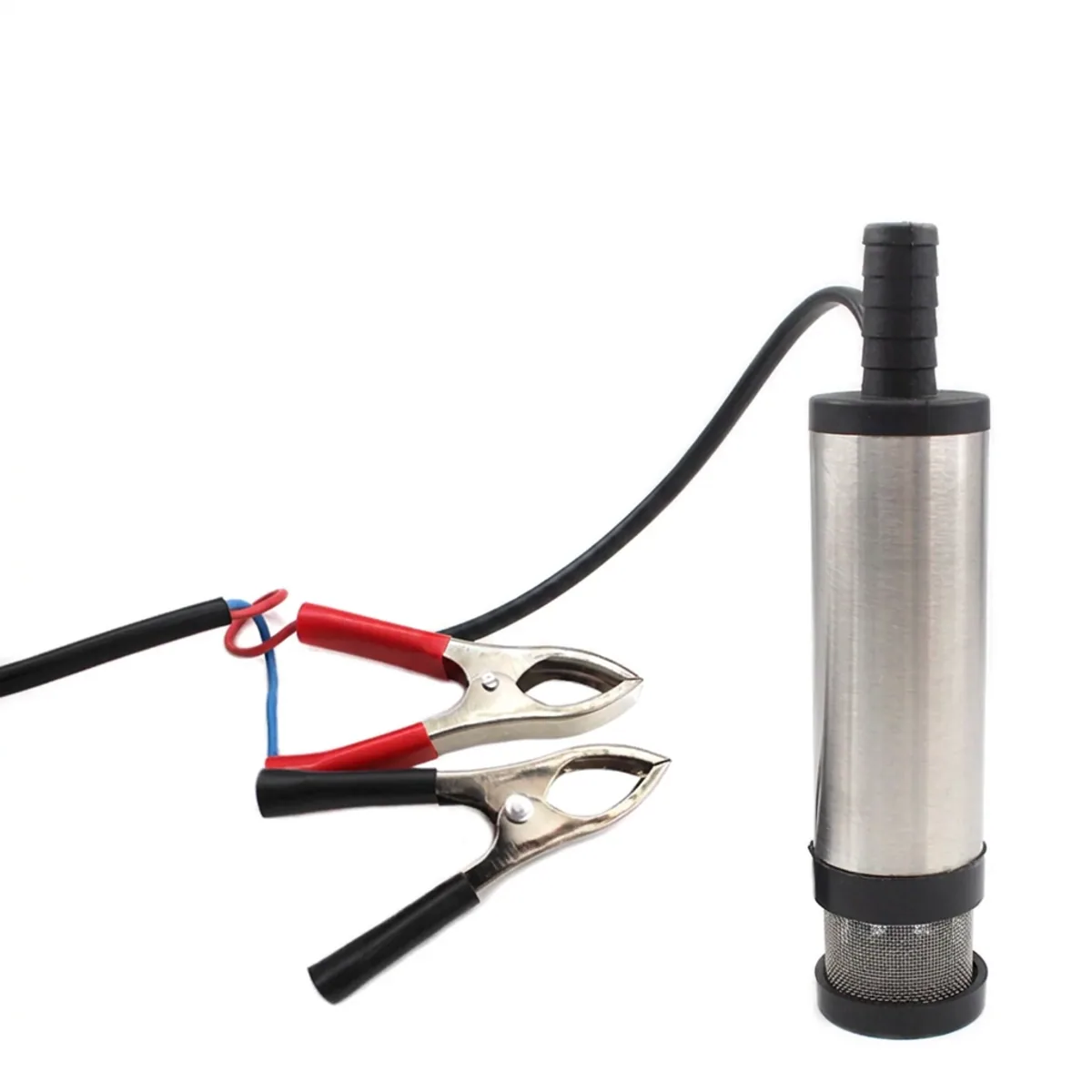
Transfer Pump Submersible | 12V 24V Stainless Steel | 30L/min Flow
4.9(157)
£60.99
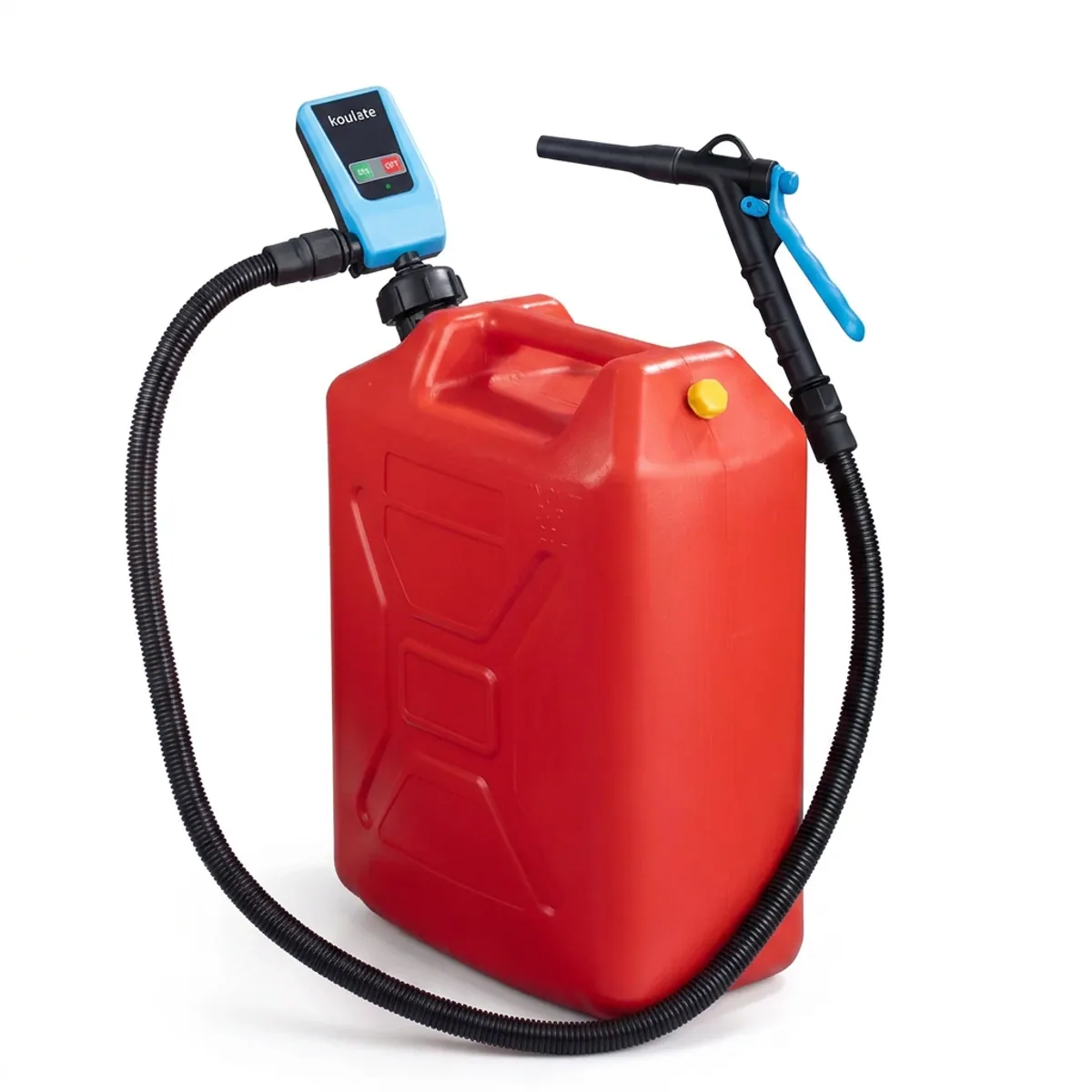
Pump Kit Portable 12V | Battery Gas Transfer | 3.2 GPM with 51 Hose
4.9(42)
£208.99
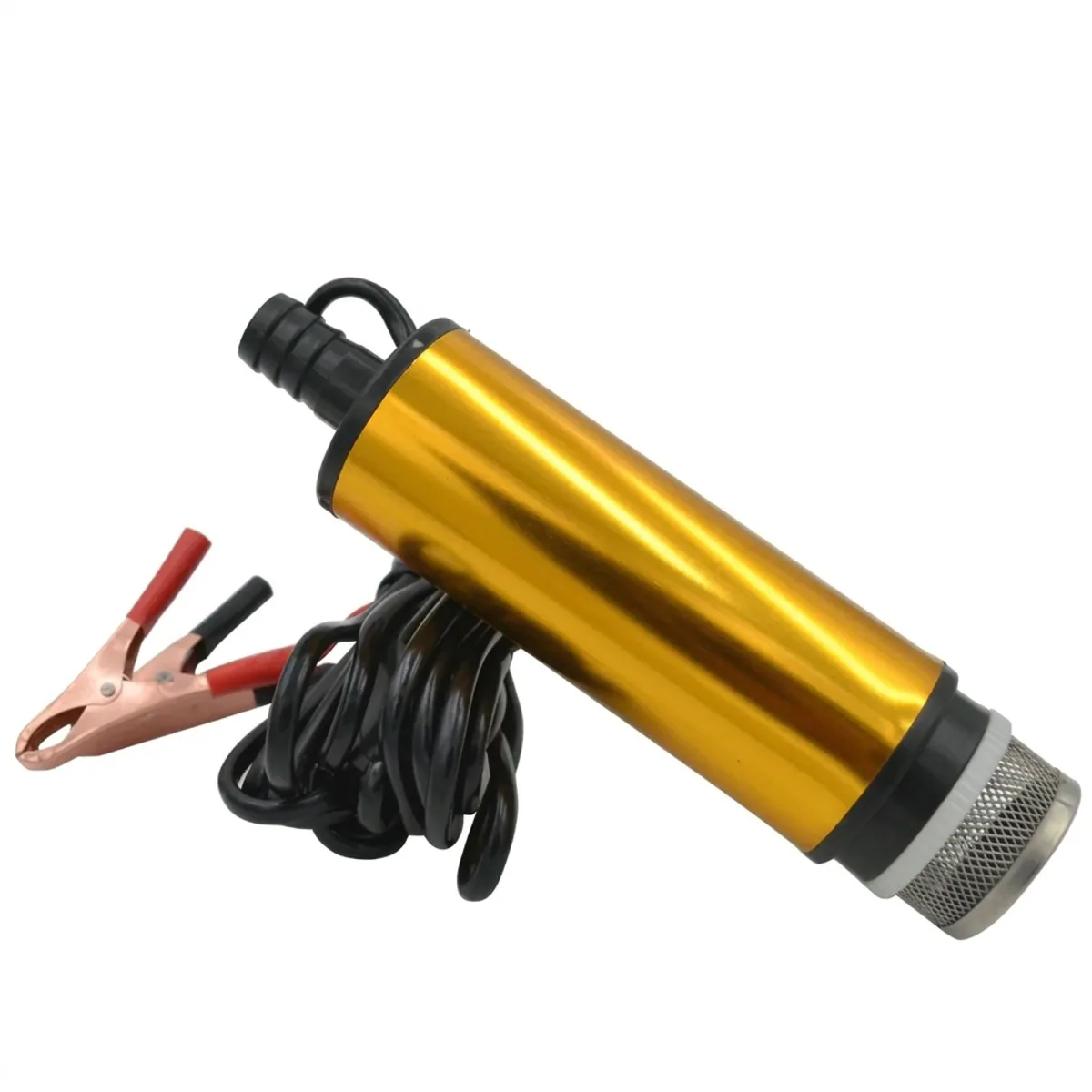
Transfer Pump Submersible | 12V 24V Heavy-Duty | RV Car & Camping Kit
4.9(29)
£72.99
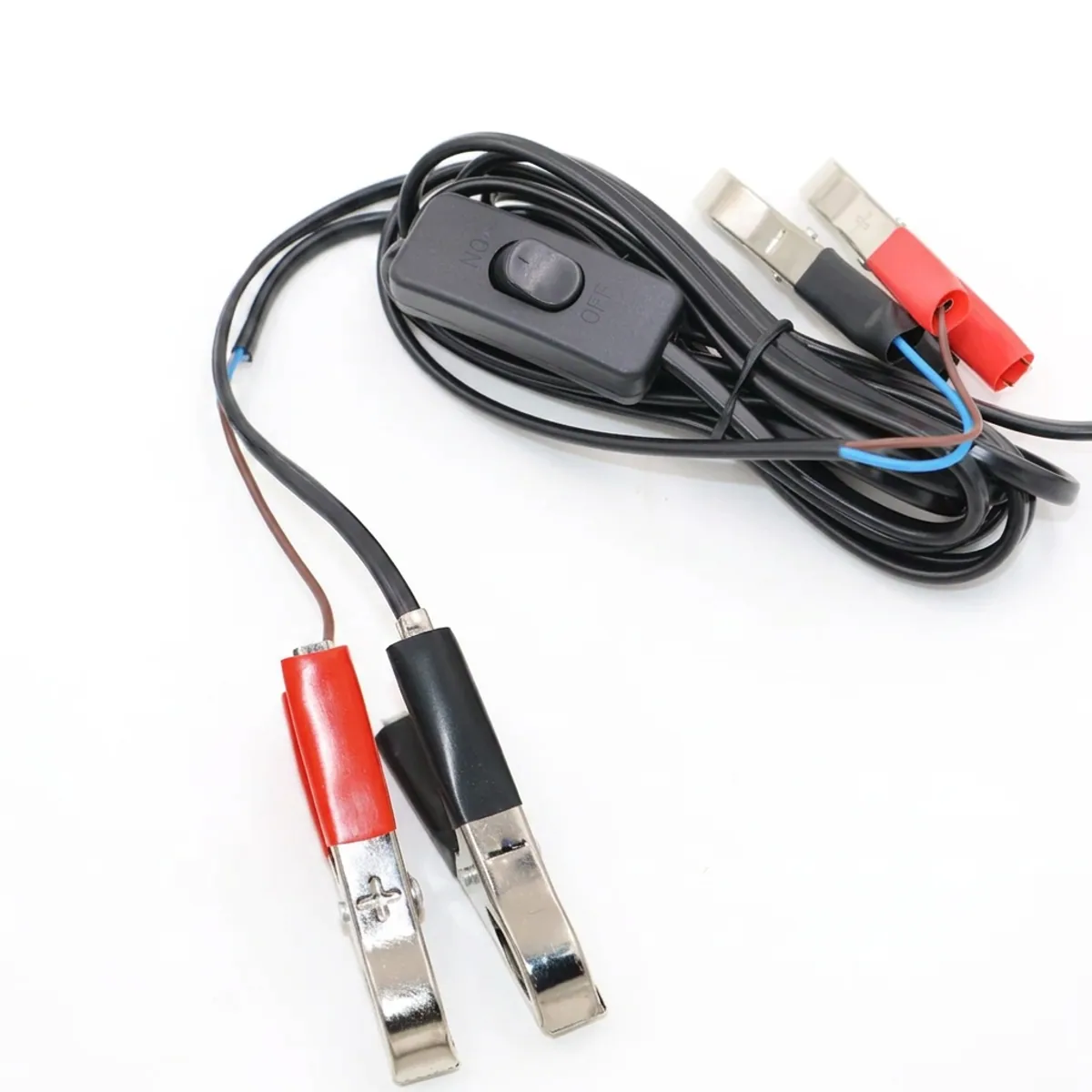
Transfer Pump Submersible | 12V 24V DC 12L/min | Aluminum Alloy Fuel Extractor
4.9(642)
£60.99