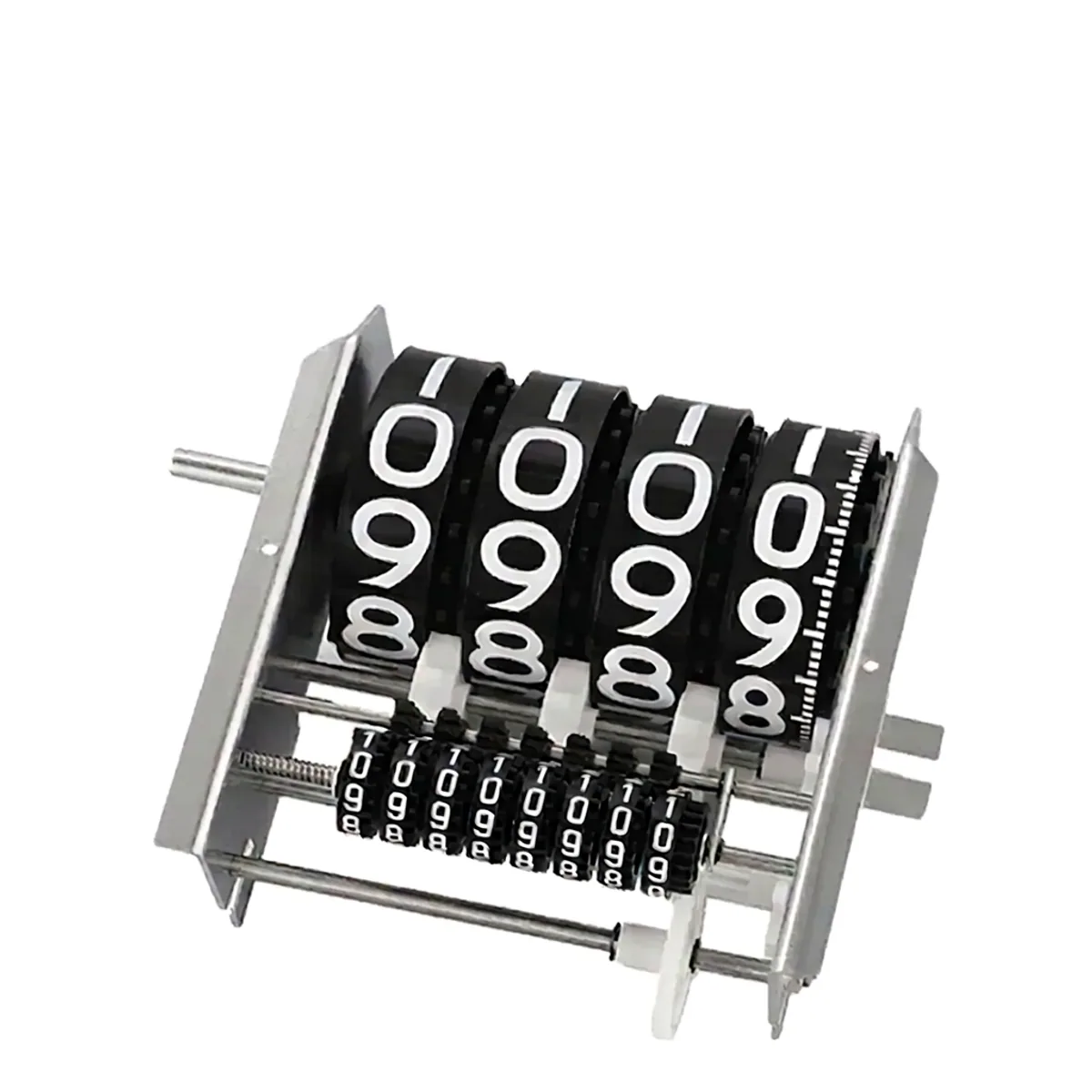
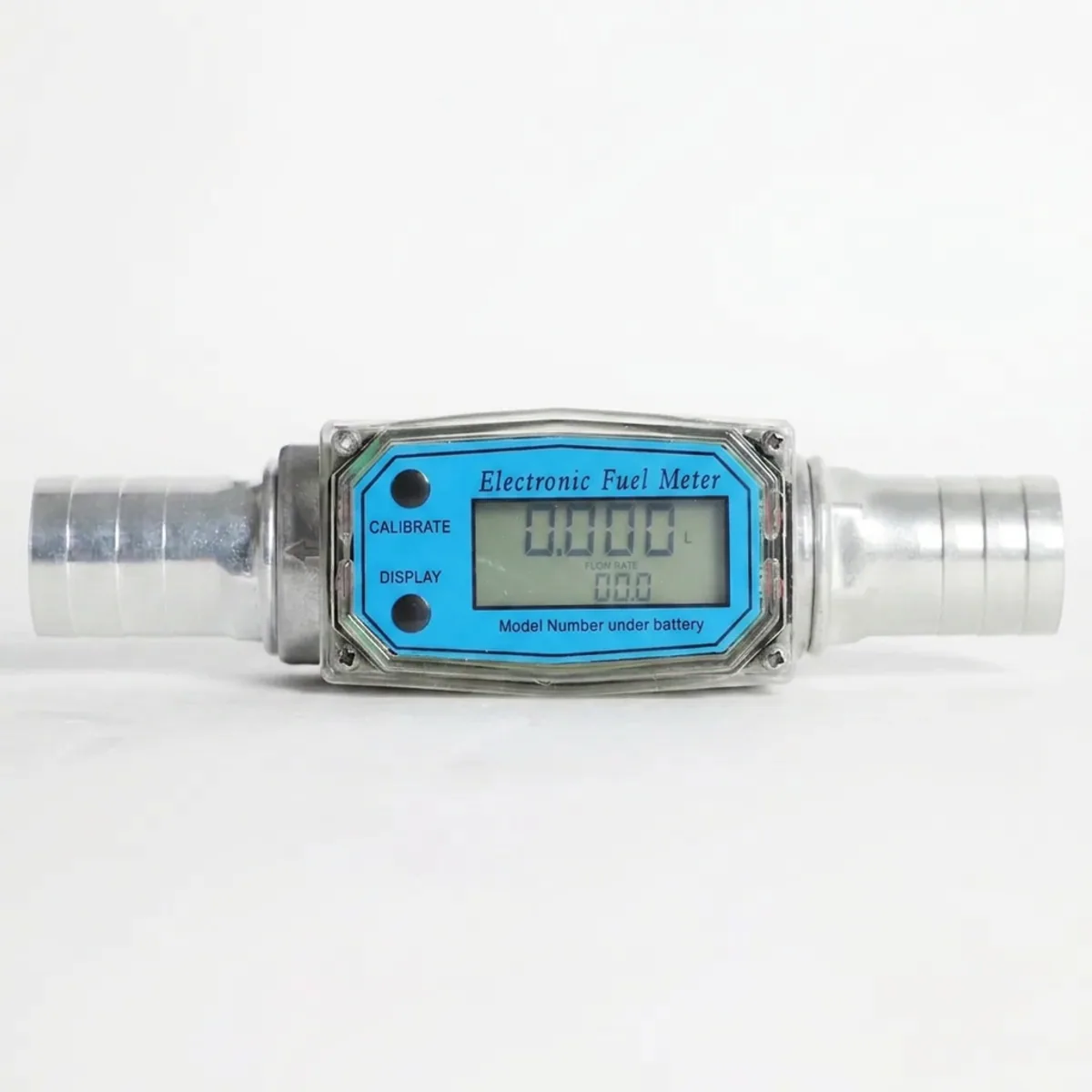
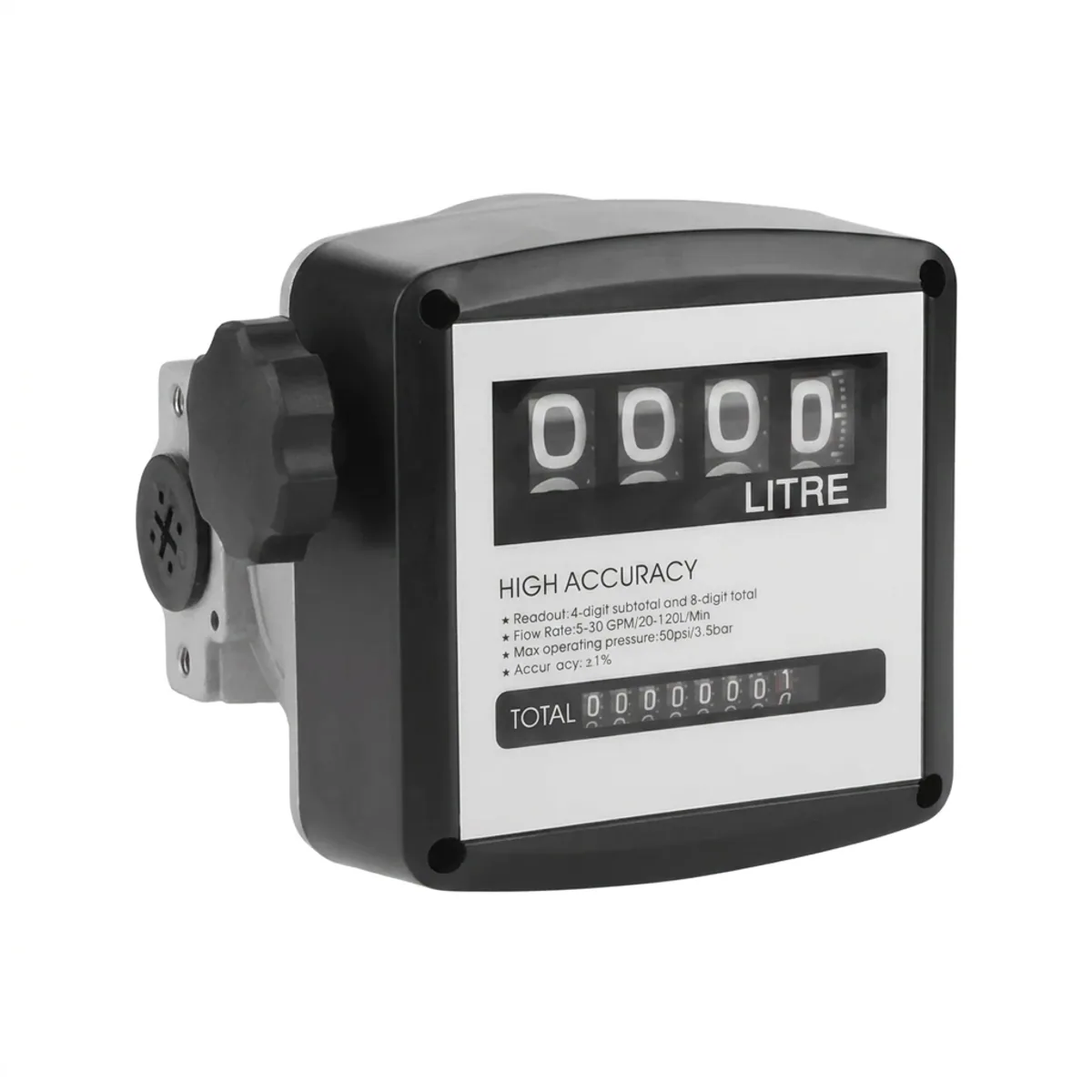
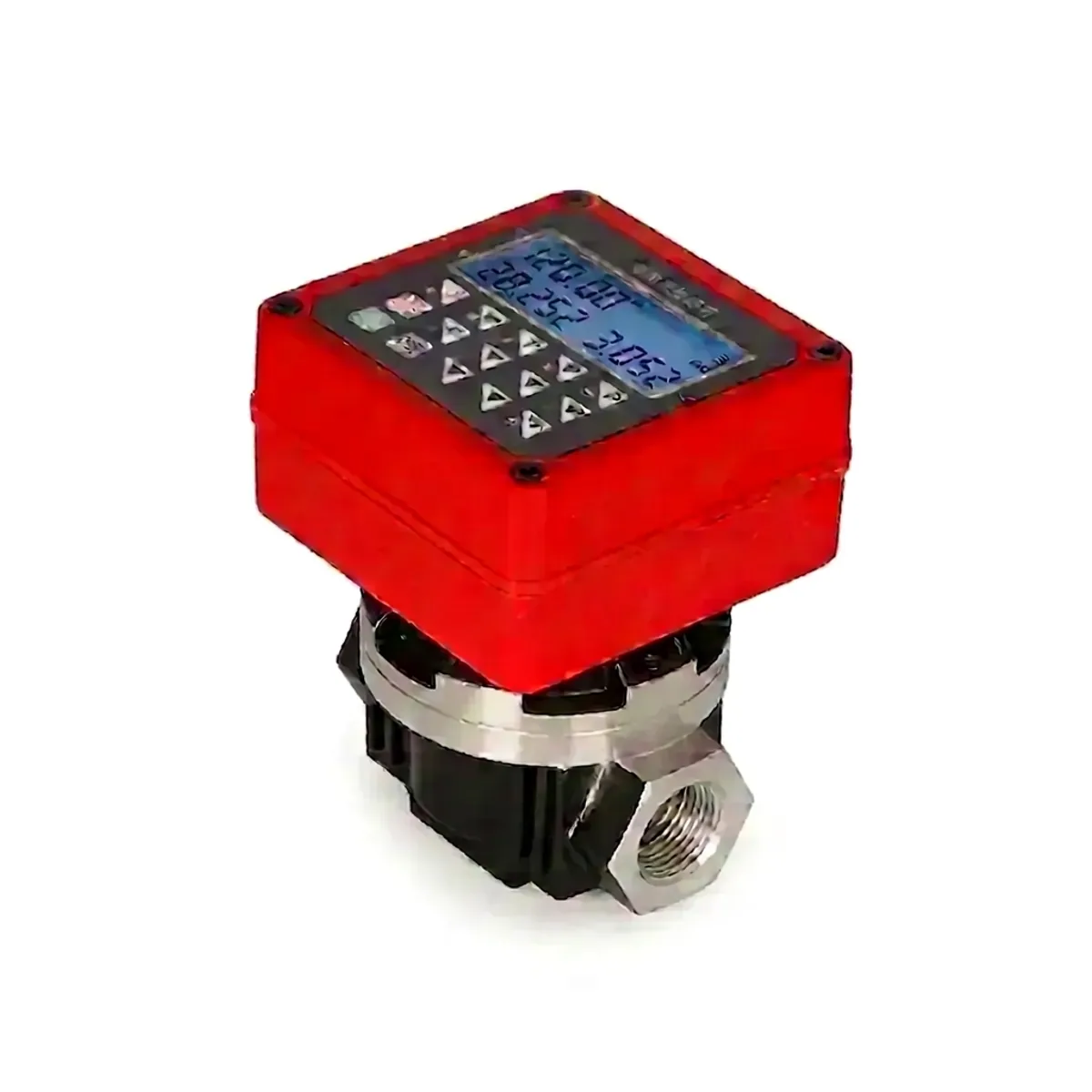
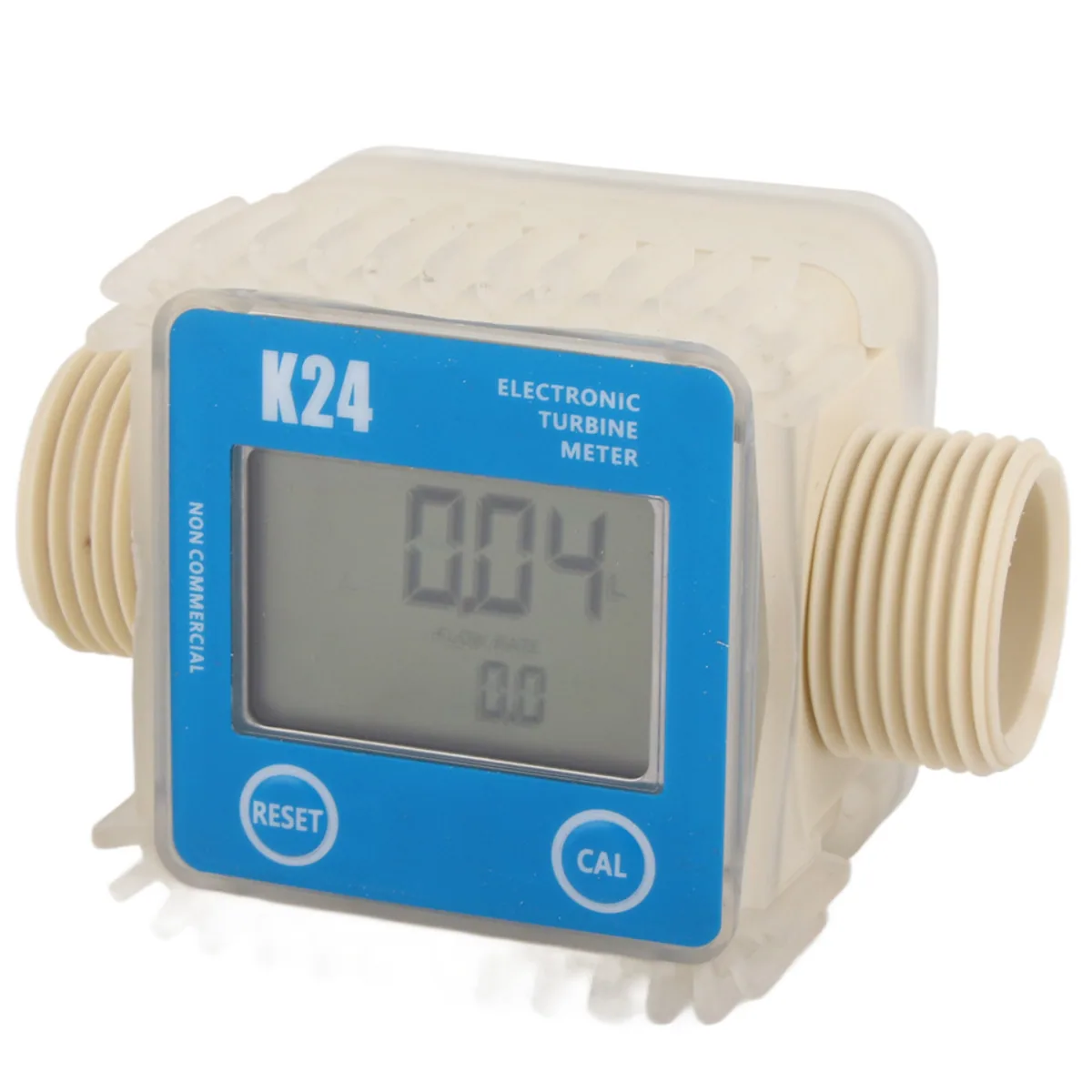
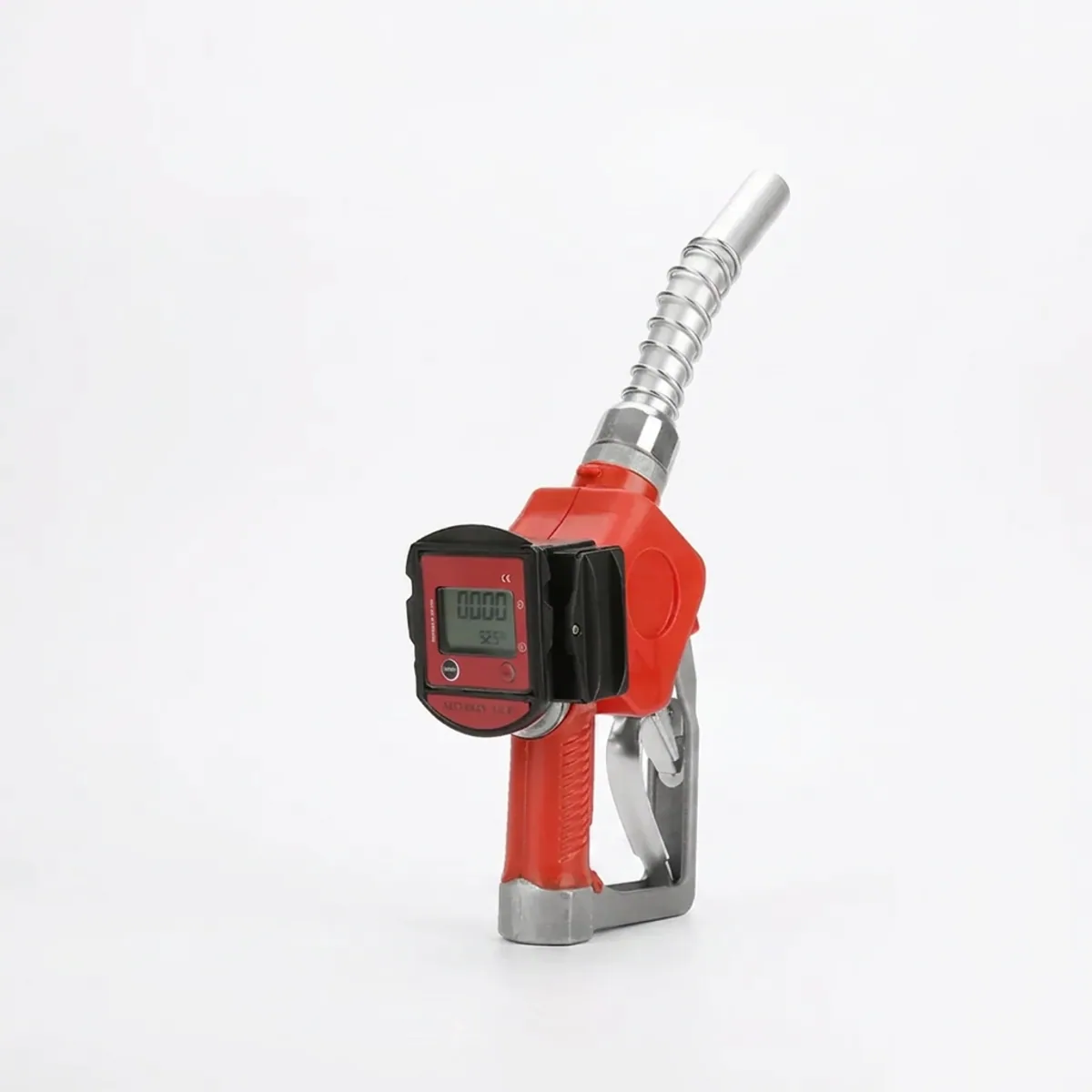
This inline diesel flow meter monitors fuel output from 20 to 120 liters per minute. It threads onto 1-inch fuel lines to read diesel, petrol, and light oils accurately. The electronic display tracks both your current batch and overall total gallons, giving you clear records during high-volume pumping. Features and Benefits
- 20 to 120 liter per minute range - Works with high-flow electric fuel pumps to deliver fast, accurate readings on large tanks.
- Four-digit electronic display - Shows your current fill volume clearly and lets you reset back to zero with one button.
- Internal calibration control - Lets you fine-tune the meter reading on-site to match different fluid viscosities and temperatures.
- Cast aluminum body construction - Withstands rough garage handling and direct exposure to fuels without cracking or leaking. Applications
- Measuring diesel dispensed from yard storage tanks into road transport vehicles, generators, and earth-moving plant machinery.
- Controlling petrol transfers during fleet servicing to verify vehicle fuel log records and prevent unmetered waste.
- Monitoring high-speed light oil distribution inside industrial maintenance facilities and commercial repair shops.
Safety & Materials
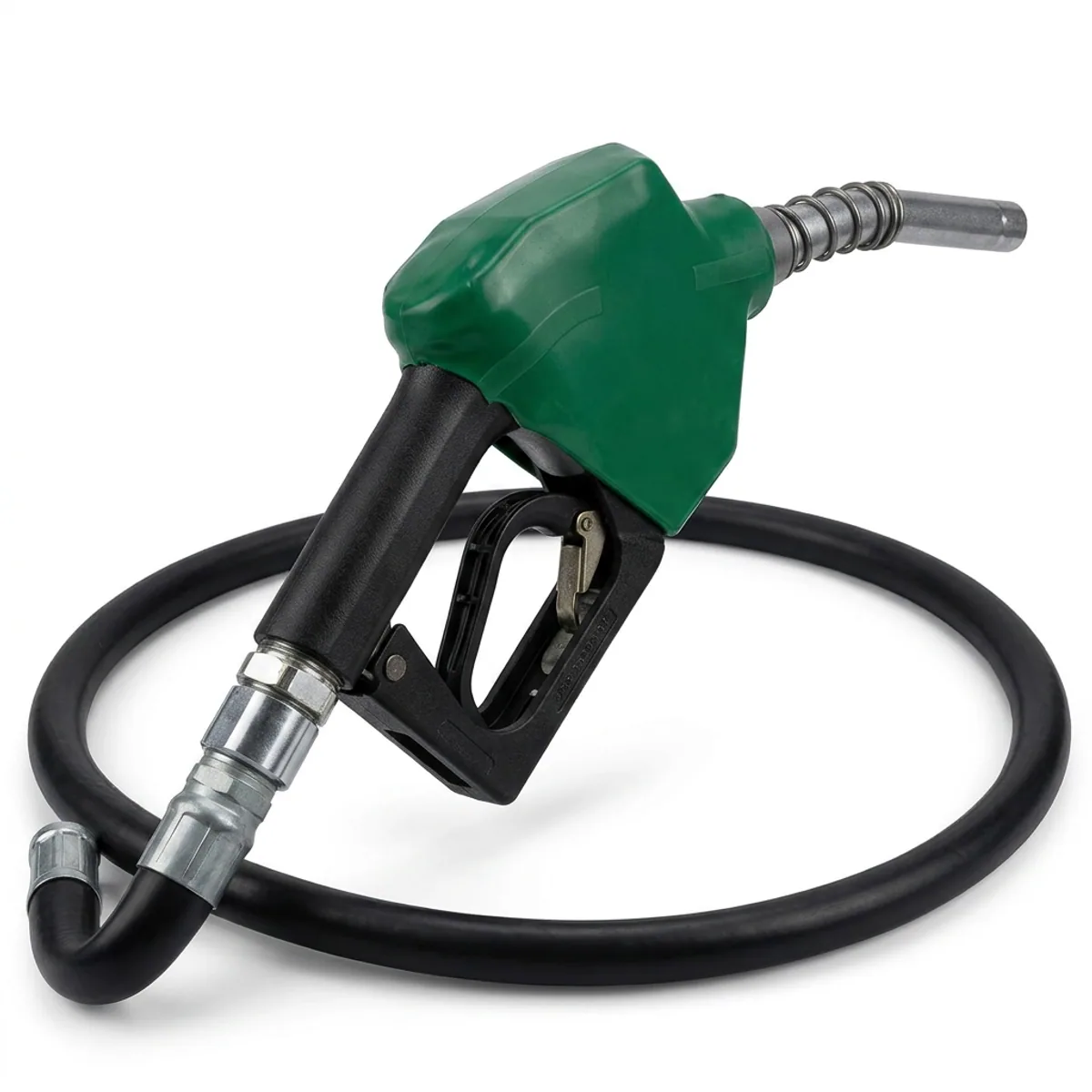
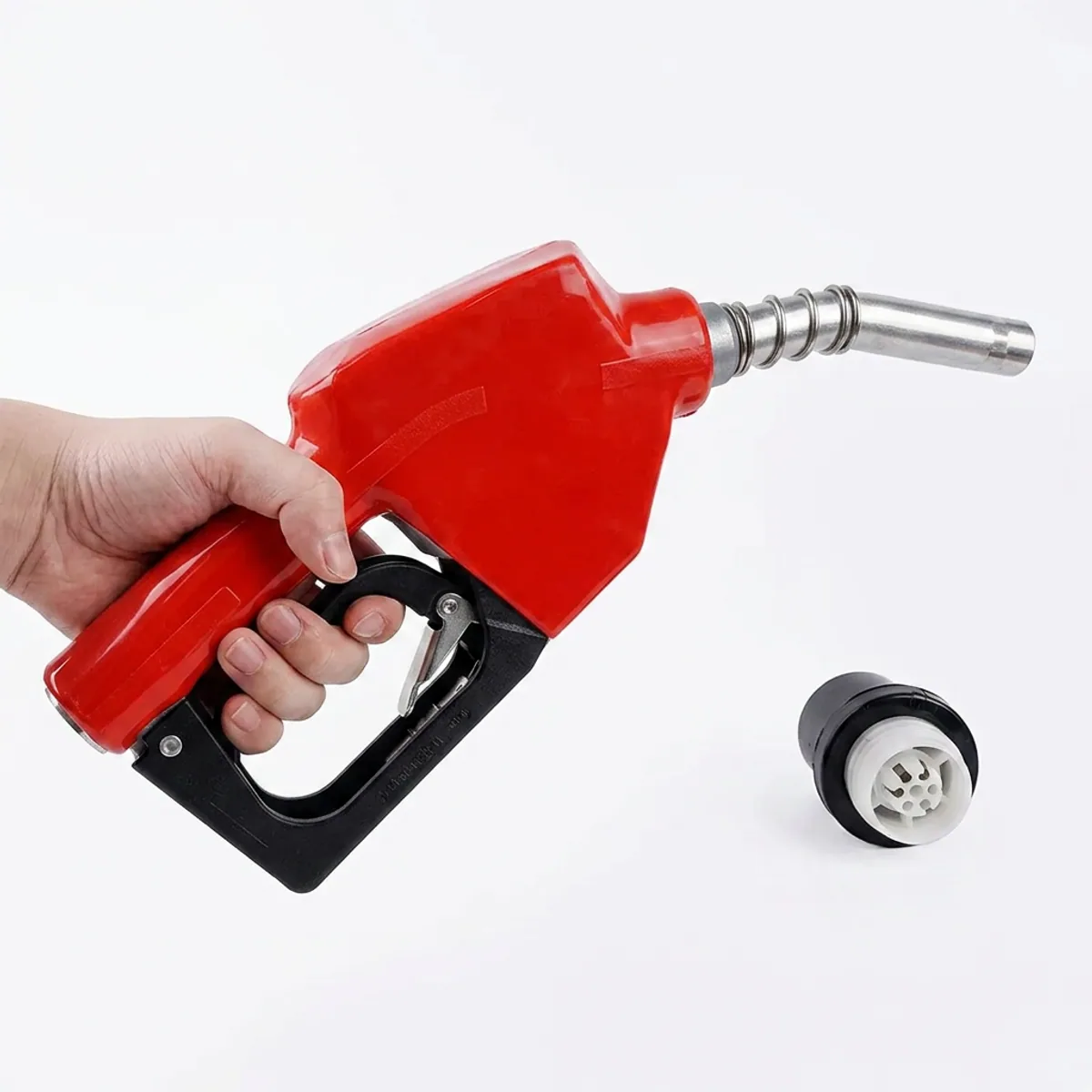
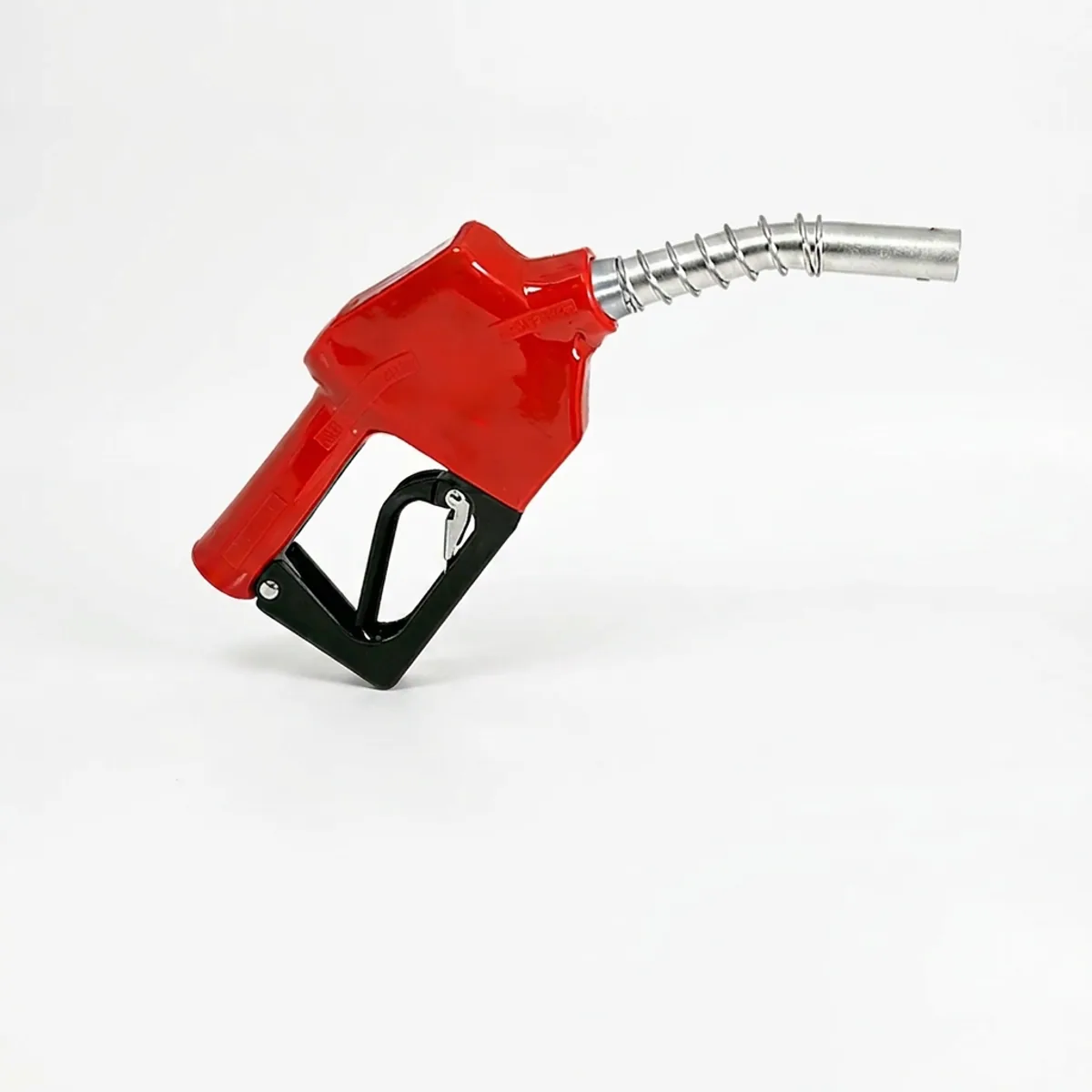
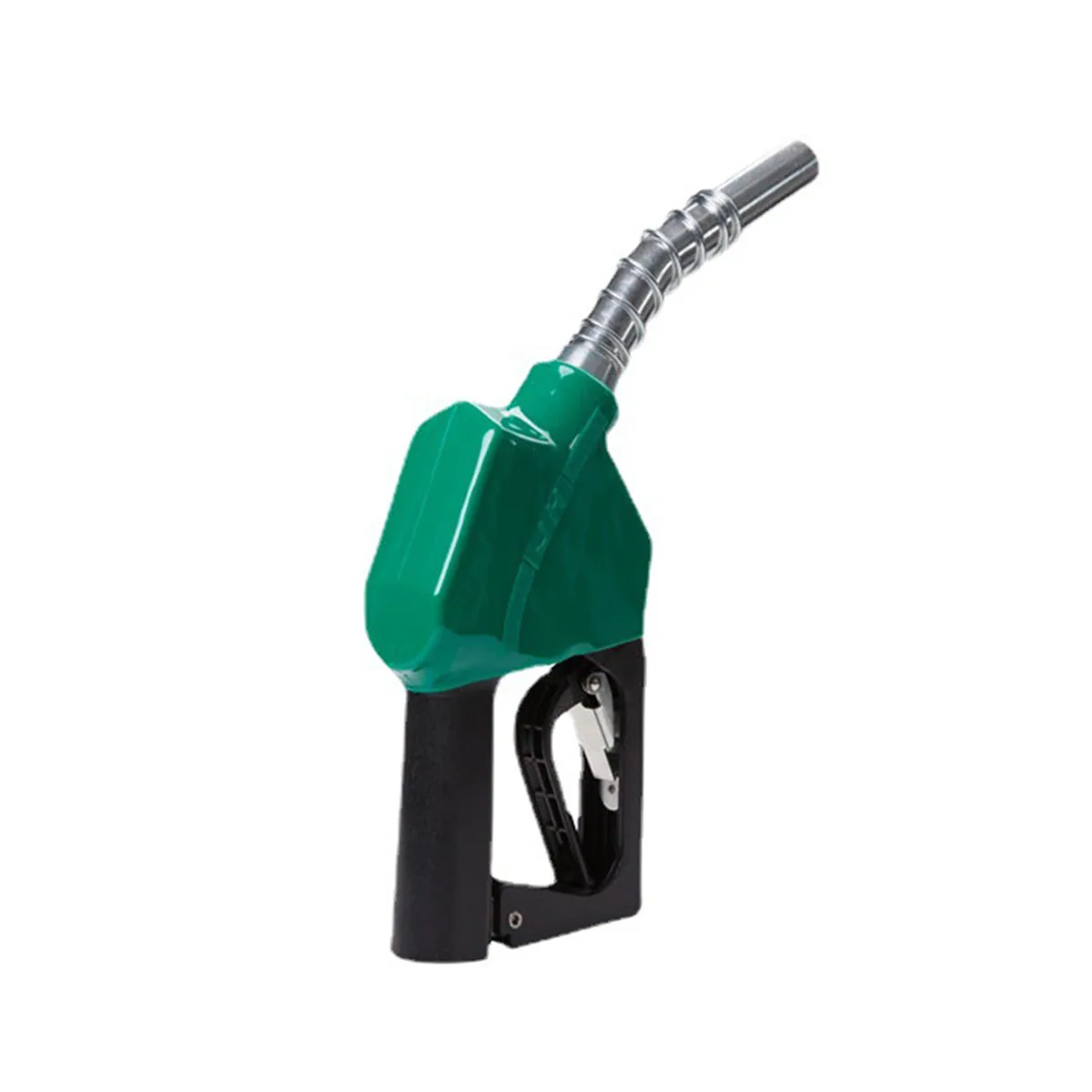
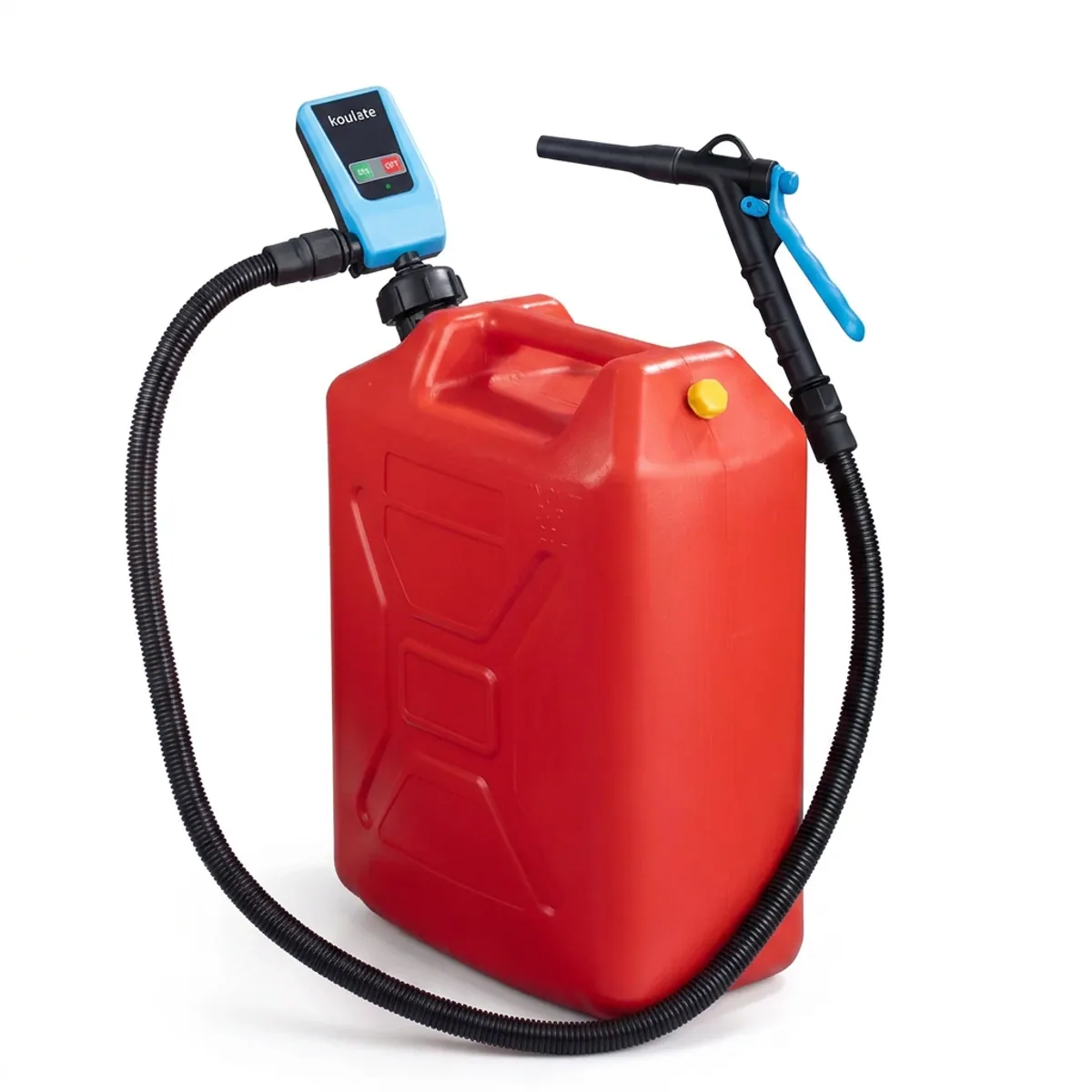
Working with flammable liquids demands strict workshop discipline. This unit handles diesel, petrol, and fuel oil across a 20 to 120 L/min range. Always isolate power sources before commencing installation on fuel lines. When plumbing your system, use fuel-rated PTFE tape or dedicated anaerobic thread sealants on all joints to stop vapor leaks. Earth all metal pipework to dissipate static charges, especially when pumping volatile petrol. For related delivery hardware, look for an automatic shut-off nozzle. These nozzles use an internal Venturi port near the tip; when rising fuel blocks the airflow, the vacuum collapses a diaphragm and mechanically trips the lever closed.
Core Parts Needed:
To assemble a custom dispensing setup or understand how to make a fuel flow meter rig, gather the following workshop components:
- FM-120 mechanical diesel flow meter with 4-digit readout
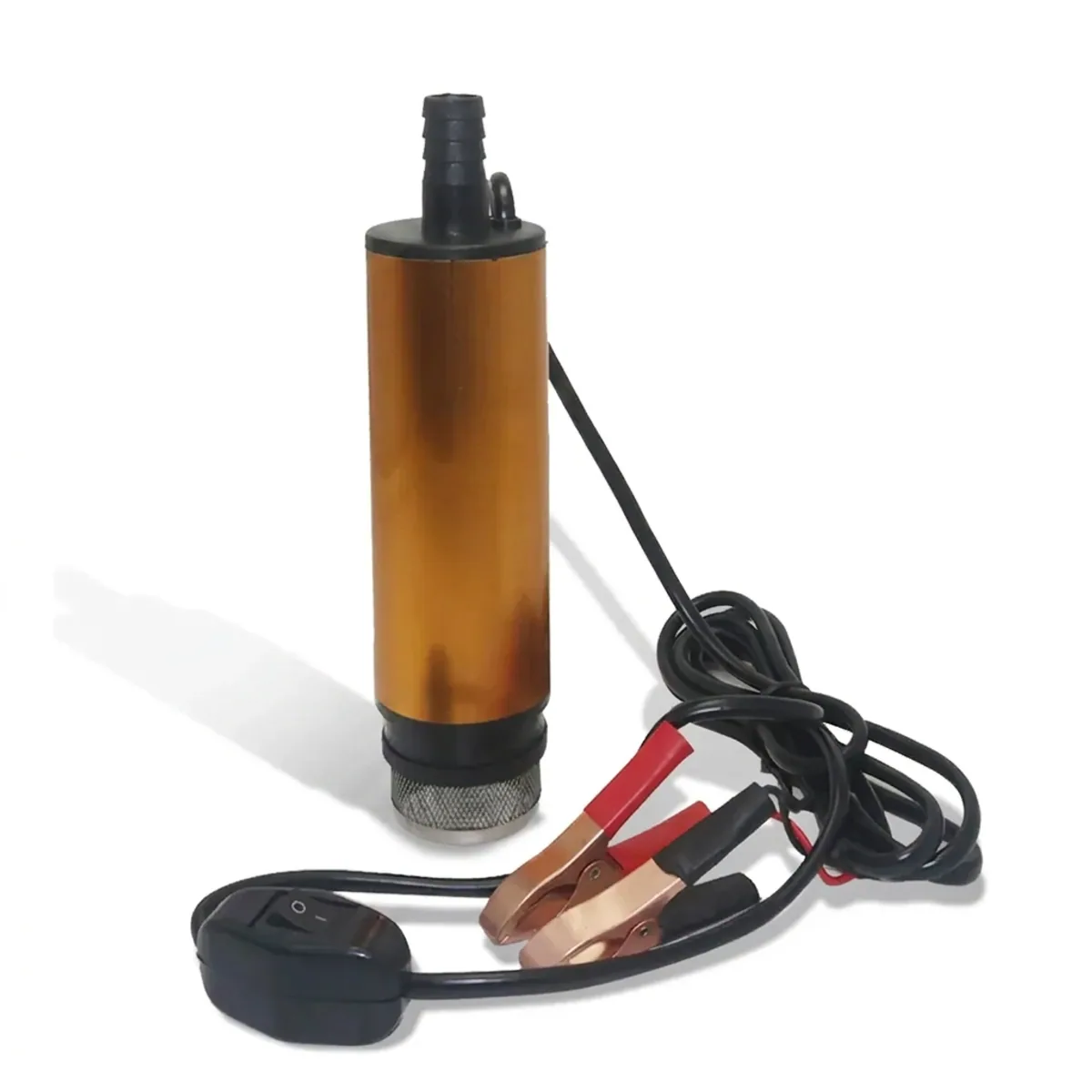
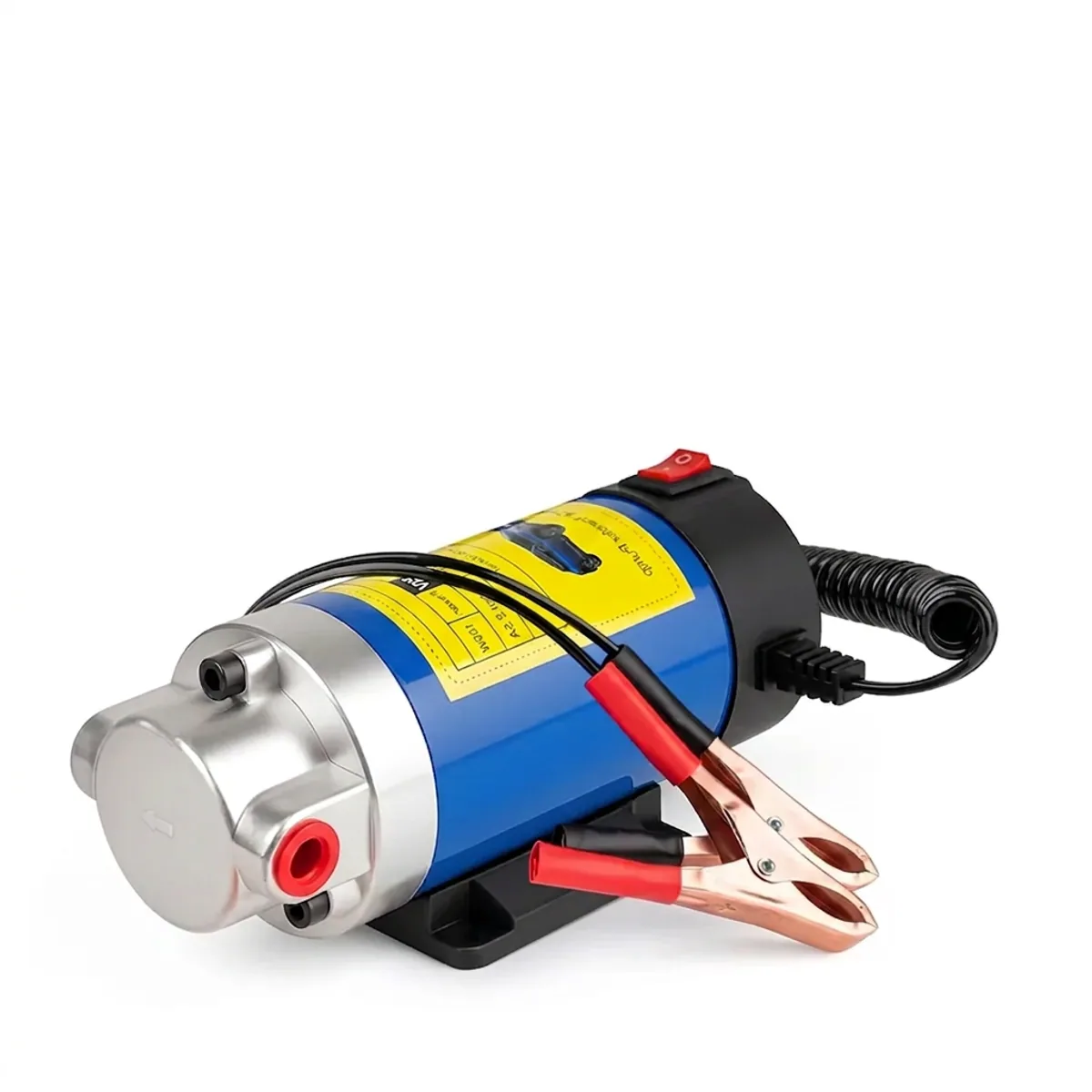
- Fuel transfer pump rated between 20 and 120 L/min
- Reinforced, fuel-resistant delivery hose with swaged fittings
- Automatic shut-off fuel nozzle
- Inline particle filter to catch tank debris
- External electronic pickup sensor or turbine sensor housing
- Microcontroller development board running on 5V logic
- Regulated 12V power supply for the main transfer pump
- Stainless steel hose clamps and brass threaded adaptors
Hardware Connection & Schematic
A standard mechanical meter uses an internal nutating disc or oscillating chamber where fluid displacement drives gears to rotate the 4-digit display. To add digital logging, mount an external pickup sensor to register mechanical movement, or plumb a secondary turbine sensor inline. Wire the electronic sensor power pin to the 5V rail on your control board and link common ground to the vehicle or bench 12V battery ground. Connect the sensor signal wire to a hardware interrupt pin, such as digital pin 2. Always place a 10k-ohm pull-up resistor between the signal line and 5V to prevent floating reads.
Calibration & Math
Mechanical meters provide a direct readout, but secondary pulse sensors require empirical calibration. Flow rate relies on the frequency of pulses from your flow sensor. First, pump a known quantity, such as 20 litres, into a certified measuring container within the 20 to 120 L/min operational window. Divide the total pulse count recorded by the liquid volume to find the specific calibration factor, or pulses per litre. In your calculation, flow rate in litres per minute equals pulse frequency in Hertz multiplied by sixty, divided by this calibration factor. Always recheck your figures after changing fluids, as petrol and diesel have differing fluid viscosities.
Arduino Code Example
Use an interrupt routine to count sensor pulses without stalling execution:
volatile unsigned long pulseCount = 0;
const byte sensorPin = 2;
const float pulsesPerLitre = 45.0;
void countPulse() {
pulseCount++;
}
void setup() {
Serial.begin(9600);
pinMode(sensorPin, INPUTPULLUP);
attachInterrupt(digitalPinToInterrupt(sensorPin), countPulse, RISING);
}
void loop() {
static unsigned long lastCheck = 0;
if (millis() - lastCheck >= 1000) {
detachInterrupt(digitalPinToInterrupt(sensorPin));
float litres = pulseCount / pulsesPerLitre;
pulseCount = 0;
attachInterrupt(digitalPinToInterrupt(sensorPin), countPulse, RISING);
lastCheck = millis();
Serial.println(litres);
}
}
Display Type: 4-Digit Mechanical Counter. Application: Electrical / Fluid Measurement. Compatible Media: Diesel, Petrol, Fuel Oil. Flow Rate: 20-120 L/min. Model: FM-120. Product Type: Diesel Flowm. Dimensions: 180 x 150 x 140 mm. Body Material: Cast Aluminum & PPO Plastic Interior. Flow Range: 20 - 120 L/min (5 - 30 GPM). Operating Temperature: -20°C to 55°C. Accuracy: ±1%. Applicable Media: Diesel, Petrol, Kerosene, Mineral Oil. Digits Displayed: 4-Digit Batch (up to 9999 L), 8-Digit Cumulative. Flow Direction: Horizontal or Vertical Installation. Inlet/Outlet Thread: 1 Inch Internal Thread. Max Working Pressure: 0.35 MPa (50 PSI). Model: FM-120. Product Type: Diesel Flow Meter. Sensor Type: Nutating Disc Flow Sensor. Q: What is the flow rate range for the FM-120 diesel flow meter? A: The FM-120 diesel flow meter handles fluids moving between 20 and 120 liters per minute. It displays individual fill amounts on a 4-digit resettable screen and logs cumulative volume on an 8-digit totalizer.. Q: How accurate and durable is the internal measuring chamber? A: The meter keeps volumetric accuracy within plus or minus 1% using a balanced nutating disk assembly. An aluminum casing and sealed faceplate protect the internal dials from rain, dust, and diesel splash.. Q: Which fuels and pump types can I use with the FM-120? A: It measures diesel, kerosene, and gasoline delivered through electric transfer pumps. The 1-inch internal threads let you thread it inline with standard fuel hose, pump discharge necks, or dispensing nozzles.. Q: What kind of warranty does the manufacturer provide? A: You get a one-year warranty from the date of purchase against manufacturing and material flaws. If the calibration screw strips or the register jams during clean fuel delivery, the unit is replaced.. Q: Why is the FM-120 a cost-effective choice for fleet managers? A: It provides commercial-grade flow tracking at a fraction of the cost of computerized dispenser heads. You prevent fuel shrinkage and monitor machine usage accurately without ongoing software or calibration fees..