
Photoelectric Sensor | Long Range Infrared Beam | Waterproof 12-24V

This long-range reflector photocell is a key safety part for any automated entry system. It’s a retro-reflective sensor that finds things blocking your gate or door. It comes with a waterproof cover a...
Good to know
Questions about this product
- What's the maximum distance this sensor will work over?
- This sensor has a detection range of up to 15 metres between the main unit and the reflector. This makes it suitable for wide driveways, warehouse doors, and other long-span applications. The beam is infrared, so it's invisible to the naked eye.
- What power supply does this photocell need?
- It's very flexible, designed to work on a 12V to 24V power supply. It accepts both AC and DC power, which makes it compatible with the control boards for most automatic gates and industrial doors.
- What's included in the box?
- The kit includes the main sensor unit, which houses both the transmitter and receiver. You also get the matching reflector and a waterproof cover to protect the sensor from the elements, so you have everything needed for the installation.
Photoelectric Sensors spec sheet (PDF)
Get a one-page sheet with full description, specifications, technical details, FAQs, price & SKU - handy to save, print, or share.
Not sure which one?
Compare photoelectric sensors
Photoelectric Sensor | Long Range Infrared Beam | Waterproof 12-24V

Heavy-Duty Photoelectric Sensor | 10m Infrared Retro-Reflective | IP67

Photoelectric Sensor | 20m Long Range | NPN/PNP Relay 10-30V

Long Range Photoelectric Sensor | Through-Beam, 30m | Industrial Switch

Photoelectric Sensor | 4M Sensing Distance | AC/DC 90-250V

Mini Diffuse Reflective Photoelectric Sensor | IP67 NPN/PNP
Compare options
More Photoelectric Sensors

30cm Adjustable Range | M18 Laser Photoelectric Sensor | NPN/PNP 10-30V

Infrared Distance Sensor Module | Photoelectric Ranging | For Microcontrollers

Sensor | 3m Diffuse-Reflective | NPN/PNP for Automation

Photoelectric Sensor | 8M Adjustable Distance | M18 Retro-Reflective

Sensor | M18 Diffuse Reflective | 30cm Adjustable Range

Photoelectric Sensor | M12 Through-Beam Type | 20m Detection Range

Laser Photoelectric Sensor | 2mm Visible Spot | 15cm Adjustable Distance

M18 Diffuse Reflective Photoelectric Sensor | 30cm Sensing

Photoelectric Sensor | Adjustable 10cm-2m Range | Infrared Beam

Infrared Photoelectric Sensor | 3-80cm Obstacle Avoidance Switch

Sensor | Diffuse Reflection Infrared | NPN/PNP 10-30VDC

Photoelectric Sensor | Reflective IR | 10 Piece Component Pack
Explore the range
Popular in Industrial & Machinery
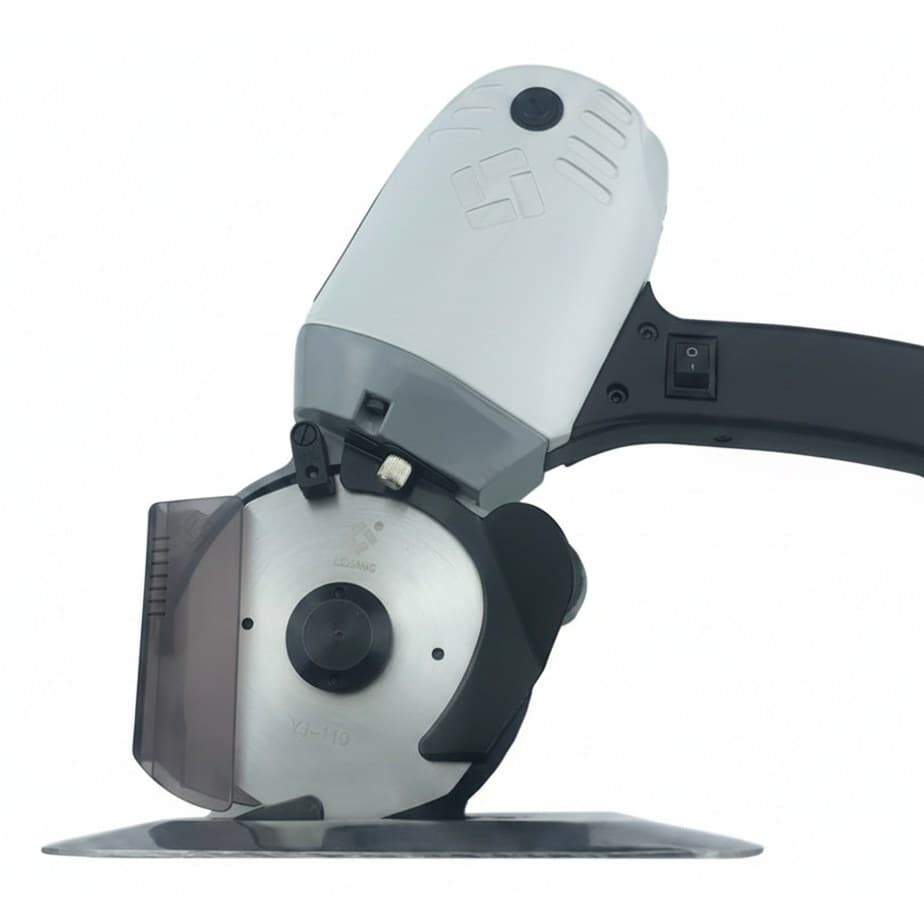
Electric Fabric Cutter | Round-Knife Cloth Slitting Machine | YJ-110C Hand-Push Design
608ZZ Skateboard Bearings | Double Metal Shield | 8x22x7mm 10-Pack
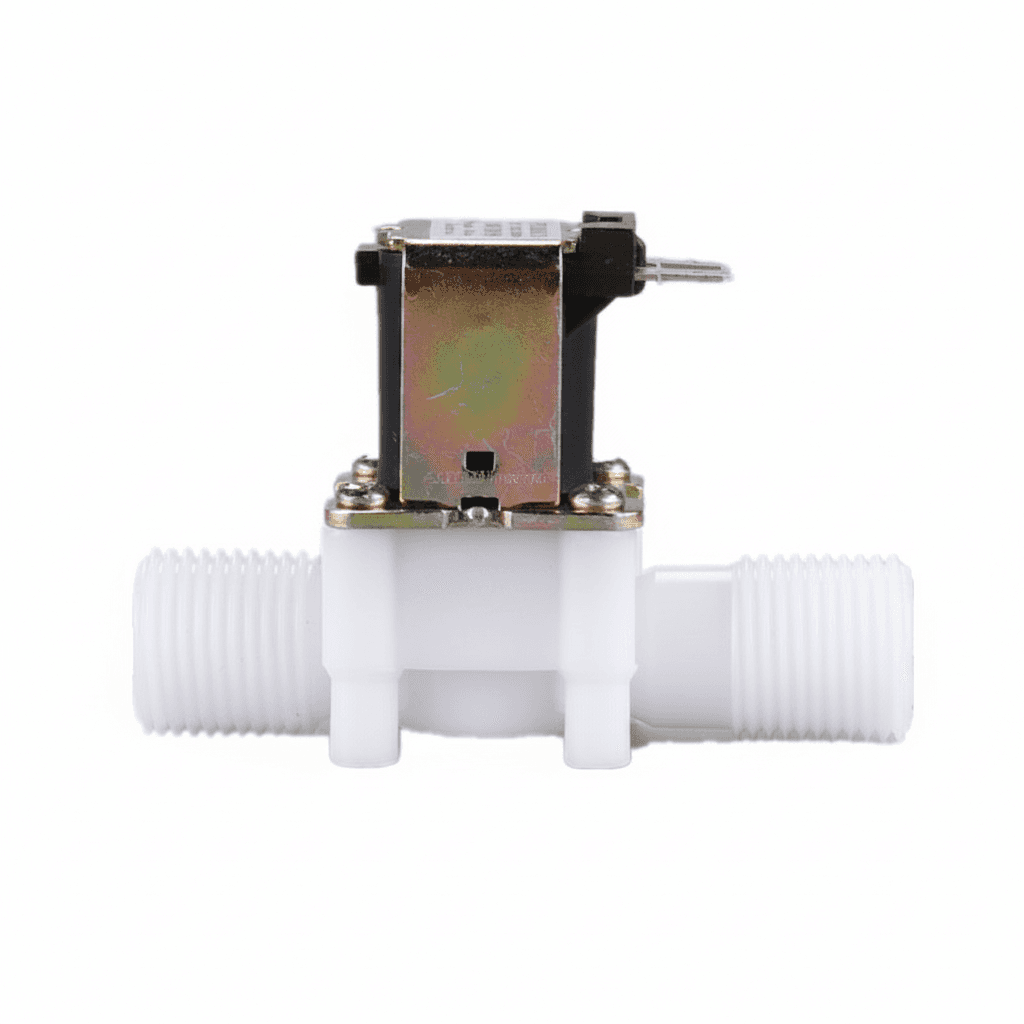
Solenoid Valve | 12V/24V/220V NC | 1/2 & 3/4 for Water & Air

Door & Window Magnetic Sensor | Zigbee Wireless | App Alert Security Alarm
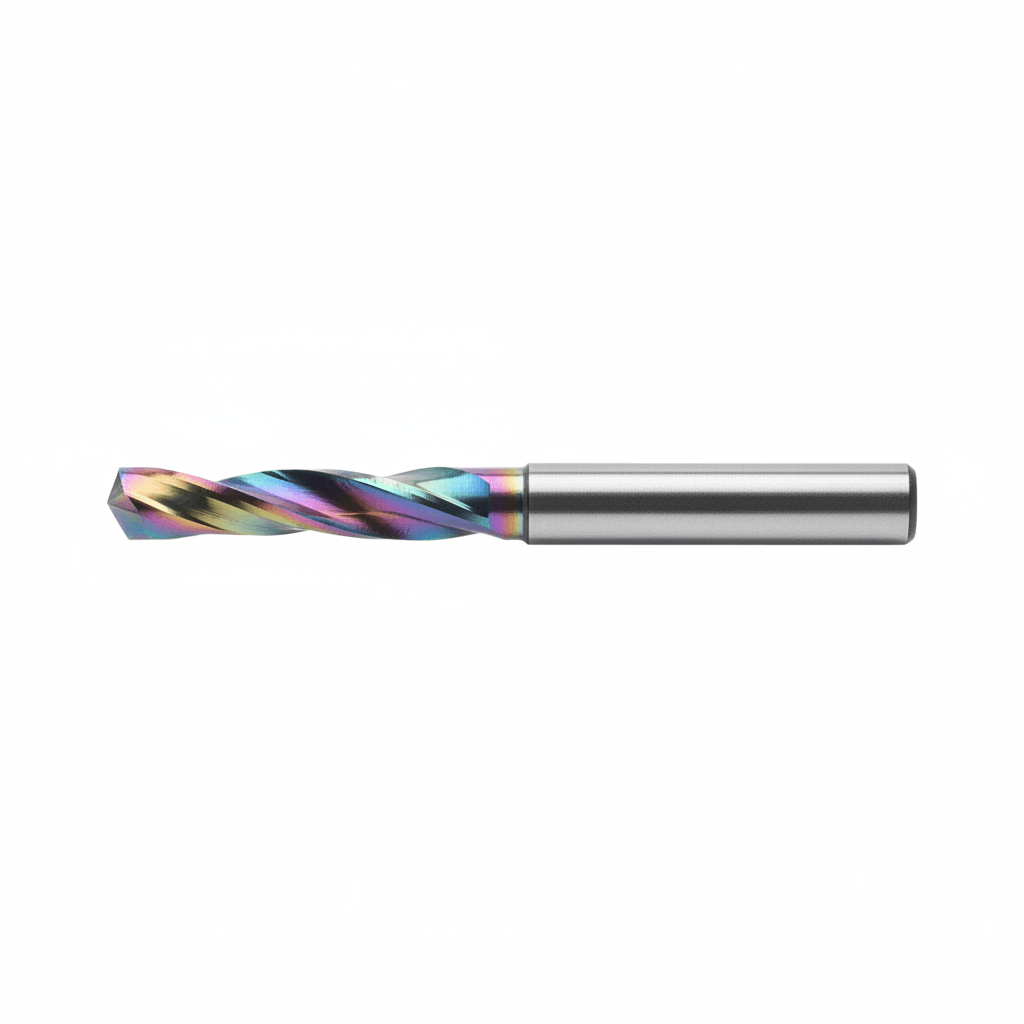
Flute End Mill | Solid Carbide with DLC Coating | For Aluminum CNC
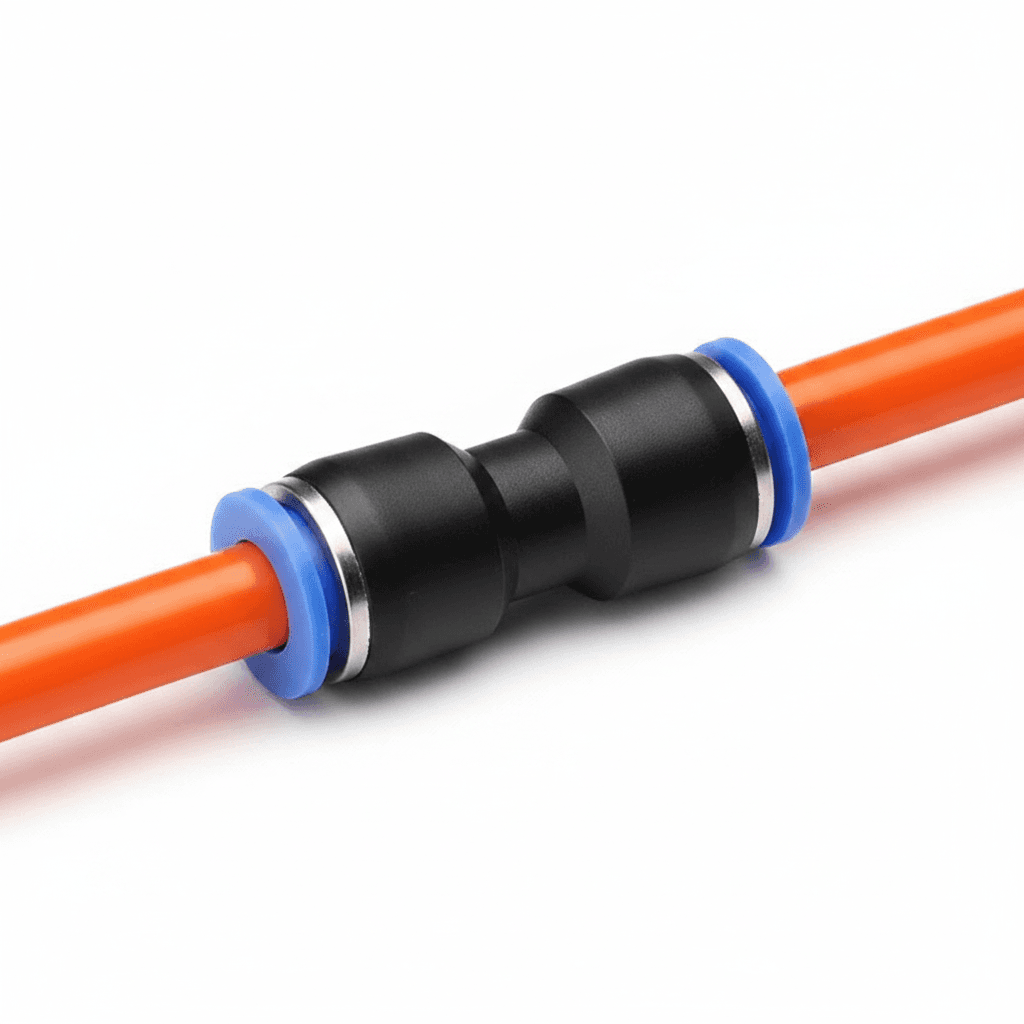
Pneumatic Fitting Push-In Connectors | Air Hose Quick Release | 4-14mm Tube
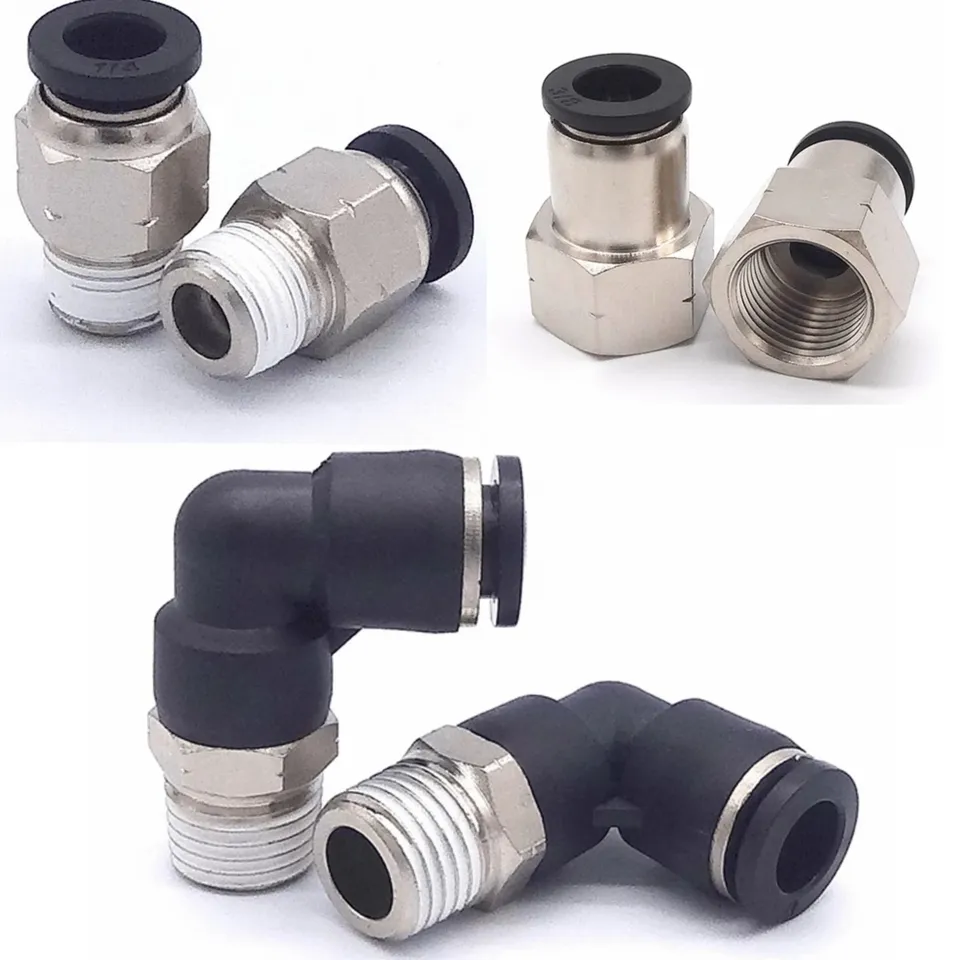
Hose Fitting | Quick Release Push to Connect | 1/4 NPT Elbow
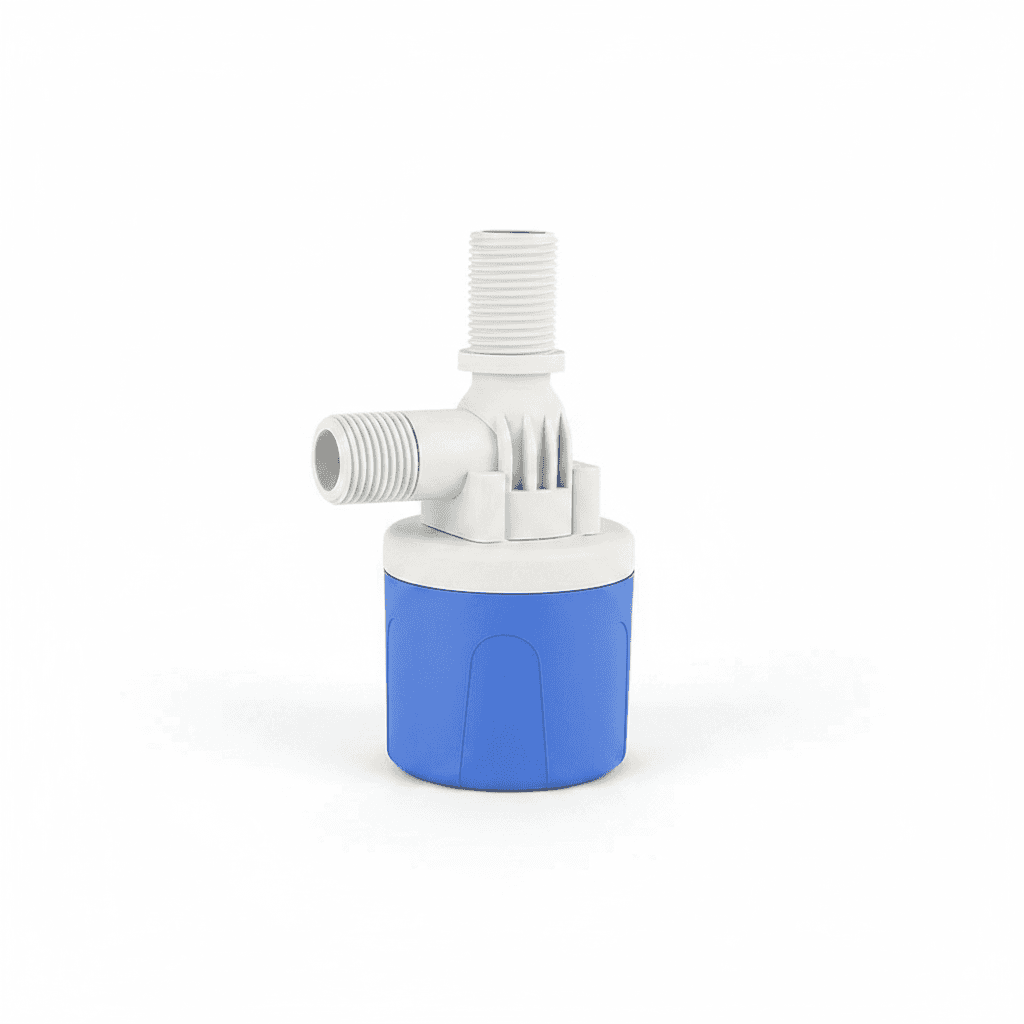
Hydraulic Valve | 1/2 Float for Tank Water Level Control

Temperature Sensor | 5-Pack DS18B20 Probes | 1M/2M/3M Waterproof
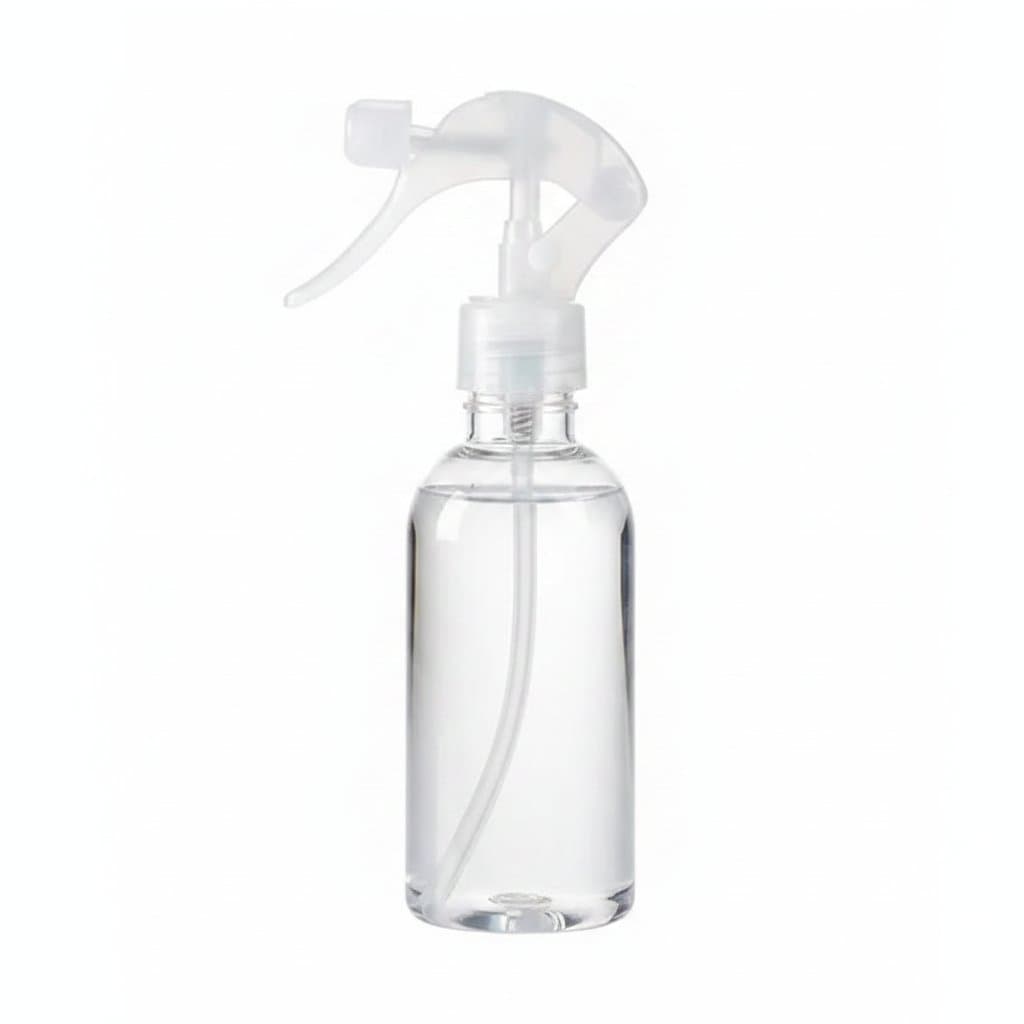
Empty Spray Bottles 200ml | Fine Mist Atomiser | Hair, Plant & Cleaning
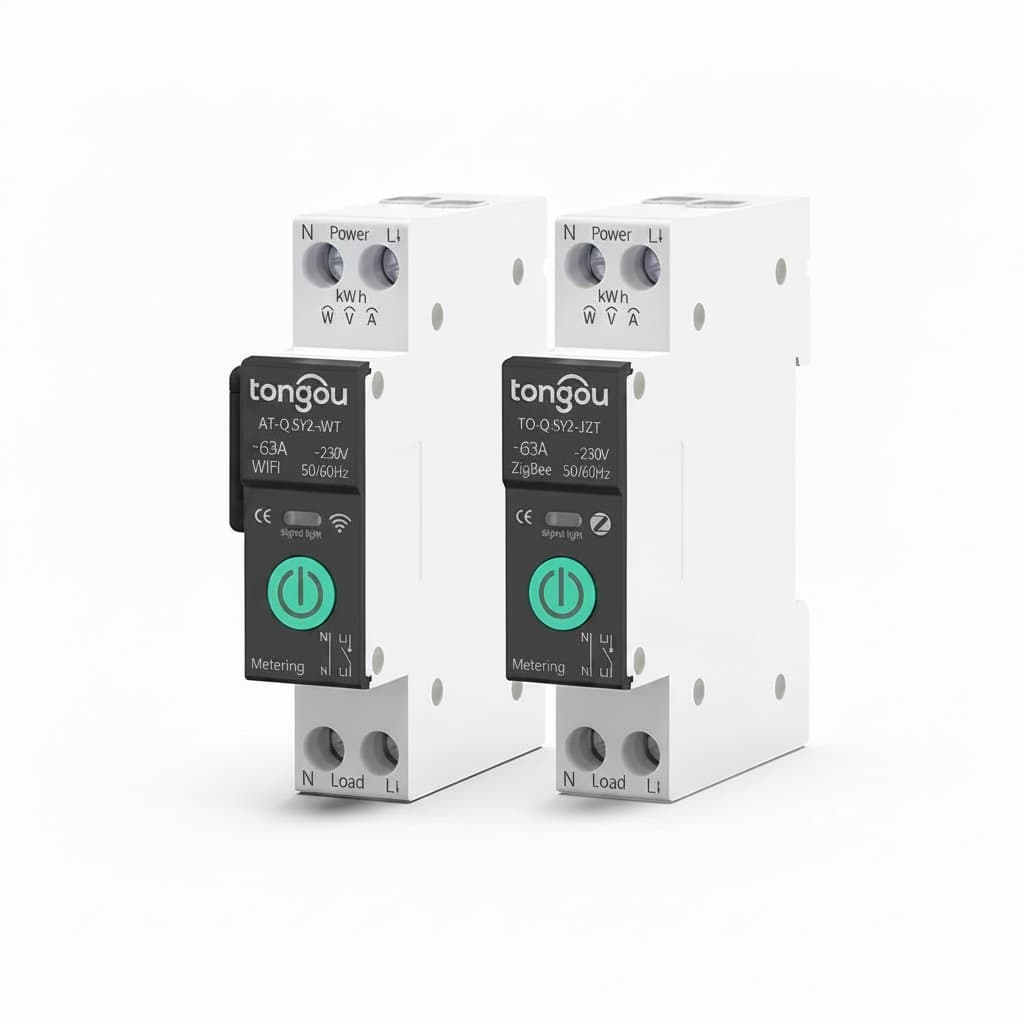
TUYA WiFi/ZigBee MCB Smart Circuit Breaker Over Current Under Voltage Protection Power Metering 1-63A Remote Control Switch
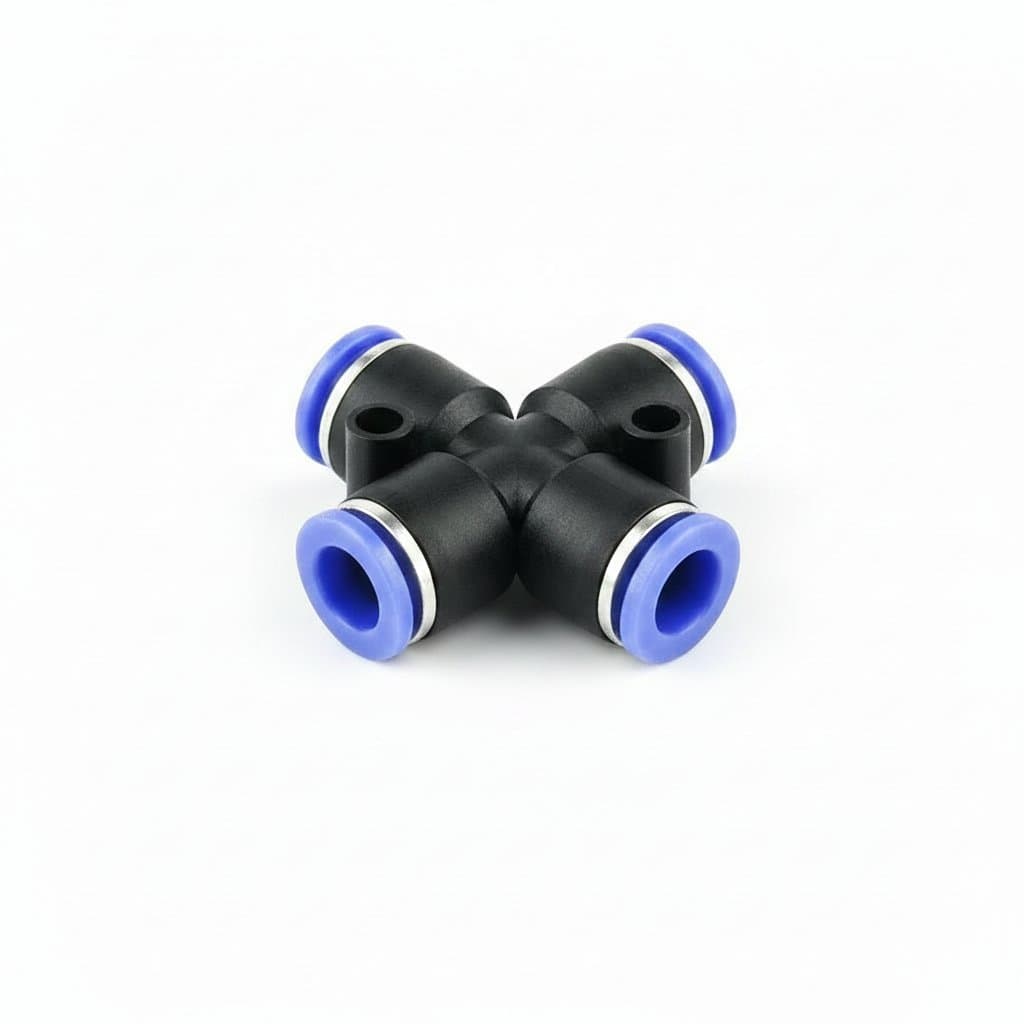
Push-to-Connect Air & Water Fittings | 4mm-12mm OD | Quick-Release Hose Couplings
Complete the set
Accessories & add-ons

Sensor Protection Sleeve | Stainless Steel Blind Tube | 6mm

Motion Sensor Bracket | Automatic IR Lamp Holder | 110-240V AC

Soil Moisture NPK Sensor | 7-in-1 Agricultural Probe Accessory

Arduino Raspberry Pi Sensor Kit (45pc) | Modules for UNO R3 MEGA2560

Reflector Plate | Photoelectric Sensor Accessory | TD Series

Load Cell ADC Module | 24-Bit HX711 Sensor Accessory
