
Liquid Level Sensor | Mini Non-Contact Switch | XKC-Y23A Model
The XKC-Y23A is a small non-contact liquid level sensor with adjustable sensitivity. Its small size makes it easy to put in tight spots. This sensor finds liquids through non-metallic container walls....
- Secure checkout
- All major cards
- Tracked delivery
Good to know
Questions about this product
- How do I adjust the sensitivity on this XKC-Y23A model?
- This sensor has an adjustable sensitivity, which is useful for different container thicknesses and liquid types. You'll find a small adjustment screw on the unit that lets you fine-tune its detection threshold for your specific setup.
- What's the maximum wall thickness this can detect through?
- The detection range depends on the container material and the sensitivity you've set. While an exact figure isn't listed, these sensors are generally effective through several millimetres of plastic or glass. You'll need to test it on your container and adjust the sensitivity to get a reliable reading.
- Can I use this to detect levels of corrosive liquids like acids or bleach?
- Yes, absolutely. Because it's a non-contact sensor that sticks to the outside of the tank, it never touches the liquid. This makes it a good choice for monitoring levels of strong acids, alkalis, and other corrosive fluids without the sensor itself being damaged.
Level Sensors spec sheet (PDF)
Get a one-page sheet with full description, specifications, technical details, FAQs, price & SKU - handy to save, print, or share.
Not sure which one?
Compare with similar products
The same kind of product, in stock, in a similar price range.
This product: £27.99 · 4.9

Liquid Level Sensor | Mini Non-Contact Switch | XKC-Y23A Model
- Price
- £27.99
- Rating
- 4.9(18)
- Sold
- 444+
- Stock
- In stock

Liquid Level Sensor | Non-Contact Induction Switch
- Price
- £33.99
- Rating
- 5.0(7)
- Sold
- 362+
- Stock
- In stock

Liquid Level Sensor | Non-Contact Capacitance Module | XKC-Y21
- Price
- £26.99
- Rating
- 4.8(12)
- Sold
- 236+
- Stock
- In stock

Capacitive Liquid Level Sensor | Non-Contact Detection
- Price
- £31.99
- Rating
- 4.8(362)
- Sold
- 5,000+
- Stock
- In stock

Capacitive Liquid Level Sensor | Non-Contact Tank Detection
- Price
- £29.99
- Rating
- 4.7(35)
- Sold
- 458+
- Stock
- In stock

Plastic Liquid Level Sensor | MCU Compatible | Horizontal Mount for Tanks
- Price
- £31.99
- Rating
- 4.9(550)
- Sold
- 63+
- Stock
- In stock

Non-Contact Liquid Level Sensor | Stick-Type Induction | 5-24V
- Price
- £32.99
- Rating
- 4.9(12)
- Sold
- 314+
- Stock
- In stock

Side Mount Liquid Level Sensor | Automatic Pump Control
- Price
- £32.99
- Rating
- 4.8(63)
- Sold
- 900+
- Stock
- In stock
Compare options
More Level Sensors

Pipe Level Sensor | 4-11mm Diameter | Non-Contact Capacitive Switch

TDS Water Quality Module | Analog TDS Sensor Meter for Arduino

Non-Contact Liquid Level Switch for Pipes | Arduino Compatible

Level Sensor | External Non-Contact Mount | Y26 Liquid Detector

Water Level Sensor | 220V 20A Pump Controller | DF-96D Switch

Liquid Level Sensor Non-Contact | 12V DC Stick-On Switch

Level Sensor Switch | 25A 220V for Water Pumps | DF-96DK Controller

Level Sensor | Side-Mount Float Switch | Liquid Tank Control

Level Sensor | Plastic Float Switch for Pools | 12-24V Operation

Non-Contact Level Sensor | Capacitive Liquid Detection | 3.3V-5V Switch

Non-Contact Water Level Sensor | 3.3V MCU | XKC-Y26L Switch
Explore the range
Popular in Industrial & Machinery
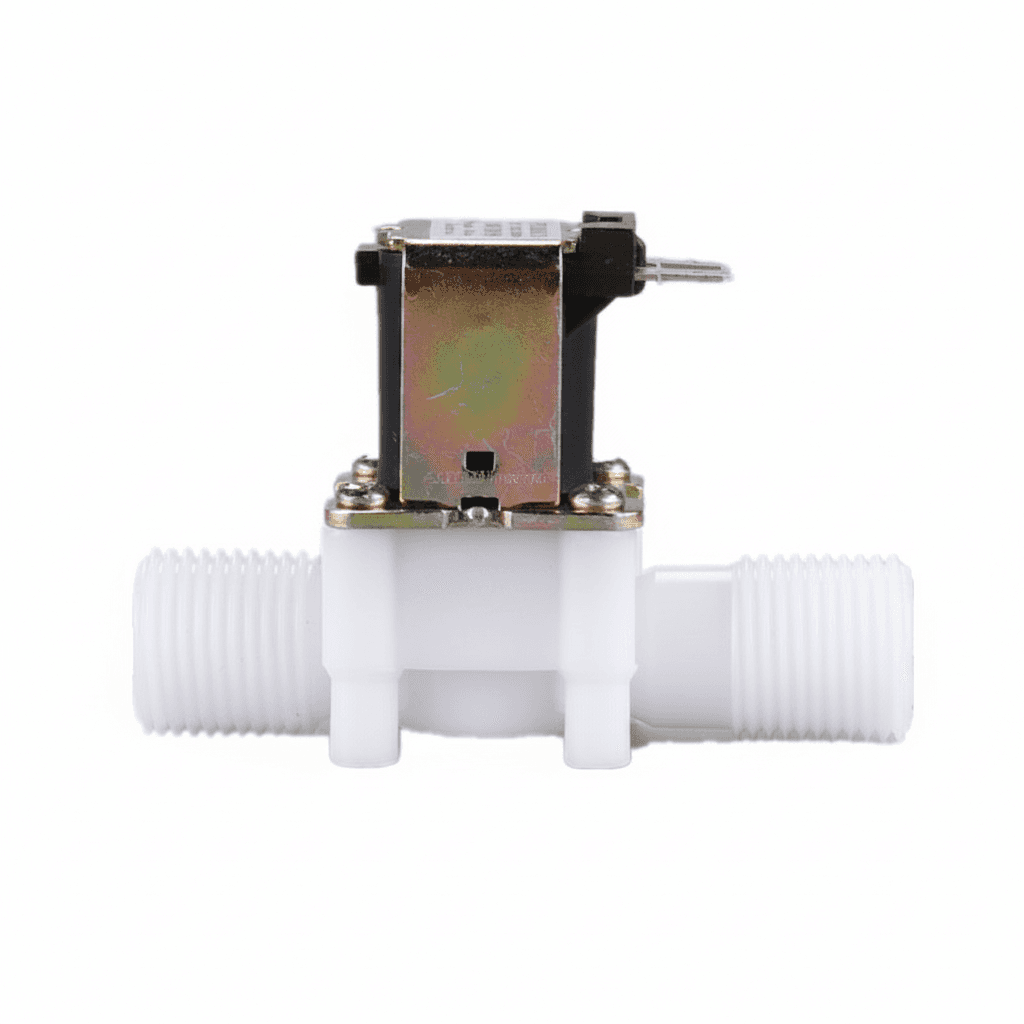
Solenoid Valve | 12V/24V/220V NC | 1/2 & 3/4 for Water & Air
608ZZ Skateboard Bearings | Double Metal Shield | 8x22x7mm 10-Pack

Door & Window Magnetic Sensor | Zigbee Wireless | App Alert Security Alarm
Flute End Mill | Solid Carbide with DLC Coating | For Aluminum CNC

Sensor | Waterproof 304 Stainless Steel Probe | 6x30mm 1M Cable
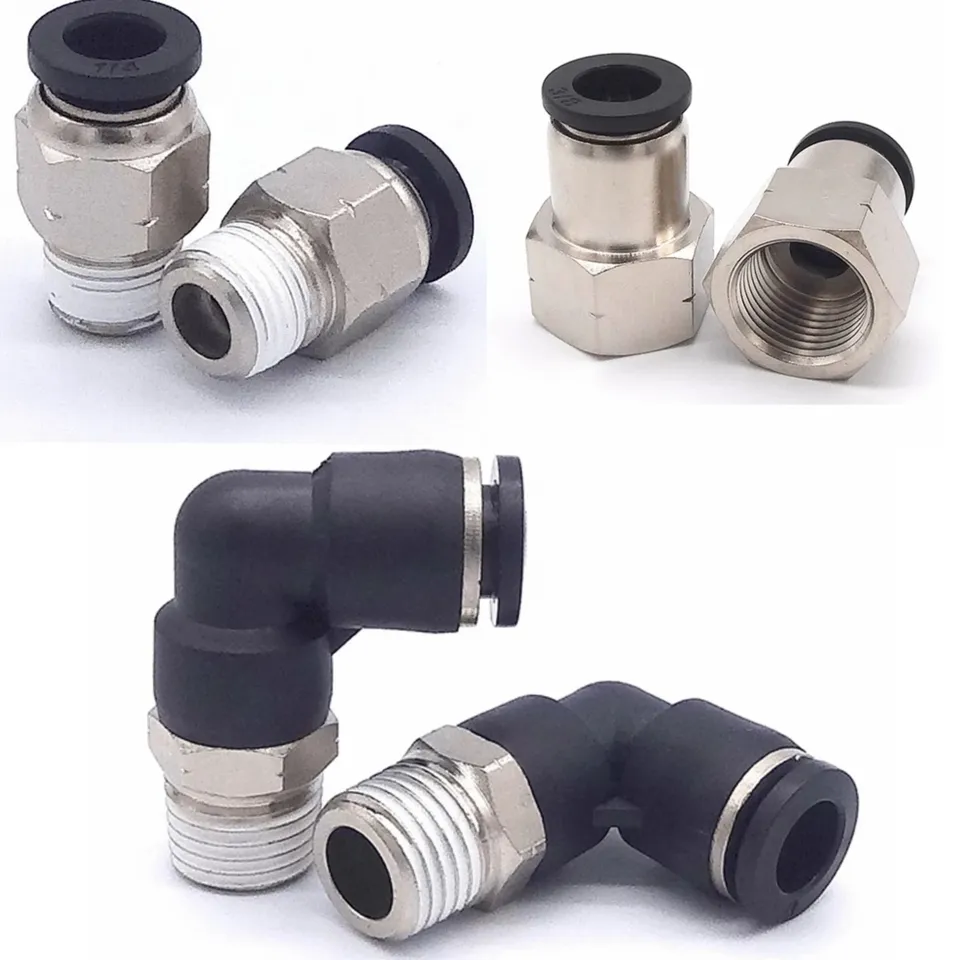
Hose Fitting | Quick Release Push to Connect | 1/4 NPT Elbow
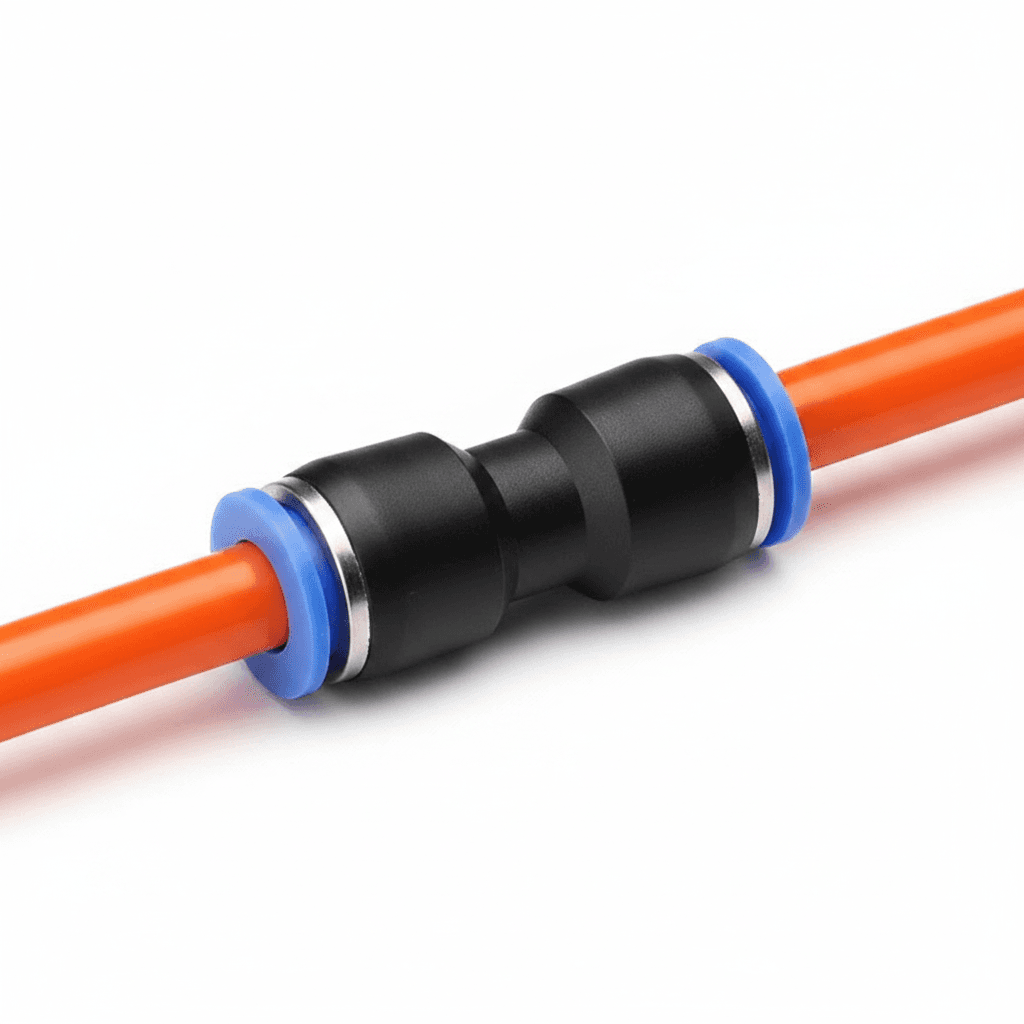
Pneumatic Fitting Push-In Connectors | Air Hose Quick Release | 4-14mm Tube
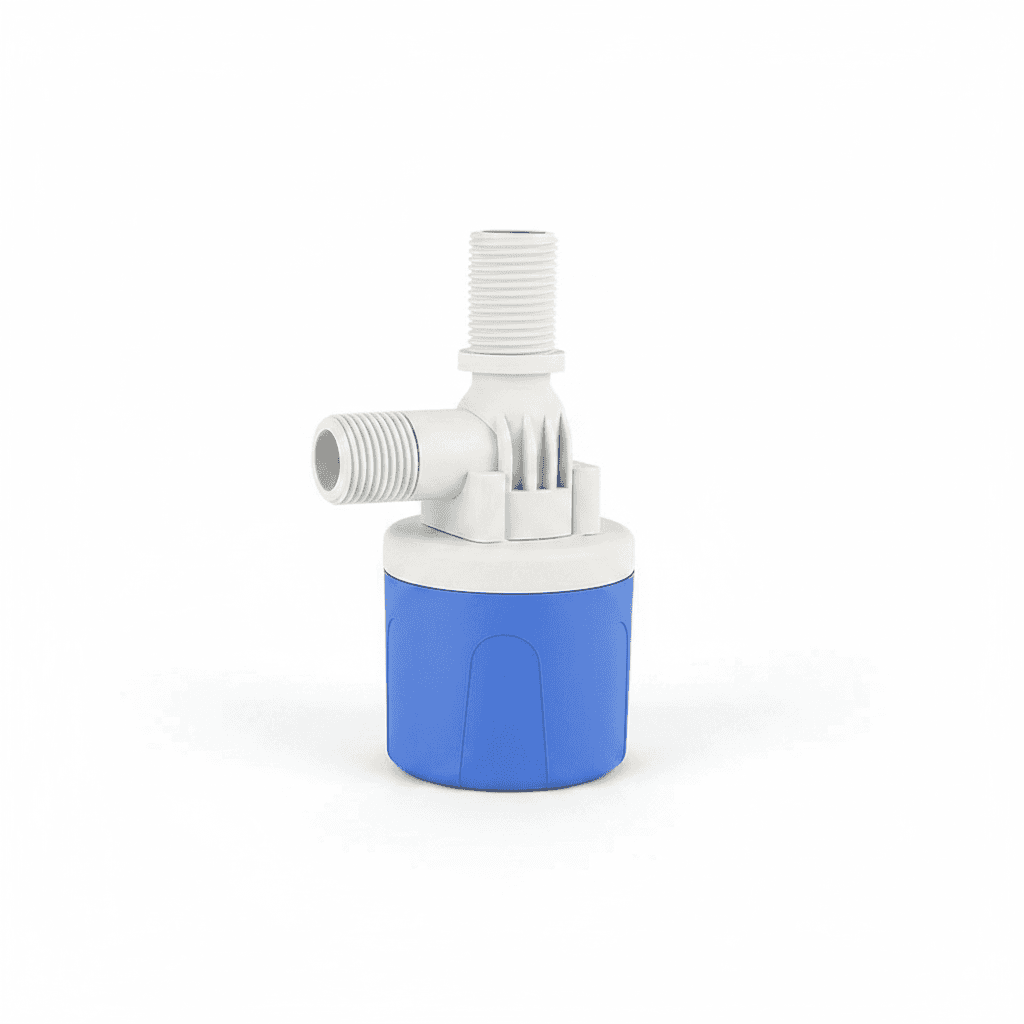
Hydraulic Valve | 1/2 Float for Tank Water Level Control
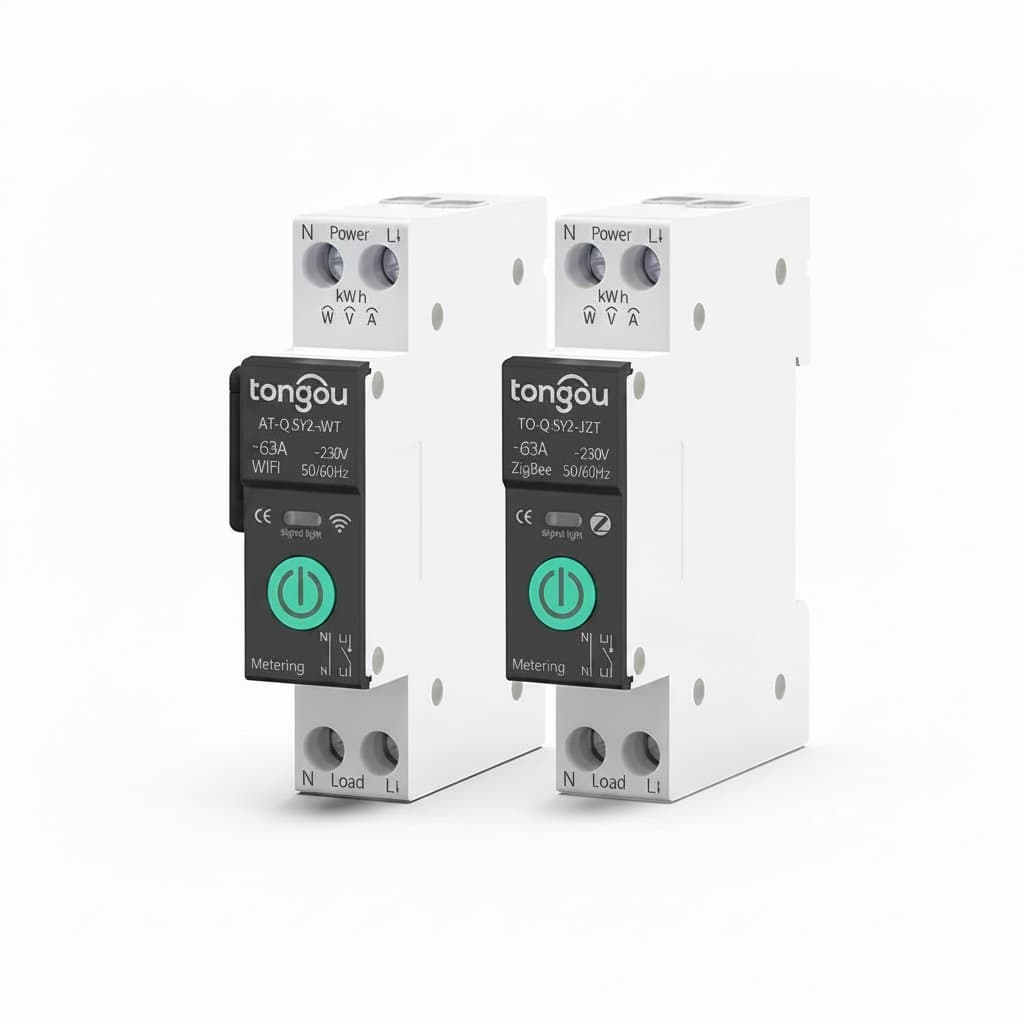
TUYA WiFi/ZigBee MCB Smart Circuit Breaker Over Current Under Voltage Protection Power Metering 1-63A Remote Control Switch
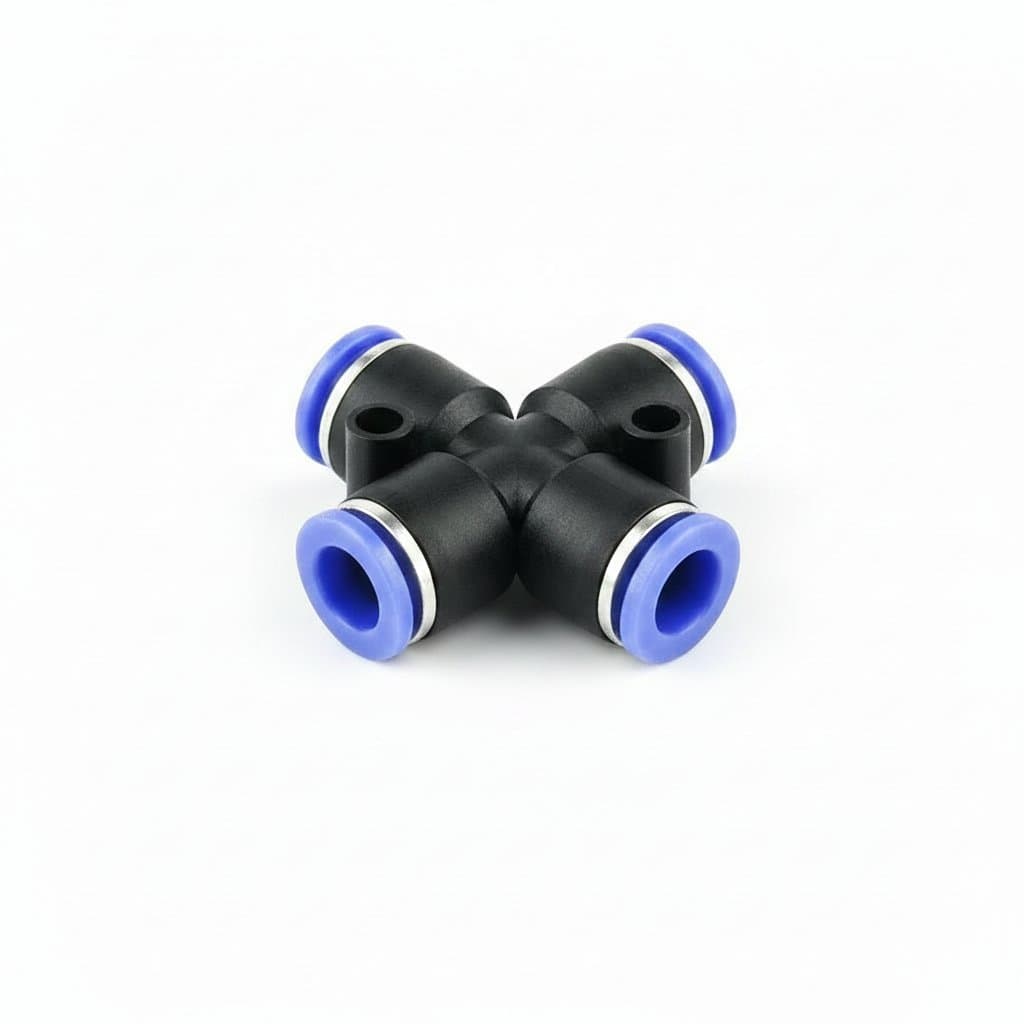
Push-to-Connect Air & Water Fittings | 4mm-12mm OD | Quick-Release Hose Couplings
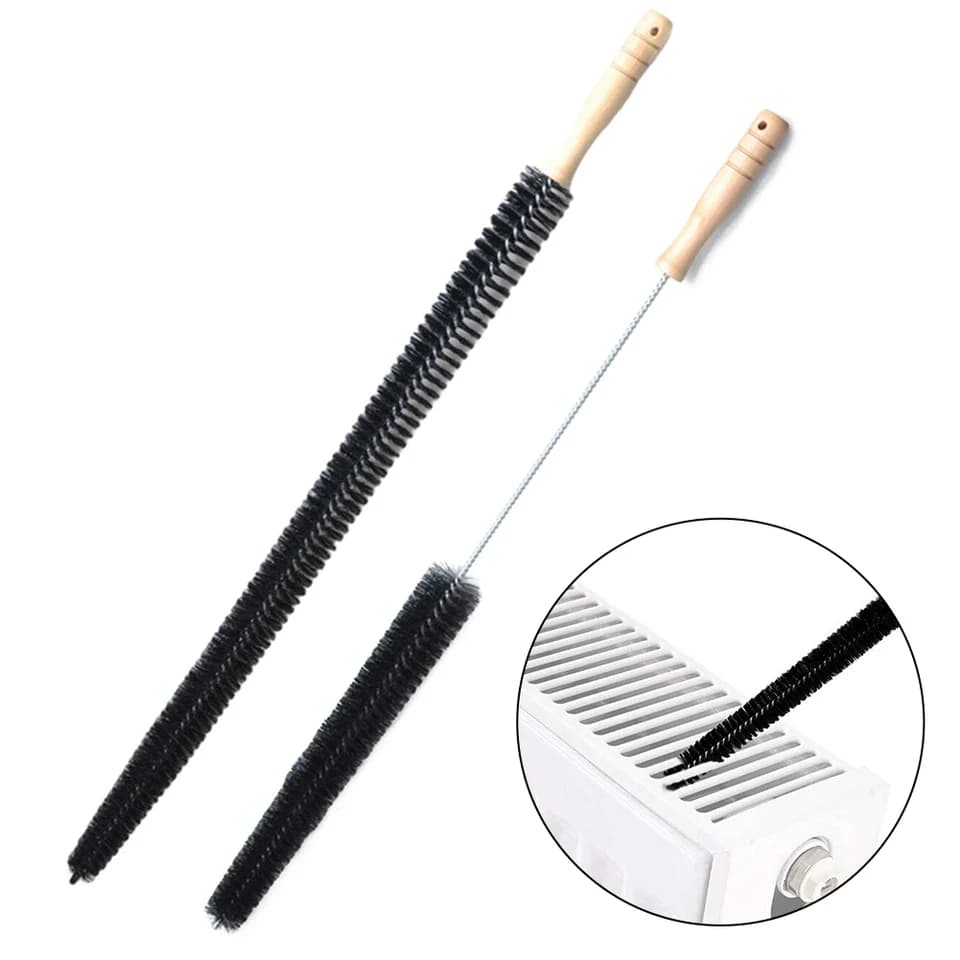
Radiator Cleaning Brush | Flexible Long Thin Duster | Dryer Duct Cleaner
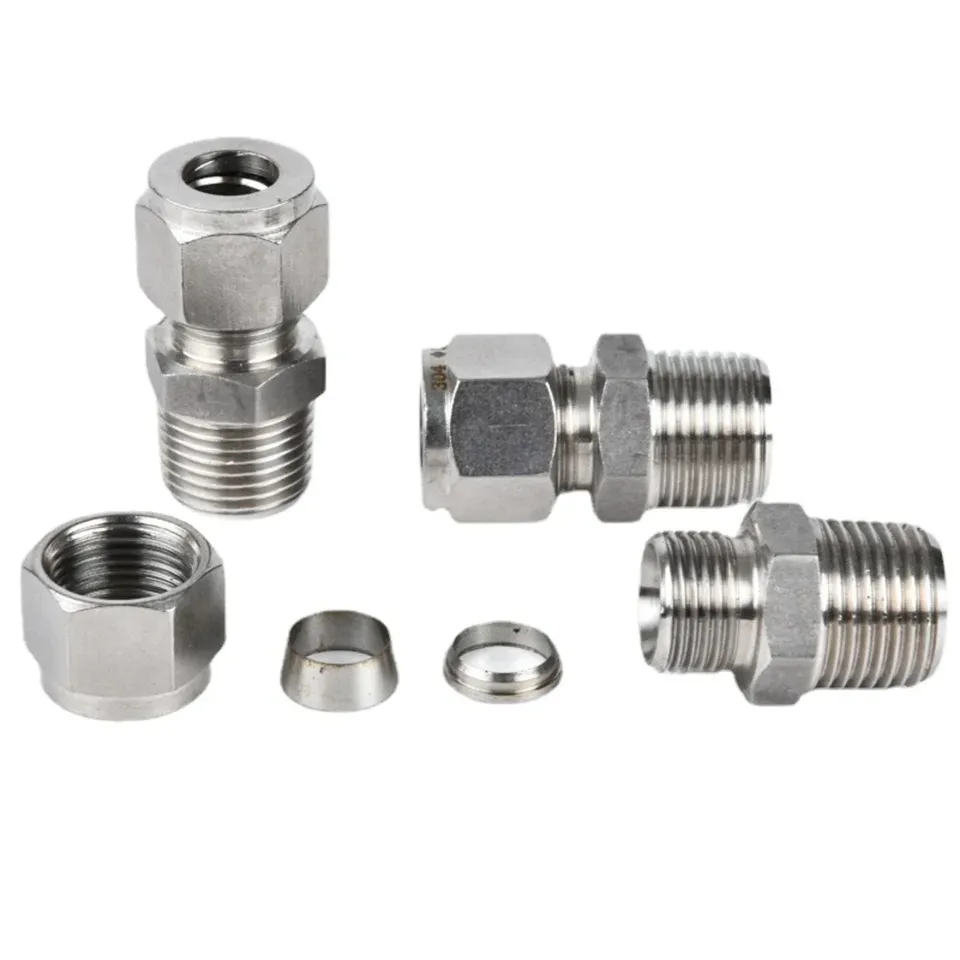
Fitting | 304 Stainless Steel Compression | 1/2 NPT Union
Complete the set
Accessories & add-ons

Sensor Protection Sleeve | Stainless Steel Blind Tube | 6mm

Motion Sensor Bracket | Automatic IR Lamp Holder | 110-240V AC

Soil Moisture NPK Sensor | 7-in-1 Agricultural Probe Accessory

Arduino Raspberry Pi Sensor Kit (45pc) | Modules for UNO R3 MEGA2560

Reflector Plate | Photoelectric Sensor Accessory | TD Series

Load Cell ADC Module | 24-Bit HX711 Sensor Accessory
