
Transducer | For Oil, Fuel, Air & Water | 1/8 NPT Thread Sensor
This NPT1/8 pressure transducer measures pressure in oil, fuel, air, or water systems. It has a ceramic core and a stainless steel body for steady operation. The transmitter turns pressure into a simp...
- Secure checkout
- All major cards
- Tracked delivery
Good to know
Questions about this product
- What is the voltage output of this sensor? Does it work with a standard 5V supply?
- Yes, it's designed for a 5VDC or 12VDC power supply. It provides a linear voltage output of 0.5-4.5V (or 1-5V, depending on the model), which corresponds directly to the pressure being measured. This makes it easy to read with most data loggers or custom gauges.
- Can I use this for my fuel pressure setup, and what's the thread size?
- Yes, it's suitable for measuring fuel, oil, air, or water pressure as long as the medium is non-corrosive. The pressure connection is a standard NPT1/8 thread. The body is made from 304 stainless steel for good resistance in these environments.
- What pressure ranges are available for this transducer?
- This model is available in several ranges, including 0-10 bar and various PSI ratings from 5 up to 3000 PSI. Be sure to select the range that best matches your application's expected operating pressure to get the best accuracy, which is rated at +/- 0.5-1% of the full scale.
Pressure Sensors spec sheet (PDF)
Get a one-page sheet with full description, specifications, technical details, FAQs, price & SKU - handy to save, print, or share.
Not sure which one?
Compare with similar products
The same kind of product, in stock, in a similar price range.
This product: £56.99 · 4.9

Transducer | For Oil, Fuel, Air & Water | 1/8 NPT Thread Sensor
- Price
- £56.99
- Rating
- 4.9(33)
- Sold
- 1,000+
- Stock
- In stock

Transducer | 10 Bar Ceramic Sensor | 12V DC, 1-5V Output, NPT1/8
- Price
- £55.99
- Rating
- 4.9(85)
- Sold
- 1,000+
- Stock
- In stock

Transducer | 5V 1/8 NPT Sender | For Oil, Fuel, Air & Water
- Price
- £52.99
- Rating
- 4.8(246)
- Sold
- 4,000+
- Stock
- In stock

Pressure Transducer | G1/2 Thread with 4-20mA Output | 100bar
- Price
- £83.99
- Rating
- 4.9(102)
- Sold
- 2,000+
- Stock
- In stock

G1/4 Pressure Transducer | 0-5V Output Signal | Ceramic Sensor for Water & Gas
- Price
- £54.99
- Rating
- 4.9(123)
- Sold
- 2,000+
- Stock
- In stock

Pressure Transducer | 0-10 Bar Range | 4-20mA Output | G1/4 Thread
- Price
- £52.99
- Rating
- 4.9(111)
- Sold
- 2,000+
- Stock
- In stock

Pressure Transducer | 0.5-4.5V Output | For Oxygen Generators
- Price
- £31.99
- Rating
- 4.8(29)
- Sold
- 900+
- Stock
- In stock

Pressure Transducer | 4-20mA & RS485 Output | 1.6Mpa
- Price
- £89.99
- Rating
- 5.0(5)
- Sold
- 265+
- Stock
- In stock

Pressure Transducer | 4-20mA Output | Liquid Level Measurement
- Price
- £107.99
- Rating
- 5.0(30)
- Sold
- 500+
- Stock
- In stock
Compare options
More Pressure Sensors

G1/4 Industrial Pressure Sensor | 0-10 Bar Range | 4-20mA Output Transmitter

Sensor | -1 to 1000bar Range | 4-20mA 24VDC Vacuum Transmitter

Sensor | 0.5%FS Precision | IP68 Submersible 4-20mA Transmitter

Digital Barometric Sensor Module | 0-40KPa Pressure

G1/4 Pressure Sensor | 0.5-4.5V Output Signal | 24V DC Supply Gauge

Sensor | Versatile RS485 & Analog Output | 24VDC Gas Oil Water

Barometric Pressure Sensor Module | BMP280 Temperature | 3.3V-5V I2C

Transducer Sender | 1/8NPT Stainless Steel | For Automotive Oil & Fuel

Range Pressure Sensor | 5-300 PSI Ceramic Core | G1/4 for Water & Oil

1/8NPT Thread Pressure Transducer | Stainless Steel | For Oil, Fuel & Water

Film Pressure Transducer | High Resistance Force Sensor | 20g to 2kg Range

Transducer with Ceramic Sensor | 5-300 PSI | 1/8NPT Stainless Body
Explore the range
Popular in Industrial & Machinery

Door & Window Magnetic Sensor | Zigbee Wireless | App Alert Security Alarm
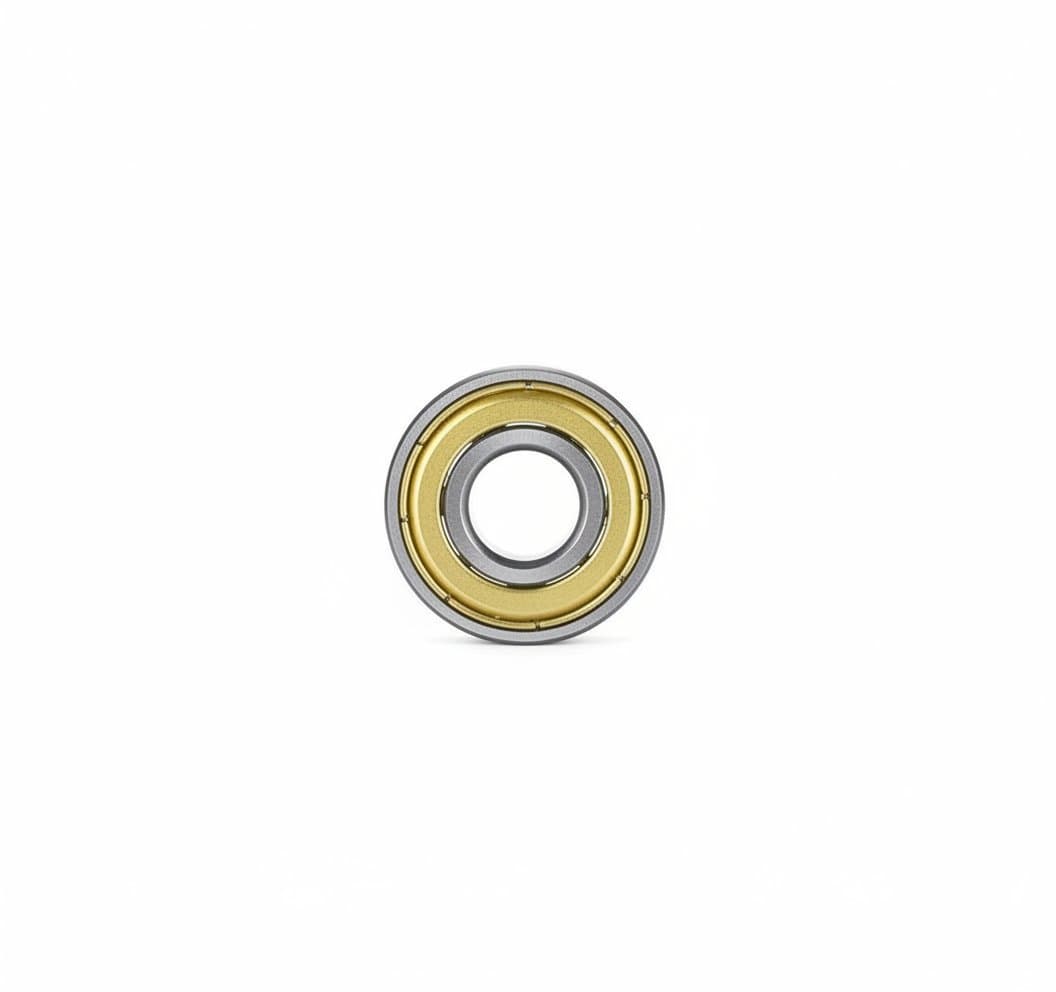
608ZZ Skateboard Bearings | Double Metal Shield | 8x22x7mm 10-Pack
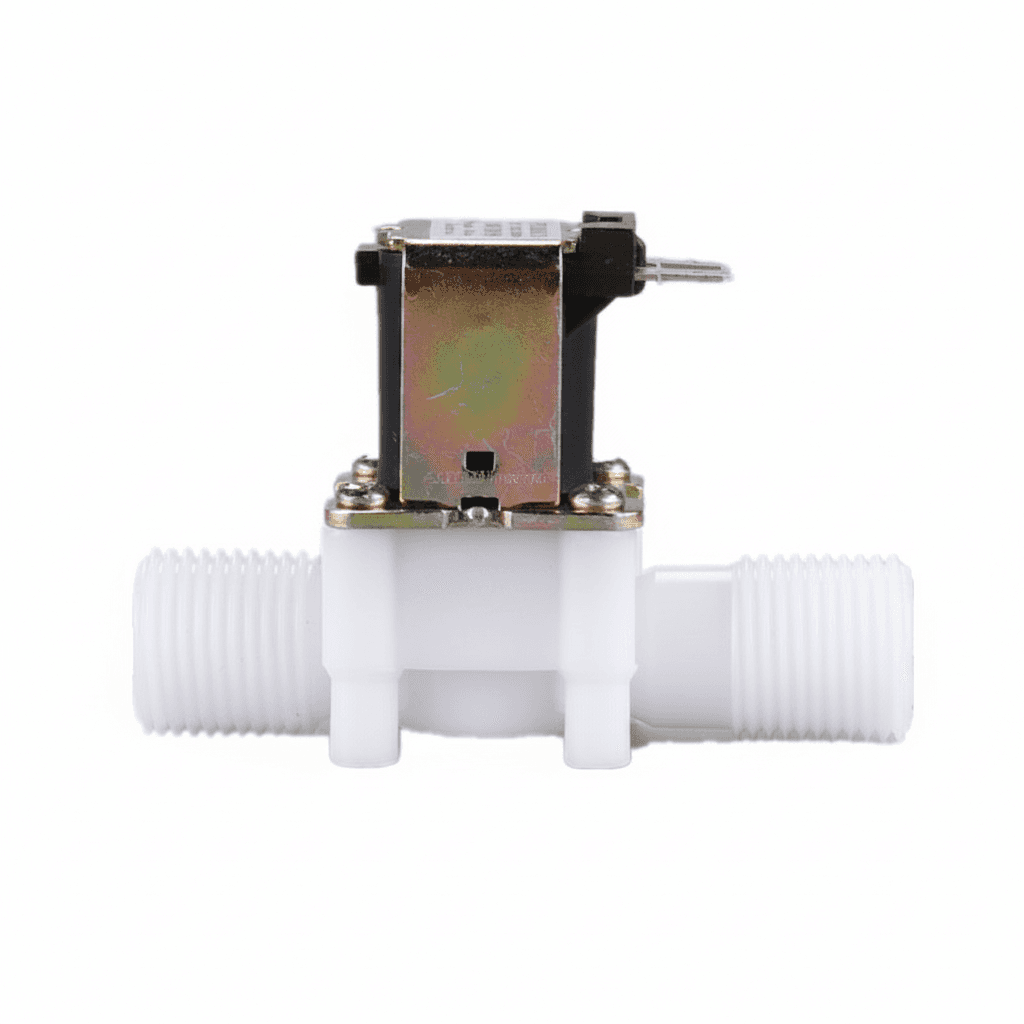
Solenoid Valve | 12V/24V/220V NC | 1/2 & 3/4 for Water & Air
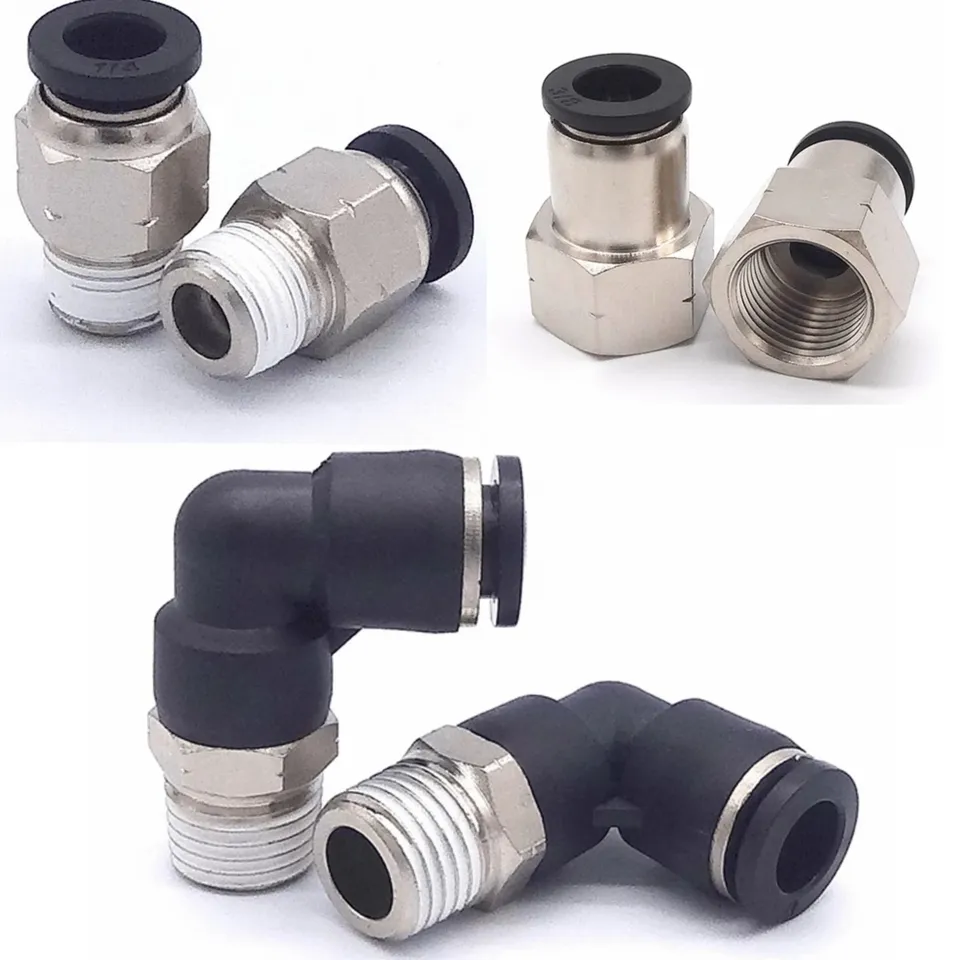
Hose Fitting | Quick Release Push to Connect | 1/4 NPT Elbow

Sensor | Waterproof 304 Stainless Steel Probe | 6x30mm 1M Cable
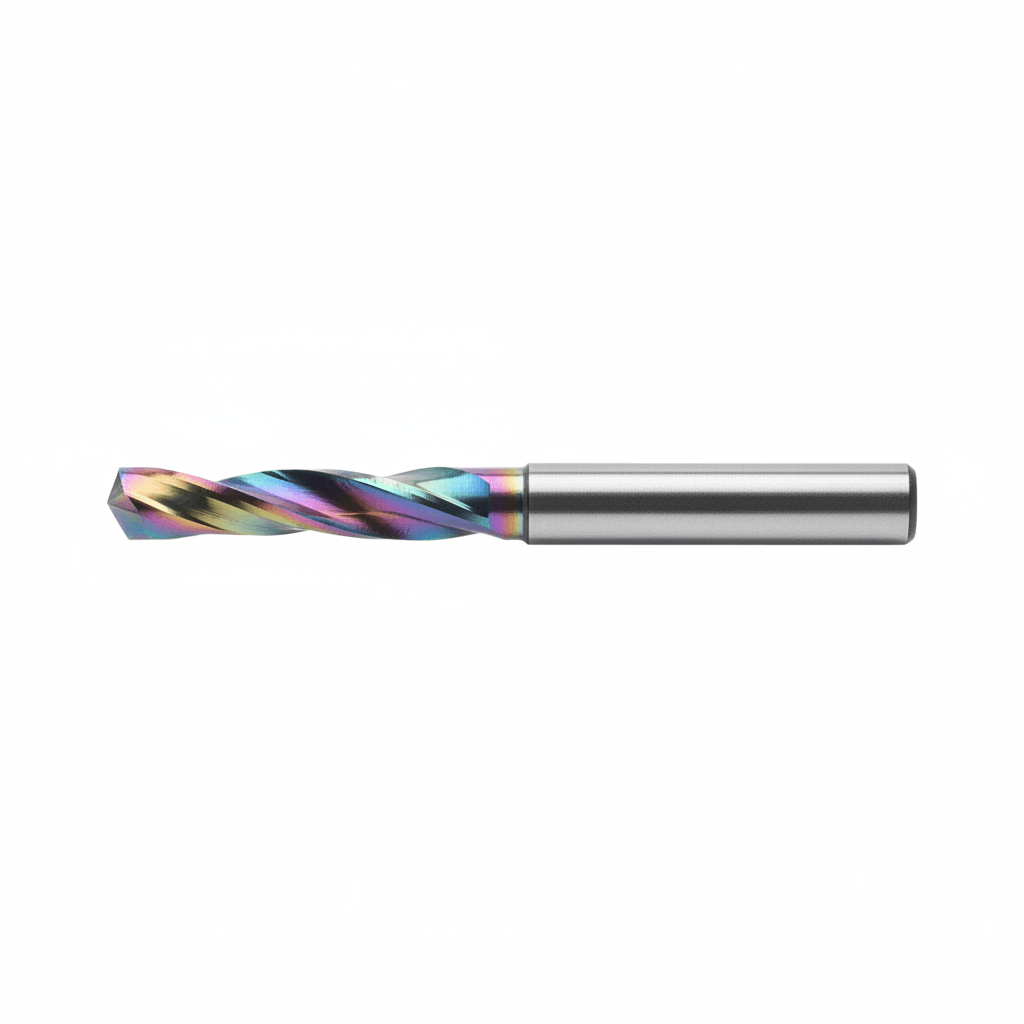
Flute End Mill | Solid Carbide with DLC Coating | For Aluminum CNC
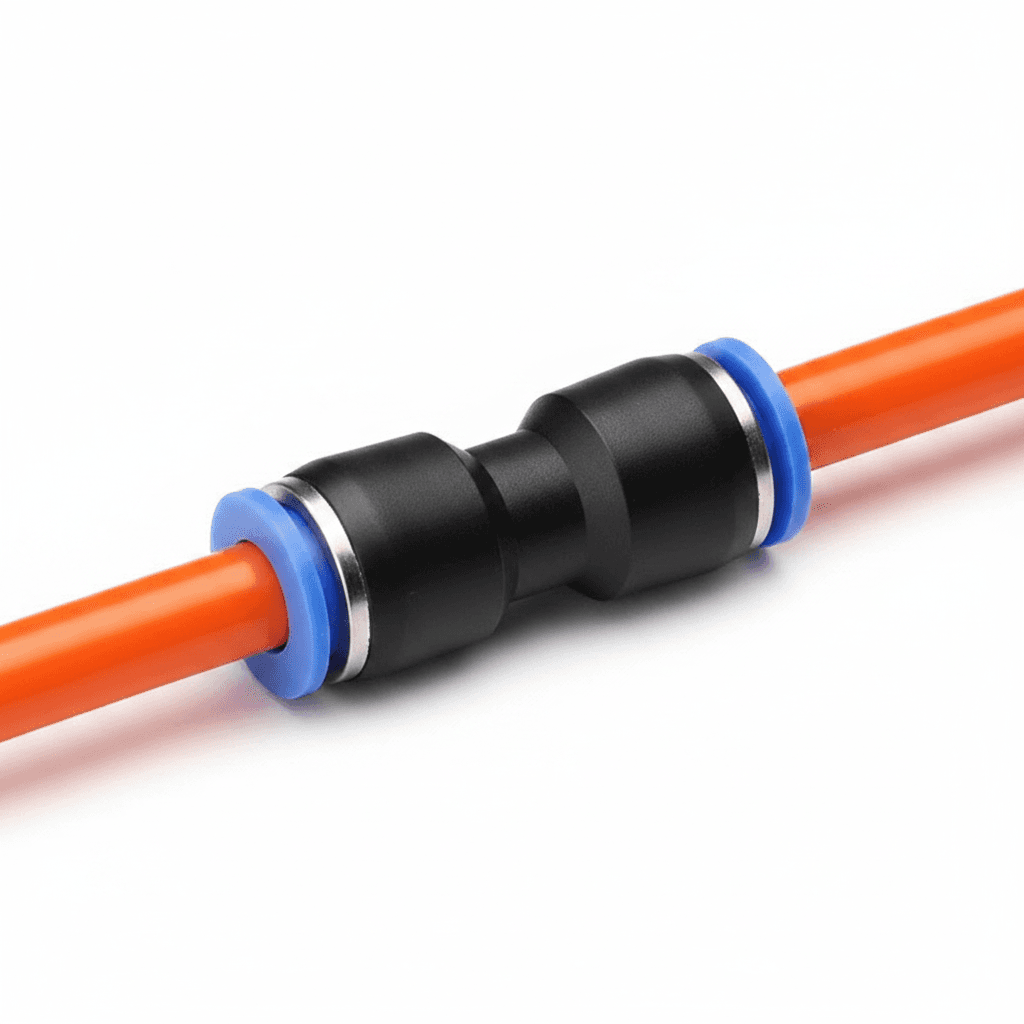
Pneumatic Fitting Push-In Connectors | Air Hose Quick Release | 4-14mm Tube
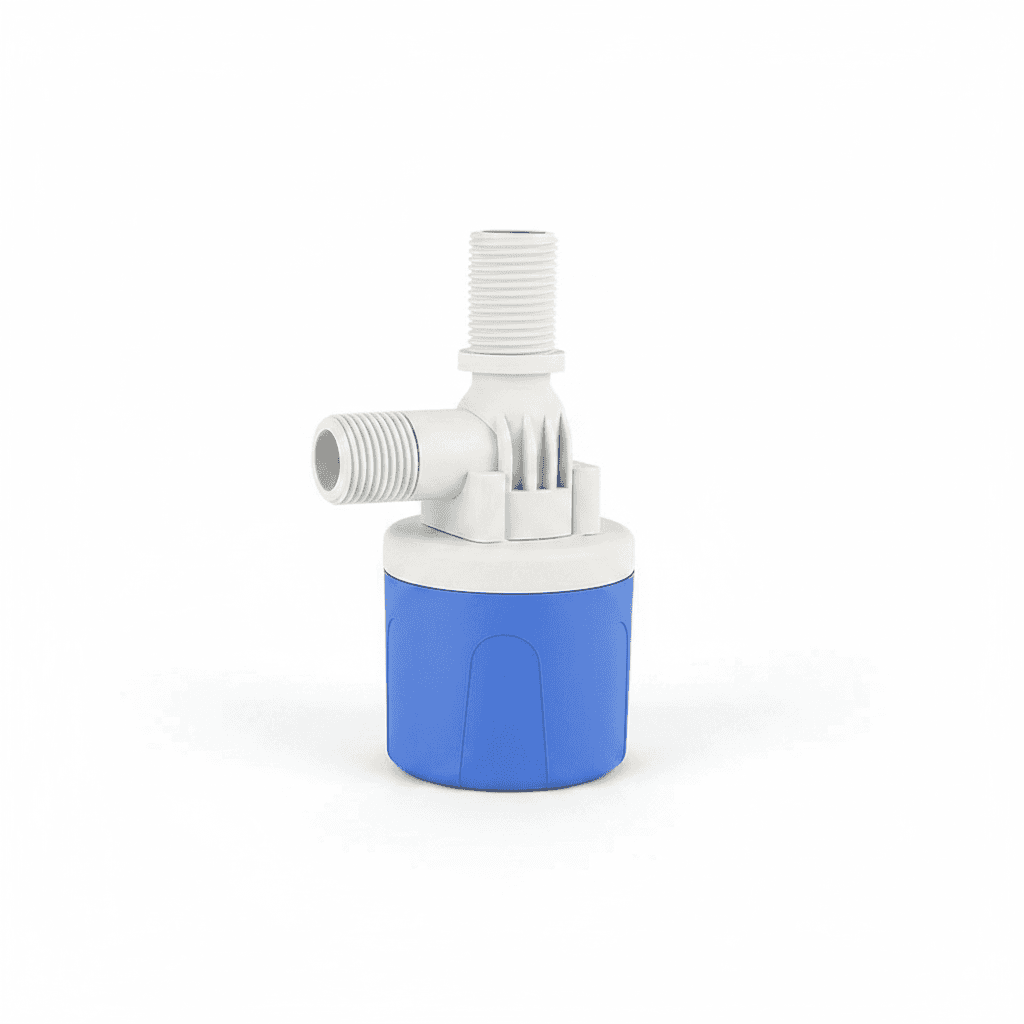
Hydraulic Valve | 1/2 Float for Tank Water Level Control
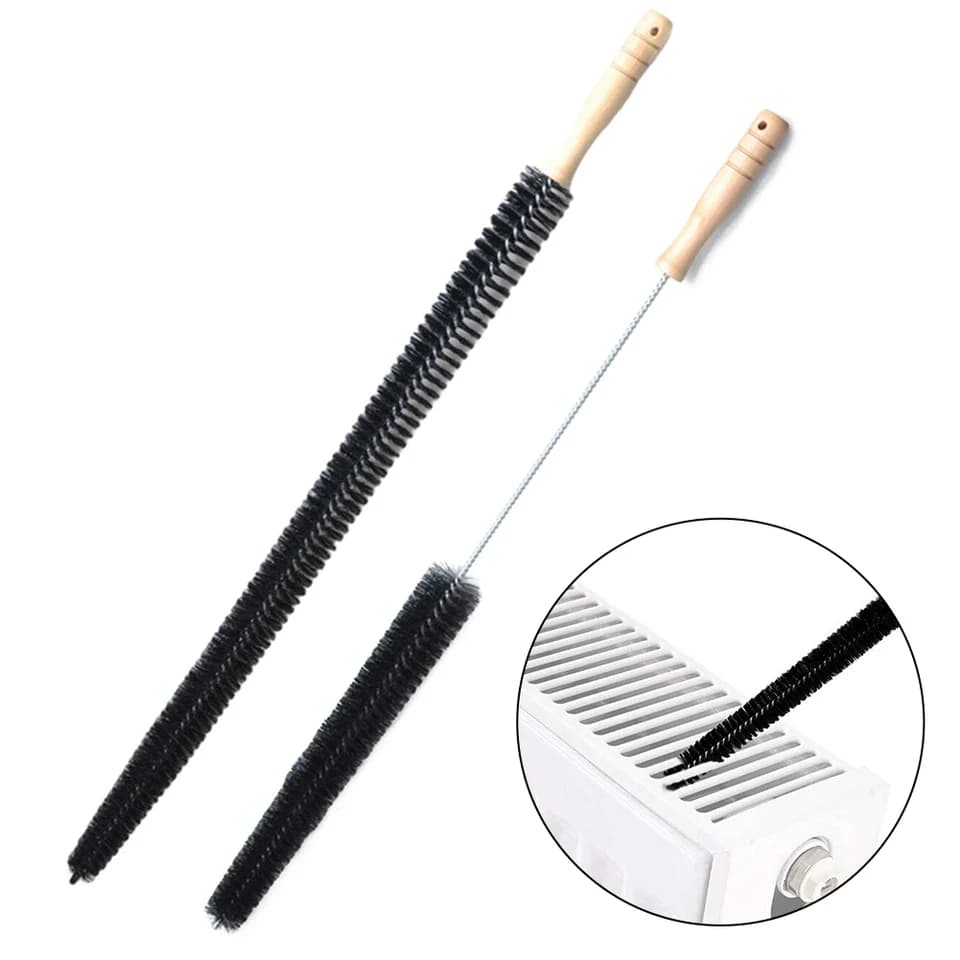
Radiator Cleaning Brush | Flexible Long Thin Duster | Dryer Duct Cleaner
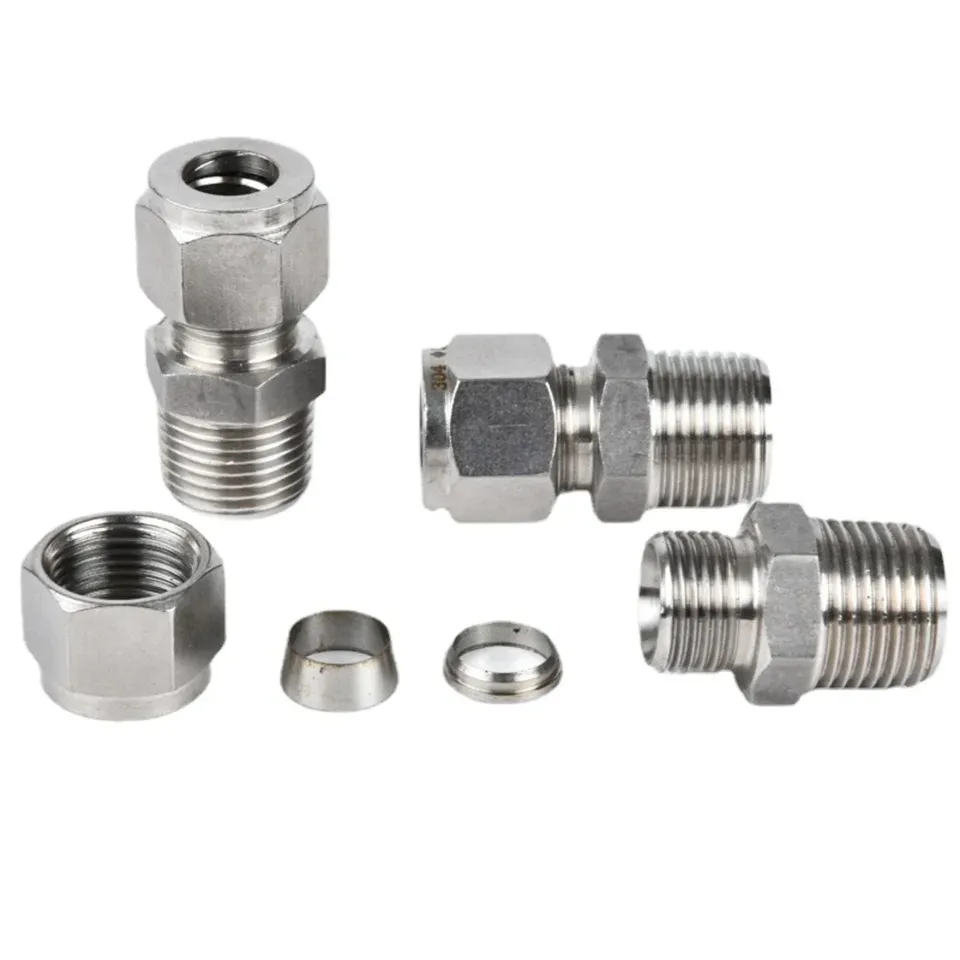
Fitting | 304 Stainless Steel Compression | 1/2 NPT Union
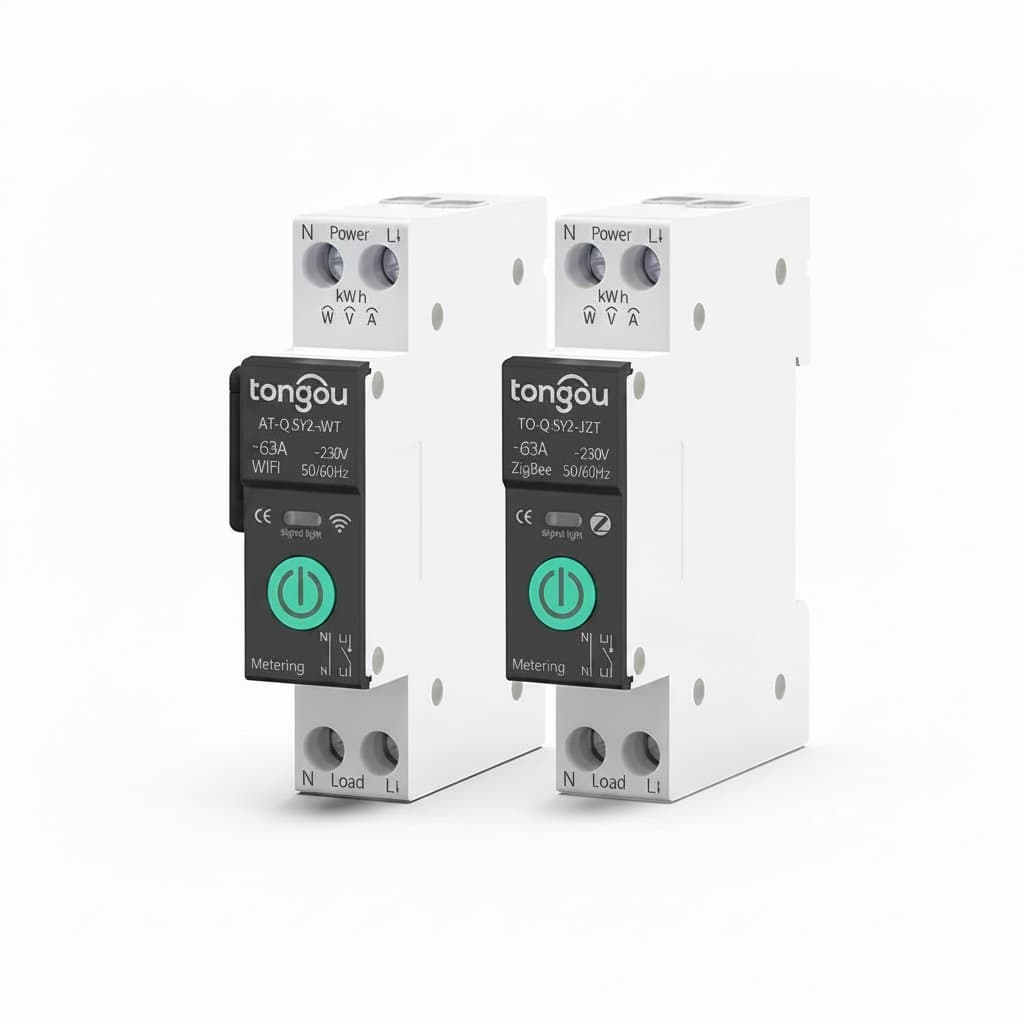
TUYA WiFi/ZigBee MCB Smart Circuit Breaker Over Current Under Voltage Protection Power Metering 1-63A Remote Control Switch
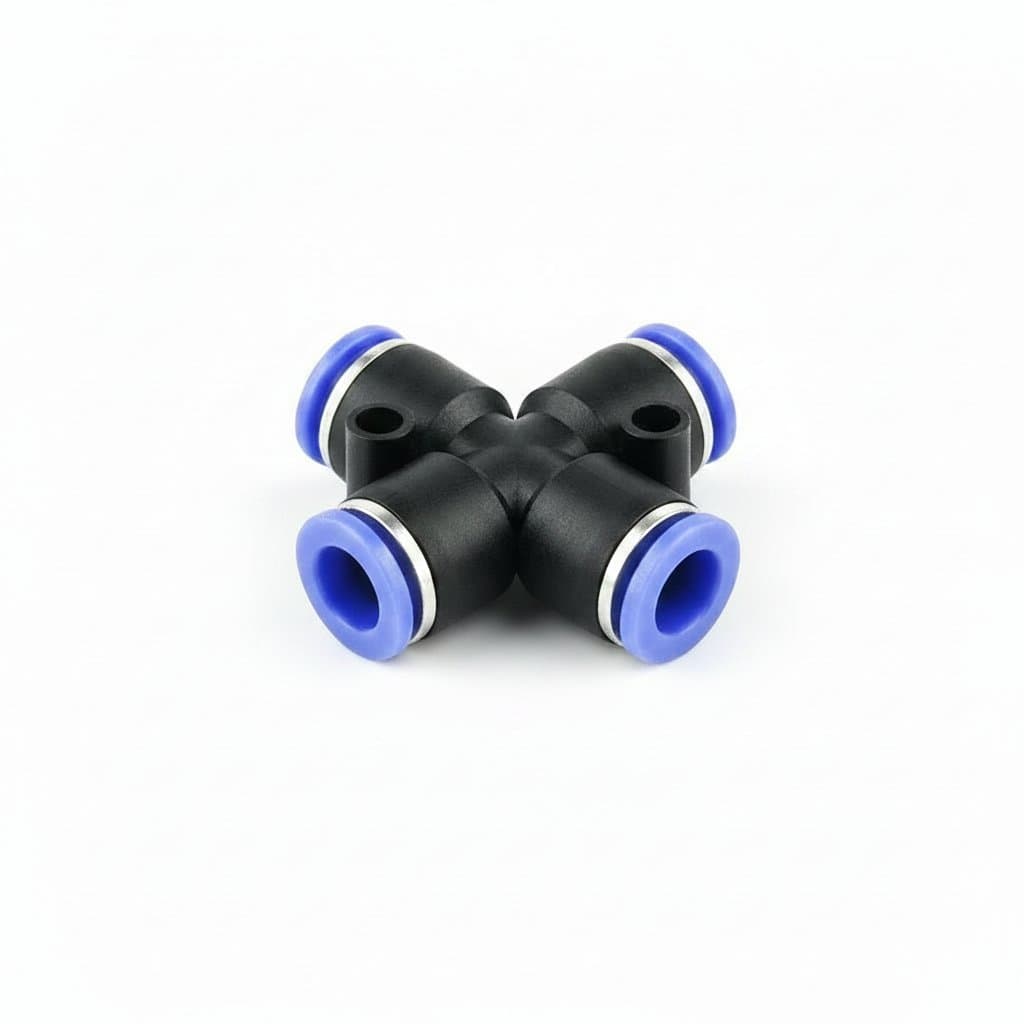
Push-to-Connect Air & Water Fittings | 4mm-12mm OD | Quick-Release Hose Couplings
Complete the set
Accessories & add-ons

Sensor Protection Sleeve | Stainless Steel Blind Tube | 6mm

Motion Sensor Bracket | Automatic IR Lamp Holder | 110-240V AC

Soil Moisture NPK Sensor | 7-in-1 Agricultural Probe Accessory

Arduino Raspberry Pi Sensor Kit (45pc) | Modules for UNO R3 MEGA2560

Reflector Plate | Photoelectric Sensor Accessory | TD Series

Load Cell ADC Module | 24-Bit HX711 Sensor Accessory
