
Limit Switch | Roller Lever with Oil-Resistant Cable | 5A 250VAC
This D4C compact enclosed limit switch senses when an object is present and tracks travel limits in automated systems. Its sealed body and oil-resistant cable make it a good choice for industrial sett...
- Secure checkout
- All major cards
- Tracked delivery
Good to know
Questions about this product
- What is a roller lever limit switch like this actually used for in a workshop?
- It's used to detect the position of a moving part on a machine. You could use it to stop a CNC router at the end of its travel, or to count items on a conveyor belt as they pass and press the roller. It's a momentary switch, so it activates when the lever is pressed and deactivates when it's released.
- How well does this switch handle dust and coolant splashes?
- This switch has an IP67 rating, which means it's completely dust-tight. It is also protected against immersion in water up to 1 metre deep, so it will handle direct splashes from machine coolant or wash-downs without any issues.
- What are the electrical ratings? Can I wire it into a standard 240V circuit?
- Yes, it's rated for up to 250VAC, so it's fine for standard UK mains voltage systems. The maximum current rating is 5A. The switch comes with an attached VCTF oil-resistant cable for wiring it into your equipment.
Limit & Position Switches spec sheet (PDF)
Get a one-page sheet with full description, specifications, technical details, FAQs, price & SKU - handy to save, print, or share.
Not sure which one?
Compare with similar products
The same kind of product, in stock, in a similar price range.
This product: £50.99 · 4.9

Limit Switch | Roller Lever with Oil-Resistant Cable | 5A 250VAC
- Price
- £50.99
- Rating
- 4.9(9)
- Sold
- 163+
- Stock
- In stock

Limit Switch ME-8108 | Mini Body with Roller Arm | TZ-8108
- Price
- £33.99
- Rating
- 4.8(9)
- Sold
- 319+
- Stock
- In stock

Limit Switch | Waterproof Rotary Roller Lever | 5A 220V for CNC
- Price
- £30.99
- Rating
- 4.8(17)
- Sold
- 187+
- Stock
- In stock

ME-8108 Limit Switch | Adjustable Rotary Roller Lever | Momentary Contact
- Price
- £32.99
- Rating
- 4.6(8)
- Sold
- 141+
- Stock
- In stock

Limit Switch | Momentary Rebound Plunger | CNC Travel Stop
- Price
- £52.99
- Rating
- 5.0(6)
- Sold
- 300+
- Stock
- In stock

Limit Switch | Horizontal Roller Lever | 10A 250V AZ-7121
- Price
- £29.99
- Rating
- 5.0(24)
- Sold
- 500+
- Stock
- In stock

Limit Switch | SPDT Roller Lever Arm | V-156-1C25 Momentary Contact
- Price
- £32.99
- Rating
- 5.0(22)
- Sold
- 266+
- Stock
- In stock

Limit Switch | 250V 5A SPDT | 1NO 1NC Roller Lever Arm (10-Pack)
- Price
- £36.99
- Rating
- 4.8(13)
- Sold
- 192+
- Stock
- In stock

Limit Switch ME-8108 | Rotary Adjustable Roller Arm | AC250V 5A
- Price
- £30.99
- Rating
- Not rated
- Sold
- 87+
- Stock
- In stock
Compare options
More Limit & Position Switches

Limit Switch | Adjustable Roller Lever Arm | IP67 Mechanical Position

Limit Switch | Roller Lever Arm Actuator | SPDT Snap Action (10 Pack)

Lever Limit Switch | Momentary SPDT NO NC | 3-Terminal KW4-3Z-3 Microswitch

Unidirectional Tilt Sensor Switch | Mercury-Free On/Off 5mm

Mount Limit Switch | Snap Action with Roller Arc Lever | 1A 125V SPDT

Handle Limit Switch | V-15 Series Microswitch | 3-Pin SPDT (10pcs)

Limit Switch | 3-Pin SPDT with Roller Lever | 1A 125V for Mouse Repair

Limit Switch | 40-Piece Box Set | 5A 250VAC KW12 Snap Action Lever

Rated Limit Switch | 5A 250V SPDT | Long Straight Hinge Lever Arm

Wired Magnetic Door Sensor | Limit & Position Switch for Garage Doors

Action Limit Switch | 5A 250V SPDT Microswitch | For Appliance Control

Roller Arm Limit Switch | IP65 Waterproof | ME-8108 | 1NO1NC
Explore the range
Popular in Industrial & Machinery
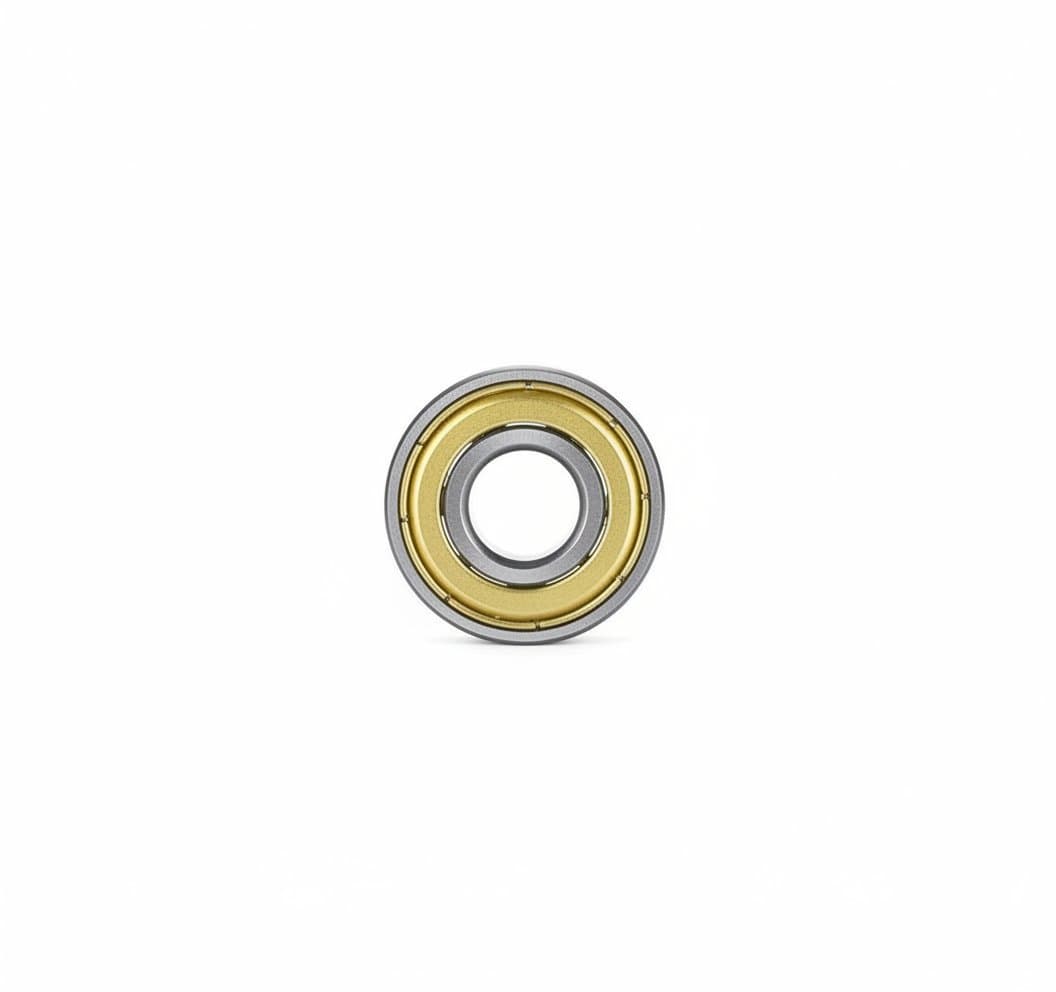
608ZZ Skateboard Bearings | Double Metal Shield | 8x22x7mm 10-Pack
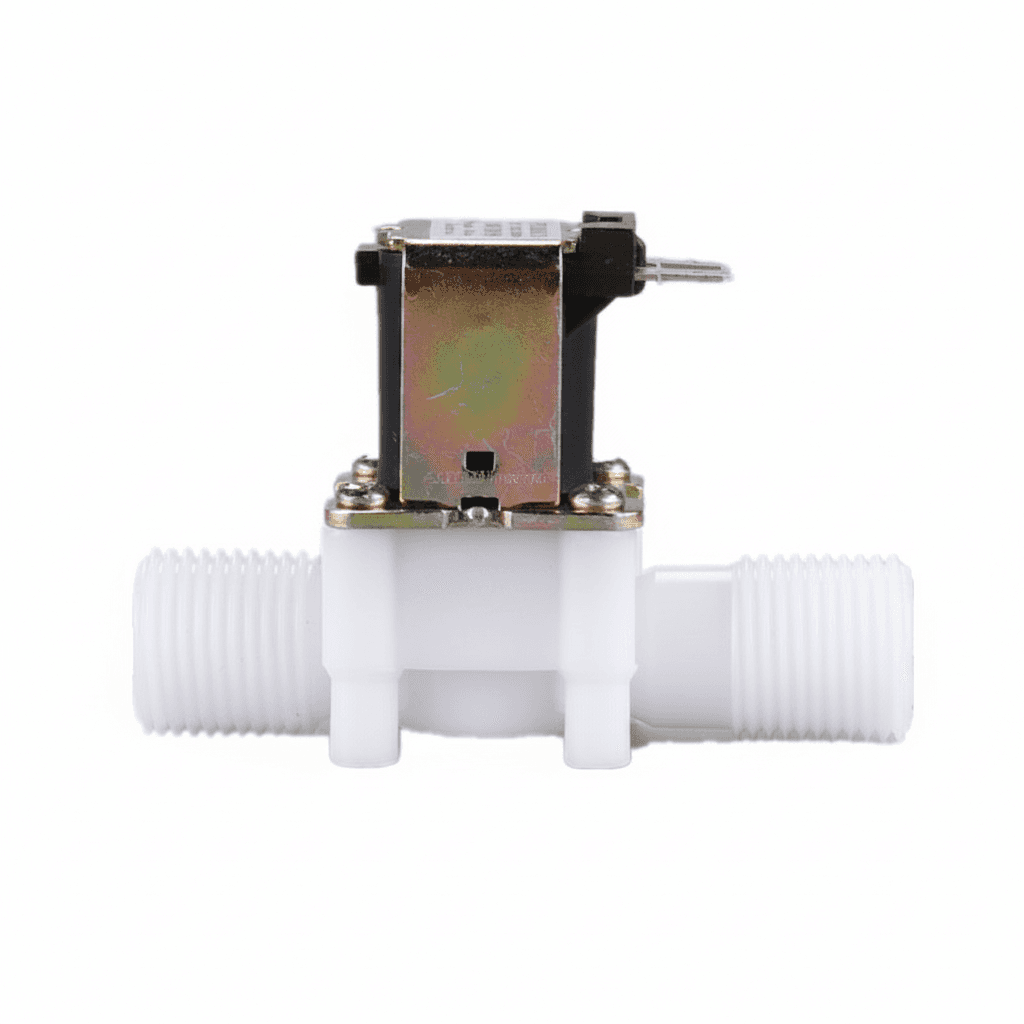
Solenoid Valve | 12V/24V/220V NC | 1/2 & 3/4 for Water & Air

Door & Window Magnetic Sensor | Zigbee Wireless | App Alert Security Alarm

Sensor | Waterproof 304 Stainless Steel Probe | 6x30mm 1M Cable
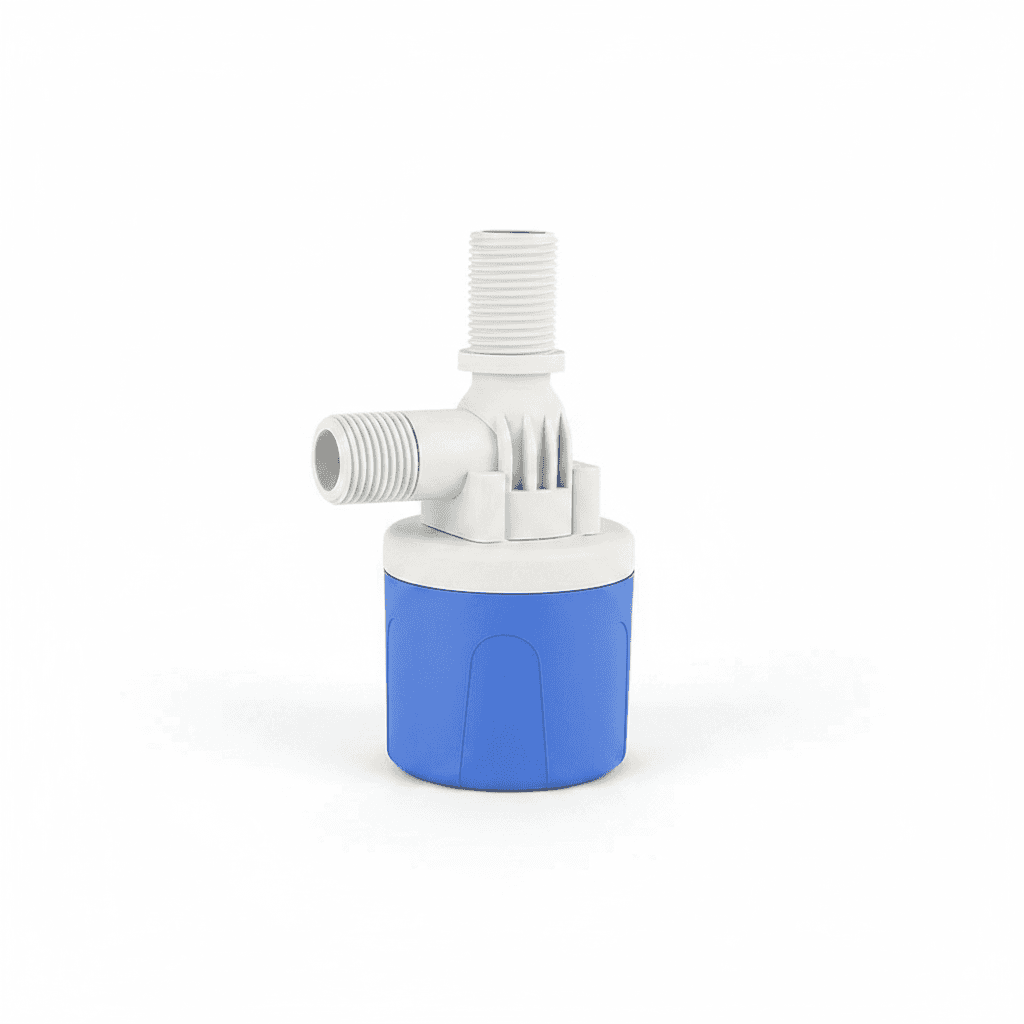
Hydraulic Valve | 1/2 Float for Tank Water Level Control
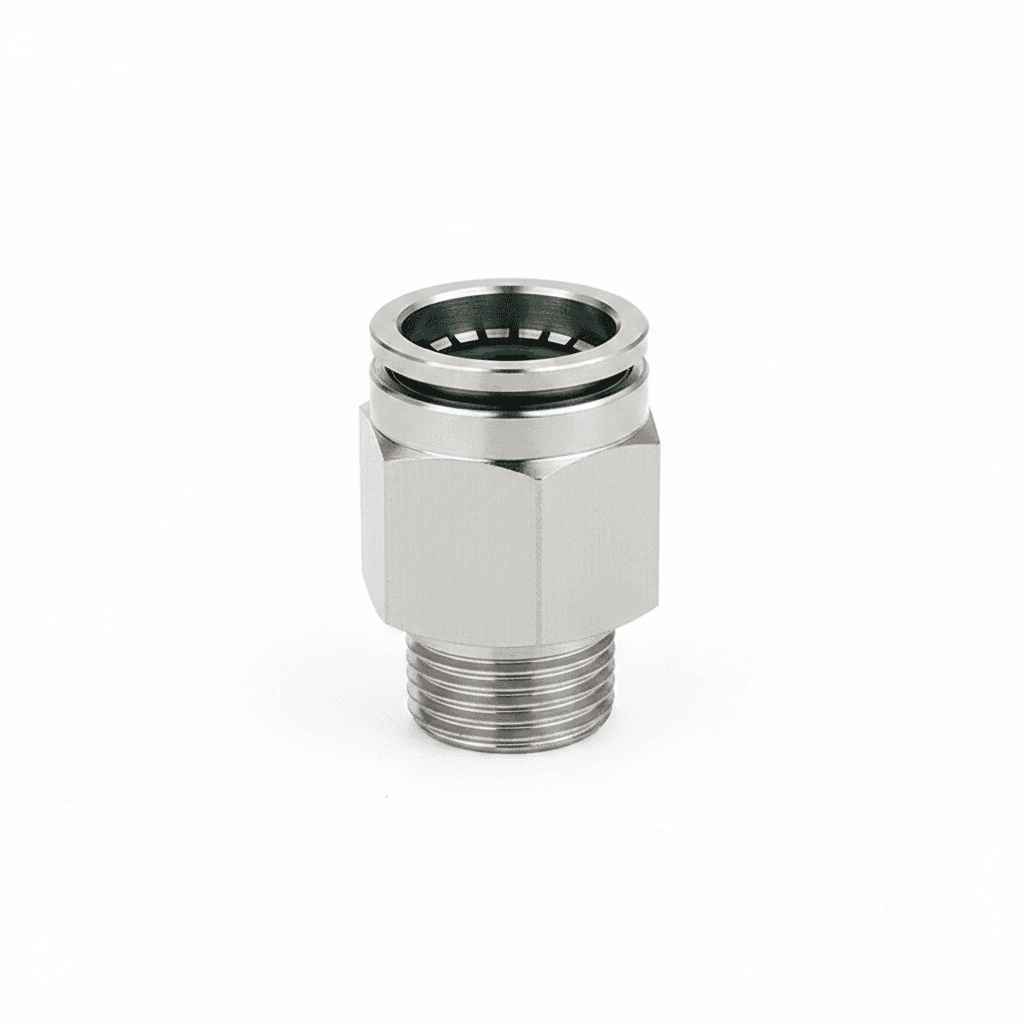
Air Hose Fitting | Quick Release Connector | 1/4 BSPT Thread
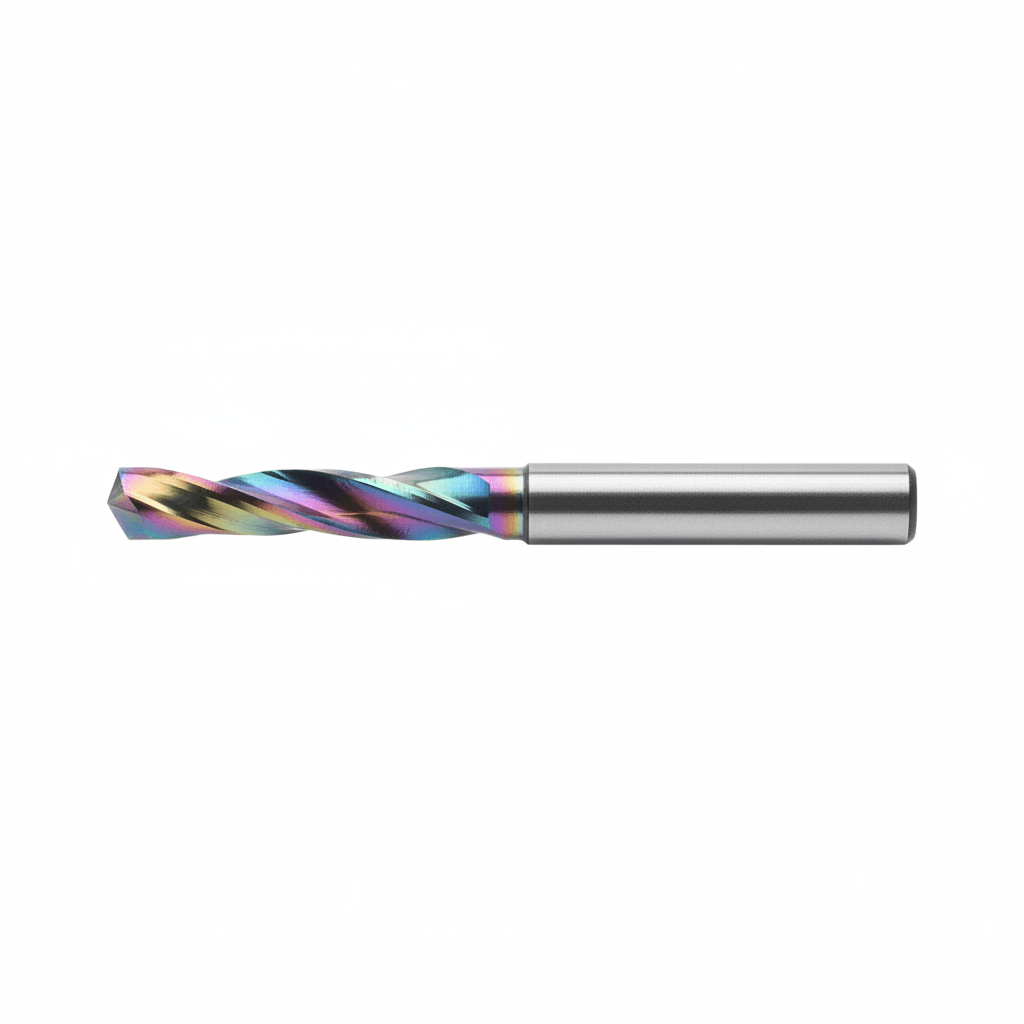
Flute End Mill | Solid Carbide with DLC Coating | For Aluminum CNC
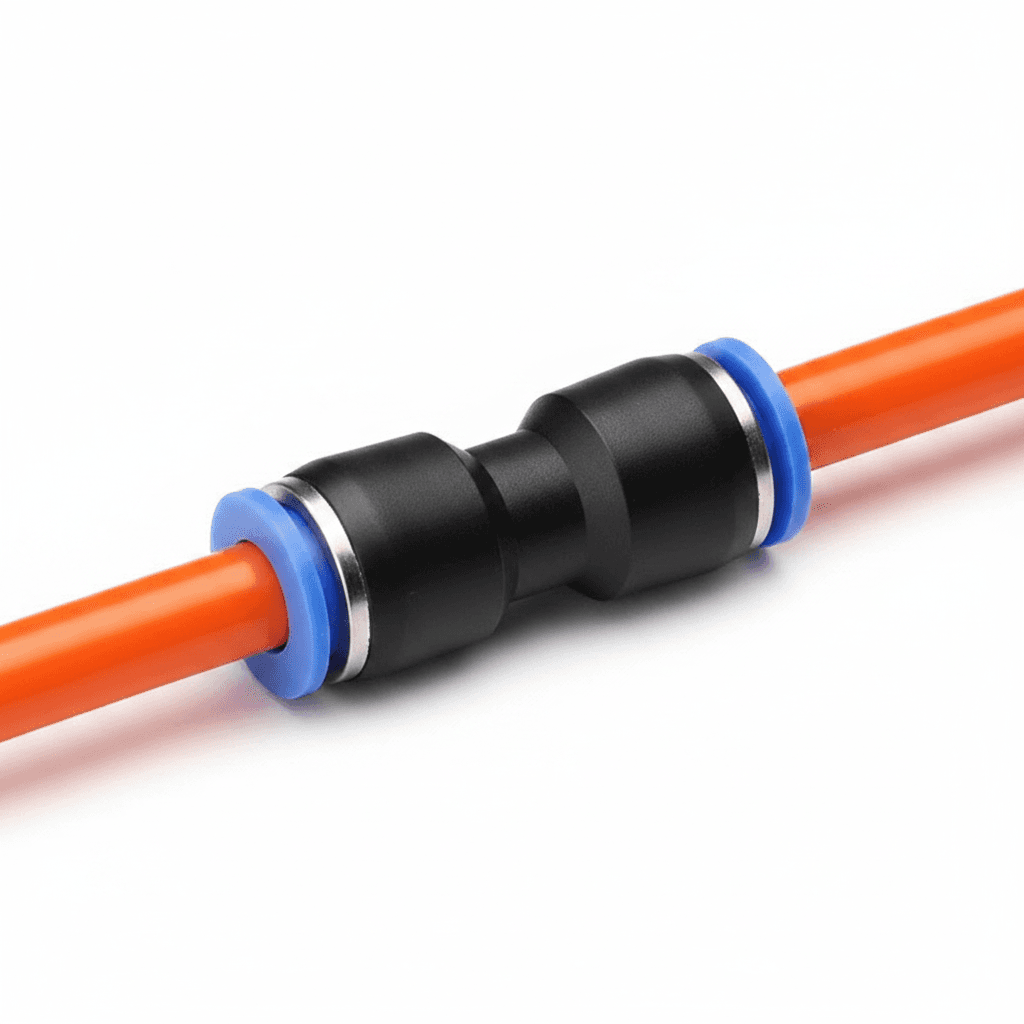
Pneumatic Fitting Push-In Connectors | Air Hose Quick Release | 4-14mm Tube
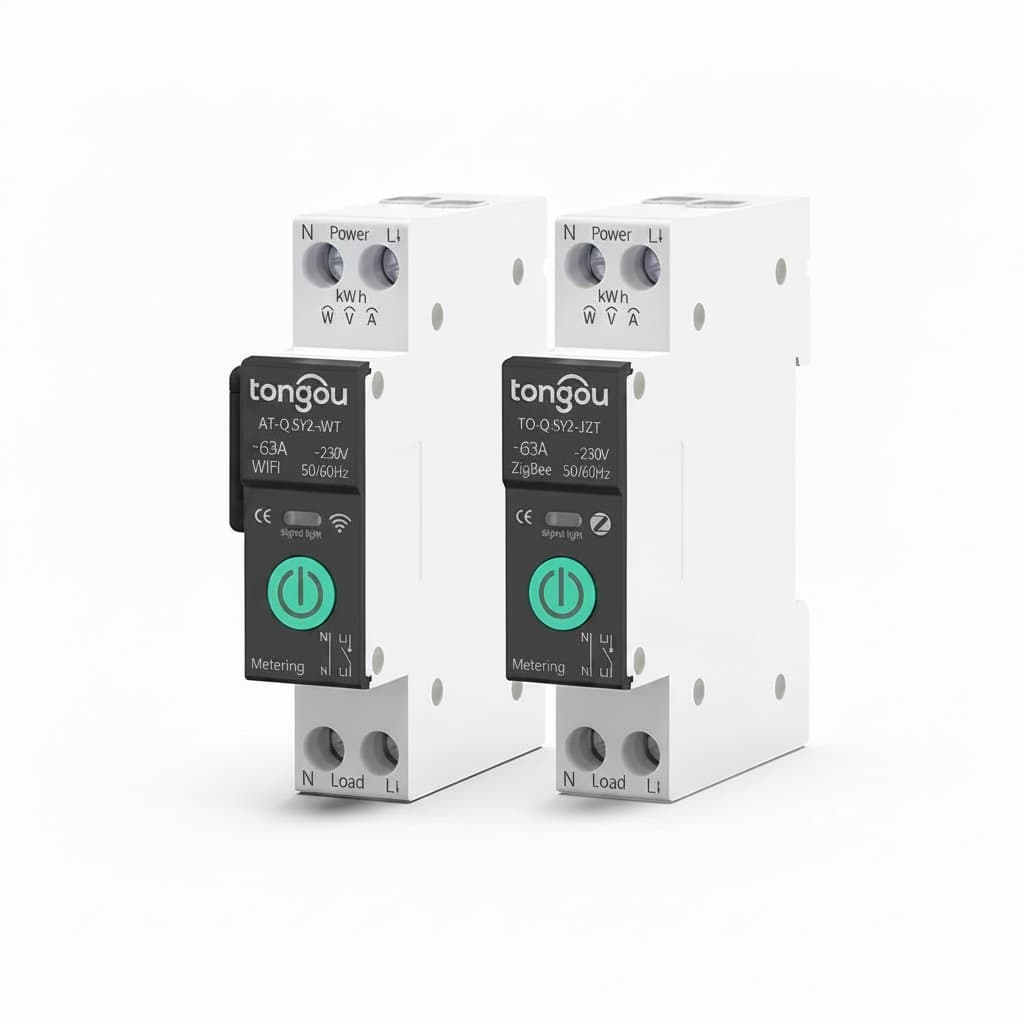
TUYA WiFi/ZigBee MCB Smart Circuit Breaker Over Current Under Voltage Protection Power Metering 1-63A Remote Control Switch
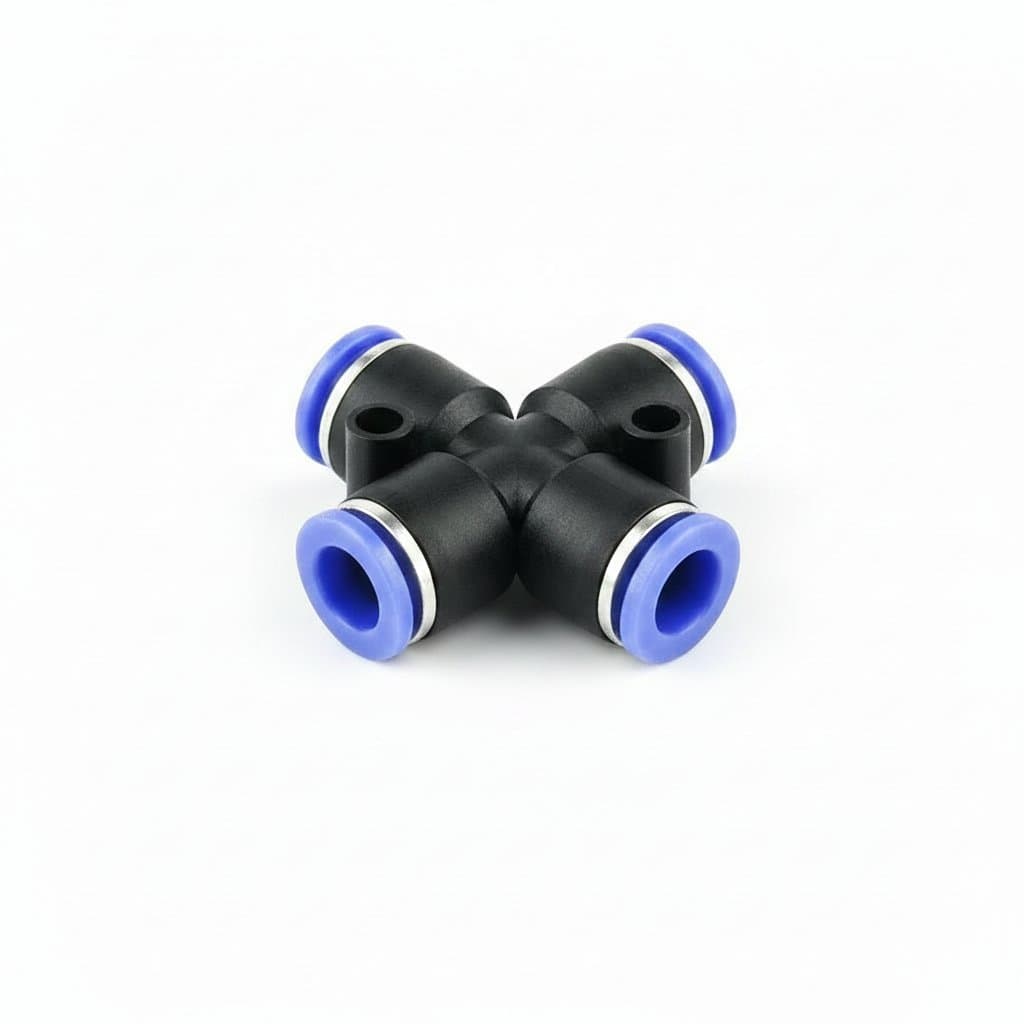
Push-to-Connect Air & Water Fittings | 4mm-12mm OD | Quick-Release Hose Couplings
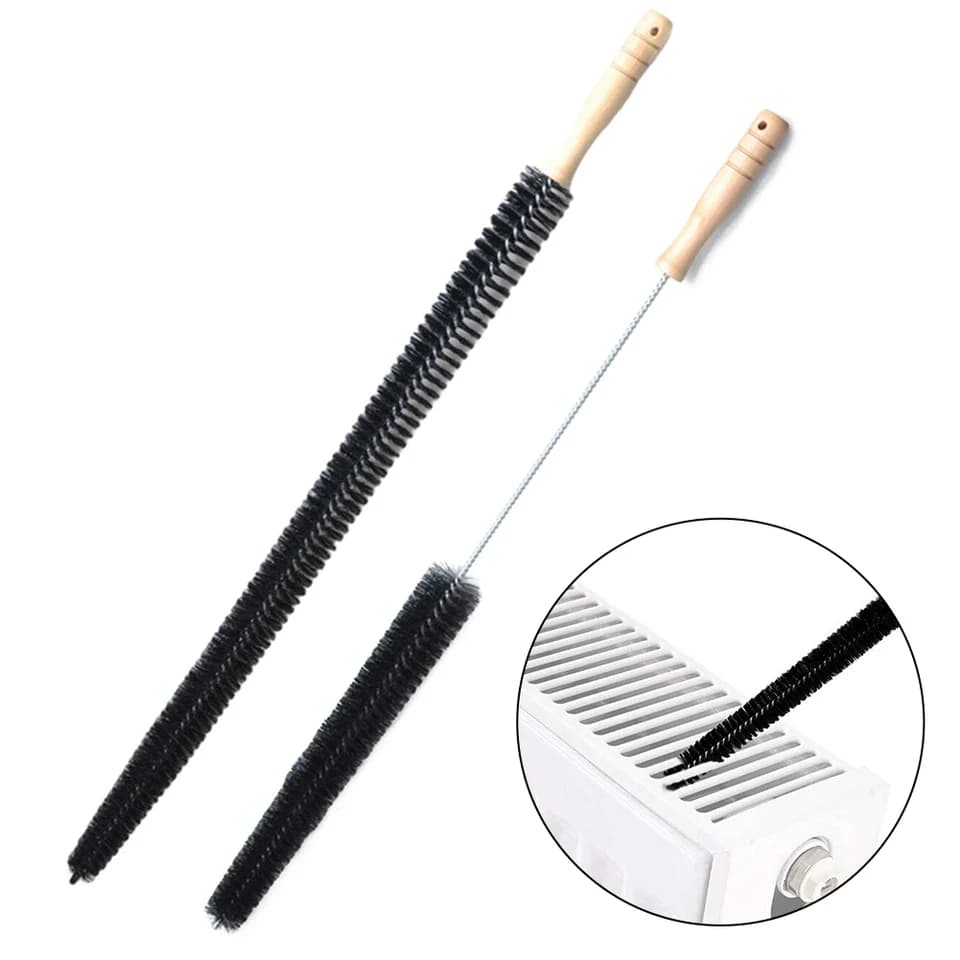
Radiator Cleaning Brush | Flexible Long Thin Duster | Dryer Duct Cleaner
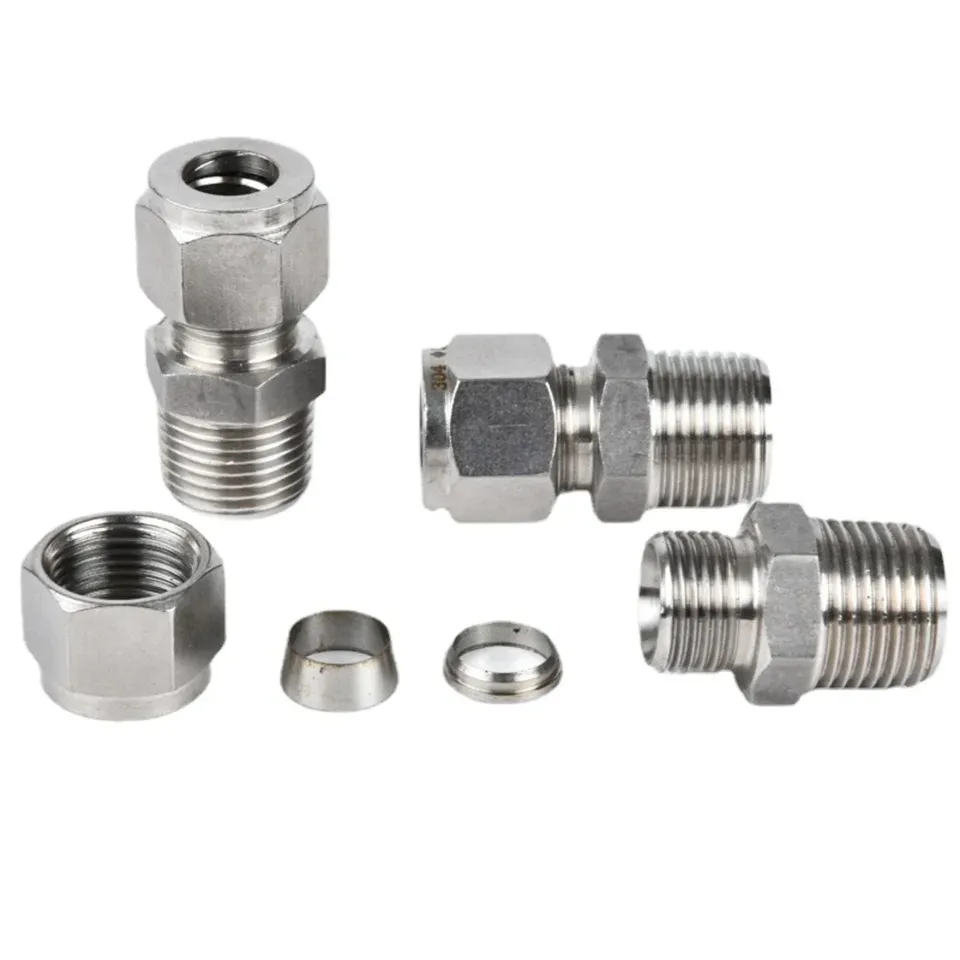
Fitting | 304 Stainless Steel Compression | 1/2 NPT Union
Complete the set
Accessories & add-ons

Sensor Protection Sleeve | Stainless Steel Blind Tube | 6mm

Motion Sensor Bracket | Automatic IR Lamp Holder | 110-240V AC

Soil Moisture NPK Sensor | 7-in-1 Agricultural Probe Accessory

Arduino Raspberry Pi Sensor Kit (45pc) | Modules for UNO R3 MEGA2560

Reflector Plate | Photoelectric Sensor Accessory | TD Series

Load Cell ADC Module | 24-Bit HX711 Sensor Accessory
