
Core Current Sensor | 100A 333mV Output | Clamp-On CT Design
This split core current transformer is a clamp-on sensor. It measures AC current without needing to disconnect or cut wires. Its hinged body simply closes around a conductor. This makes installation s...
- Secure checkout
- All major cards
- Tracked delivery
Good to know
Questions about this product
- What's the main benefit of a split core design?
- The split core is a big time-saver because you don't have to disconnect the circuit you're measuring. The sensor simply clamps around the existing live conductor. This makes installation much faster and safer, especially when retrofitting to an active system.
- How do I pick the right current rating for my application?
- You should choose a model with a rated input current that's slightly higher than the maximum current you expect to measure on that circuit. For example, if your load peaks at 40A, the 50A model would be a good fit. We offer models rated for inputs from 30A up to 150A.
- What is the accuracy of these current transformers?
- These CTs have an accuracy and linearity of 0.5%. This level of precision is suitable for most energy monitoring, load balancing, and sub-metering jobs where you need a reliable reading without the cost of a full revenue-grade meter.
Current Sensors spec sheet (PDF)
Get a one-page sheet with full description, specifications, technical details, FAQs, price & SKU - handy to save, print, or share.
Not sure which one?
Compare with similar products
The same kind of product, in stock, in a similar price range.
This product: £29.99 · 4.9

Core Current Sensor | 100A 333mV Output | Clamp-On CT Design
- Price
- £29.99
- Rating
- 4.9(7)
- Sold
- 500+
- Stock
- In stock

Split-Core Current Sensor | Non-Invasive Clamp Transformer | 100A 50mA Output
- Price
- £26.99
- Rating
- 4.9(29)
- Sold
- 600+
- Stock
- In stock

Split-Core Current Sensor | Non-Invasive AC Clamp | 100A SCT-013-000
- Price
- £42.99
- Rating
- 4.8(22)
- Sold
- 800+
- Stock
- In stock

Split-Core Current Sensor | Clamp-On Hall Effect | 10A to 100A Range
- Price
- £47.99
- Rating
- 5.0(6)
- Sold
- 340+
- Stock
- In stock
Compare options
More Current Sensors

Non-Invasive AC Current Sensor | 30A Split-Core | For Energy Monitoring

Current Sensor Switch | M3050 Induction Relay | Alarm Output

Current Sensor Transmitter | 0-100A to 4-20mA | Split Core Clamp

Current Sensor | SCT-013-000 Split-Core Transformer | 100A 1V Output

Current Sensor | Transformer Control Switch | Alarm Detection Module
Explore the range
Popular in Industrial & Machinery
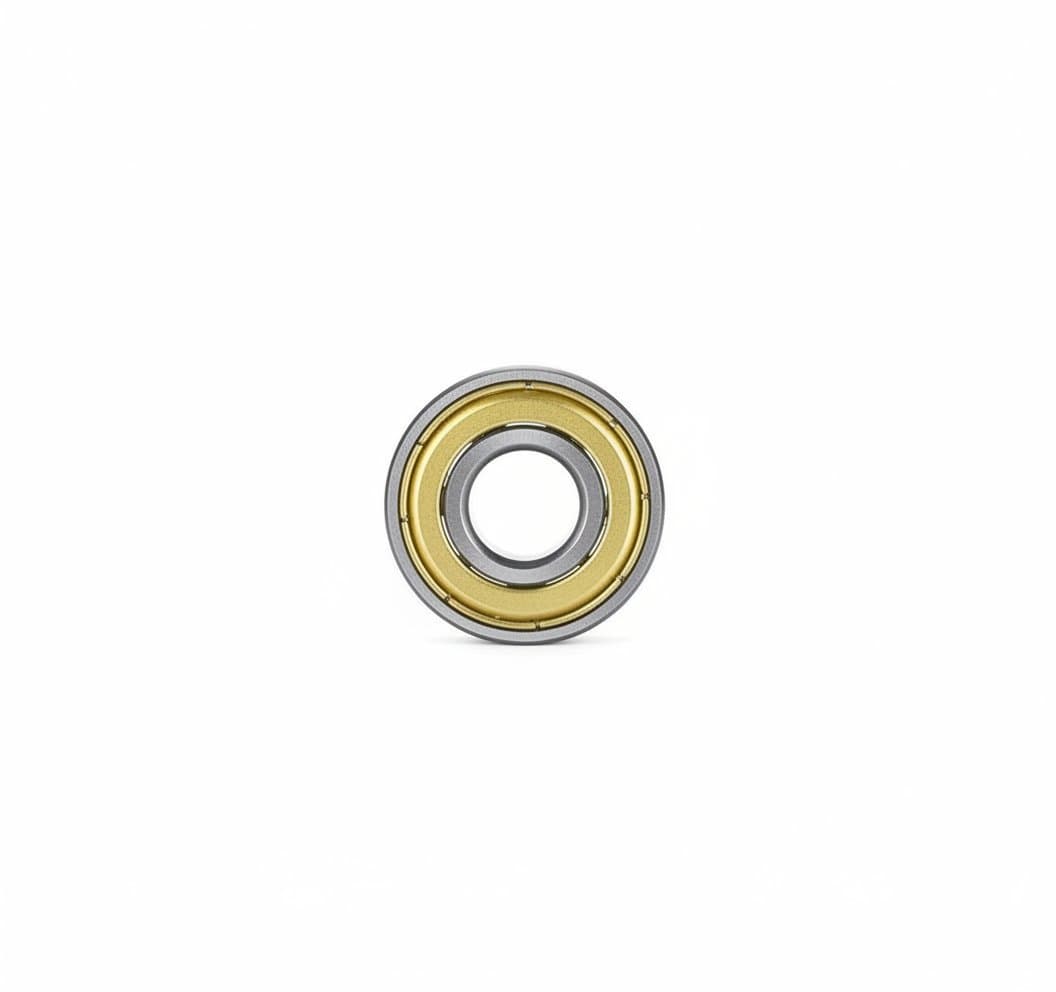
608ZZ Skateboard Bearings | Double Metal Shield | 8x22x7mm 10-Pack

Door & Window Magnetic Sensor | Zigbee Wireless | App Alert Security Alarm
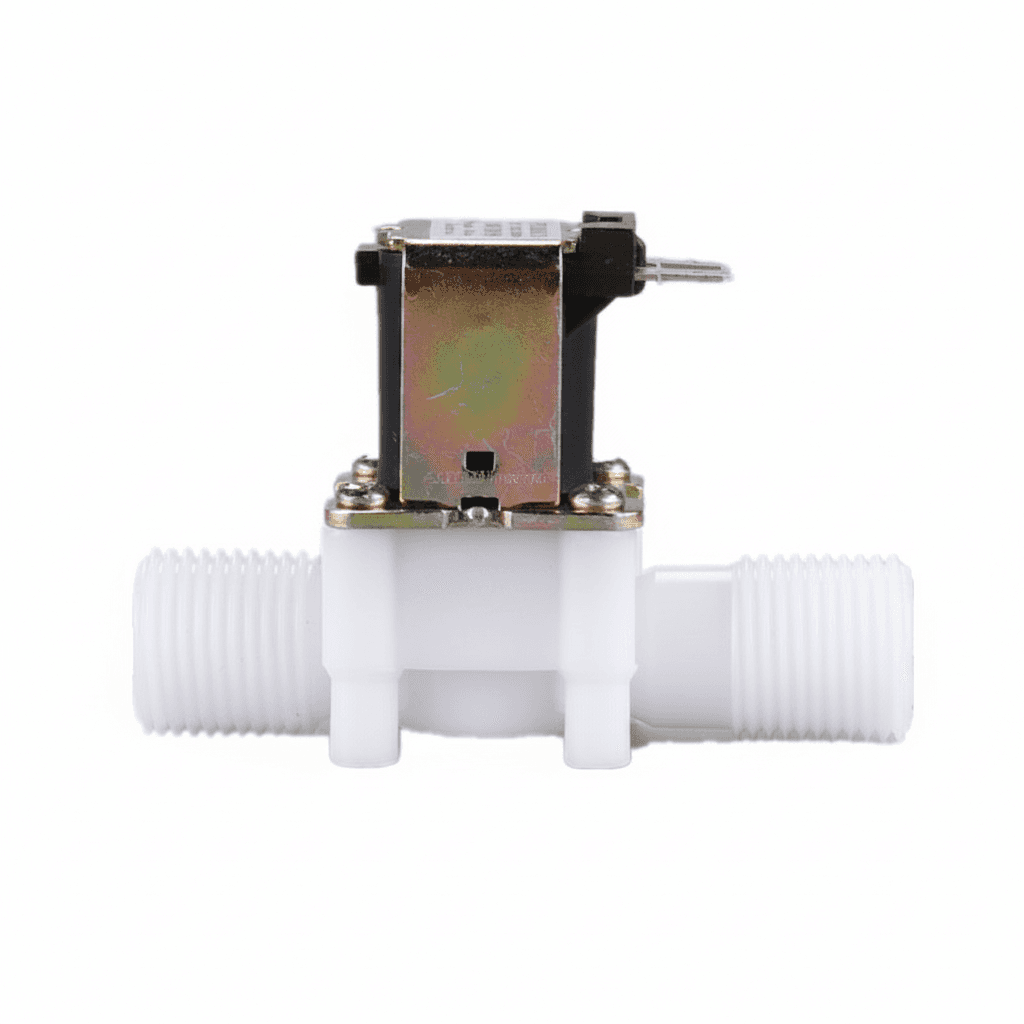
Solenoid Valve | 12V/24V/220V NC | 1/2 & 3/4 for Water & Air

Sensor | Waterproof 304 Stainless Steel Probe | 6x30mm 1M Cable
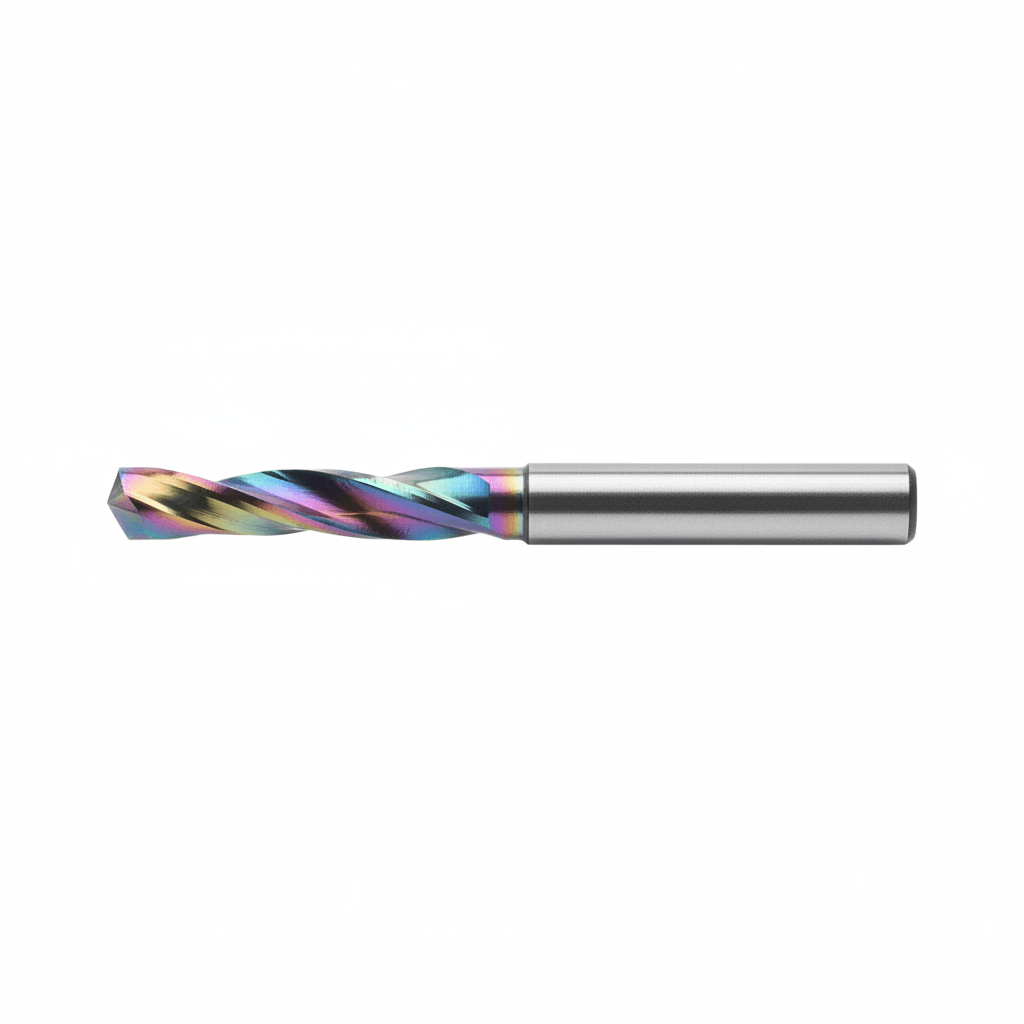
Flute End Mill | Solid Carbide with DLC Coating | For Aluminum CNC
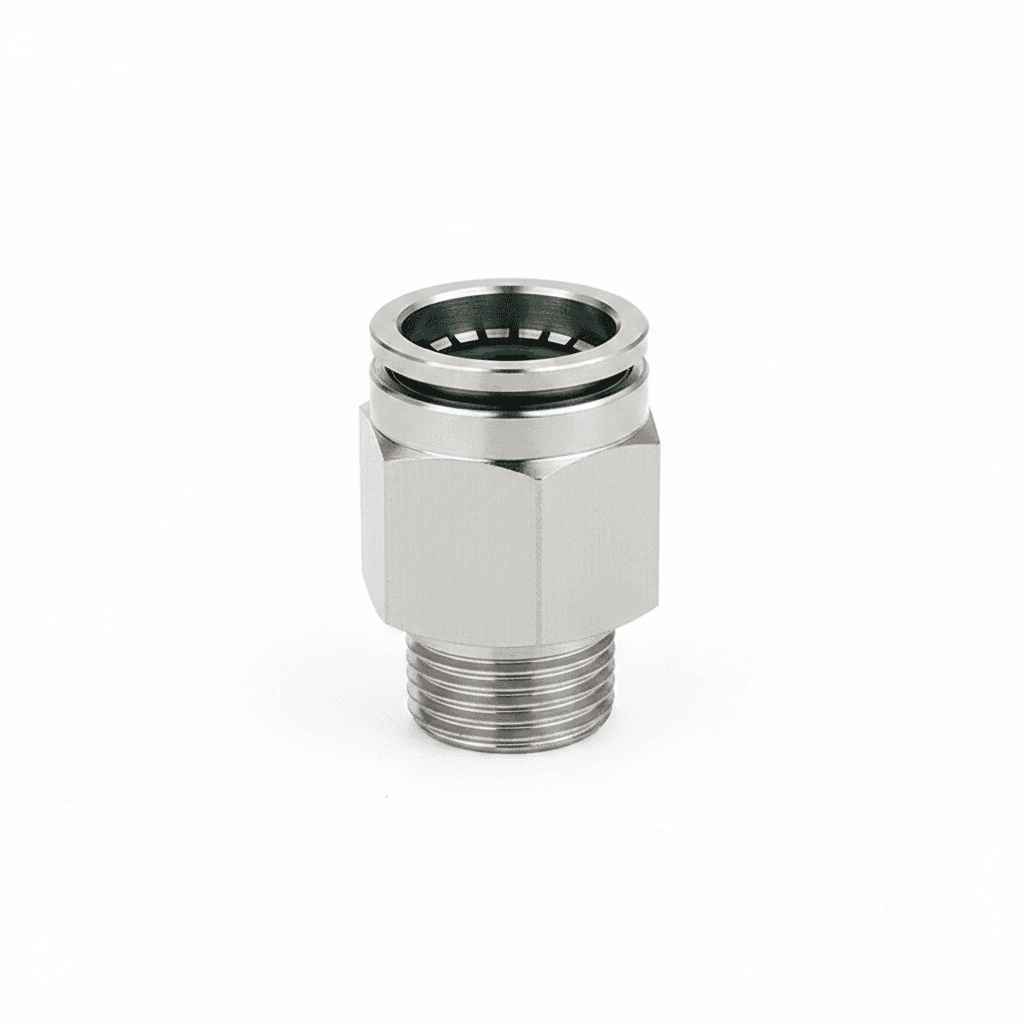
Air Hose Fitting | Quick Release Connector | 1/4 BSPT Thread
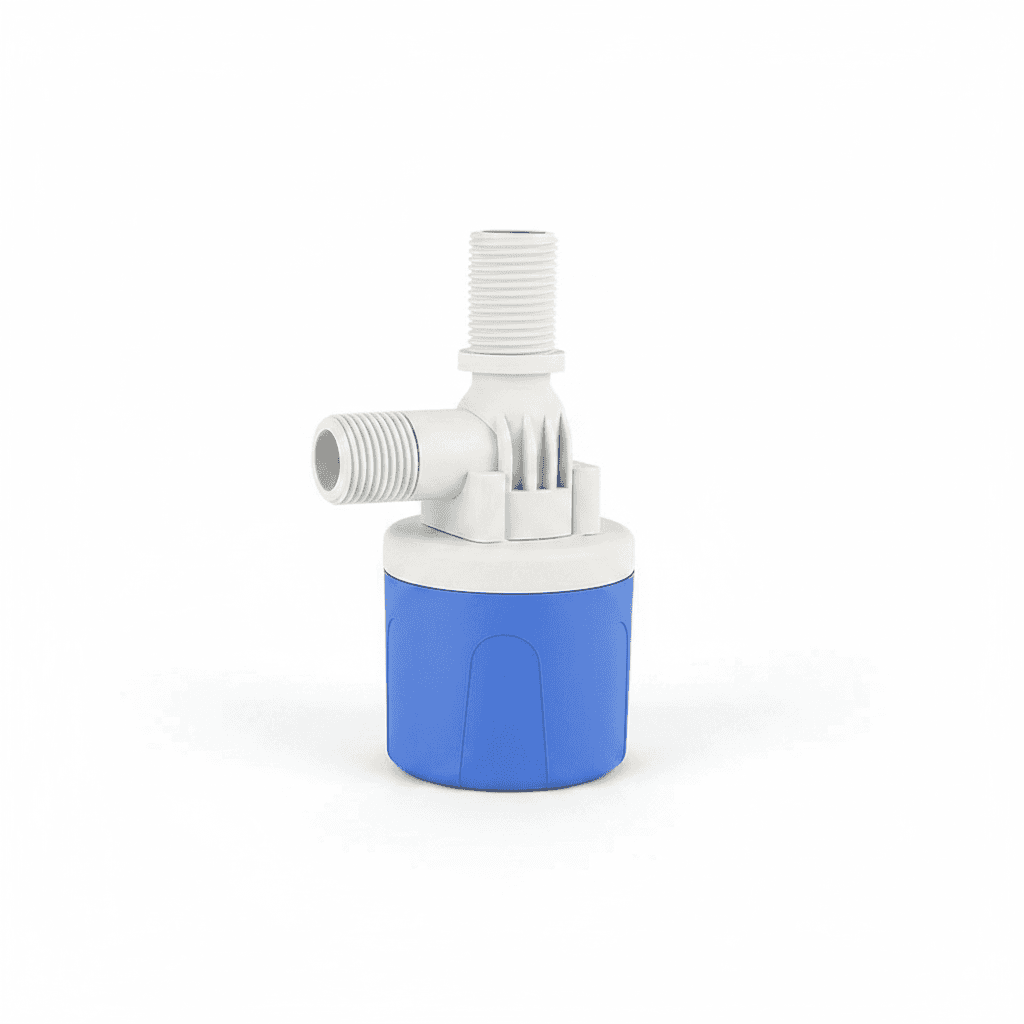
Hydraulic Valve | 1/2 Float for Tank Water Level Control
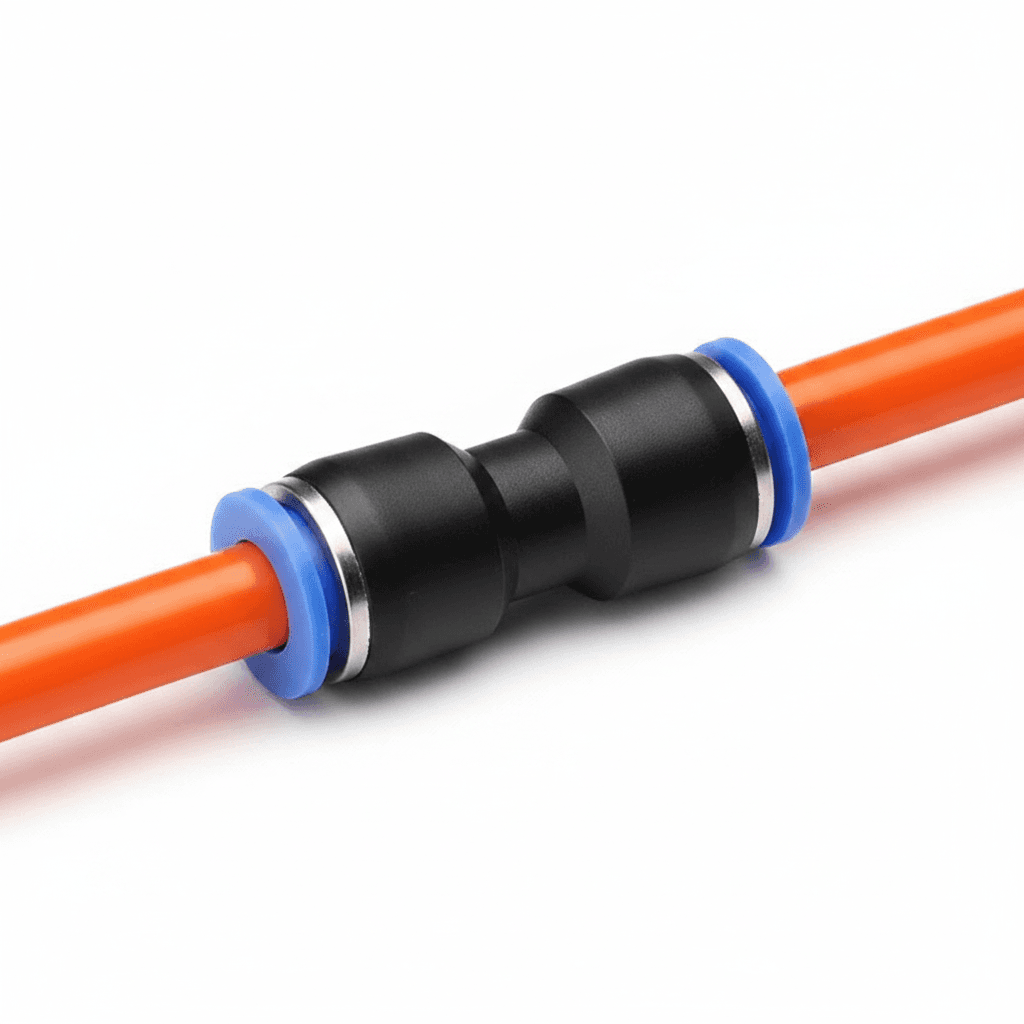
Pneumatic Fitting Push-In Connectors | Air Hose Quick Release | 4-14mm Tube
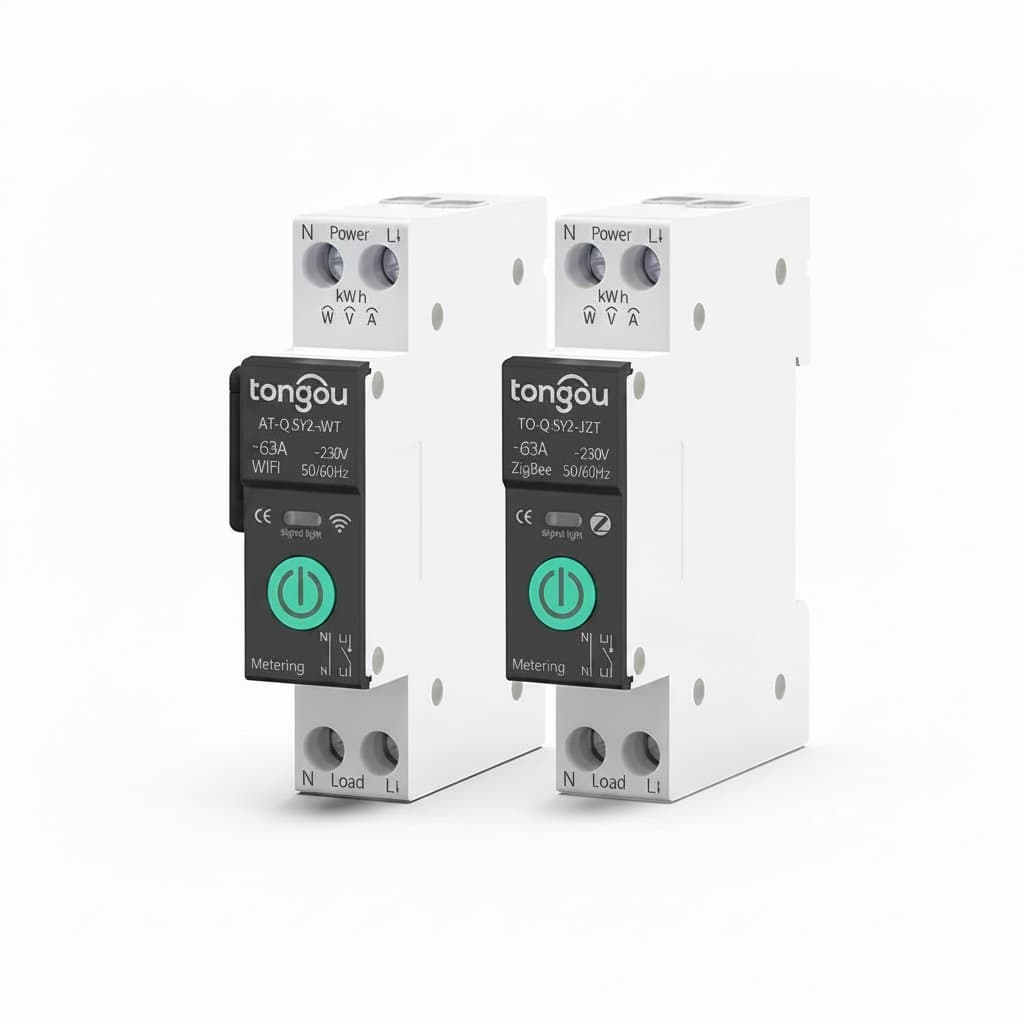
TUYA WiFi/ZigBee MCB Smart Circuit Breaker Over Current Under Voltage Protection Power Metering 1-63A Remote Control Switch
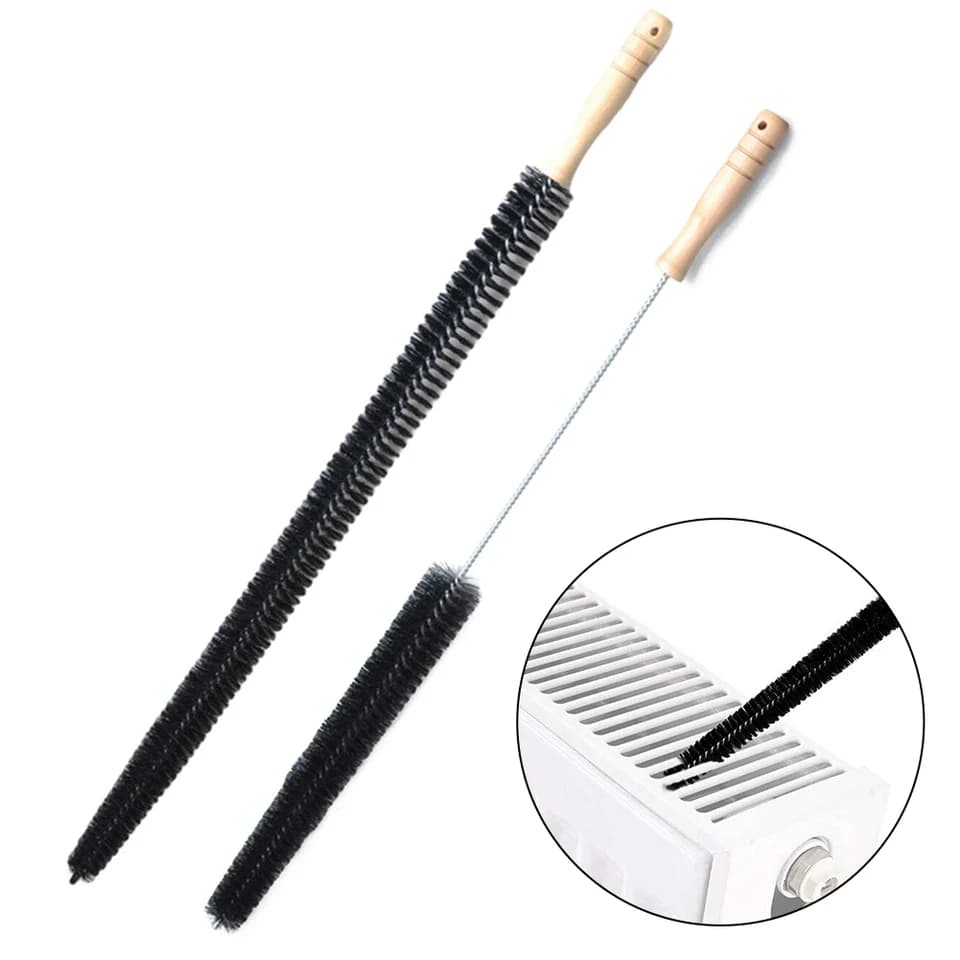
Radiator Cleaning Brush | Flexible Long Thin Duster | Dryer Duct Cleaner
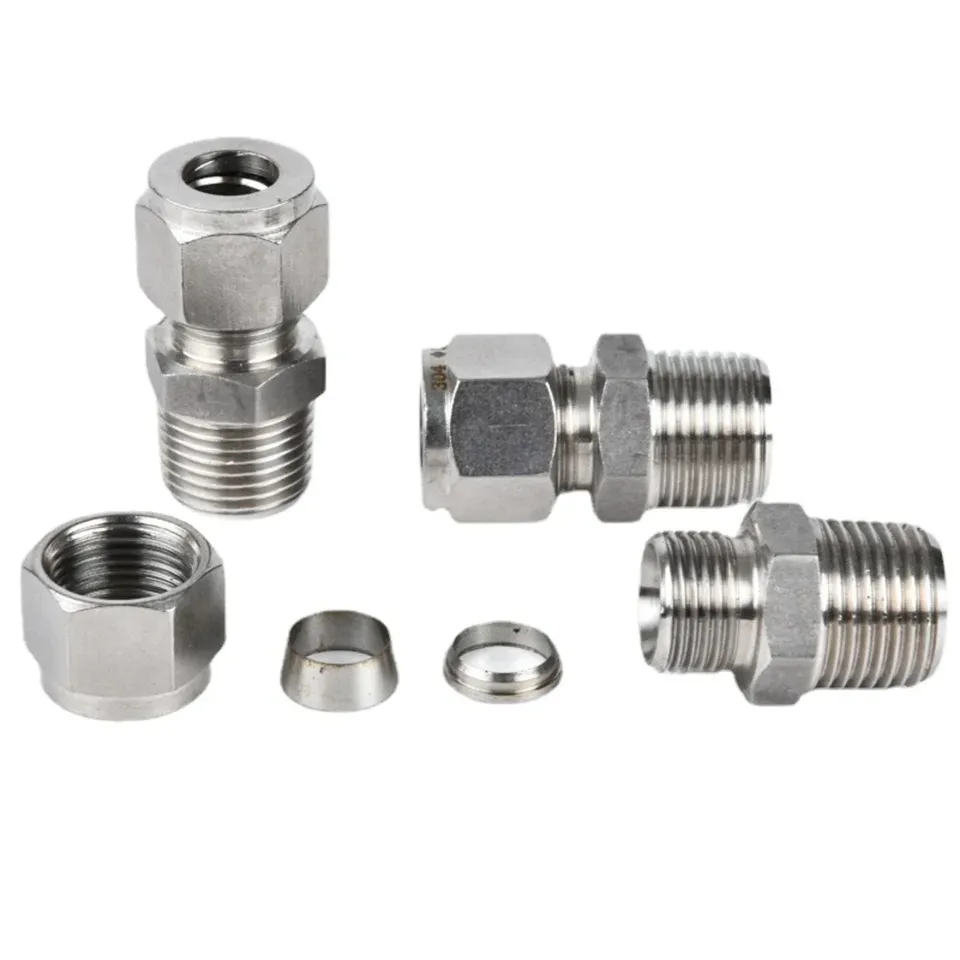
Fitting | 304 Stainless Steel Compression | 1/2 NPT Union
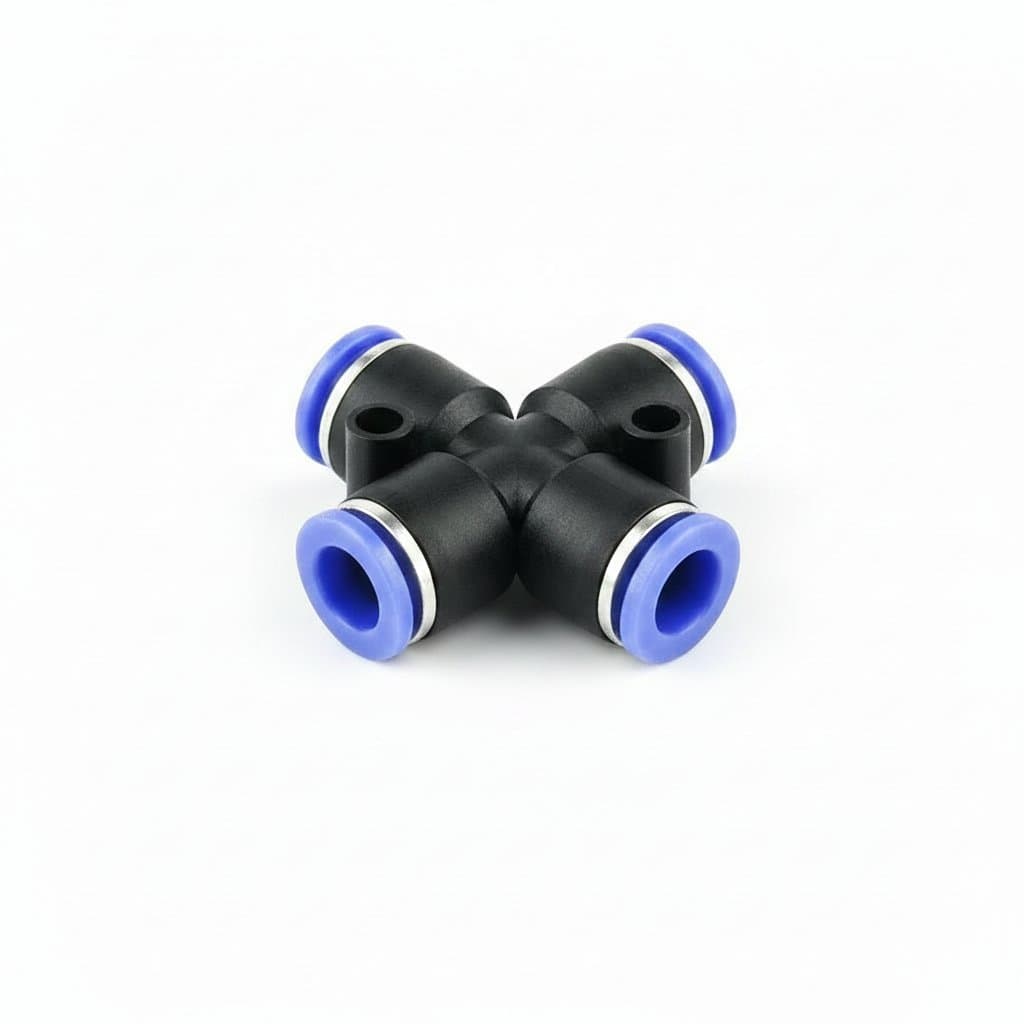
Push-to-Connect Air & Water Fittings | 4mm-12mm OD | Quick-Release Hose Couplings
Complete the set
Accessories & add-ons

Sensor Protection Sleeve | Stainless Steel Blind Tube | 6mm

Motion Sensor Bracket | Automatic IR Lamp Holder | 110-240V AC

Soil Moisture NPK Sensor | 7-in-1 Agricultural Probe Accessory

Arduino Raspberry Pi Sensor Kit (45pc) | Modules for UNO R3 MEGA2560

Reflector Plate | Photoelectric Sensor Accessory | TD Series

Load Cell ADC Module | 24-Bit HX711 Sensor Accessory
