
Surface PT100 Sensor | Waterproof 3-Wire | 5m Cable Length Option
Stock Nr:
SKU:
1 / 5
£30.99inc VAT
This stainless steel PT100 sensor reads temperatures directly from a surface. It's a pasted-type sensor with a strong adhesive back. You can stick it right onto pipes, tanks, or machinery. It's a simp...
Select an option
- Secure checkout
- All major cards
- Tracked delivery
£30.99
Fast Shipping
Secure Payment
Easy Returns
Good to know
Questions about this product
- How do I actually attach this patch to a pipe to get a good temperature reading?
- This is a surface-mount sensor, so you fix it directly onto the object you're measuring. For the best thermal contact, clean the surface and apply a thin layer of thermal paste under the 20mm x 7.5mm probe. You can then use the supplied copper foil tape or a clamp to hold it firmly in place.
- What's the benefit of the 3-wire cable compared to a cheaper 2-wire sensor?
- A 3-wire setup provides a more accurate temperature reading, especially over longer cable runs. It allows your monitoring device to measure the resistance of the cable itself and subtract it from the total reading. This cancels out any error the cable's length might add.
- Is the probe and cable fully waterproof for use in a wash-down area?
- Yes, both the stainless steel probe and the silver-plated PTFE cable are waterproof, oil-proof, and corrosion-resistant. This construction makes the sensor well-suited for industrial applications, including damp or wash-down environments. It's designed to measure a very wide temperature range, from -200°C up to 420°C.
RTD & PT100 Sensors spec sheet (PDF)
Get a one-page sheet with full description, specifications, technical details, FAQs, price & SKU - handy to save, print, or share.
Not sure which one?
Compare with similar products
Nothing close enough to compare right now
We only put products side by side when they are genuinely the same kind of thing, in stock and in a similar price range. For this one there is no true match at the moment, so we would rather show you nothing than the wrong thing.
Compare options
More RTD & PT100 Sensors

PT100 Sensor | Waterproof 3-Wire RTD | Platinum Resistance Probe
5.0(65)
£37.99

Sensor Probe | M8 Thread with 2M Cable | Industrial RTD Thermocouple
5.0(34)
£36.99

PT100 RTD Sensor with M6 Bolt | 3-Wire Cable | For Boiler & Oven
5.0(2)
£32.99

Sensor | 1m Metal Braided Cable | 30mm RTD Temperature Probe
5.0(3)
£43.99

Sensor Probe | Stainless Steel RTD | 420mm Length with 1/2 Thread
5.0(7)
£52.99

PT100 RTD Sensor with Transmitter | 4-20mA Output | High Temp RTD Probe
5.0(9)
£65.99

Sensor | Waterproof Anti-Corrosion Probe | 3-Wire PFTE RTD Cable
5.0(19)
£30.99

PT100 Sensor | 2m Braided Cable | Metric & NPT Threads
5.0(7)
£38.99

PT100 Sensor | Thermocouple Head | -200 to 420°C RTD Probe
5.0(5)
£52.99

PT100 Sensor | 2mm 3-Wire Stainless Probe | High Temp up to 200°C
5.0(2)
£44.99

Sensor | Industrial Platinum Resistance | RTD Thermometer Probe
5.0(5)
£32.99

PT100 Sensor | Waterproof RTD Probe | 3-Wire Silicone Cable
5.0(3)
£45.99
Explore the range
Popular in Industrial & Machinery

Door & Window Magnetic Sensor | Zigbee Wireless | App Alert Security Alarm
4.9(496)
£35.99
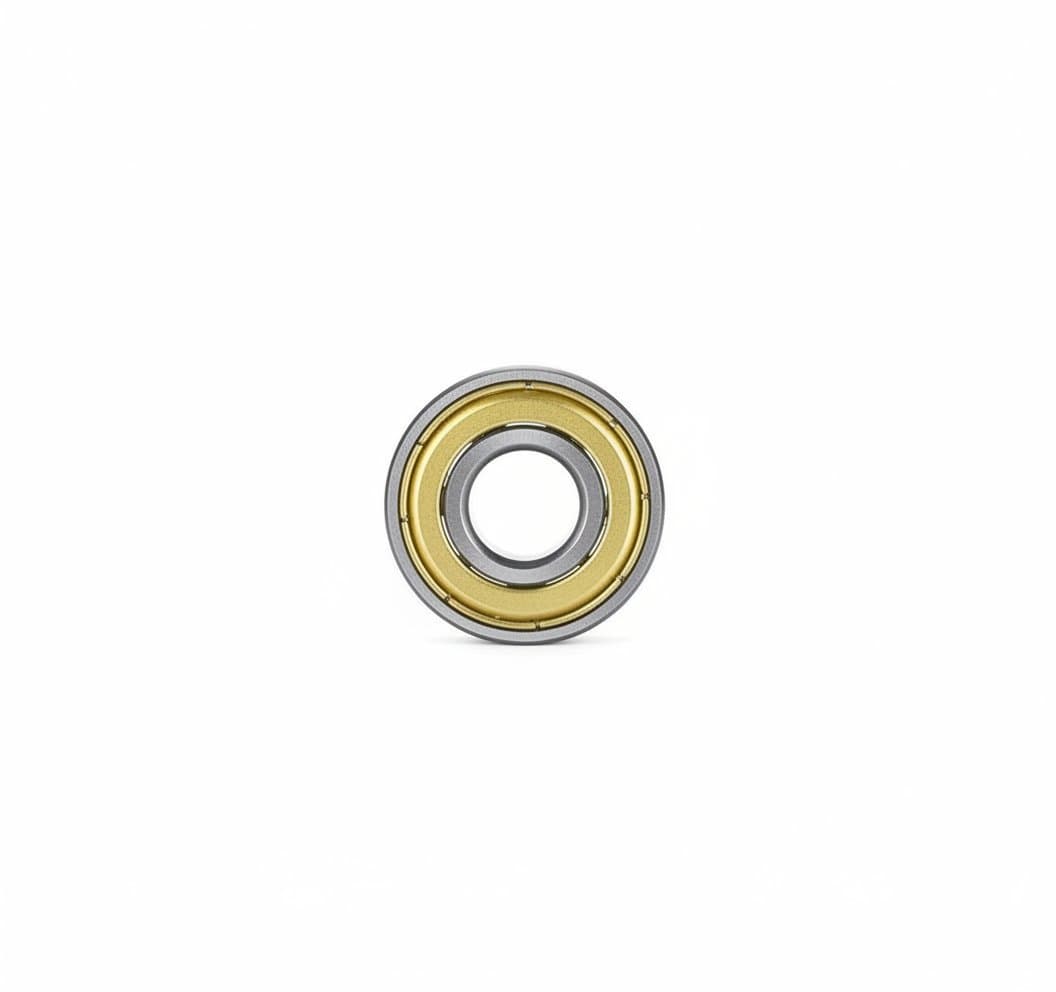
608ZZ Skateboard Bearings | Double Metal Shield | 8x22x7mm 10-Pack
4.9
£32.99
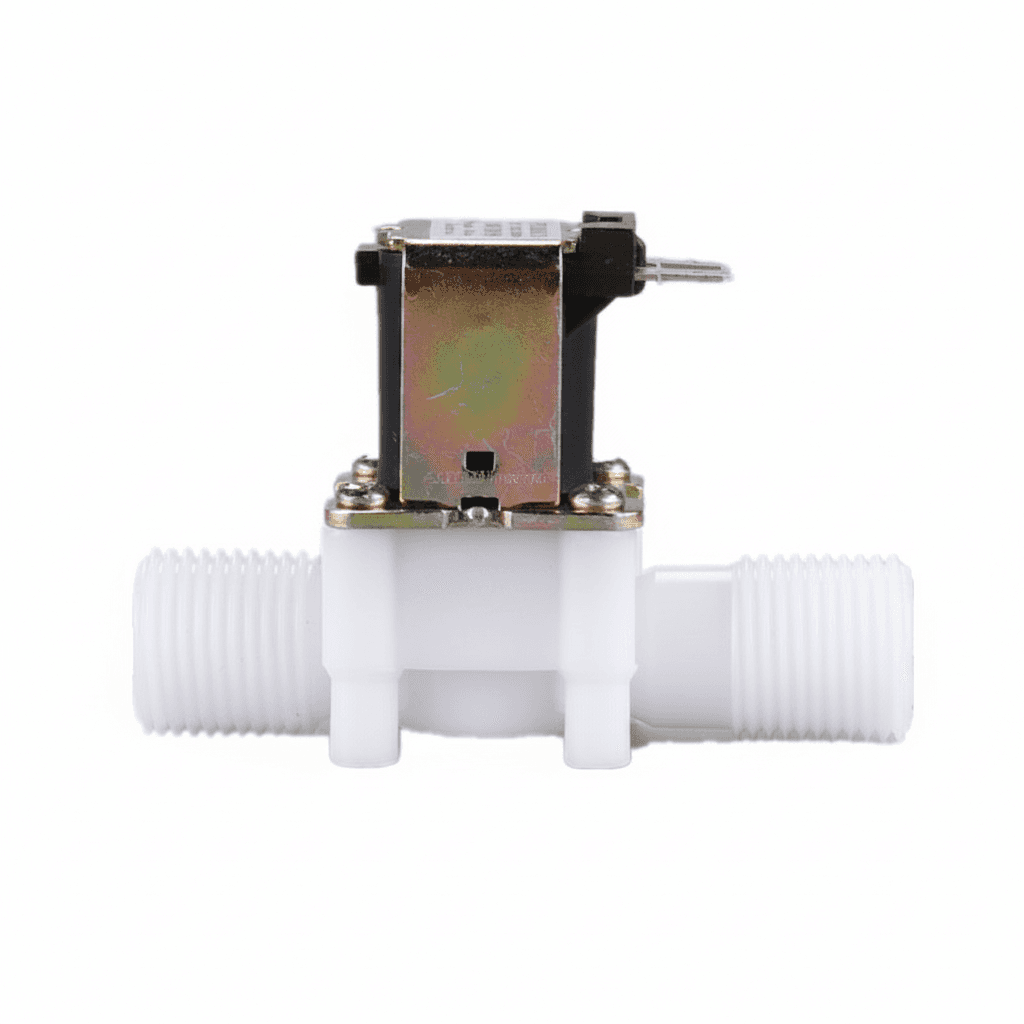
Solenoid Valve | 12V/24V/220V NC | 1/2 & 3/4 for Water & Air
4.9(1.2K)
£42.99

Sensor | Waterproof 304 Stainless Steel Probe | 6x30mm 1M Cable
4.9(189)
£27.99
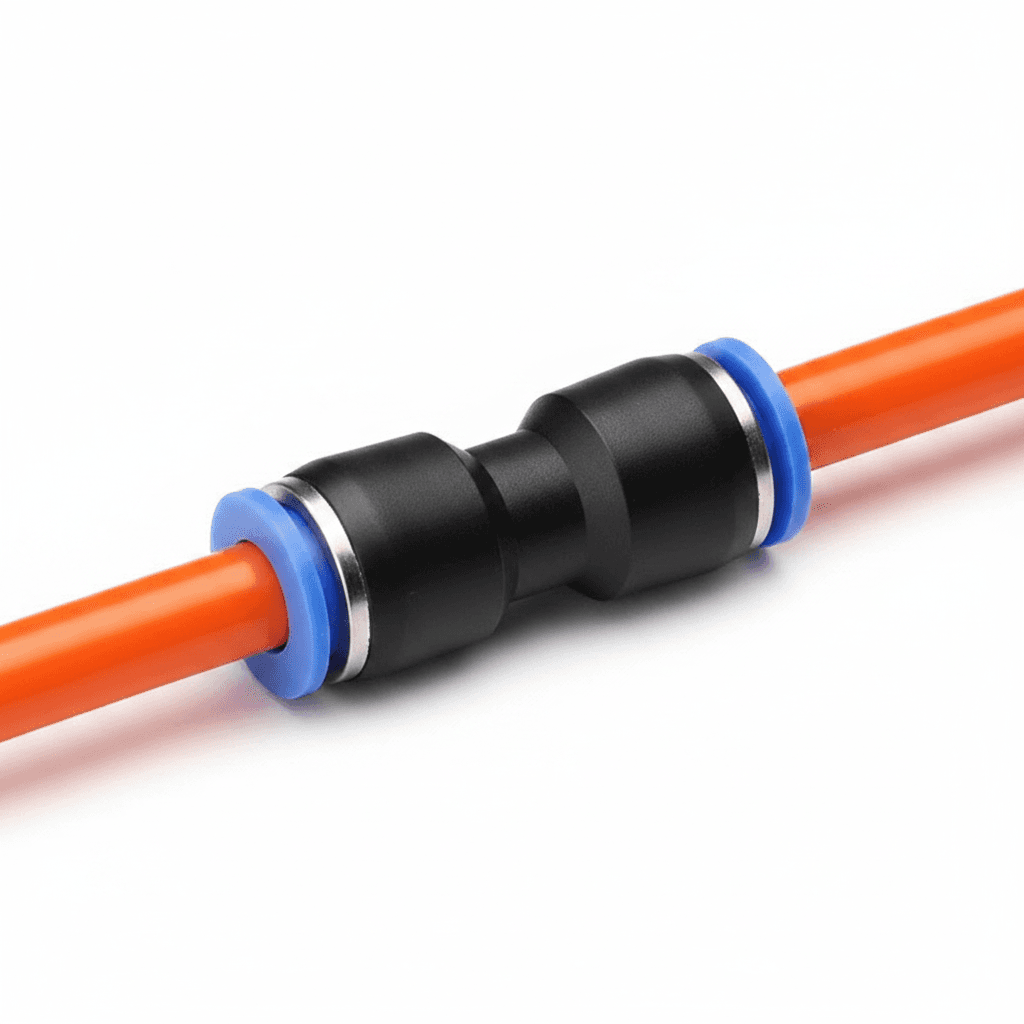
Pneumatic Fitting Push-In Connectors | Air Hose Quick Release | 4-14mm Tube
4.9(393)
£21.99
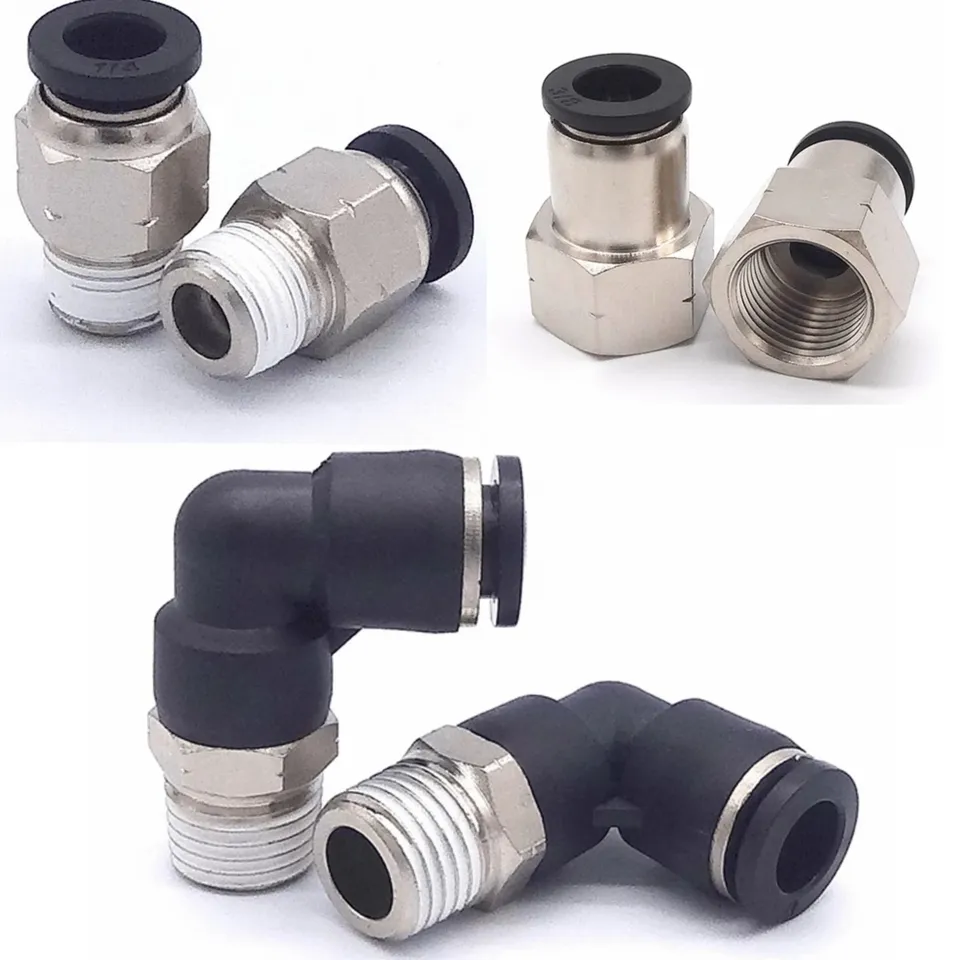
Hose Fitting | Quick Release Push to Connect | 1/4 NPT Elbow
4.9(58)
£20.99
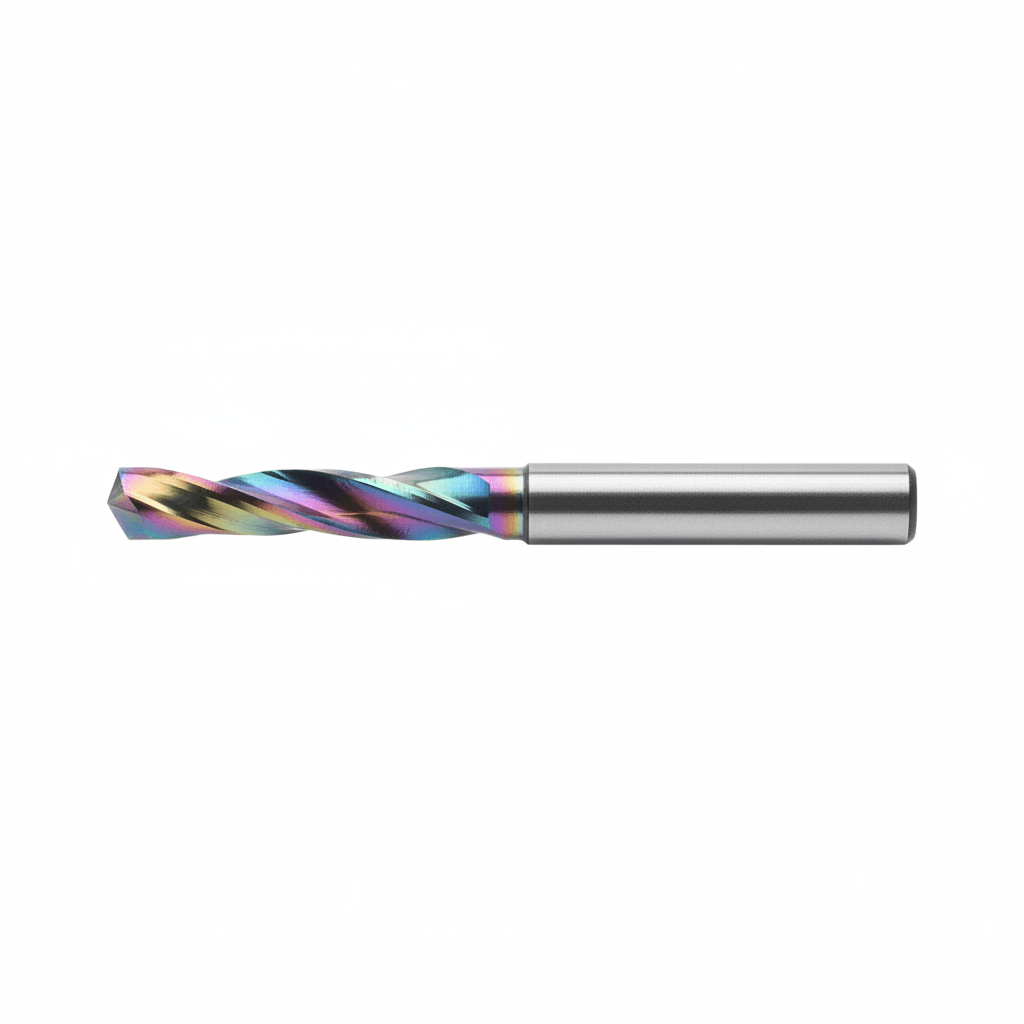
Flute End Mill | Solid Carbide with DLC Coating | For Aluminum CNC
4.9(214)
£39.99
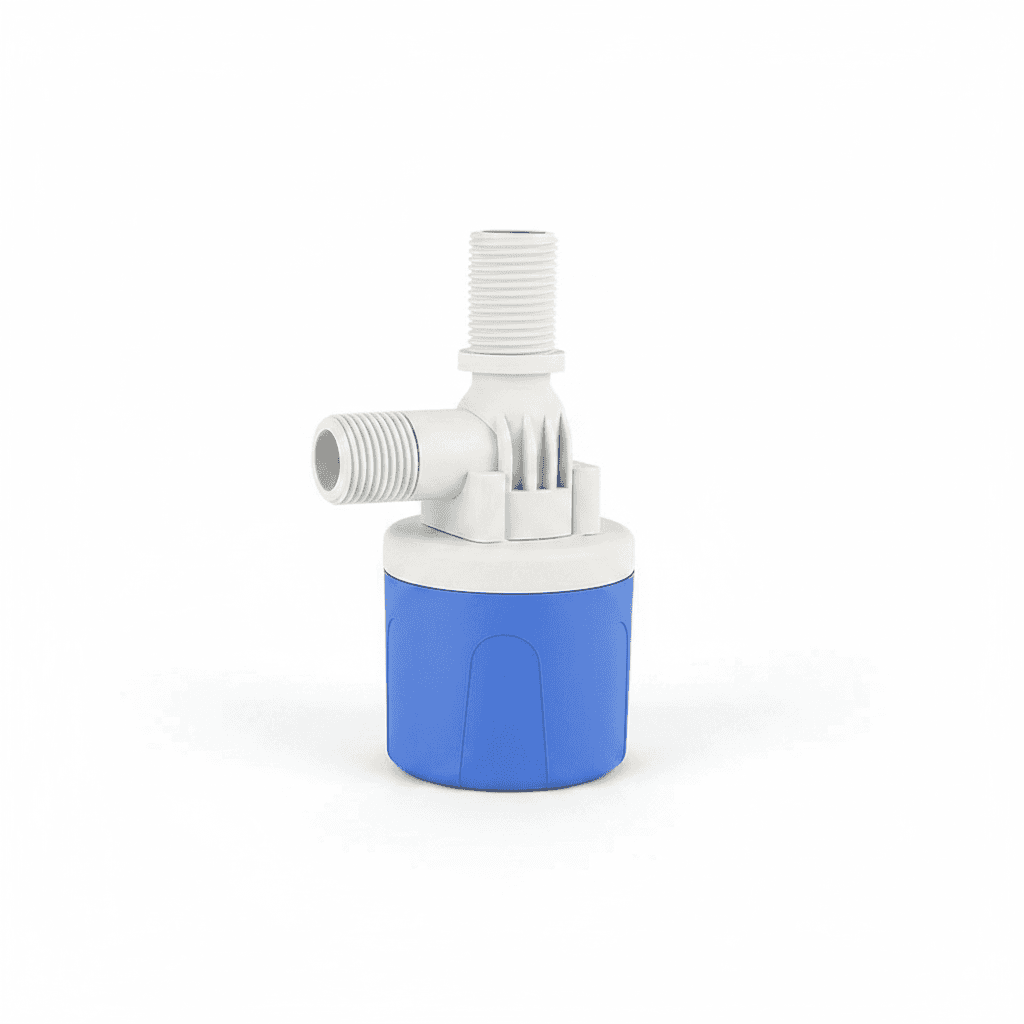
Hydraulic Valve | 1/2 Float for Tank Water Level Control
4.9(631)
£41.99
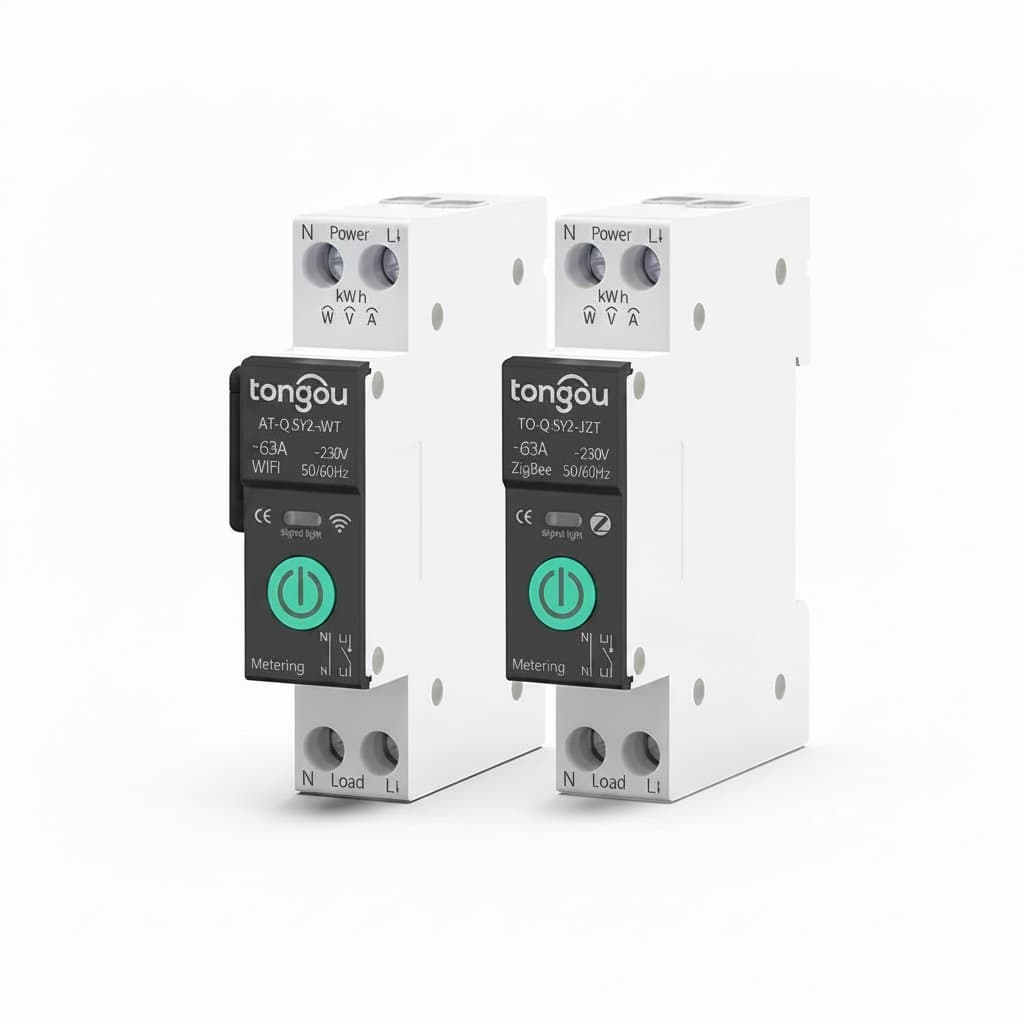
TUYA WiFi/ZigBee MCB Smart Circuit Breaker Over Current Under Voltage Protection Power Metering 1-63A Remote Control Switch
4.9
£83.99
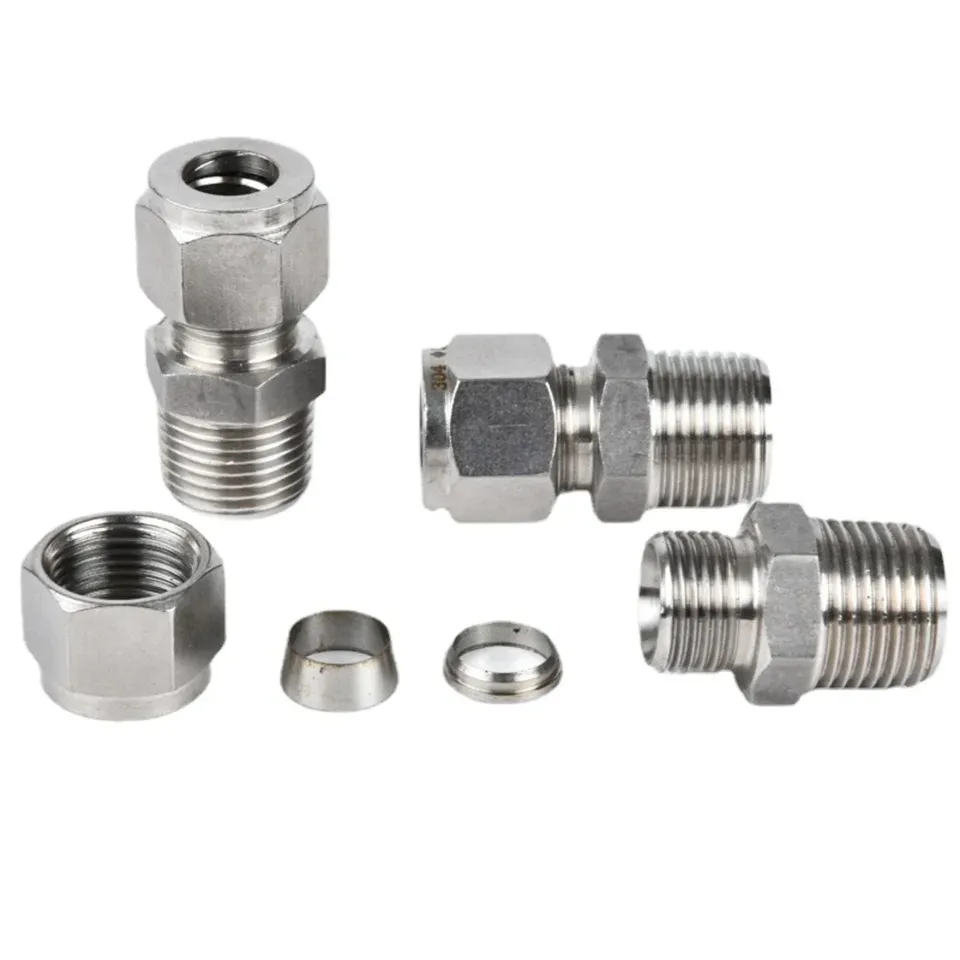
Fitting | 304 Stainless Steel Compression | 1/2 NPT Union
4.9(49)
£21.99
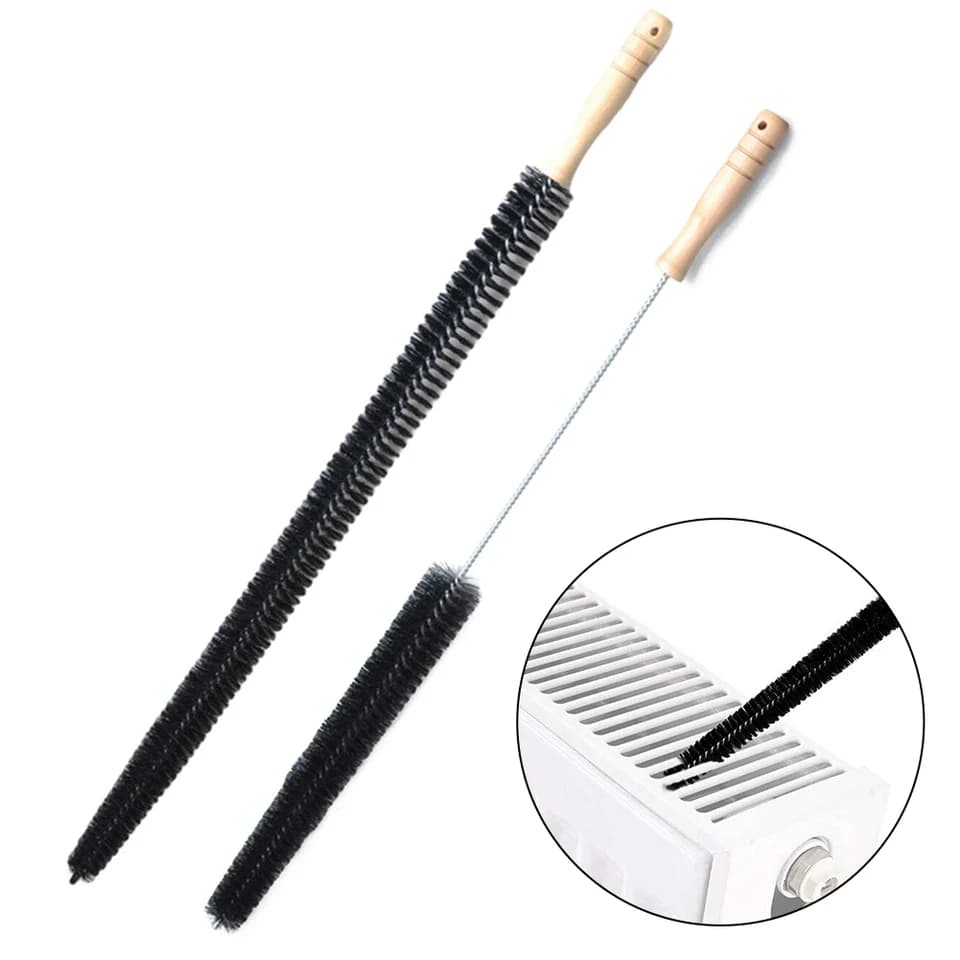
Radiator Cleaning Brush | Flexible Long Thin Duster | Dryer Duct Cleaner
4.9(688)
£49.99
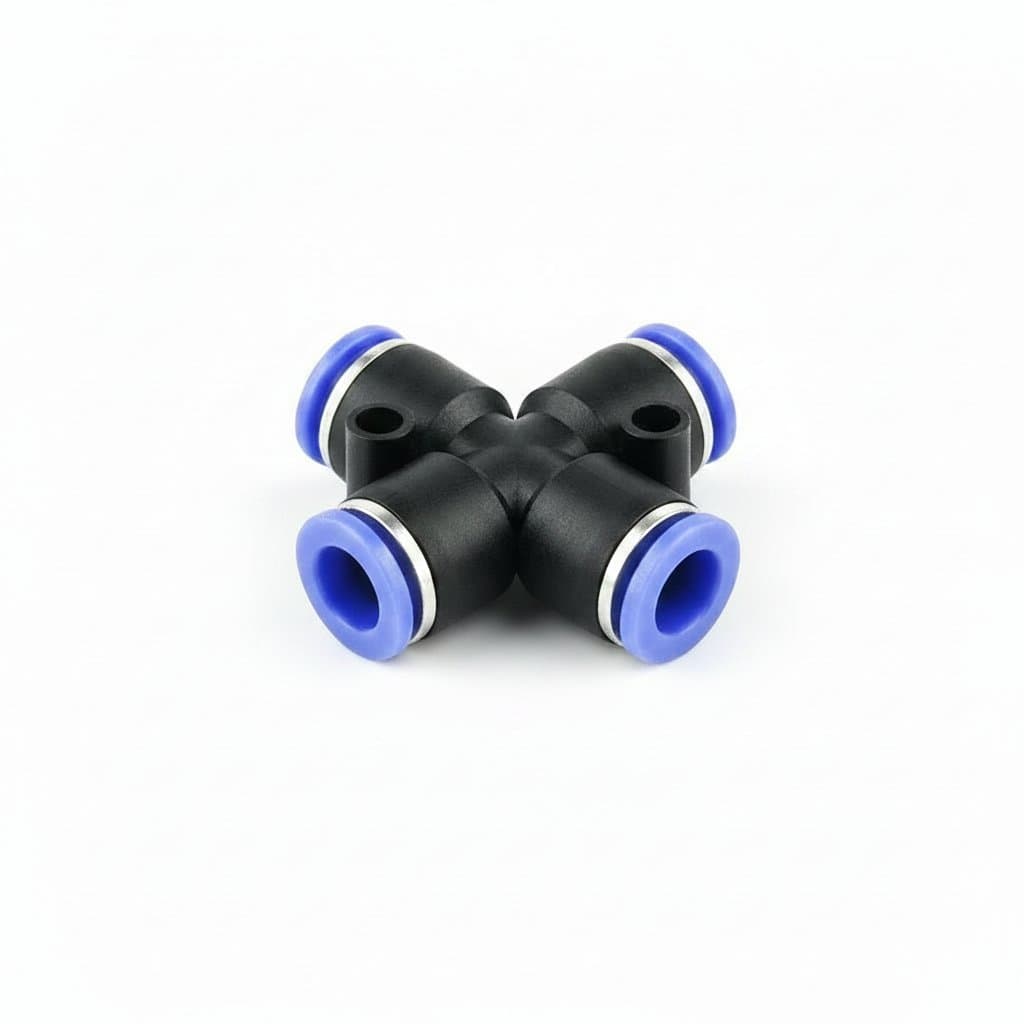
Push-to-Connect Air & Water Fittings | 4mm-12mm OD | Quick-Release Hose Couplings
4.9
£21.99
Complete the set
Accessories & add-ons

Sensor Protection Sleeve | Stainless Steel Blind Tube | 6mm
5.0(11)
£38.99

Motion Sensor Bracket | Automatic IR Lamp Holder | 110-240V AC
4.8(196)
£45.99

Soil Moisture NPK Sensor | 7-in-1 Agricultural Probe Accessory
4.8(25)
£65.99

Arduino Raspberry Pi Sensor Kit (45pc) | Modules for UNO R3 MEGA2560
4.7(58)
£72.99

Reflector Plate | Photoelectric Sensor Accessory | TD Series
4.7(23)
£39.99

Load Cell ADC Module | 24-Bit HX711 Sensor Accessory
4.4(21)
£20.99

Bending Strain Gauge Amplifier Module | Sensor Accessories UK
£27.99