
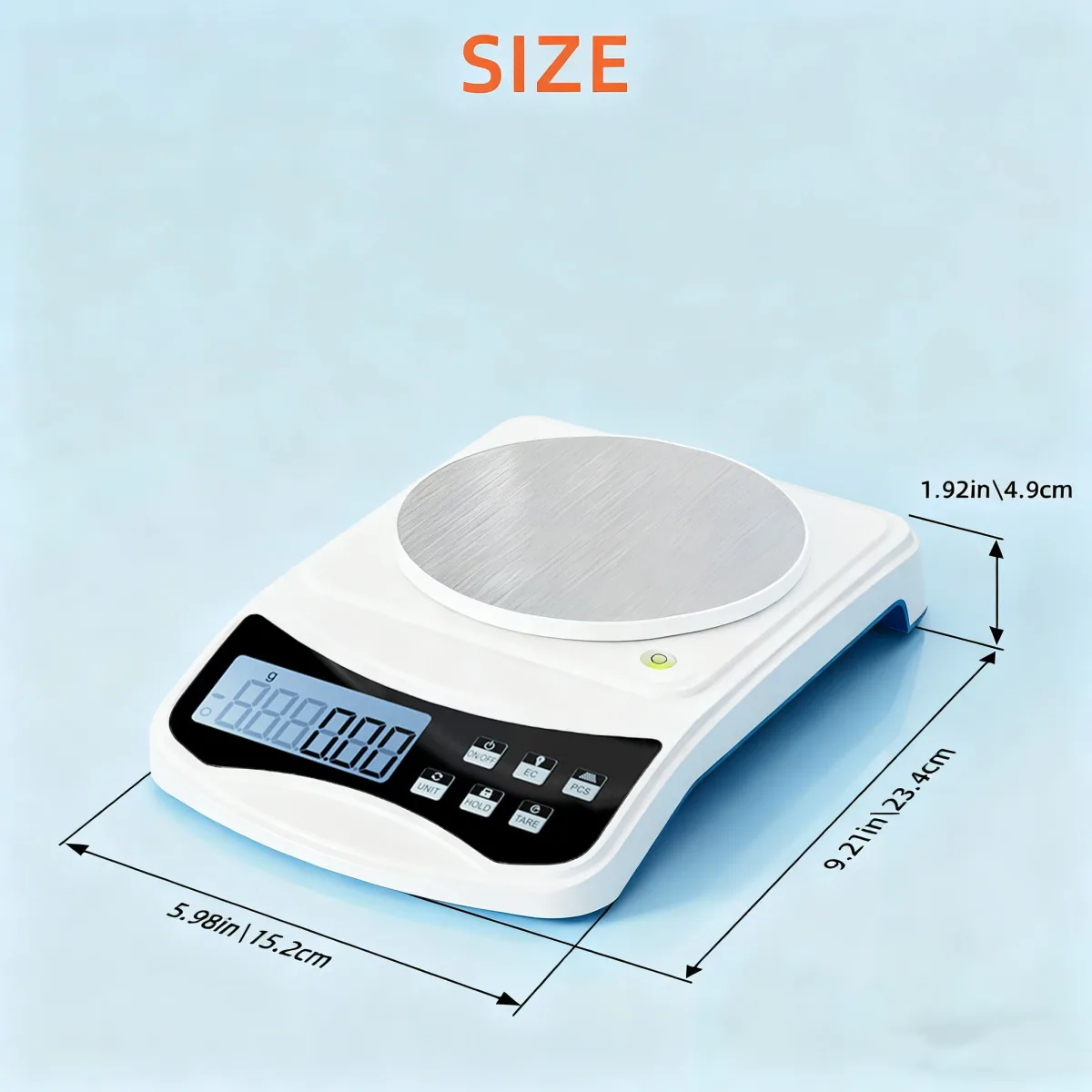
Lab Balances
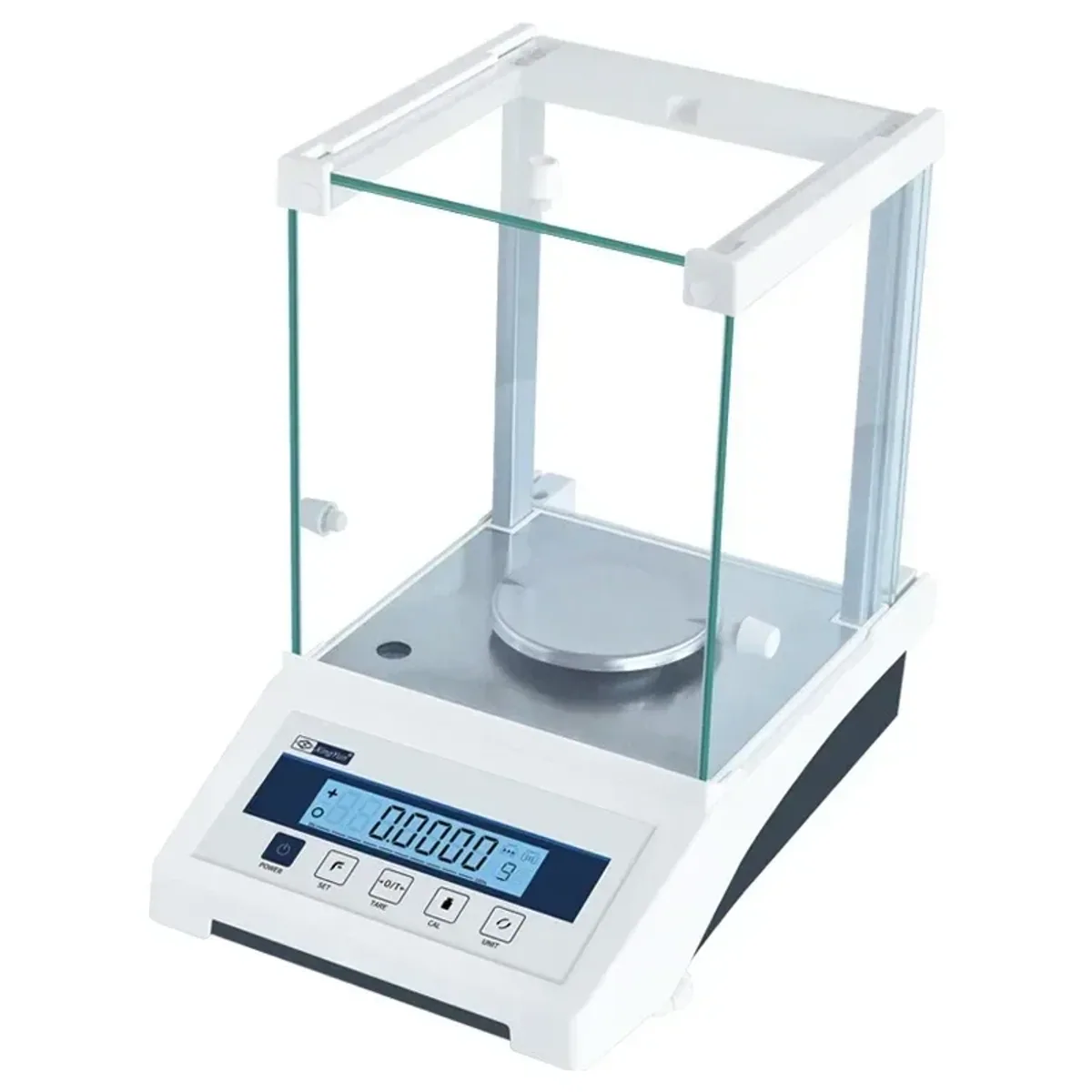
Laboratory Balance 0.01g | 7 Units, Tare, PCS | Bubble Level
TBS-08940LABO-00077
£129.99
8 products available
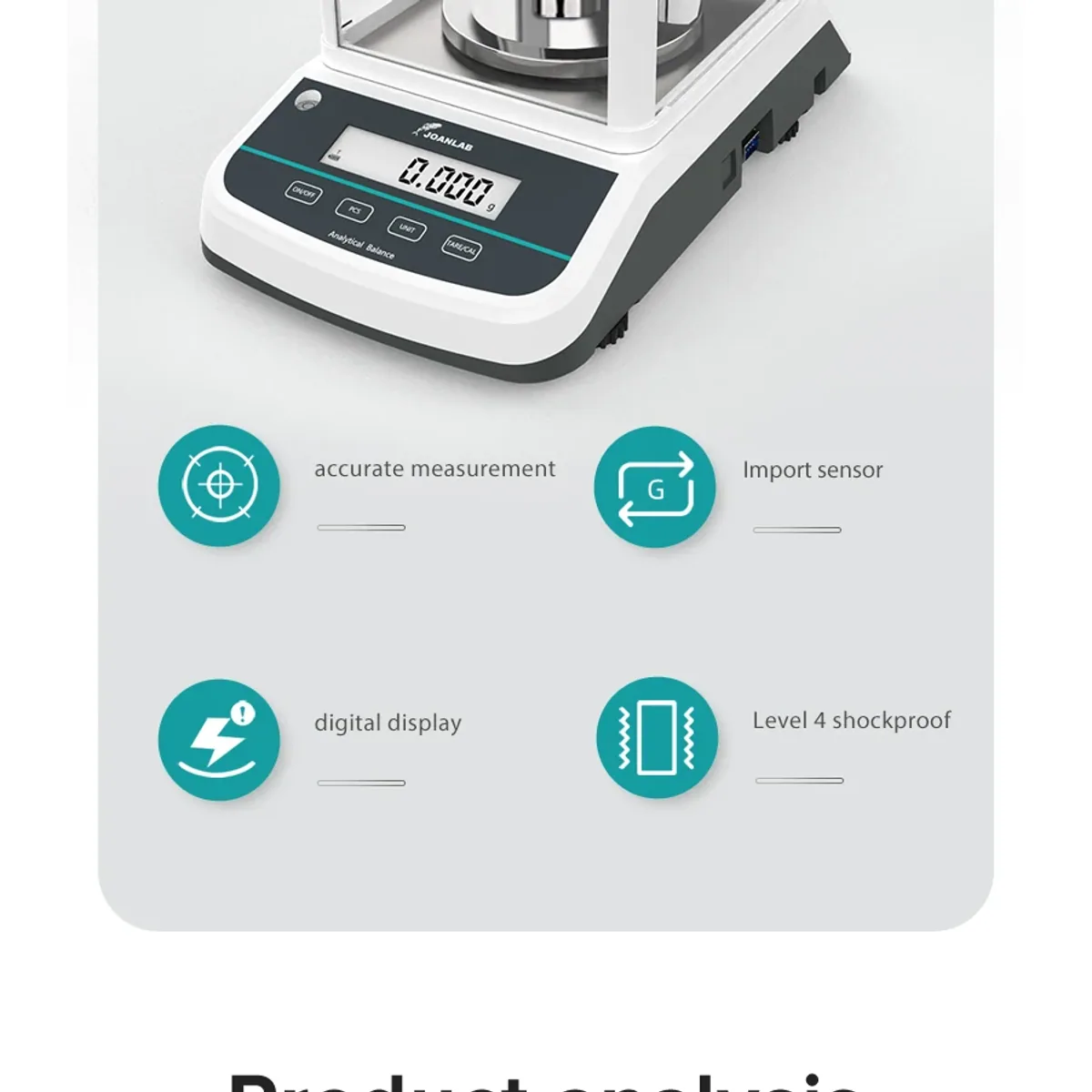
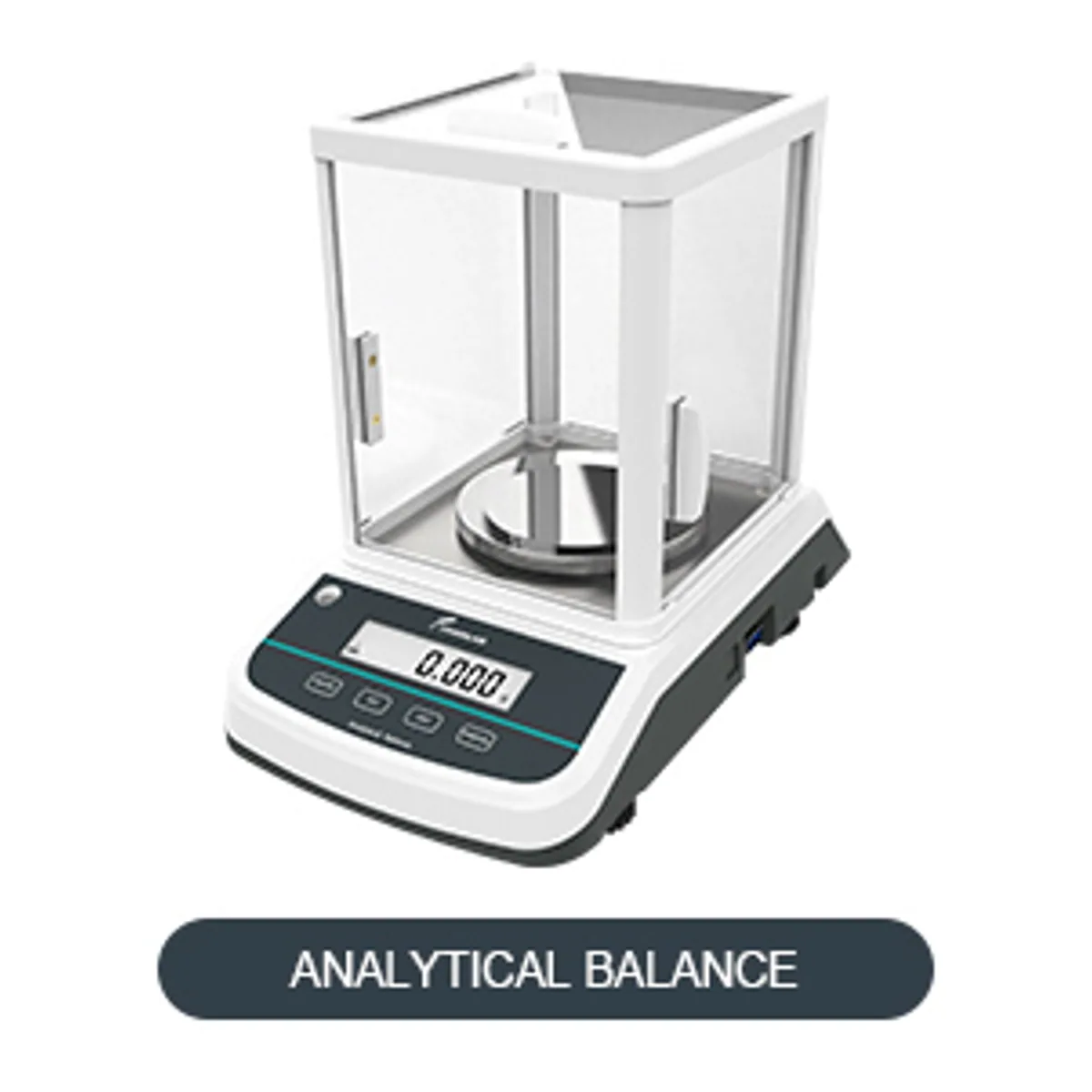
An analytical balance is a precision weighing instrument that reads to fractions of a milligram, and Compel stocks lab balances for trade, industrial and testing work. This category covers analytical balance scales at 0.1mg readability, plus laboratory scales and laboratory balance models at 0.001g for faster, less demanding weighing. Capacities run from 100g up to 500g depending on the model.
Buyers here are QC labs, calibration shops, electronics and materials testing teams, and production sites that weigh small samples, additives or components. Every listed balance carries a draft shield and a backlit LCD, and RS232 or RS232C is on the spec sheet. Compel lists readability, repeatability, linearity and stabilisation time on each product, so you can match the instrument to your tolerance before you order. Check the options on each listing to pick your exact model and capacity.
8 products in Lab Balances
Lab Balances
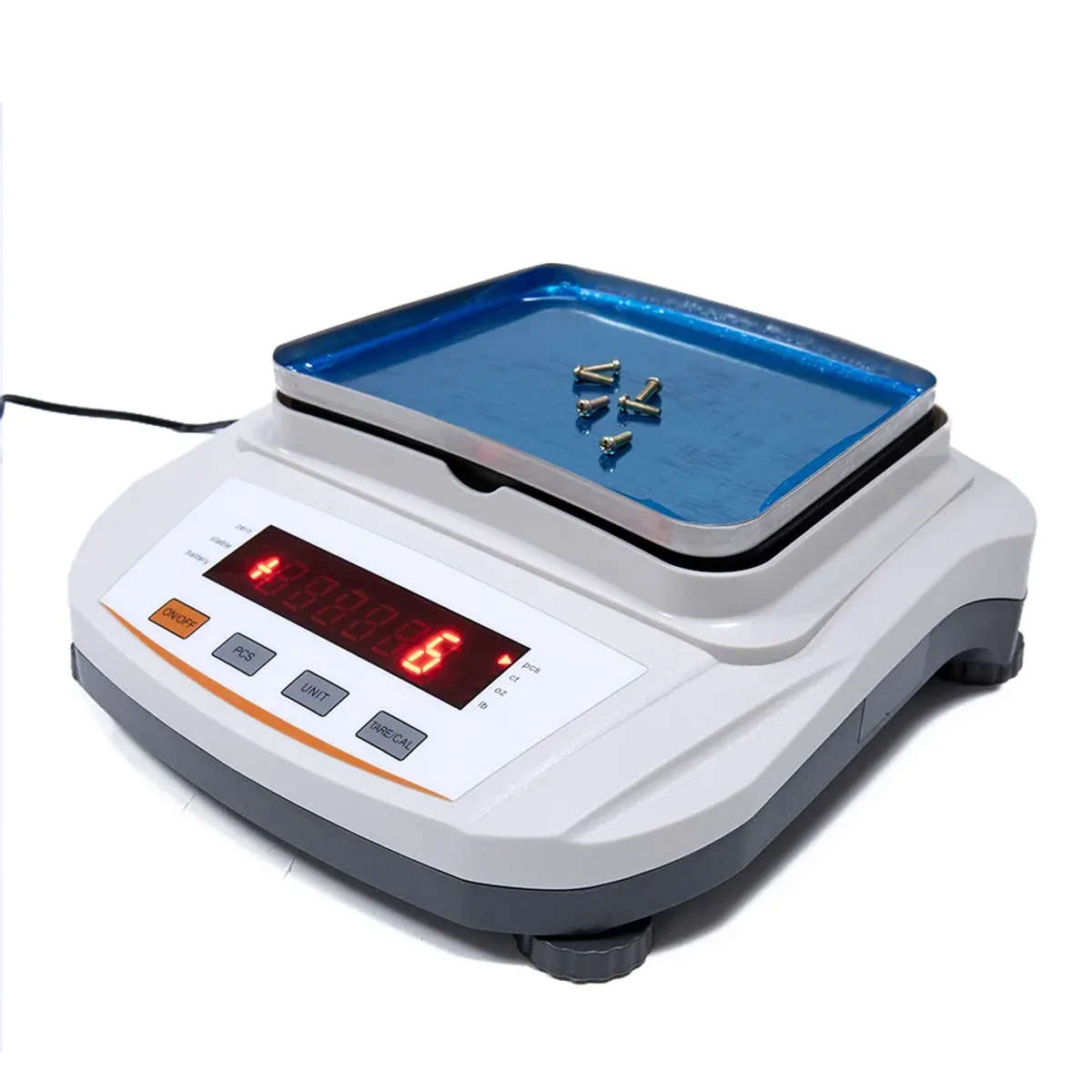
Lab Balances
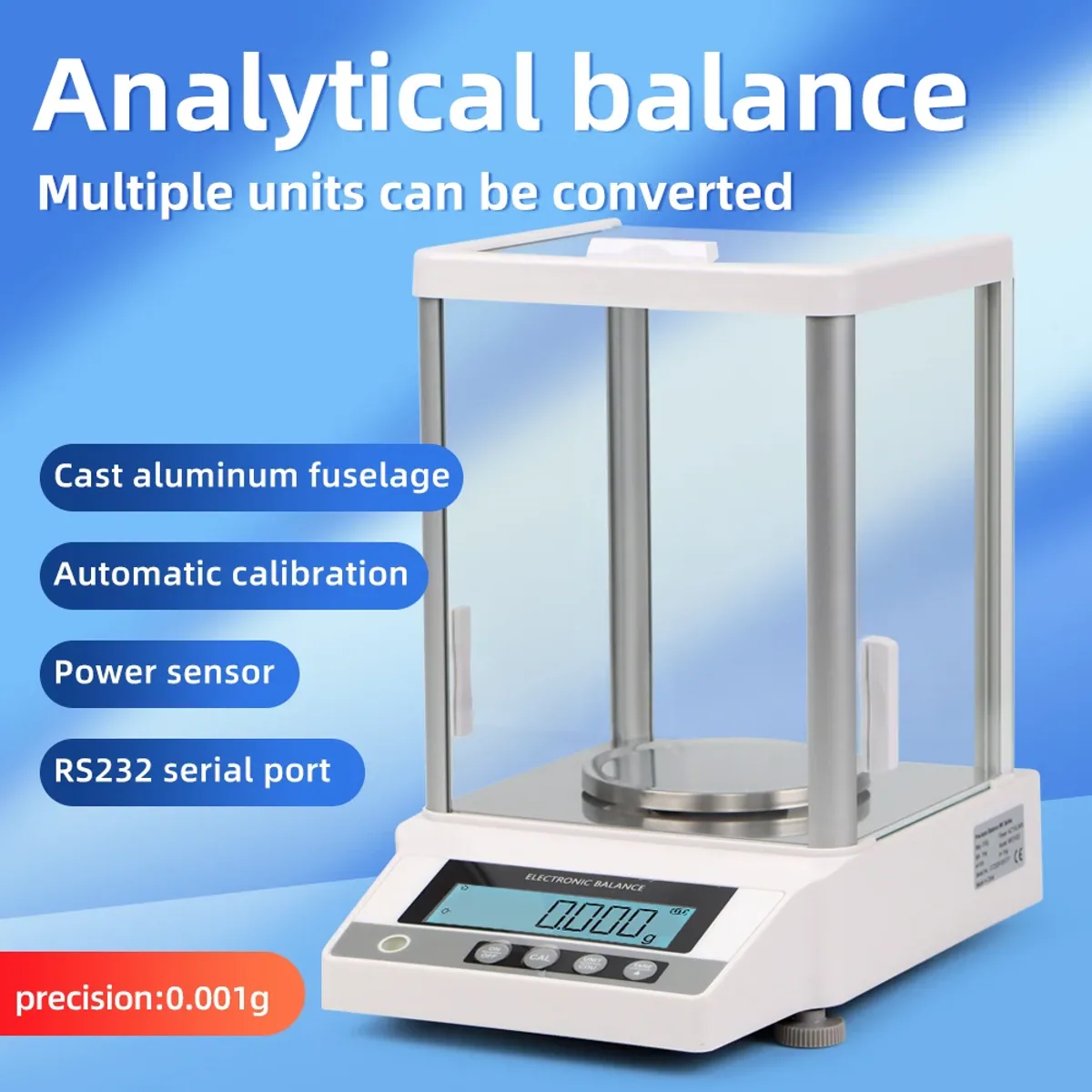
Lab Balances
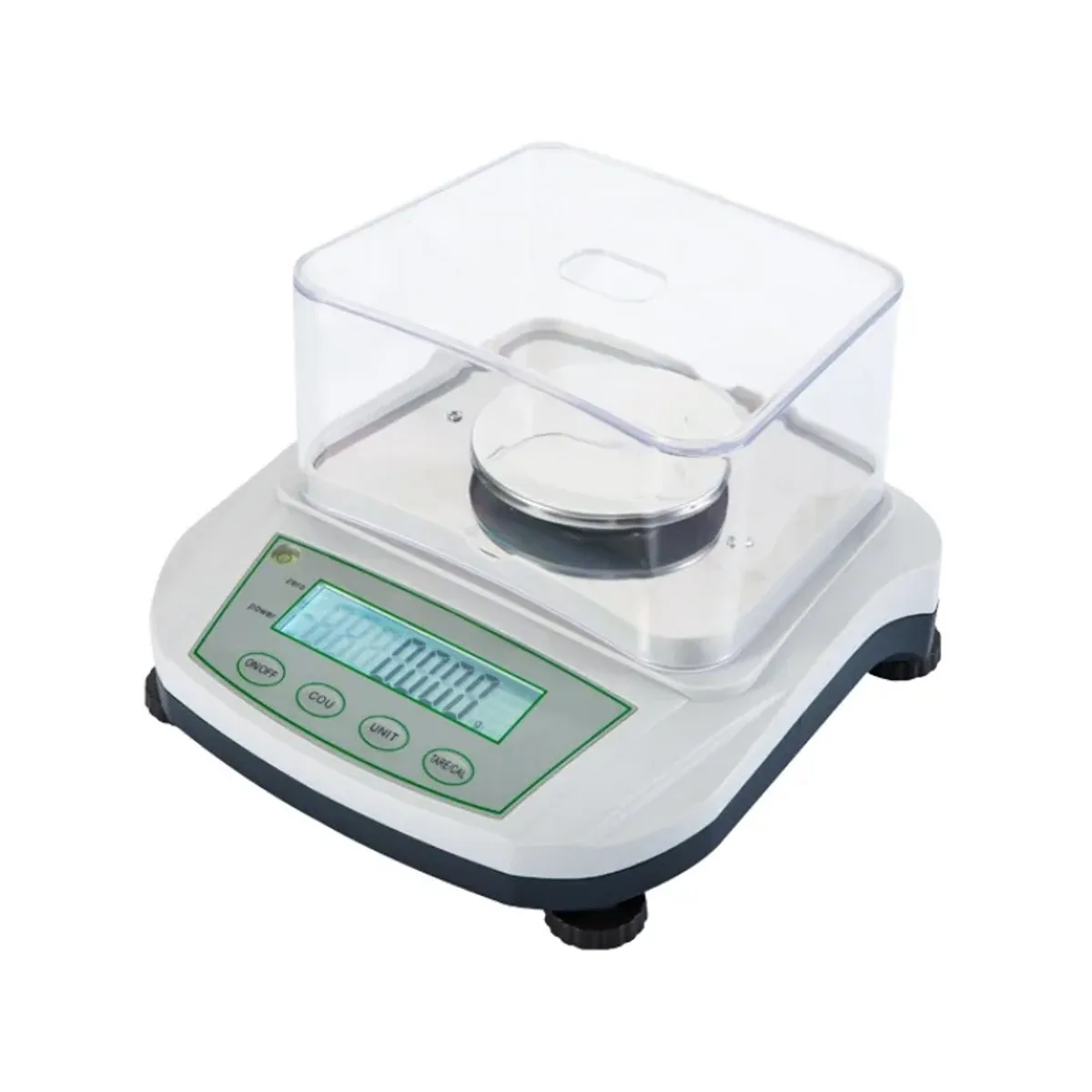
Lab Balances
Lab Balances

Lab Balances
Lab Balances
Lab Balances
Readability is the smallest step the display shows. Start with the tolerance on the work you're weighing, not the balance. The 0.1mg models (0.0001g) suit sample prep, reference weighing and anything where a few milligrams matter. The 0.001g models (1mg) suit general laboratory weighing, batching and checks where that step is fine enough.
Readability isn't accuracy, though. Look at repeatability as well. The 0.1mg analytical balance models list repeatability of ±0.0002g and linearity of ±0.0003g. The 0.001g models list ±0.002g repeatability. A balance that displays a digit it can't repeat gives you false confidence.
Higher capacity usually means a coarser readability for the same class of instrument, so don't buy more range than you use. The 0.1mg analytical balances cover 120g, 200g and 220g. The 0.001g analytical models reach 200g, 300g and 500g. The YP laboratory balance models run at 100g, 200g or 300g.
Weigh your heaviest container plus sample, then pick a capacity above that. Tare weight counts against the limit. If you often weigh light samples in heavy vessels, a higher-capacity 0.001g model may serve you better than a 0.1mg one.
At 0.1mg, air movement and heat change the reading. A glass draft shield with sliding doors keeps the chamber still, and the FA2004E lists glass with top and side sliding doors. Some listings carry a clear plastic windshield instead, so check which one your model has.
Stabilisation time affects throughput. Listed values range from 1.5 seconds to 3 seconds or less. For logging results, RS232 or RS232C is standard on the listed models. RS485, USB and printer connections are listed as optional on some, so confirm what ships with your option before you order.
Set the balance on a stable, level surface away from vents and vibration. Let it warm up, close the draft shield, tare, then add the sample. Handle weights and vessels with clean tools so you don't add mass or moisture.
Calibrate against certified reference weights when the balance is moved, levelled again, or after a change in conditions. Follow the procedure in the manual for your model, since the calibration routine differs between instruments. Compel doesn't state a calibration certification on these listings, so ask for documentation if your quality system needs it.
Buying guide
We use cookies. Some keep the store working, others show us what to fix. No third-party trackers, and we never sell your data. Learn more about cookies and your privacy