

Pump for holes, braid for pads
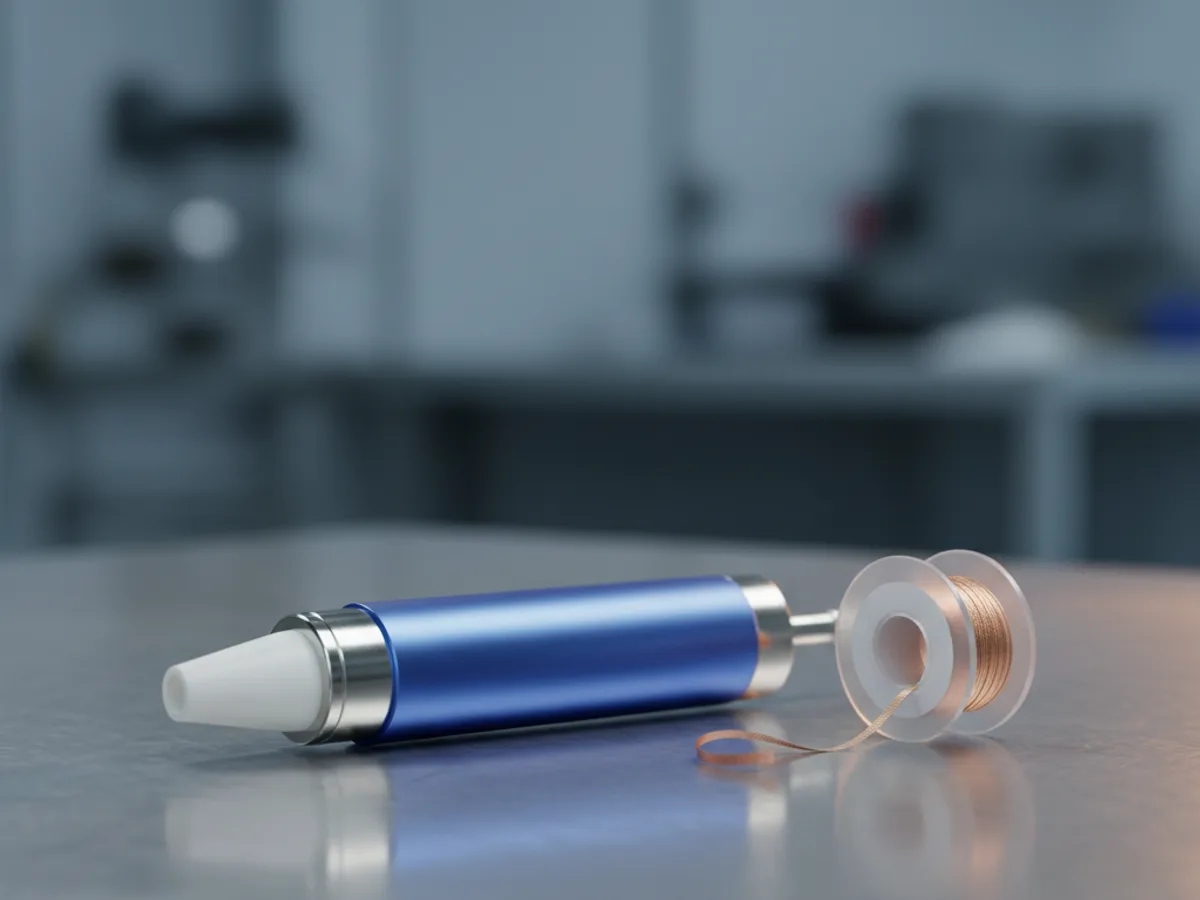
A desoldering pump is a spring loaded plunger. You cock it, melt the joint with an iron, put the nozzle over the molten solder and release the plunger, and the sudden vacuum pulls the solder up the barrel. It shifts a lot of solder in one action, which is exactly what emptying a plated through hole needs.
Braid is fine copper wire woven flat and impregnated with flux. Laid on a joint and heated through with the iron, capillary action draws the molten solder up into the braid. It leaves a surface almost dry, which is what you want on a flat pad before fitting a new part.
So the geometry decides. Getting a through hole component out means clearing solder from inside the hole, and a pump does that. Removing a surface mount part or cleaning a pad afterwards means lifting a film off a surface, and braid does that.
| Job | Tool | Why |
|---|---|---|
| Emptying a through hole | Pump | Moves bulk solder out of the hole |
| Cleaning a flat pad | Braid | Wicks the last film off the surface |
| Removing surface mount parts | Braid, or hot air | No hole to clear |
| Bulk solder on a joint | Pump first, braid to finish | Fastest combination |
Add fresh solder before you remove any
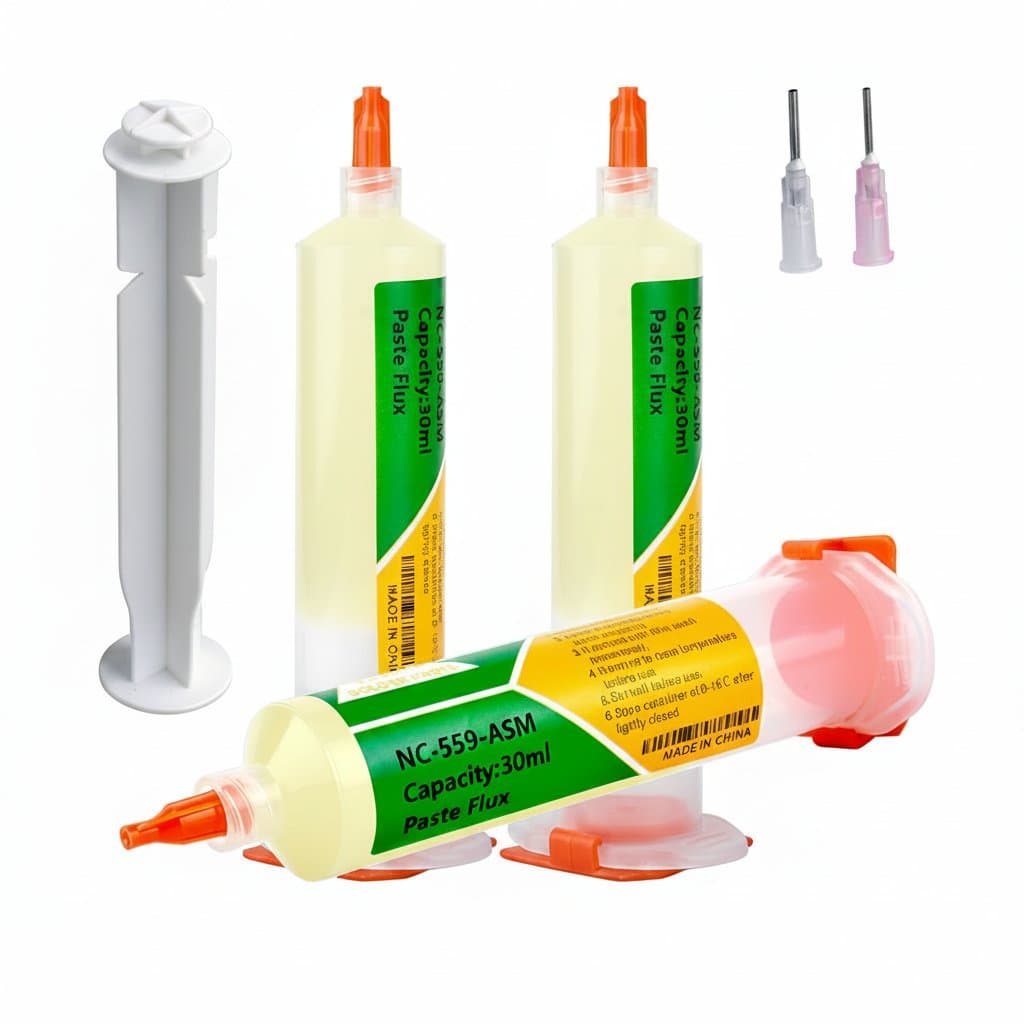
This is the technique that makes the difference and it looks backwards. Before desoldering an old joint, melt a little fresh solder into it. That does two things: it brings in new flux, and it increases the mass of molten metal so heat travels through the joint properly.
Old joints are the problem case. Their flux is long gone and the surface has oxidised, so an iron placed on them heats the top while the solder underneath stays stubborn, and repeated attempts cook the board. Adding fresh solder restores the flux and the thermal bridge in one move.
It matters even more on lead free joints, which melt higher and wet less readily. Adding leaded solder to a lead free joint lowers the melting point of the mixture and makes it noticeably easier to remove, which is a legitimate repair technique as long as the rework is retinned appropriately afterwards.
Using braid without lifting pads
Lay the braid on the joint and put the iron on top of the braid, so heat passes through it into the solder. Wait for the solder to flow up into the copper, which you can see happening, then lift the braid and the iron together at the same moment.
Lifting the iron first is the mistake. The solder freezes with the braid soldered to the pad, and pulling it free then takes the pad with it. Pads lifted this way are the most common self inflicted damage in board repair.
Never drag hot braid sideways across the board. Use a clean section of braid for each attempt, cutting off the loaded part, because saturated braid stops wicking and simply carries heat. If braid is not drawing solder, it is usually spent, has lost its flux with age, or the joint needs fresh solder adding first.
Keeping a pump working
Pumps stop working for mundane reasons. The nozzle fills with solidified solder, the barrel packs with old solder crumbs, and the plunger seal dries out. Emptying the barrel regularly and giving the seal an occasional trace of silicone grease keeps the suction sharp.
Nozzles are replaceable and are a consumable. A nozzle that has been melted out of shape by resting against the iron no longer seals on the board, and a pump that does not seal does not suck. Antistatic nozzles are worth having for board work.
Position the nozzle over the joint before releasing the plunger, not after, and hold it flat to the board so it seals. The pump only gets one attempt per cock, and the solder has to still be molten when the vacuum arrives, so the sequence is heat, position, release, all without hesitation.