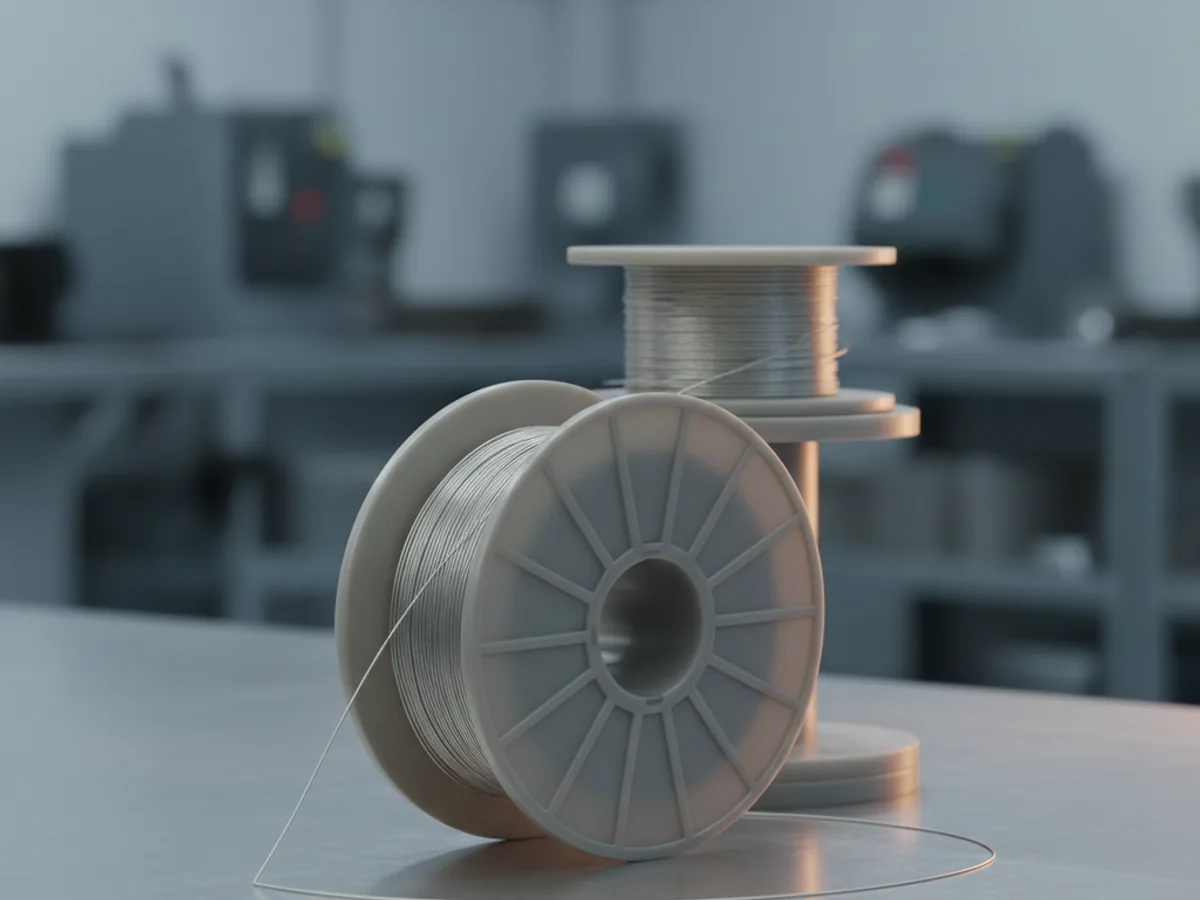


Eutectic, plastic range and why 63/37 is easy
A eutectic alloy has a single melting point rather than a range: it is solid, then it is liquid, with nothing in between. Tin 63 lead 37 is the eutectic tin lead alloy, melting at 183 degrees, and that sharp transition is exactly why it is the easiest solder to work with.
Non eutectic alloys such as 60/40 pass through a plastic range where they are pasty rather than either state. Move the joint during that window and the metal sets disturbed, which is the classic grainy, cracked looking joint people call a dry joint.
Lead free alloys, generally tin with silver and copper, melt considerably higher and most of them have some plastic range. That combination makes them less forgiving, which is why leaded solder remains popular for hand work while lead free is what goes into products that must comply with restrictions on hazardous substances.
| Alloy | Melts at | Behaviour |
|---|---|---|
| Sn63 Pb37 | 183 degrees, single point | Easiest to work, no plastic range |
| Sn60 Pb40 | Range around 183 to 190 | Slight pasty window, still forgiving |
| Tin silver copper, lead free | Around 217 to 227 | Hotter tip, duller finish, less forgiving |
A dull lead free joint is not a bad joint
Leaded solder sets bright and shiny, and a whole generation learned that a shiny fillet means a good joint. Lead free alloys do not do that. They solidify with a duller, slightly textured surface even when the joint is perfect, because of how the tin silver copper structure freezes.
That matters because people reheat perfectly good lead free joints trying to make them shine, and the extra heat damages the board and the component rather than improving anything. Judge the joint by its shape instead.
What you are looking for is wetting: the solder should have flowed out into a concave fillet that climbs the lead and spreads onto the pad. A ball sitting on top of the pad without flowing is a genuine failure whatever the alloy. Shape tells you the truth, shine does not.
The flux core, and what to do with the residue
Solder wire has flux running through the middle of it. Flux removes the oxide film from the metal surfaces at soldering temperature so the solder can wet them, and without it solder simply beads up and will not stick to anything.
Rosin based no clean flux is the usual choice for electronics. Its residue is designed to be left in place, and the label is accurate: it is not corrosive once the joint is made. It can be cleaned off with isopropyl alcohol where appearance matters or where the board is going to be conformally coated.
Water soluble and acid cored fluxes are a different matter. They are more aggressive, which makes them effective, and their residue must be washed off completely because it will corrode the joint over time. Acid core solder belongs to plumbing and sheet metal work and should never be used on electronics.
Diameter, and matching wire to work
Thin wire melts fast and delivers a small controlled amount of solder, which is what fine pitch and small pads need. Thick wire delivers a lot quickly, which is what a heavy wire joint or a large ground plane needs, and it is clumsy on anything small.
Around 0.5 to 0.8 millimetres covers most electronics work comfortably. A millimetre and above suits wire, connectors and tinning heavy cable. Keeping two diameters on the bench is more useful than trying to make one cover everything.
Buy a size of reel that matches how much you use. Solder does not go off in any practical sense, but flux in very old wire can become less effective, and a large reel bought for occasional use sits on a shelf for years. Store it dry, since a corroded outer layer wets poorly.