Help
Compel Groupgroup

Pressure Switches

5 products available

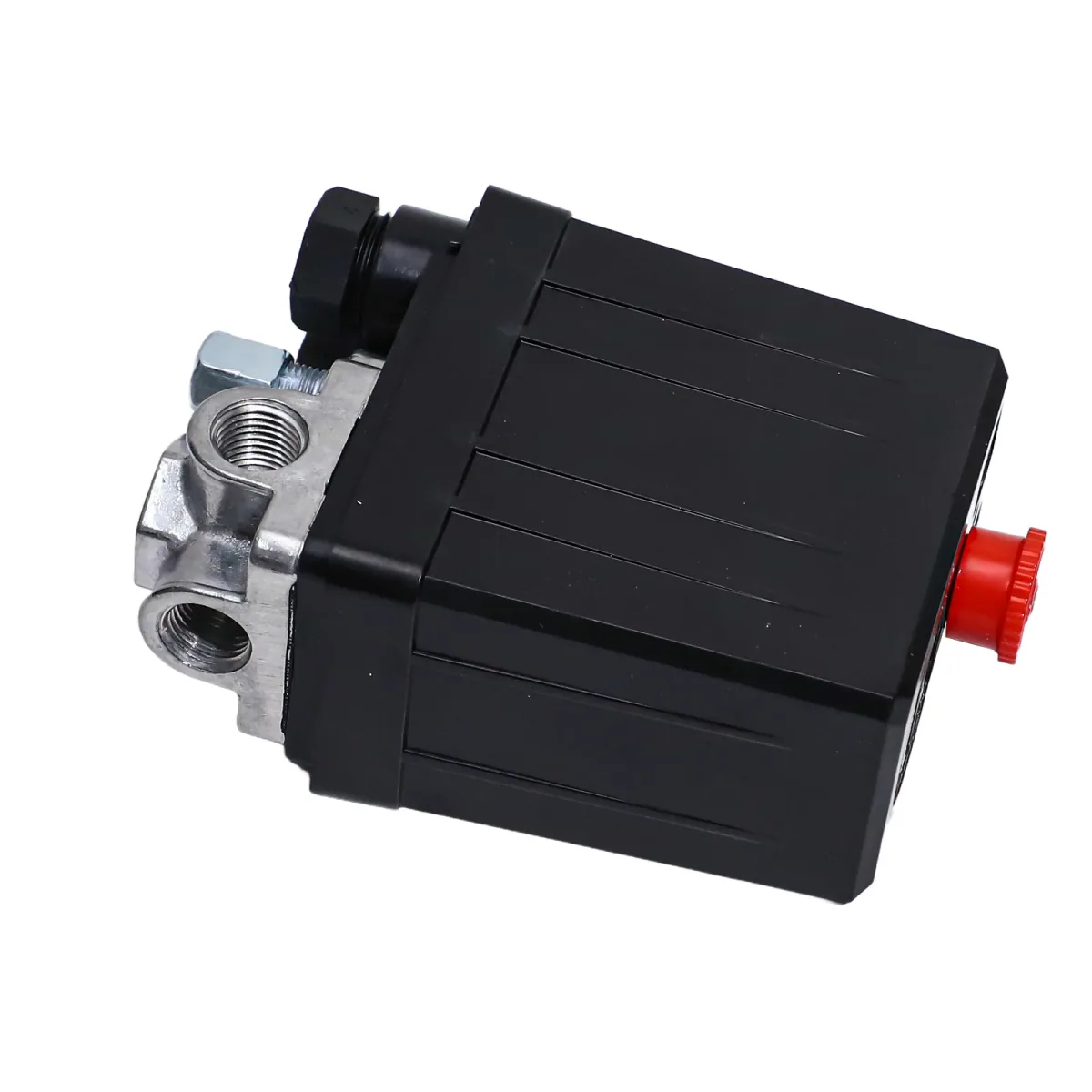
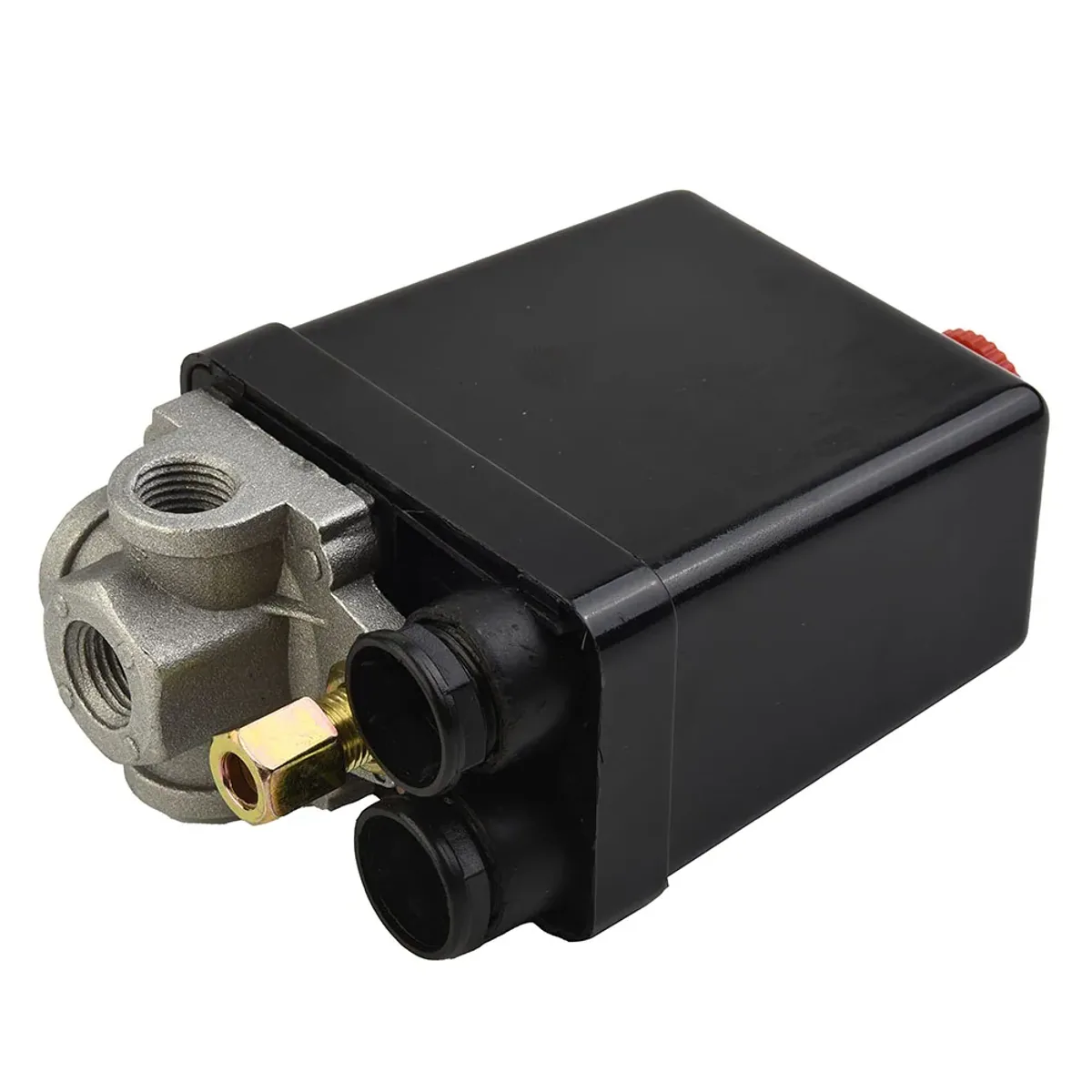
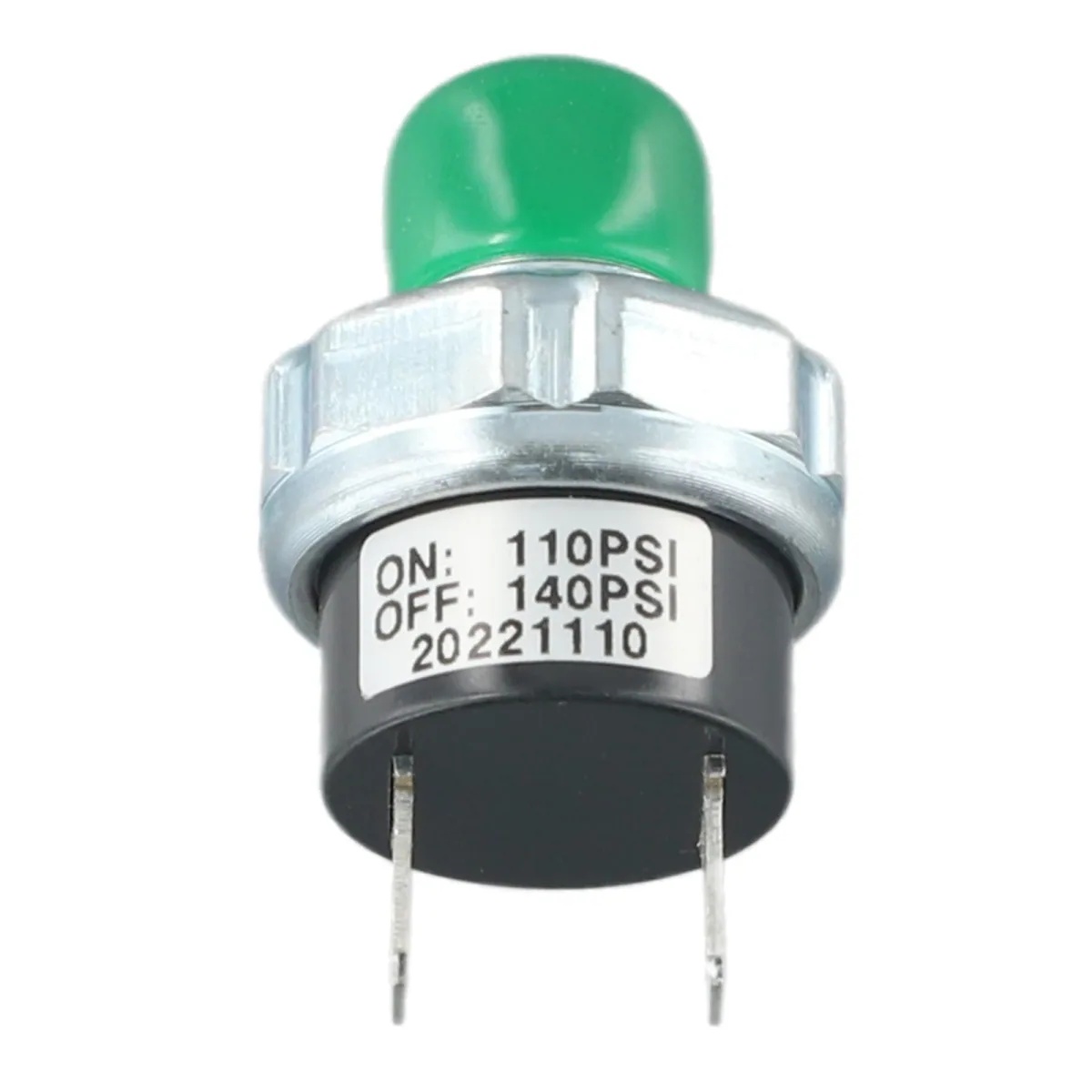
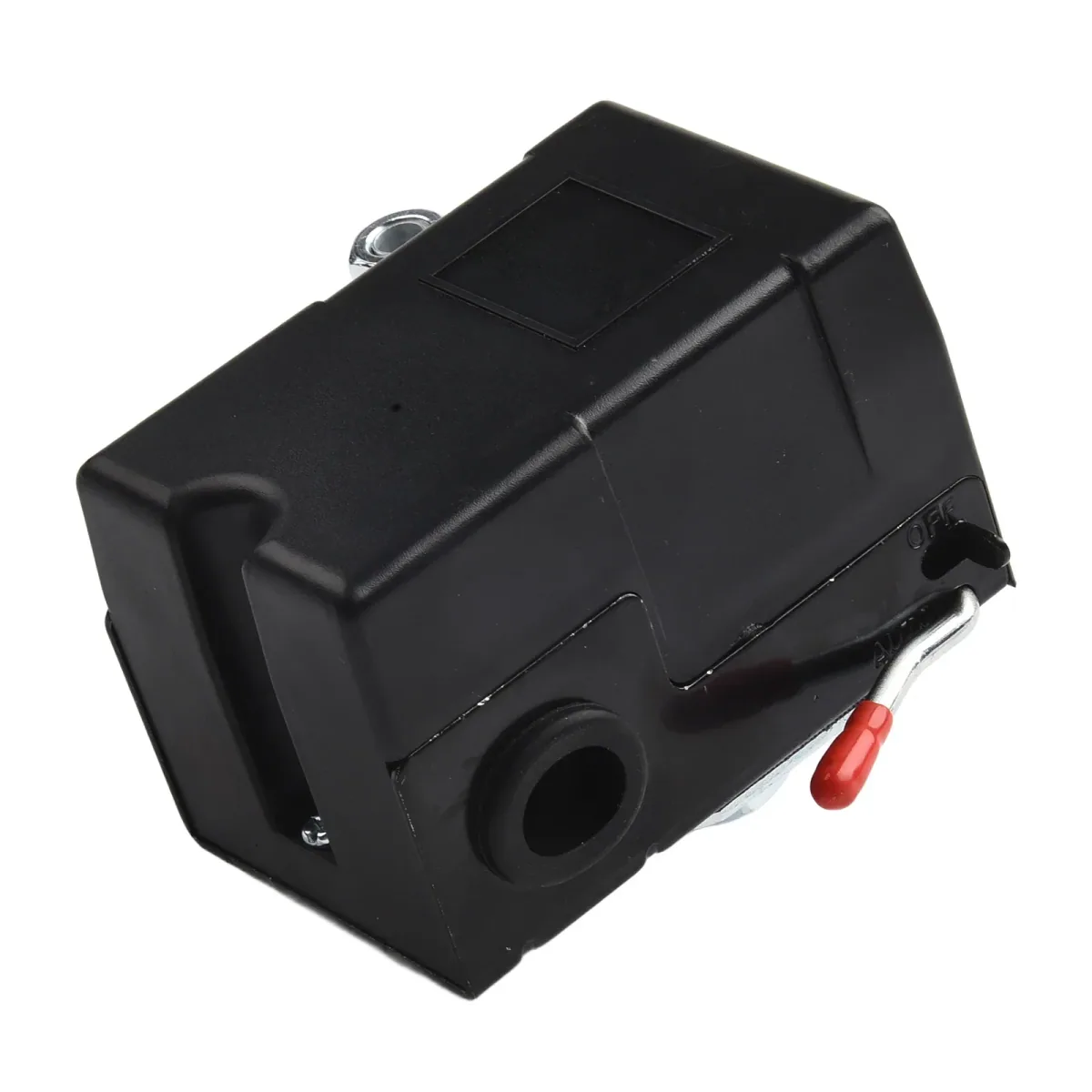
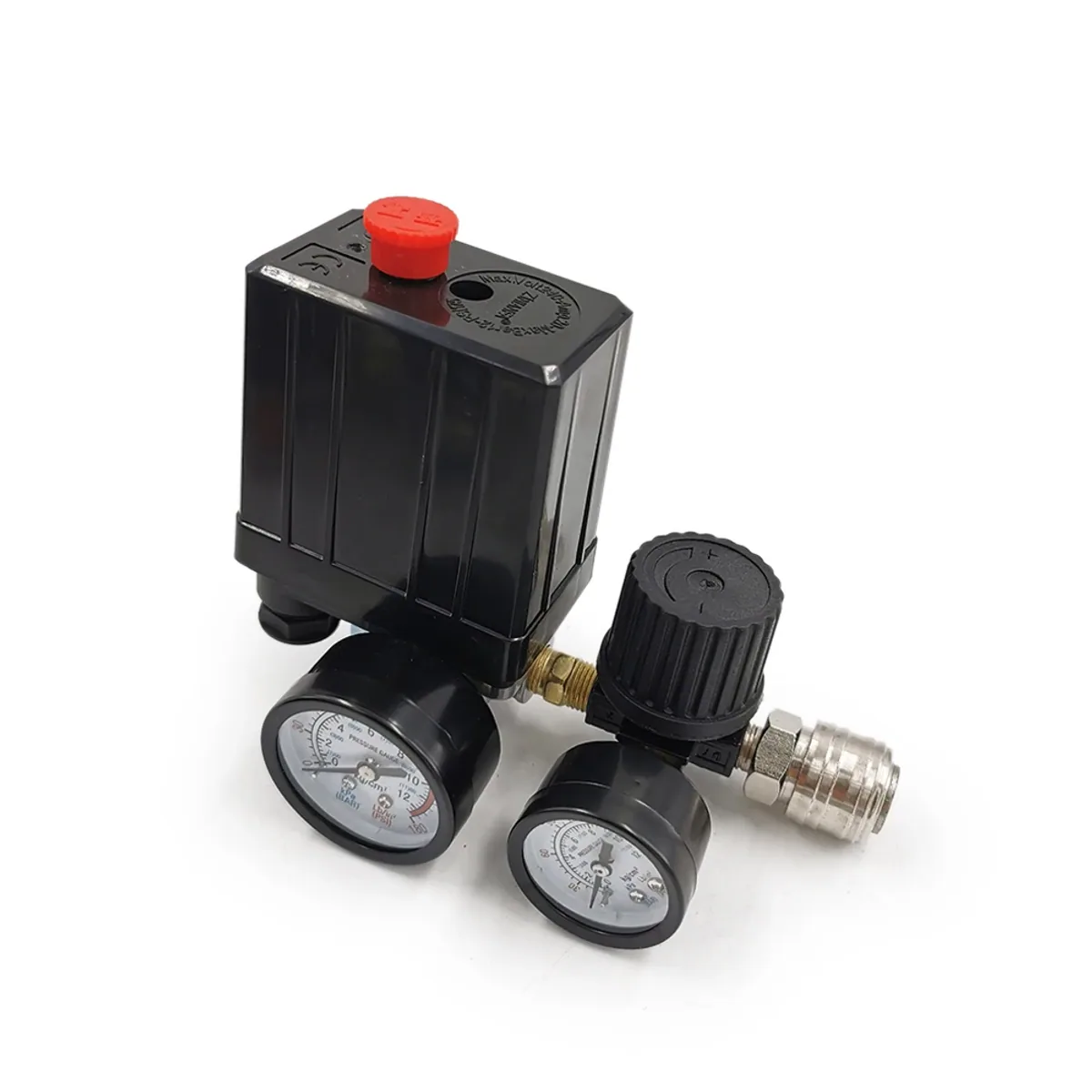
An industrial pressure switch serves as the primary electromechanical control for maintaining receiver vessel pressure, cycling motors, and safeguarding pneumatic networks. Compel supplies trade-grade air compressor pressure switch hardware, manifold regulators, and pressure control switch assemblies for industrial plants, maintenance depots, and commercial transport fleets. Our inventory covers low-voltage vehicle installations up to high-voltage multi-phase plant machinery.

Whether you are replacing an air pressure switch on a workshop receiver or sourcing a replacement compressor pressure switch for heavy production lines, Compel delivers verified component specifications, rapid distribution, and dependable performance across all standard thread formats.

Matching Operating Pressure and Differential Limits

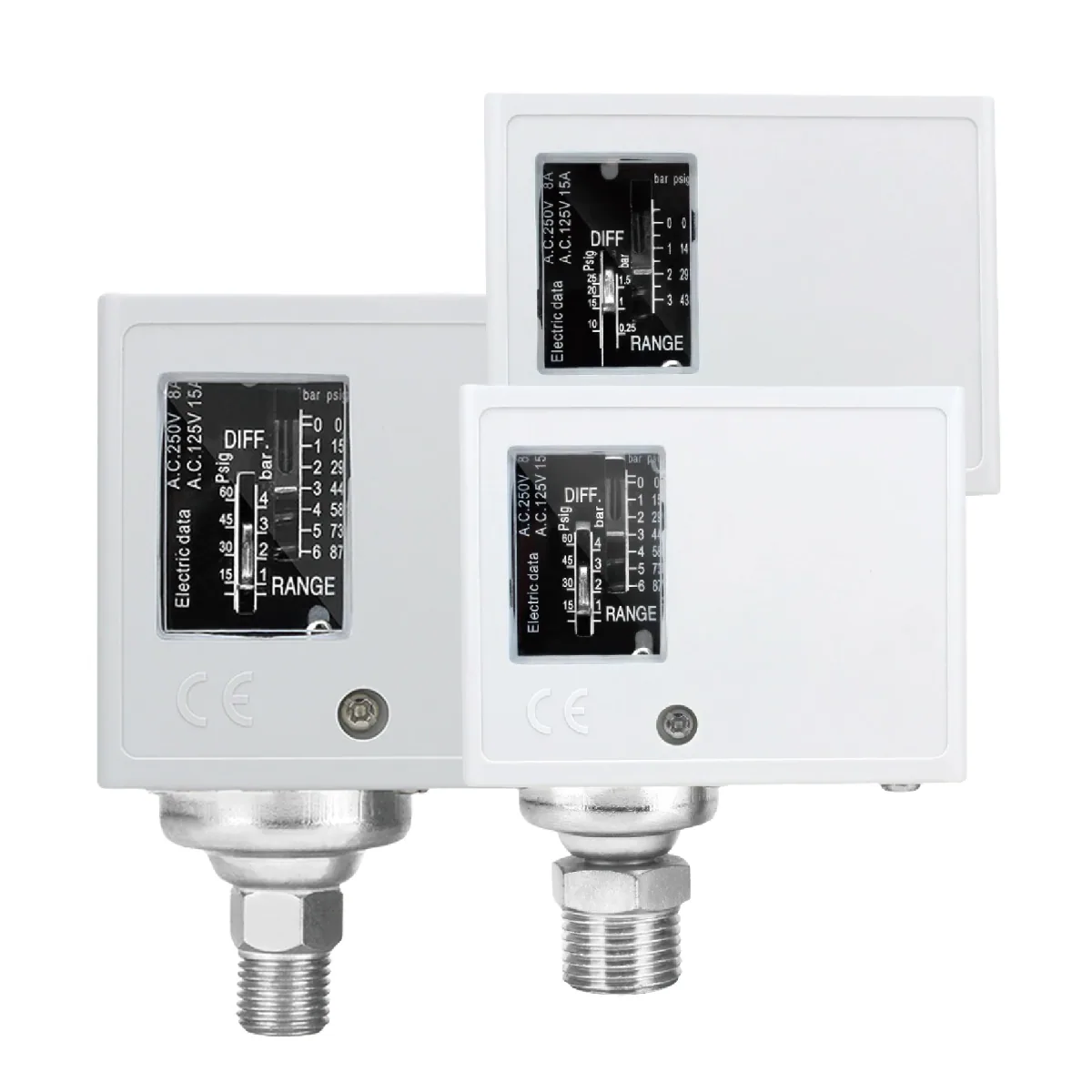
System demand dictates the cut-in and cut-out settings of your control valve. Operating compressors outside their optimal band leads to excessive motor wear or inadequate tool delivery pressure. Standard industrial receivers generally cycle at 90-120 PSI (6.2-8.3 bar) or 6.5-8.3 bar (95-120 PSI). High-pressure delivery demands hardware capable of cycling at 0.38 - 1.21 MPa (55 - 175 PSI) or withstanding a maximum pressure of 175 psi (12 bar). Specialized low-pressure or adjustable loops benefit from settings like 0.05 - 1.2 MPa (7.25 - 125 PSI) or 70-100 / 90-120 / 110-140 PSI.

  • Standard workshop loops: 90-120 PSI (6.2-8.3 bar) or 6.5-8.3 bar (95-120 PSI) automatic cut-off switches
  • High-pressure lines: 0.38 - 1.21 MPa (55 - 175 PSI) adjustable ranges and hardware rated to 175 psi (12 bar)
  • Auxiliary mobile storage: 120-150 PSI or 170-200 PSI ratings for high-pressure storage tanks

Sizing Voltage and Current for Single and Three-Phase Lines

Electrical ratings must match the incoming power feed and direct motor load. Using contacts with inadequate current capacity causes pitting, chatter, and terminal weld failure. Compel supplies switches for low-voltage direct current systems as well as single-phase and three-phase lines.

  • Low-voltage DC circuits: 12 V switches rated at 3.5 A for mobile compressor units and automotive air horns
  • Single-phase AC circuits: 240 V AC switches handling 16 A or 16-20 A rated current
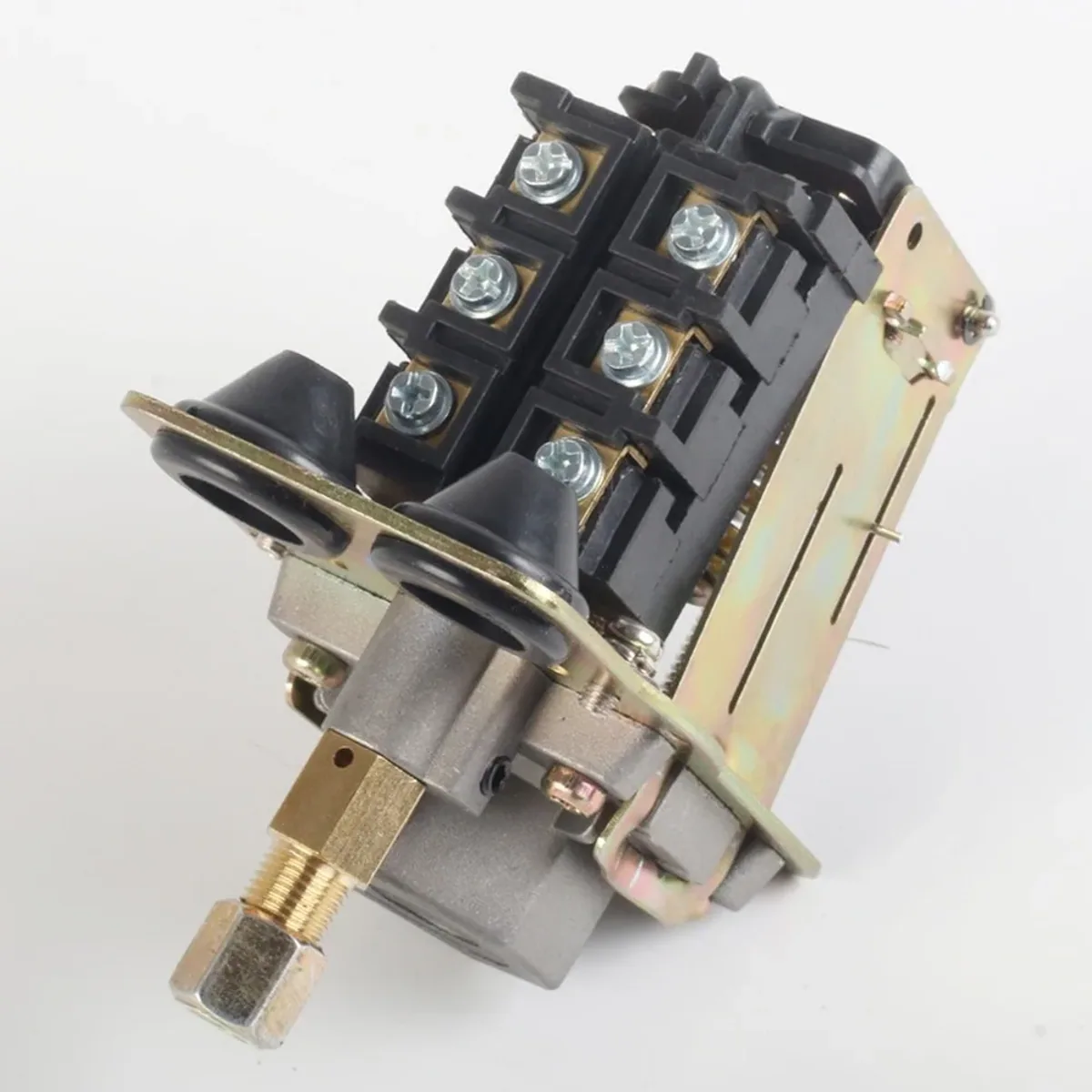
  • Three-phase supply: 220-380 V or 220V - 380V / 400V switches designed for direct industrial pump control

Selecting Port Count and Thread Standards

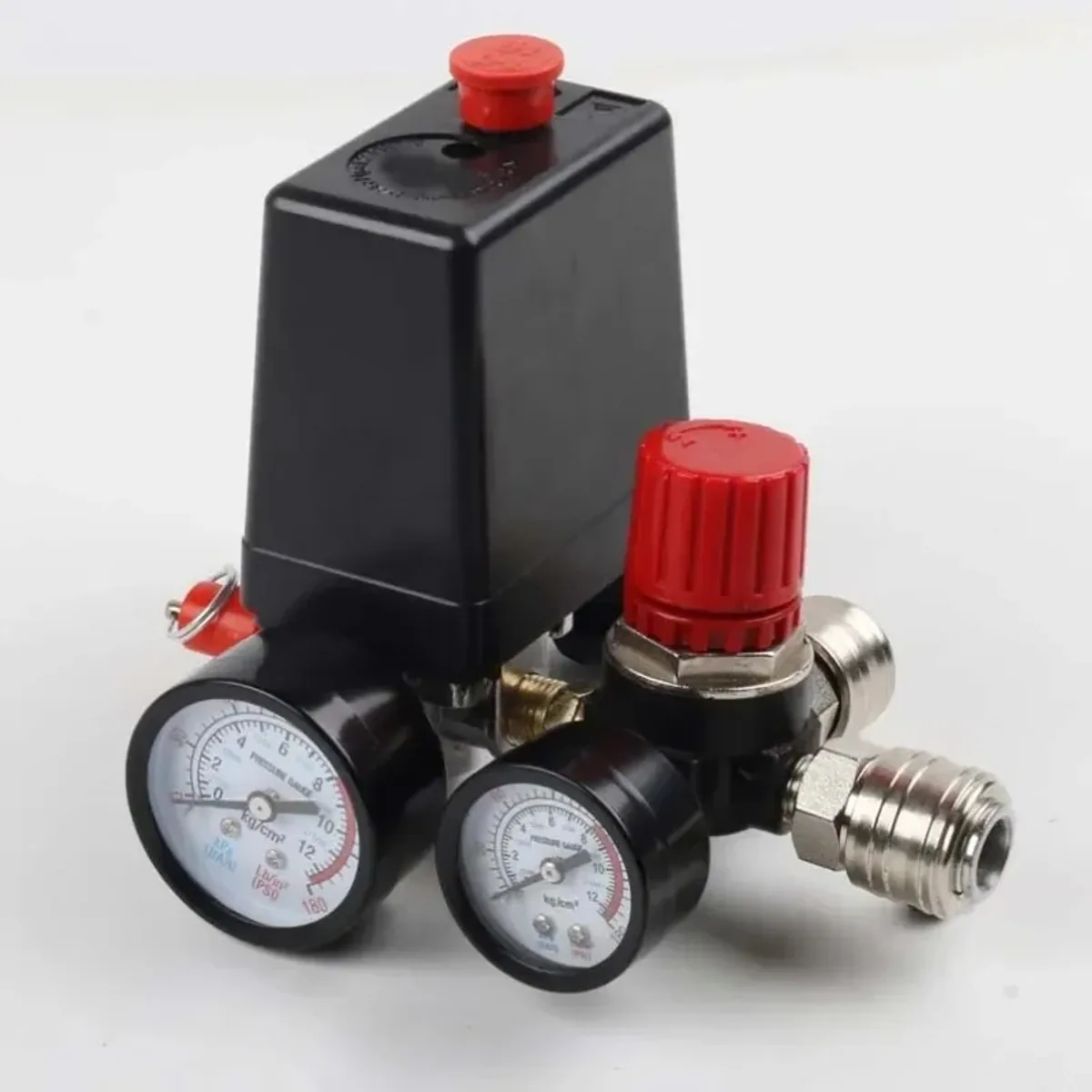
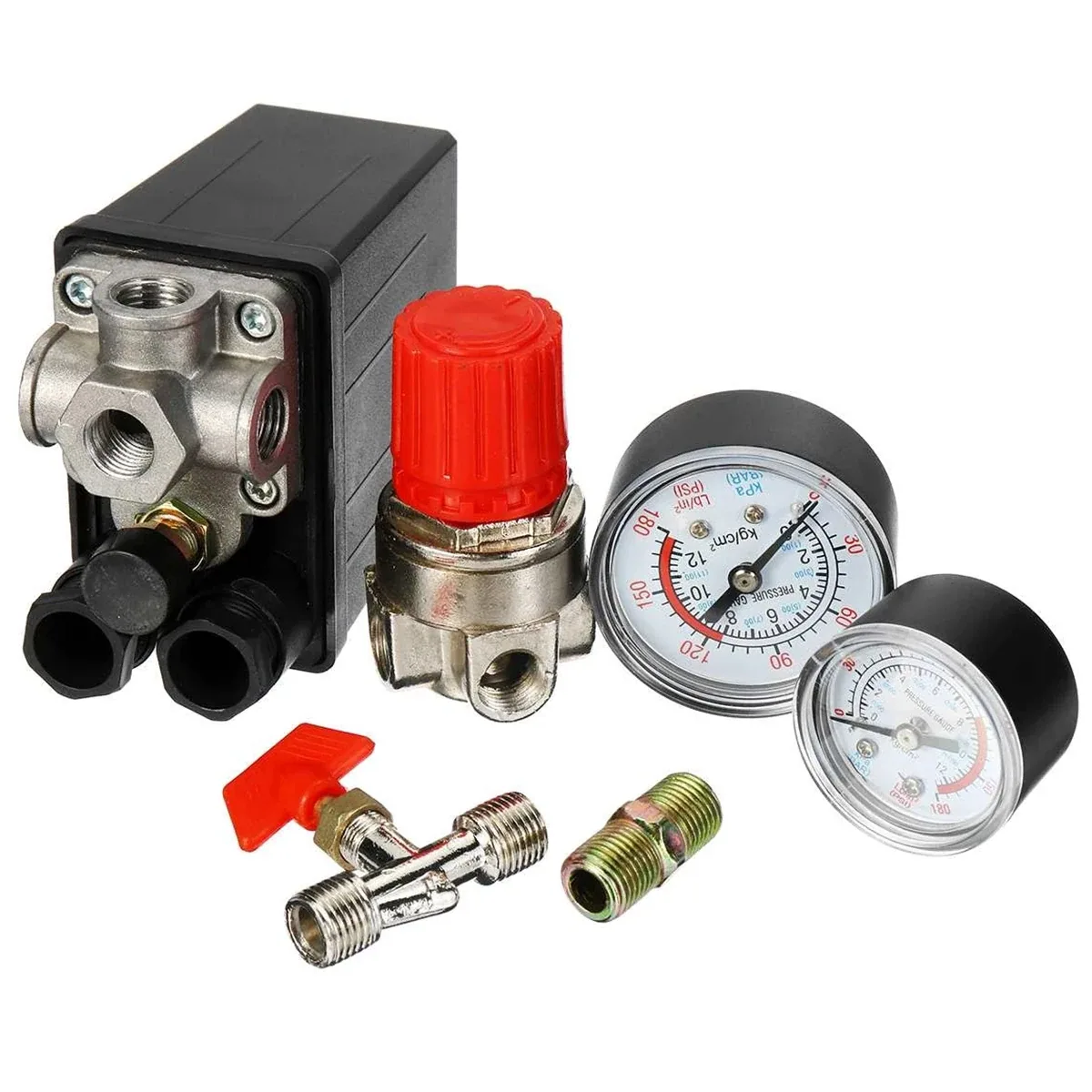
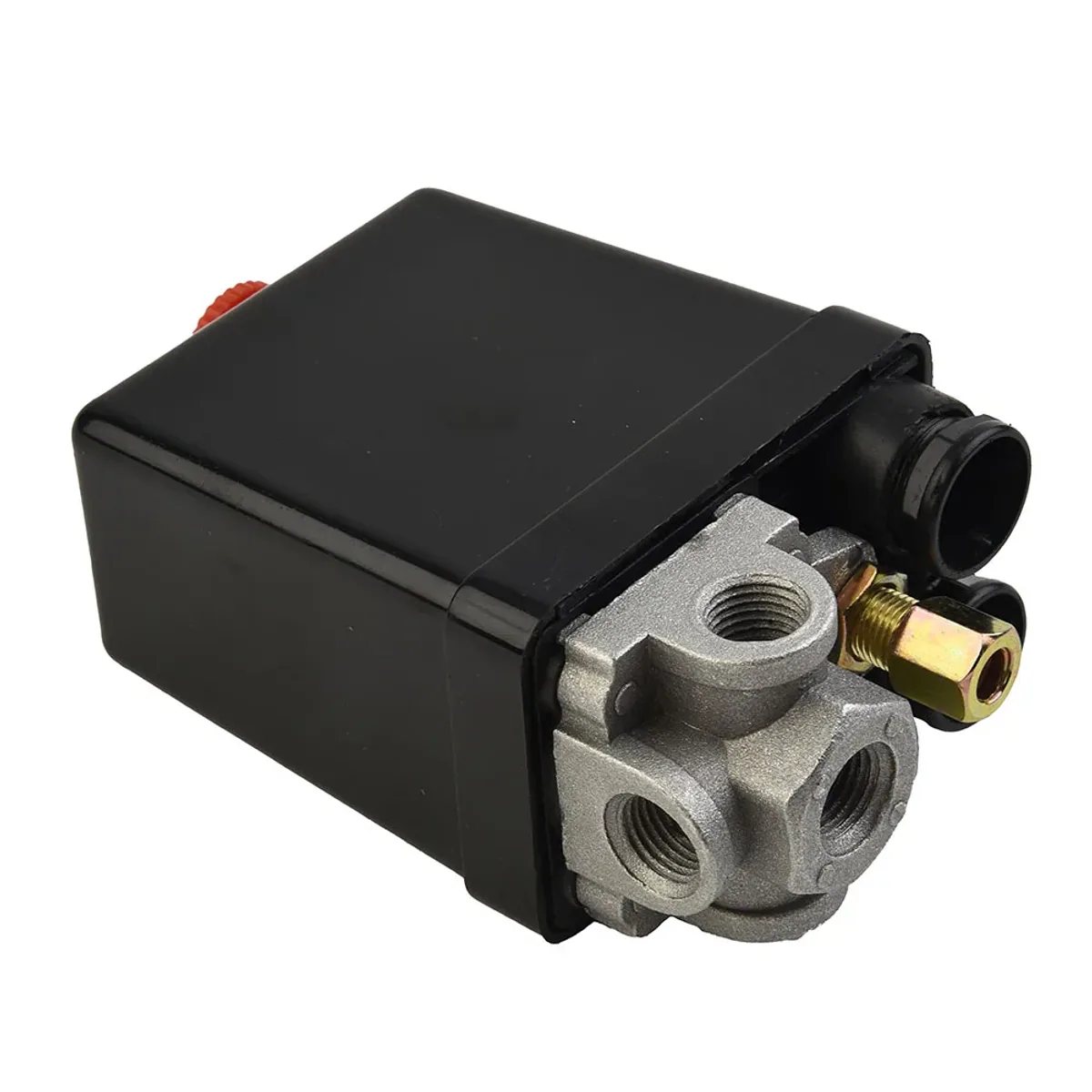
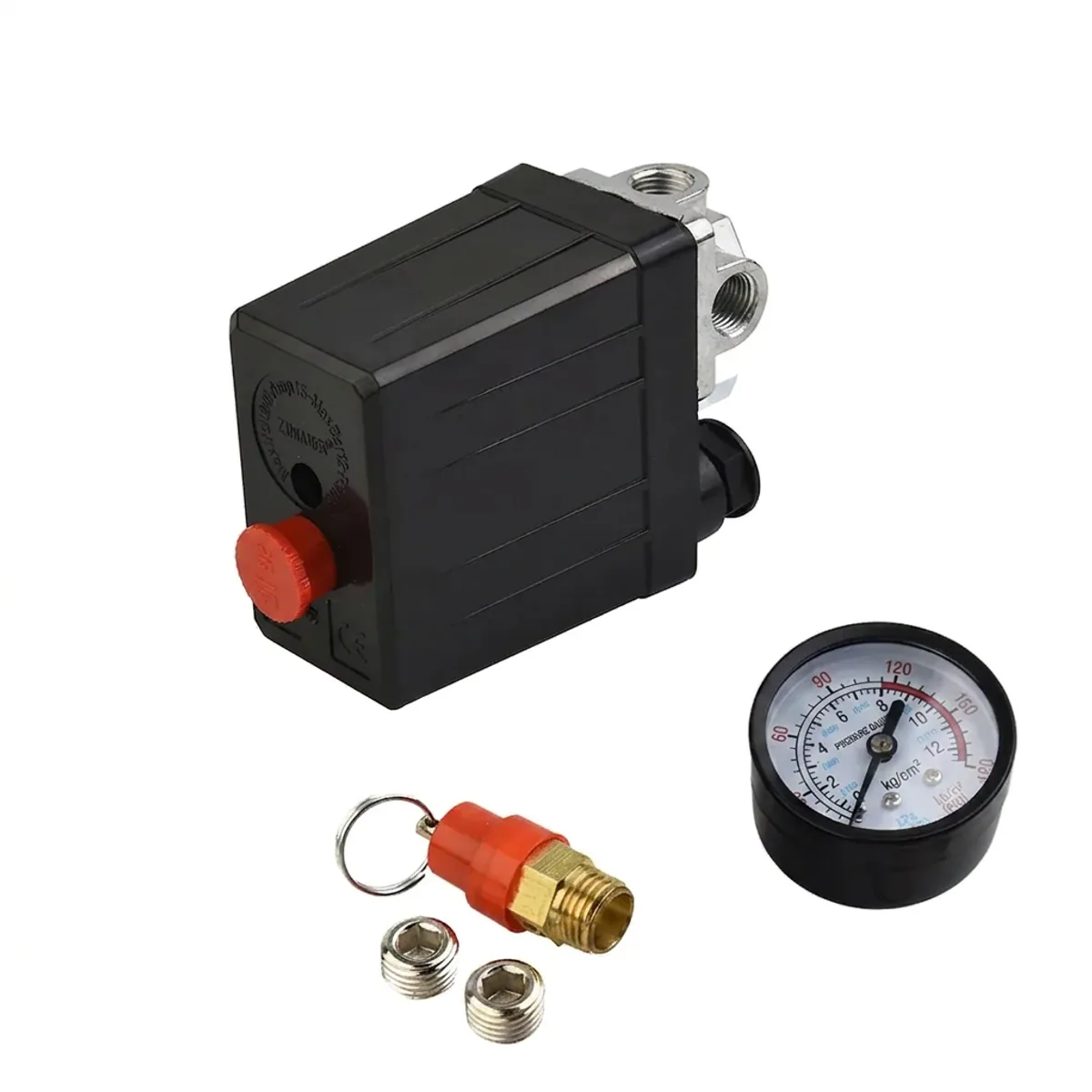
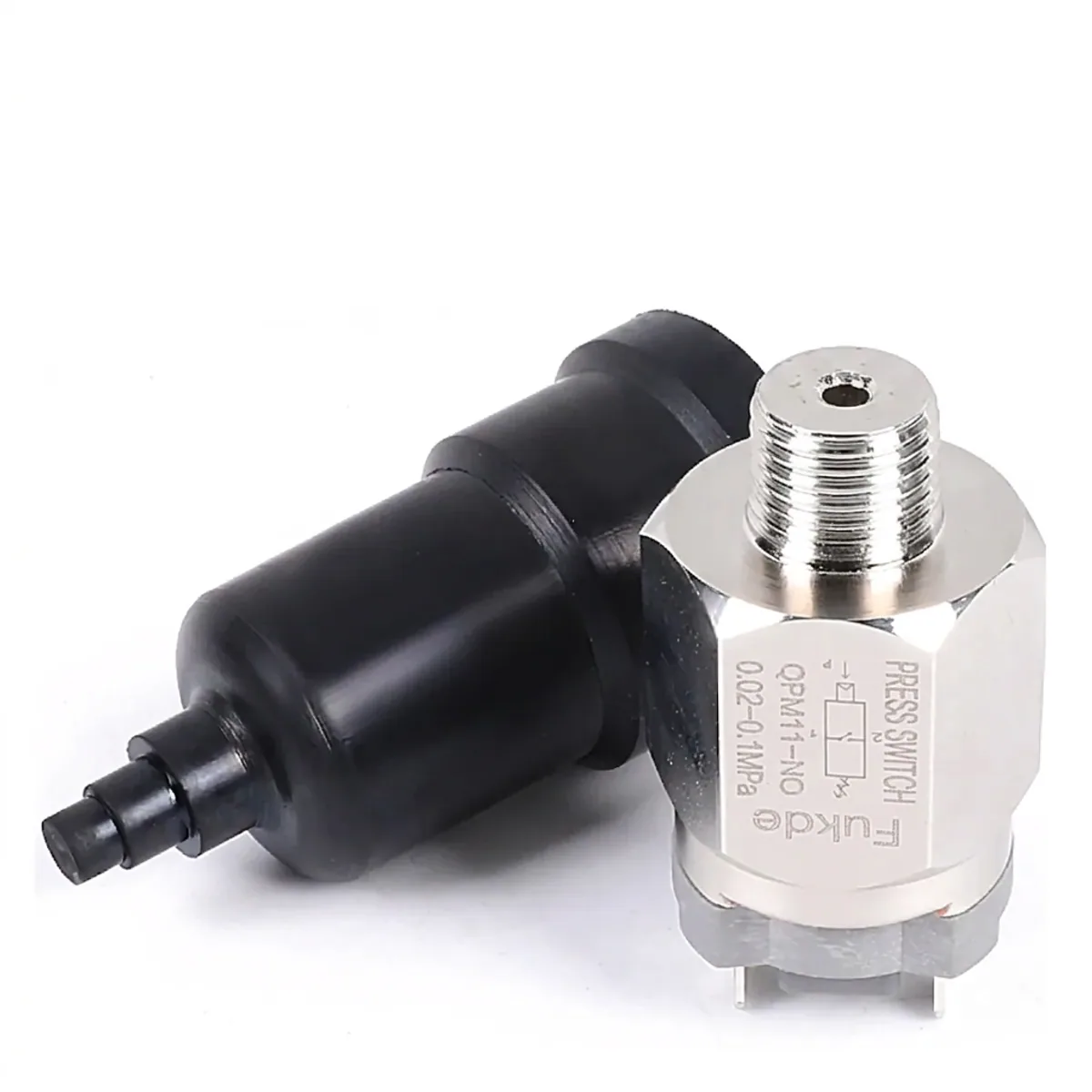
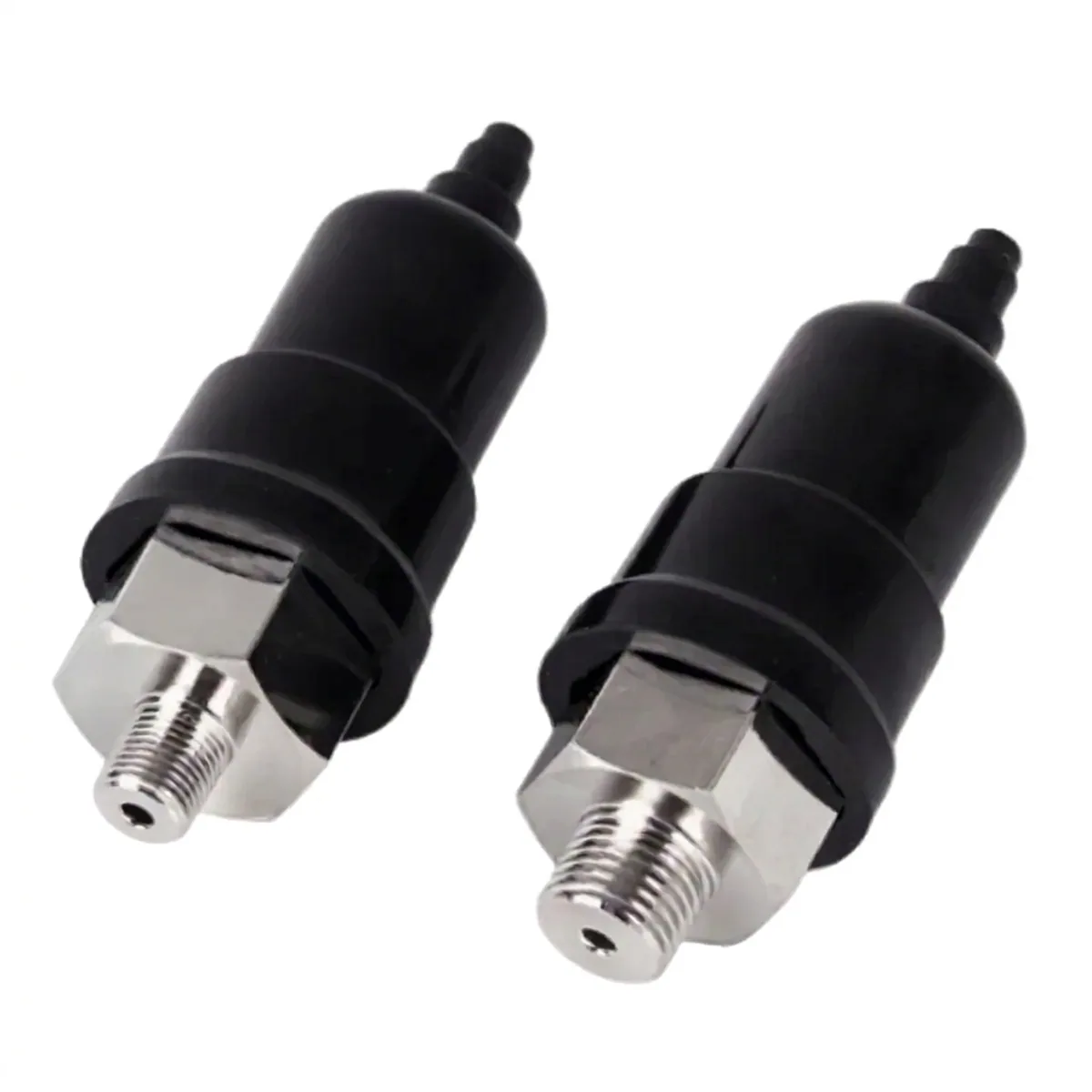
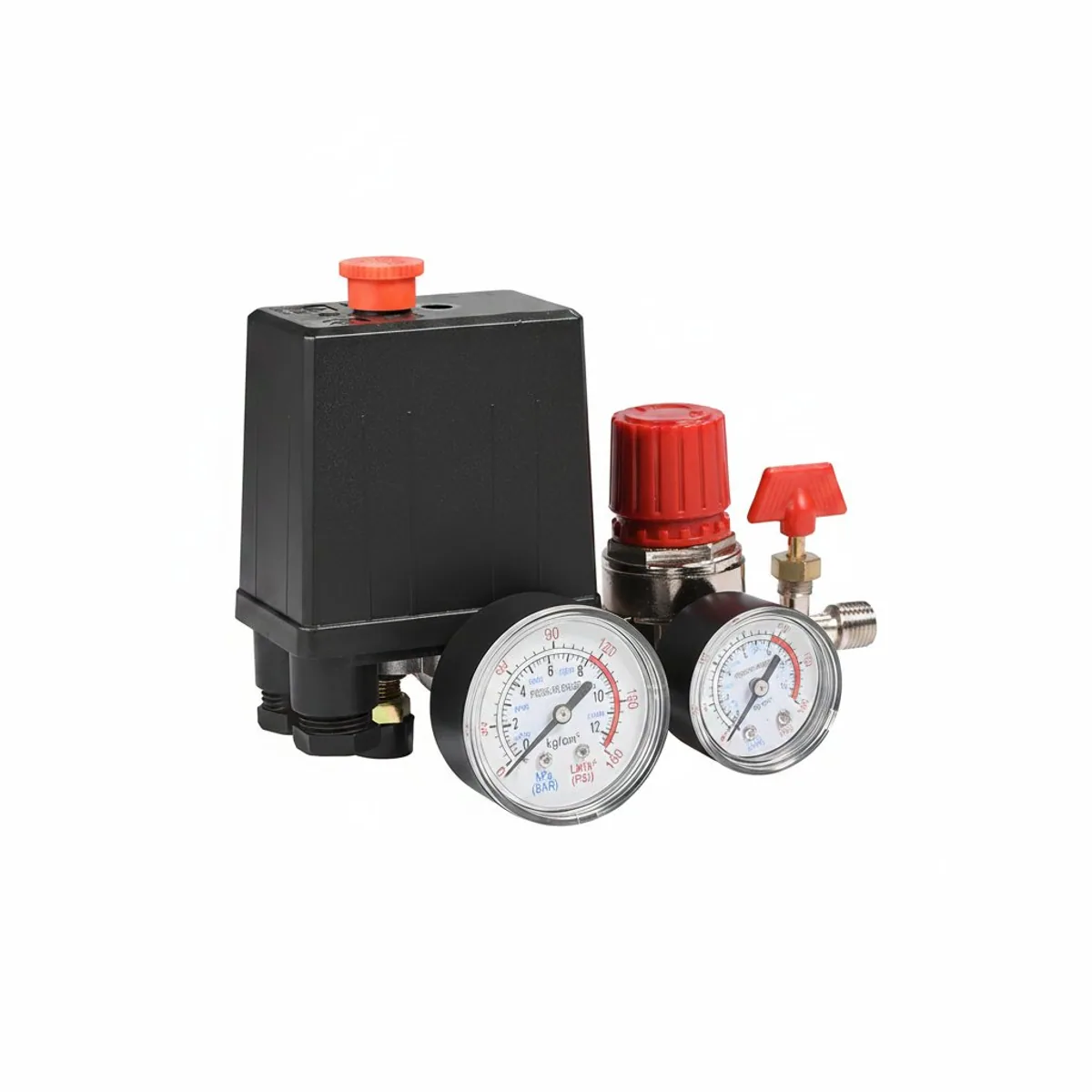
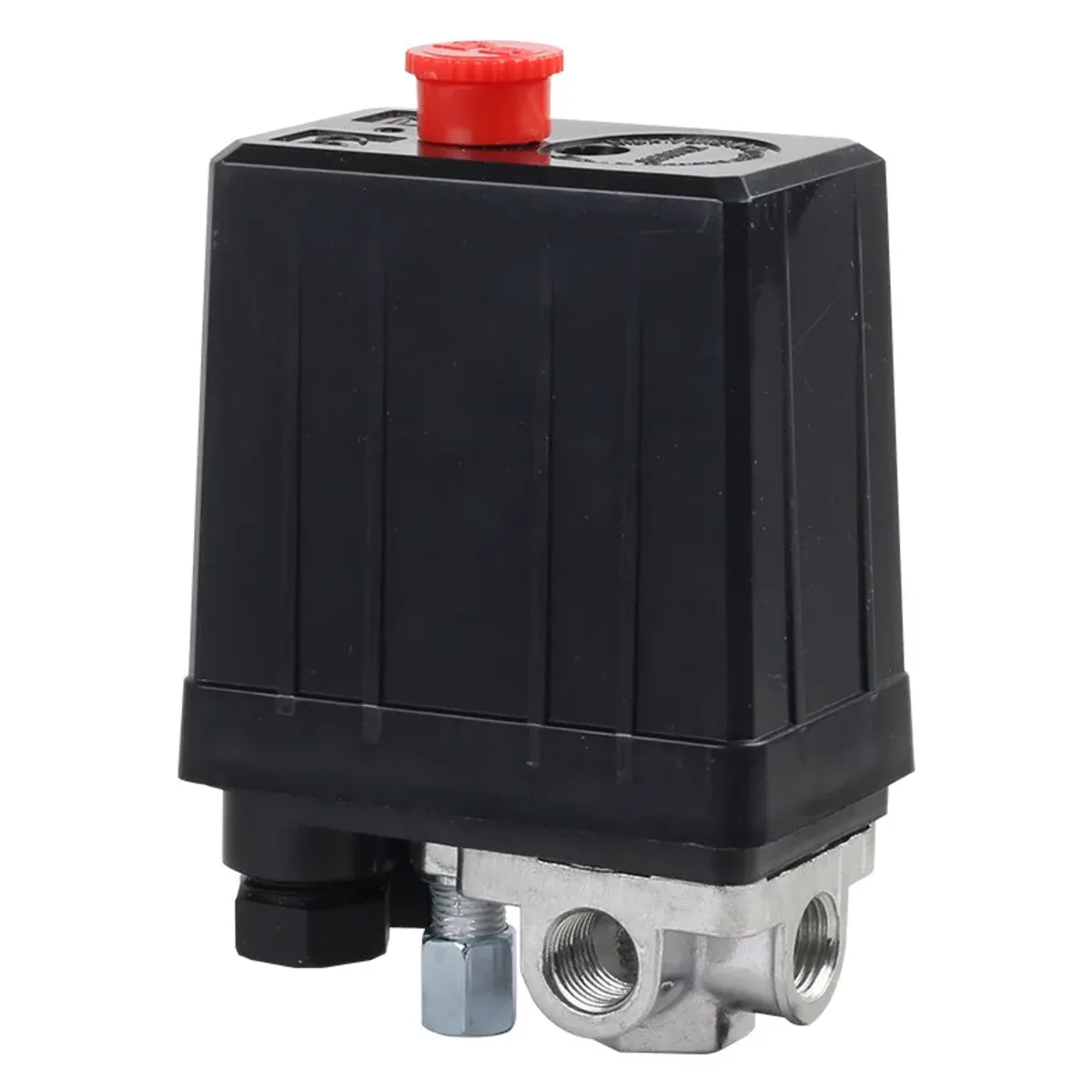
Physical mounting layout determines whether your installation requires a single-port sensor or a 4-port manifold assembly. Single-port units mount directly to a tank bung or pipe drop. Four-port configurations act as a central junction, allowing direct installation of pressure gauges, safety relief valves, and unloader lines without separate pipe fittings.

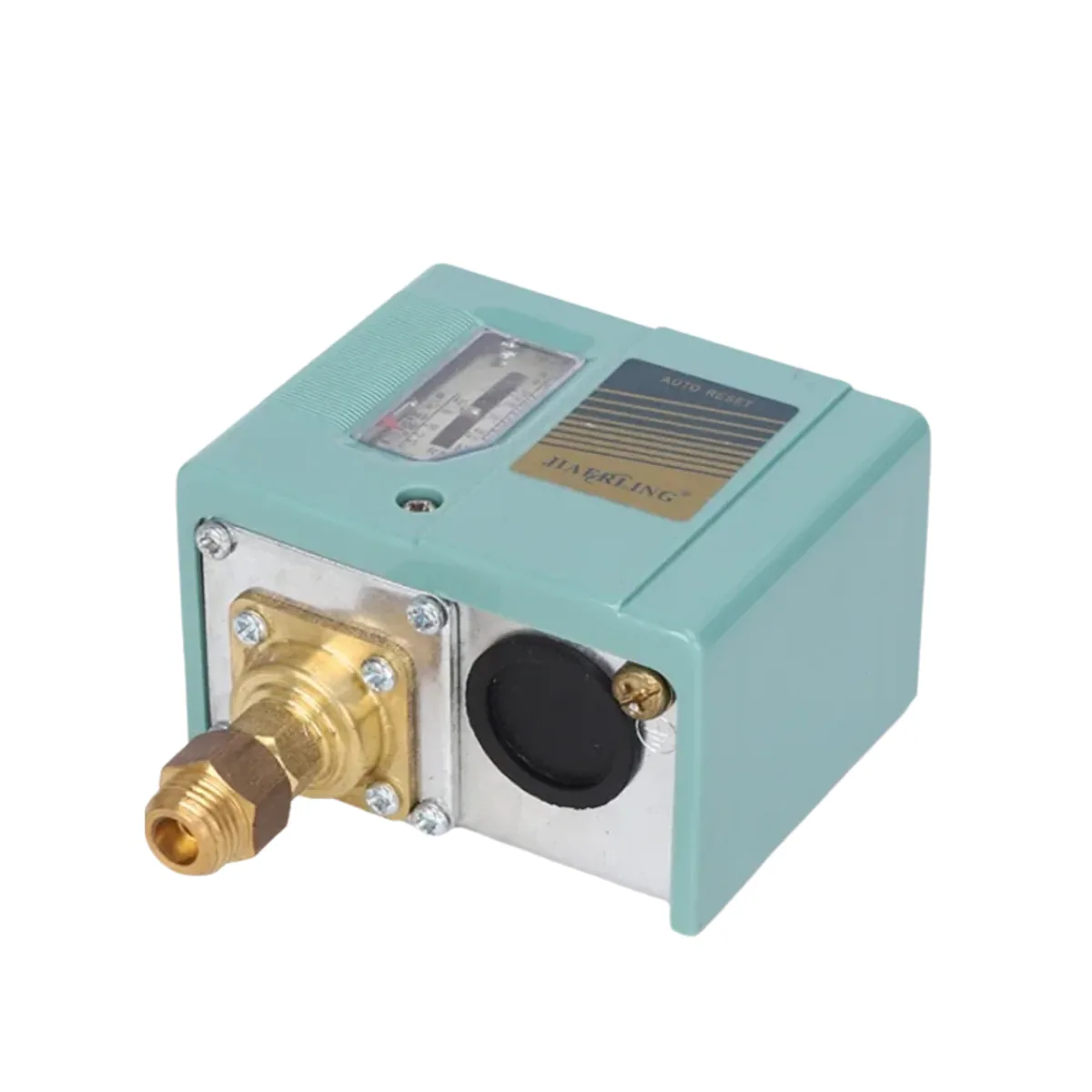
  • Port configuration: Single Port designs for inline drops versus 4 Ports manifolds for complete tank controls
  • Thread standards: Common fittings including G 1/4, 1/4" NPT, 1/8" NPT, and metric M20 x 1.5 connections
  • Construction material: Cast aluminum manifold housings for plant air and copper threaded fittings for mobile lines

Buying guide

Choosing Pressure Switches

Can I use a 240 V switch directly on a three-phase compressor motor?
A switch rated only for 240 V AC cannot directly switch a three-phase motor. For three-phase equipment, install a switch rated for 220-380 V or 220V - 380V / 400V, or use the switch as a pilot control wired to a contactor coil.
What cut-off pressure rating should I select for standard pneumatic workshop tools?
Most plant air tools require switches calibrated to 90-120 PSI (6.2-8.3 bar) or 6.5-8.3 bar (95-120 PSI). If your receiver feeds equipment with higher supply demands, choose a unit rated up to 175 psi (12 bar) or 0.38 - 1.21 MPa (55 - 175 PSI).
When should I select a 4-port switch instead of a single-port model?
Select a 4-port switch when you need to combine the pressure sensor, safety relief valve, unloader tube, and dual gauges onto one manifold block. Single-port models work best when monitoring an isolated line or when safety components are already mounted elsewhere on the tank.
Which switch specifications are required for vehicle air suspension and air horn tanks?
Vehicular systems require a compact 12 V switch with 1/8" NPT copper thread fittings and a 3.5 A rating. Select threshold bands such as 90-110 PSI, 120-150 PSI, or 170-200 PSI depending on tank volume and horn operating pressure requirements.
What materials are used for compressor switch manifolds and threads?
Catalog switch bodies feature cast aluminum regulator manifolds for corrosion resistance in shop air setups. Threaded connections commonly use copper or brass fittings in standard G 1/4, 1/4" NPT, or 1/8" NPT sizes to withstand line vibration.