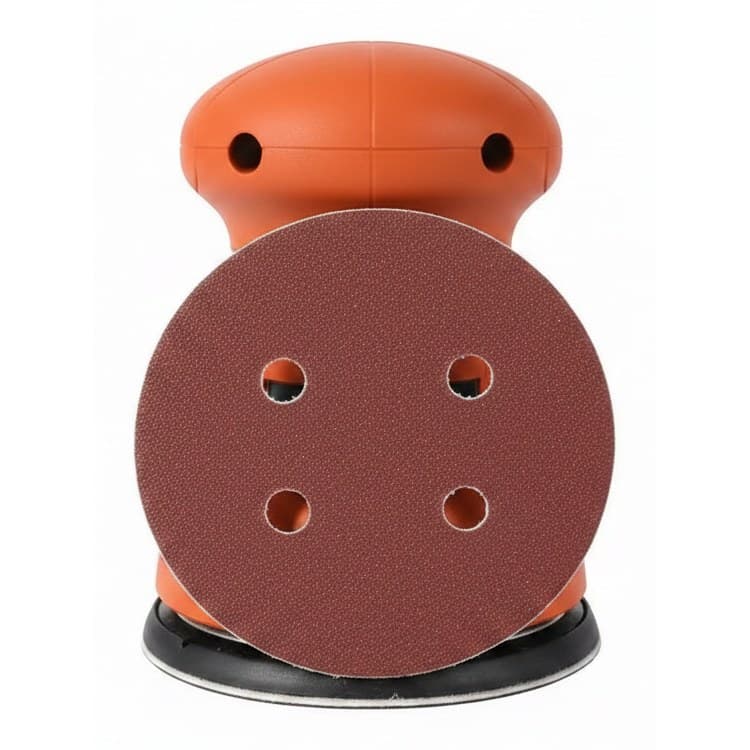
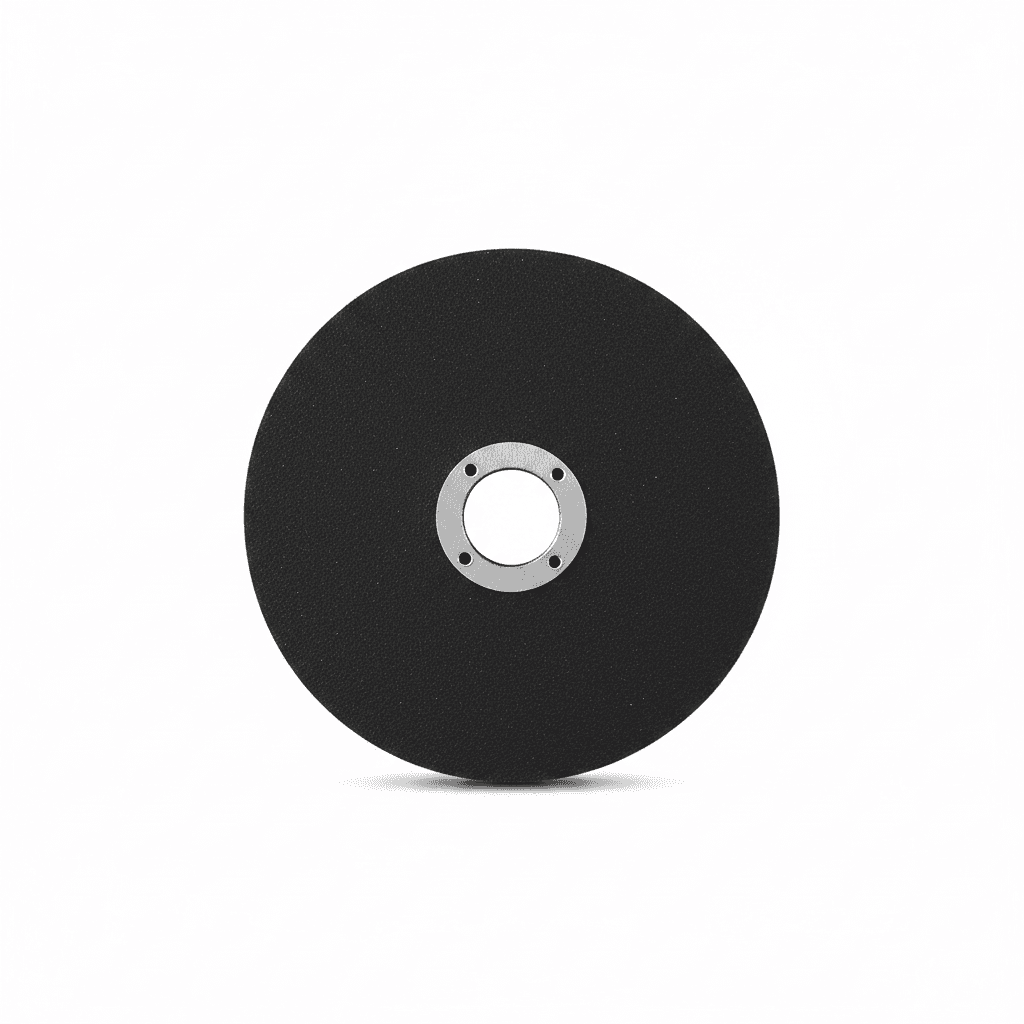
This soft sponge interface pad sits between your sander and your sandpaper. It's a flexible orbital sander pad that adds a layer of cushion. This is important for working on anything that isn't perfectly flat. It helps you get a smooth finish without accidentally digging into the surface. Features and Benefits
- Soft foam body - Bends to curves, contours, and uneven shapes for even contact.
- Hook and loop faces - Attaches firmly to both your sander's backing pad and your sanding disc.
- Even pressure distribution - The cushion stops the sander from making flat spots or digging into edges. This can happen with a standard hard backing pad.
- 5-inch (125mm) size - Fits most common random orbital sanders that use hook and loop discs. Applications
- Auto Body Sanding - Good for sanding curved vehicle panels, bumpers, and complex body lines without damaging the shape.
- Woodworking Projects - Use it for finishing curved items like table legs, bowls, or decorative trim to keep the details.
- Marine Finishing - Helps follow the curved lines of a boat hull when sanding or polishing for an even result.
What It Is
This is a 5-inch soft sponge interface pad designed for surface buffing. It is specifically made from sponge material. The pad features a hook and loop attachment type, ensuring compatibility with orbital sanders. Its 125 mm diameter makes it suitable for various sanding tasks, particularly those requiring a flexible buffer for polishing surfaces.
Key Uses & Applications
This sponge interface pad is primarily used for surface polishing and buffing. When attached to an orbital sander, it helps achieve a smoother finish. Random orbital sanders, also known as dual-action sanders, move the sanding disc in small circles while simultaneously spinning it, preventing swirl marks. This pad is ideal for applications where feathering or achieving a consistent polish is crucial, such as preparing surfaces for painting or achieving a high-quality final finish.
How to Choose
When selecting a sander pad, consider its compatibility with your orbital sander, specifically the 125 mm diameter and hook and loop attachment type. The sponge material of this pad is ideal for surface polishing buffer tasks. For more aggressive material removal, a firmer pad might be needed, whereas for fine finishing and preventing swirl marks, a soft interface like this is beneficial. Ensure your sander has appropriate variable speed settings for optimal buffing results.
Grit / Spec Guide
This product is a soft sponge interface pad, designed for surface polishing buffer applications rather than abrasive sanding. Therefore, it does not have a grit rating. Its function is to provide a cushioned interface between the sander and the abrasive disc (not included) or directly for buffing compounds. For abrasive tasks, typical grit ranges from 80 grit for rough shaping to 150 grit for general sanding, followed by finer grits for finishing.
Care & Safety
To ensure longevity, keep the sponge interface pad clean and free of debris. Remove any accumulated dust or polishing compound after use. Always wear appropriate personal protective equipment, including eye protection and a dust mask, especially when using a random orbit sander, even during buffing. Ensure proper dust extraction is in place to maintain a clear workspace and prevent inhalation of fine particles. Always disconnect the sander from the power source before changing pads.
Material: Sponge. Compatibility: Orbital Sander. Attachment Type: Hook and Loop. Diameter: 125 mm. Function: Surface Polishing Buffer. Pad Diameter: 5 inches (125 mm). Pad Thickness: 10-12 mm (estimated for soft sponge interface). Weight: Lightweight (estimated 20-50 grams). Material: Soft Sponge. Compatibility: Orbital Sander, Sander Discs. Abrasion Resistance: Low (designed for cushioning, not direct abrasion). Attachment Type: Hook and Loop. Density: Medium-soft (for contour sanding and reduced swirl marks). Dust Extraction: Multi-hole pattern (compatible with standard sanding discs). Flexibility: High (due to sponge material). Function: Surface Polishing, Buffering, Backing Mat. Heat Resistance: Moderate. Reusability: Multiple uses with proper care. Q: How thick is the sponge foam on these interface pads? A: The soft sponge layer on these pads is about a half-inch thick, or 13mm. This gives you plenty of cushion for working on contoured or uneven pieces.. Q: How thick is the sponge foam on these interface pads? A: The soft sponge layer on these pads is about a half-inch thick, or 13mm. This gives you plenty of cushion for working on contoured or uneven pieces.. Q: How thick is the sponge foam on these interface pads? A: The soft sponge layer on these pads is about a half-inch thick, or 13mm. This gives you plenty of cushion for working on contoured or uneven pieces.. Q: How thick is the sponge foam on these interface pads? A: The soft sponge layer on these pads is about a half-inch thick, or 13mm. This gives you plenty of cushion for working on contoured or uneven pieces.. Q: What is the main benefit of putting this soft pad between my sander and the sandpaper? A: Using an interface pad helps you sand curves and edges without accidentally creating flat spots or sanding through the finish. It allows the sanding disc to conform to the shape of the object you're working on.. Q: What is the main benefit of putting this soft pad between my sander and the sandpaper? A: Using an interface pad helps you sand curves and edges without accidentally creating flat spots or sanding through the finish. It allows the sanding disc to conform to the shape of the object you're working on.. Q: What is the main benefit of putting this soft pad between my sander and the sandpaper? A: Using an interface pad helps you sand curves and edges without accidentally creating flat spots or sanding through the finish. It allows the sanding disc to conform to the shape of the object you're working on.. Q: What is the main benefit of putting this soft pad between my sander and the sandpaper? A: Using an interface pad helps you sand curves and edges without accidentally creating flat spots or sanding through the finish. It allows the sanding disc to conform to the shape of the object you're working on.. Q: Can I use this with my existing 5-inch hook-and-loop sanding discs and orbital sander pad? A: Yes, it's designed to work with that standard setup. The hook side of the interface pad attaches to your sander's backing pad, and the loop side accepts your normal hook-and-loop sanding discs.. Q: Can I use this with my existing 5-inch hook-and-loop sanding discs and orbital sander pad? A: Yes, it's designed to work with that standard setup. The hook side of the interface pad attaches to your sander's backing pad, and the loop side accepts your normal hook-and-loop sanding discs.. Q: Can I use this with my existing 5-inch hook-and-loop sanding discs and orbital sander pad? A: Yes, it's designed to work with that standard setup. The hook side of the interface pad attaches to your sander's backing pad, and the loop side accepts your normal hook-and-loop sanding discs.. Q: Can I use this with my existing 5-inch hook-and-loop sanding discs and orbital sander pad? A: Yes, it's designed to work with that standard setup. The hook side of the interface pad attaches to your sander's backing pad, and the loop side accepts your normal hook-and-loop sanding discs.. Q: How many times can I reuse one of these pads before the hook-and-loop grip wears out? A: You should get many uses from a single pad, as the hook-and-loop material is quite resilient. To help it last even longer, try to pull the sanding disc straight off instead of peeling it from an angle.. Q: How many times can I reuse one of these pads before the hook-and-loop grip wears out? A: You should get many uses from a single pad, as the hook-and-loop material is quite resilient. To help it last even longer, try to pull the sanding disc straight off instead of peeling it from an angle.. Q: How many times can I reuse one of these pads before the hook-and-loop grip wears out? A: You should get many uses from a single pad, as the hook-and-loop material is quite resilient. To help it last even longer, try to pull the sanding disc straight off instead of peeling it from an angle.. Q: How many times can I reuse one of these pads before the hook-and-loop grip wears out? A: You should get many uses from a single pad, as the hook-and-loop material is quite resilient. To help it last even longer, try to pull the sanding disc straight off instead of peeling it from an angle.. Q: Are these pads better for sanding flat boards or for things with more shape? A: They are definitely made for objects with curves, contours, and complex shapes. For flattening a large, flat surface, you'll get better results by attaching your sanding disc directly to the sander's firm backing plate.. Q: Are these pads better for sanding flat boards or for things with more shape? A: They are definitely made for objects with curves, contours, and complex shapes. For flattening a large, flat surface, you'll get better results by attaching your sanding disc directly to the sander's firm backing plate.. Q: Are these pads better for sanding flat boards or for things with more shape? A: They are definitely made for objects with curves, contours, and complex shapes. For flattening a large, flat surface, you'll get better results by attaching your sanding disc directly to the sander's firm backing plate.. Q: Are these pads better for sanding flat boards or for things with more shape? A: They are definitely made for objects with curves, contours, and complex shapes. For flattening a large, flat surface, you'll get better results by attaching your sanding disc directly to the sander's firm backing plate..