BT, CAT and HSK, and why they are not interchangeable
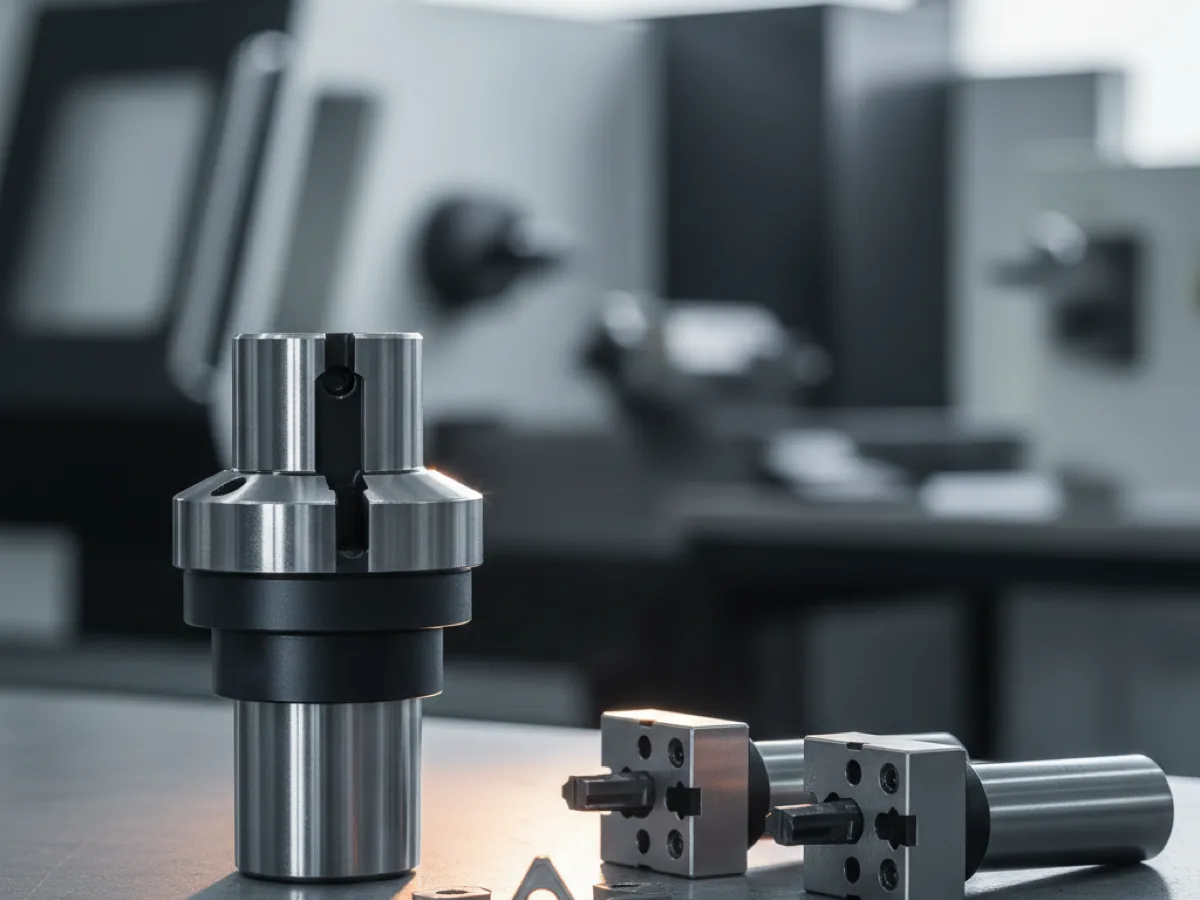
BT and CAT are both 7/24 steep tapers and they look almost identical, but the flange and the retention knob differ, so a CAT40 holder will not pull correctly into a BT40 spindle. BT is the Japanese standard and symmetric, CAT is the American one. Getting this wrong is common and it is not subtle once the machine tries to draw the tool up.
HSK is a different idea entirely: a hollow short taper that contacts on both the taper and the flange face, which makes it far more rigid and repeatable at high spindle speeds. It costs more and it is what high-speed machining centres use. Whichever the machine takes, the retention knob or pull stud is machine-specific and must match the drawbar, not just the holder.
| Interface | Contact | Typically found on |
|---|---|---|
| BT30 / BT40 | Taper only, 7/24 | Japanese and most Asian machining centres |
| CAT40 / CAT50 | Taper only, 7/24 | American machining centres |
| HSK | Taper and flange face | High-speed and high-precision centres |
| ER collet chuck | Fits into any of the above | The usual way to hold a plain shank cutter |
ER collets and the clamping range nobody reads
An ER collet chuck is the general-purpose way to hold a round-shank cutter, and the ER number gives the size: ER11 for small work up to ER40 for larger. Each collet has a clamping range of about one millimetre below its nominal size, so an ER32 collet marked 12 mm will hold from roughly 11 to 12 mm.
Two rules save a lot of grief. The collet must be clipped into the nut before the assembly goes onto the chuck, because a collet squeezed straight into the taper will not release and can be damaged getting it out. And a collet must never be tightened empty: without a shank to close onto, the slits collapse and the collet is scrap.
Lathe tool posts and insert holder codes
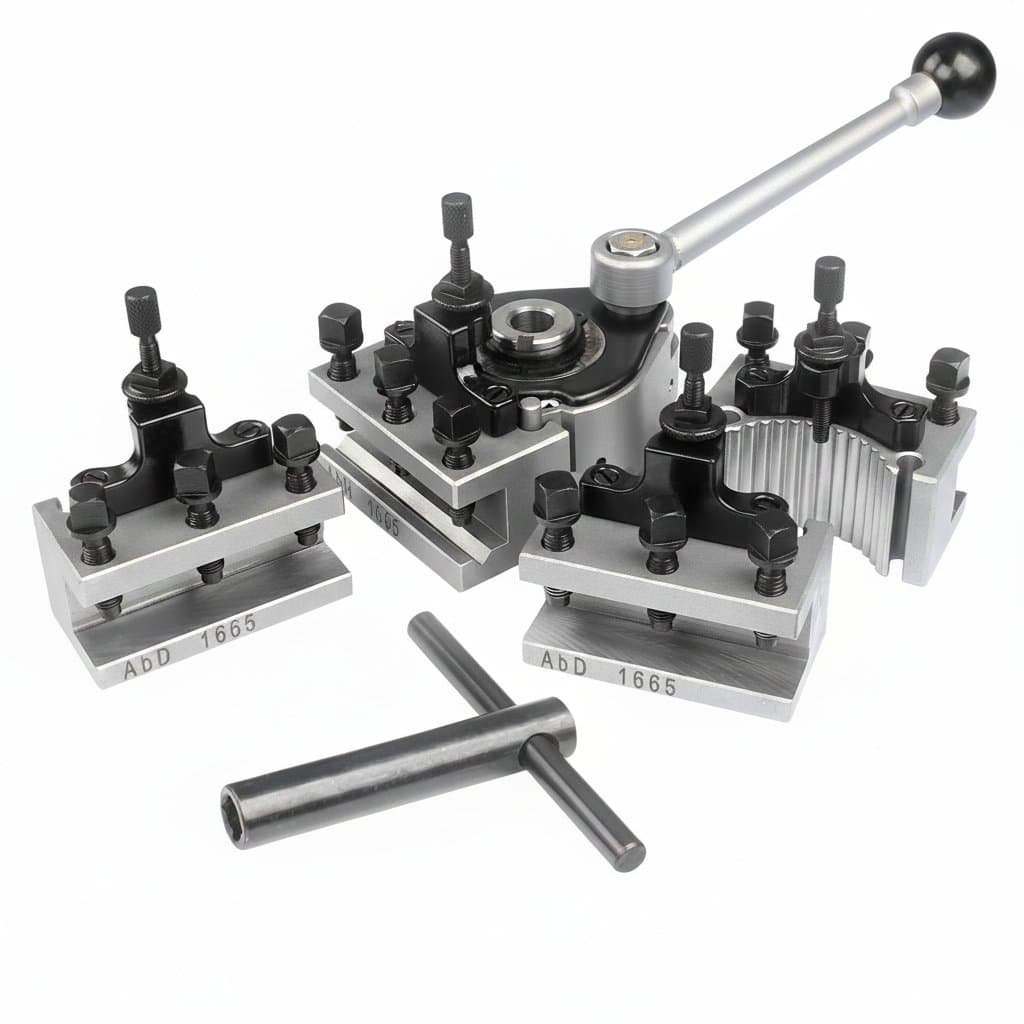
A quick-change tool post lets a tool be swapped and returned to the same height in seconds, which on a manual lathe is the single biggest saving of time and frustration. The post is sized to the swing of the machine, so check the range a set is rated for rather than assuming it will fit.
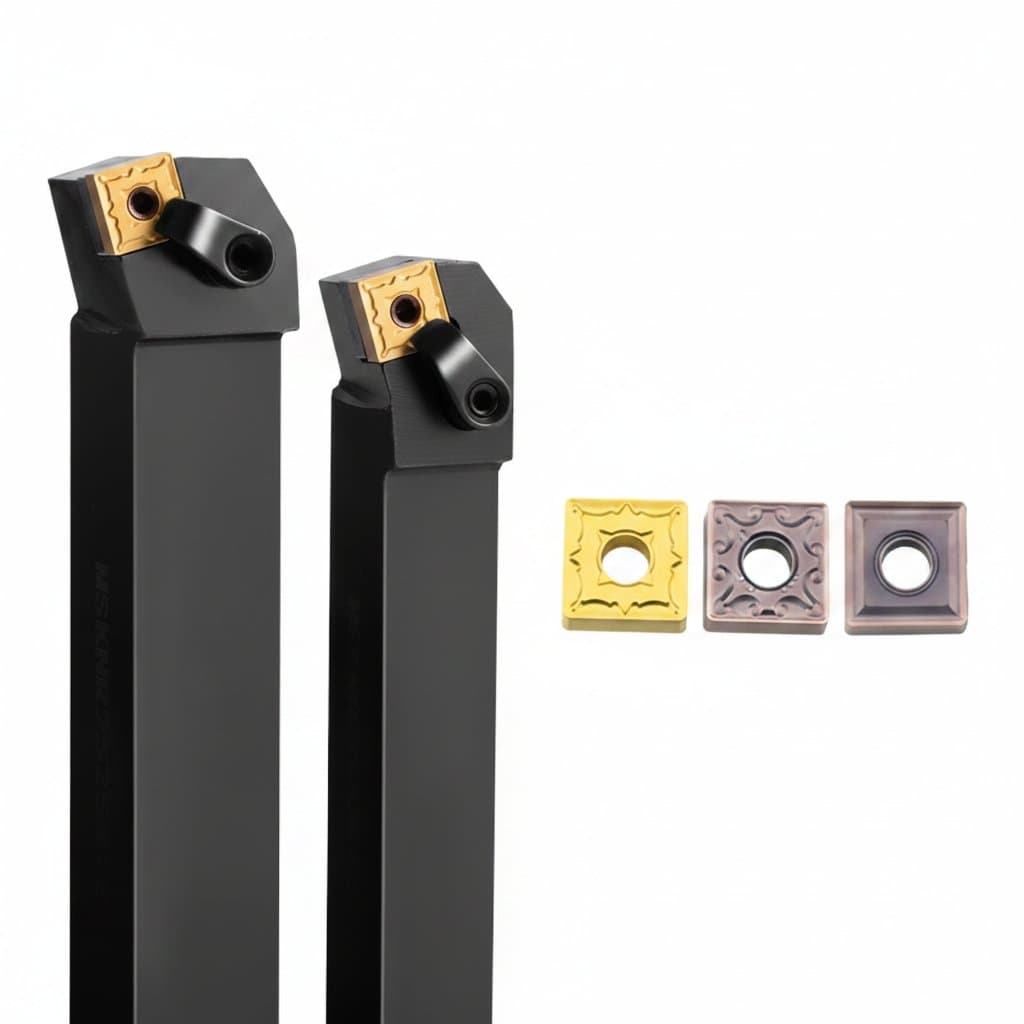
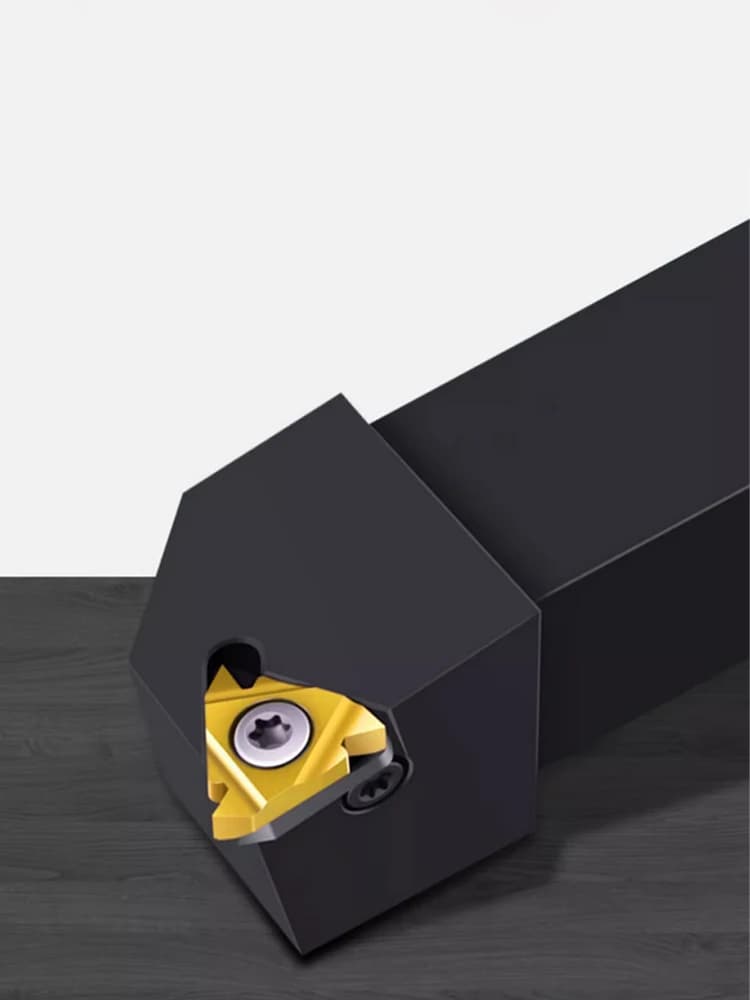
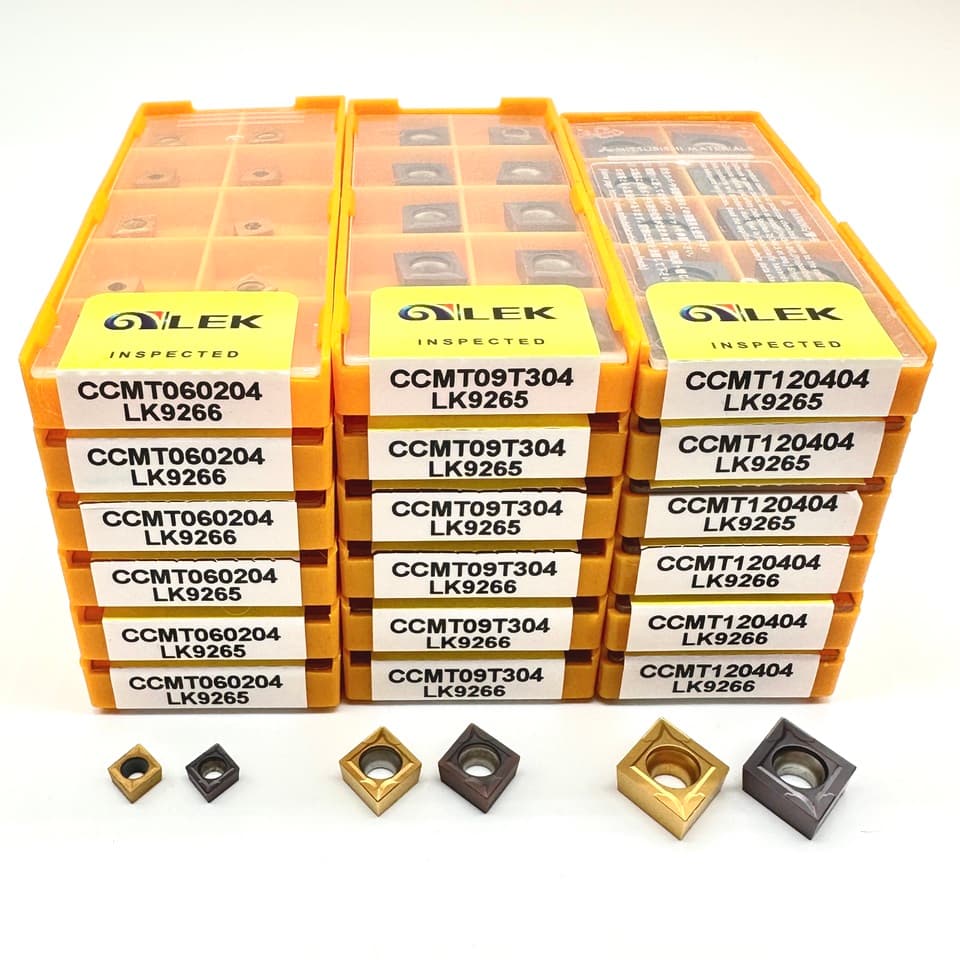
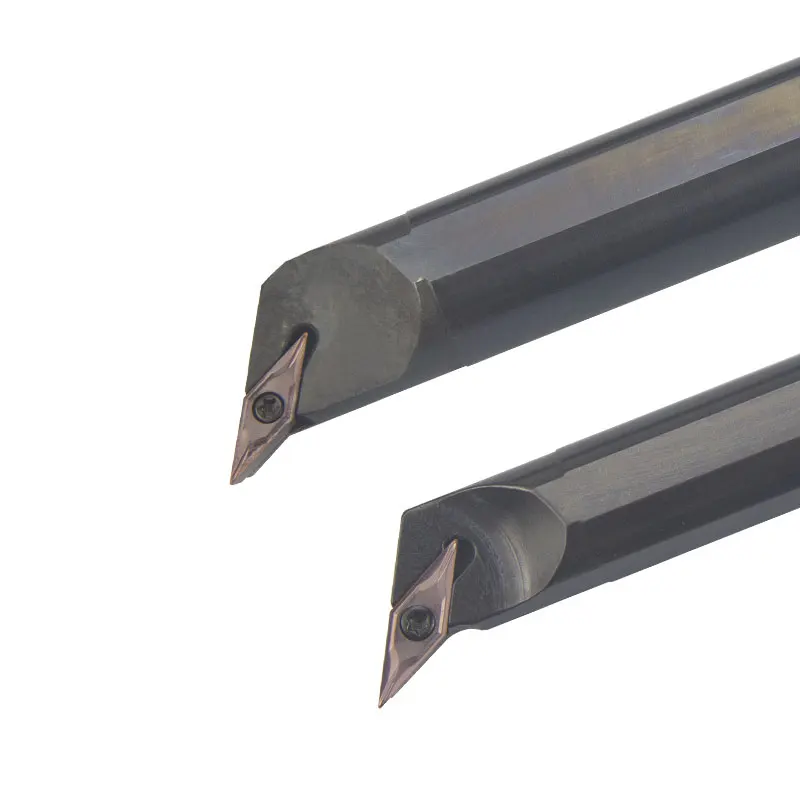
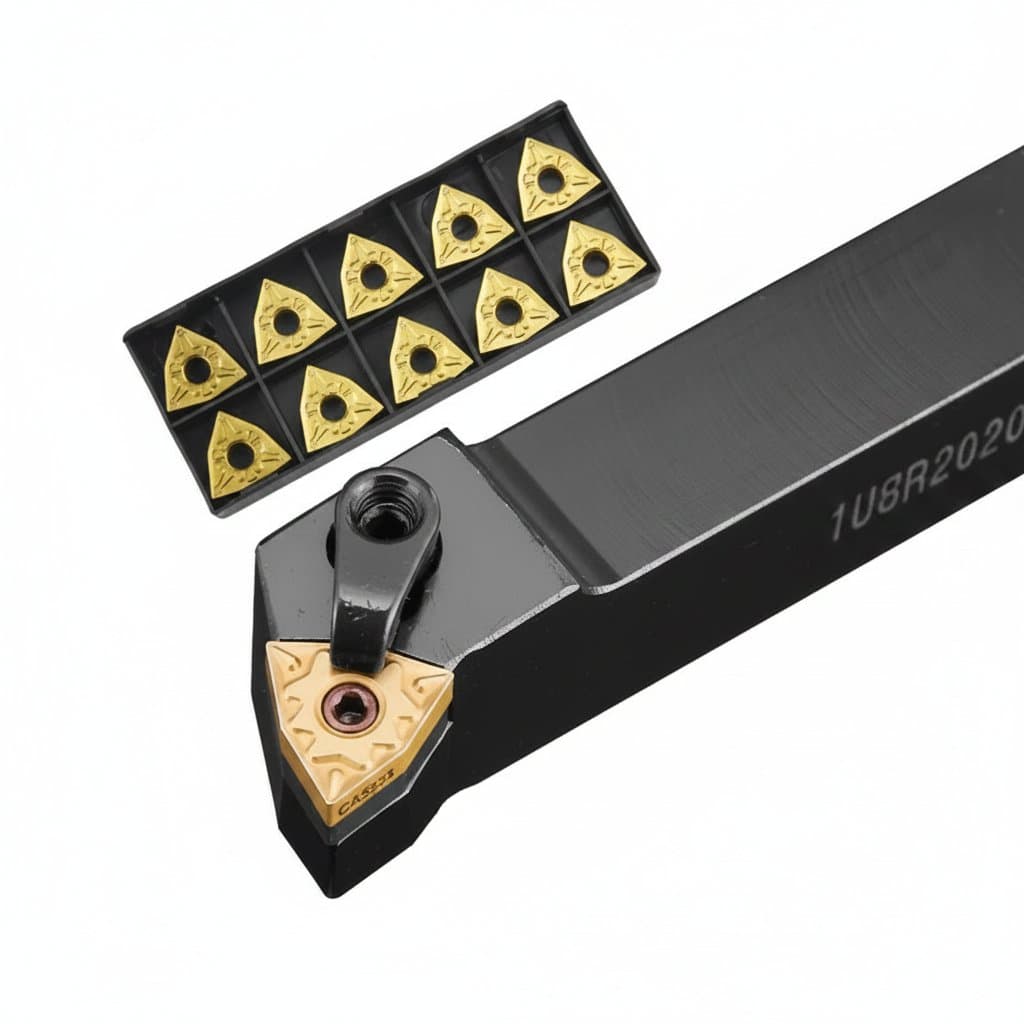
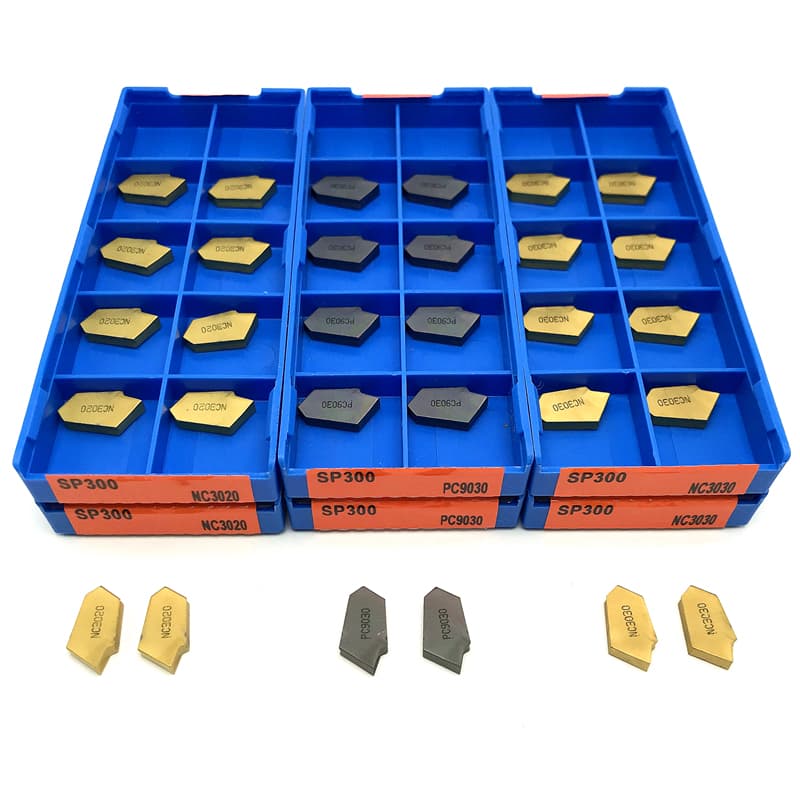
Insert holders carry an ISO code that describes the geometry: the letters give the clamping method, the insert shape and the approach angle, and the suffix R or L gives the hand. Holders and inserts have to agree, so an MSKNR holder takes an SNMG-style insert and nothing else. Buying inserts without checking the holder code is the most common way to end up with a drawer of parts that do not fit each other.
Runout, balance and cleanliness
Runout is how far the tool wanders off the spindle axis as it turns, and it goes directly into hole size and surface finish. It also loads one flute more than the others, so a cutter in a holder with poor runout wears unevenly and dies early. On anything precise, a holder with a low quoted runout at the gauge line earns its price back in tooling life alone.
Above a few thousand rpm balance matters too, and an unbalanced holder puts a rotating load into the spindle bearings. The unglamorous part is cleanliness: a single chip or a film of coolant between the taper and the spindle bore will do more damage to accuracy than a difference in holder grade. Wipe both faces every time.