

BSP and NPT are not interchangeable
British Standard Pipe taper and American National Pipe Taper differ in thread angle and in pitch. BSP uses a 55 degree included angle, NPT uses 60, and the threads per inch differ at most sizes. Two pipes of nominally the same size in the two standards will start to screw together and will not seal, because the flanks never make continuous contact.
It matters more than it sounds because a joint that feels tight can still weep under pressure, and the leak appears days later. Buy the die set that matches the standard your pipework uses, keep the two apart if you own both, and check what a machine ships with rather than assuming.
Cutting oil is not optional
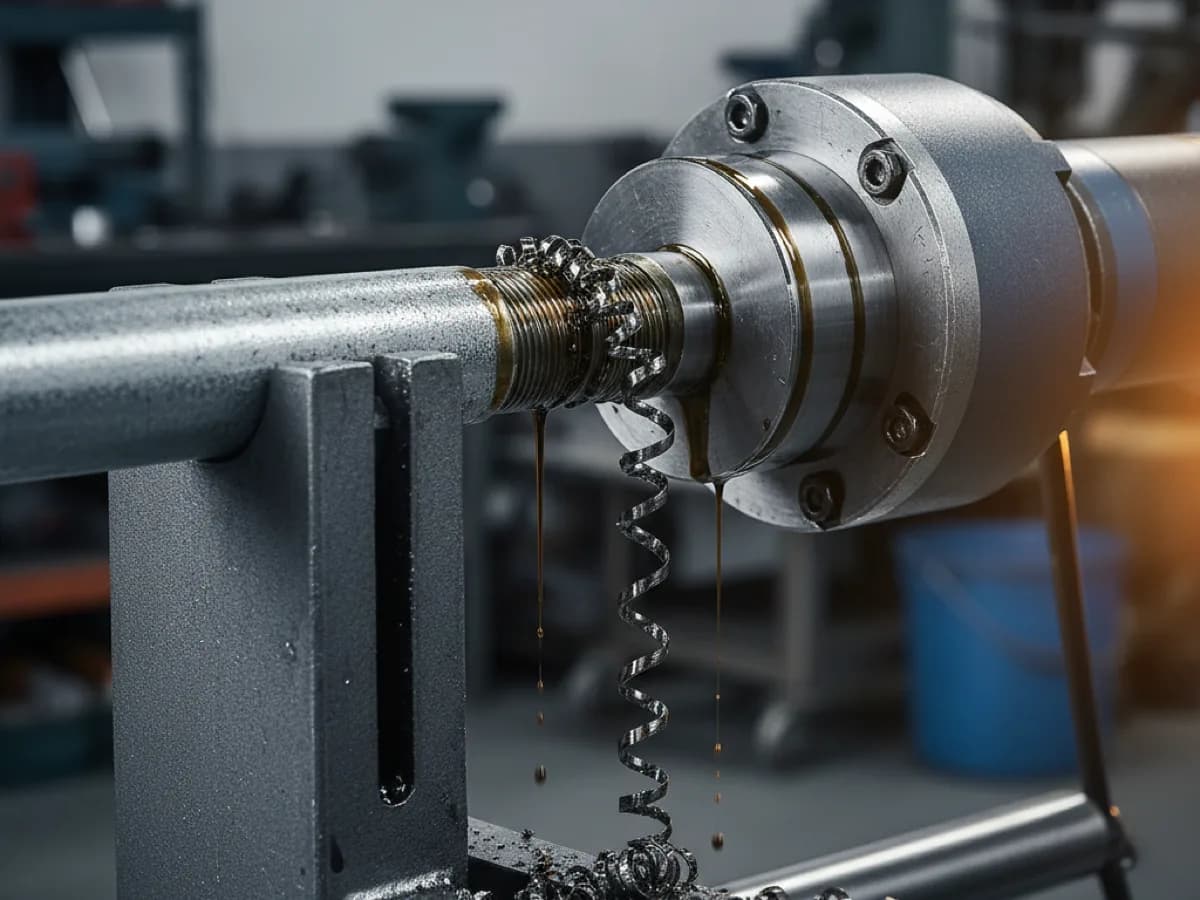
Threading oil does two jobs: it carries heat away from the die and it flushes the swarf out of the cut. Run a die dry and the thread tears rather than cuts, leaving a rough torn flank that will not seal, and the die itself work-hardens and blunts in a fraction of its normal life.
Use proper threading oil rather than whatever is on the bench. Engine oil is too thin and burns, and cutting fluid intended for machining is formulated for a different job. Flood the cut from the start, keep flooding it through the whole thread, and clean the swarf off the dies before the next cut rather than letting it pack into the flutes.
Capacity, dies and what a machine actually covers
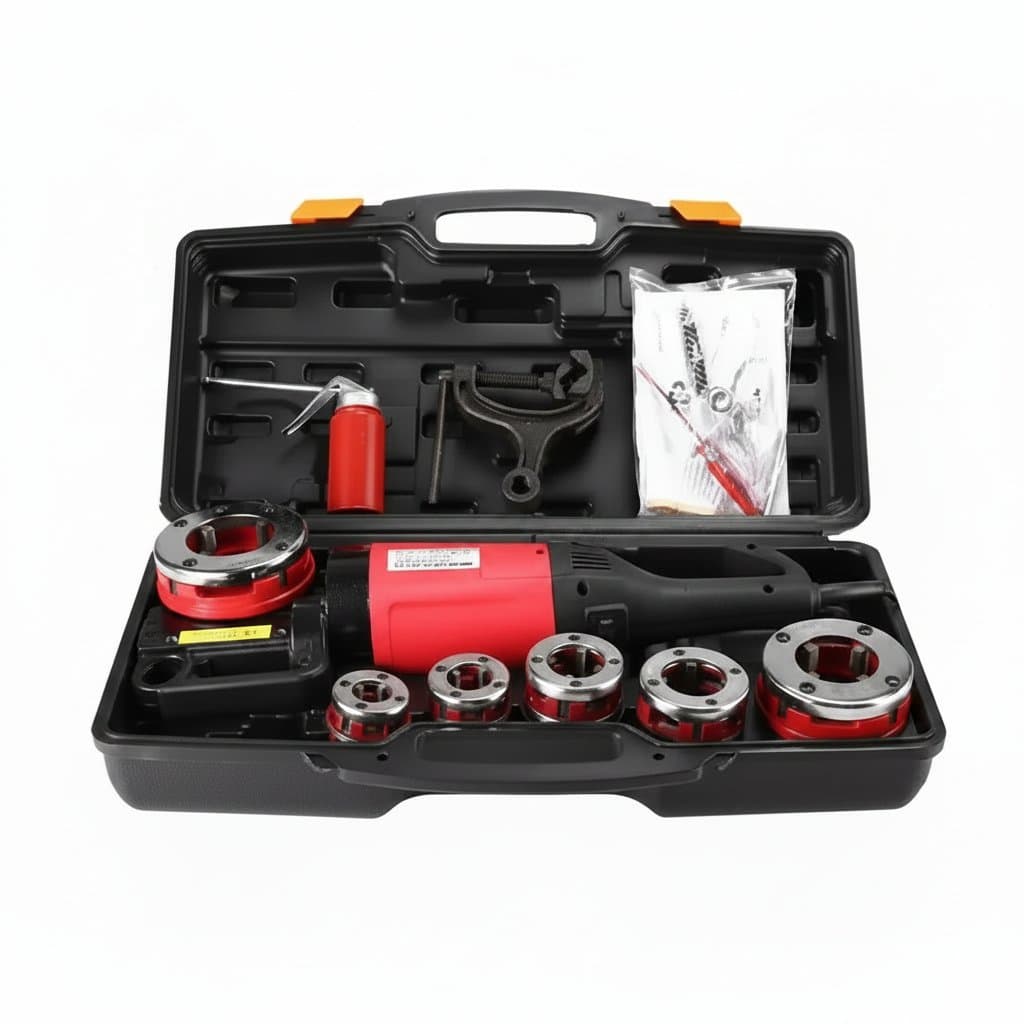
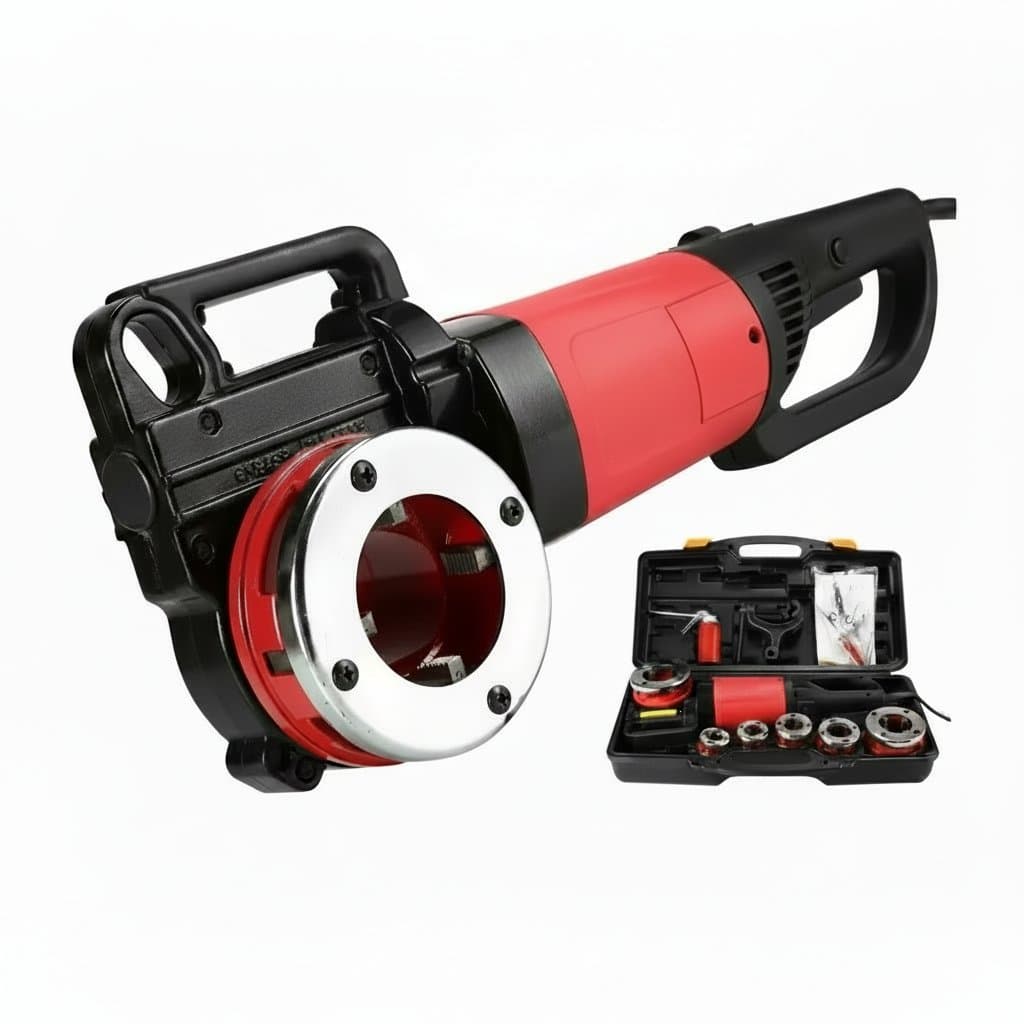
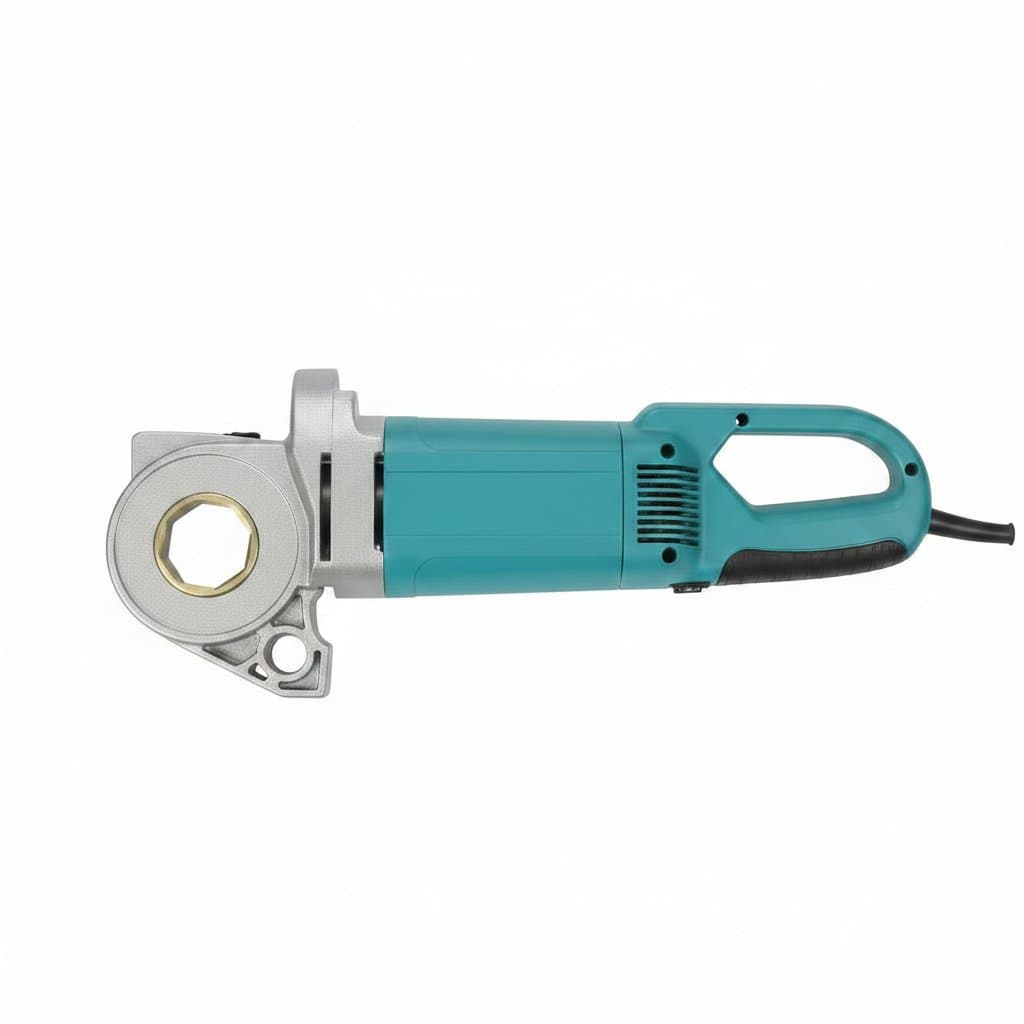
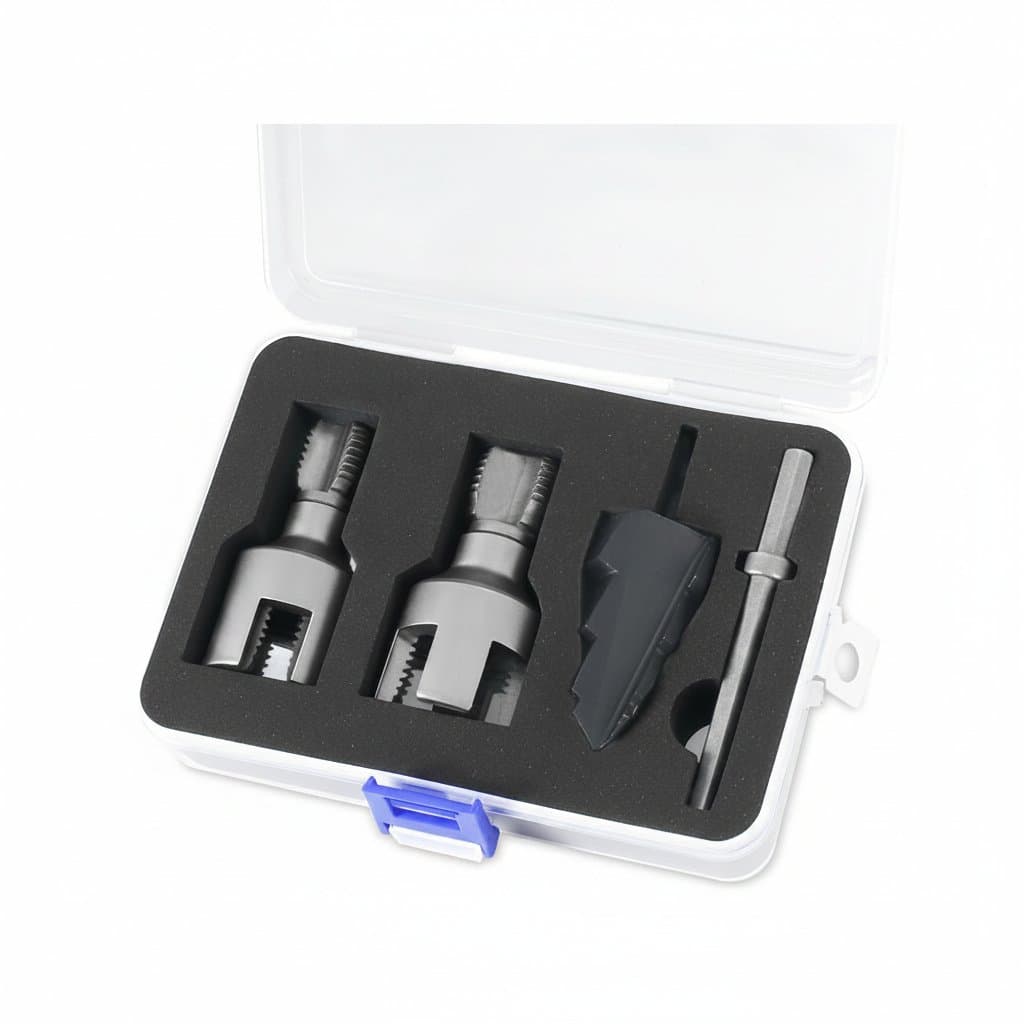
Machines are rated by the largest pipe they will thread, and handheld units typically cover half inch to two inch, which is most plumbing, gas and conduit work. The rating assumes the right die head is fitted, and a machine sold as two inch capacity with only a small die set is a small-capacity machine until you buy the rest.
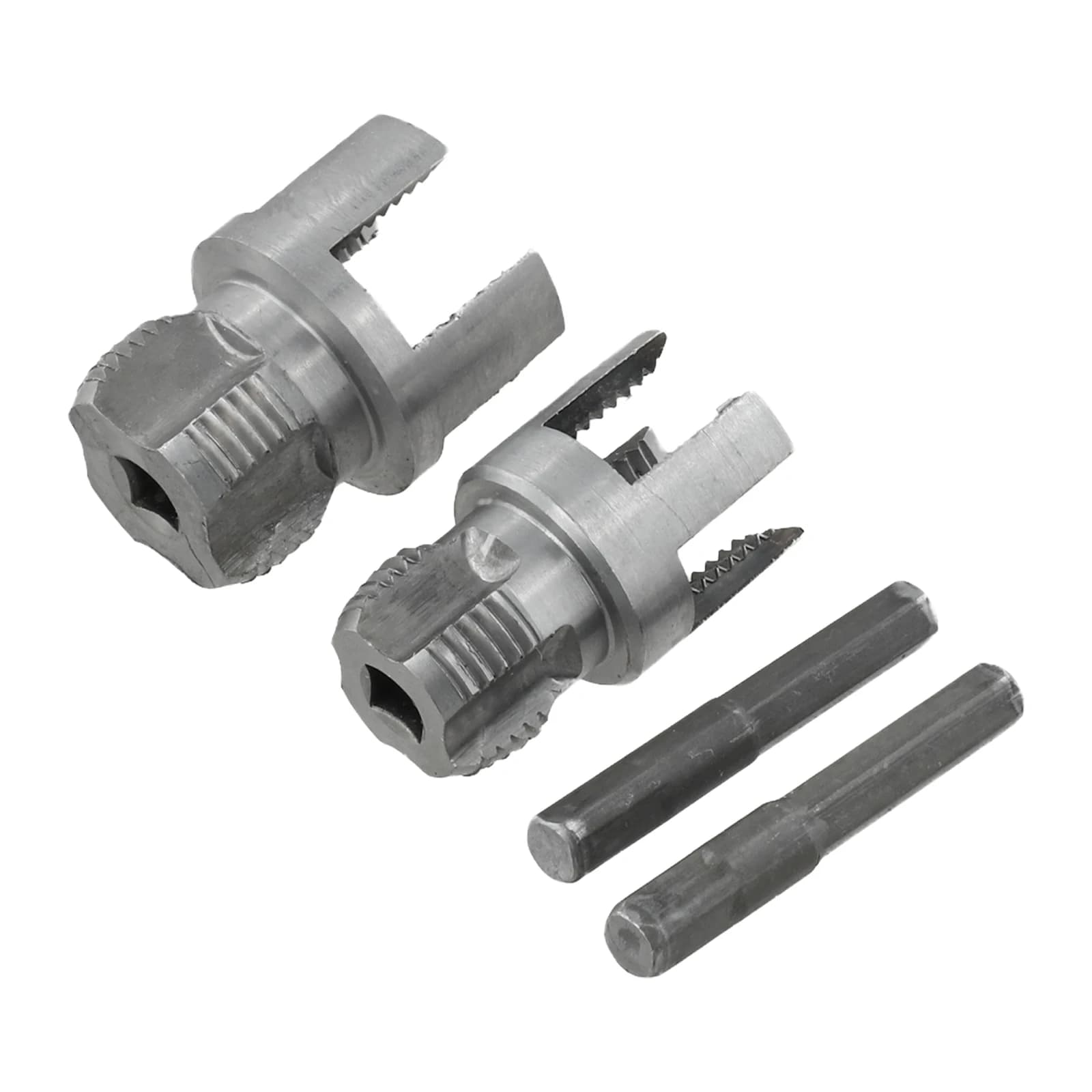
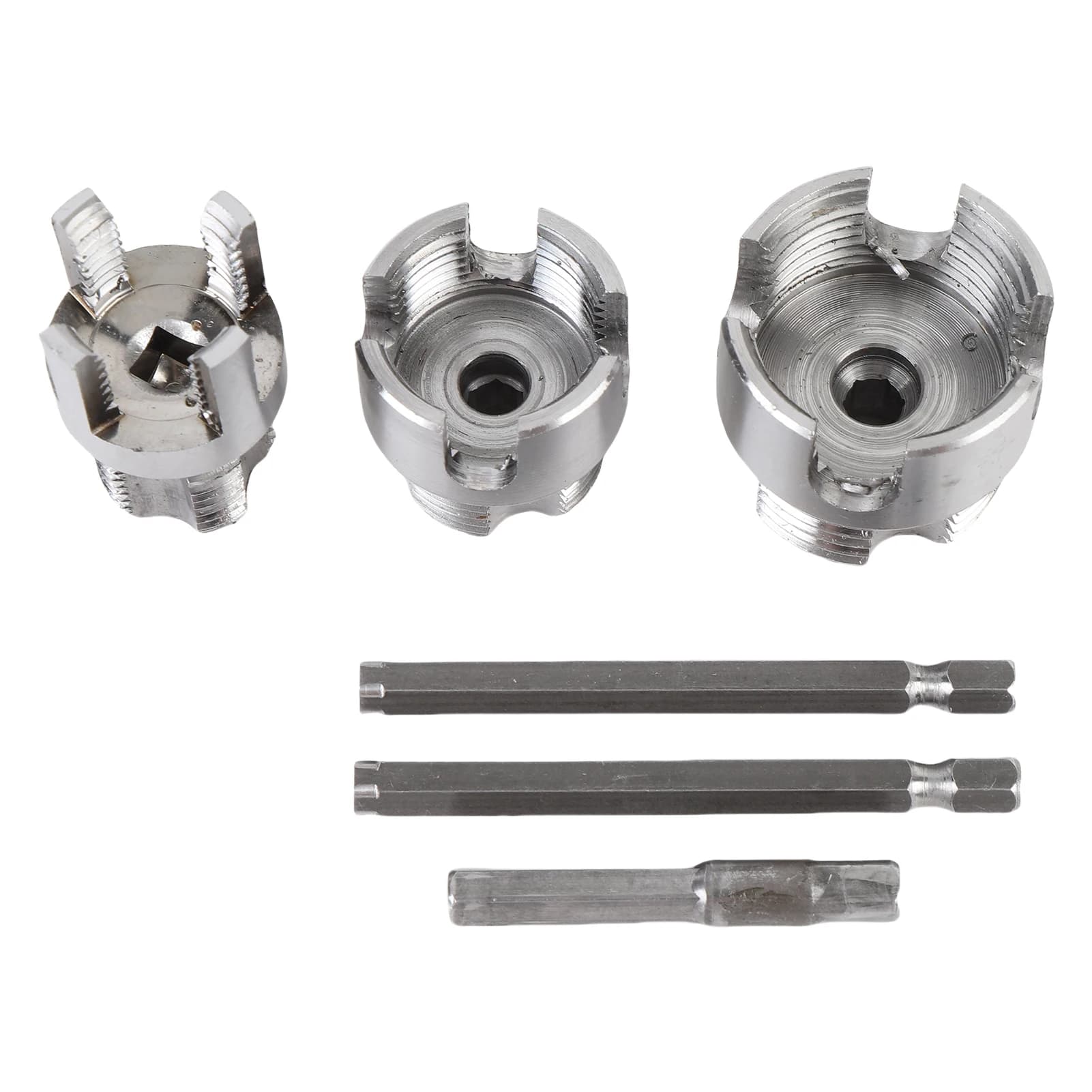
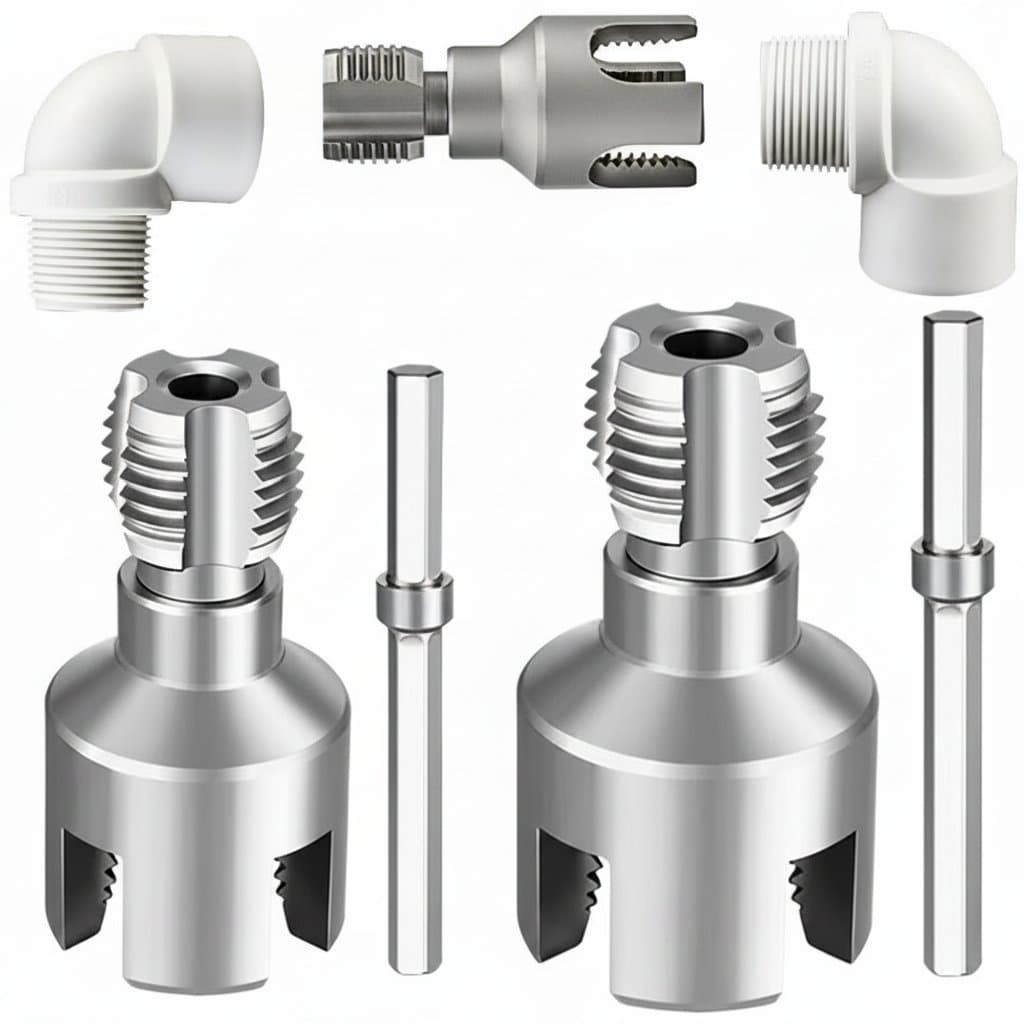
Dies are the wear part and they are directional and size-specific. A worn die produces a thread that gauges correctly but has a poor finish, which again shows up as a slow weep rather than an obvious failure. Check the die set that comes with a machine against the sizes on the job before buying.
| Work | Typical capacity | Form |
|---|---|---|
| Domestic plumbing and gas | 1/2 to 1 1/4 inch | Handheld powered or ratchet stocks and dies |
| Commercial services and conduit | 1/2 to 2 inch | Handheld powered with a full die set |
| Fabrication and repeat work | 1/2 to 2 inch and above | Bench or stand-mounted machine |
| Occasional single joints | Any | Ratchet stocks are cheap and perfectly adequate |
Cut, thread, ream, in that order
Cutting pipe with a wheel cutter rolls a burr inwards at the bore. Left there it restricts flow, creates turbulence and on water systems gives corrosion somewhere to start. Reaming that burr out takes seconds and is the step most often skipped, usually because the reamer is on the other machine.
Get the thread length right as well. Too short and the fitting bottoms before it seals; too long and the fitting runs on past the taper and never tightens. Most machines have a length stop set for the standard, and the sanity check is that a fitting should go on two or three turns by hand before a wrench is needed.