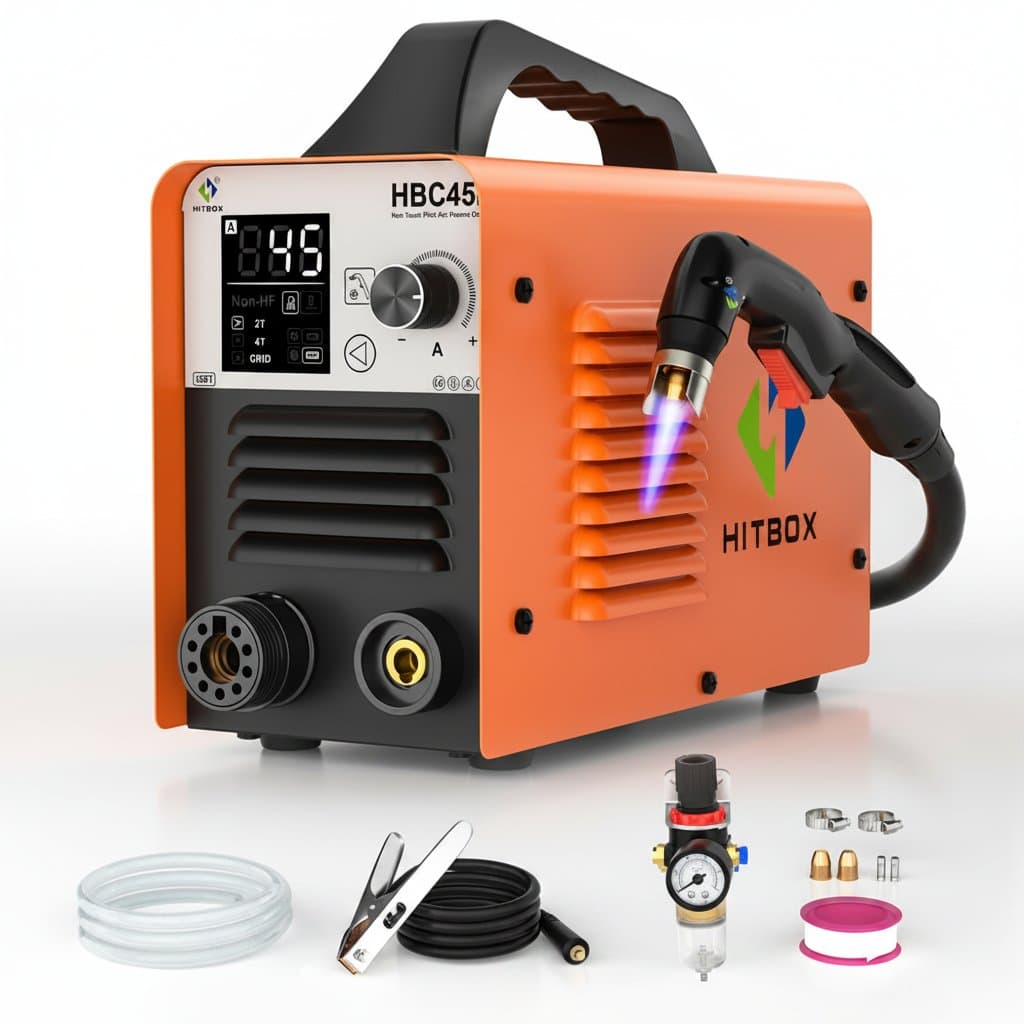
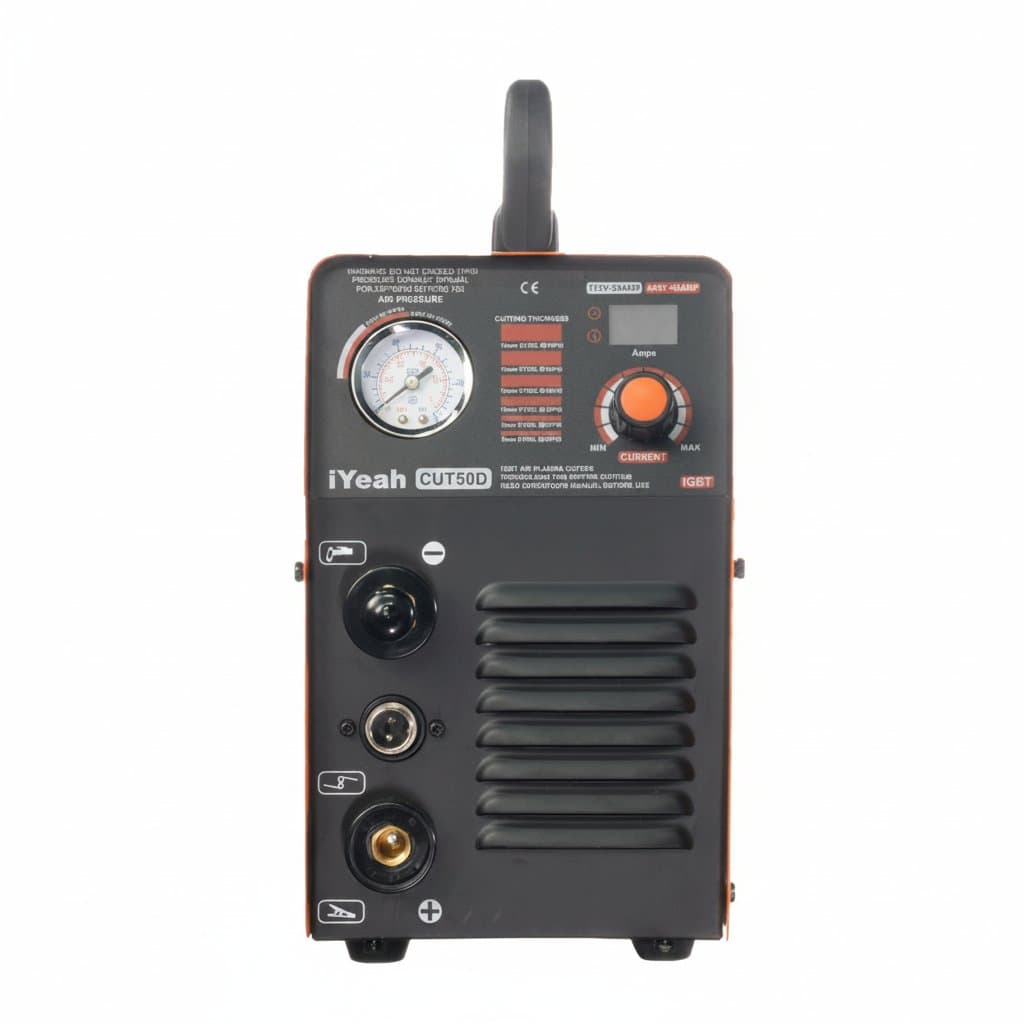
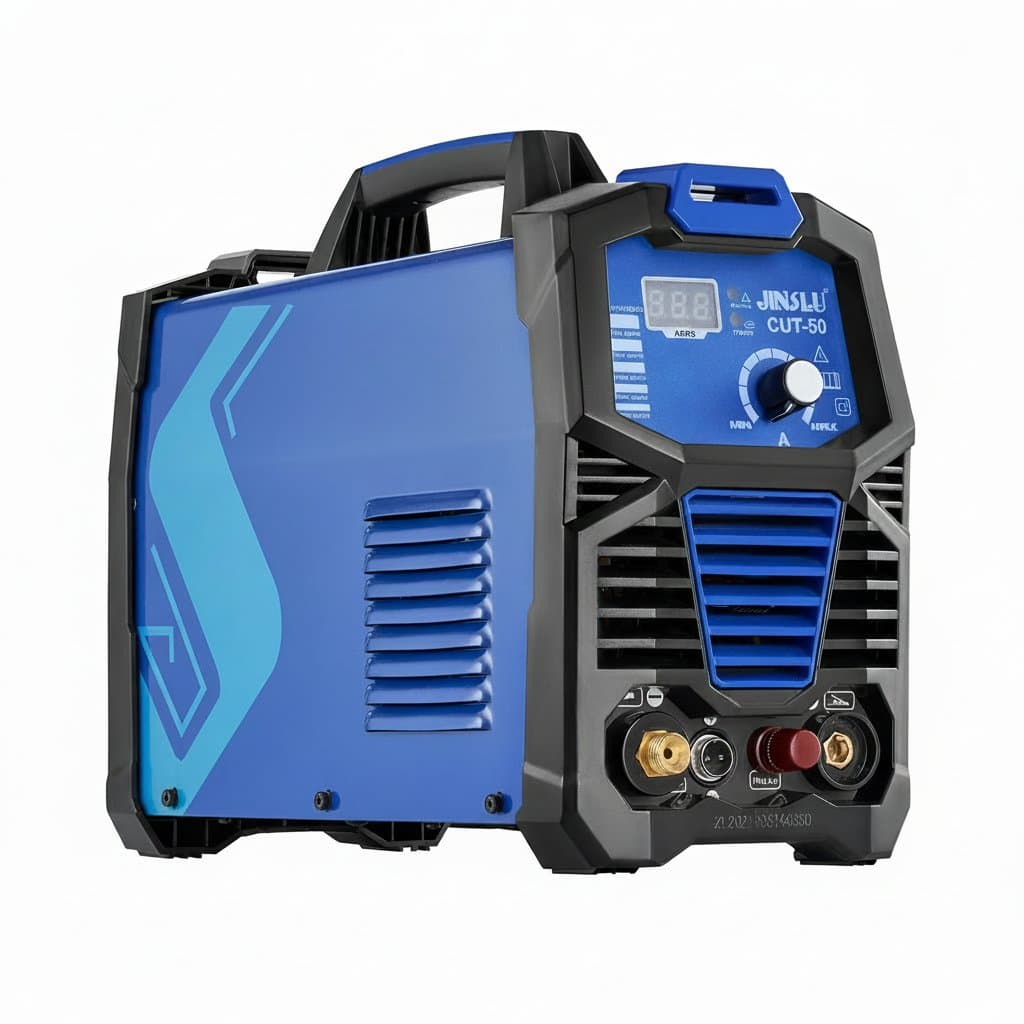
Rated cut, sever cut and the number on the box
Manufacturers quote several thicknesses and they mean different things. The rated or quality cut is the thickness the machine cuts cleanly at a sensible speed, leaving an edge you can weld or fabricate from without dressing it back.
The sever cut is the thickest material the arc will get through at all, slowly, leaving a rough and heavily dross covered edge. It is typically well above the rated figure, and it is the number that tends to appear in advertising.
Judge a machine on the rated cut for the material you actually work with, and note that aluminium and stainless cut differently from mild steel at the same amperage. If a specification quotes only one thickness without saying which it is, assume it is the optimistic one.
| Figure | Means | Use it for |
|---|---|---|
| Rated or quality cut | Clean edge at working speed | Choosing the machine |
| Sever cut | Thickest it will get through at all | Occasional emergency only |
| Duty cycle | Arc time per ten minutes at rated current | Judging sustained work |
| Air requirement | Flow and pressure the torch needs | Sizing the compressor |
Dry air decides what your consumables cost
Plasma torches use compressed air as both the plasma gas and the cooling medium, and they are unforgiving about what is in it. Moisture and oil carried over from the compressor arrive in the torch, where they destroy electrodes and nozzles far faster than cutting does.
The symptom is consumables that last hours instead of days, an arc that wanders, and cuts that angle away from vertical. People replace the torch and the machine before they think about the air, and the air was the problem the whole time.
The fix is a filter and a dryer between compressor and machine, positioned so the air has cooled and the water has condensed before it reaches them. A coalescing filter and a desiccant stage is the standard arrangement, and it pays for itself quickly in consumables alone.
Consumables, pilot arc and starting
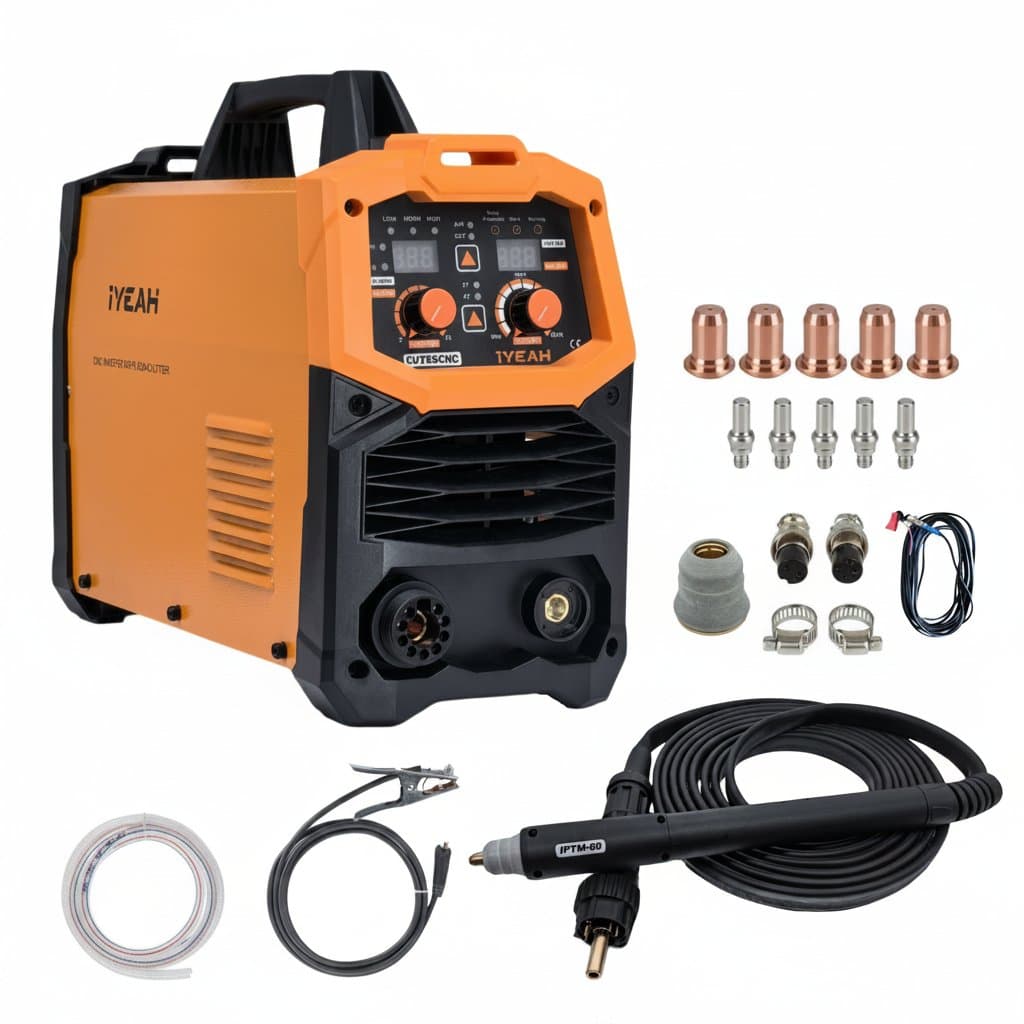
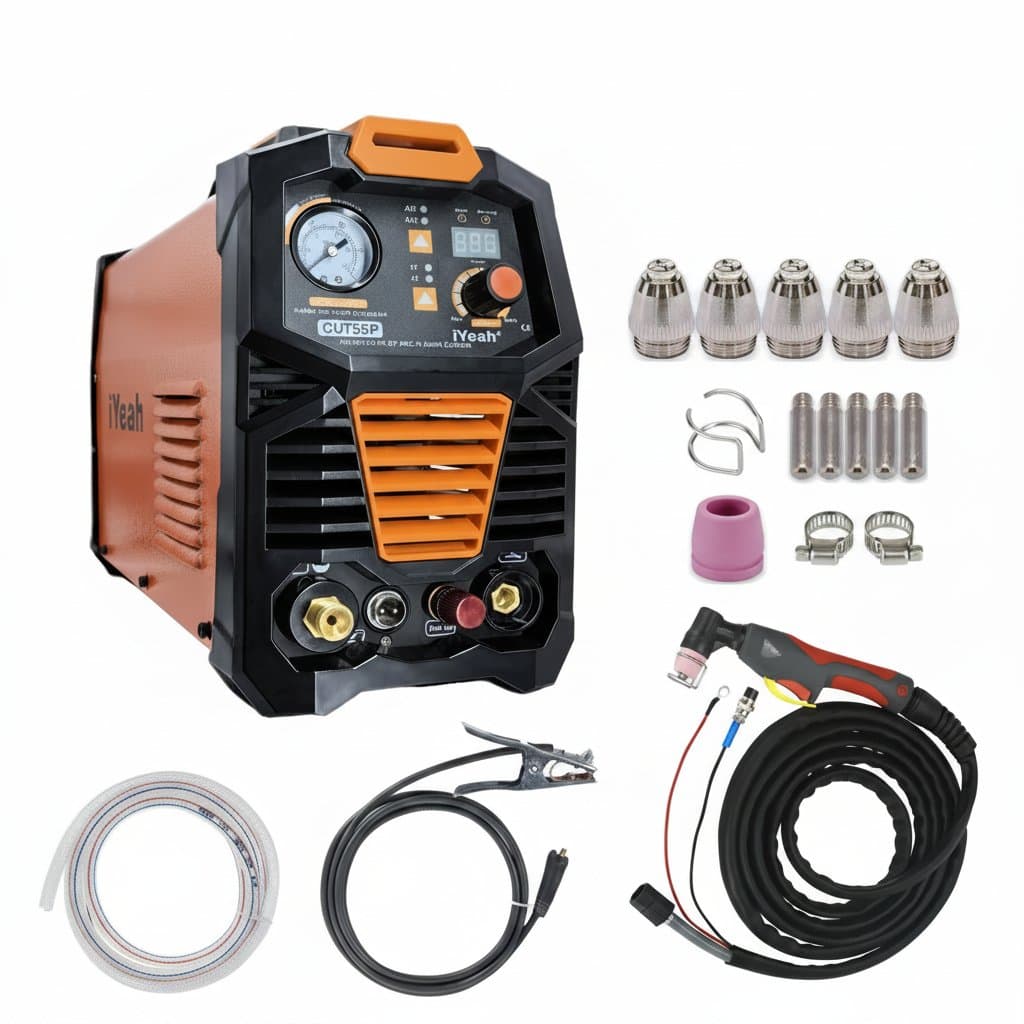
The torch consumables are an electrode, a swirl ring, a nozzle and a shield, and they wear as a set. As the nozzle orifice erodes the kerf widens and the cut angles, so a machine that cut squarely last week and now leans is usually telling you the nozzle is finished rather than that the settings are wrong.
A pilot arc strikes plasma before the torch touches the work, which lets it start on painted, rusty or coated metal and keeps cutting across gaps. That last part matters for expanded metal and grating, where a machine without a pilot arc keeps extinguishing every time the arc crosses a hole.
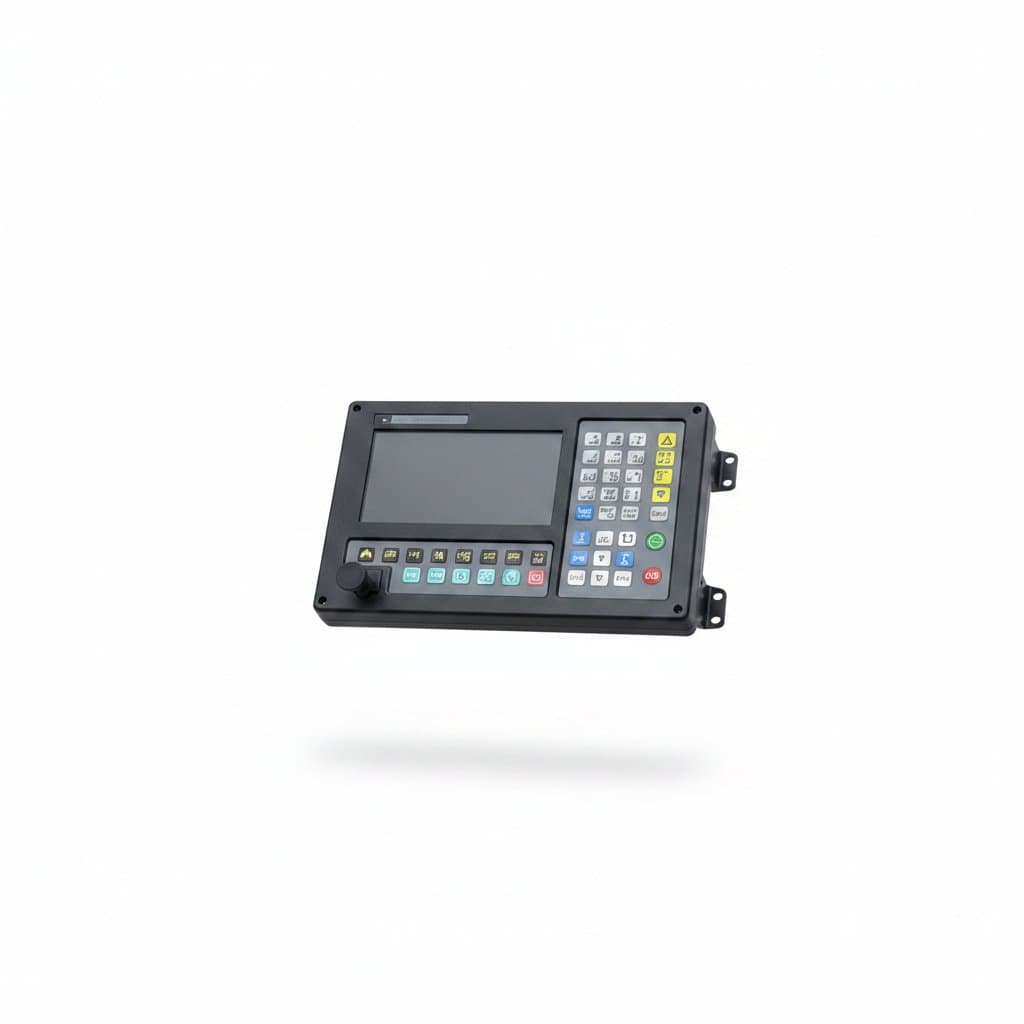
How the arc starts matters if the machine will go on a CNC table. High frequency starting radiates interference that upsets nearby electronics and motion controllers, while blowback or contact starting does not. For automated cutting, look for a machine specified as suitable for it.
CNC tables and torch height control
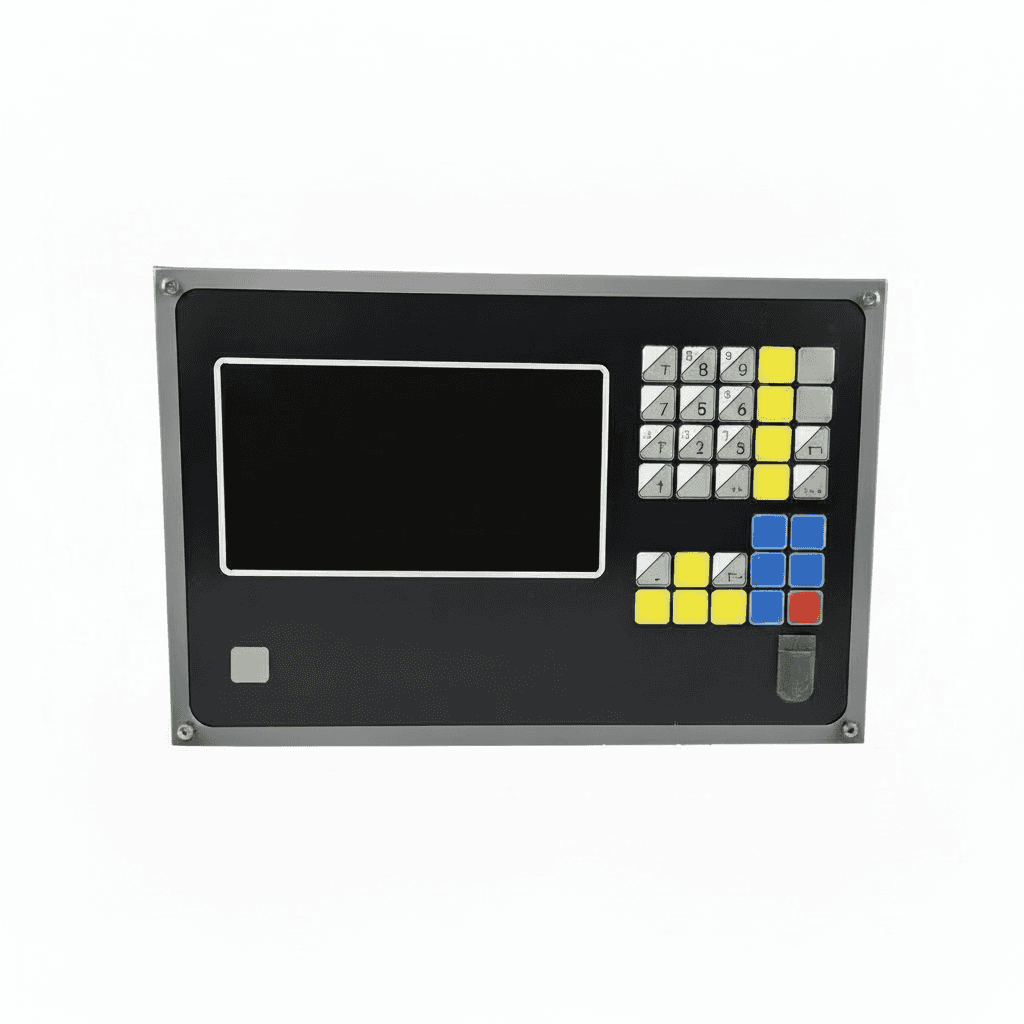
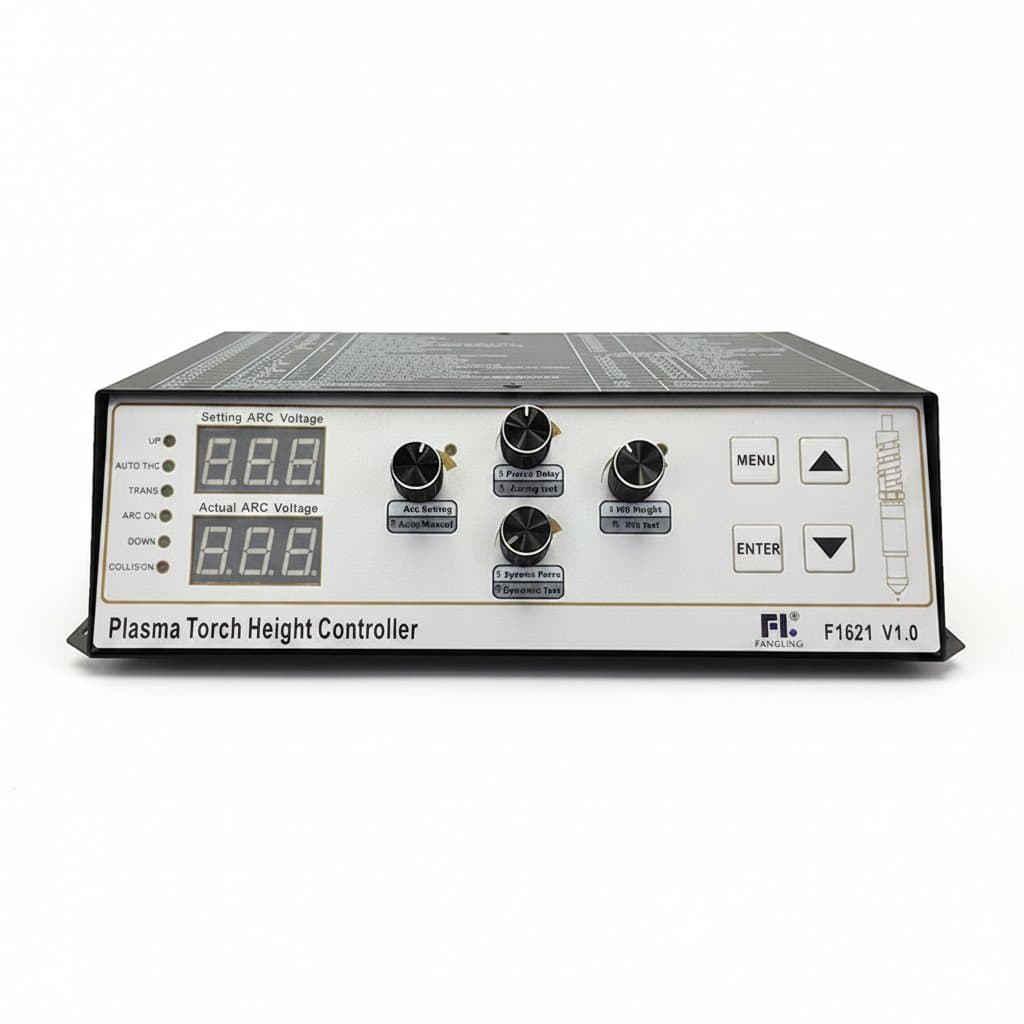
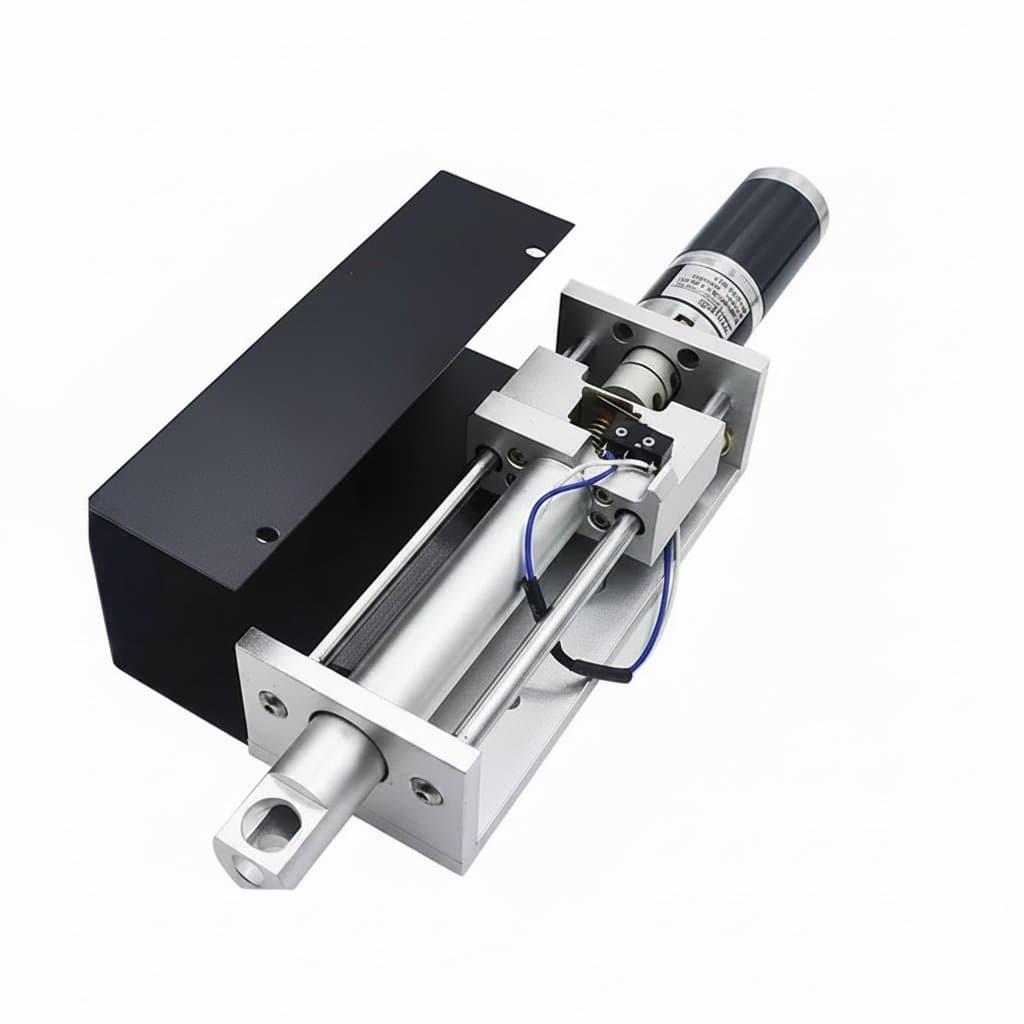
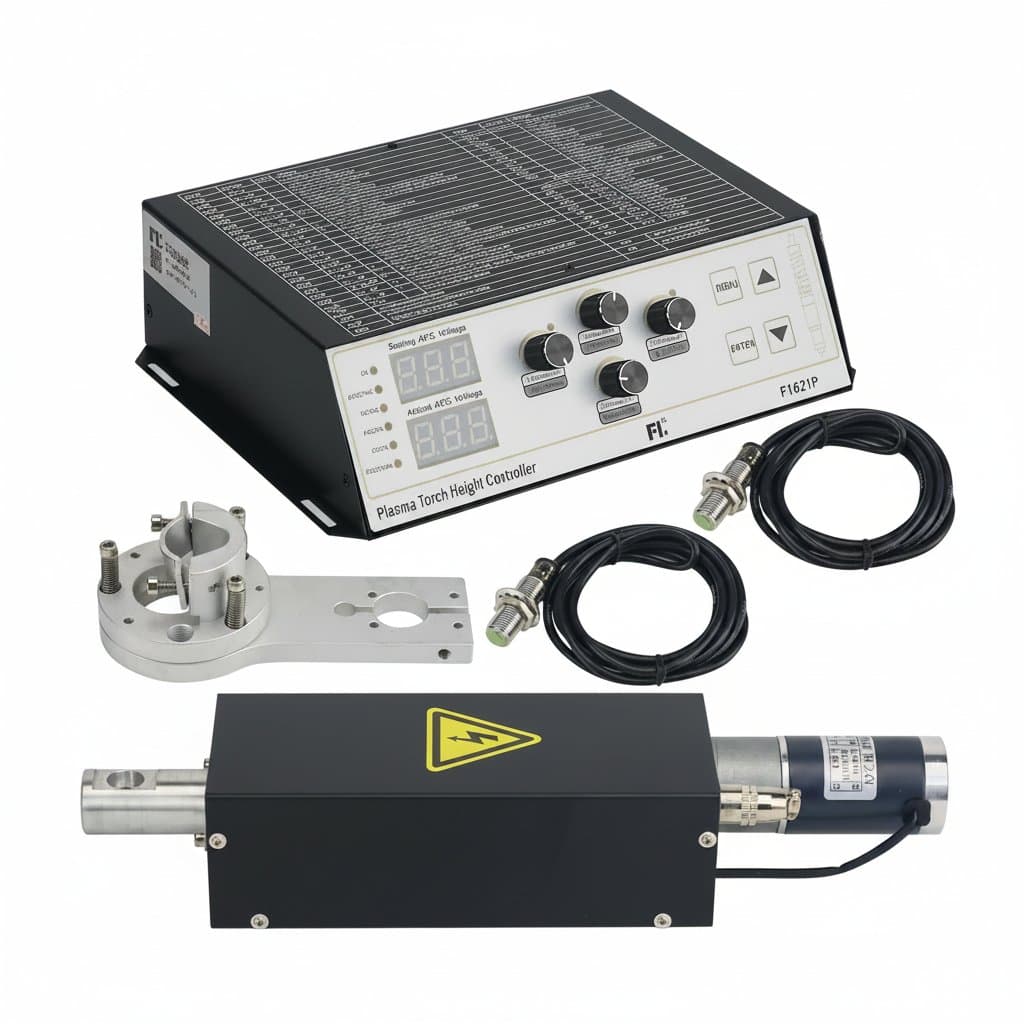
On a CNC table the distance between torch and plate governs cut quality, and steel plate is never flat. It arrives with a bow, and it moves as it heats during the cut, so a torch driven at a fixed height will be too close at one end of the sheet and too far at the other.
Torch height control solves this by sensing the arc voltage, which varies with standoff, and adjusting the height continuously. It is the difference between a table that produces consistent parts and one that produces good cuts in the middle of the sheet only.
Two practical considerations complete the picture. Fume extraction or a water table is necessary rather than optional, because plasma cutting produces a lot of metal fume, particularly on galvanised or coated material. And plasma generates strong electromagnetic fields, so anyone with an implanted medical device should stay well clear of the machine while it is cutting.