


Why compressed air needs treating at all
A compressor takes in ordinary air and squeezes it, and everything that was in that air comes along concentrated. Atmospheric moisture condenses out as the air cools in the receiver and the pipework, so what arrives at the tool is wet. Piston compressors add a fine oil mist past the rings, and older steel pipework contributes rust and scale.
Water rusts tools from the inside, washes lubricant out of air motors and ruins a paint finish instantly. Scale wears vanes and jams valves. None of this is visible at the coupling, which is why air treatment is skipped on so many installations and why the tools on those installations wear out early.
Filter, regulator, lubricator, in that order
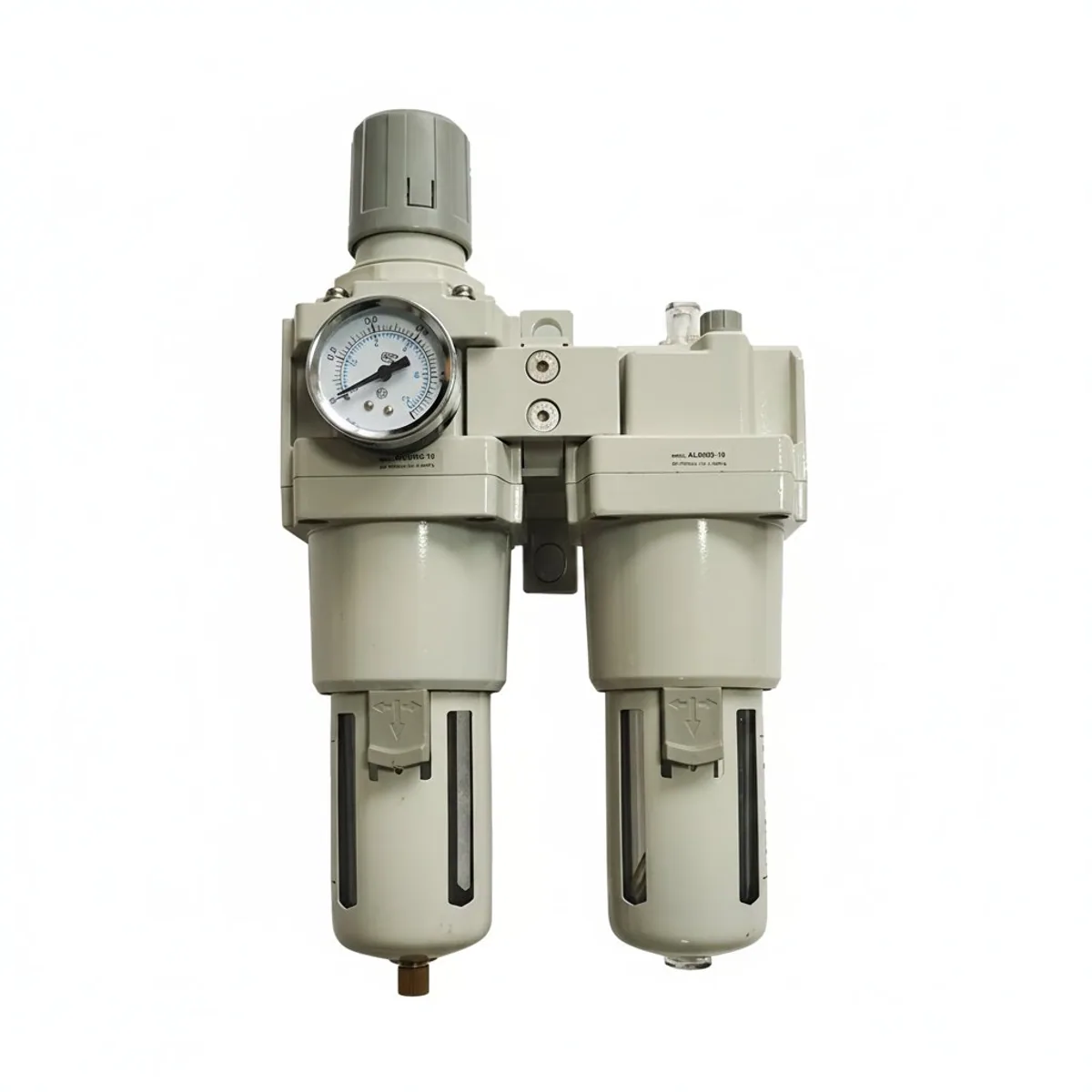
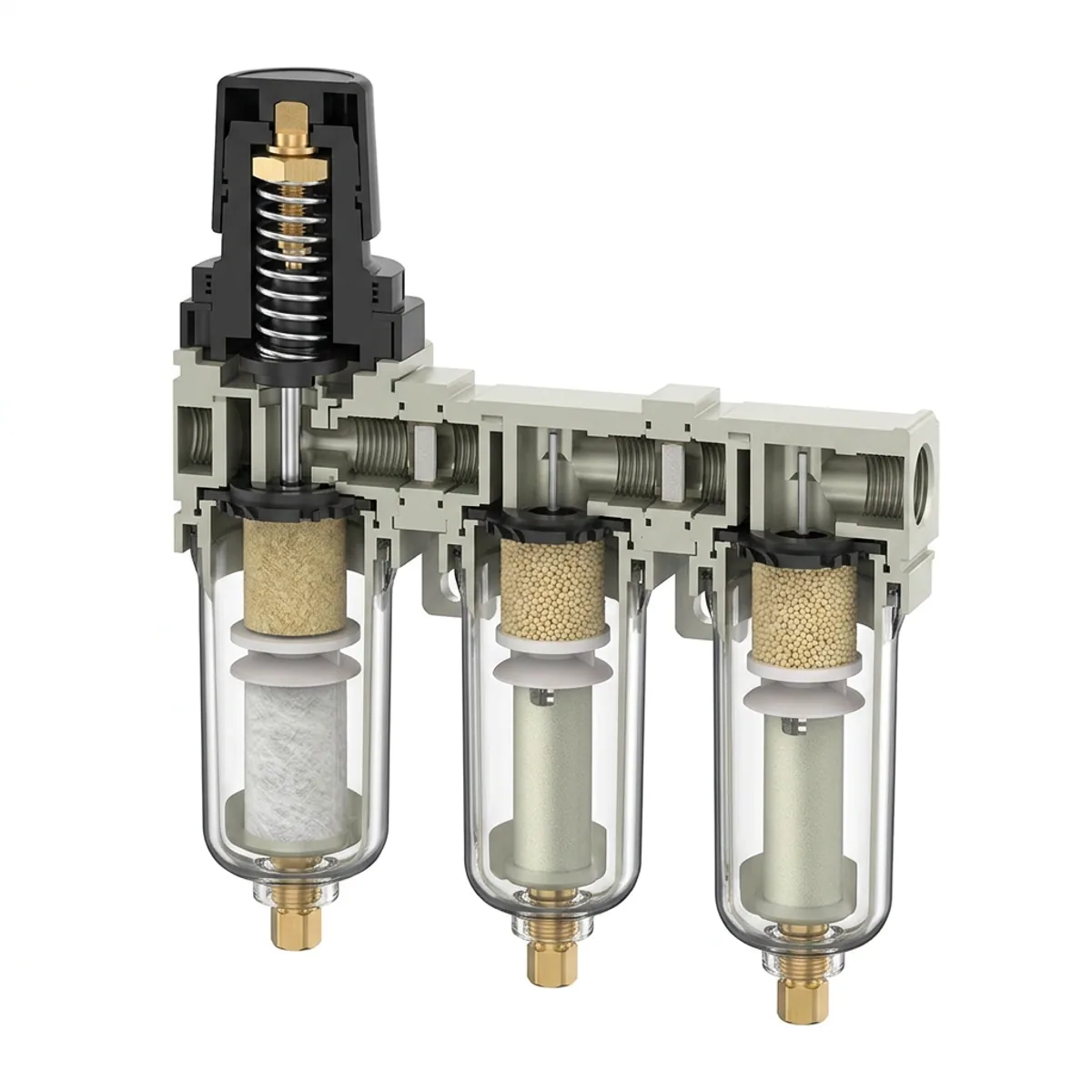
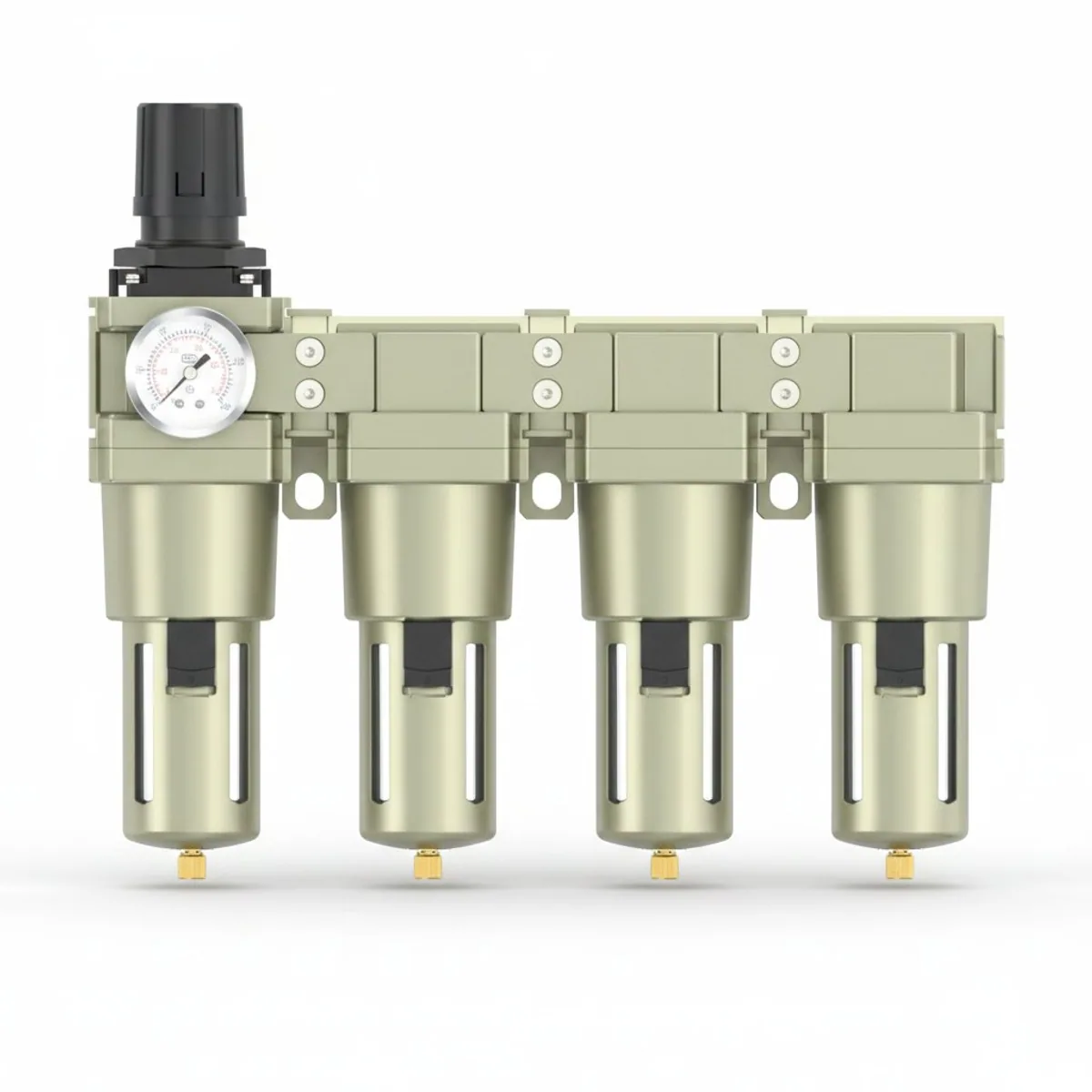
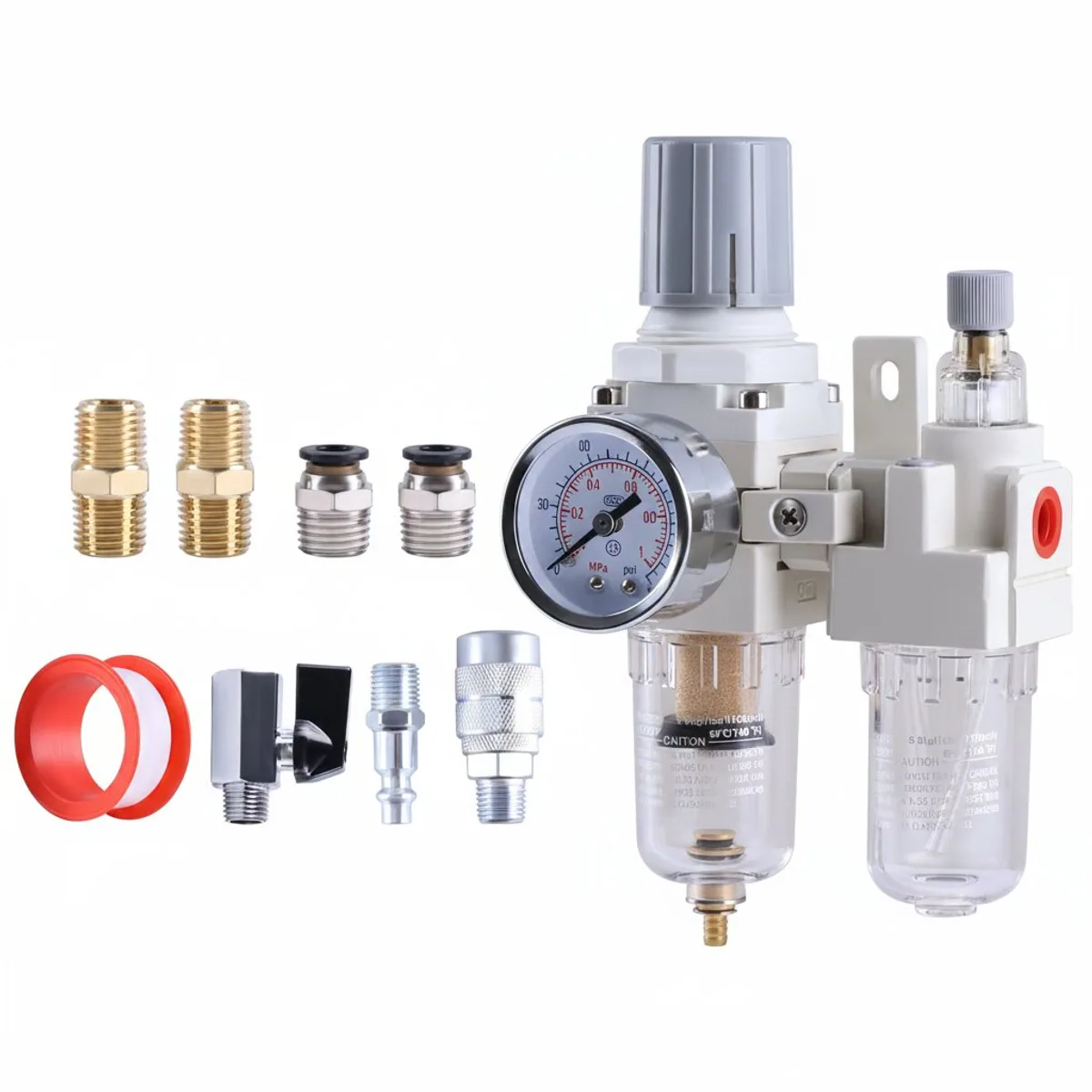
An FRL is three devices on one manifold and the sequence is not arbitrary. The filter goes first so that everything downstream sees clean air, including the regulator seat, which will not hold a stable pressure if grit keeps landing on it. The regulator goes second and sets the working pressure. The lubricator goes last so its oil mist is not immediately stripped out by the filter.
The lubricator is the part to leave off more often than people do. Air motors and older percussive tools want oil in the line. Modern tools with sealed bearings do not, spray equipment must never see it, and anything feeding a food or paint process must be oil-free. Fitting a lubricator to a line that also feeds a spray gun is a common and expensive mistake.
| Grade | Typical rating | Removes | Use for |
|---|---|---|---|
| General purpose | About 40 micron | Bulk water, scale, coarse particulate | Impact wrenches, general workshop air |
| Fine | About 5 micron | Finer particulate and more water | Air tools with close tolerances, gauges |
| Coalescing | Sub-micron | Oil aerosol and fine mist | Spray finishing, instrumentation, breathing-adjacent |
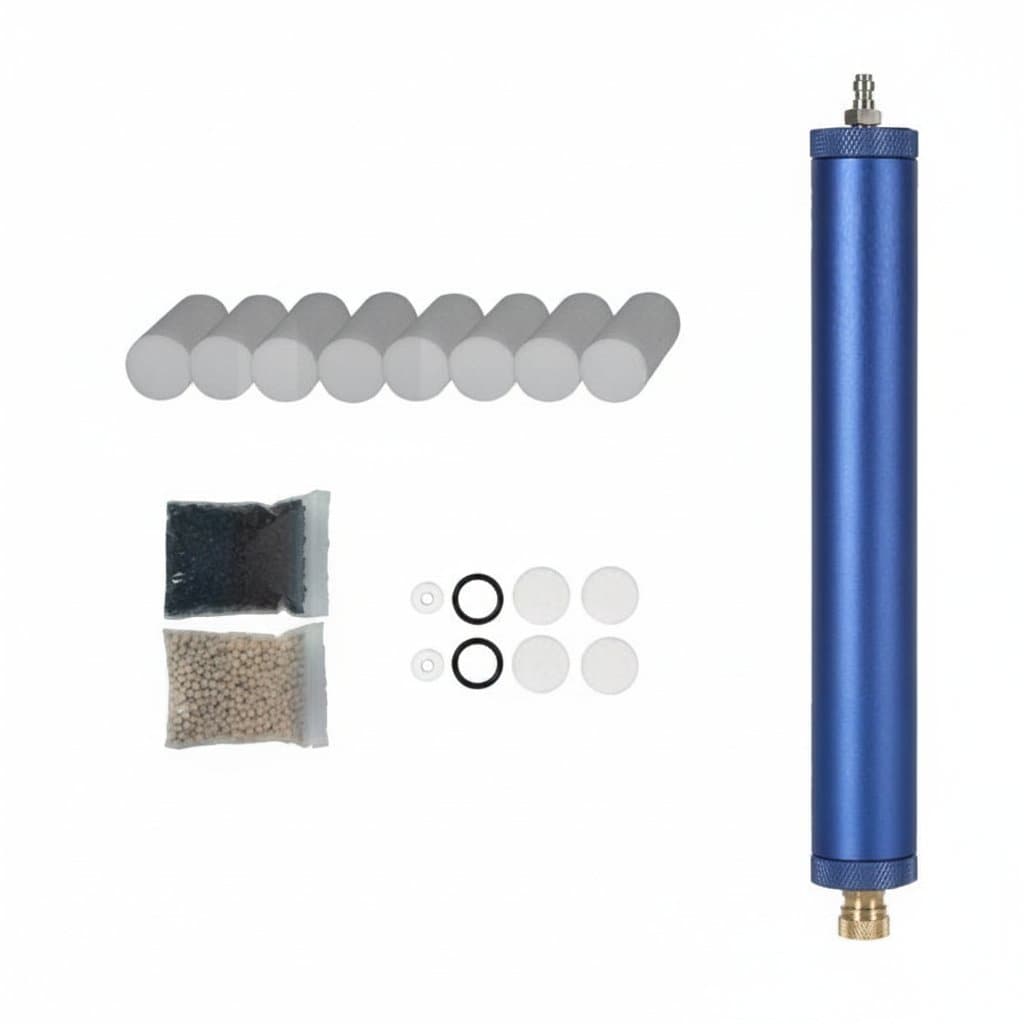
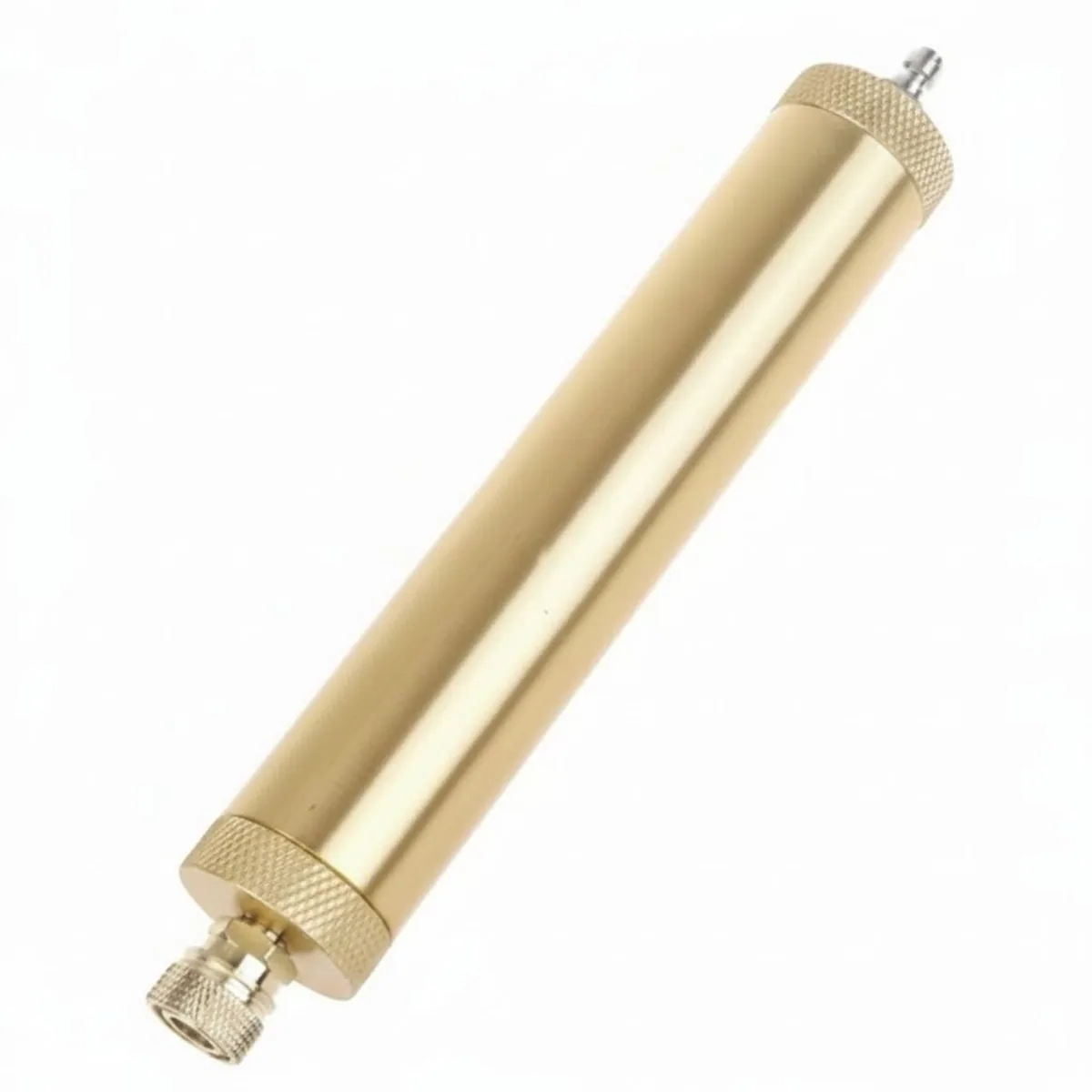
| Desiccant dryer | Moisture by adsorption | Water vapour itself, not just droplets | Where genuinely dry air is required |
The bowl is a safety item, not a window
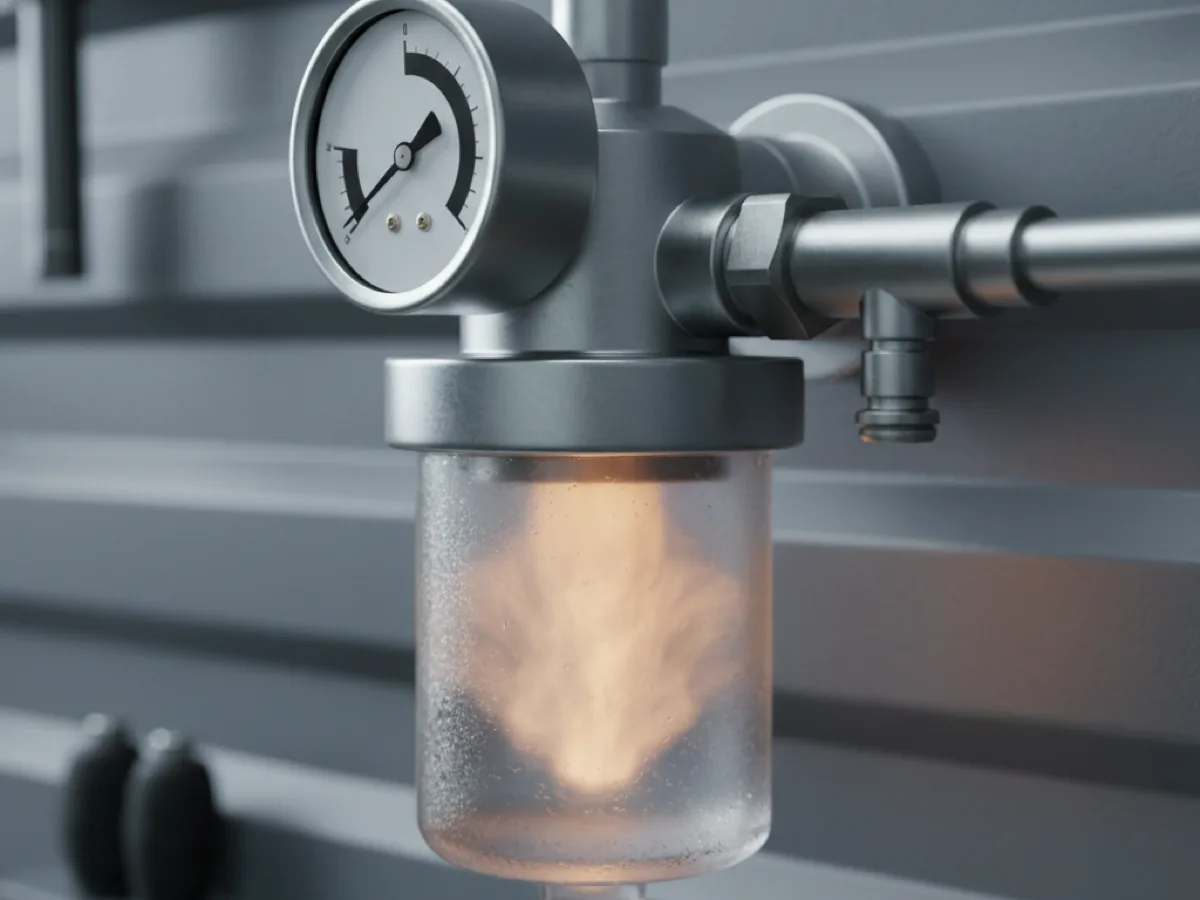
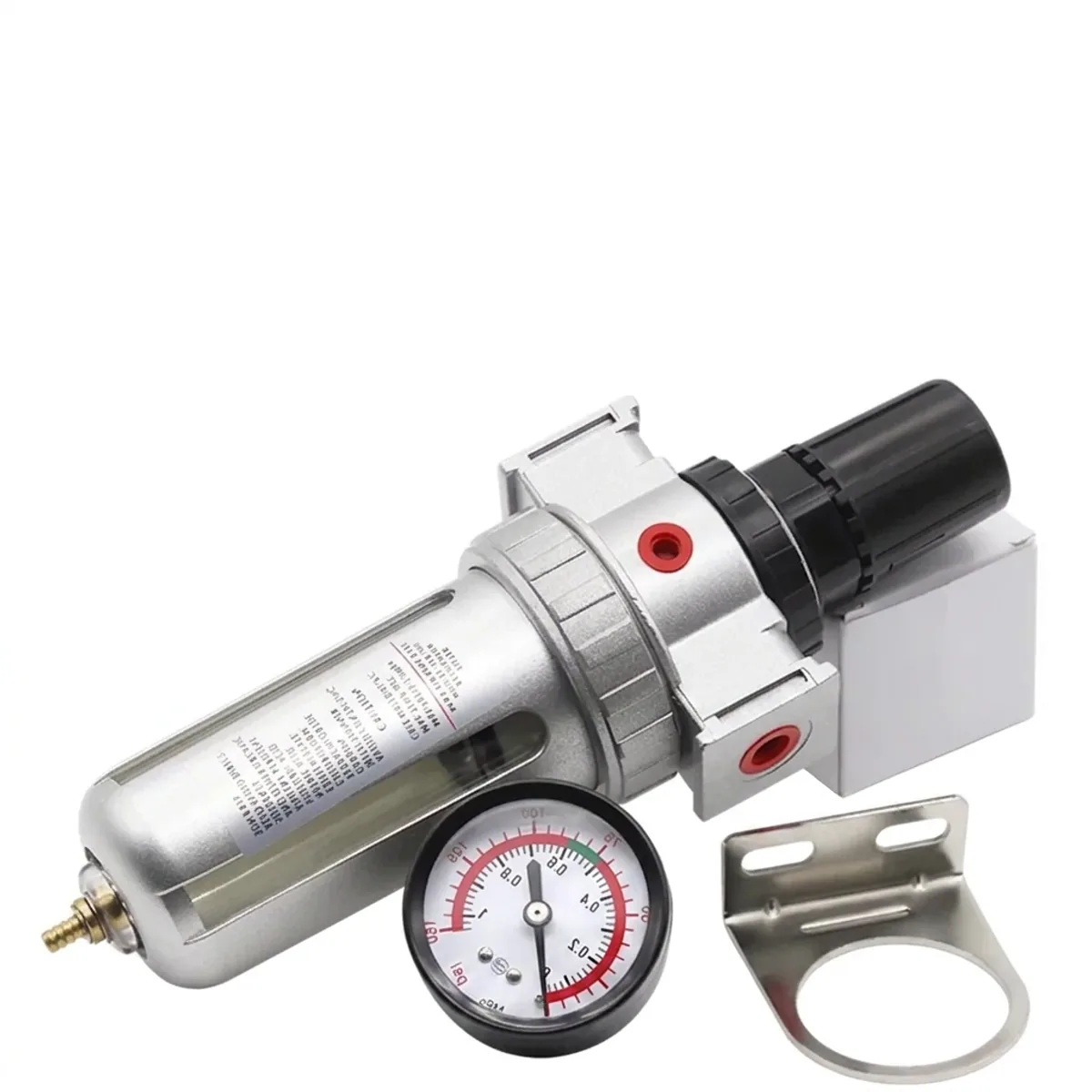
Most bowls are polycarbonate because it is clear, cheap and tough. It is also attacked by solvents, by some synthetic compressor oils and by many cleaning agents, and the damage is crazing that is easy to miss. A crazed bowl under pressure can fail, which is why a metal bowl with a sight glass is specified wherever synthetic oils or solvent vapours are present.
Never clean a polycarbonate bowl with solvent, and check the maker guidance if the compressor has been switched to a synthetic lubricant. Bowls also need draining: a manual drain relies on somebody remembering, and an automatic float drain does not, which is the better answer on a line nobody looks at.
Port size, flow and where pressure disappears
An FRL is sized by flow, not by the thread on the end. Fitting a 1/4 inch unit to feed a tool that wants a lot of air throttles it, and the symptom is a tool that runs fine for a moment and then fades, because the regulator cannot pass enough air to hold the set pressure under demand. Match the unit to the flow the tool needs, then choose the port size that suits the pipework.
Set the regulator with the tool running, not at rest. Static pressure on the gauge with nothing flowing tells you almost nothing; the number that matters is the pressure while the tool is working. Long runs of undersized hose and quick couplers with small bores both drop pressure, and a coupler is very often where a mysteriously weak tool loses its air.