This 330x10mm air-powered belt sander fits into tight spaces that larger grinders can't reach. It's a small air tool for detailed metalwork, using a 10mm wide belt for accurate grinding. It runs on a standard 90 PSI air supply. Features and Benefits
- Narrow 10mm sanding head - Gets into tight corners and inside tubes to clean up welds.
- Rear exhaust and low-vibration motor - Moves air away from your work and helps reduce hand fatigue.
- Simple belt tension lever - Lets you change sanding belts quickly without needing other tools.
- Includes 12 belts - Comes with 60, 80, and 120 grit belts so you can start working on aluminum or steel right away. Applications
- Auto repair for grinding down welds, removing gaskets, and cleaning rust in engine bays.
- Metal fabrication for deburring cut edges and smoothing joints on new work.
- General workshop use for shaping small metal parts or stripping paint in small areas.
What It Is
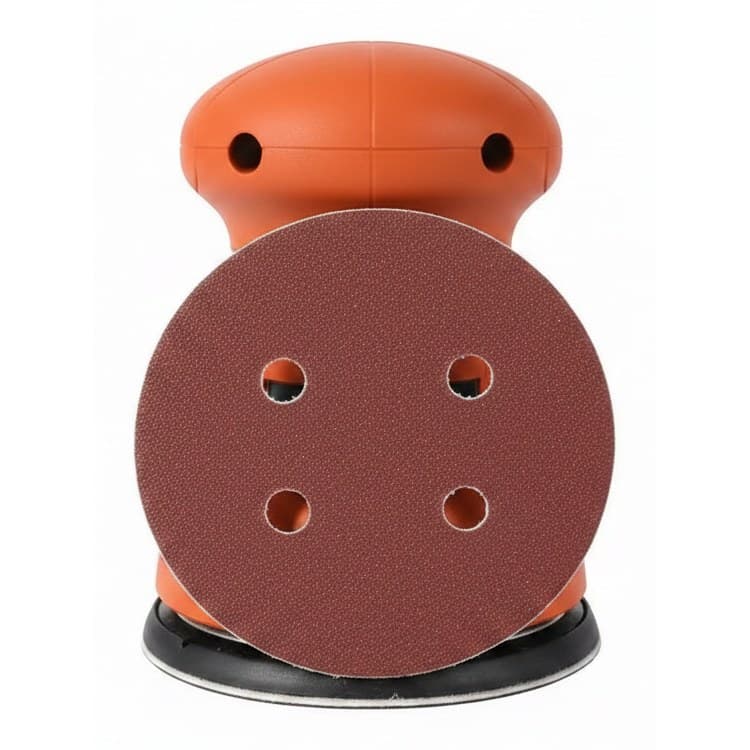
A Random Orbital Sander is a power tool designed for efficient material removal and finishing. This specific model is a pneumatic tool, meaning it operates using compressed air. Its random orbital action helps to minimise the appearance of swirl marks, providing a smoother finish compared to traditional sanders. This tool is specifically designed to use 330 x 10 mm sanding belts, making it suitable for precise work on various metal surfaces.
Key Uses & Applications
This Random Orbital Sander is primarily used for metal polishing, including aluminium, iron, and steel. Its 330x10mm belt size allows for detailed work and reaching into tighter areas. The random orbital motion is particularly effective for preparing metal surfaces for further finishing or for achieving a refined polish. It is a versatile tool for tradespeople working with metal fabrication, automotive bodywork, or general metal restoration projects.
How to Choose
When choosing a random orbital sander, consider the power source and application. This pneumatic model is ideal for workshops with existing air compressors. For metal polishing, the 330x10mm belt size offers precision. Look for models with included belt grits like 60, 80, and 120, which provide a good starting range for various tasks. Ensure the air inlet size, 1/4 inch on this model, matches your air line fittings.
Grit / Spec Guide
This random orbital sander uses 330 x 10 mm belts and comes with 60, 80, and 120 grit options. A 60-grit belt is suitable for aggressive material removal and shaping. The 80-grit belt offers a good balance between material removal and surface preparation. For finer finishing and preparing surfaces for polishing, the 120-grit belt is recommended. The tool operates at 6.3 bar, ensuring consistent power for effective sanding.
Care & Safety
Always wear appropriate personal protective equipment, including eye protection and gloves, when operating this random orbital sander. Ensure the air supply is disconnected before changing belts or performing any maintenance. Keep the tool clean and free from debris to maintain optimal performance. Regularly check the air lines and connections for leaks. Proper storage in a dry environment will prolong the tool's lifespan.
Belt Size: 330 x 10 mm. Air Inlet Size: 1/4 inch. Power Source: Pneumatic. Application: Metal Polishing (Aluminium, Iron, Steel). Included Belts Grit: 60, 80, 120. Operating Pressure: 6.3 bar. Product Type: Random Orbital Sander. Air Inlet Size: 1/4 inch NPT. Belt Size: 330 x 10 mm. Weight: 130 g. Housing Material: Aluminum Alloy. Power Source: Pneumatic (Air Powered). No-Load Speed: 16,000 RPM. Operating Pressure: 90 PSI (6.2 Bar). Air Consumption: 4 CFM (Cubic Feet per Minute). Application: Metal Polishing (Aluminium, Iron, Steel). Belt Change Mechanism: Quick Release. Exhaust System: Rear Exhaust. Included Belts Grit: 60, 80, 120 grit. Keyword Target: random orbital sander. Product Name: Mini Pneumatic Belt Sander. Vibration Level: <2.5 m/s². Q: What's the recommended air pressure and consumption for this tool? A: You'll want to run this sander with an air pressure between 60 and 90 PSI. It uses about 6 cubic feet per minute (CFM) of air, so make sure your compressor can keep up with that.. Q: What's the recommended air pressure and consumption for this tool? A: You'll want to run this sander with an air pressure between 60 and 90 PSI. It uses about 6 cubic feet per minute (CFM) of air, so make sure your compressor can keep up with that.. Q: What's the recommended air pressure and consumption for this tool? A: You'll want to run this sander with an air pressure between 60 and 90 PSI. It uses about 6 cubic feet per minute (CFM) of air, so make sure your compressor can keep up with that.. Q: What's the recommended air pressure and consumption for this tool? A: You'll want to run this sander with an air pressure between 60 and 90 PSI. It uses about 6 cubic feet per minute (CFM) of air, so make sure your compressor can keep up with that.. Q: How is the body of the sander constructed? A: The main body is made of aluminum, which helps keep it lightweight for better control. The handle has a textured grip to help you hold it steady during use.. Q: How is the body of the sander constructed? A: The main body is made of aluminum, which helps keep it lightweight for better control. The handle has a textured grip to help you hold it steady during use.. Q: How is the body of the sander constructed? A: The main body is made of aluminum, which helps keep it lightweight for better control. The handle has a textured grip to help you hold it steady during use.. Q: How is the body of the sander constructed? A: The main body is made of aluminum, which helps keep it lightweight for better control. The handle has a textured grip to help you hold it steady during use.. Q: I've used a random orbital sander before. How is this mini belt sander different for tight spots? A: This tool is much more focused, letting you get into narrow channels or clean up welds where a round pad can't reach. A random orbital sander removes material over a wider area, while this is for precise, linear sanding.. Q: I've used a random orbital sander before. How is this mini belt sander different for tight spots? A: This tool is much more focused, letting you get into narrow channels or clean up welds where a round pad can't reach. A random orbital sander removes material over a wider area, while this is for precise, linear sanding.. Q: I've used a random orbital sander before. How is this mini belt sander different for tight spots? A: This tool is much more focused, letting you get into narrow channels or clean up welds where a round pad can't reach. A random orbital sander removes material over a wider area, while this is for precise, linear sanding.. Q: I've used a random orbital sander before. How is this mini belt sander different for tight spots? A: This tool is much more focused, letting you get into narrow channels or clean up welds where a round pad can't reach. A random orbital sander removes material over a wider area, while this is for precise, linear sanding.. Q: Can this be used for smoothing out wood, or is it only for metal? A: It's primarily designed for polishing metals like aluminum, iron, and steel. While you could use it on wood, the speed and included belt types are really optimized for metalworking.. Q: Can this be used for smoothing out wood, or is it only for metal? A: It's primarily designed for polishing metals like aluminum, iron, and steel. While you could use it on wood, the speed and included belt types are really optimized for metalworking.. Q: Can this be used for smoothing out wood, or is it only for metal? A: It's primarily designed for polishing metals like aluminum, iron, and steel. While you could use it on wood, the speed and included belt types are really optimized for metalworking.. Q: Can this be used for smoothing out wood, or is it only for metal? A: It's primarily designed for polishing metals like aluminum, iron, and steel. While you could use it on wood, the speed and included belt types are really optimized for metalworking.. Q: What exactly comes in the box besides the sander itself? A: You get the pneumatic sander, a small tool for changing belts, and a starter pack of 12 belts. The belts are 330x10mm and include 60, 80, and 120 grit.. Q: What exactly comes in the box besides the sander itself? A: You get the pneumatic sander, a small tool for changing belts, and a starter pack of 12 belts. The belts are 330x10mm and include 60, 80, and 120 grit.. Q: What exactly comes in the box besides the sander itself? A: You get the pneumatic sander, a small tool for changing belts, and a starter pack of 12 belts. The belts are 330x10mm and include 60, 80, and 120 grit.. Q: What exactly comes in the box besides the sander itself? A: You get the pneumatic sander, a small tool for changing belts, and a starter pack of 12 belts. The belts are 330x10mm and include 60, 80, and 120 grit..