

Belt Sanders
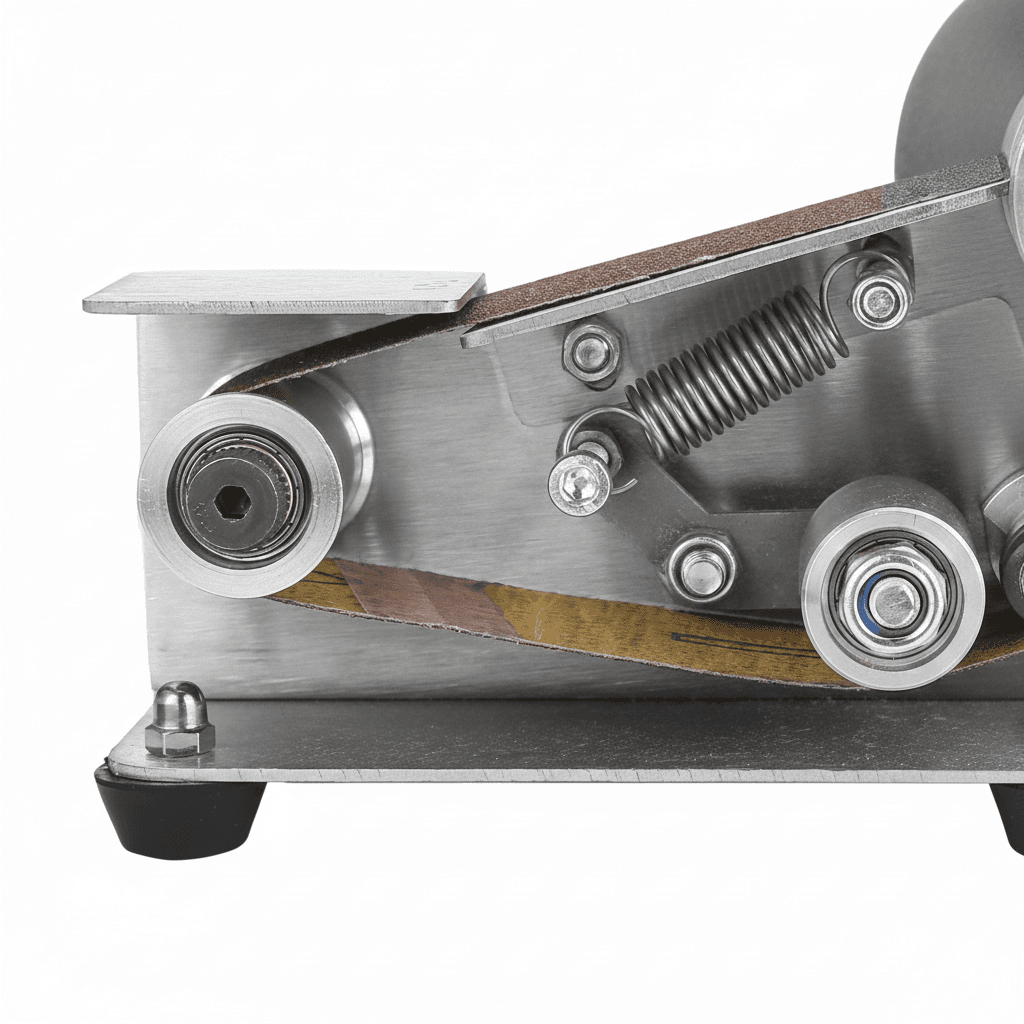
Finger Belt Sander | Air-Powered Tool | For Detail Grinding
TBS-05883SAND-00040
£142.99
5 products available
Belt sanders are powerful tools used for rapid material removal, shaping, and finishing across trade and industrial applications. They are designed for professional use in workshops, fabrication facilities, and on job sites where efficiency and precision are required. A belt sander works by using a continuous loop of abrasive material to process surfaces like metal, wood, and composites.
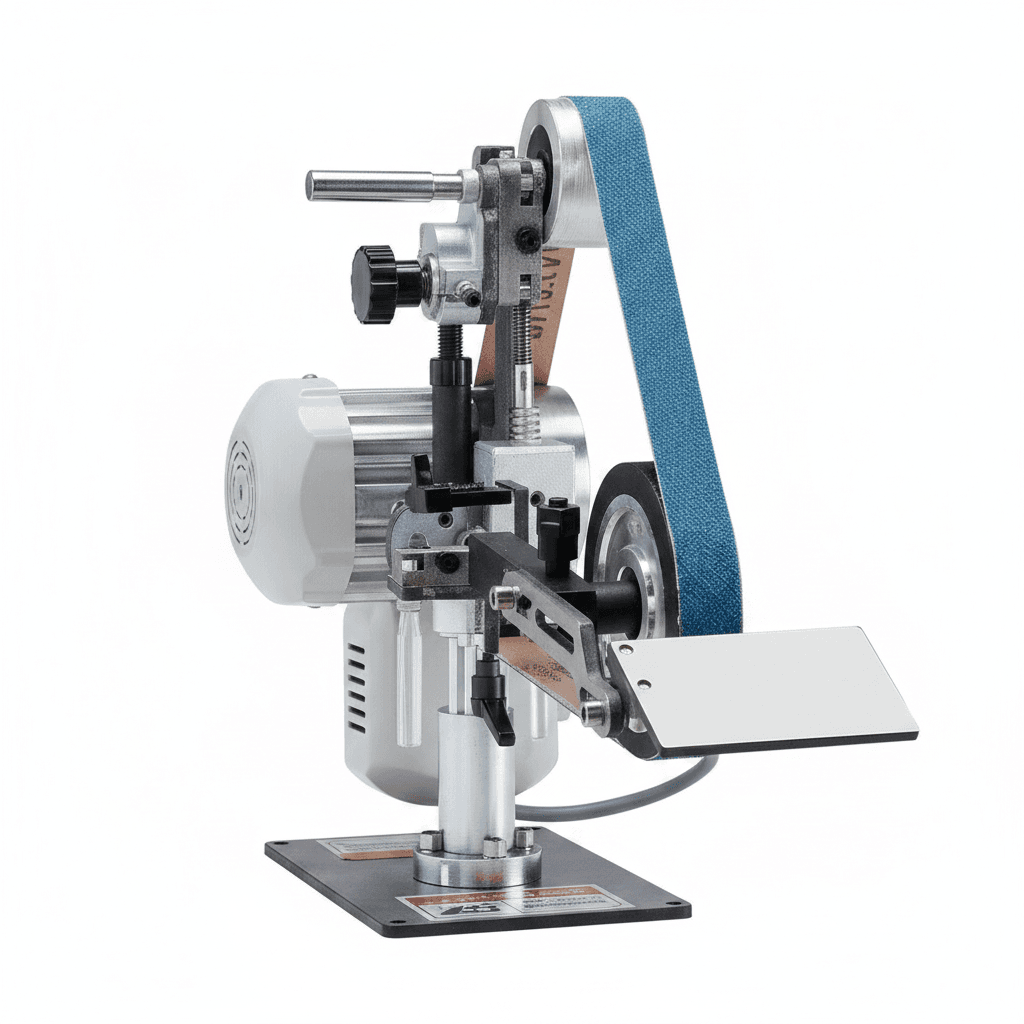
Our range includes portable belt sander models, such as pneumatic finger and detail sanders for work in tight spaces, as well as stationary bench belt sander units for heavy-duty tasks. You will find tools with adjustable speeds and options powered by compressed air or electricity (110V/220V). Every product page lists key specifications, allowing you to match the tool to your exact operational requirements.
5 products in Belt Sanders
Belt Sanders

Belt Sanders
Belt Sanders

Belt Sanders
 Out of stock
Belt Sanders
Your choice of power source depends on your workshop infrastructure and application. Pneumatic belt sanders are powered by compressed air, typically requiring 90 PSI (6.3 bar) from a 1/4-inch inlet. They are often lighter and more compact, making them ideal for detailed, continuous work as they dissipate heat effectively.
Electric models offer high power and do not require a compressed air system. A sander with a 550W motor, for example, provides significant torque for aggressive material removal. Look for features like a Variable Frequency Drive (VFD) on electric models, which gives you precise speed control for working with different materials.
The form factor of the sander determines its primary use. For deburring, polishing, and finishing welds or inside corners, a portable belt sander is the correct tool. These are often called finger or detail sanders and use narrow belts like 10x330mm to access confined spaces.
For heavy stock removal, shaping, and sharpening, a stationary bench belt grinder is more suitable. These larger units use wider belts, such as 762x25.4mm, and have more powerful motors designed for applications like knife making and significant metalworking tasks. Their stable base allows for precise control when working on individual parts.
You must match the abrasive belt size to the tool's specification. Using an incorrectly sized belt is unsafe and can damage the machine. Common sizes for detail sanders are 10x330mm and 20x520mm, while bench grinders use larger formats. Check the product specifications for the required dimensions.
The grit of the belt determines the finish. A lower grit number, like 60, is coarse and used for fast material removal. A higher number, such as 120 or more, is finer and used for polishing and finishing. The belt material must also be compatible with the workpiece, whether it is aluminium, iron, or hardened steel.
Buying guide
We use cookies. Some keep the store working, others show us what to fix. No third-party trackers, and we never sell your data. Learn more about cookies and your privacy