
Belt Sander Drill Attachment | Sanding Rod for Wood & Metal
Stock Nr:
SKU:
1 / 6
£47.99inc VAT
This sanding attachment turns your standard electric drill into a small finger belt sander. Its narrow shape helps you sand in tight spots. It's good for shaping small parts and finishing inside curve...
Select an option
- Secure checkout
- All major cards
- Tracked delivery
£47.99
Fast Shipping
Secure Payment
Easy Returns
Good to know
Questions about this product
- How does this sanding attachment connect to my drill?
- This sanding rod fits into the chuck of a standard electric drill, just like a normal drill bit. You simply open the chuck, insert the shank of the attachment, and tighten it securely before you start working.
- Will this work with a cordless drill or do I need a mains-powered one?
- It's compatible with most standard electric drills, including modern lithium-ion cordless models. As long as your drill has a regular chuck that can grip the attachment's shank, it will work fine.
- What sort of jobs is this actually for?
- This tool is designed for small, detailed work like shaping, deburring, and sanding inside curves or tight spots on materials like wood and plastic. It's not meant for sanding large flat areas, where a dedicated belt or orbital sander would be better.
Power Tool Accessories spec sheet (PDF)
Get a one-page sheet with full description, specifications, technical details, FAQs, price & SKU - handy to save, print, or share.
Not sure which one?
Compare with similar products
The same kind of product, in stock, in a similar price range.
This product: £47.99 · 4.9
This product

Belt Sander Drill Attachment | Sanding Rod for Wood & Metal
- Price
- £47.99
- Rating
- 4.9(70)
- Sold
- 474+
- Stock
- In stock
You're viewing this
Alternative

Sander Attachment with Sanding Drum | For M14 Angle Grinders | Edge Polishing
- Price
- £64.99
- Rating
- 4.5(556)
- Sold
- 3,000+
- Stock
- In stock
Compare options
More Power Tool Accessories
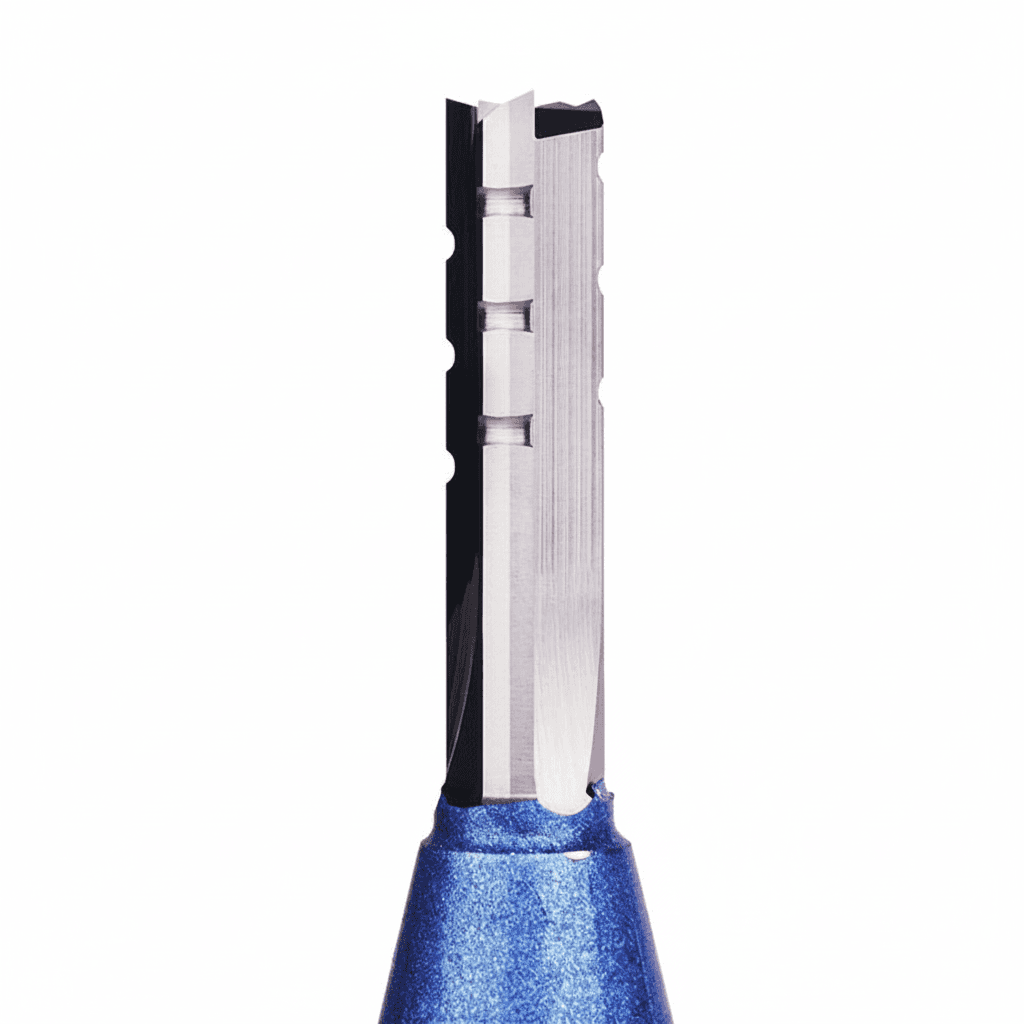
TCT Router Bit | 1/2" Shank 3 Flute Straight Cutter | Plywood MDF
5.0(12)
£52.99
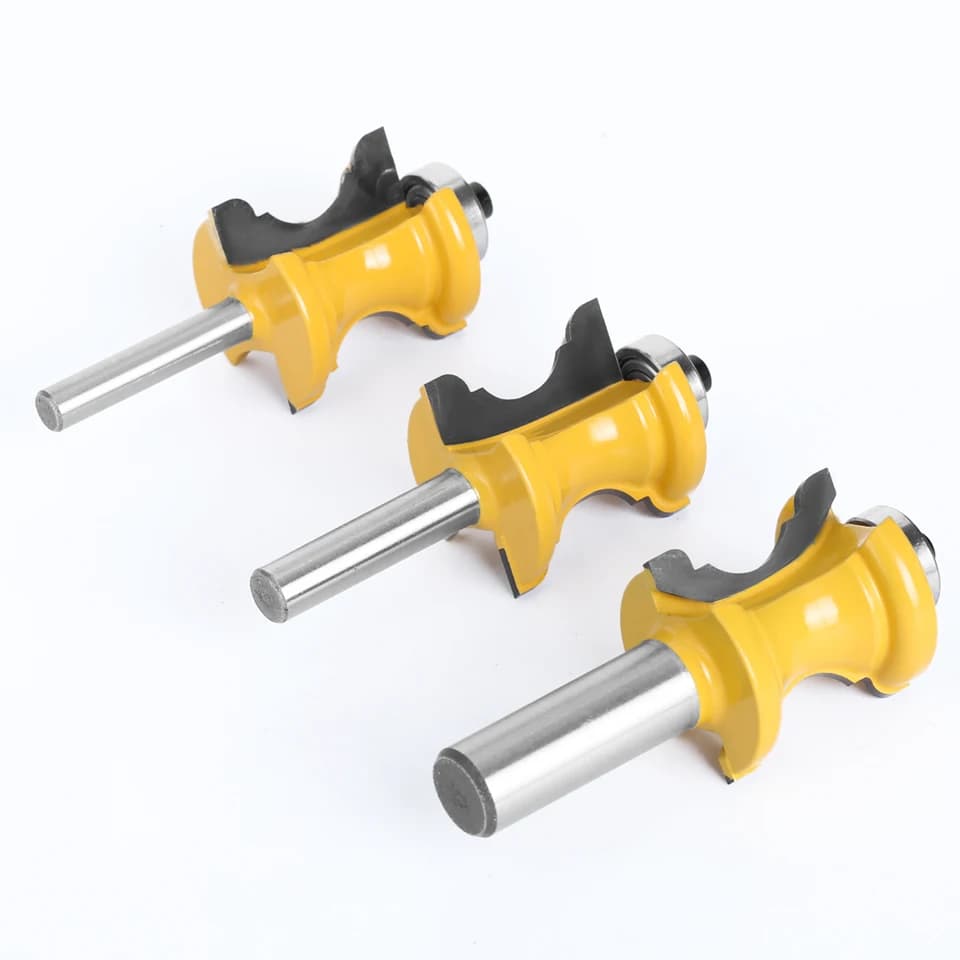
Concave Radius Router Bit | Convex Column Moulding | Woodworking Cutter MC03006
5.0(4)
£60.99
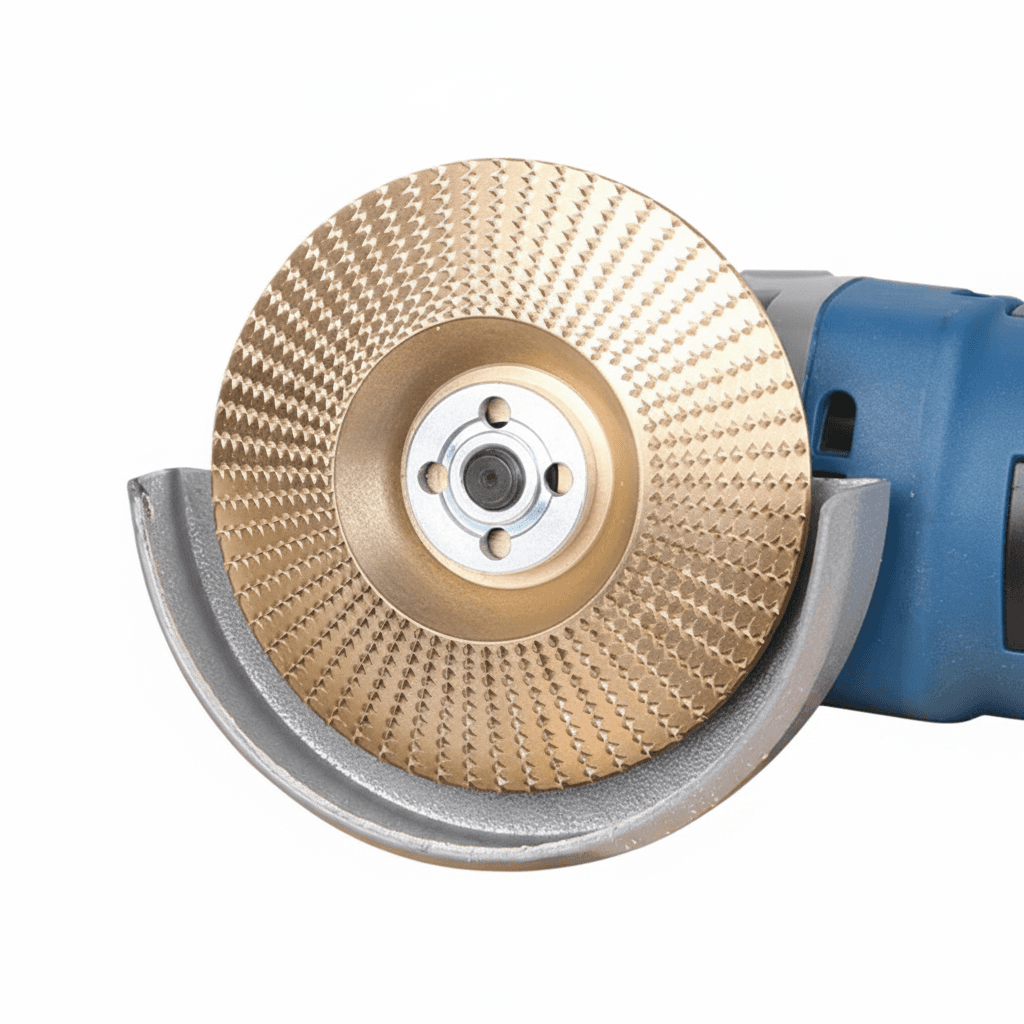
Shaping Disc for Disc Sander | 100mm Arc & Bevel | 16mm Arbor Hole Set
4.9(1.6K)
£48.99
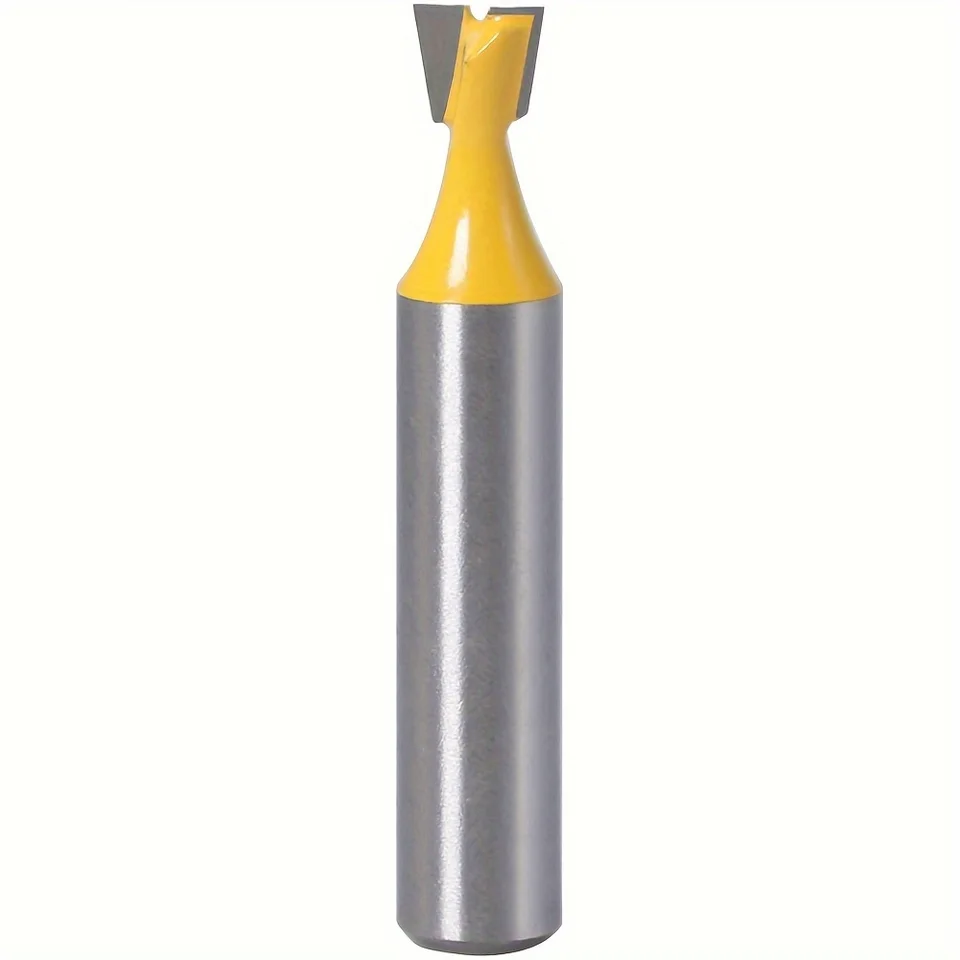
6PC Router Bits | 1/4" Shank Dovetail & Straight | Hard Alloy Mortise/Tenon
5.0(2)
£72.99

Carving Fibre Sanding Discs | 125mm Bevel | Angle Grinder Shaping
4.9(341)
£49.99

5-Inch Sander Backing Pad | With M10/M14 Drill Adapter | For Metal Finishing
4.9(659)
£30.99

Attachment Sanding Drum | Flap Wheel Design | For Woodworking Polishing
4.9(89)
£39.99

125mm Flap Discs for Wood Cutting | Carbide Saw Blade | Angle Grinder
4.9(908)
£38.99

Tool Sanding Drum Kit | 100-Piece Set | For Drill Grinding & Polishing
4.9(141)
£26.99
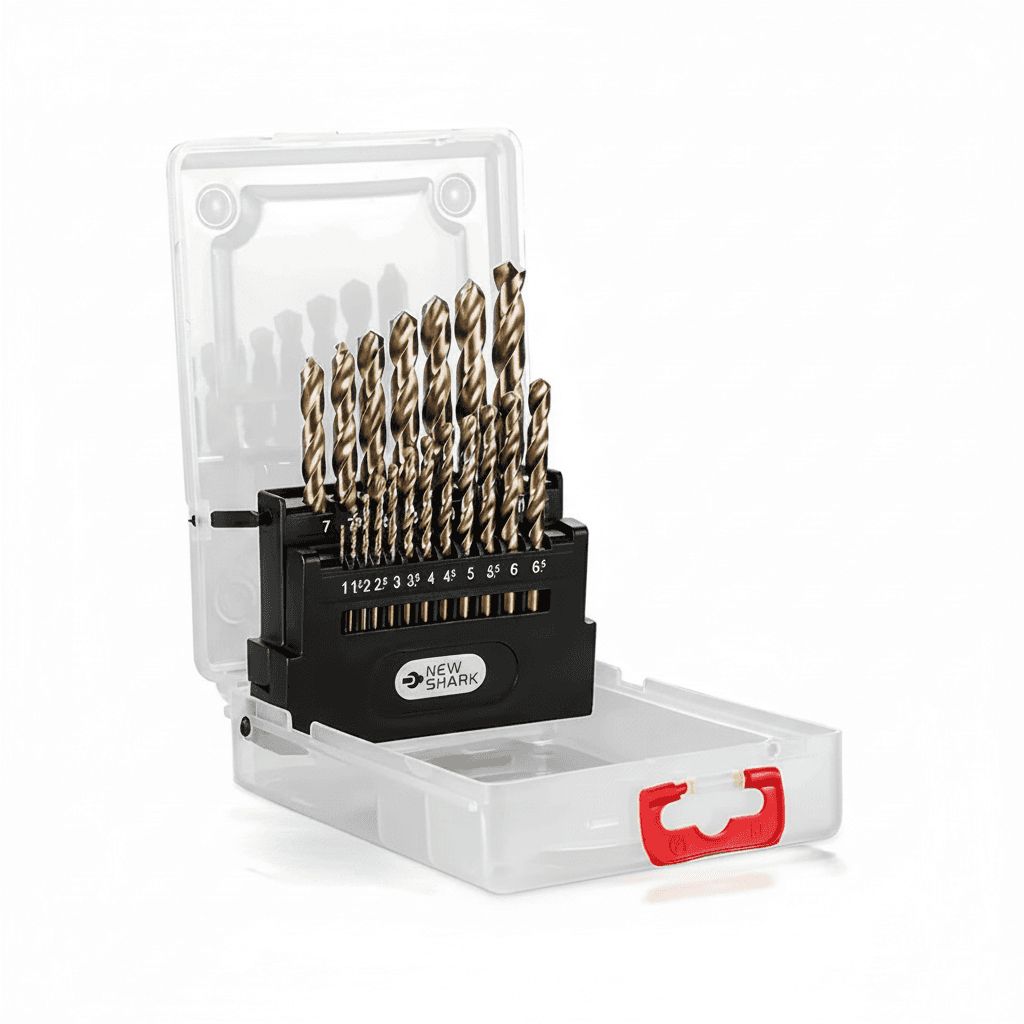
Premium Professional Cordless Drill Driver | 1mm
4.9(274)
£83.99
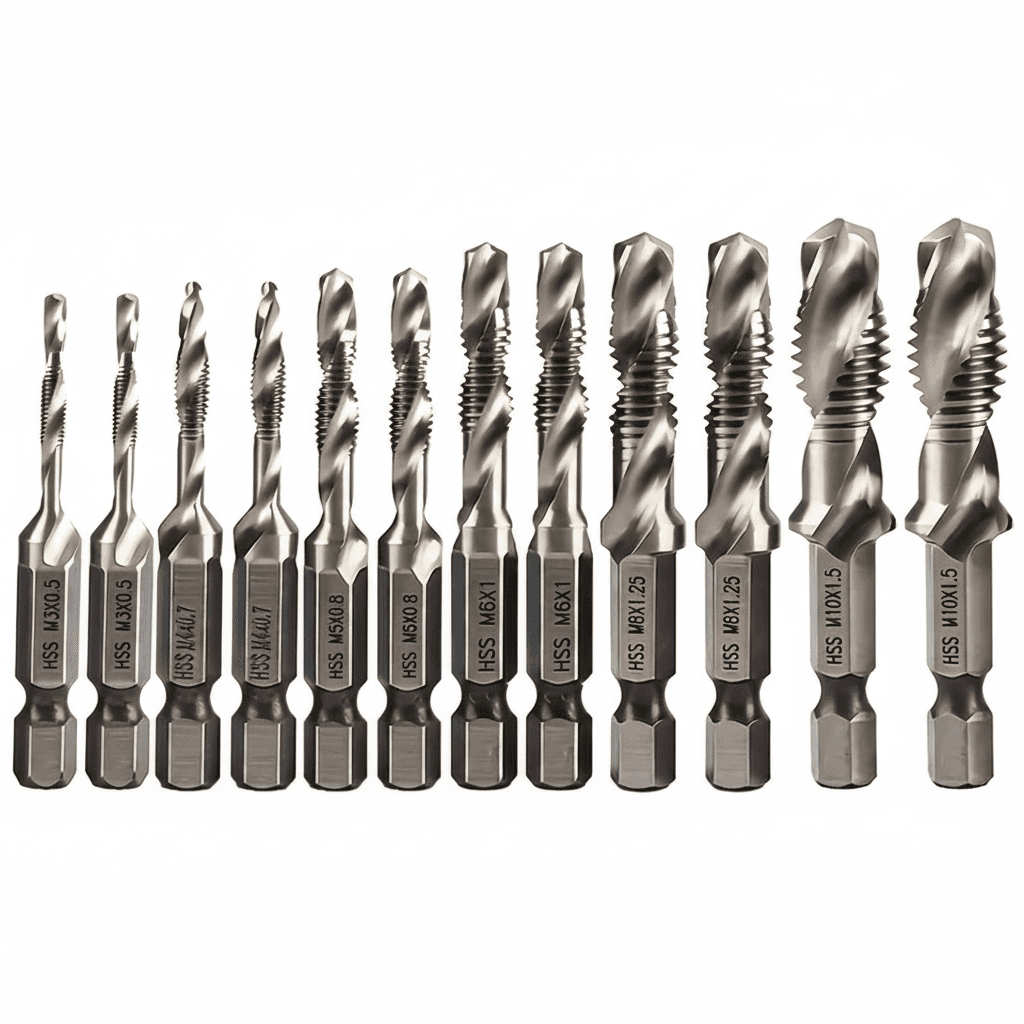
M3-M10 Composite Drill Bit Set | Hex Shank | Wood, Plastic & Soft Metal
4.9(441)
£36.99

Sander Conversion Kit | For Angle Grinders | Multifunction Polishing Tool
4.9(1.8K)
£60.99
Explore the range
Popular in Tools & Hardware

Torx Screwdriver Set | 8-22mm Self-Tightening Wrench | Precision Glasses & Electronics Repair Tool
5.0
£27.99
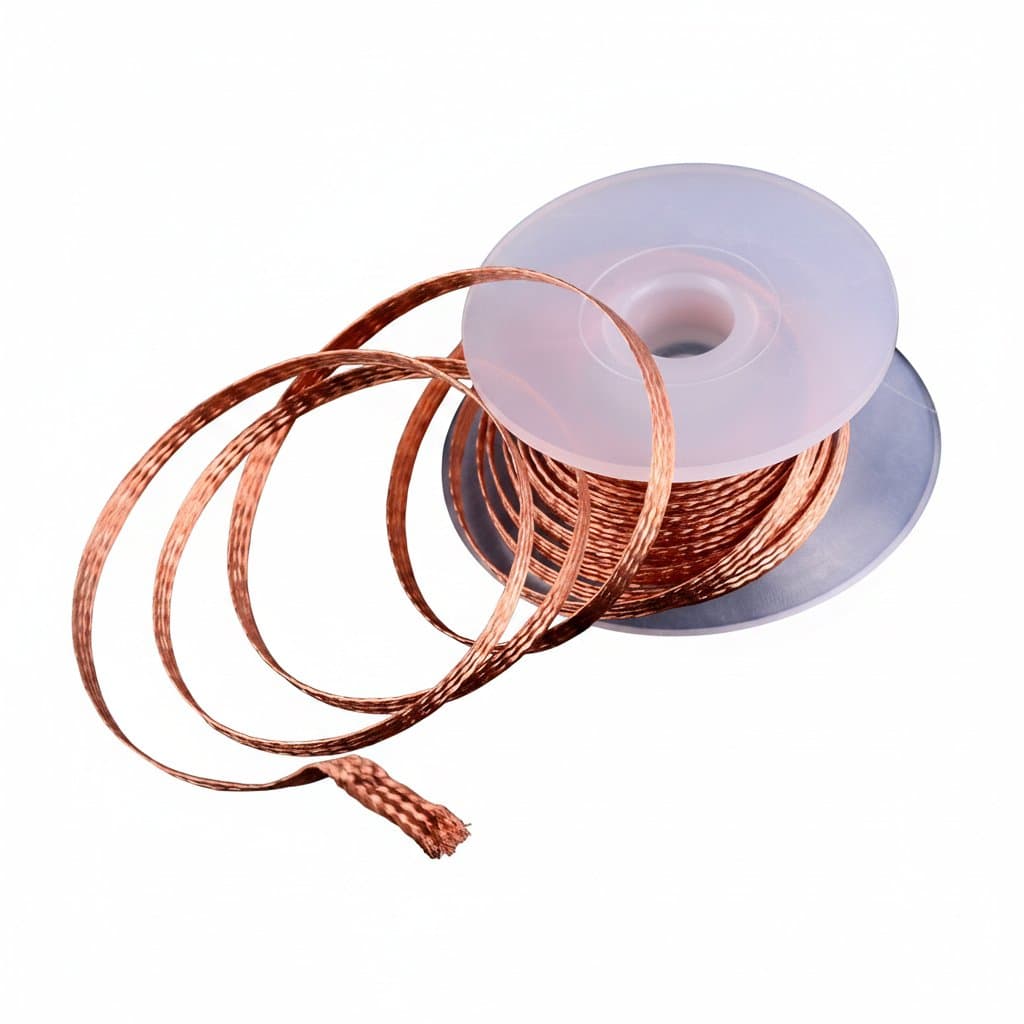
Desoldering Braid | Solder Remover Wick | 2.0mm & 3.5mm x 1.5M
4.9
£20.99
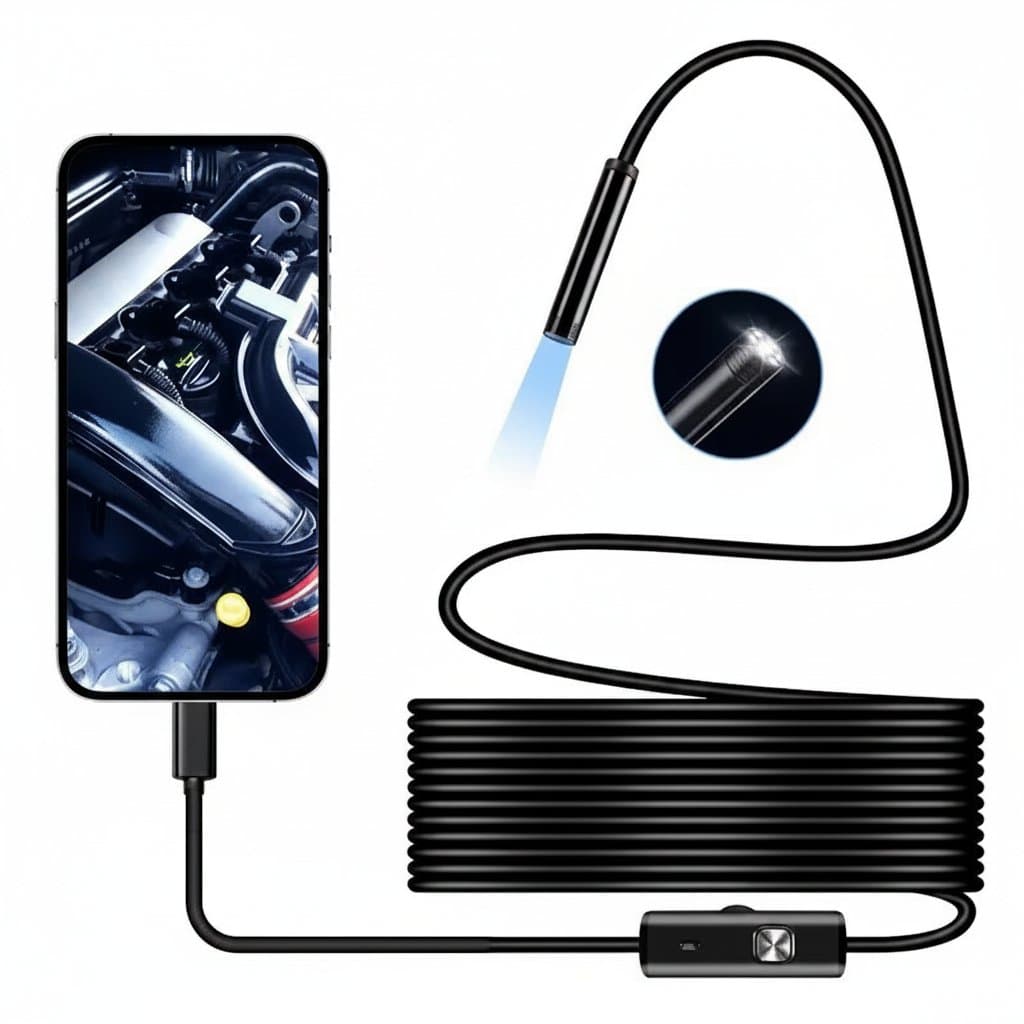
USB-C Endoscope Camera | 5.5mm Lens for Android & PC | Flexible Inspection Borescope with 6 LEDs
4.9
£39.99
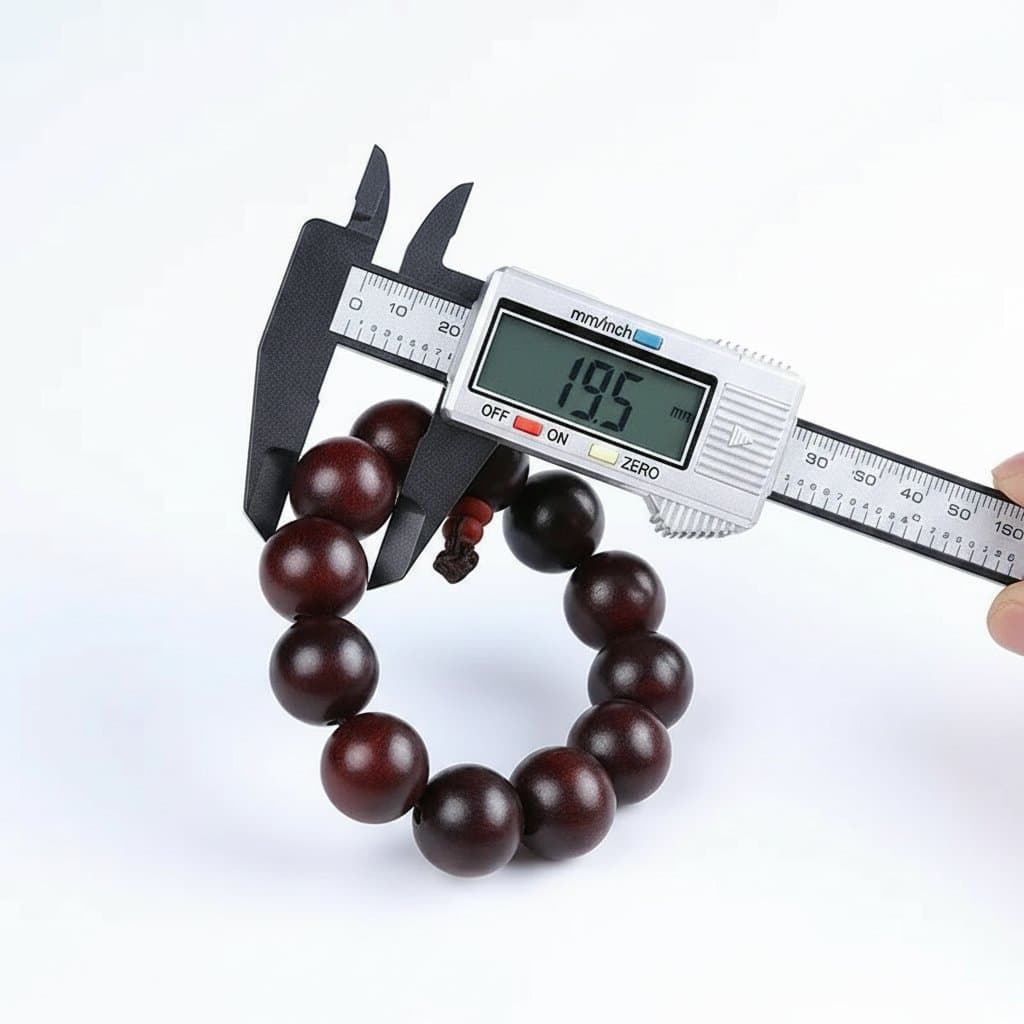
Digital Vernier Caliper | 0-150mm Measuring Tool | Plastic Body
4.9
£33.99
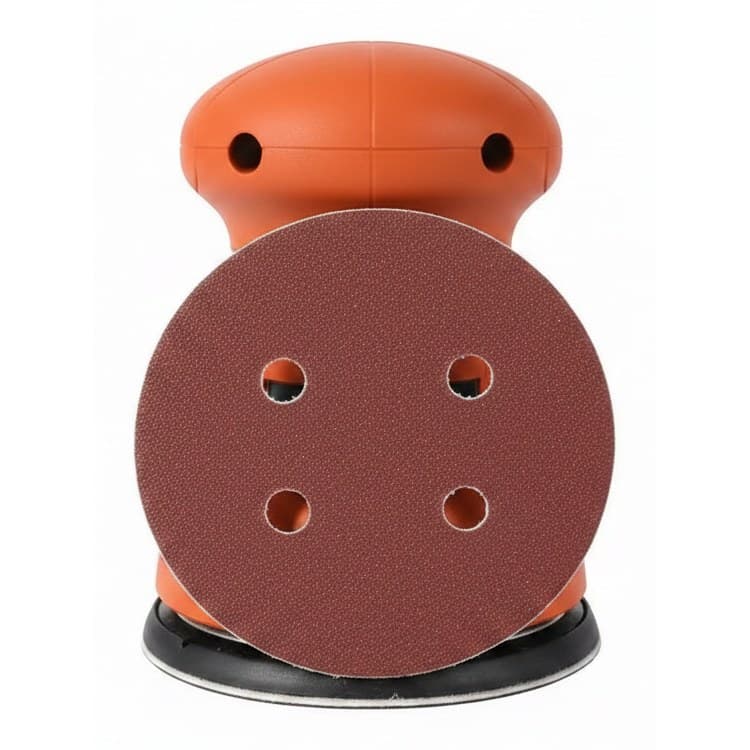
Sander Sanding Discs | 125mm 8-Hole Pattern | For Wood & Metal Grinding
4.9(10.2K)
£31.99

Tactical Work Pants Men | Multi-Pocket Waterproof | Outdoor Cargo Trousers
4.9(3.6K)
£72.99

12-Pair PU Coated Work Gloves | Ultra-Thin Grip & Knit Wrist | Nylon Shell Safety Gloves
4.9
£37.99
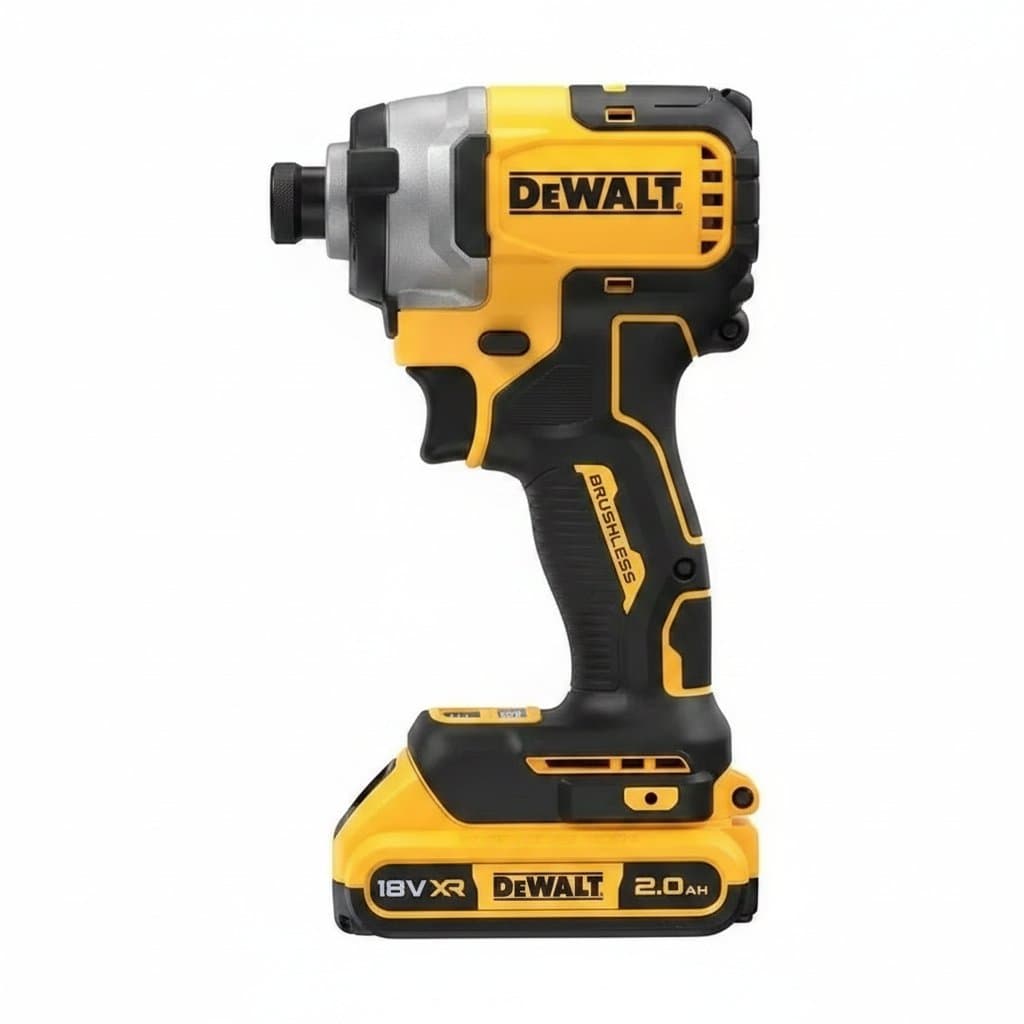
DEWALT DCF850 Impact Driver Electric Driver 20V Brushless Cordless 3250RPM screwdrivers High Torque tools Power Tools
4.9
£204.99
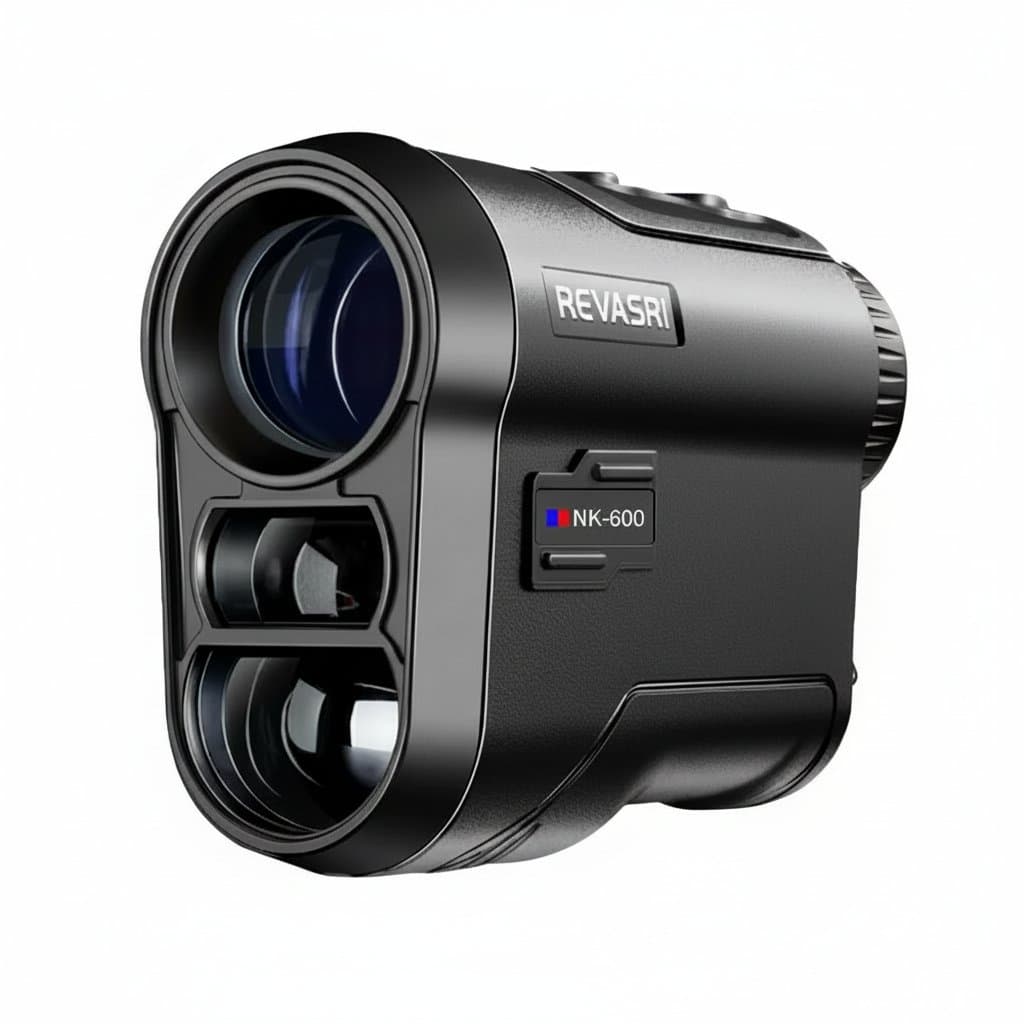
Laser Rangefinder | Slope Compensation & Flagpole Lock | 600m Range, USB-C Rechargeable
4.9
£174.99
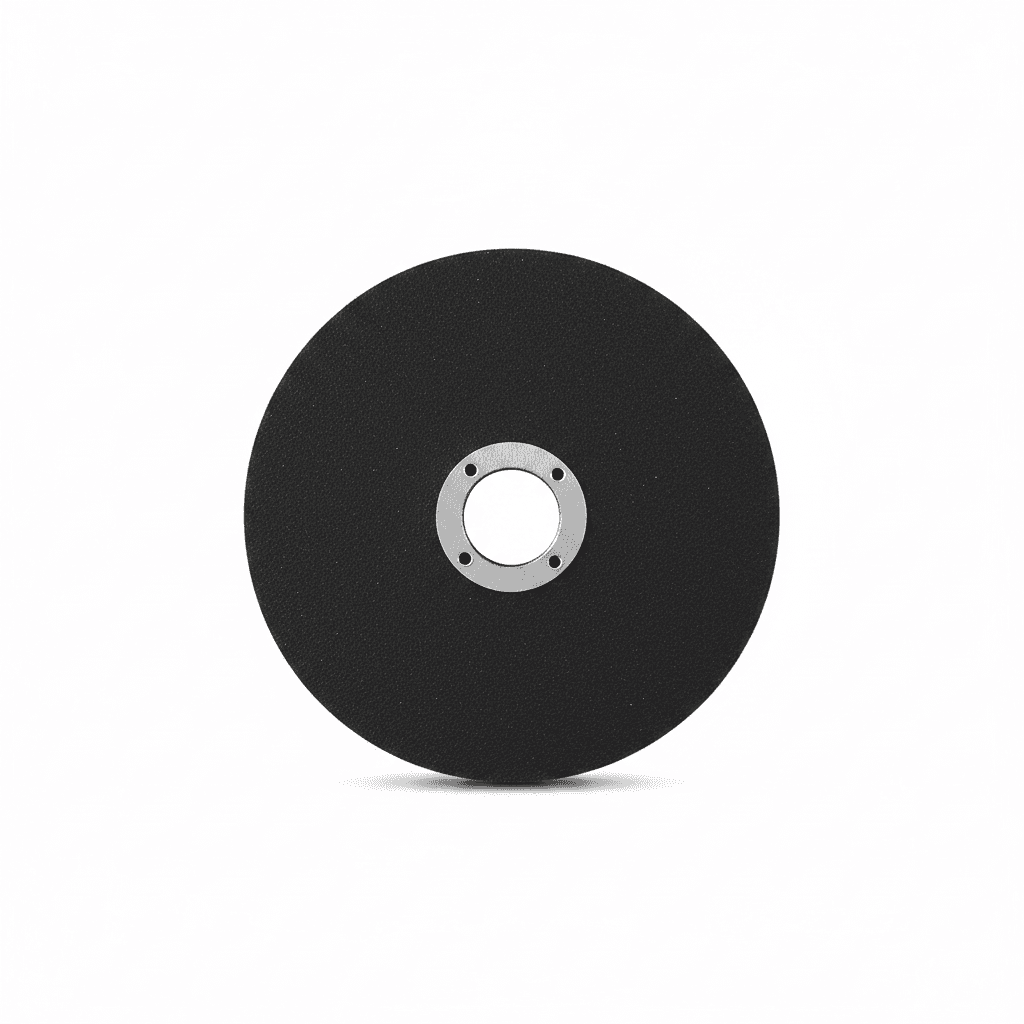
Cutting Disc Set | 75/115/125mm | For Angle Grinder & Steel Bars
4.9(3.0K)
£36.99
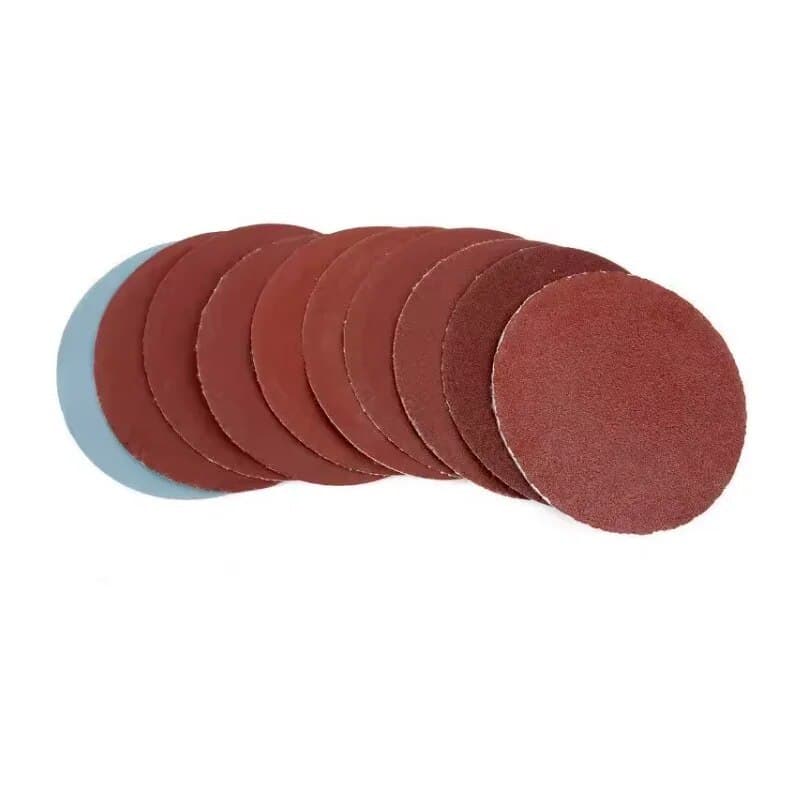
1-Inch Rotary Tool Sanding Sheets | 100pc Disc Set | For Dremel Tools
4.9(2.7K)
£31.99
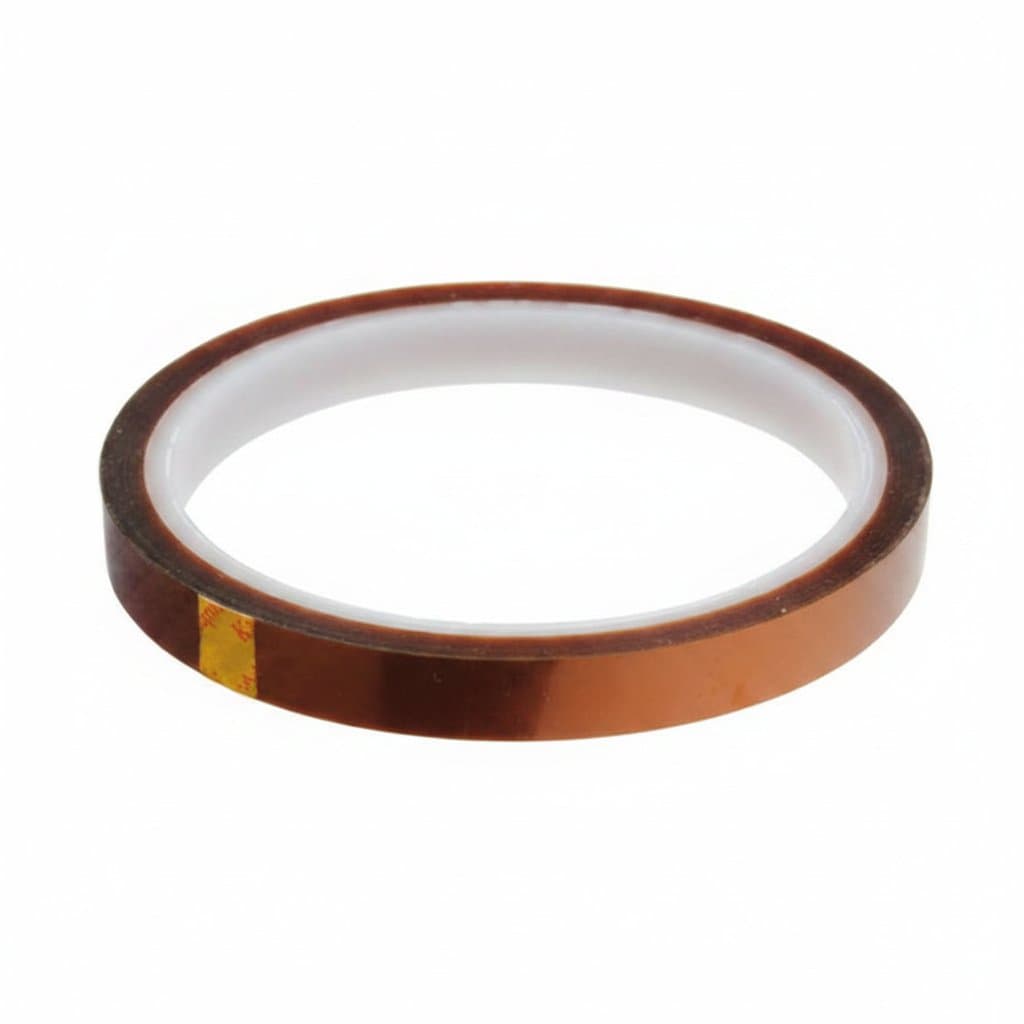
Professional-Grade Polyimide Kapton Tape | High-Temperature & Heat Resistant | 5-50mm x 100ft
4.9
£22.99
Complete the set
Accessories & add-ons

Diamond Drill Bit Set | 18-68mm Hole Saw for Tile, Glass & Stone
5.0
£33.99
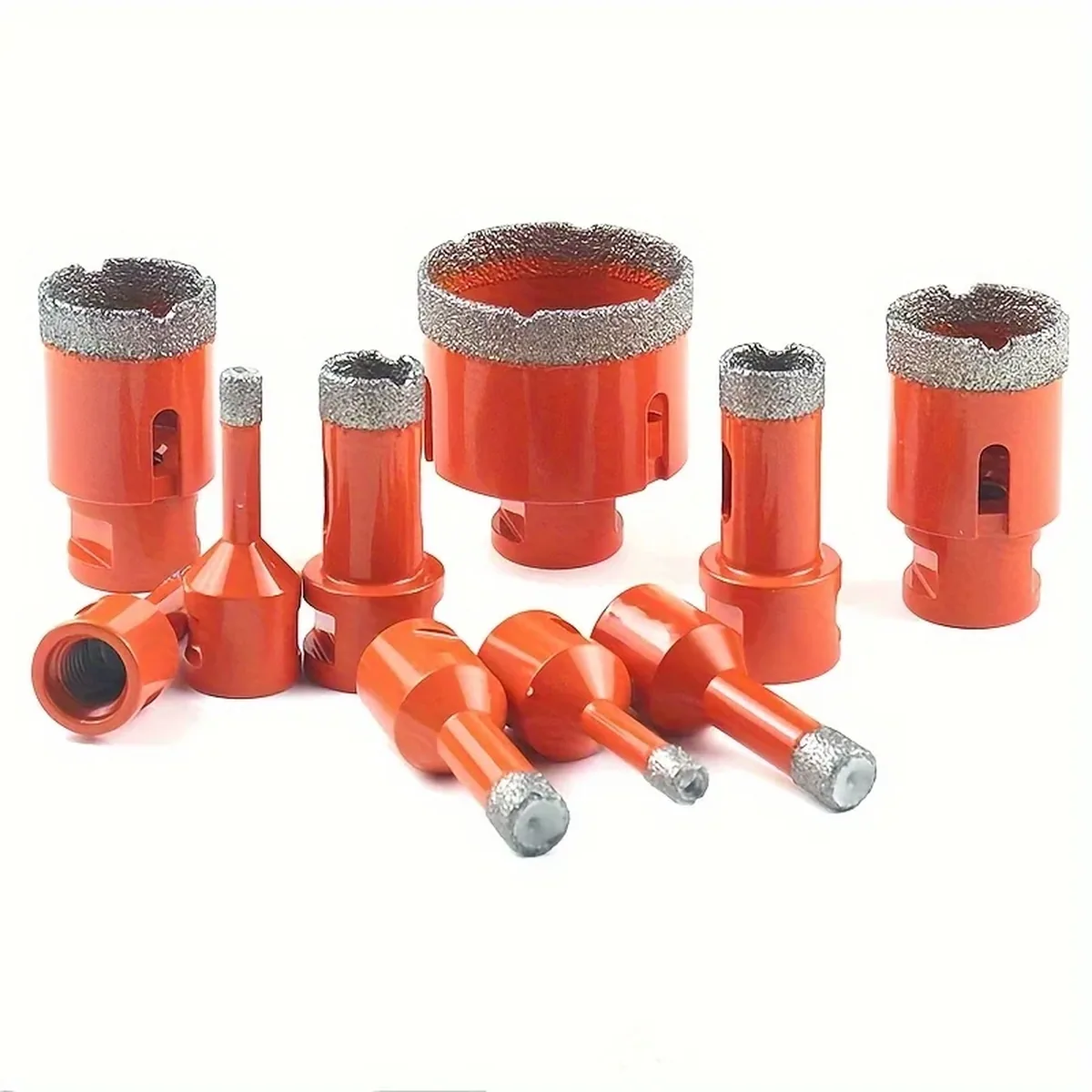
Diamond Drill Bit | 6-100mm Core Hole Saw for Porcelain, Granite & Glass
5.0
£35.99
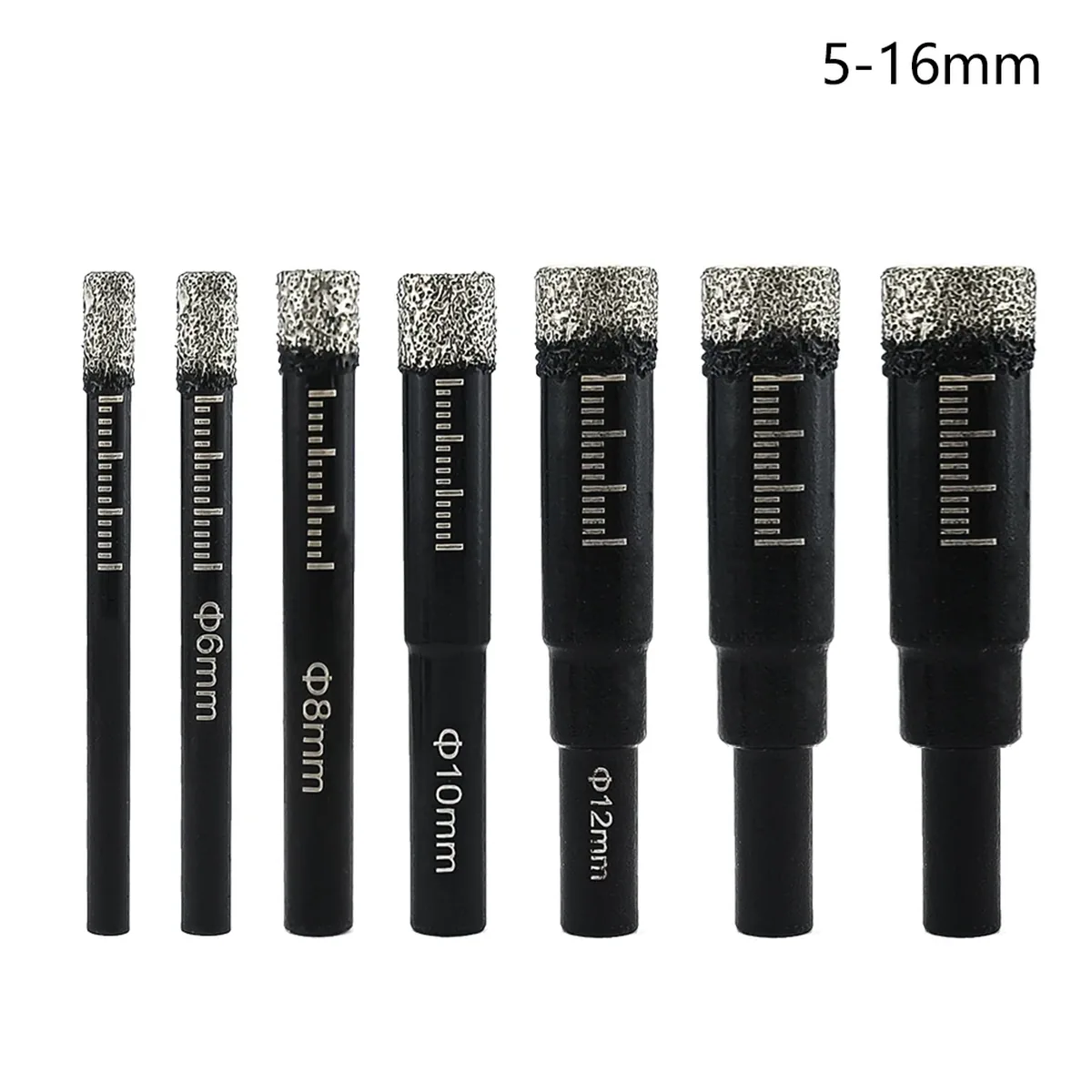
Diamond Hole Saw Set | Dry-Cut for Porcelain, Tile & Glass | 5-16mm Sizes
5.0
£29.99
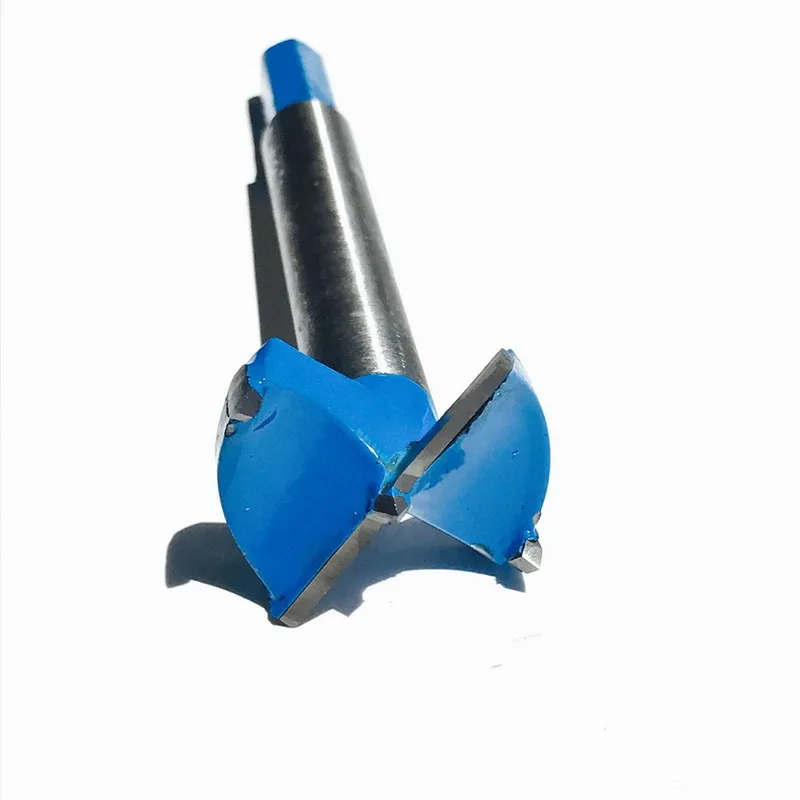
Forstner Drill Bit Set | 14-100mm Self-Centering Wood Boring Kit | Carbide-Tipped Precision
5.0
£25.99
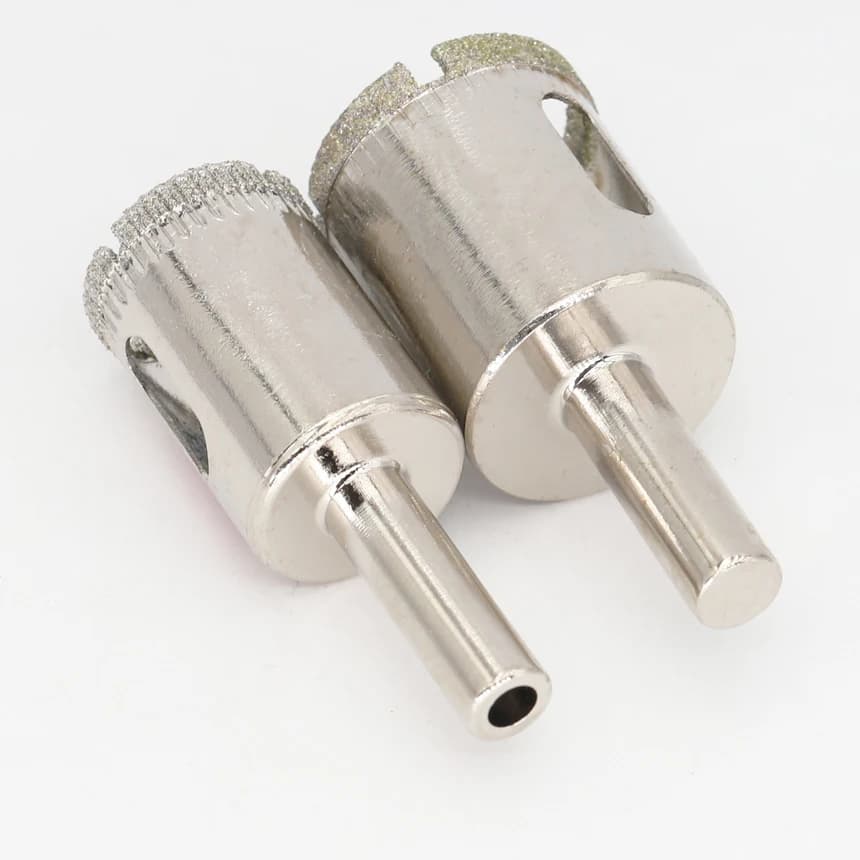
Diamond Drill Bit Set | 8-Piece for Tile, Glass & Stone | 6-45mm Hole Saws
5.0
£154.99
Rotary Cutting Blade | 300mm Precision Disc for Paper, Film & Fabric | 1-Pack
5.0
£99.99
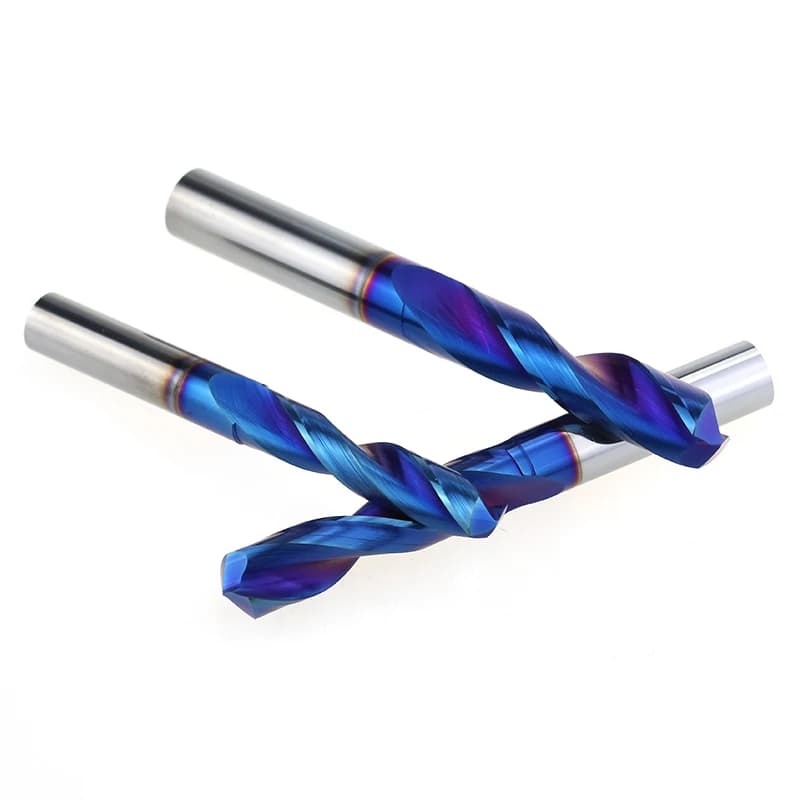
Tungsten Carbide Drill Bit | HRC65 Hardness | For CNC & Lathe Steel Drilling | 0.5-20.0mm
5.0
£36.99
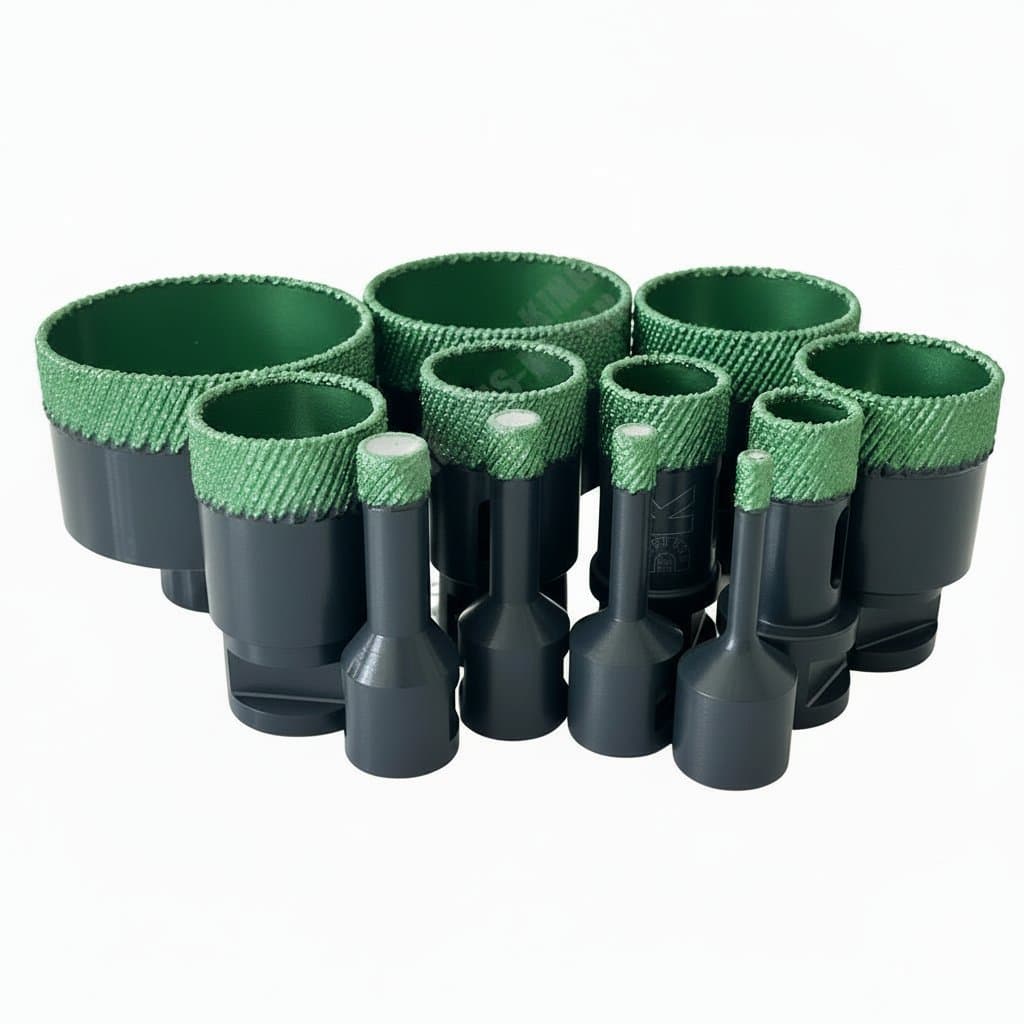
Diamond Hole Saw Kit | 6-68mm for Tile, Porcelain & Marble | M14 Thread Core Drill Bit
5.0
£72.99
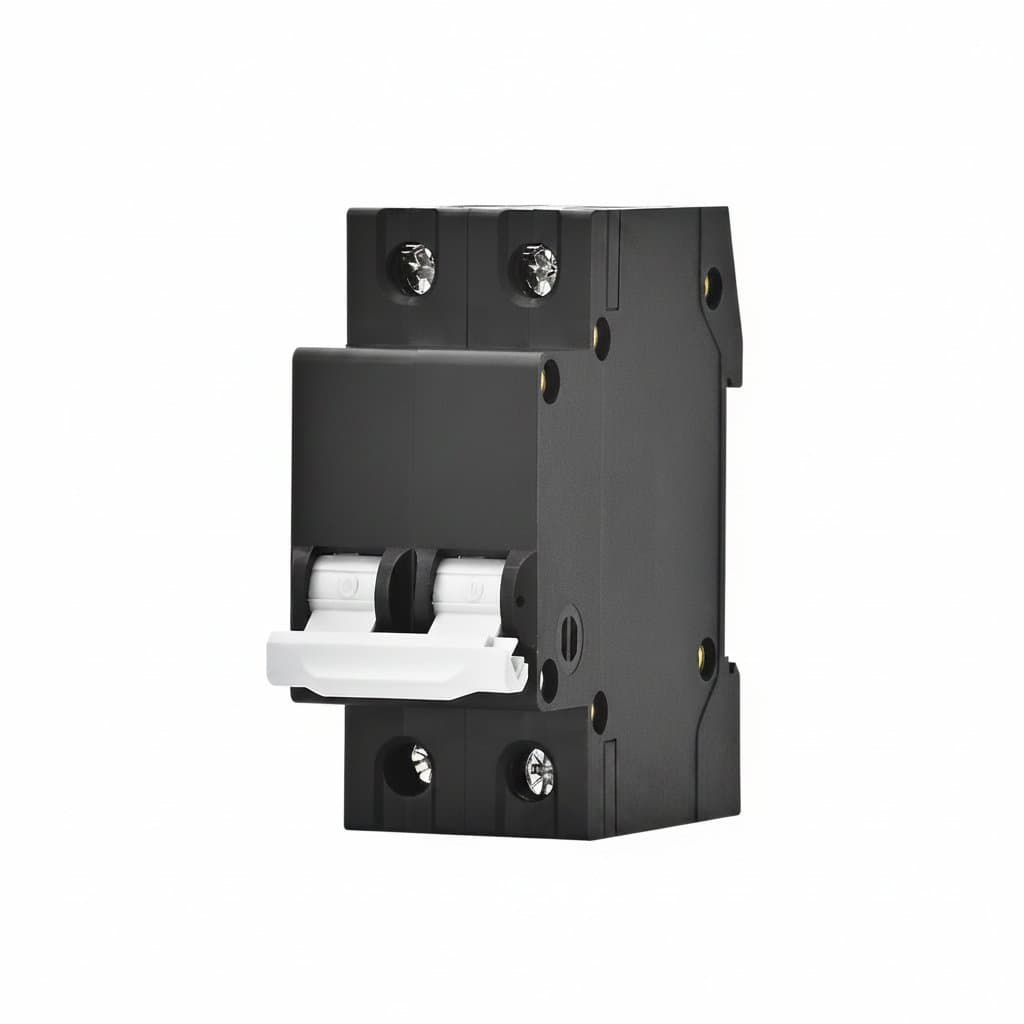
DC Circuit Breaker | 16A-63A Solar & Battery Protector | 100V-1000V DC MCB
5.0
£52.99
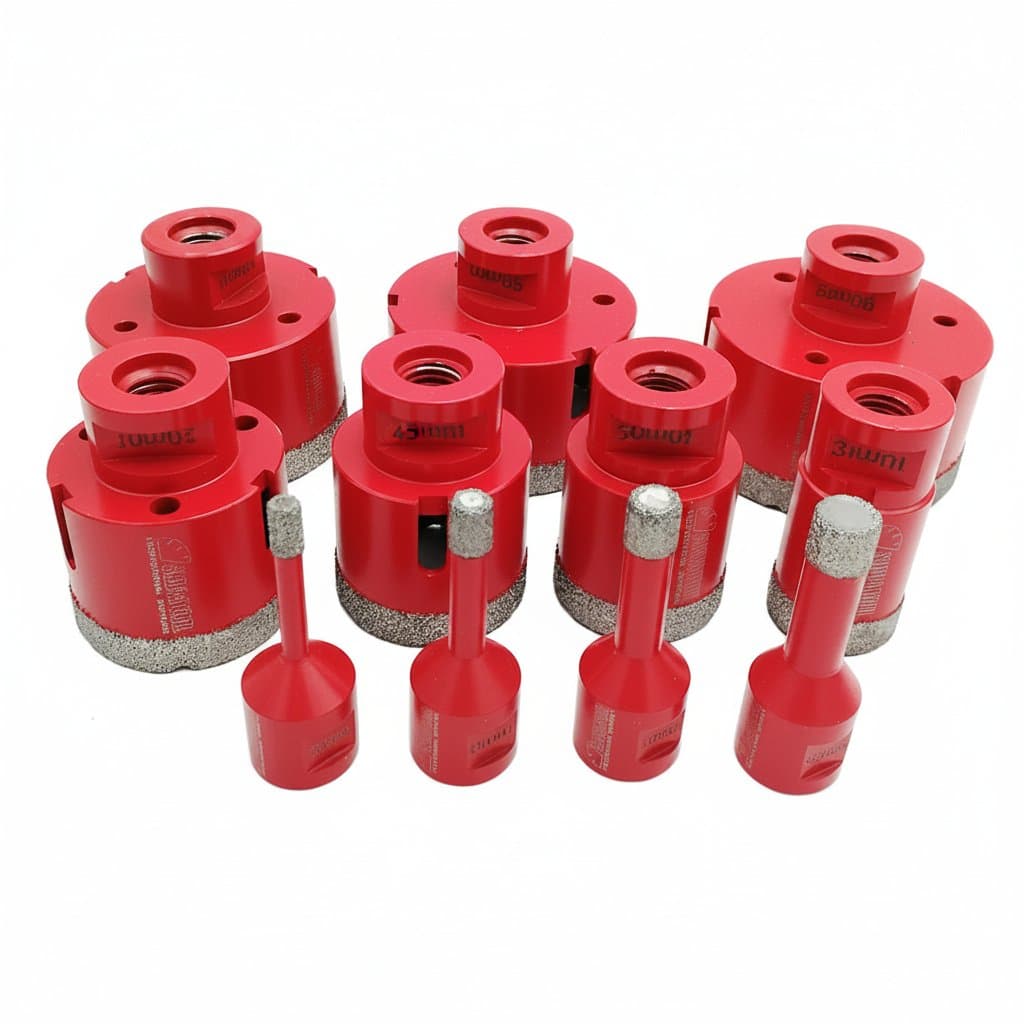
SHDIATOOL1pc /2pcs Drilling Core Bit 6-75mm Tile Drill M14 Marble Hole Saw Porcelain Drilling Bit Bell Saw Crown
5.0
£35.99
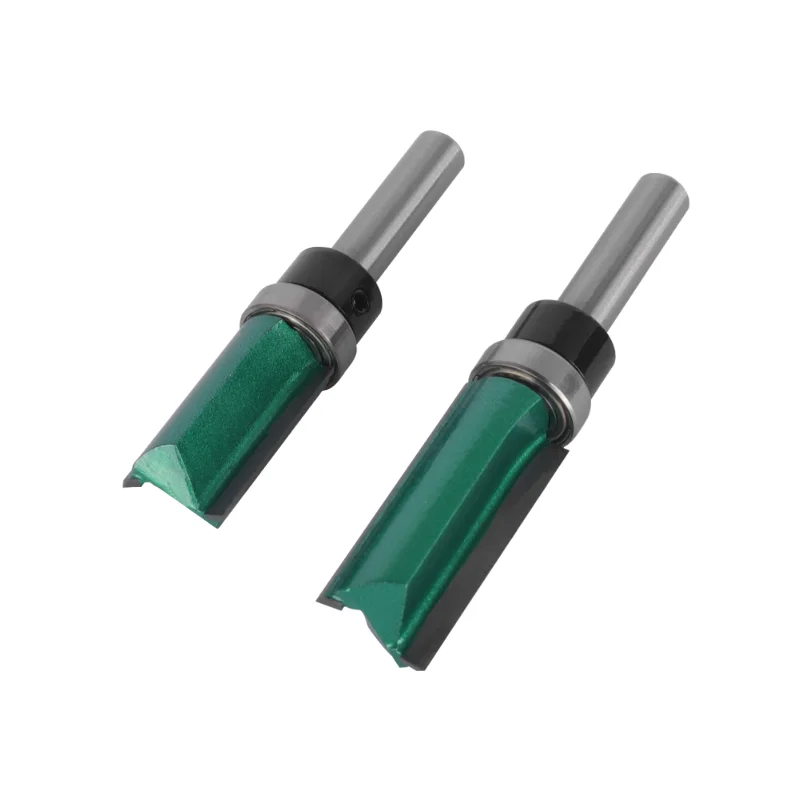
Flush Trim Router Bit | D16MM Pattern Face Mill | 8MM Shank Carbide Cutter
5.0
£48.99
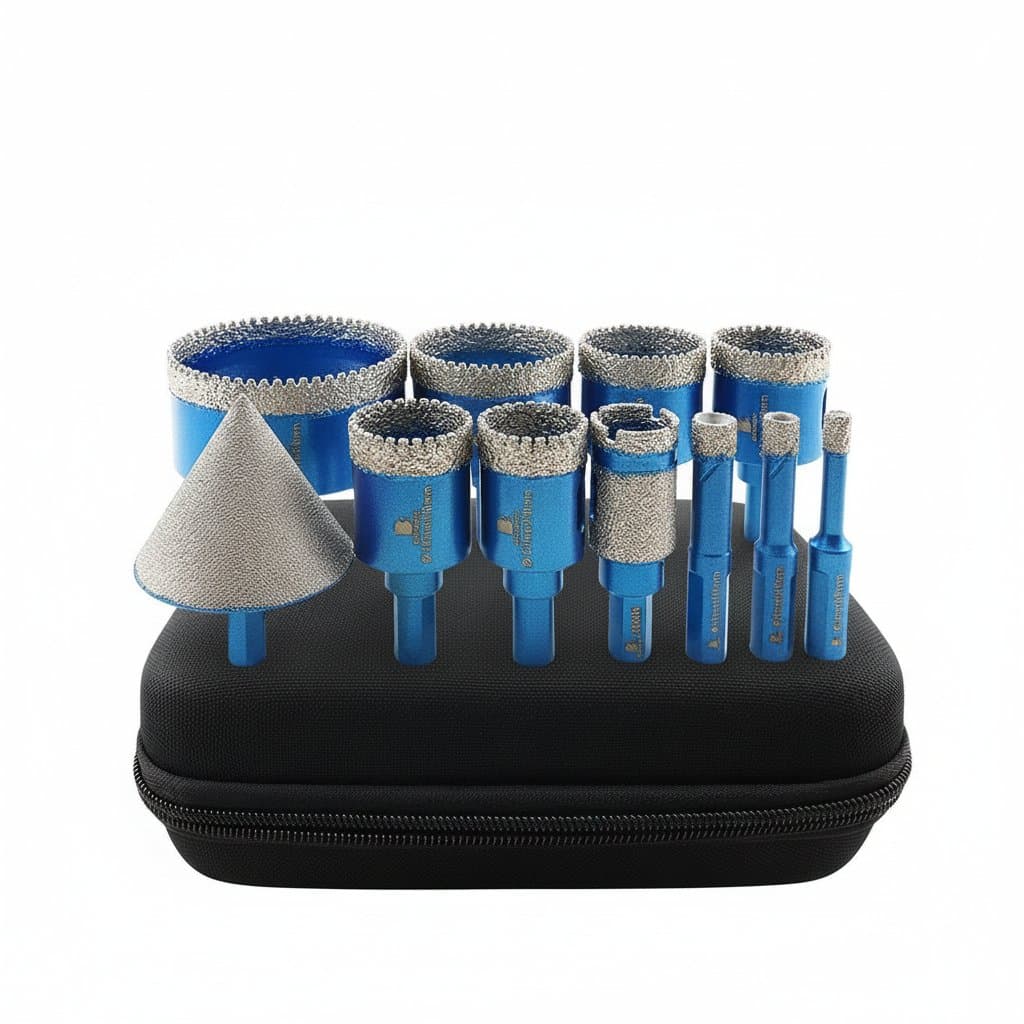
Diamond Chamfer Bit | Precision Tile & Porcelain Beveling | Premium Hole Saw Milling Tool
5.0
£41.99