Sizing laser power to material thickness
Laser power is the number that decides what the machine can do. Buying more power than you need is expensive up front and in running cost; buying less means the thick jobs go out to a subcontractor.
Maximum thickness and productive thickness are different figures. A machine that will cut 20mm mild steel at its limit does that slowly, with a rough edge and high gas consumption. Size for the thickness you cut most, not the thickest you will ever cut.
Stainless and aluminium both cut thinner than carbon steel at the same power, because they reflect more and conduct heat away faster. Aluminium in particular needs roughly double the power of carbon steel for a given thickness.
| Power | Carbon steel | Stainless | Aluminium |
|---|---|---|---|
| 1.5 kW | to 8 mm | to 4 mm | to 3 mm |
| 2 kW | to 12 mm | to 6 mm | to 4 mm |
| 3 kW | to 16 mm | to 8 mm | to 6 mm |
| 6 kW | to 20 mm | to 16 mm | to 12 mm |
| 10 kW | to 25 mm | to 25 mm | to 20 mm |
Fiber laser versus CO2 and plasma
Against CO2, a fiber laser cuts thin sheet two to three times faster, draws roughly a third of the electricity for the same output, and has no mirrors to align or laser gas to buy. CO2 still has an edge on thick acrylic and some non-metals, which fiber cannot cut at all.
Against plasma, fiber gives a far cleaner edge with almost no heat-affected zone and holds tolerances plasma cannot reach. Plasma remains cheaper to buy and more economical on plate above about 20mm.
If the work is sheet metal fabrication in steel, stainless and aluminium, fiber is the default. If it is heavy plate profiling, price a plasma table against it.
What it costs to run
Assist gas is usually the largest consumable. Oxygen is cheap and cuts carbon steel fast but leaves an oxidised edge; nitrogen gives a clean, weldable, paintable edge on stainless and aluminium but consumption at high pressure adds up quickly.
A water chiller runs continuously and is not optional. Factor its power draw and its maintenance into the running cost, and check the machine is quoted with one.
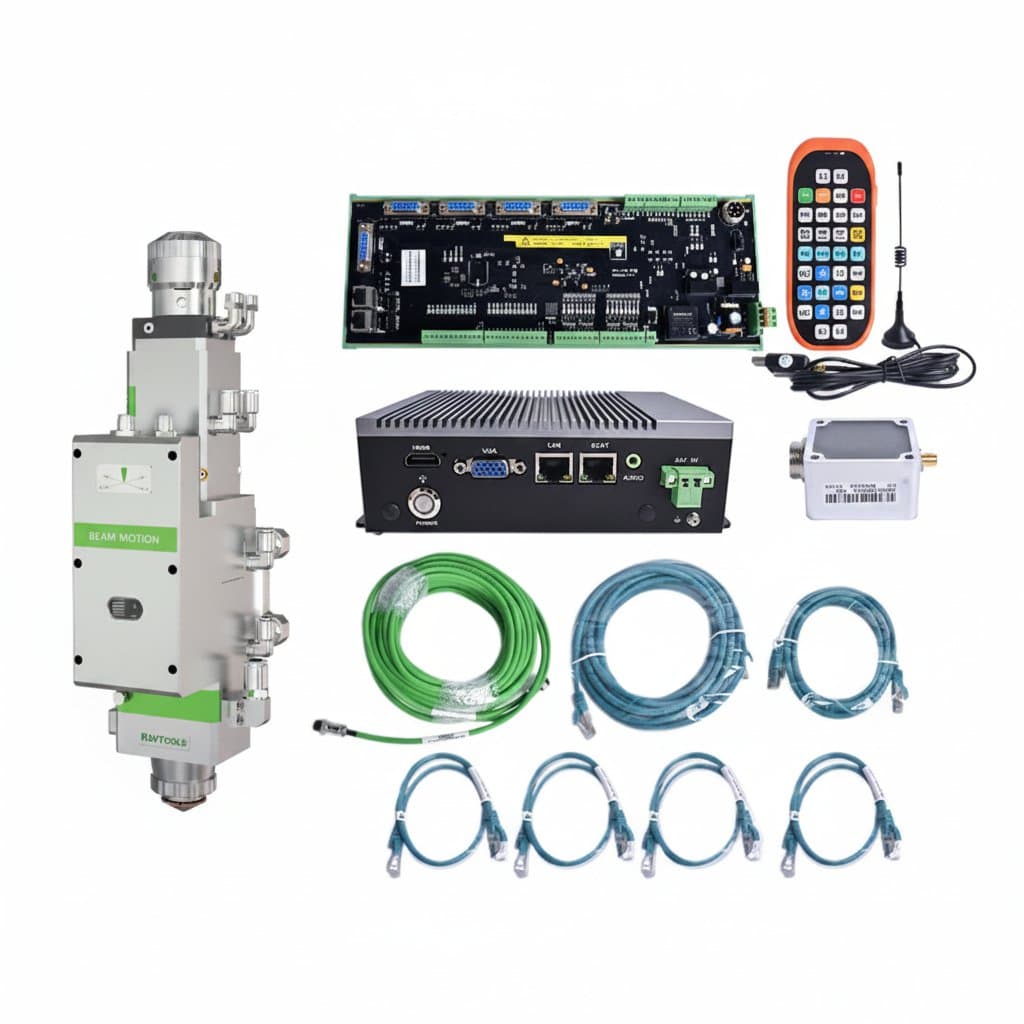
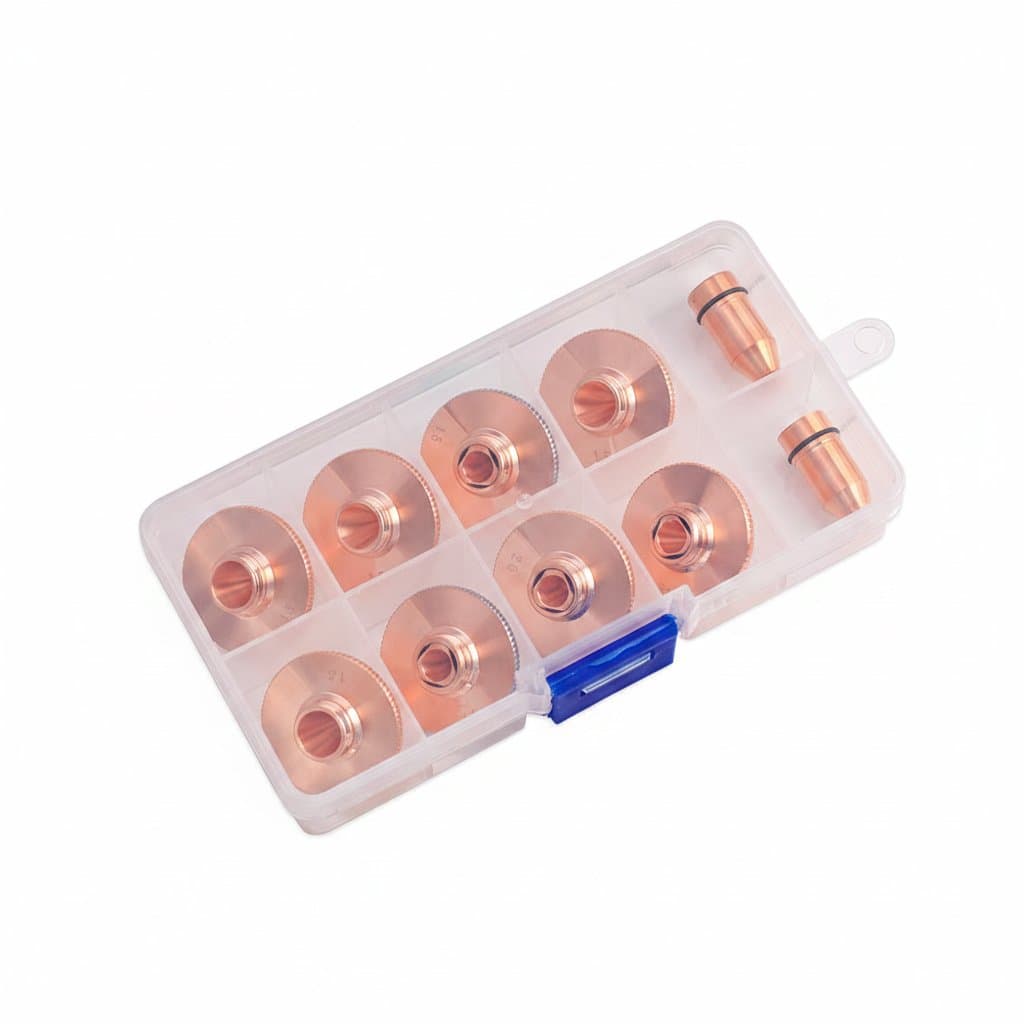
Consumables beyond gas are modest: nozzles, protective lenses and occasionally a cutting head ceramic. Fiber sources are typically rated around 100,000 hours, which in most shops means the rest of the machine wears out first.
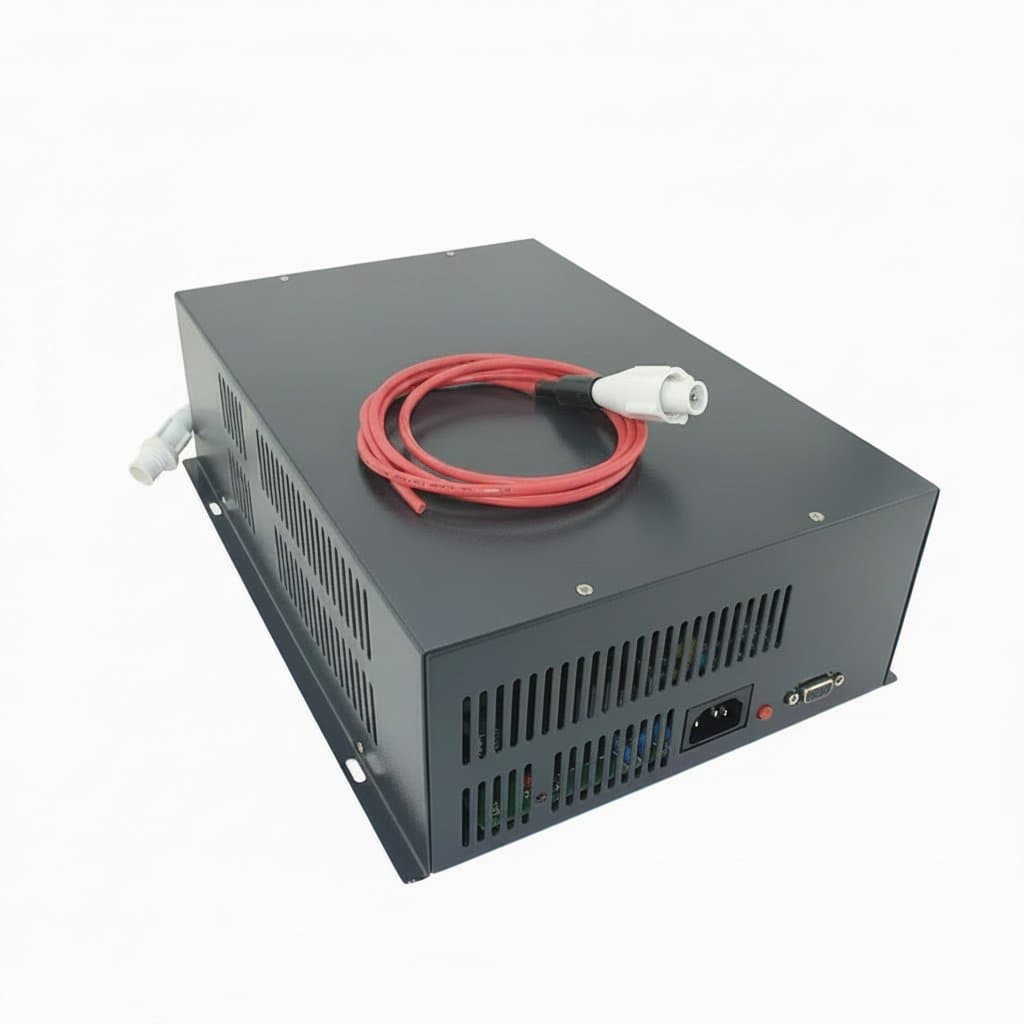
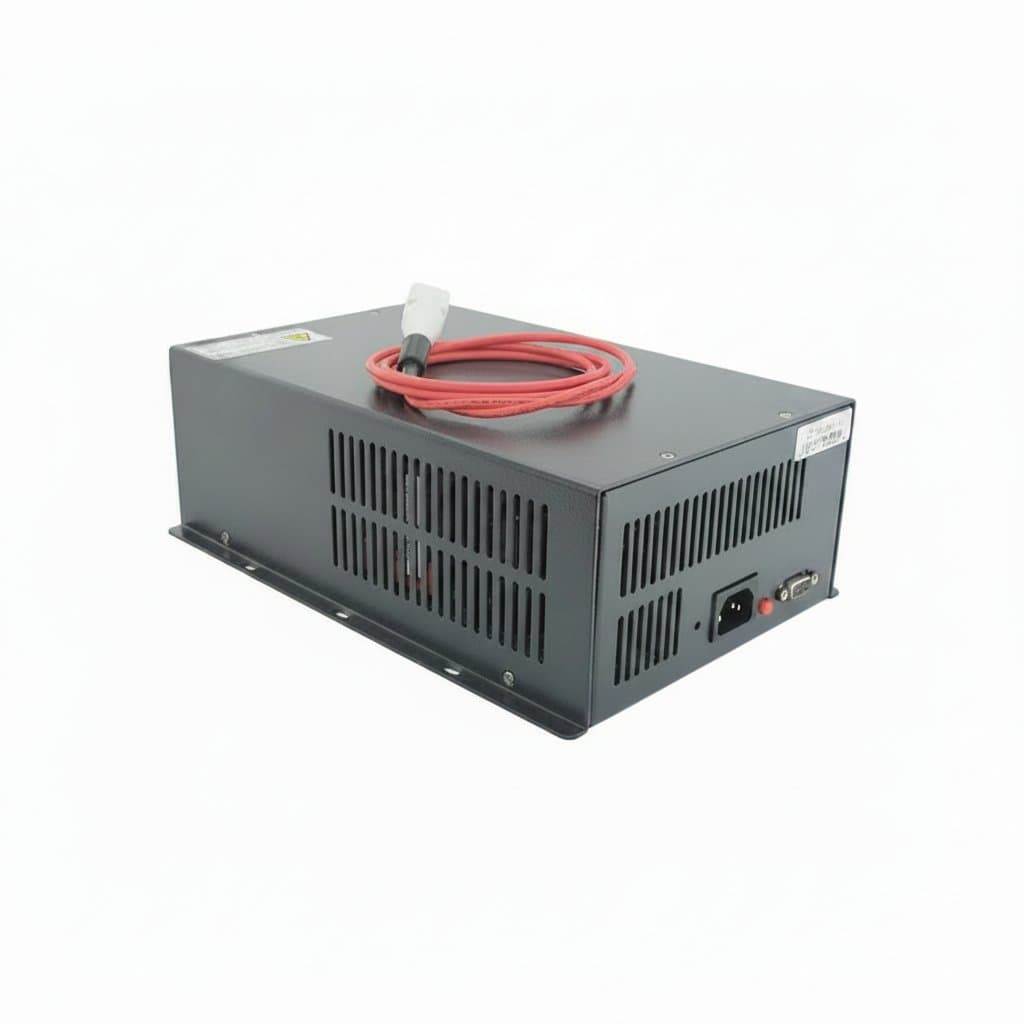
Check the power supply before ordering. These machines are 380V three-phase, and a shop without three-phase needs that sorted before delivery.