

115mm or 125mm, and what the spindle takes
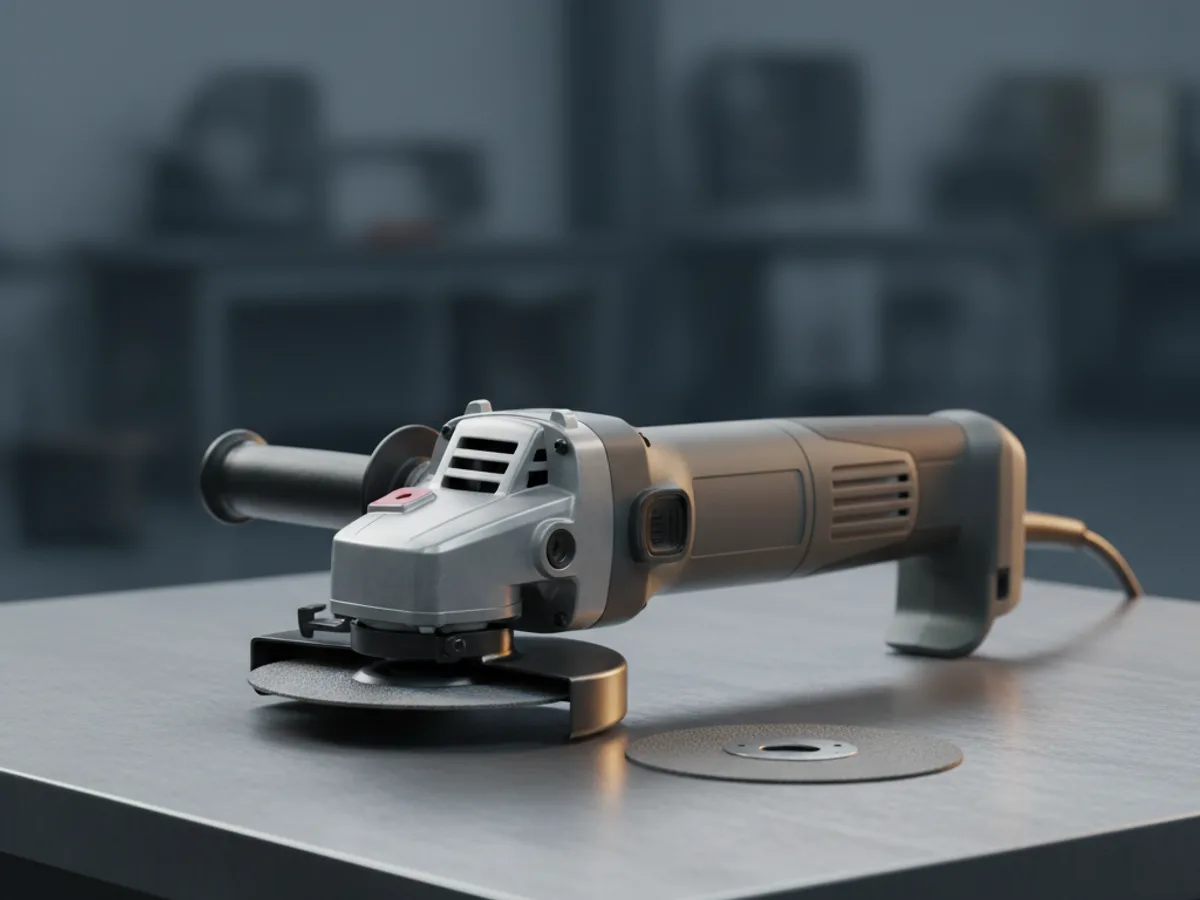
The two sizes overlap heavily. A 125 mm grinder gives roughly five millimetres more depth of cut and takes both 115 mm and 125 mm discs, so it is the more flexible buy. A 115 mm machine is usually a little lighter and shorter in the body, which tells over a long day and in tight work.
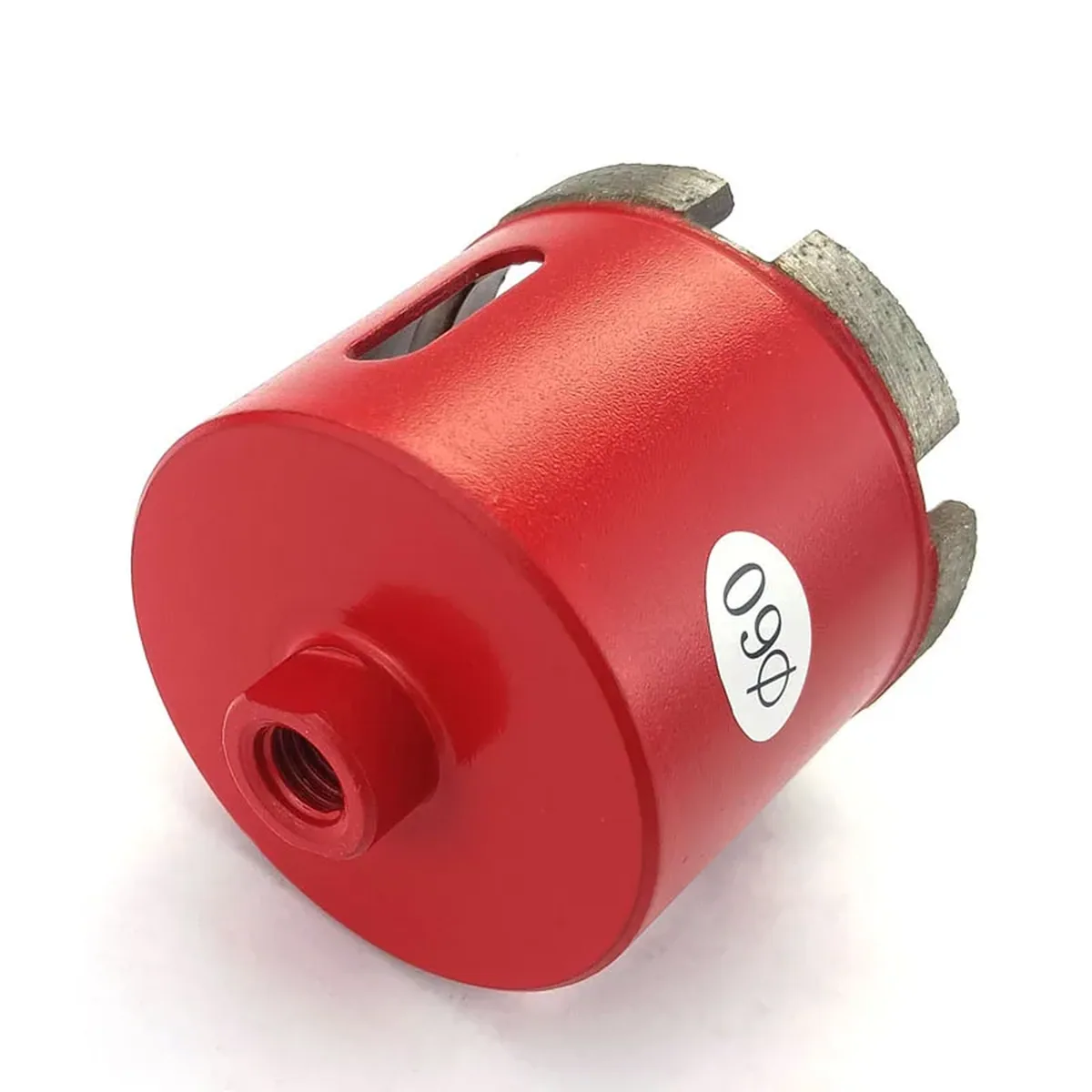
Both sizes almost always use an M14 spindle thread, which is what makes discs, backing pads, wire cups and diamond cores interchangeable across brands. Larger 230 mm machines also use M14, while some smaller or older tools use M10, so it is worth confirming rather than assuming when buying accessories.
Whatever the size, the disc must be rated for at least the grinder no-load speed. Discs carry a maximum RPM on the label, and fitting a disc rated below the machine speed is how discs come apart. A 125 mm disc on a 115 mm machine also fouls the guard, which is the other reason the sizes are not casually interchangeable.
| 115 mm | 125 mm | |
|---|---|---|
| Depth of cut | Slightly less | Slightly more |
| Disc range | 115 mm only | Takes 115 and 125 mm |
| Weight and balance | Usually lighter | Marginally heavier |
| Spindle | M14 on almost all | M14 on almost all |
Why a paddle switch is the safety feature that matters
A slide switch with a lock-on stays where you put it. If the tool snatches and leaves your hand, it keeps running and it goes wherever the disc drives it, which is the scenario behind a large share of serious grinder injuries.
A paddle switch has to be held closed. Let go, for any reason including the tool being pulled out of your grip, and the motor stops. Machines described as no-lock paddle switch are making exactly this point: there is no way to defeat it.
Restart protection is the companion feature. It stops the tool restarting by itself when power returns after an interruption, which matters on a corded machine left switched on when a breaker trips. Between two otherwise similar grinders, the one with a paddle switch and restart protection is the better tool regardless of the wattage difference.
Kickback, guards and the discs to never misuse
Kickback happens when the wheel binds in the cut. The disc stops, the motor does not, and the tool climbs violently out of the workpiece toward the operator. It is most likely when a cutting disc is twisted in a deep cut, or when the upper quadrant of the wheel catches an edge.
The guard is what stands between that and you, and it is adjustable for a reason: it belongs between the wheel and your body, repositioned as the job changes rather than left where it was or removed because it is in the way. Two hands on the tool, the side handle fitted, and standing out of the line of the wheel are the rest of it.
The one rule people break most often is using a thin cutting disc for grinding on its flat face. Cutting discs are made to take load on their edge, not their side, and side loading is exactly how they shatter. Use a grinding wheel or a flap disc for that job, and check the disc for cracks before fitting it.
Brushless motors and cordless platforms
A brushless motor has no carbon brushes to wear out and switches electronically instead. It runs cooler, wastes less energy as heat, and lasts considerably longer under repeated heavy use. On a cordless machine it also translates directly into more cuts per battery charge.
The trade is cost, and on a tool used occasionally a brushed motor is still perfectly serviceable. For a grinder that sees daily use, especially cordless, brushless is where the money is well spent.
On cordless models the battery platform is a bigger decision than the tool. A grinder is a heavy draw, so it wants a high capacity pack, and buying into a platform you already own saves far more than the price difference between two machines. Bare tool listings exist for exactly that reason, and it is worth checking whether a listing includes a battery before comparing prices.