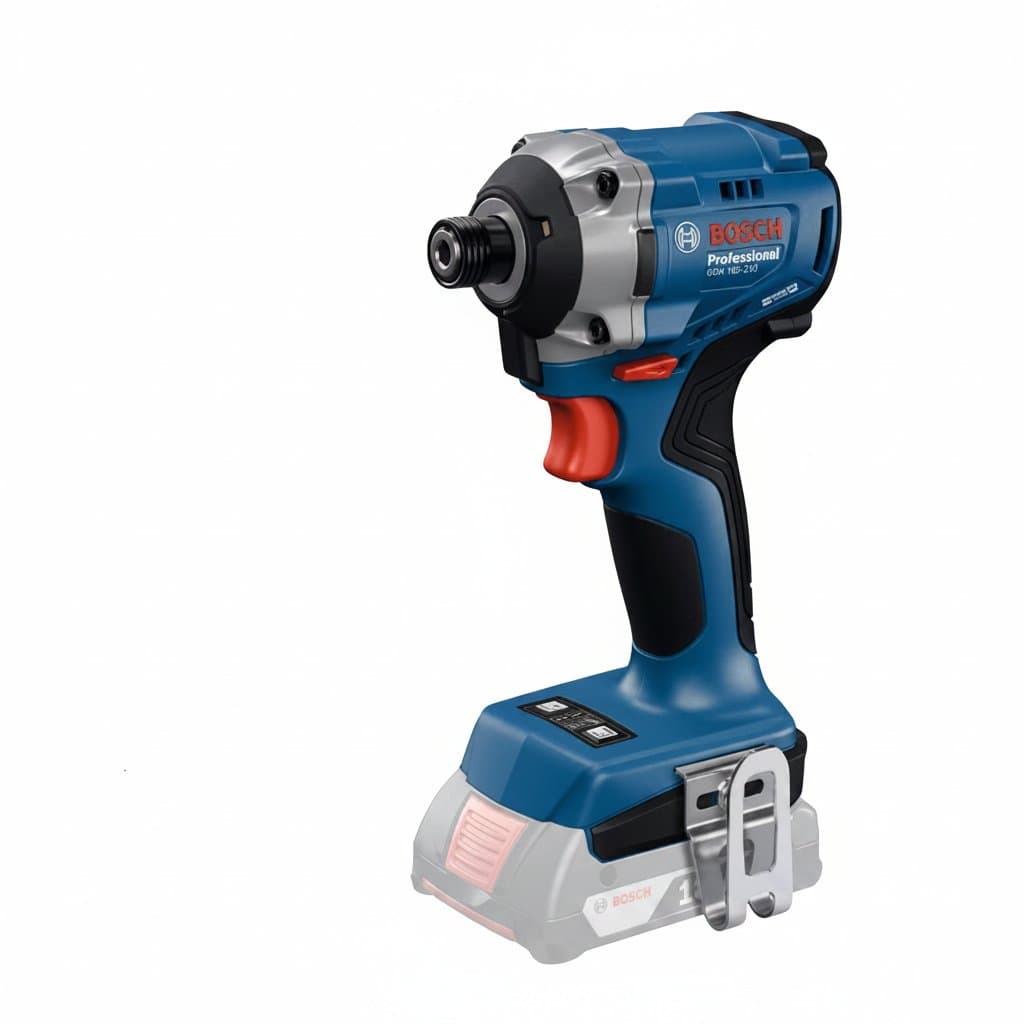
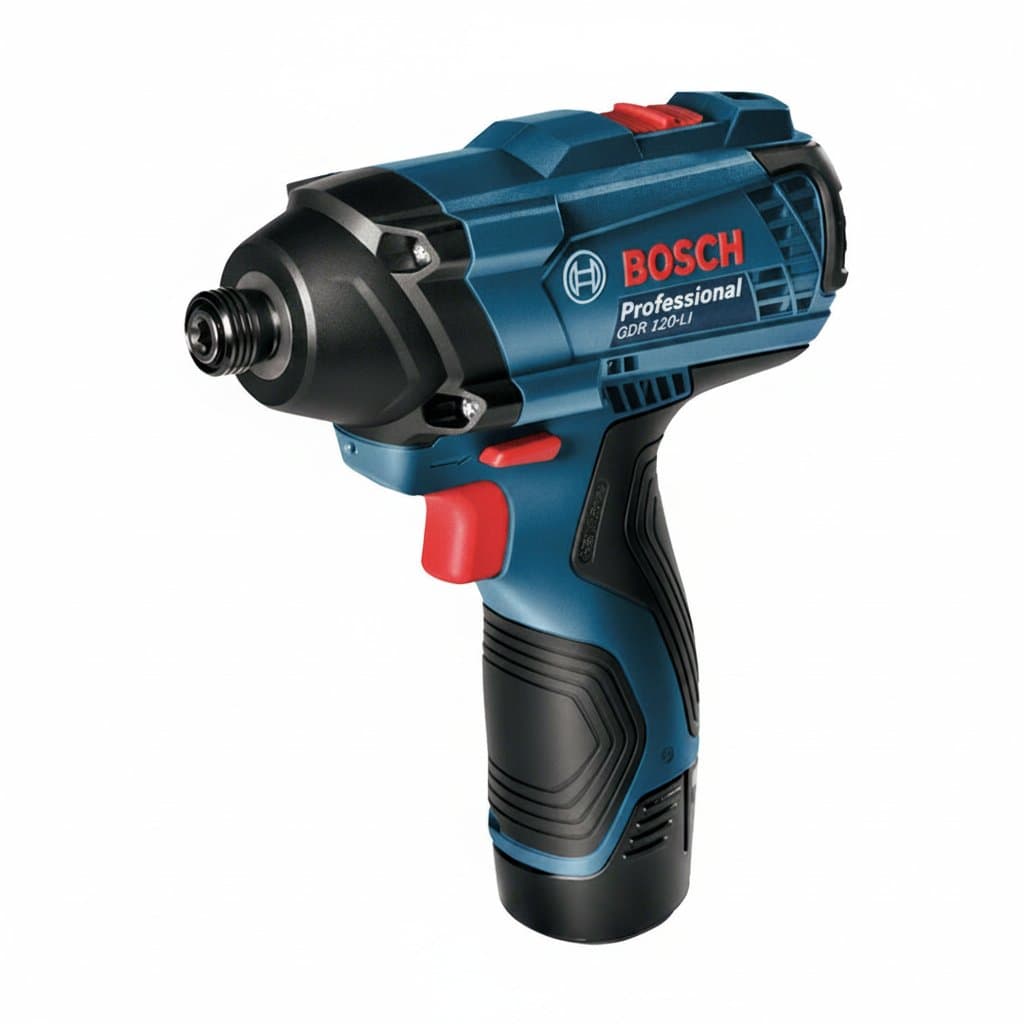
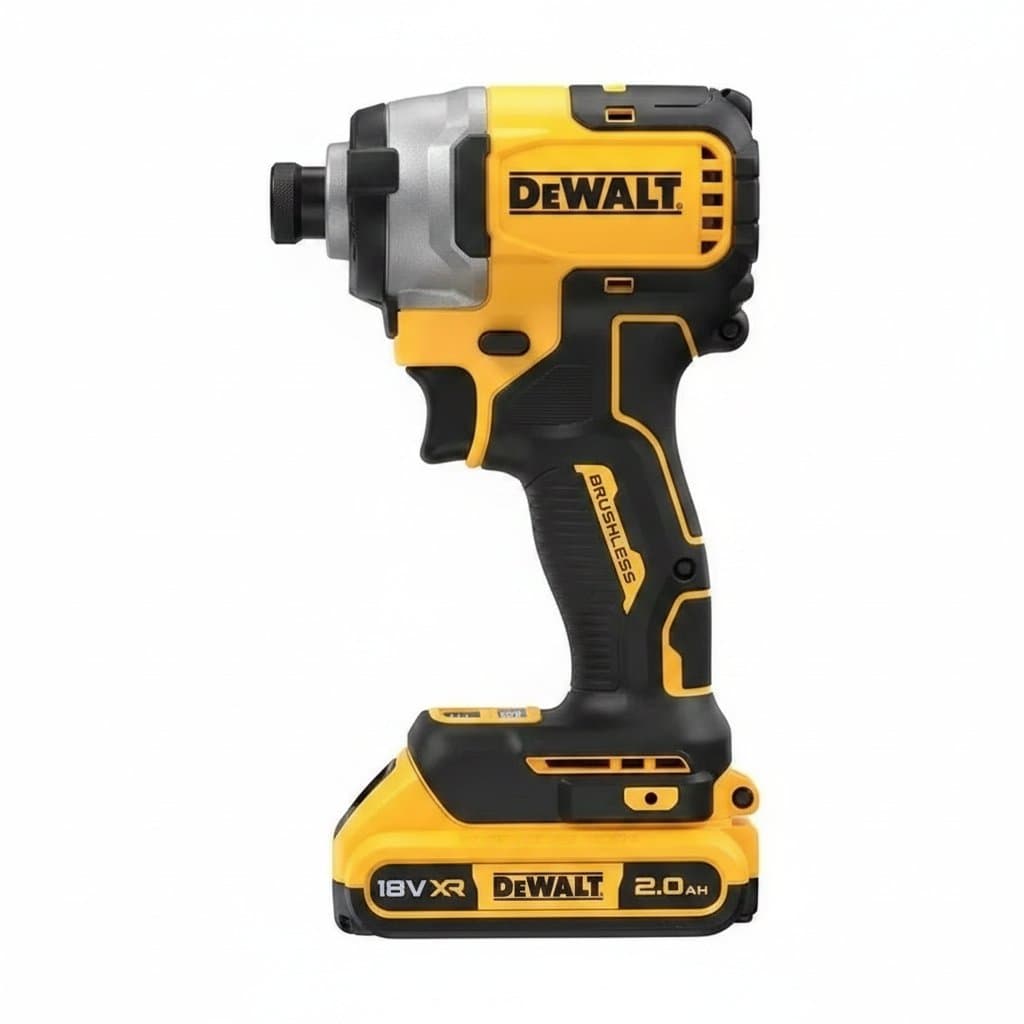
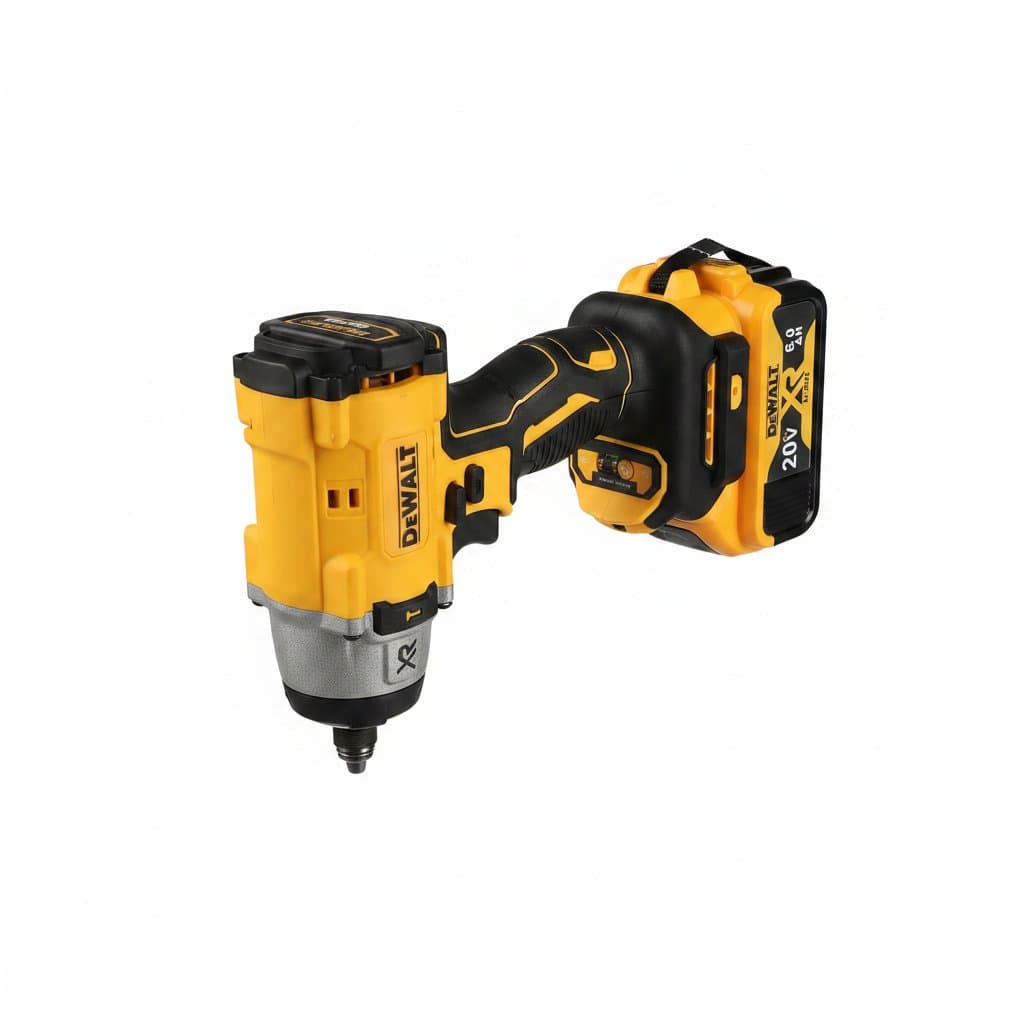
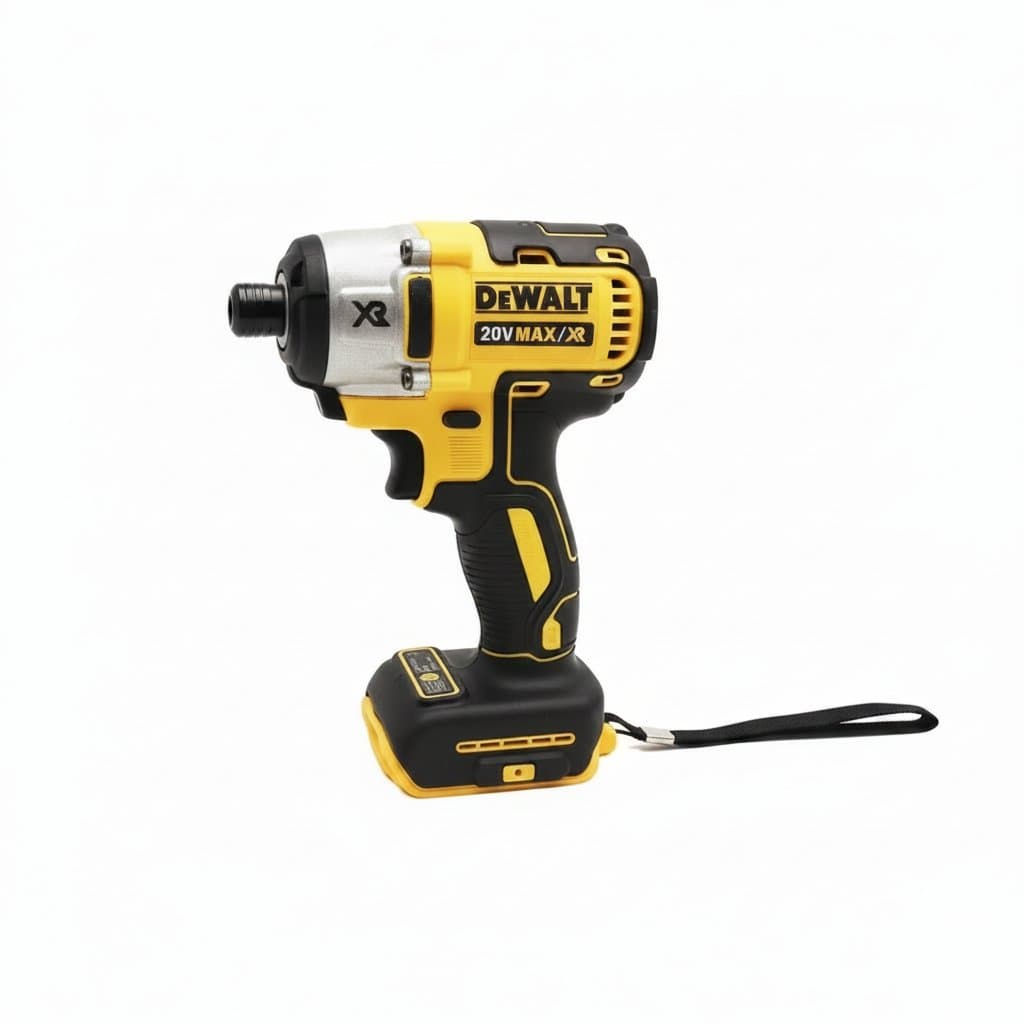
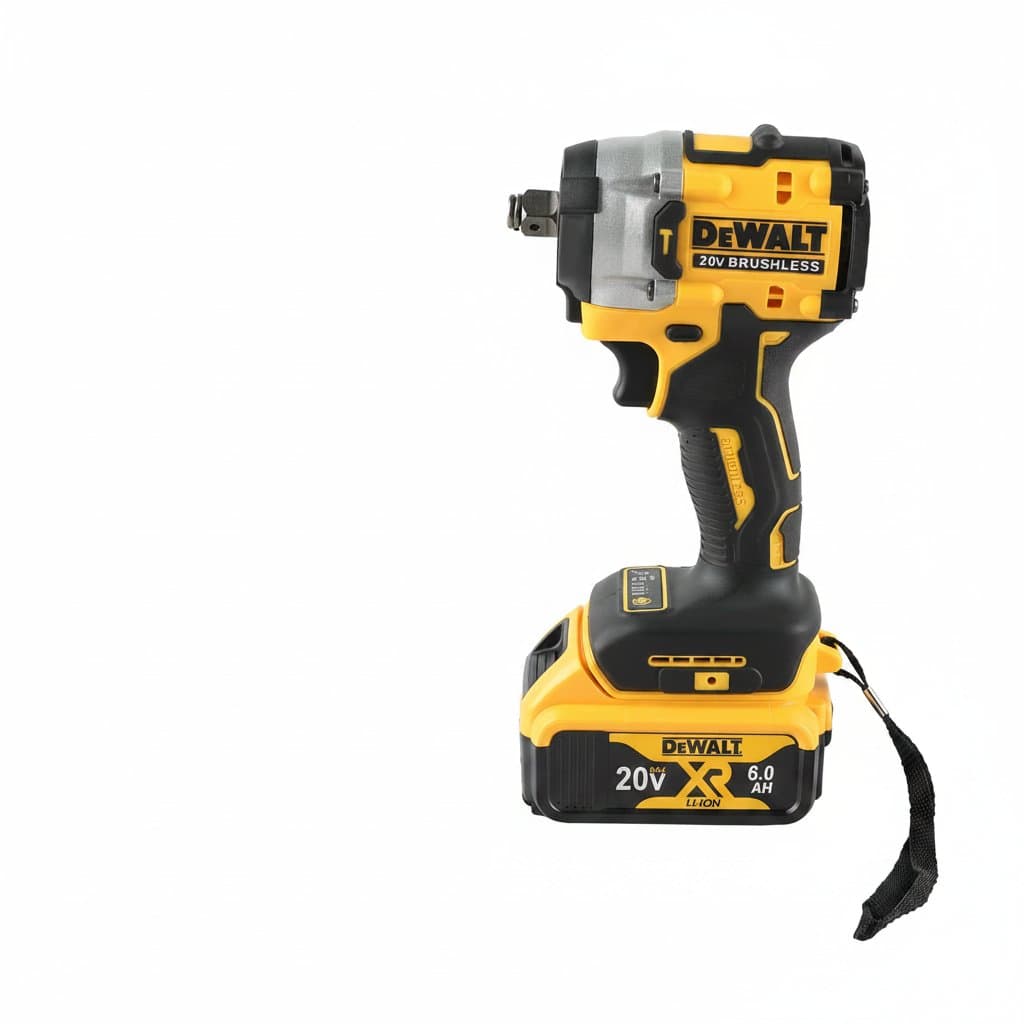
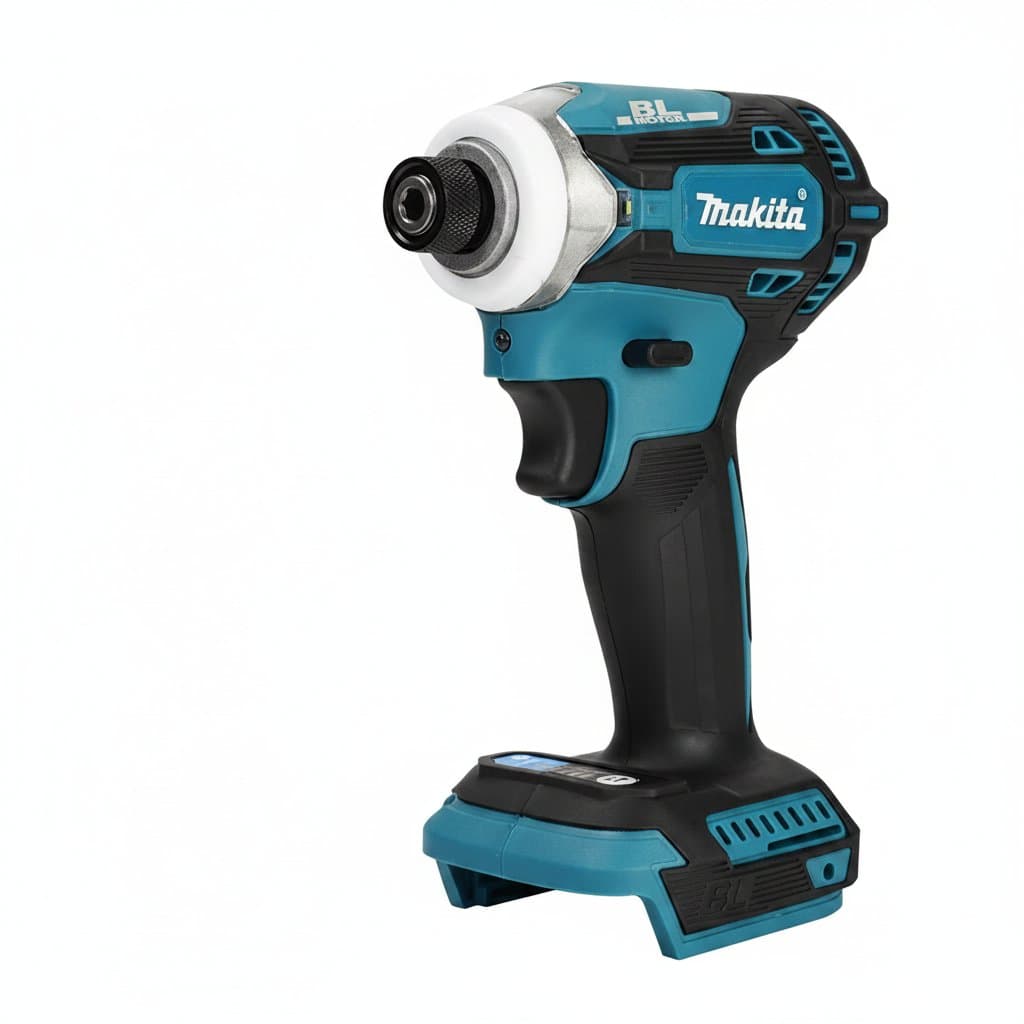
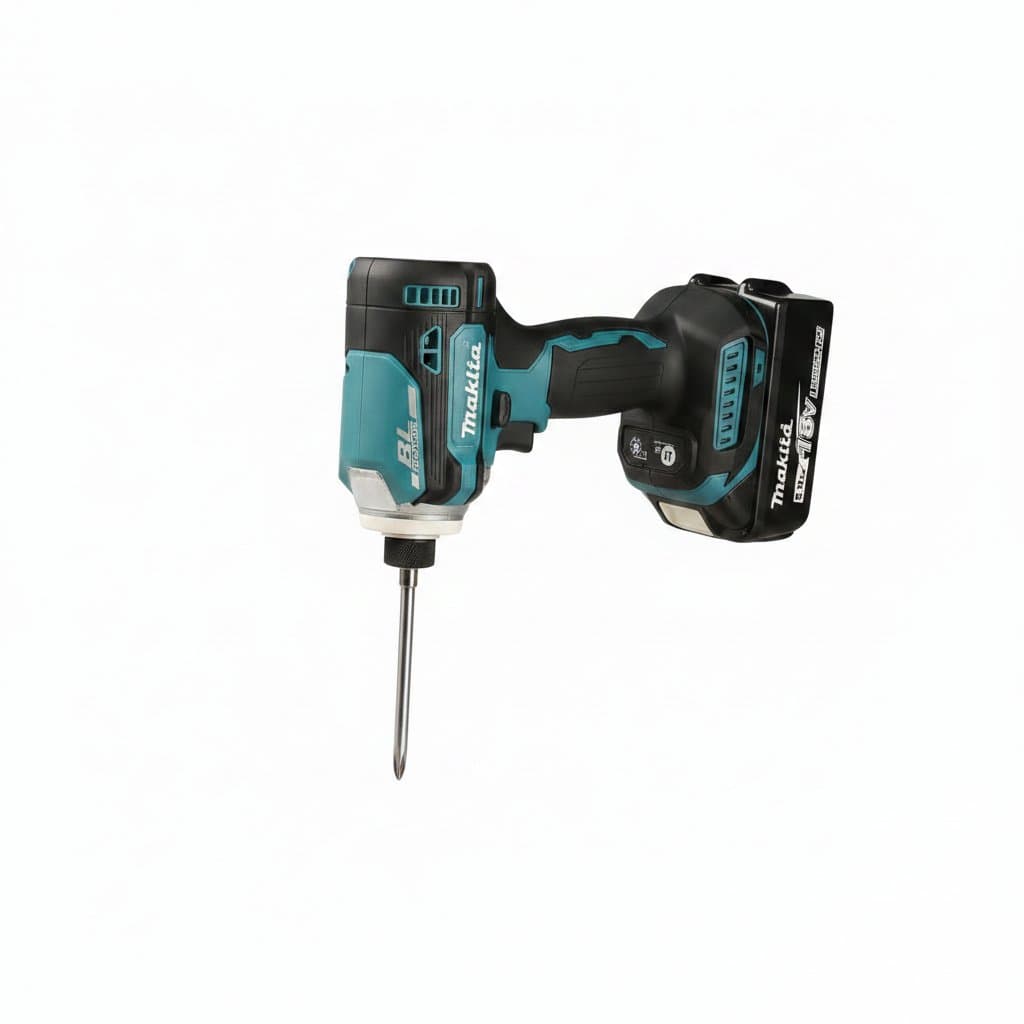
Which of the two you actually need
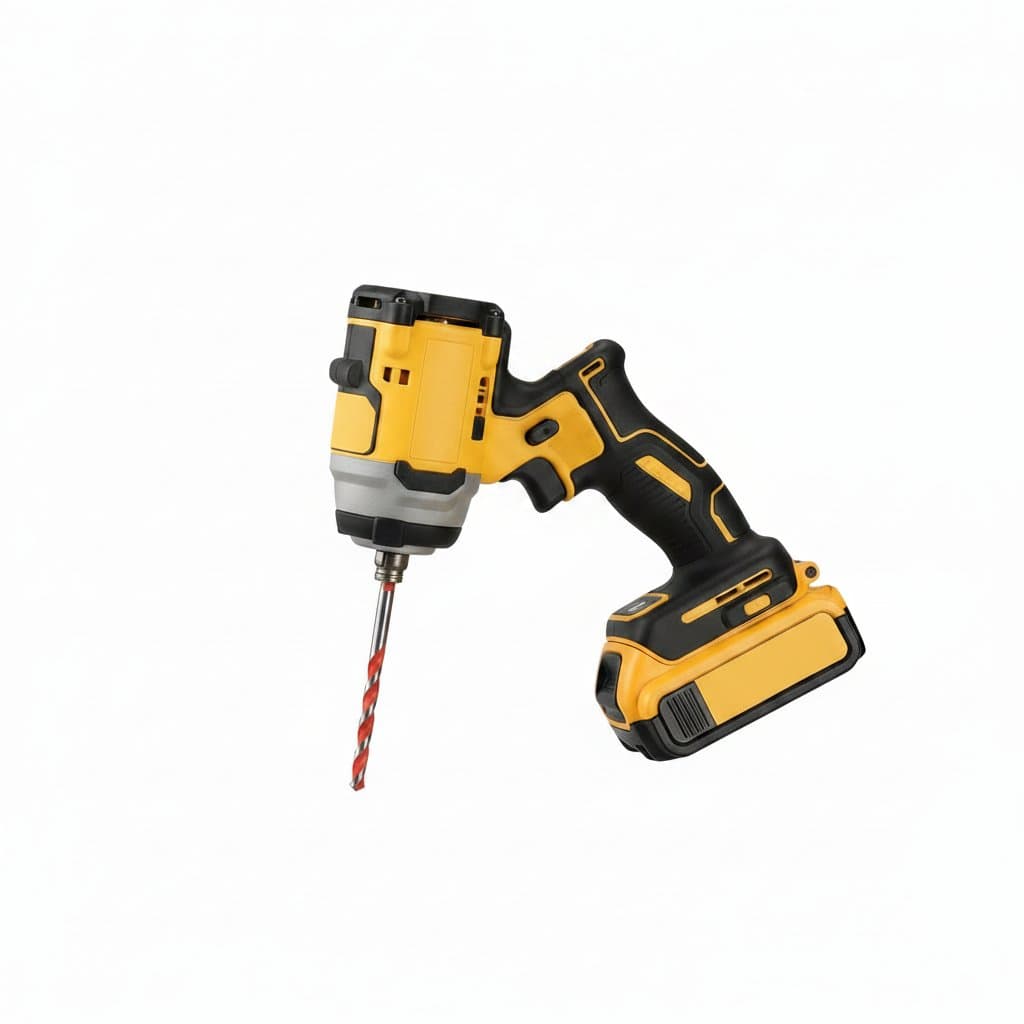
The giveaway is the business end. An impact driver has a 1/4 inch hex collet that accepts bits, weighs very little and produces enough torque to drive long screws and coach bolts into timber without stripping heads or twisting your arm. It is a fixing tool, and for most trades it is the one that lives on the belt.
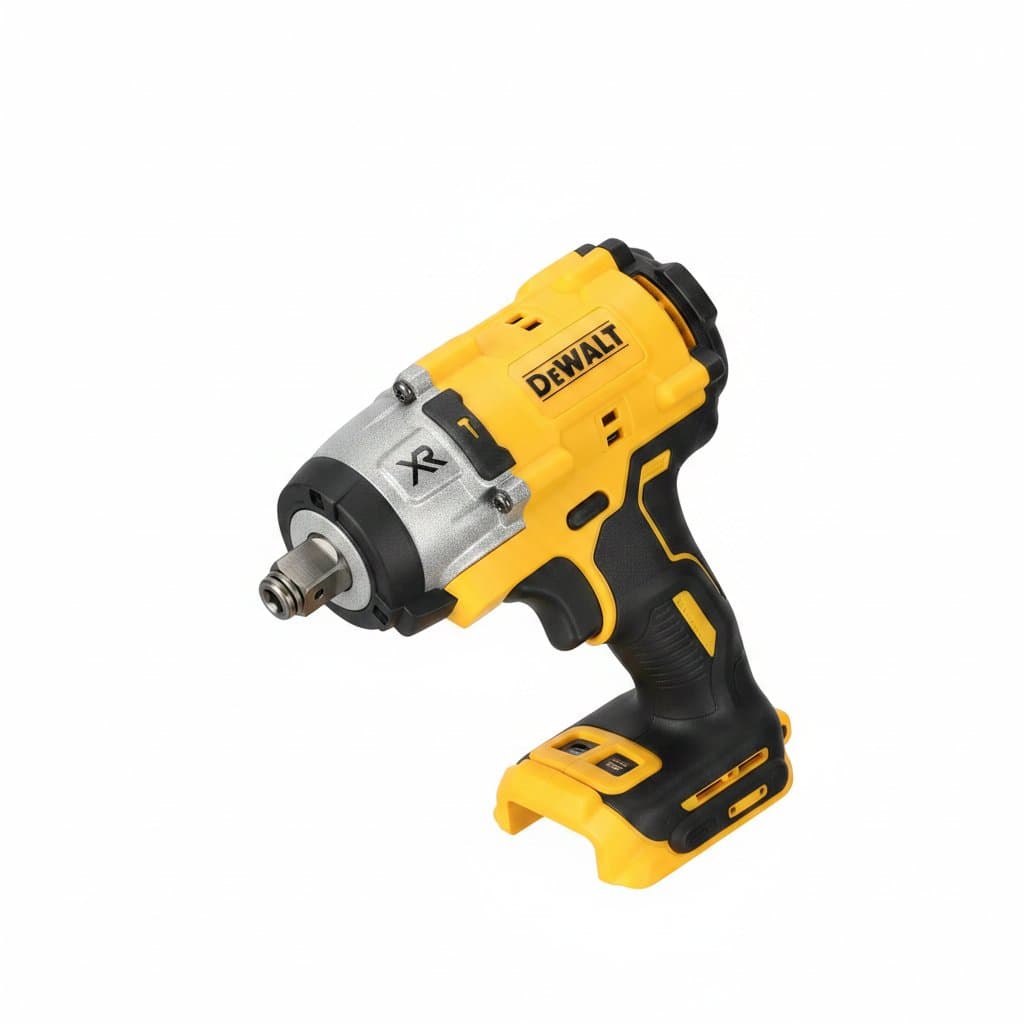
An impact wrench has a square drive, usually 1/2 inch, and exists to move nuts and bolts that are tight, corroded or torqued to specification. It is heavier, noisier and produces several times the torque. Buying a wrench because it has a bigger number on it and then trying to drive screws with it is a common and expensive way to ruin fixings.
| Impact driver | Impact wrench | |
|---|---|---|
| Business end | 1/4 inch hex collet | Square drive, commonly 1/2 inch |
| Typical torque | Around 150 to 200 Nm | From 300 Nm to well over 1,000 Nm |
| Made for | Screws, coach bolts, fixings into timber | Nuts and bolts, wheels, suspension, plant |
| Weight | Light enough for overhead work | Noticeably heavier |
Nut-busting torque is not fastening torque
Makers quote two numbers and they are not interchangeable. Nut-busting or breakaway torque is the peak the tool can apply to loosen something seized, in short violent bursts. Fastening torque is what it will reliably apply doing up a fastener. The breakaway figure is always the larger and always the one on the box.
The practical rule that follows is the one most often ignored: never use an impact wrench to make a final torque setting. Take fasteners off with it, run them back on with it, then set the final torque with a torque wrench. Wheel nuts done up on an impact are either over-torqued, which distorts discs and makes the next removal a nightmare, or under-torqued, which is worse.
Impact sockets are not optional
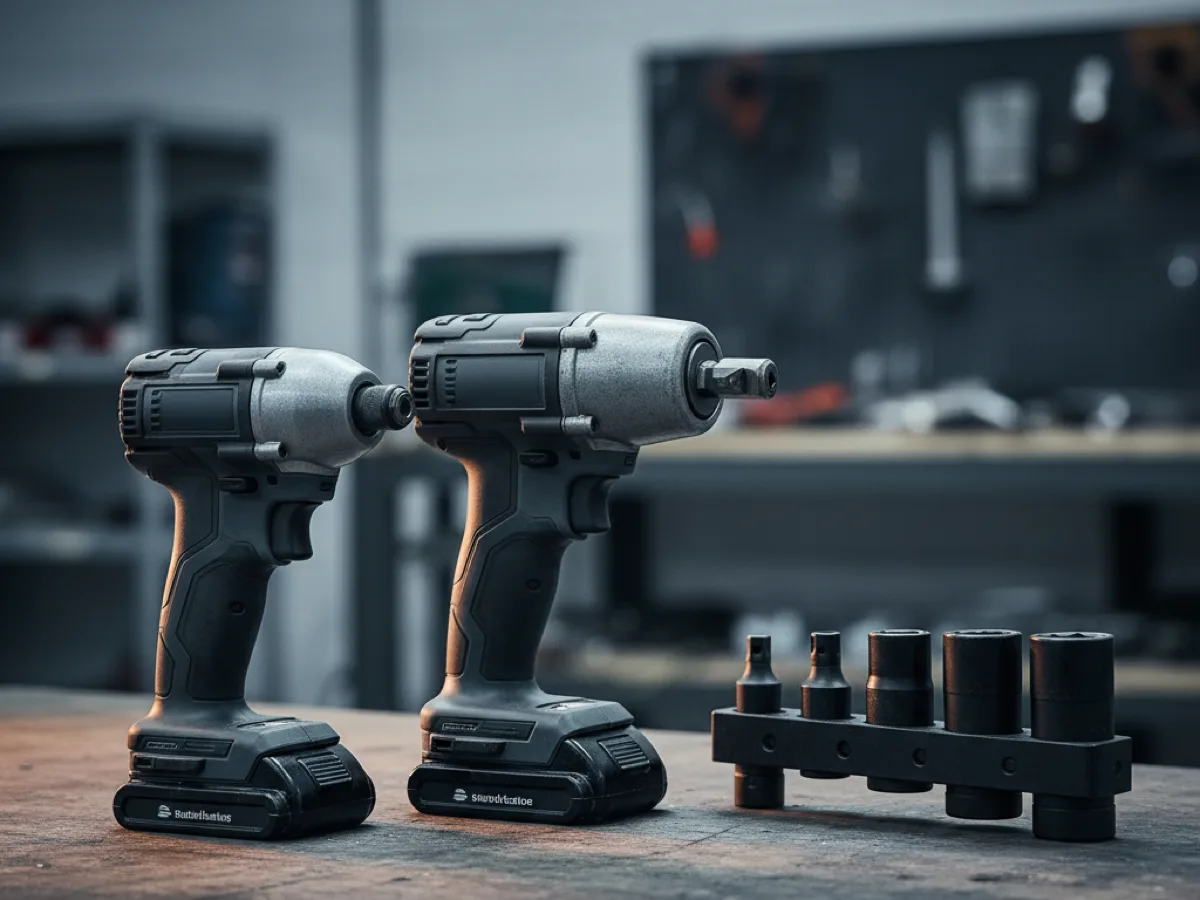
Ordinary chrome sockets are hardened to resist wear and they are brittle. Under the hammer blows of an impact wrench they crack and can shatter, sending pieces out at speed. Impact sockets are made from chrome molybdenum, deliberately softer and more ductile, thicker walled and finished in black rather than bright chrome so they are easy to tell apart.
The same applies to extensions, adaptors and universal joints. A chrome extension on an impact wrench is the weak link in the chain and it will find that out under load. Bits for impact drivers are similarly rated: a standard screwdriver bit snaps quickly where an impact-rated bit flexes and survives.
What brushless actually buys you
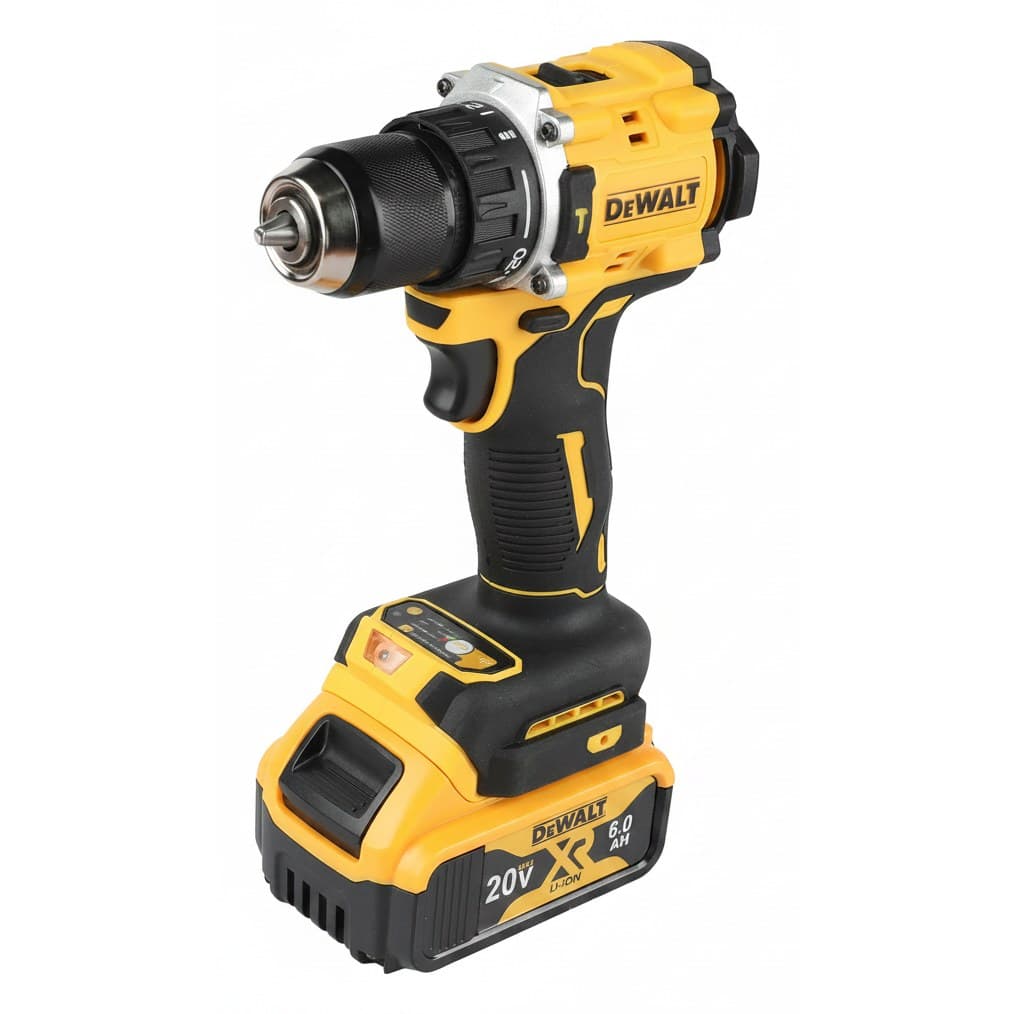
A brushless motor has no carbon brushes to wear out and no brush friction to waste energy as heat, and it is controlled electronically rather than mechanically. In practice that means more work per battery charge, a cooler tool under sustained load, and a motor that is not a consumable.
The gain is largest on tools that get stalled repeatedly, which is exactly what an impact does. Electronic control also enables the features worth having: multiple speed modes, a self-tapping screw mode that eases off once the fastener bites, and on better wrenches an auto-stop that prevents running a nut down onto the seat at full torque.