
Hydraulic Valves
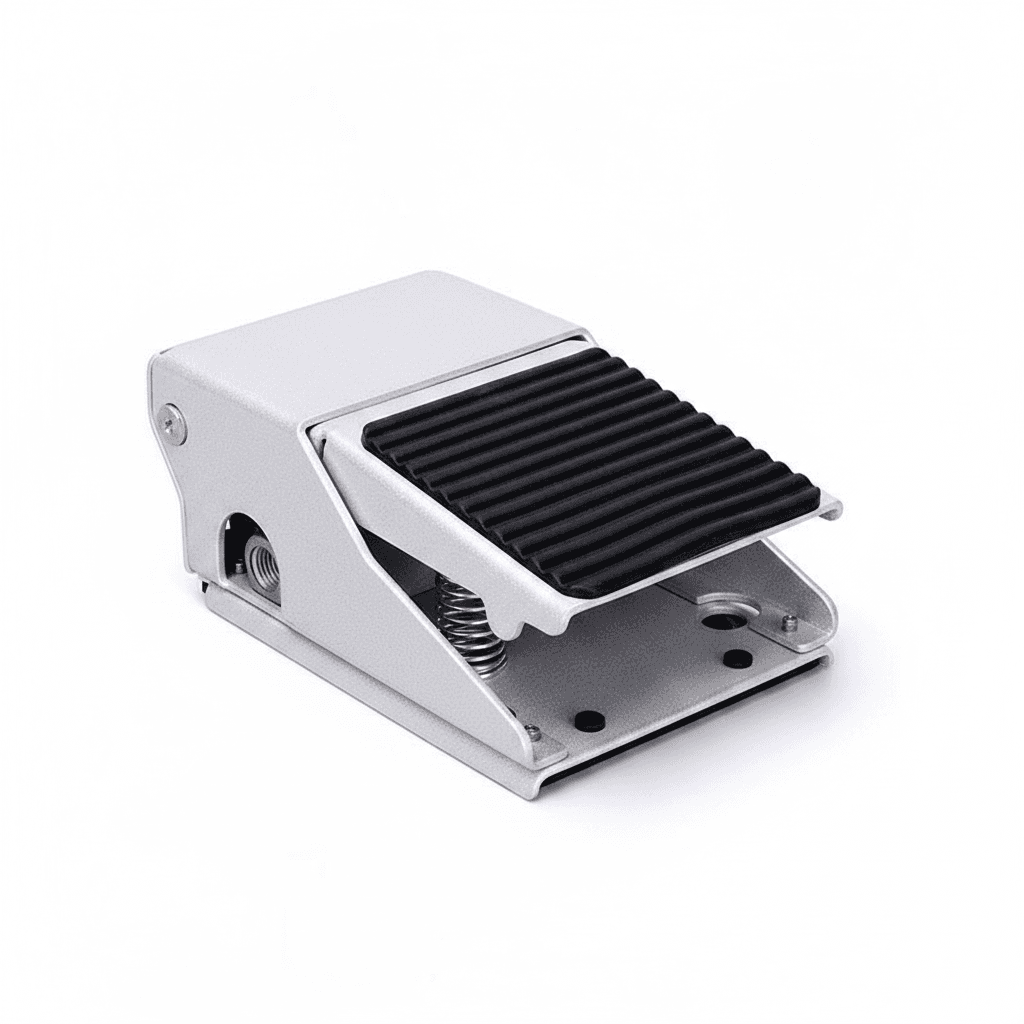
Valve Foot Pedal | 5-Port 2-Position Control | 4F210-08L Switch
CMP-04550HYDR-00352
£70.99
3 products available
Hydraulic valves are used for directing, controlling, and regulating fluid in industrial machinery. These components manage the start, stop, direction, pressure, and flow rate of hydraulic fluid, forming the core of any fluid power system. Our selection is for trade and industry professionals who require specific control components for their equipment.
We supply key hydraulic valves and related control parts, including automatic flow regulators and actuation components like solenoid coils and foot pedal switches. While the category includes everything from simple toggles to complex proportional hydraulic valves, our focused range provides reliable parts for common maintenance, repair, and operations (MRO) tasks. Find the correct component for your system based on clear technical specifications.
3 products in Hydraulic Valves
Hydraulic Valves
Hydraulic Valves
Hydraulic Valves
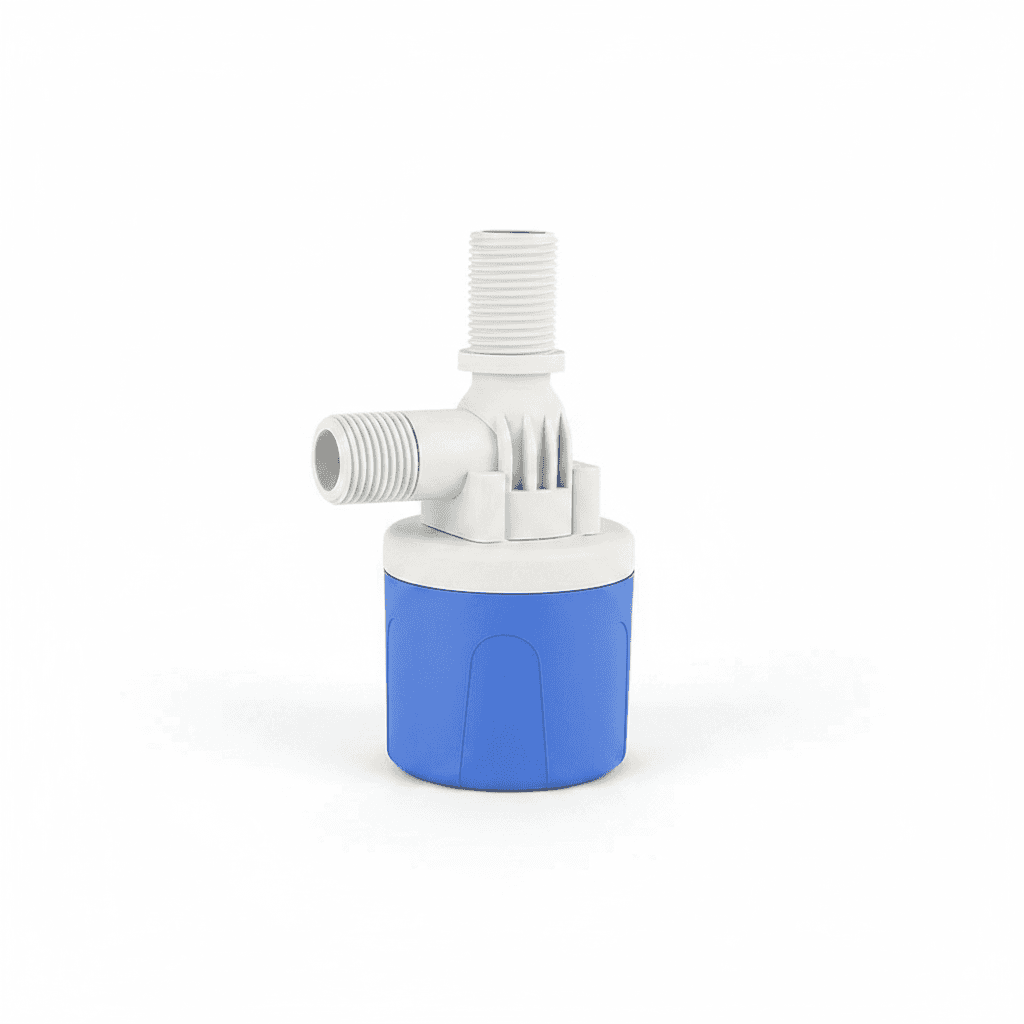
The first step is to identify the valve's job in the circuit. Different hydraulic valves perform distinct functions. For example, a hydraulic flow control valve, such as a float valve, automatically manages the rate of flow to maintain a liquid level in a tank.
Directional control valves guide fluid to different parts of a system, like extending and retracting a cylinder. These can be simple two-position switches or more complex multi-port designs. Other types, like hydraulic pressure relief valves, act as safety devices to prevent overpressurization. Understanding the required function-flow, direction, or pressure control-is the primary filter for your selection.
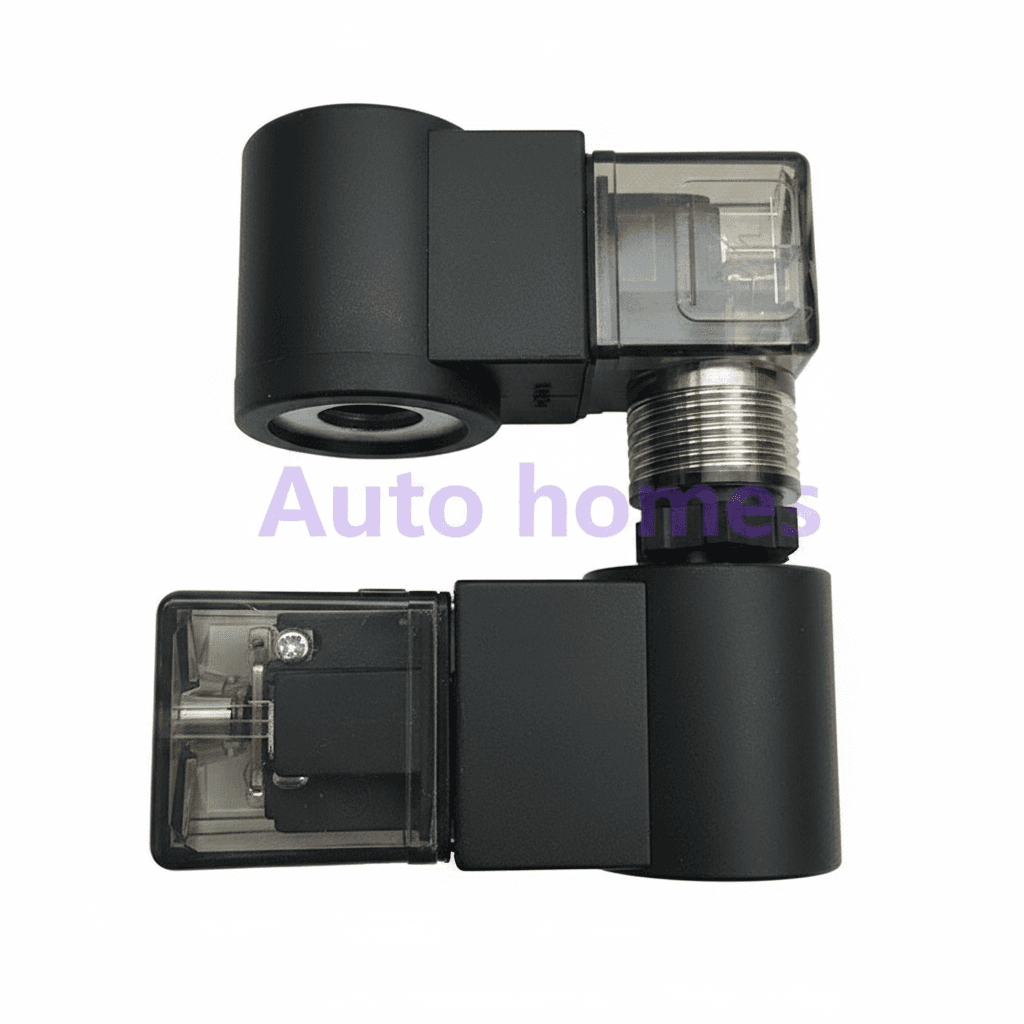
Valves are actuated, or shifted, by different methods. The choice depends on your control system. Hydraulic solenoid valves use an electrical coil to actuate the valve. When selecting a replacement coil, you must match the voltage (e.g., AC220V or DC24V), the coil's inner hole diameter (e.g., 13 mm), and its height (e.g., 37 mm) to the valve body.
Manual and mechanical actuation are also common. Foot pedal valves, for instance, provide hands-free directional control for machine operations. These are defined by their port and position count, such as a 5-port, 2-position switch (model 4F210-08L), which allows for control of a double-acting cylinder. Note that some control valves, like foot pedals, may be designed for pneumatic rather than hydraulic systems, so always verify the media type.
Proper physical and material specifications are for a secure, leak-free fit and long service life. For threaded valves, verify the connection size, such as 1/2 inch, to match your existing plumbing.
Material choice depends entirely on the media flowing through the valve. A nylon valve body is suitable for water applications, like a tank level control float. However, systems using hydraulic oil or other chemicals require materials specifically rated for that fluid. Always check the product datasheet for media compatibility, as well as pressure and temperature ratings, to ensure safe and reliable operation.
Buying guide
We use cookies. Some keep the store working, others show us what to fix. No third-party trackers, and we never sell your data. Learn more about cookies and your privacy