Sander Backing Pad | M14 Thread with Soft Edge | For 2-Inch Pads
This M14 backing plate connects small polishing or sanding pads to your rotary polisher. It comes in 1, 2, and 3-inch sizes. These are good for working on tight spaces and complex curves. The M14 thre...
- Secure checkout
- All major cards
- Tracked delivery
Good to know
Questions about this product
- What does M14 thread mean and will it fit my polisher?
- M14 refers to the size of the threaded spindle on your machine polisher, and it's the standard for most rotary polishers sold in the UK and Europe. If you have a rotary polisher (not a dual-action), it's very likely to have an M14 spindle.
- Which size should I get – the 1, 2, or 3 inch?
- It really depends on the job. The 1-inch and 2-inch plates are for small, intricate areas like wing mirrors, door handles, and tight curves. The 3-inch plate is better for slightly larger but still confined spots, like A-pillars or bumpers, where a full-size pad won't fit.
- What's the benefit of the soft edge on these backing plates?
- The soft, flexible edge helps the polishing pad conform to curved body panels without digging in or causing damage. This gives you more control when working on awkward shapes and reduces the risk of burning through the paint on an edge.
Backing Pads spec sheet (PDF)
Get a one-page sheet with full description, specifications, technical details, FAQs, price & SKU - handy to save, print, or share.
Not sure which one?
Compare with similar products
The same kind of product, in stock, in a similar price range.
This product: £38.99 · 4.9

Sander Backing Pad | M14 Thread with Soft Edge | For 2-Inch Pads
- Price
- £38.99
- Rating
- 4.9(163)
- Sold
- 900+
- Stock
- In stock

5-Inch Sander Backing Pad | 8-Hole Hook & Loop | For 125mm Makita Sanders
- Price
- £43.99
- Rating
- 4.8(87)
- Sold
- 1,000+
- Stock
- In stock

& Loop Sander Backing Pad | 3/4-Inch Size | M10/M14/M16 Polisher Thread
- Price
- £37.99
- Rating
- 4.9(255)
- Sold
- 116+
- Stock
- In stock

Backing Pad | 150mm 6-Hole Hook & Loop | Dust-Free Sanding
- Price
- £52.99
- Rating
- 4.8(93)
- Sold
- 1,000+
- Stock
- In stock

Backing Pad for Polishers | Hook & Loop | M10/M14 Thread | 4-7 Inch
- Price
- £32.99
- Rating
- 4.9(245)
- Sold
- 1,000+
- Stock
- In stock

Backing Pad for Sanding Discs | 5-Inch M14 Thread | Angle Grinder Polishing
- Price
- £31.99
- Rating
- 4.9(1335)
- Sold
- 5,000+
- Stock
- In stock
Compare options
More Backing Pads

5-Inch Orbital Sander Pad | 8-Hole Hook & Loop | Soft Sponge Buffer (2-Pack)

Block for Sanding Sheets | PU Foam Backing Pad | Manual Grinding & Polishing

6 Inch Drywall Sander Pad | 6-Hole Hook & Loop Backing Plate | For Bosch GEX 150

Disc Backer Plate | M10/M14 Thread | Hook & Loop Polishing Pad

Sander Backing Pad Interface | 6-Inch 25-Hole | Foam Cushion

5 Inch Orbital Sander Pad | 8-Hole Hook & Loop Design | 125mm Replacement Disc

Sander Pad Saver | 6-Inch Hook & Loop | 2pc Interface Protector

9-Inch Orbital Sander Pad | 8-Hole Hook & Loop | Drywall Sander Replacement
Explore the range
Popular in Tools & Hardware

Torx Screwdriver Set | 8-22mm Self-Tightening Wrench | Precision Glasses & Electronics Repair Tool
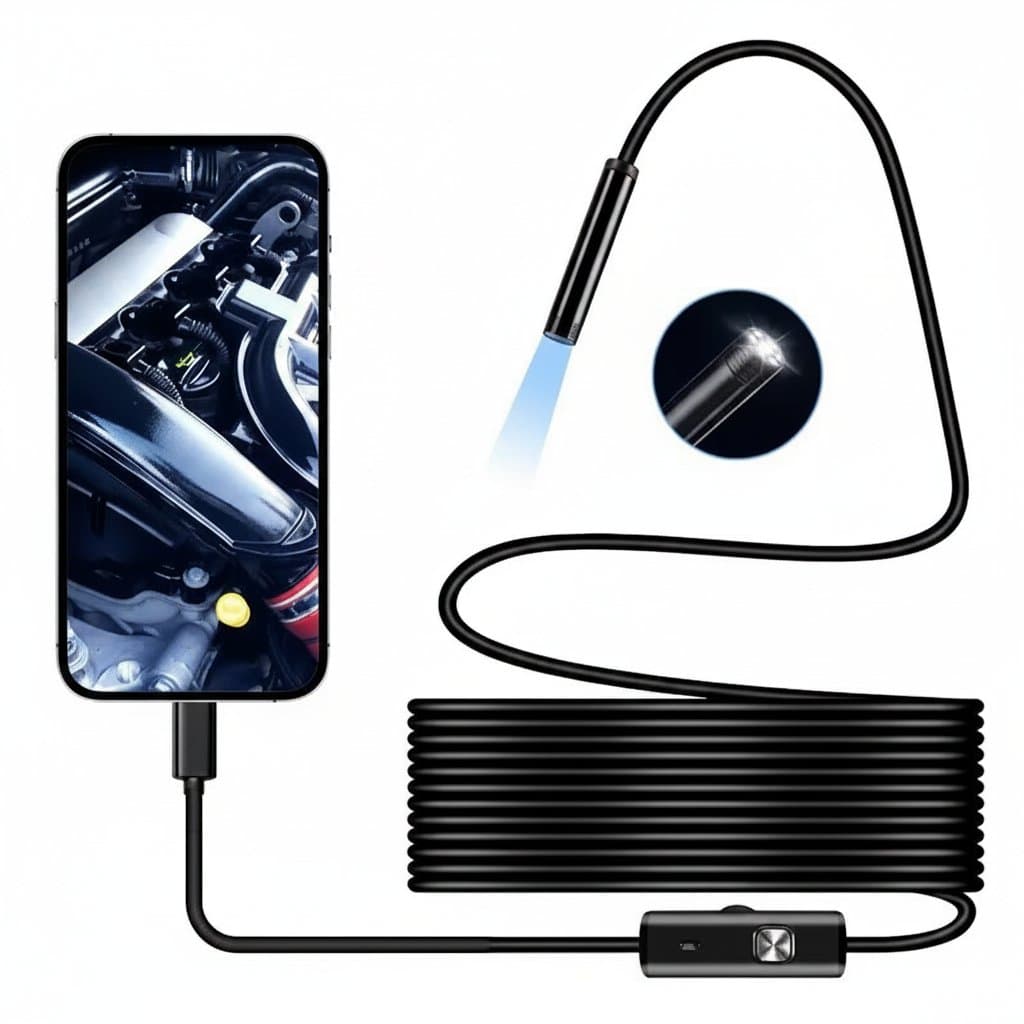
USB-C Endoscope Camera | 5.5mm Lens for Android & PC | Flexible Inspection Borescope with 6 LEDs
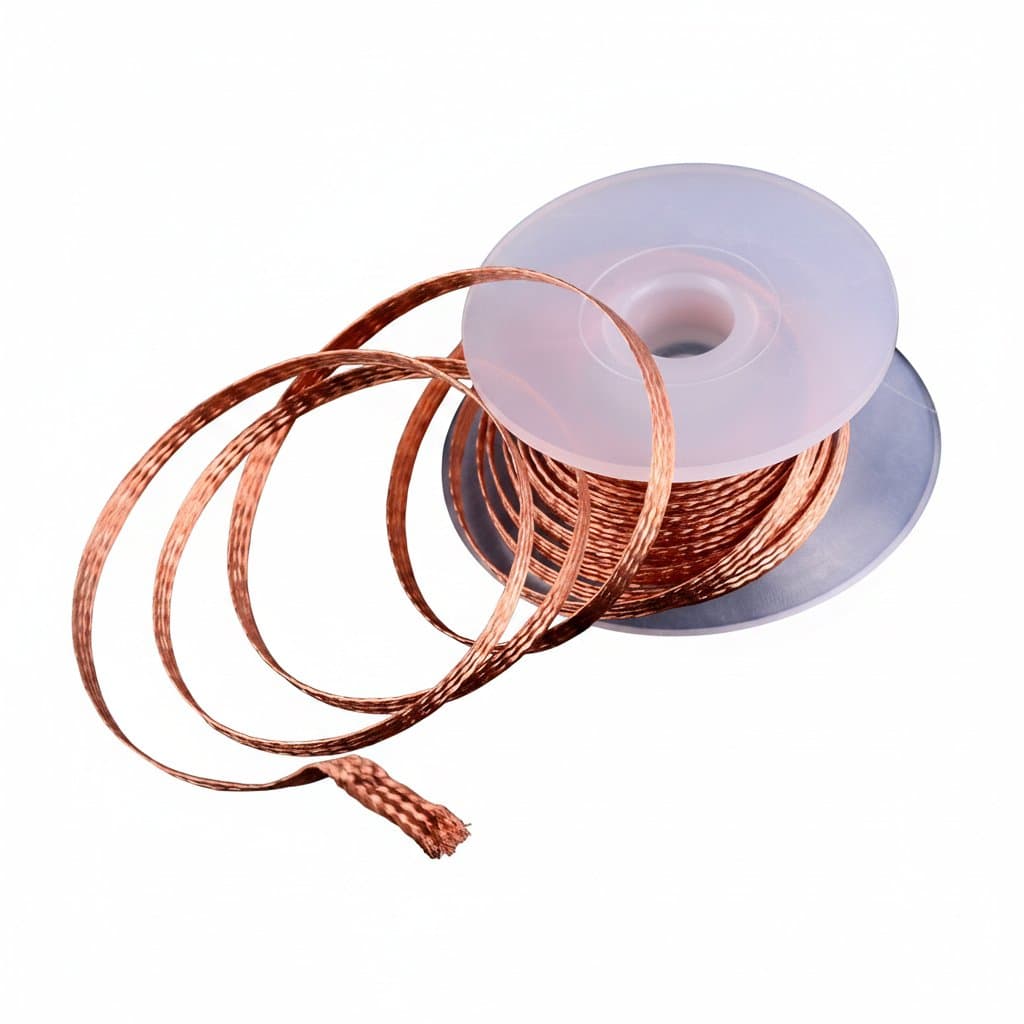
Desoldering Braid | Solder Remover Wick | 2.0mm & 3.5mm x 1.5M
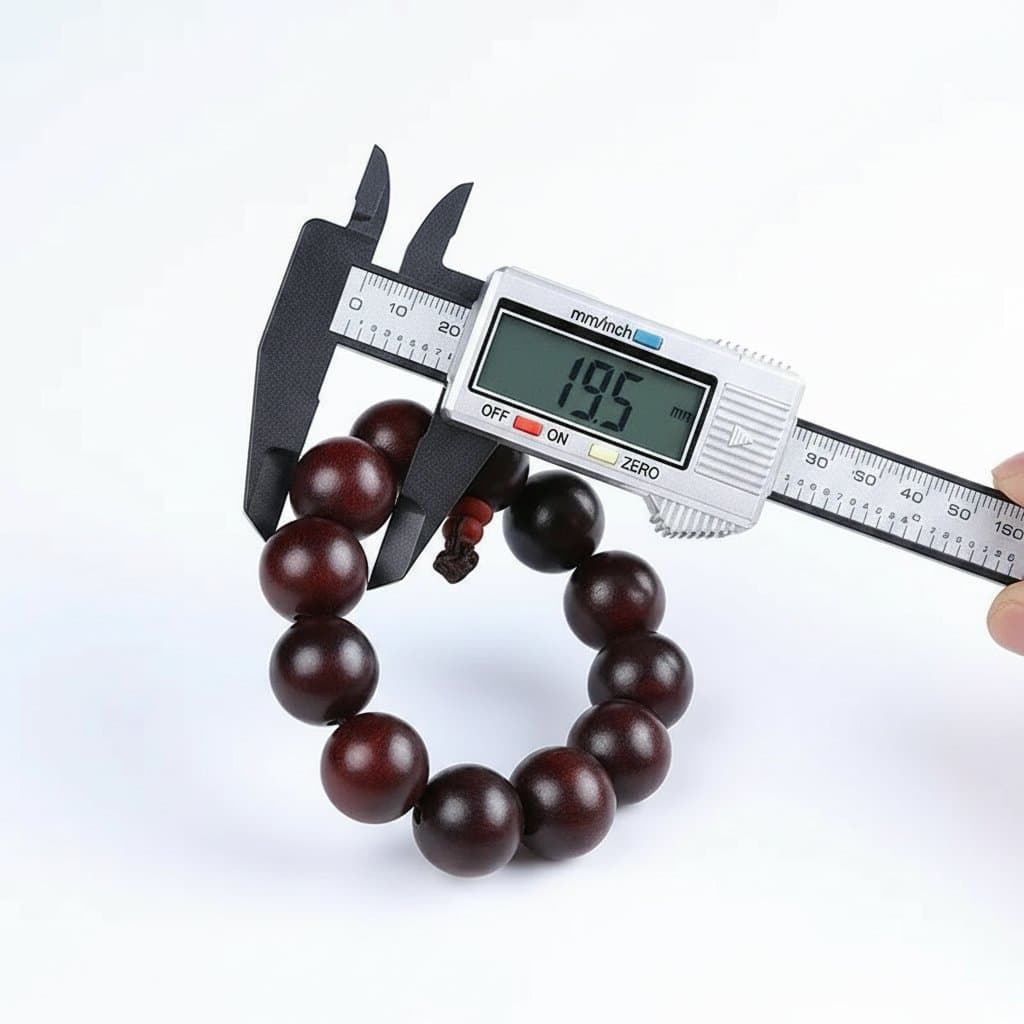
Digital Vernier Caliper | 0-150mm Measuring Tool | Plastic Body
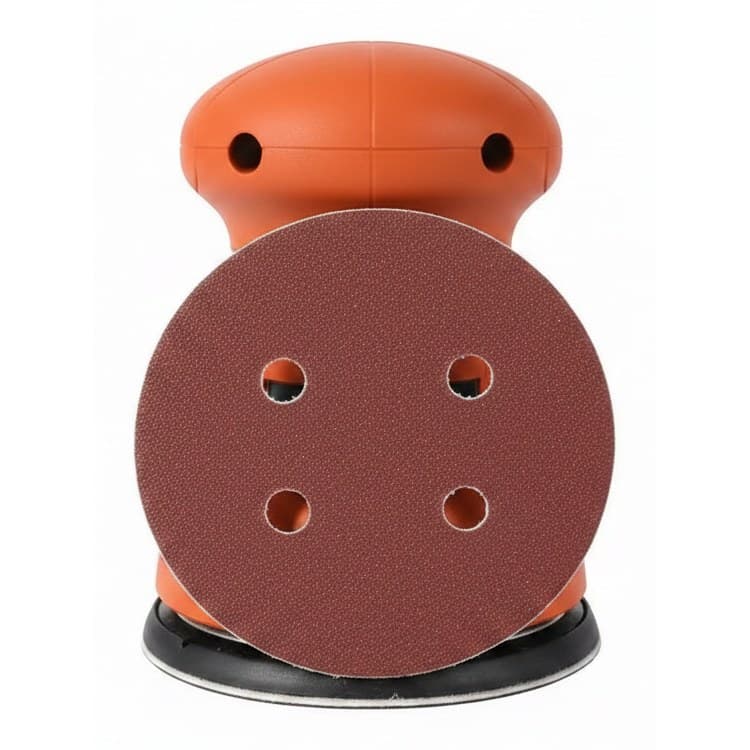
Sander Sanding Discs | 125mm 8-Hole Pattern | For Wood & Metal Grinding
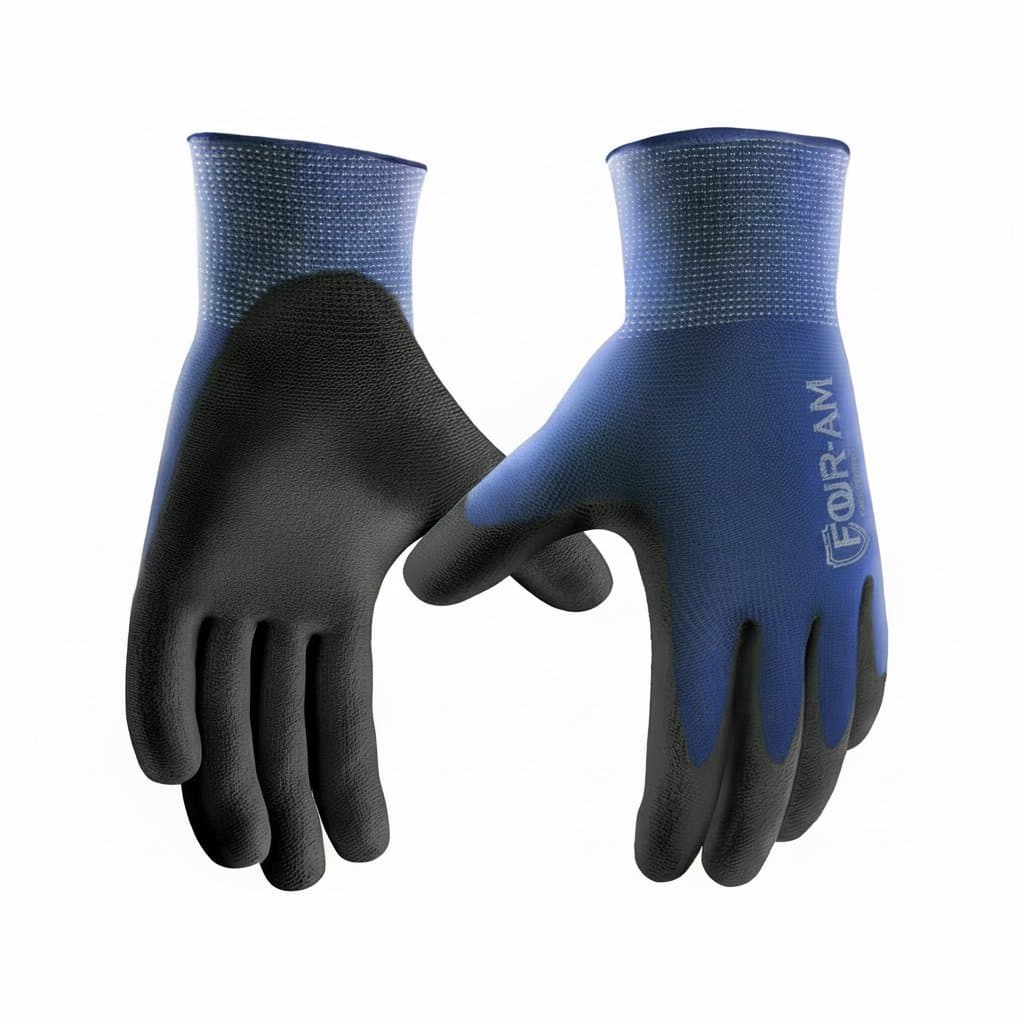
12-Pair PU Coated Work Gloves | Ultra-Thin Grip & Knit Wrist | Nylon Shell Safety Gloves
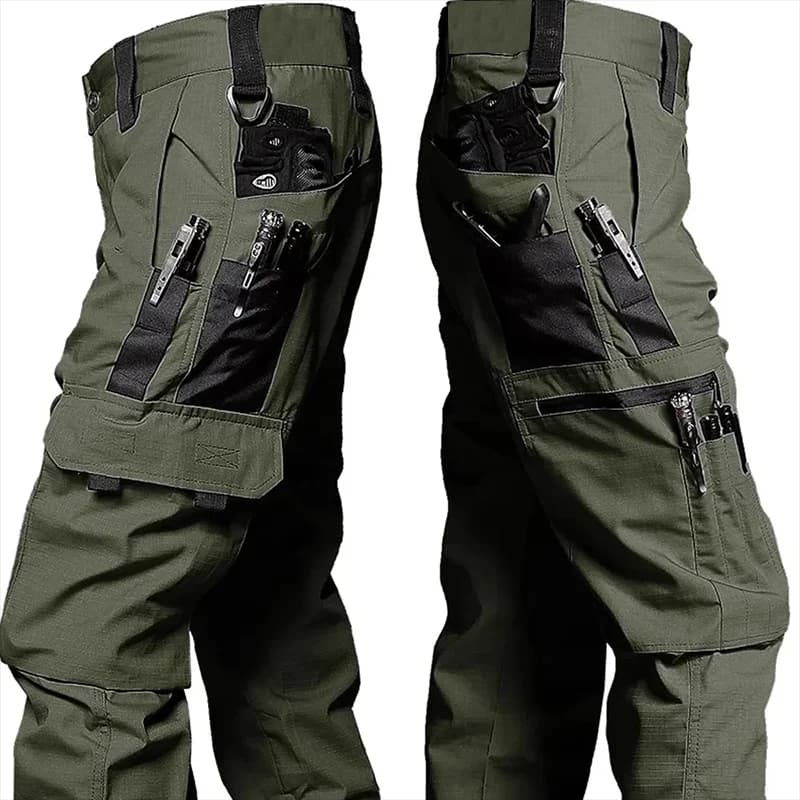
Tactical Work Pants Men | Multi-Pocket Waterproof | Outdoor Cargo Trousers
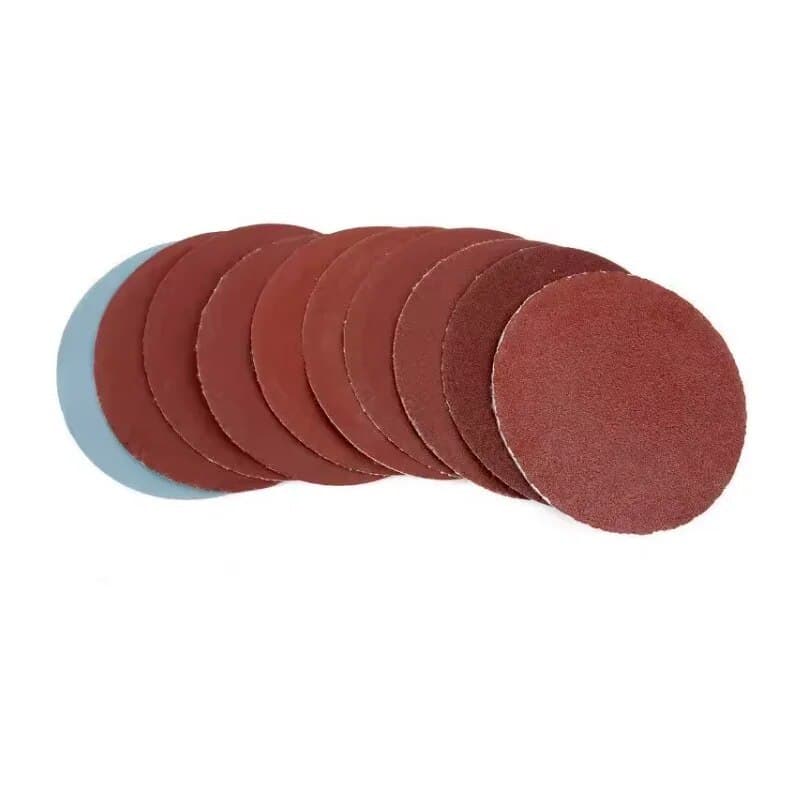
1-Inch Rotary Tool Sanding Sheets | 100pc Disc Set | For Dremel Tools
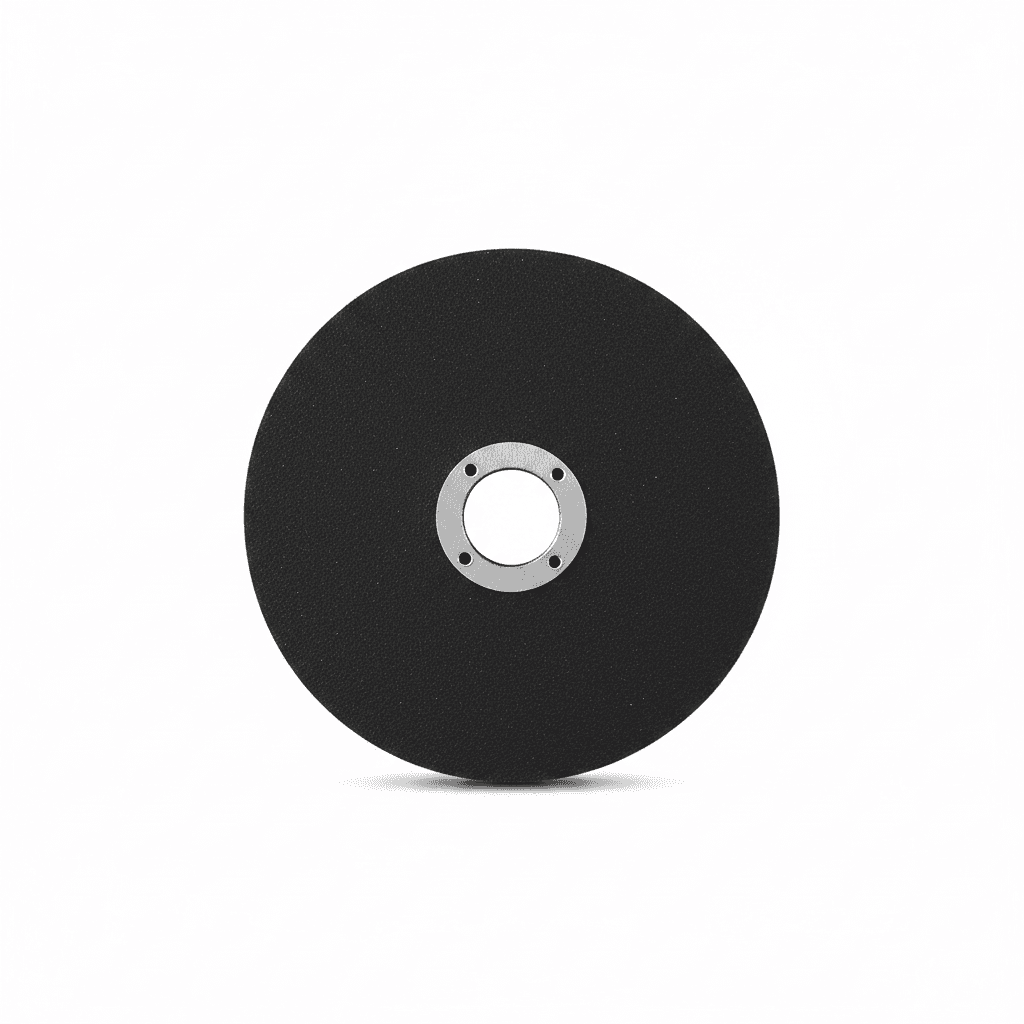
Cutting Disc Set | 75/115/125mm | For Angle Grinder & Steel Bars
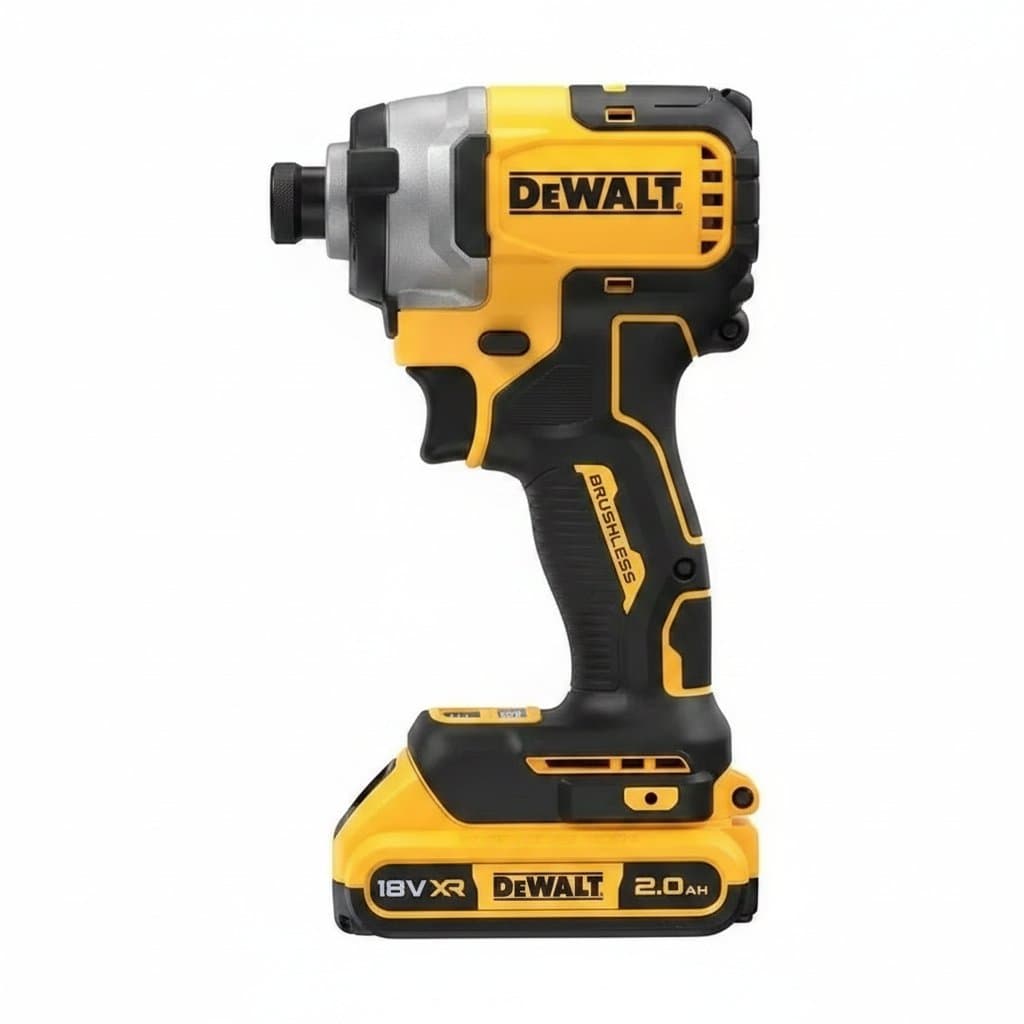
DEWALT DCF850 Impact Driver Electric Driver 20V Brushless Cordless 3250RPM screwdrivers High Torque tools Power Tools
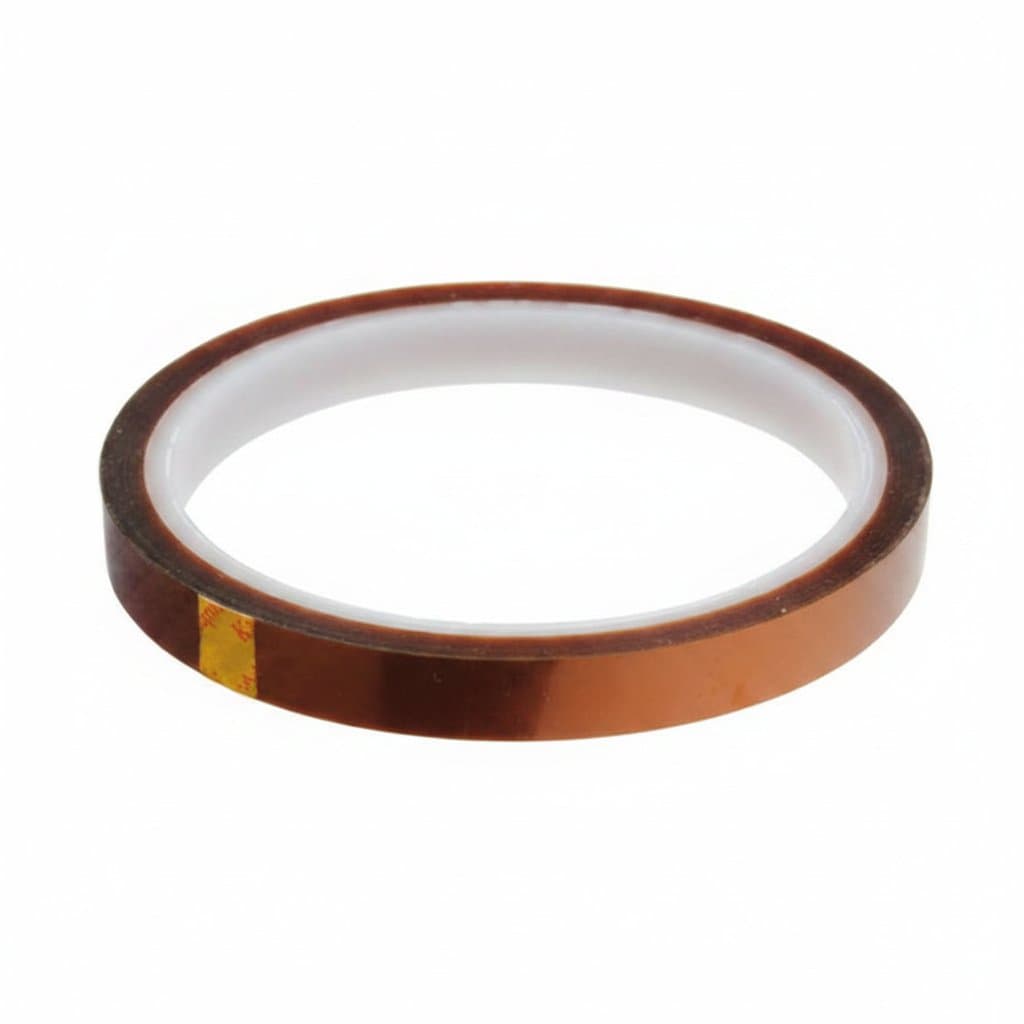
Professional-Grade Polyimide Kapton Tape | High-Temperature & Heat Resistant | 5-50mm x 100ft
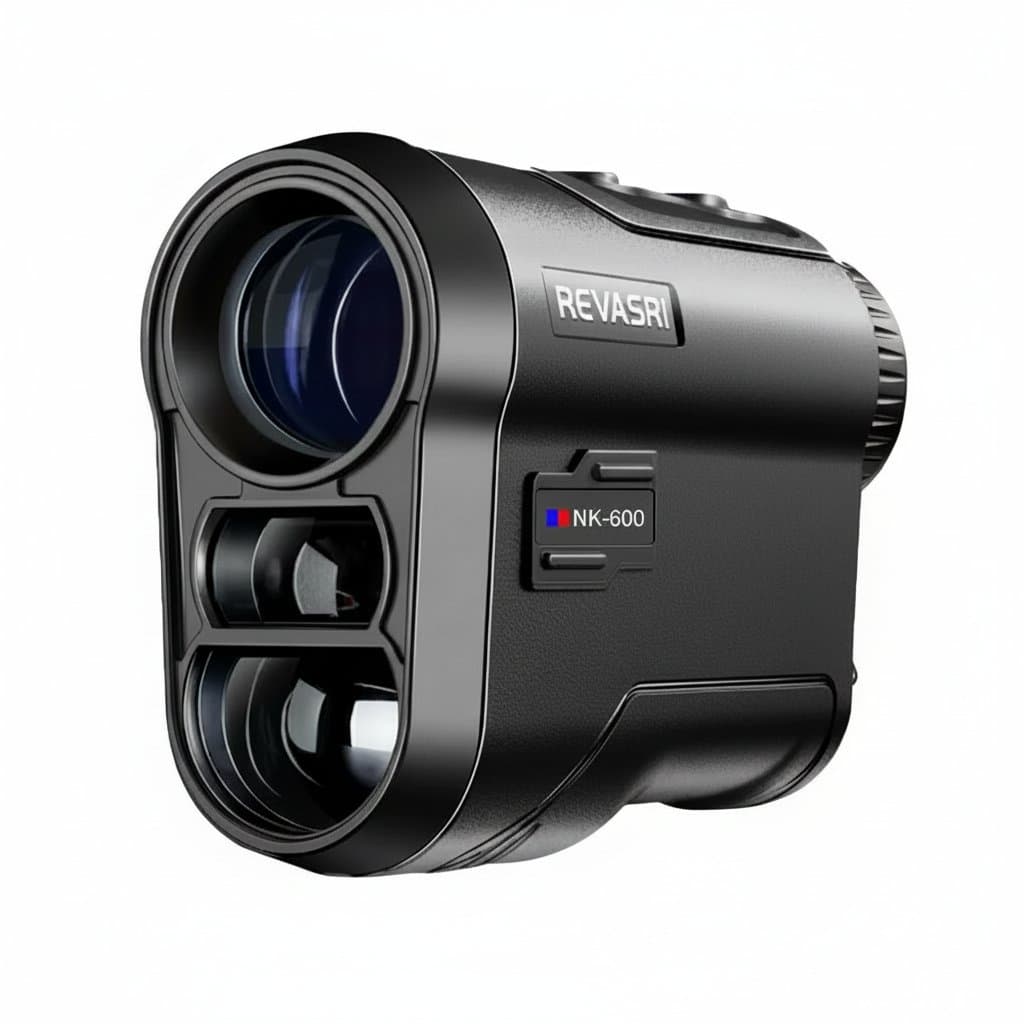
Laser Rangefinder | Slope Compensation & Flagpole Lock | 600m Range, USB-C Rechargeable
Complete the set
Accessories & add-ons
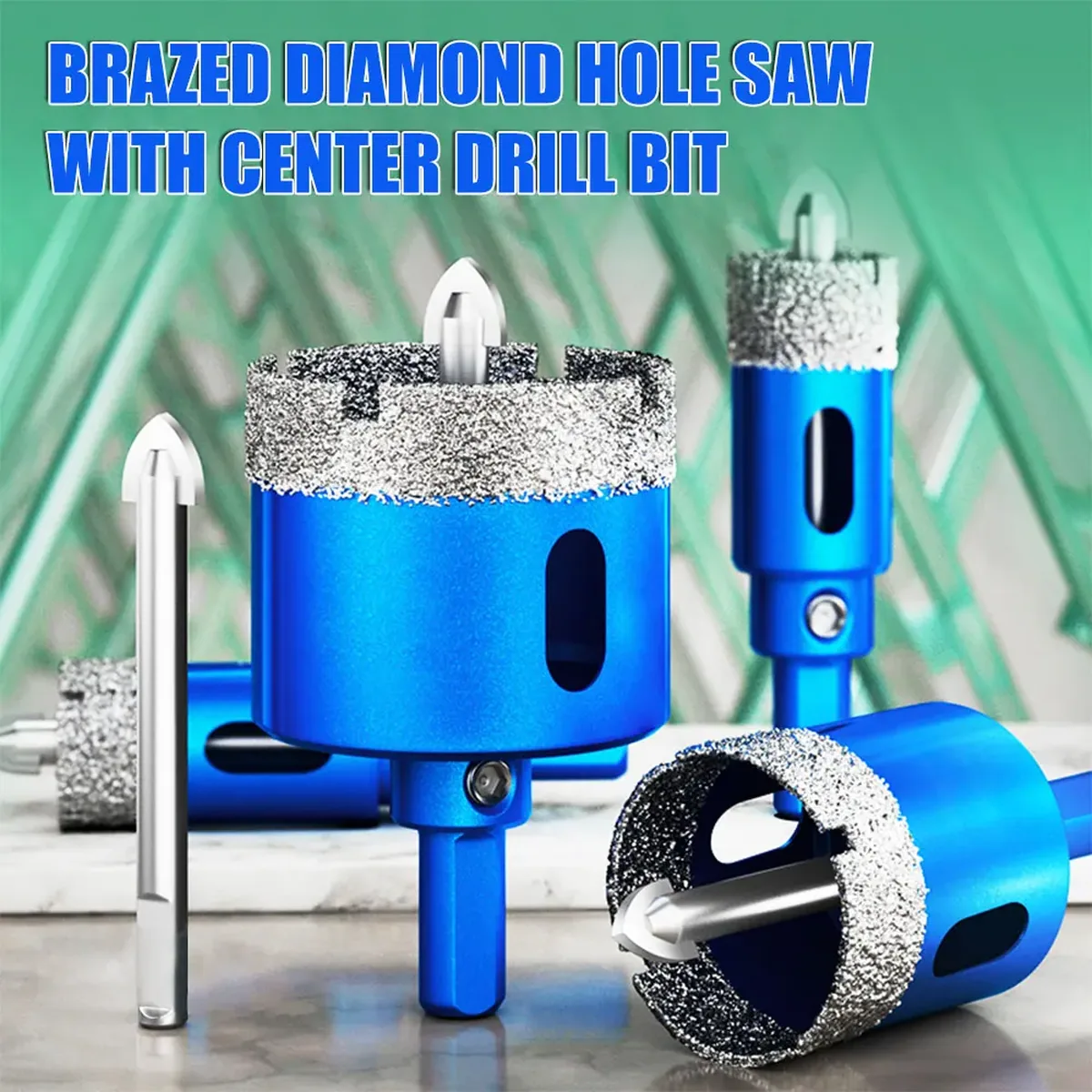
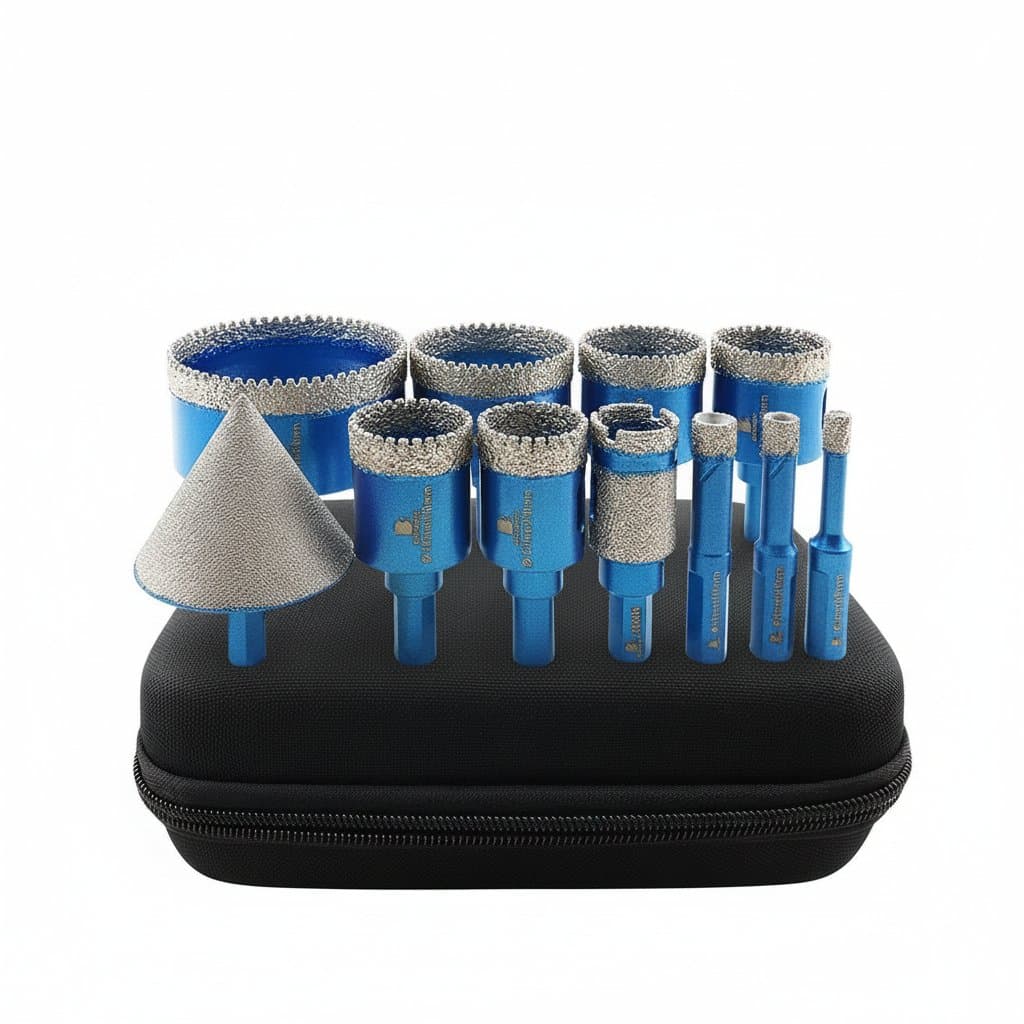
Diamond Drill Bit Set | 18-68mm Hole Saw for Tile, Glass & Stone
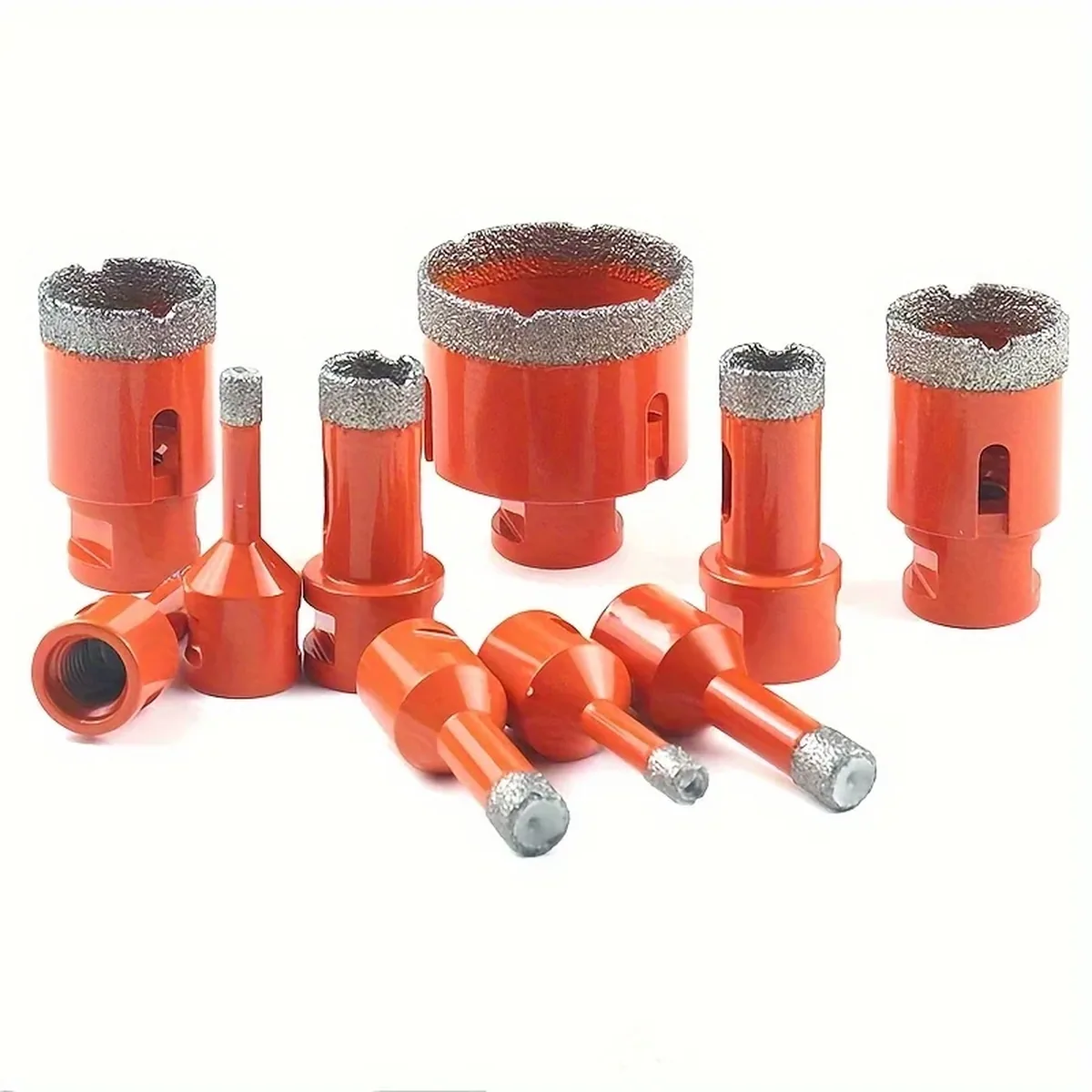
Diamond Drill Bit | 6-100mm Core Hole Saw for Porcelain, Granite & Glass
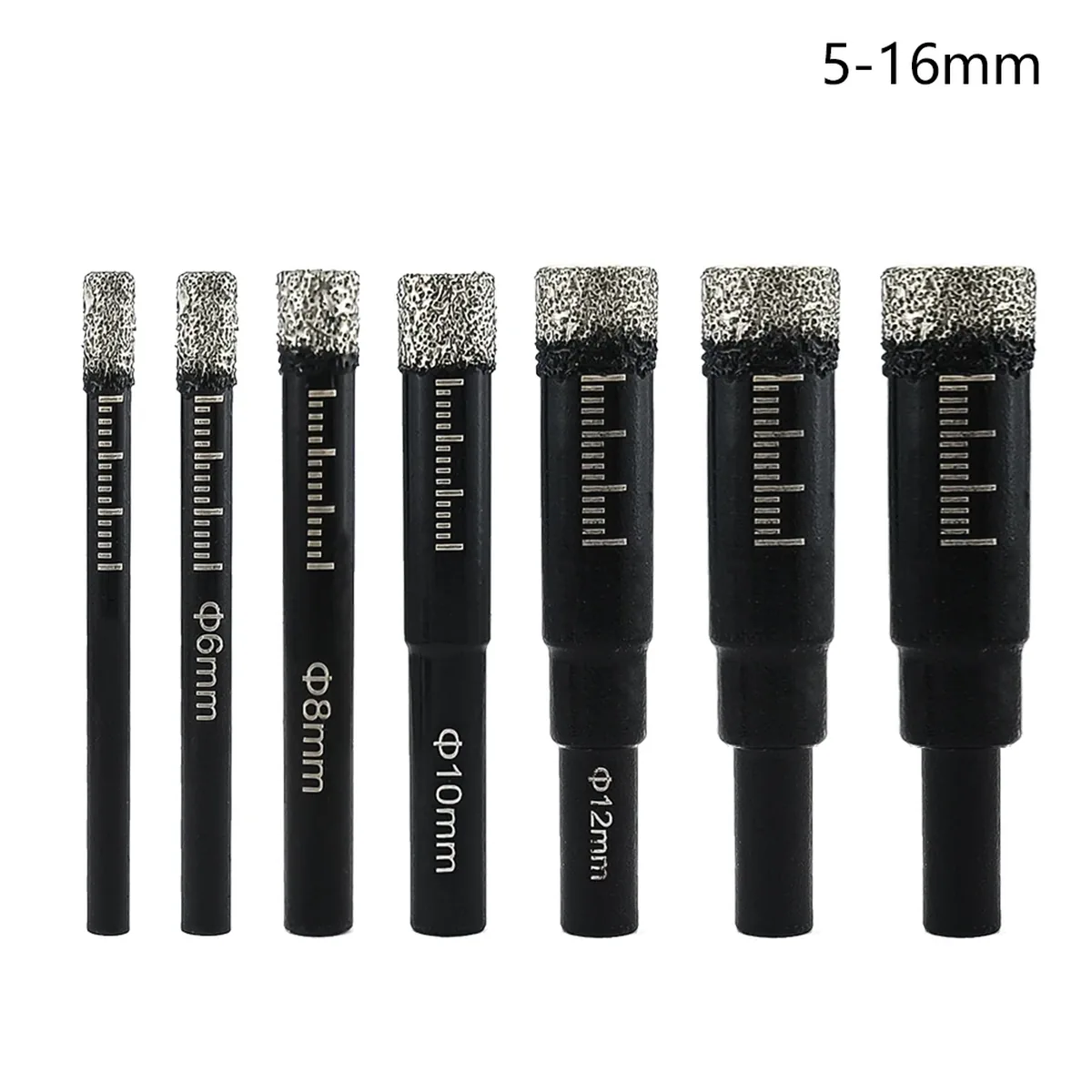
Diamond Hole Saw Set | Dry-Cut for Porcelain, Tile & Glass | 5-16mm Sizes
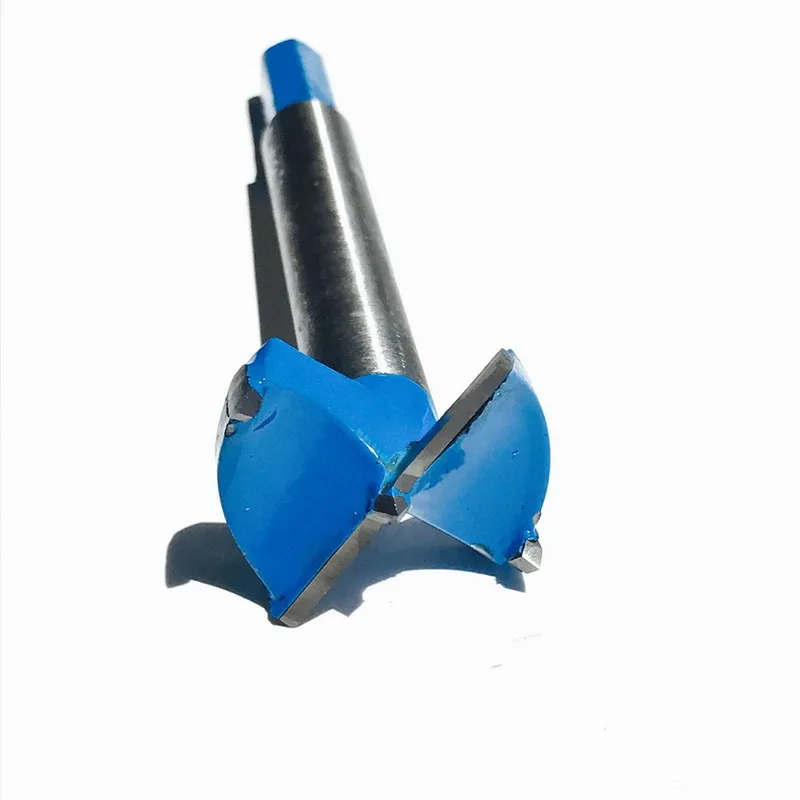
Forstner Drill Bit Set | 14-100mm Self-Centering Wood Boring Kit | Carbide-Tipped Precision
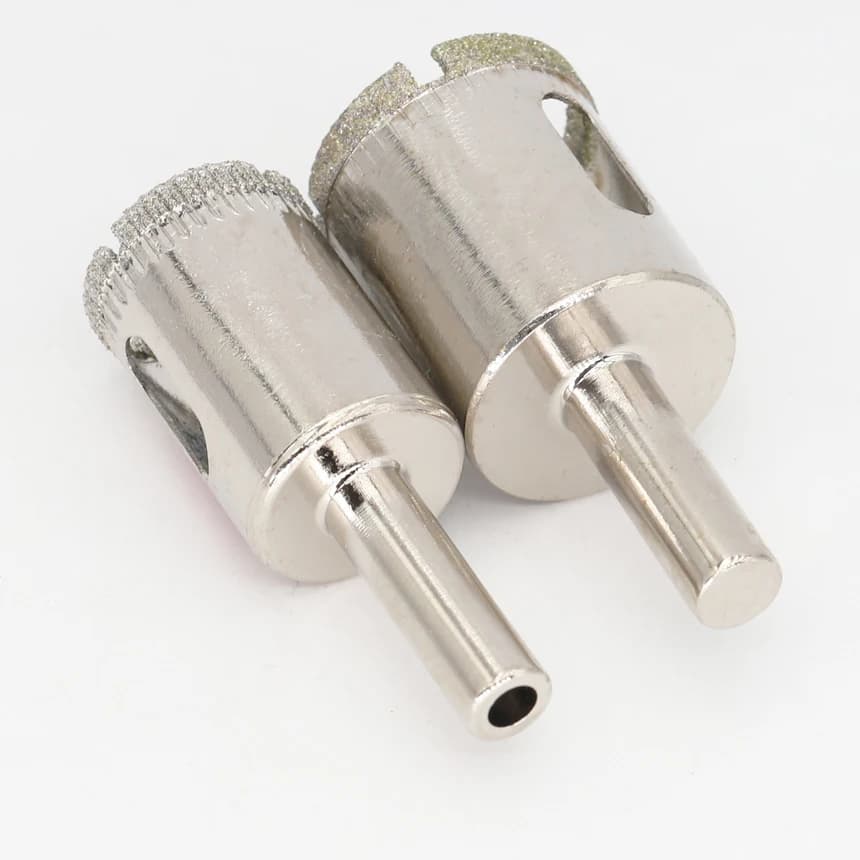
Diamond Drill Bit Set | 8-Piece for Tile, Glass & Stone | 6-45mm Hole Saws
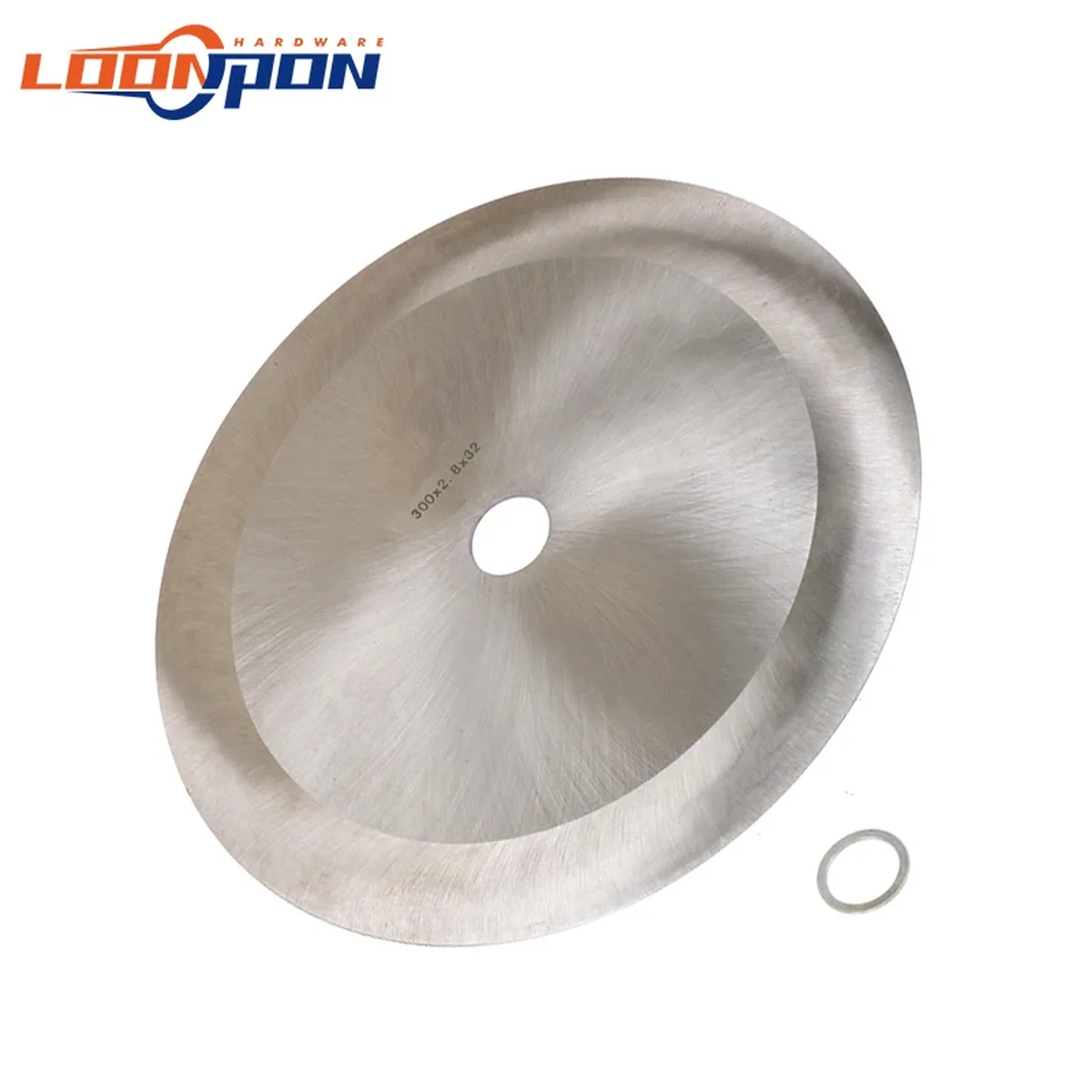
Rotary Cutting Blade | 300mm Precision Disc for Paper, Film & Fabric | 1-Pack
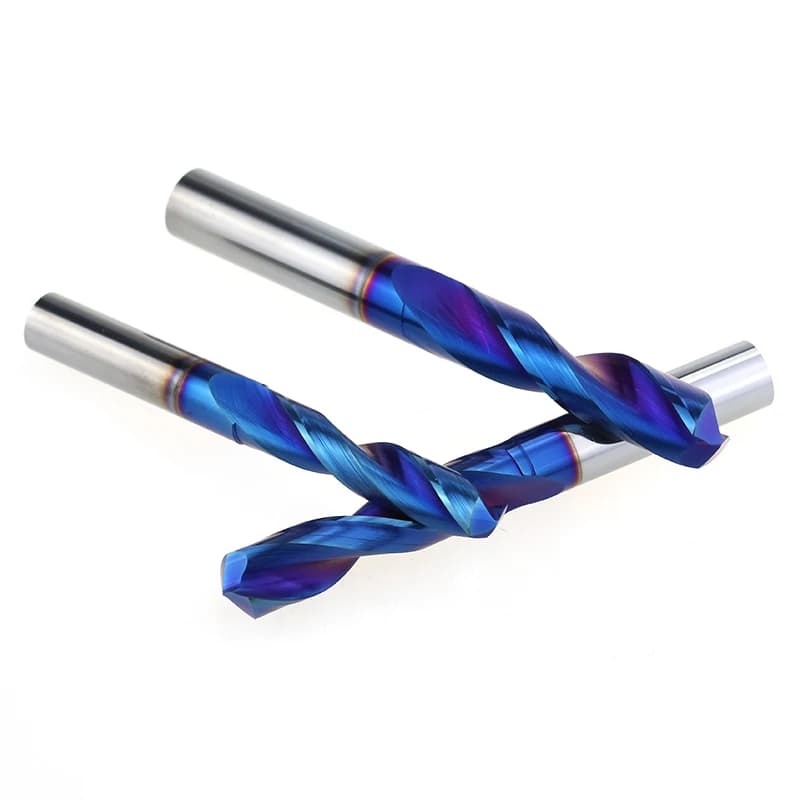
Tungsten Carbide Drill Bit | HRC65 Hardness | For CNC & Lathe Steel Drilling | 0.5-20.0mm
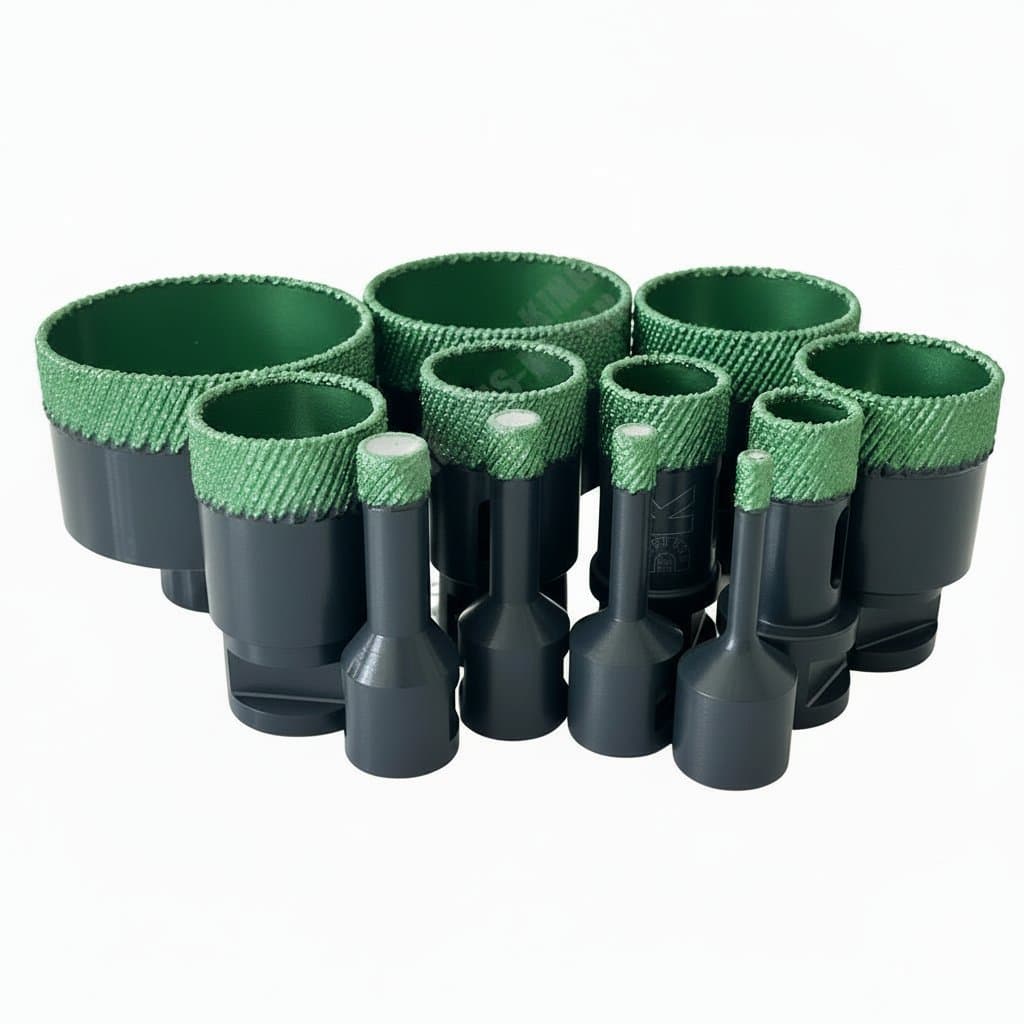
Diamond Hole Saw Kit | 6-68mm for Tile, Porcelain & Marble | M14 Thread Core Drill Bit
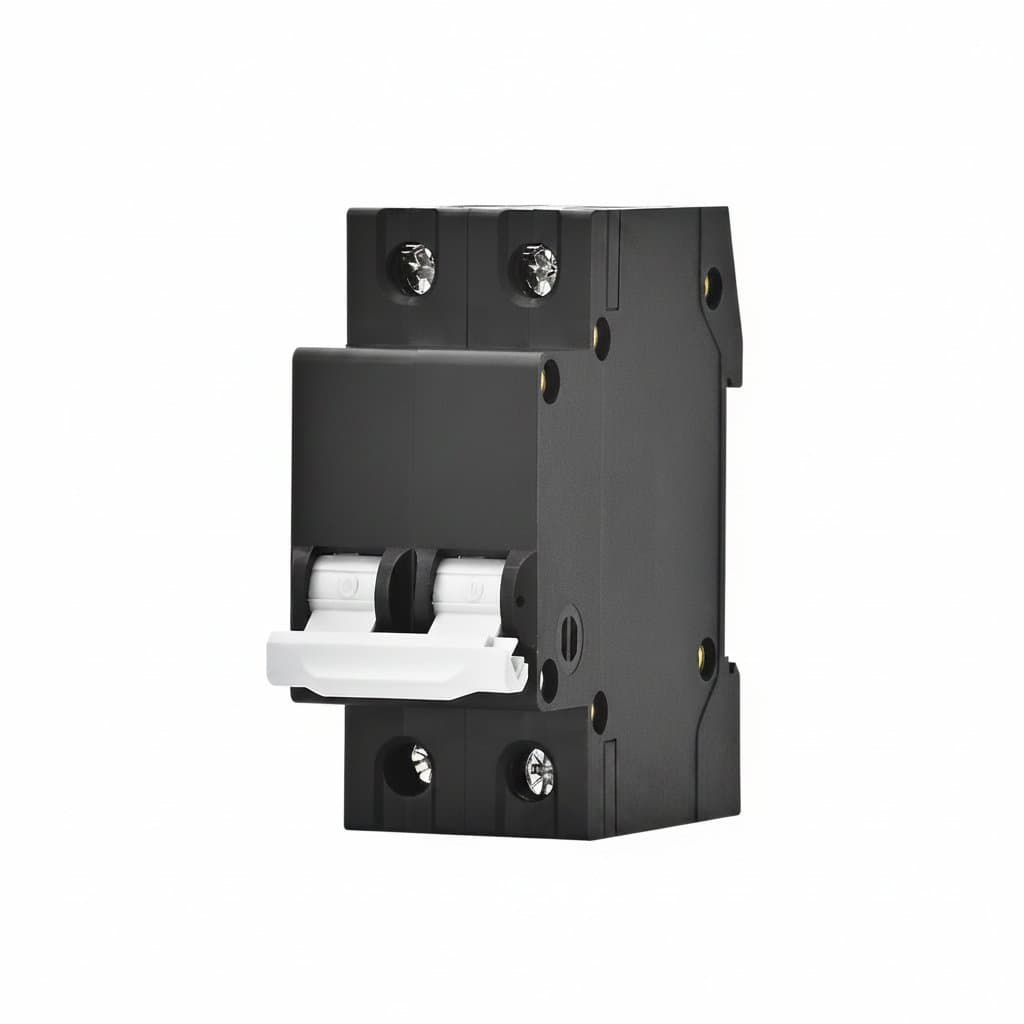
DC Circuit Breaker | 16A-63A Solar & Battery Protector | 100V-1000V DC MCB
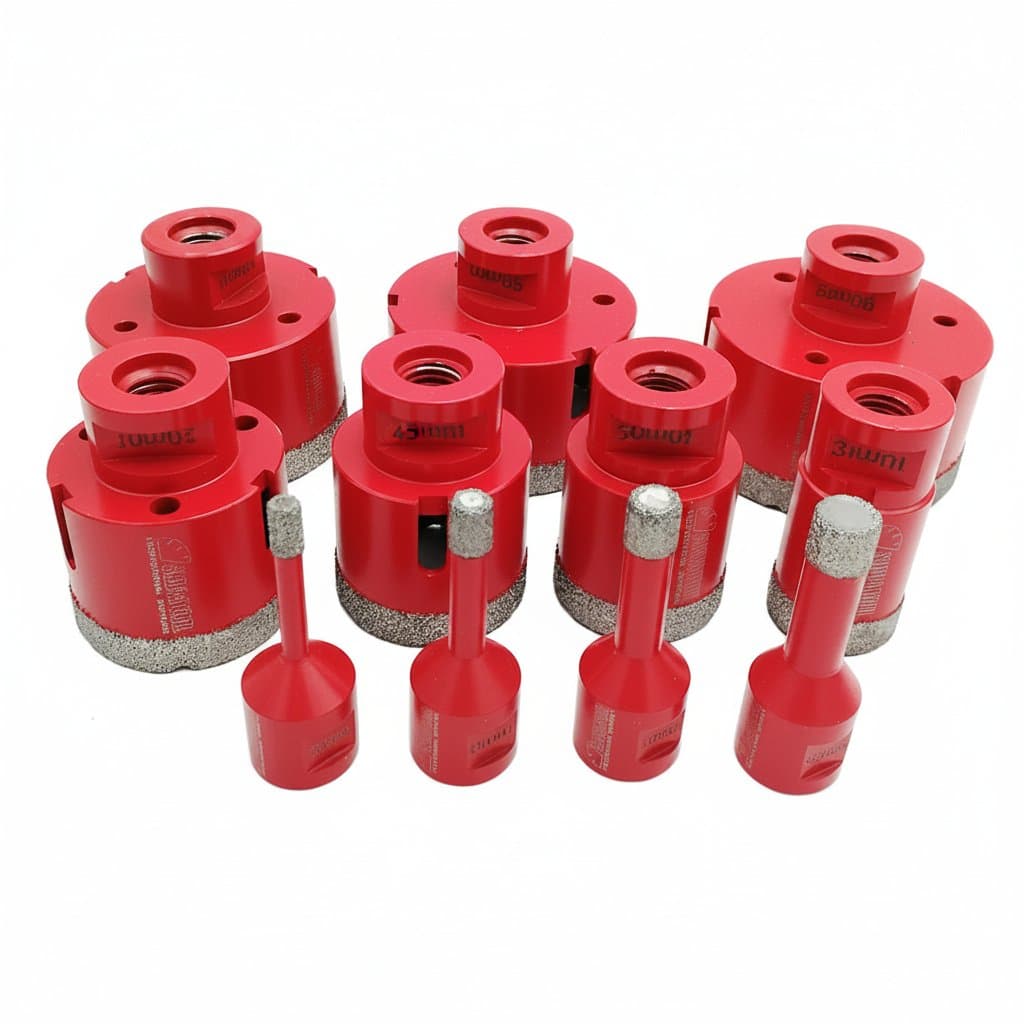
SHDIATOOL1pc /2pcs Drilling Core Bit 6-75mm Tile Drill M14 Marble Hole Saw Porcelain Drilling Bit Bell Saw Crown
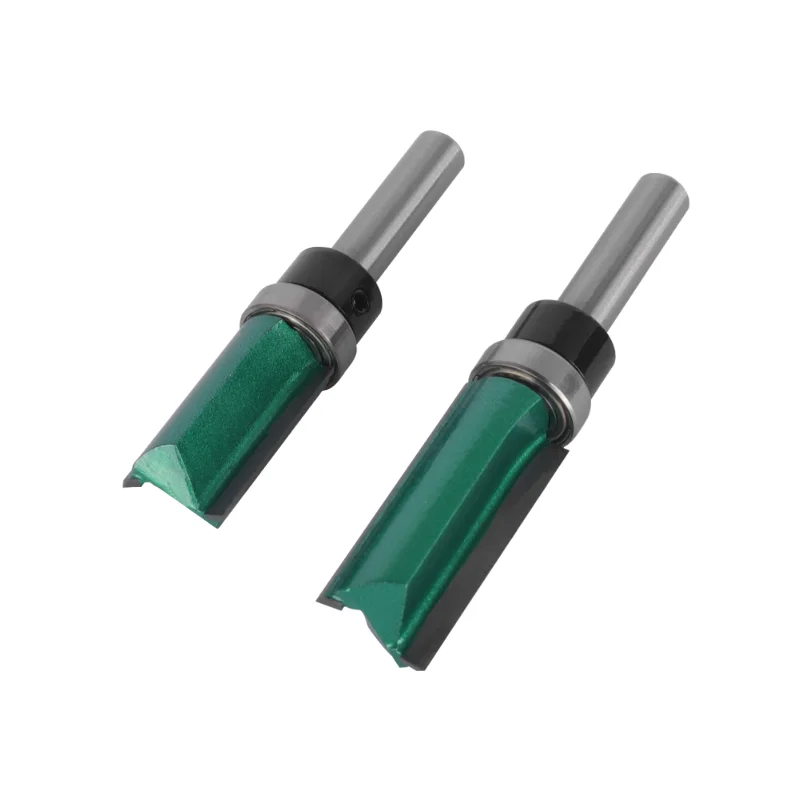
Flush Trim Router Bit | D16MM Pattern Face Mill | 8MM Shank Carbide Cutter