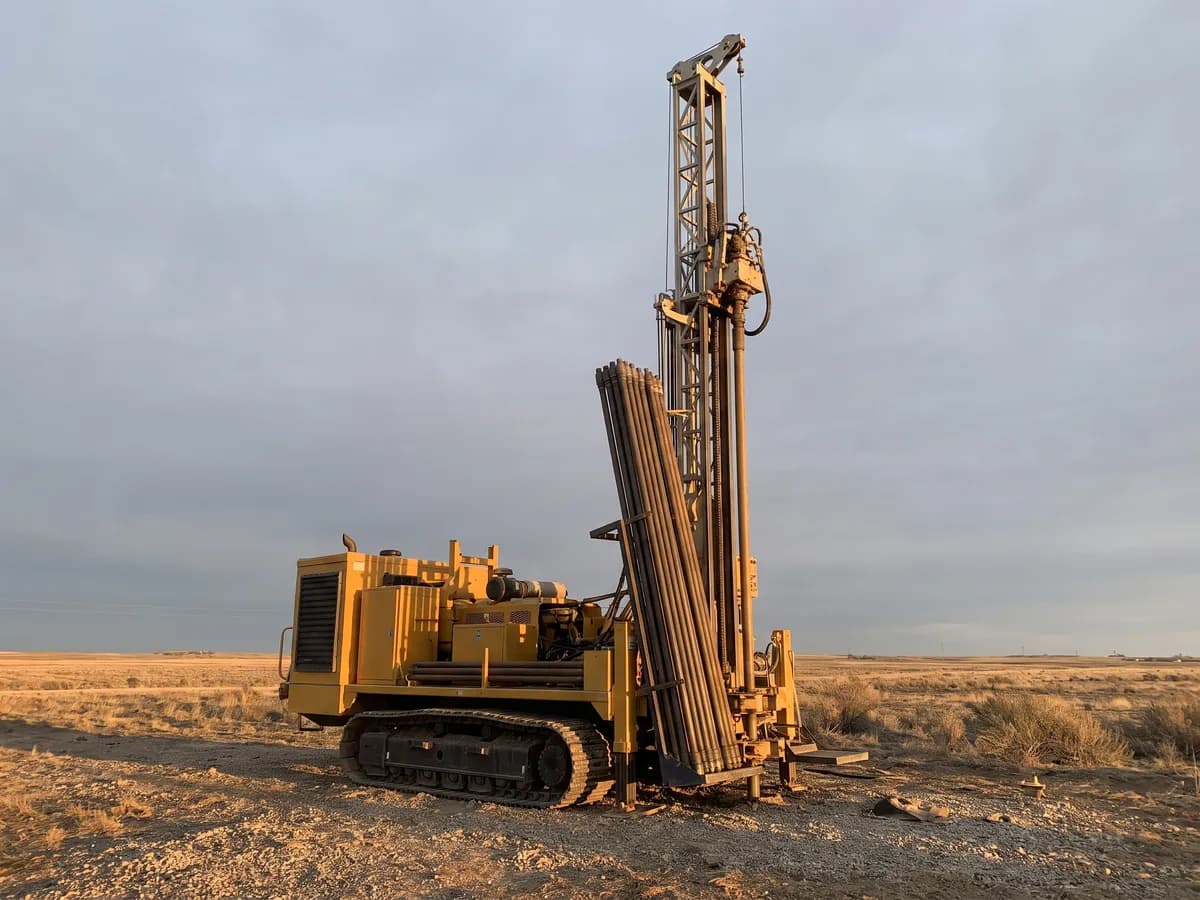
Drilling methods and what they suit
Rotary air, usually with a down-the-hole hammer, is the fastest method in hard consolidated rock. It needs a substantial compressor alongside the rig, and it struggles once the hole starts producing water in soft ground.
Mud rotary circulates drilling fluid to carry cuttings and hold the hole open. It is the method for sand, gravel and clay where an air-drilled hole would collapse, and it is slower in rock.
Cable tool is slow and largely historical for new work, but it still appears where the ground is difficult and a simple rig is all that can reach site.
Directional drilling rigs, including the pipe-jacking type, are a different job again. They install pipe and cable along a controlled path under roads and rivers rather than sinking a vertical well.
| Method | Best ground | Poor ground | Relative speed |
|---|---|---|---|
| Rotary air / DTH hammer | Hard rock | Wet unconsolidated sand | Fastest in rock |
| Mud rotary | Sand, gravel, clay | Very hard rock | Moderate |
| Cable tool | Mixed and difficult | Anything where speed matters | Slowest |
| Directional / pipe jacking | Crossings under obstacles | Vertical water wells | Not comparable |
Depth capacity and how the rig is mounted
Quoted depth capacity assumes a particular hole diameter and drill pipe. The same rig that reaches 600 metres at a small diameter may only manage 200 at a large one, so check the depth and diameter figures together.
Truck mounting gives the fastest setup and the easiest movement between sites on made roads, and it is the standard for commercial water well contracting.
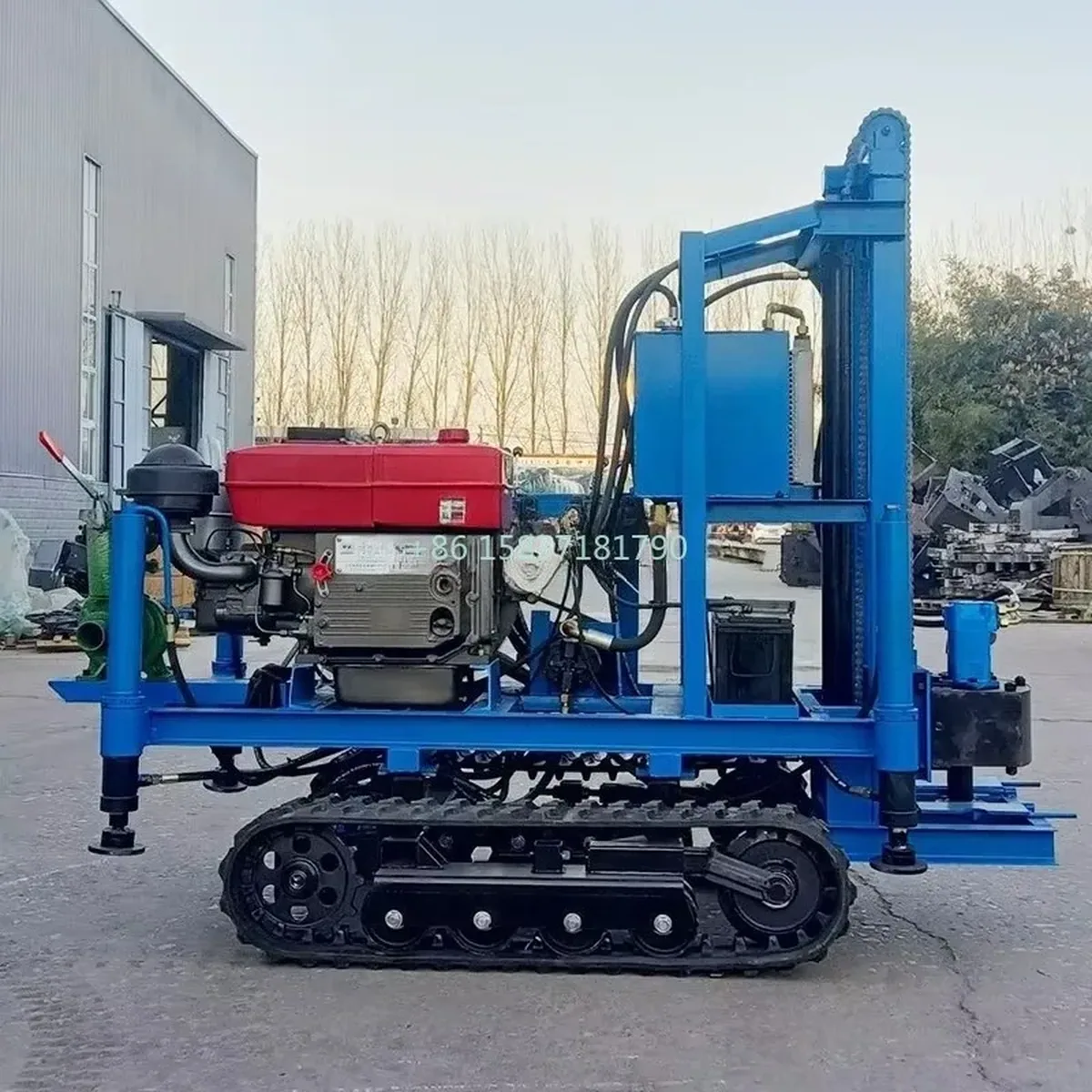
Crawler and track mounting reaches sites a truck cannot, at the cost of needing a low-loader to get between them.
Skid-mounted rigs are the cheapest and are moved by whatever plant is on site. They suit a single long project rather than contracting work.
What else the job needs
A rig on its own does not drill a well. Air drilling needs a compressor sized to the hole and depth, and that compressor is often a comparable capital item to the rig.
Mud drilling needs a mud pump, mixing tanks and a way of handling and disposing of returns.
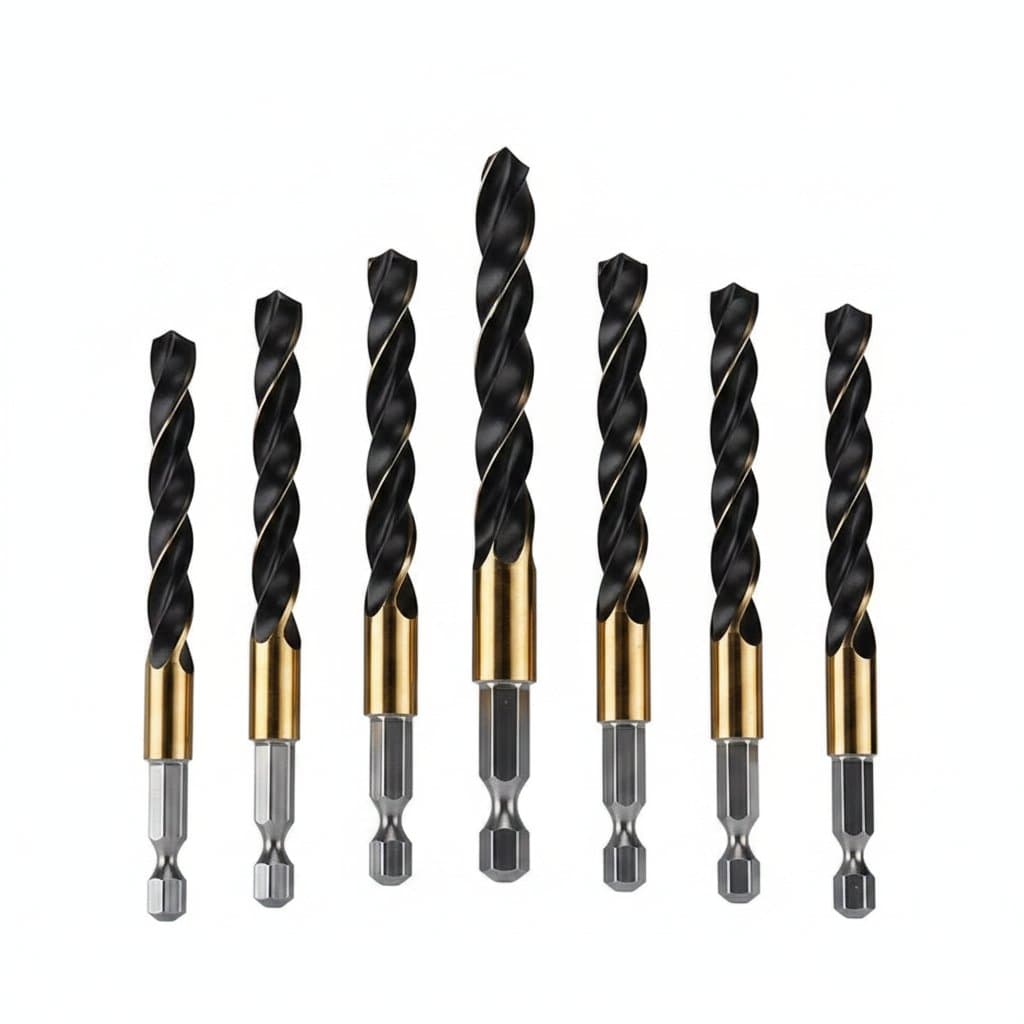
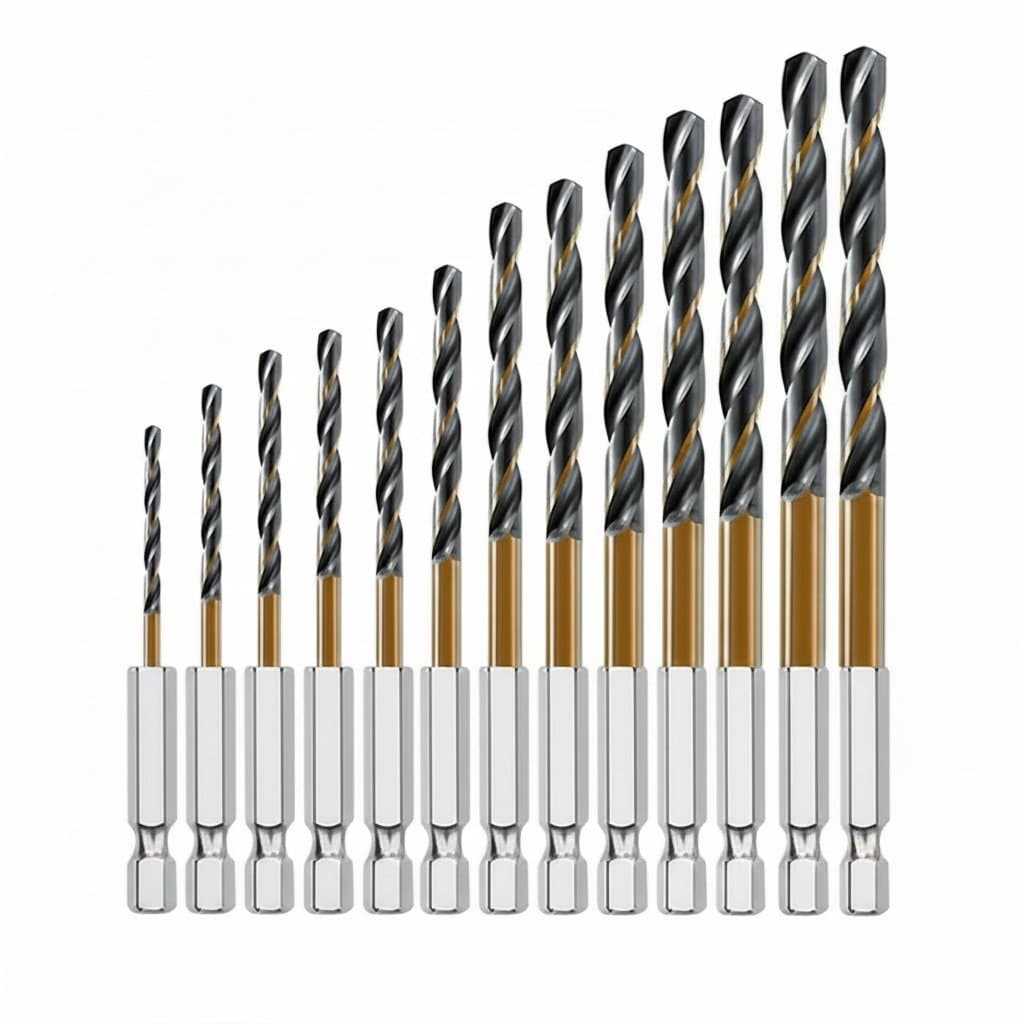
Drill pipe, bits and hammers are consumables and the bit cost per metre in hard rock is significant. Budget them alongside the rig rather than after it.
Casing, screen and a development pump finish the well. A rig quote that covers only the rig is normal, so build the full list before comparing prices between suppliers.