What a hose crimper does
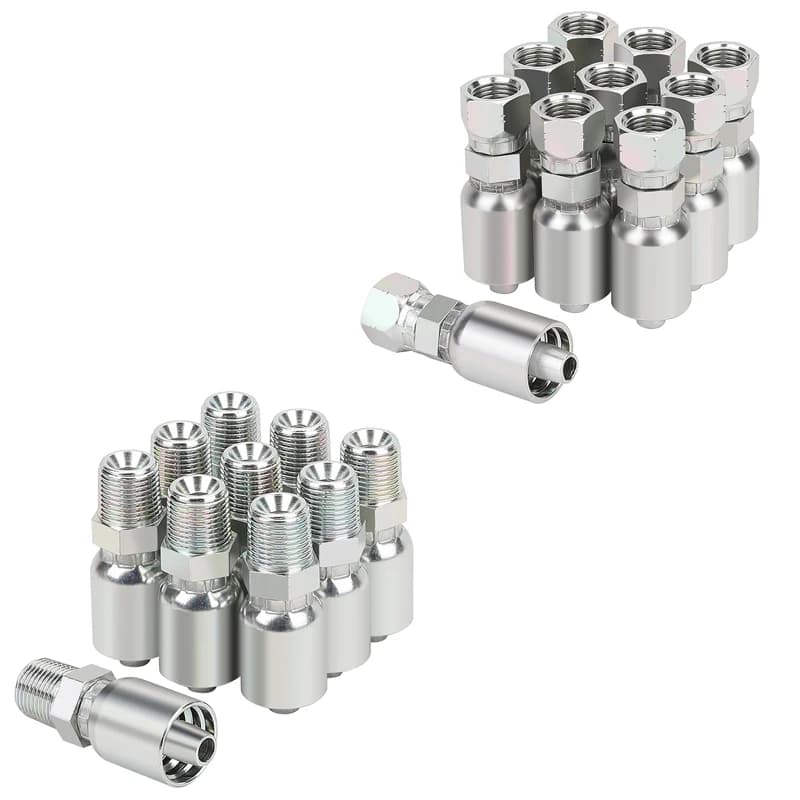
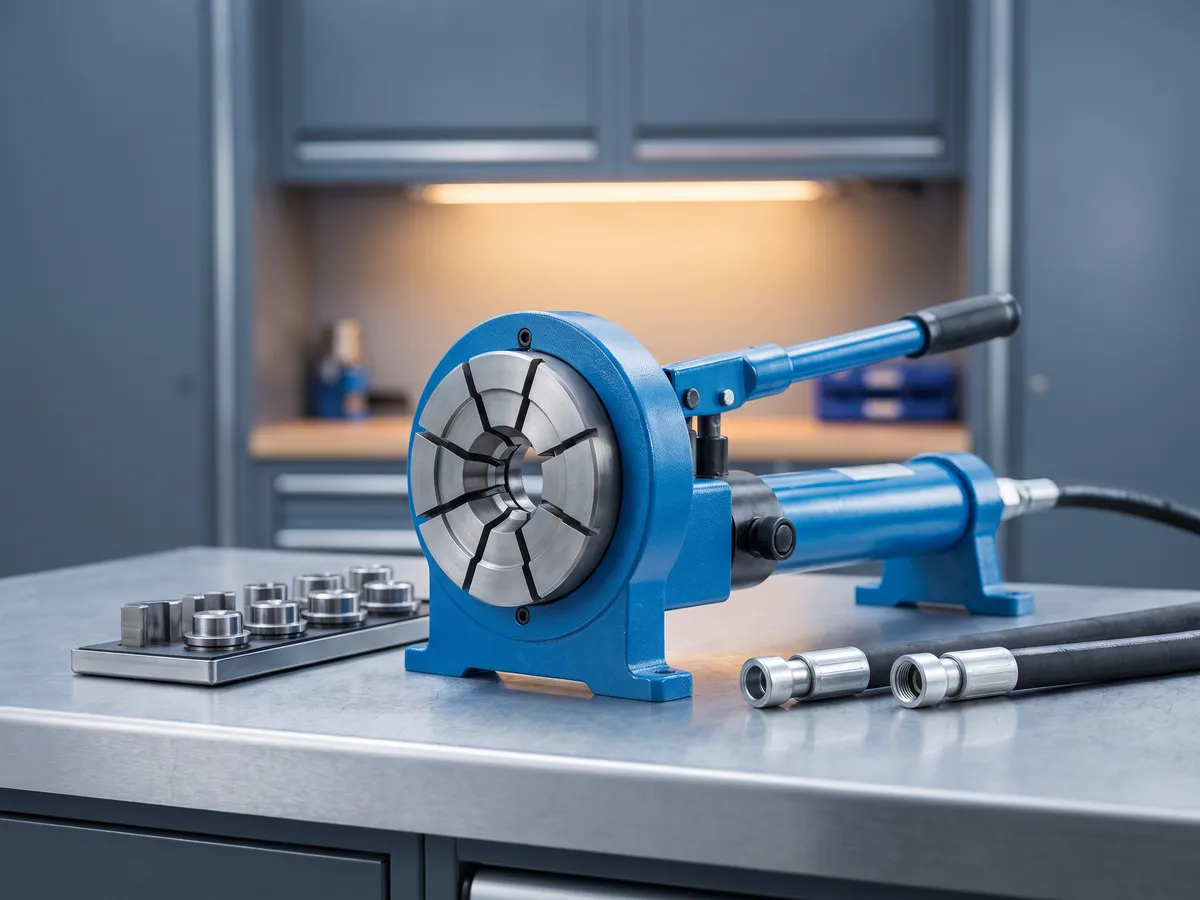
A crimper swages a steel ferrule down onto the hose so the fitting cannot pull off under pressure. Eight die segments close radially at the same time, so the ferrule ends up round rather than oval, and the crimp diameter is set either by a stop on the machine or by the die size itself. Every hose and fitting maker publishes a crimp diameter for each hose size, and the job is to hit that figure within a few tenths of a millimetre.
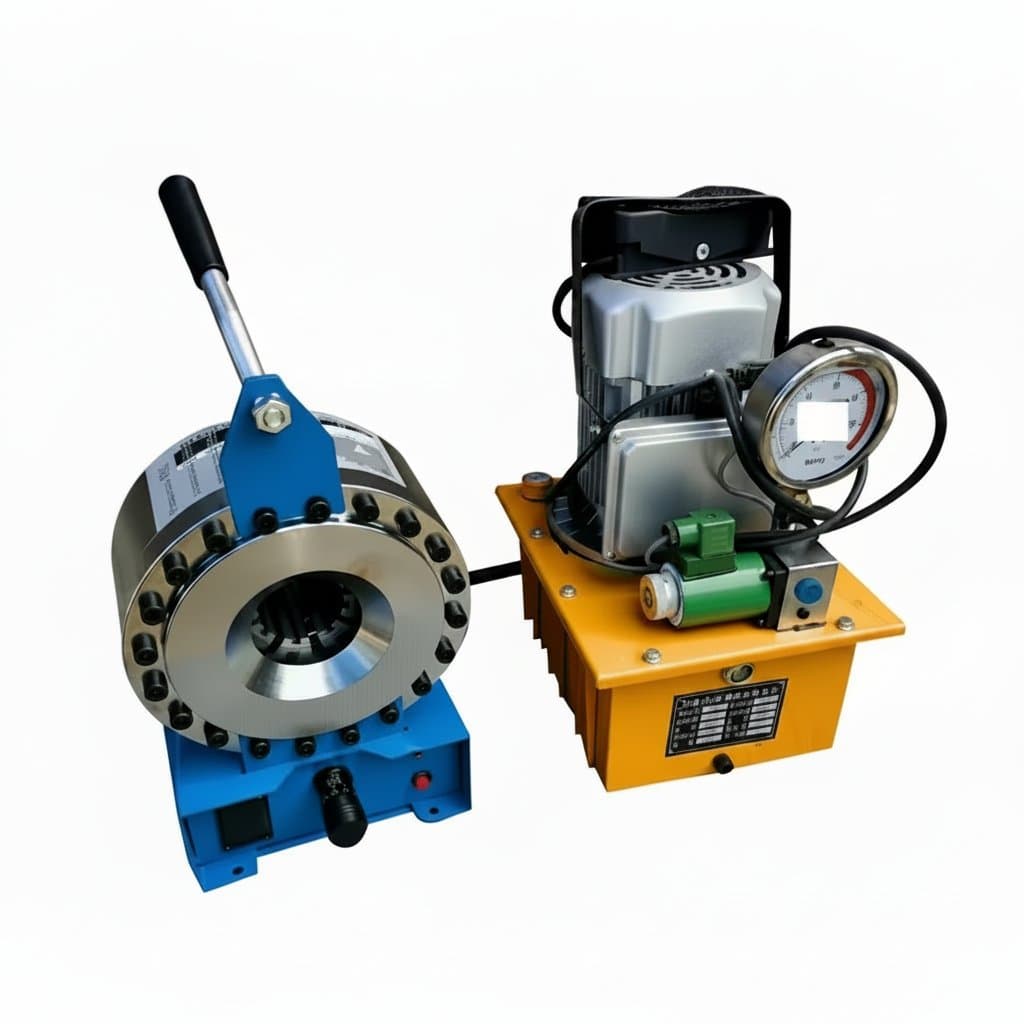
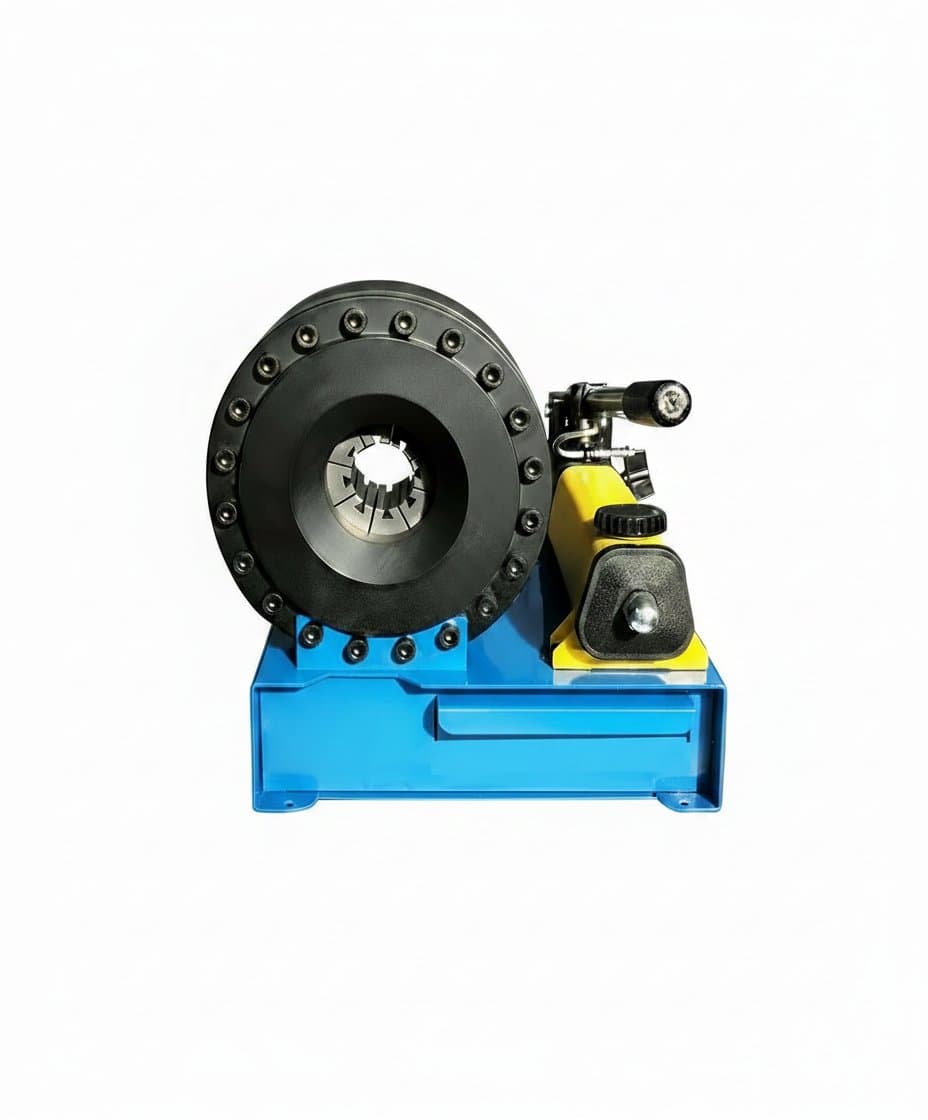
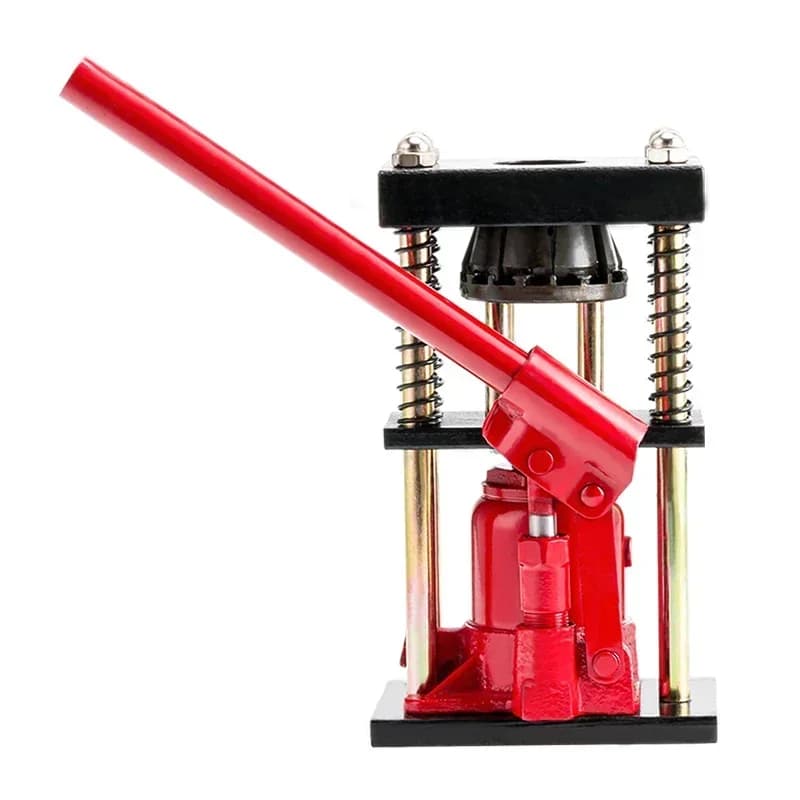
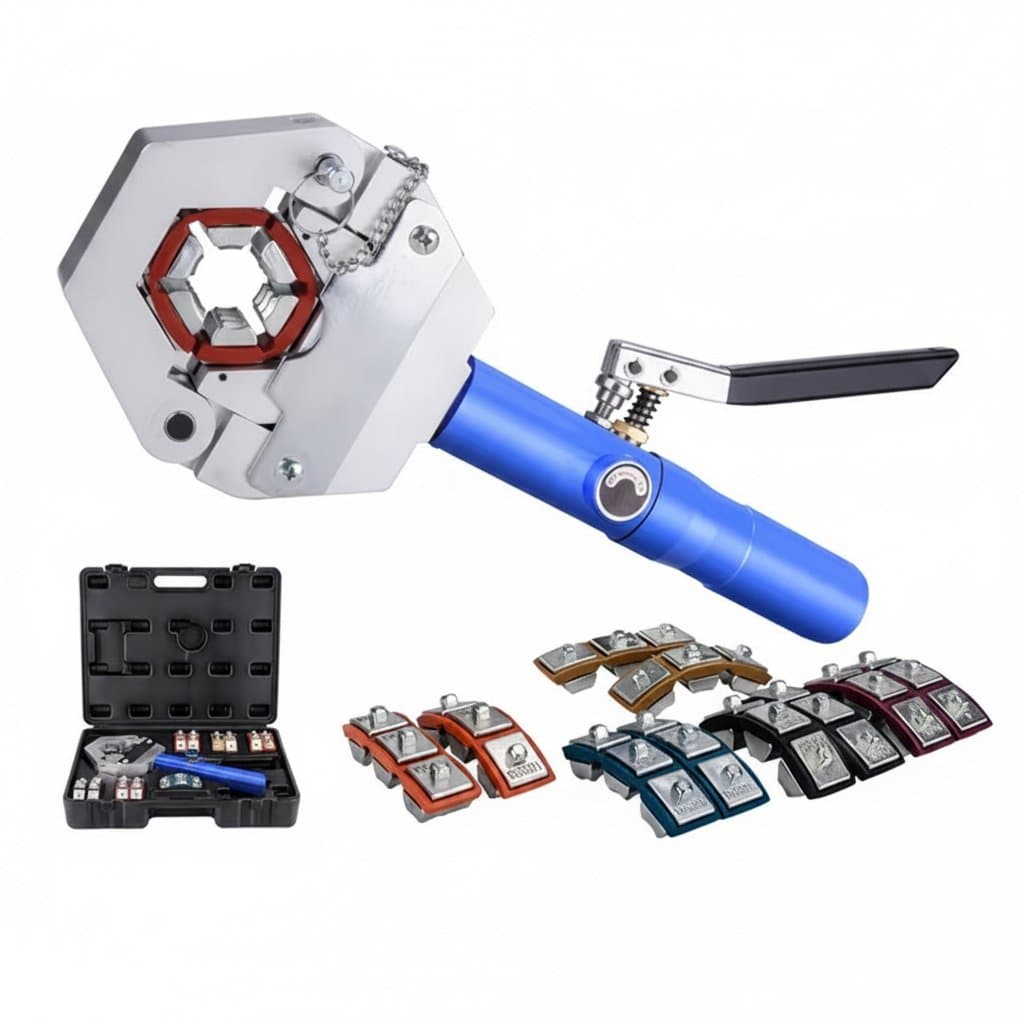
Two styles cover almost every workshop. A portable press uses a bottle jack or hand pump and a die set that you swap by hand. It crimps one hose at a time, weighs 10 to 30 kilograms and goes in the van. A bench crimper has a motor-driven pump, a larger die head and a stop or digital gauge that repeats the same diameter all day.
Die sets and hose sizes
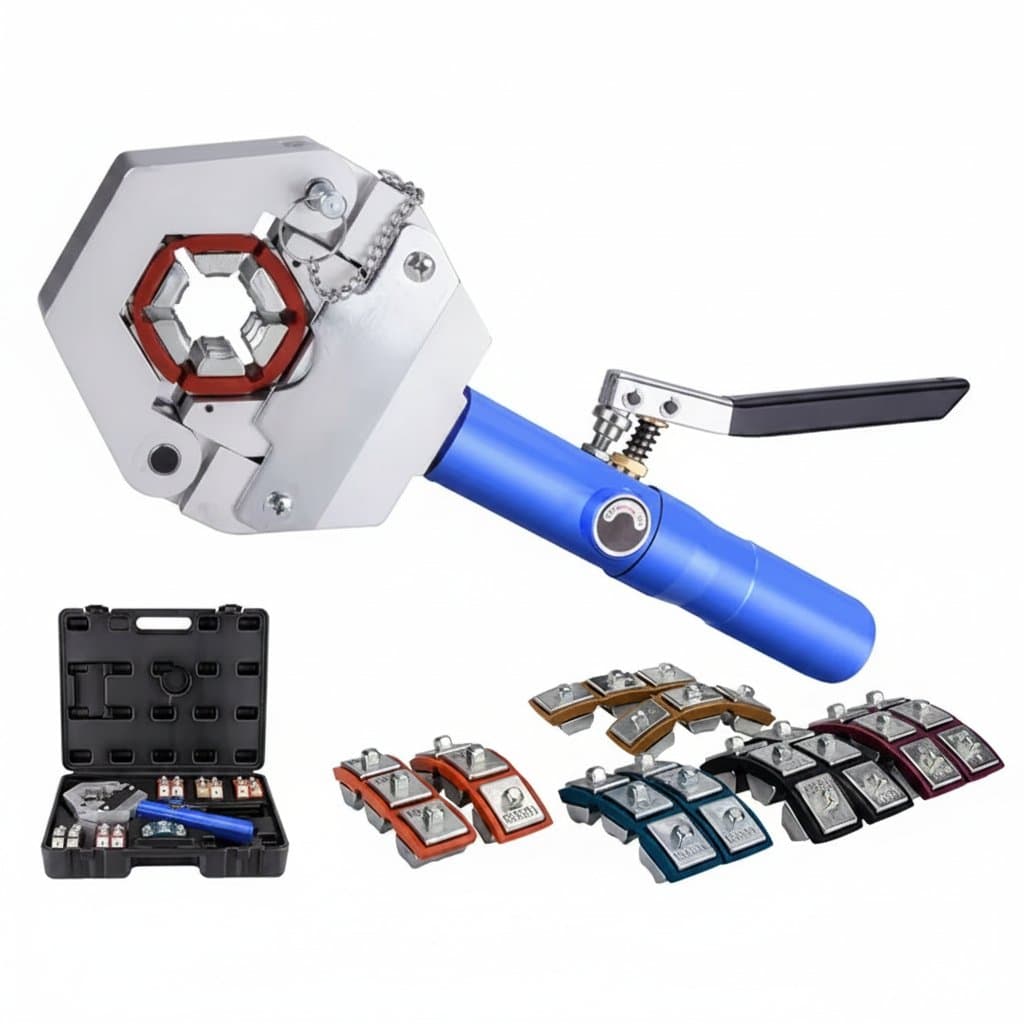
Dies are the wear part and the sizing part. Each set covers a small band of crimp diameters, so a machine sold with 13 die sets covers a wider range of hose and ferrule combinations than one sold with 7. Check that the set includes the sizes you actually make up. A hydraulic workshop lives on 1/4, 3/8, 1/2 and 3/4 inch hose, which in dash sizes is -4 to -12. The dash size chart on this site explains the numbering.
The capacity figure on a crimper is the largest hose it will close on. A 1 inch machine will crimp 1 inch two-wire hose, but multi-spiral hose of the same size has a larger ferrule and may need the next size up. When in doubt, size the machine on the ferrule outside diameter, not the hose bore.
| Class | Hose range | Power | Use |
|---|---|---|---|
| Handheld crimper | 1/4 to 3/4 inch | Hand lever or bottle jack | Brake lines, AC lines, small repairs |
| Portable press | 1/4 to 1 inch | Hand pump | Mobile plant, agriculture, site repair |
| Bench crimper | 1/4 to 1 1/4 inch | 220V or 380V motor | Workshop hose assembly |
| Production crimper | 1/4 to 2 inch | 380V three-phase | Hose shops, plant fleets, six-spiral hose |
Manual, hydraulic and electric power
A manual crimper is the cheapest way to make a hose, and for a fitter who crimps a few a week it is all that is needed. Each crimp takes twenty to forty pump strokes, so on a day with thirty hoses it becomes hard work. A 12V or rechargeable crimper takes the pumping away and still fits in a vehicle. A 380V bench machine does a crimp in seconds and holds the same diameter every time, which is what you want when the hoses go on plant that other people run.
Power supply is the practical constraint. Three-phase crimpers cannot run on a domestic socket or a small generator, so check the site supply before buying one for a mobile service van.
Choosing by the hoses you make
List the hoses you assemble in a month by size and type. If nothing is bigger than 1 inch two-wire, a portable press with a full die set covers it and saves the cost and floor space of a bench machine. If you assemble four-spiral or six-spiral hose, or anything above 1 1/4 inch, only a bench or production crimper will close the ferrule.
Then check the crimp diameter data from the fitting supplier against what the machine can hit. A machine with a mechanical stop is fine for a handful of sizes. A digital gauge or micrometer adjustment pays for itself once the range of hose and fitting combinations grows past what you can remember.