
How high-speed steel bits work on the job
A standard twist bit looks simple, but the steel formulation does the hard work. When I drill into plate, friction generates heat immediately at the point. Plain carbon steel softens at moderate heat, blunting the tip before the job finishes. An HSS drill bit keeps its hardness across rising heat thresholds, so the cutting edges keep biting cleanly into swarf rather than rubbing against the workpiece.
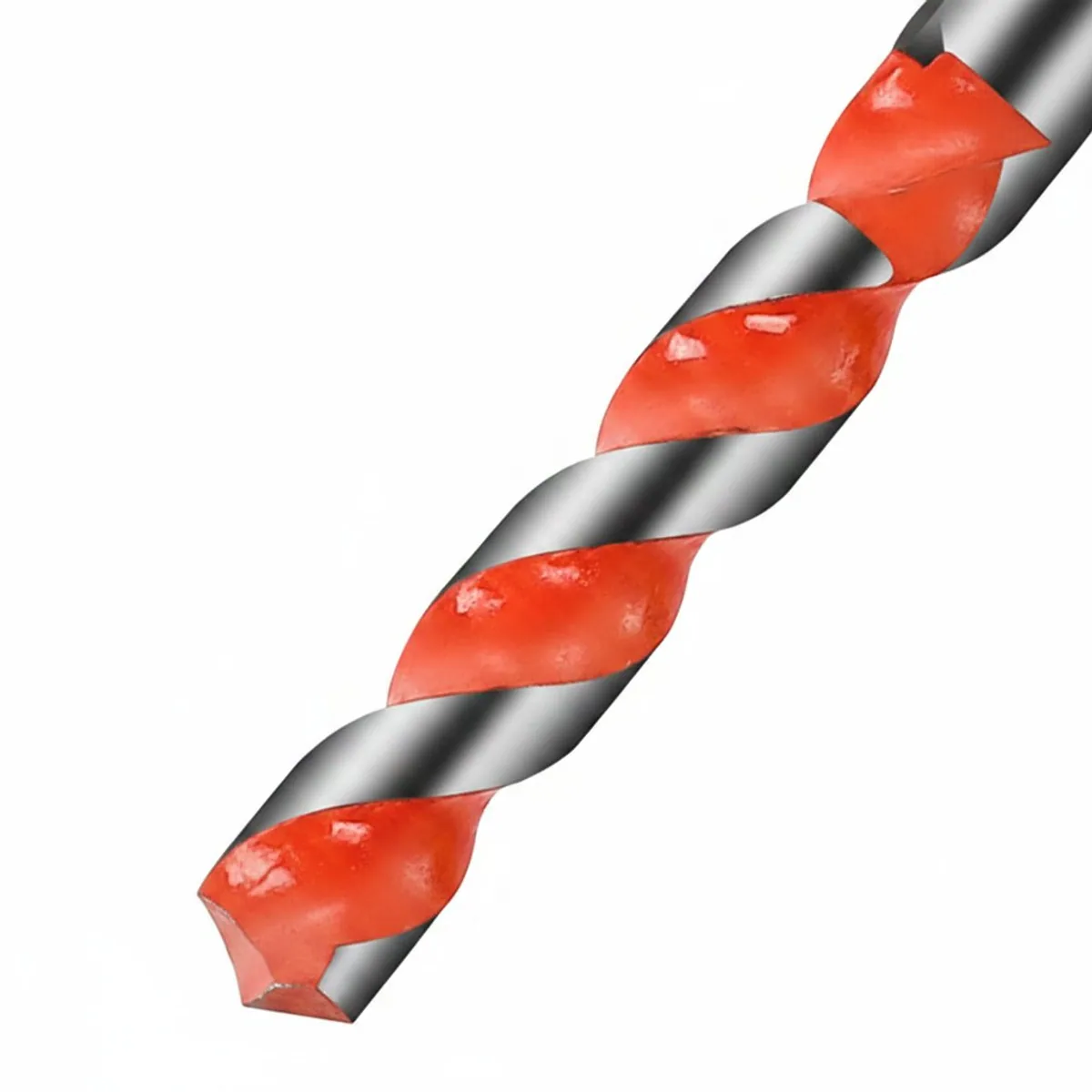
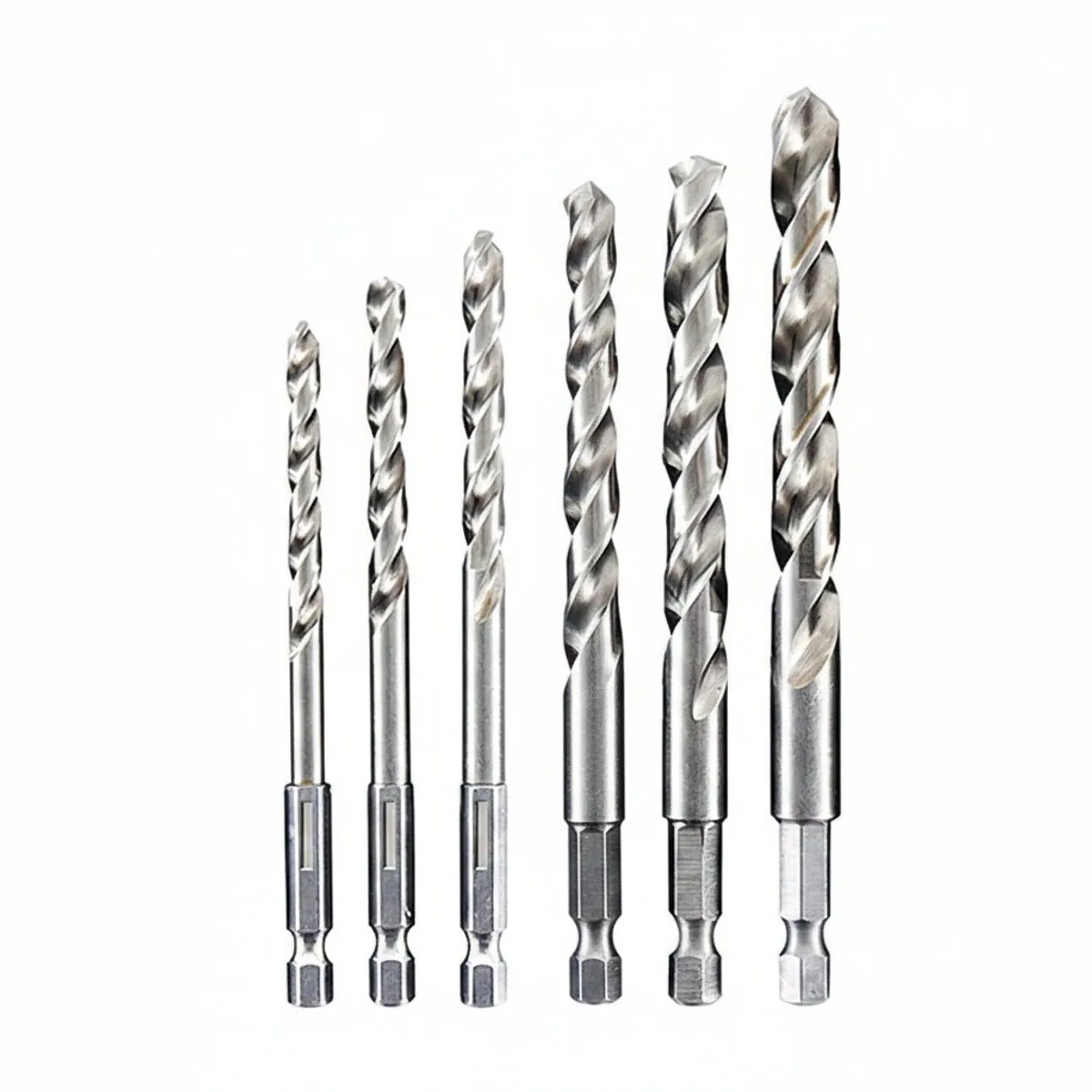
The standard geometry features spiral flutes running up a straight round shank or a 1/4 Inch Hex Shank. As the flutes twist, they pull chips clear of the bore so heat clears away from the contact face. For bench drills and lathe centres, DIN 338 patterns give dependable rigidity across jobber lengths, preventing wandering when starting a pilot without a deep centre punch mark.
Picking the right bit for hard metals
Machining steel demands a tip that penetrates without burning out. For everyday mild steel, brass, or copper, standard High-Speed Steel (HSS) cuts clean holes when paired with cutting paste. The bit has two flutes, a pointed nose, and relief angles behind the lip. If the stock contains alloy additions or work-hardens, standard bits skate across the face instead of forming a chip.
When drilling stainless steel or cast iron, I switch to M35 Cobalt High-Speed Steel (HSS-Co) or M42 HSS-Co 8%. Cobalt additions keep cutting lips sharp at higher heat levels. Choosing a bit with a 135° Split Point helps because the ground split stops the drill wandering across hard plate. This point design bites straight into flat stock without requiring a pre-drilled pilot.
| Material Grade | Point Angle | Diameter Range | Application |
|---|---|---|---|
| High-Speed Steel (HSS) | 135° Split Point | 1 - 13 mm | Metal |
| M35 Cobalt High-Speed Steel (HSS-Co) | 135° Split Point | 1.0 - 10 mm | Stainless Steel, Hardened Steel, Cast Iron |
| M35 High-Speed Steel (Cobalt 5%) | 135° Split Point | 8 mm - 25 mm | Stainless Steel, Aluminum, Metal Drilling |
| M42 HSS-Co 8% (HSS Drill Bits) | 135° Split Point | 2.0 mm - 13.0 mm | Stainless Steel, Steel, Copper, Aluminum |
What the finish on the flute tells you
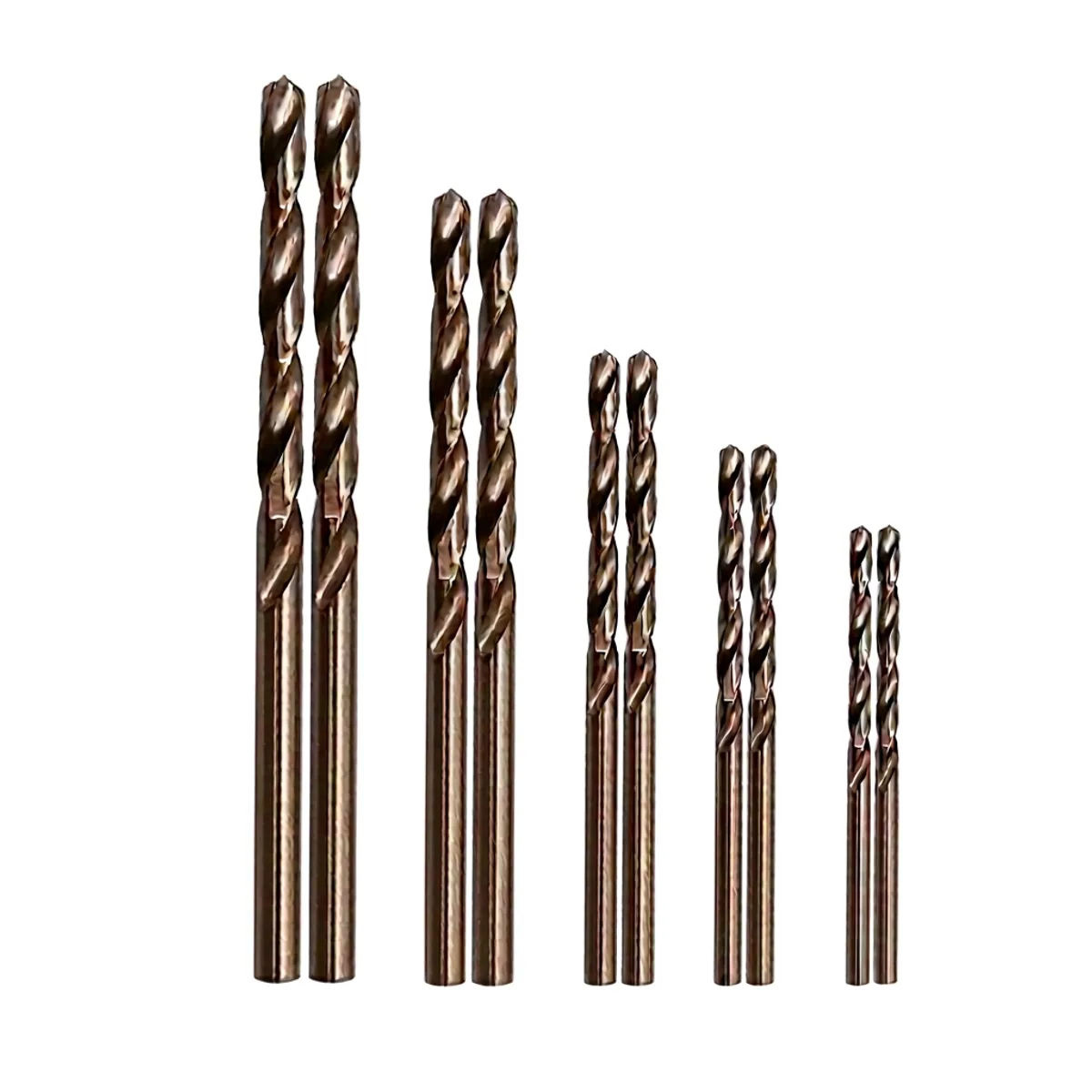
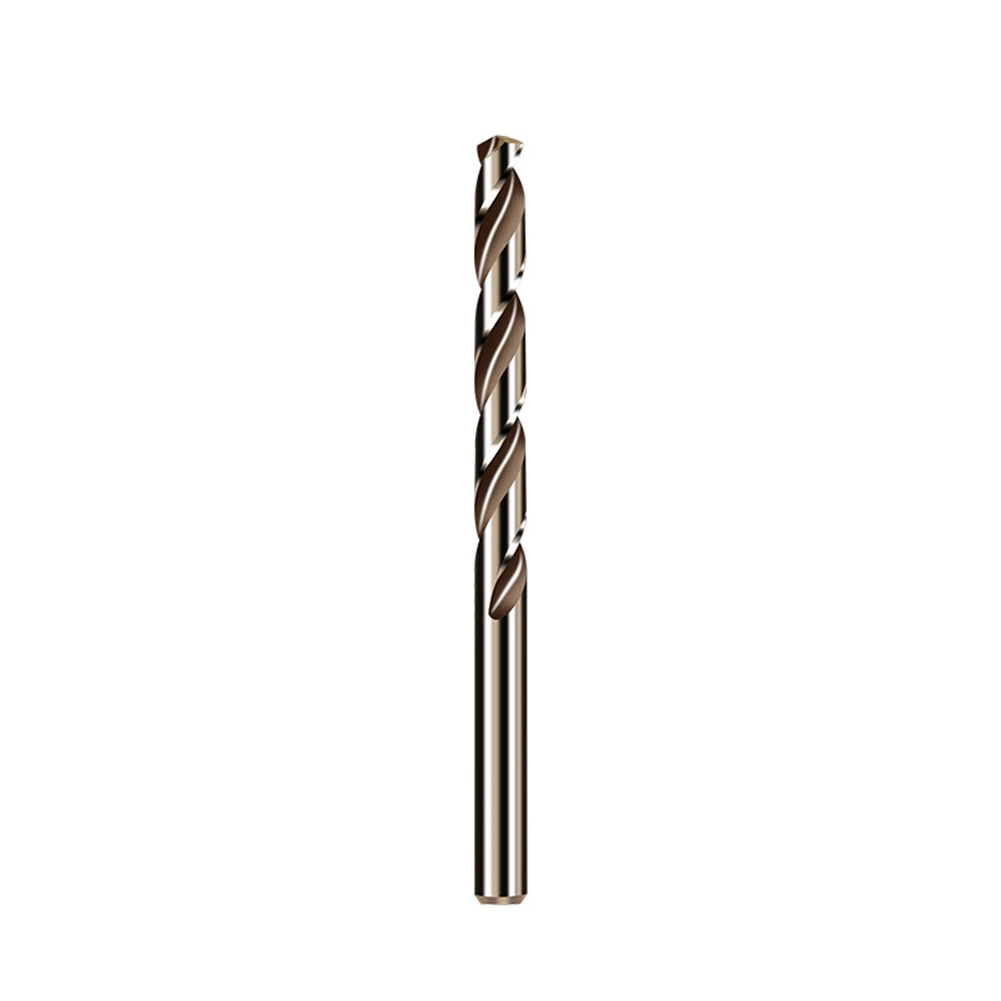
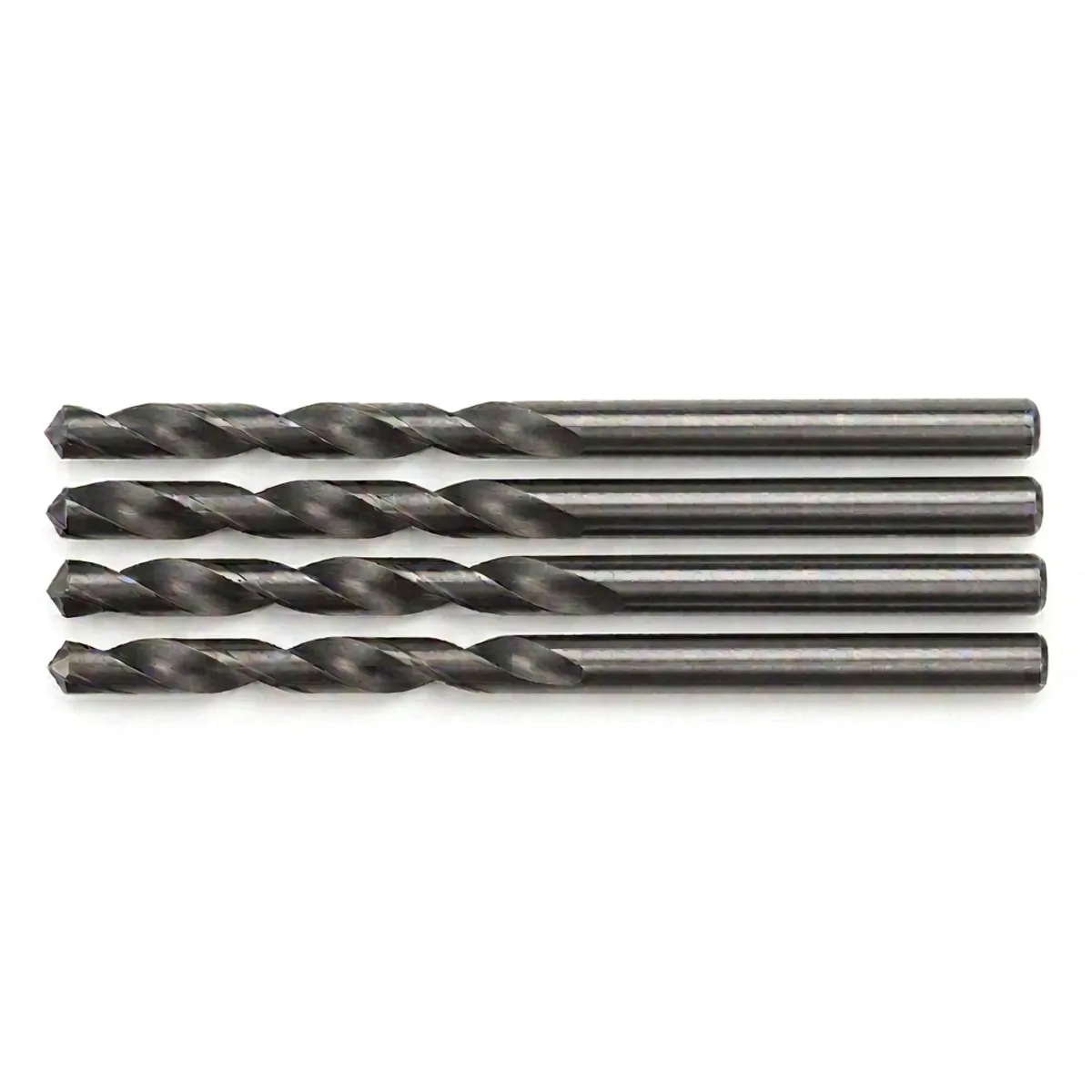
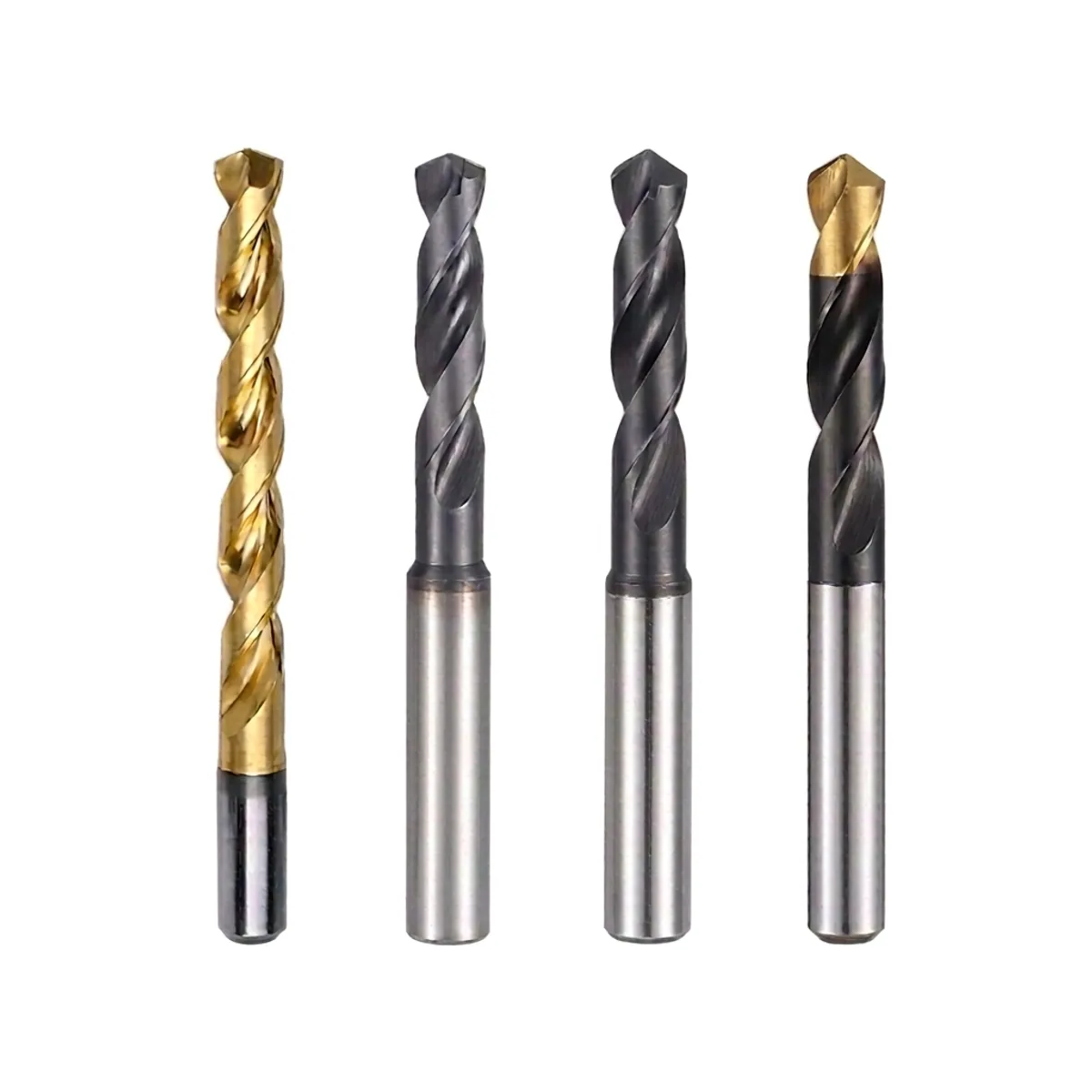
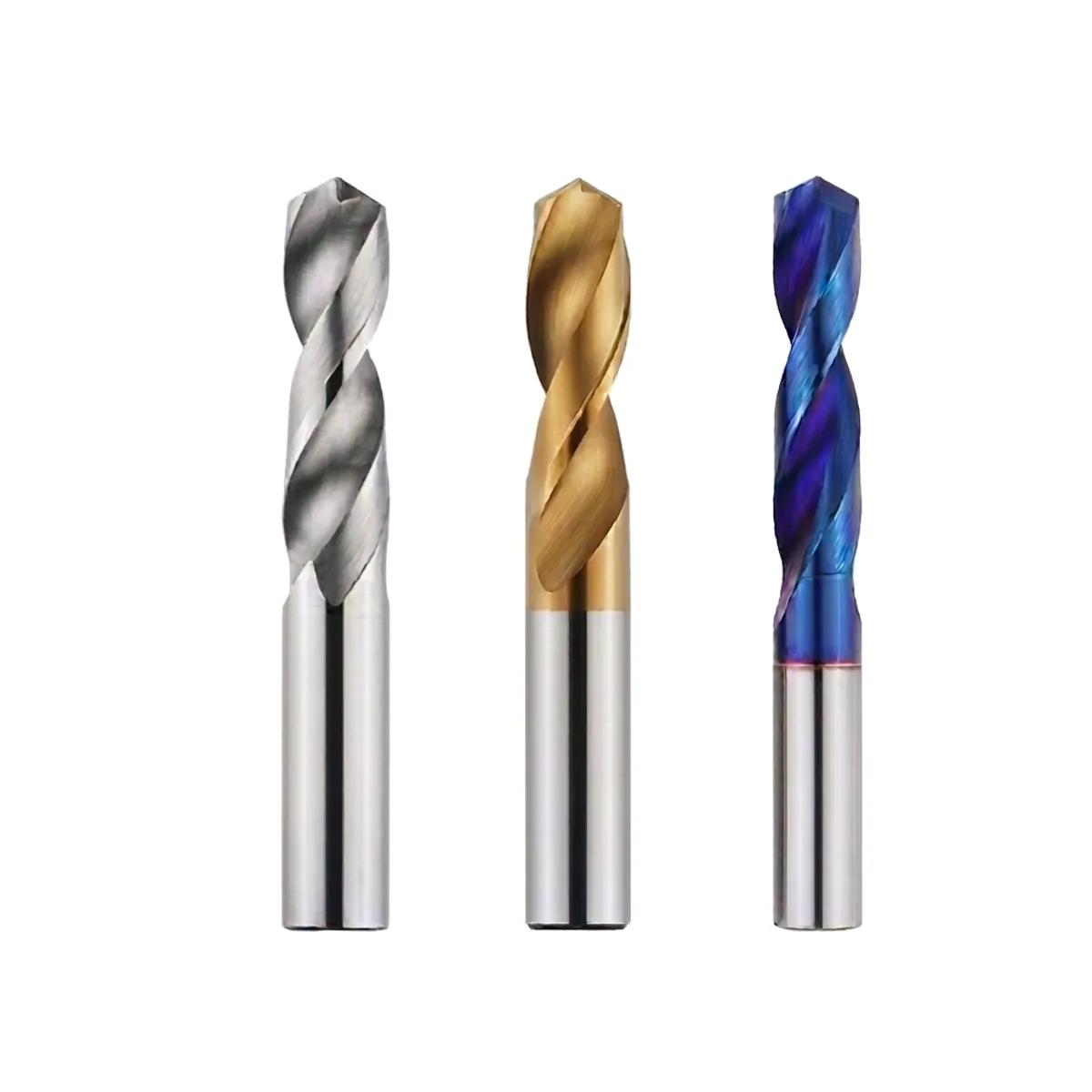
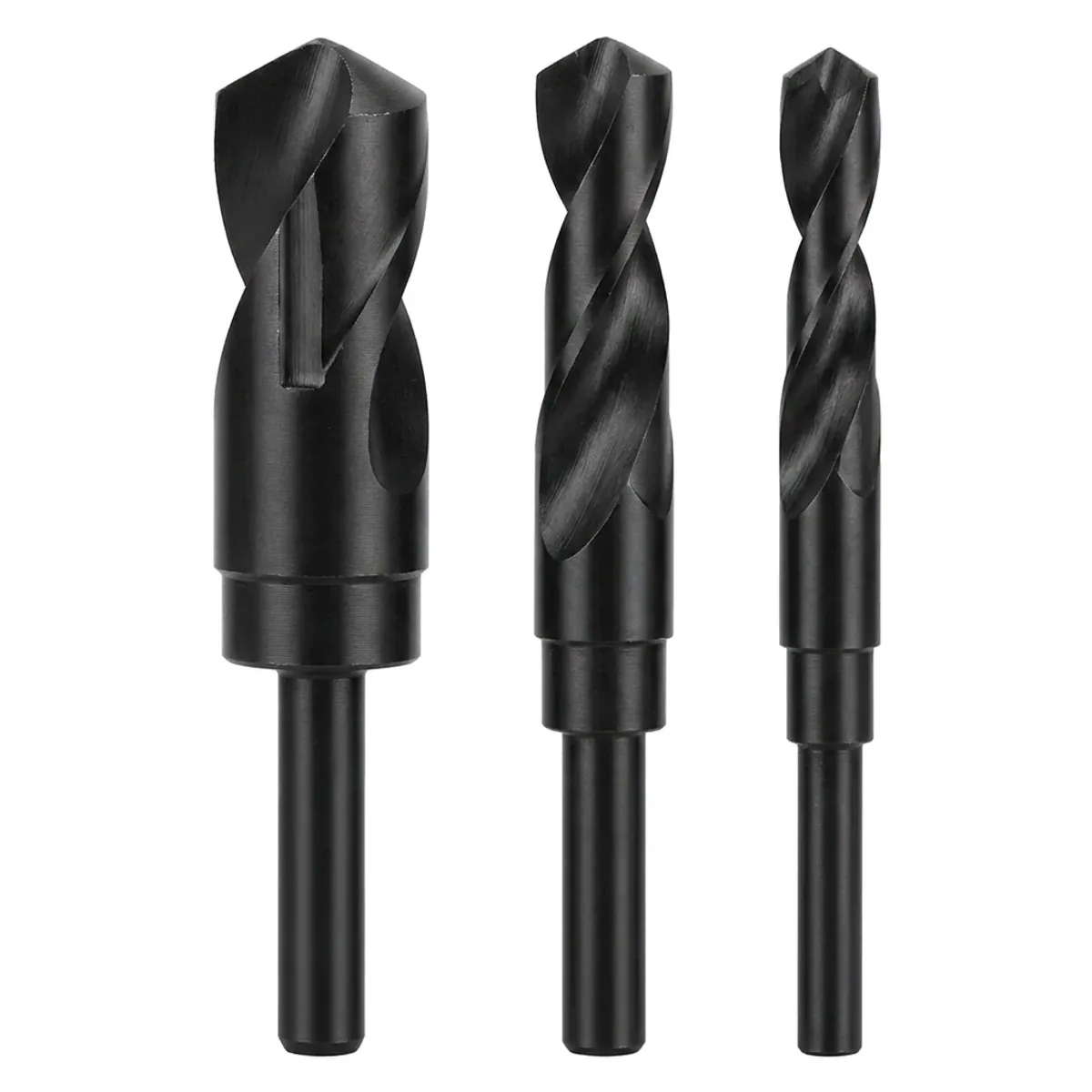
Tool flutes display different surface colours based on heat treatments or surface coatings applied during production. A bright silver finish indicates ground, uncoated steel, common for mild metal, timber, and soft plastics. A dark grey or black finish shows steam oxide tempering, which retains lubricant along the spiral flutes and reduces heat build-up during repetitive runs in mild steel.
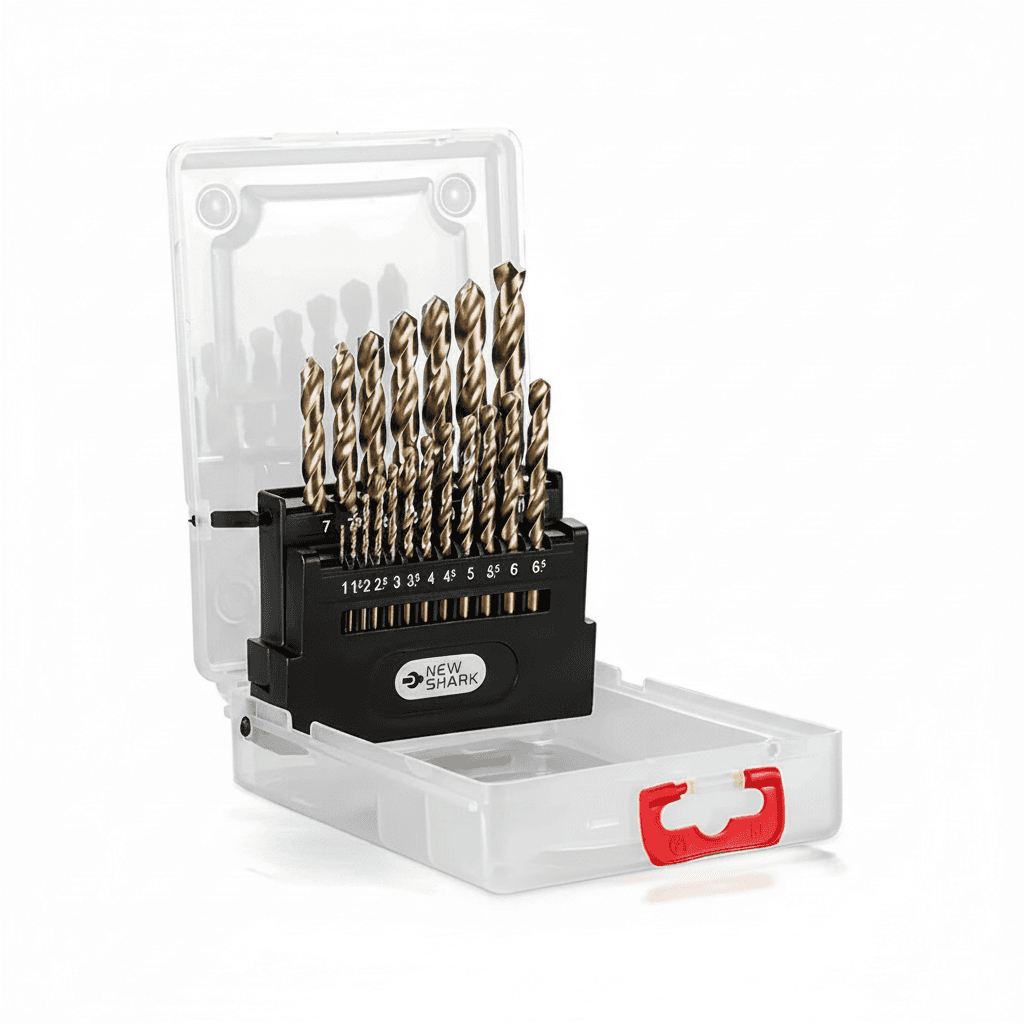
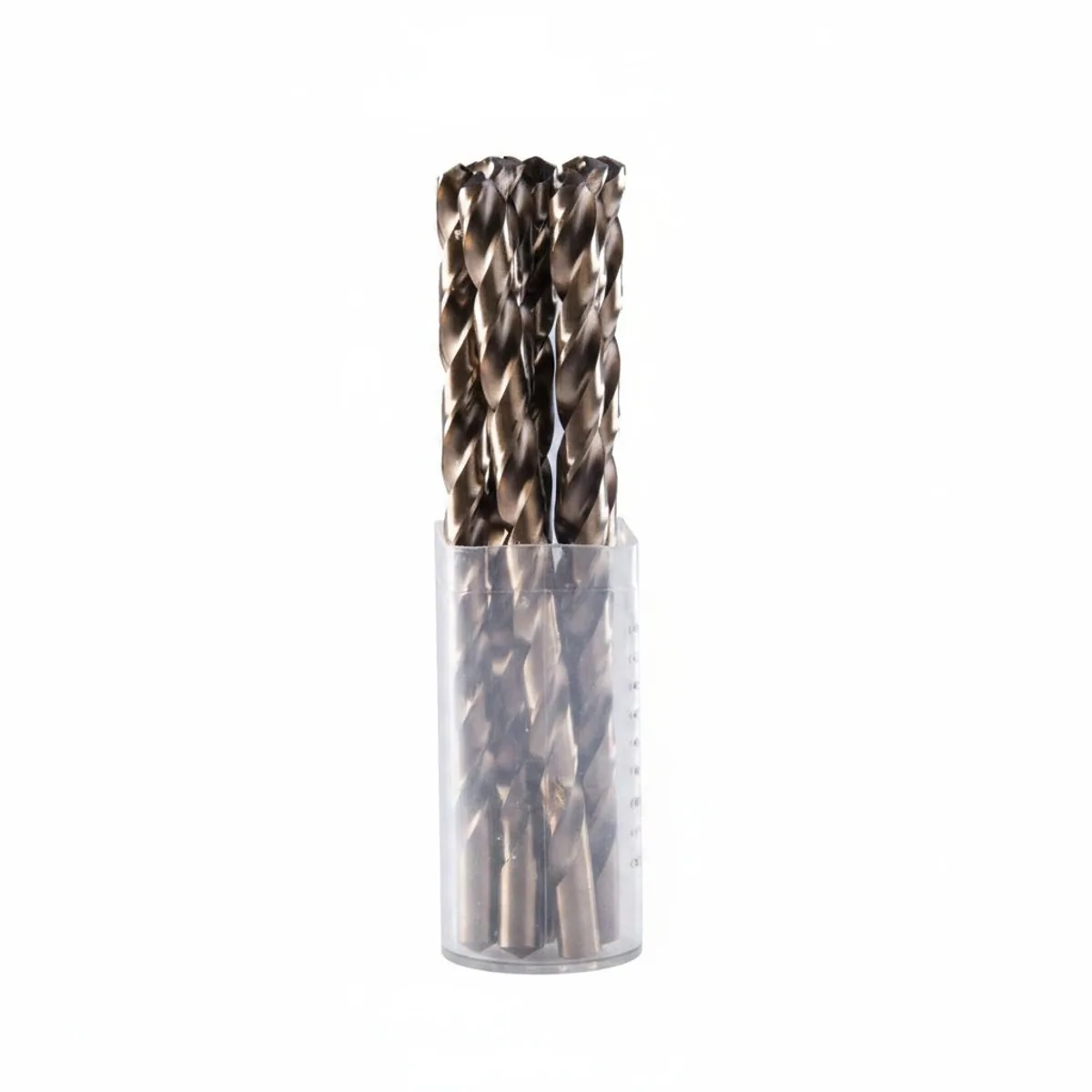
Bits alloyed with cobalt, such as M35 Cobalt HSS (5% Cobalt), feature a dull bronze or gold-brown hue straight through the core steel. That bronze shade is not a plated skin; it comes from heat tempering the alloyed steel. If a tip looks bright metallic gold, it carries a titanium nitride coating instead, which protects the outer face against abrasive wear.
Comparing standard steel to cobalt options
People often ask how cobalt drills differ from standard high-speed steel bits. Cobalt bits are still high-speed steel tools, but the steel contains either 5% Cobalt or 8% cobalt mixed throughout the melt. This extra element raises red-hardness, allowing drills to clear tough swarf from hardened steel without losing temper. They run hotter without dulling, though the harder structure makes them slightly more brittle.
Geometry also plays a part in metal cutting. Standard jobber bits feature a 118-degree nose suited to general work, while heavy-duty metal bits use a 135° Split Point ground flat across the chisel edge. For lathe setups, a 60-Degree Pilot center drill marks true centres before boring. Selecting the right combination of alloy and tip profile prevents chatter, drill breakage, and oversized holes.