

Shade numbers, and choosing one
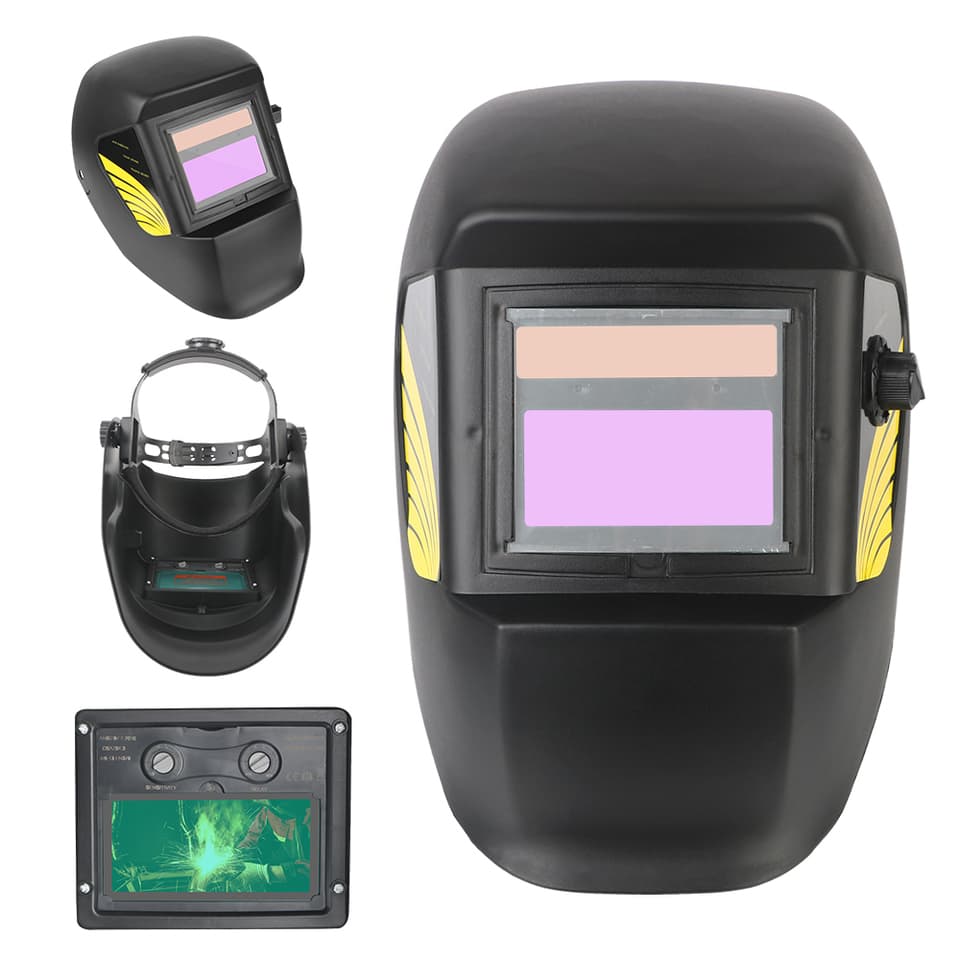
A darkened filter is described by a shade number, and higher is darker. The right shade rises with the current: a low amperage TIG job sits toward the lighter end of the welding range and a high current process needs several shades darker, which is why a variable helmet covering a range is more useful than a fixed one.
Too dark is a real problem rather than merely conservative. A welder who cannot see the puddle cannot control it, so the practical rule is to choose the darkest shade that still lets you see the weld pool clearly, and to change it when the current changes.
Grind mode is a separate setting that holds the lens light, so the helmet can be worn while dressing a weld without the sensors triggering on sparks. It is also the single most common cause of a flash, because it is easy to leave in grind mode and then strike an arc. Check the mode before every arc.
| Specification | Controls | Why it matters |
|---|---|---|
| Shade range | How dark the lens goes | Must suit the current you weld at |
| Arc sensors | How reliably it triggers | Four cover obscured and out of position work |
| Switching time | How fast light to dark | Slow switching causes eye fatigue |
| Low amperage rating | Triggering on small TIG arcs | Cheap lenses fail to fire on low amp TIG |
| Delay setting | How long it stays dark after | Longer for high current afterglow |
Sensor count and low amperage TIG
The sensors watch for the arc, and they need line of sight to it. Two sensors are enough when the arc is in front of you and clear. Four cover the case where the work, a fixture or your own hand shades part of the helmet, which is normal in out of position welding and in corners.
A sensor that loses sight of the arc lets the lens go clear mid weld, which is exactly the flash the helmet exists to prevent. That is the argument for four sensors, and it is a genuine one rather than a marketing count.
Low current TIG is the harder test. A small arc emits little light, and cheaper filters fail to trigger on it or flicker between states, which is unpleasant and unsafe. Where TIG at low amperage is part of the work, check the helmet states a low amperage rating rather than assuming it will cope.
True colour lenses and viewing area
Traditional filters shift everything toward green, which is why welders describe learning to read a puddle through a green world. A true colour filter passes a more even spread of the visible spectrum, so the puddle, the parent metal and the filler look closer to their real colours.
That is not decoration. Distinguishing the puddle edge from the surrounding heat affected metal is what controls the weld, and it is measurably easier when the colours are not compressed. Anyone learning benefits most, and anyone welding all day benefits from the reduced eye strain.
Viewing area is the other lens number. A larger window shows more of the joint and the surrounding work, which matters when following a long seam or working in a confined position where the head cannot move much. It adds weight and cost, and it is worth having on a helmet that gets worn for hours.
Power, cover lenses and wearing it all day
Solar powered helmets charge a sealed internal cell from the arc and from daylight, which means no battery changes and a helmet that needs light to have been on it recently. Replaceable battery helmets work regardless of where they have been stored, and rechargeable ones split the difference. All of them keep blocking ultraviolet and infrared with no power at all.
The clear plastic outer cover lens is a consumable and it is the cheapest part of the helmet. Spatter pits it, and a pitted cover looks like a failing filter. Keep spares and change it when the view degrades, because welders replace helmets over what is a two minute job.
Comfort decides whether the helmet is worn properly. The headgear should carry the weight on the crown rather than clamping the temples, and it should tip up and drop cleanly with a nod. Where a hard hat is required, choose a helmet designed to mount to it rather than trying to wear both.