




Cut-off wheels, grinding discs and flap discs
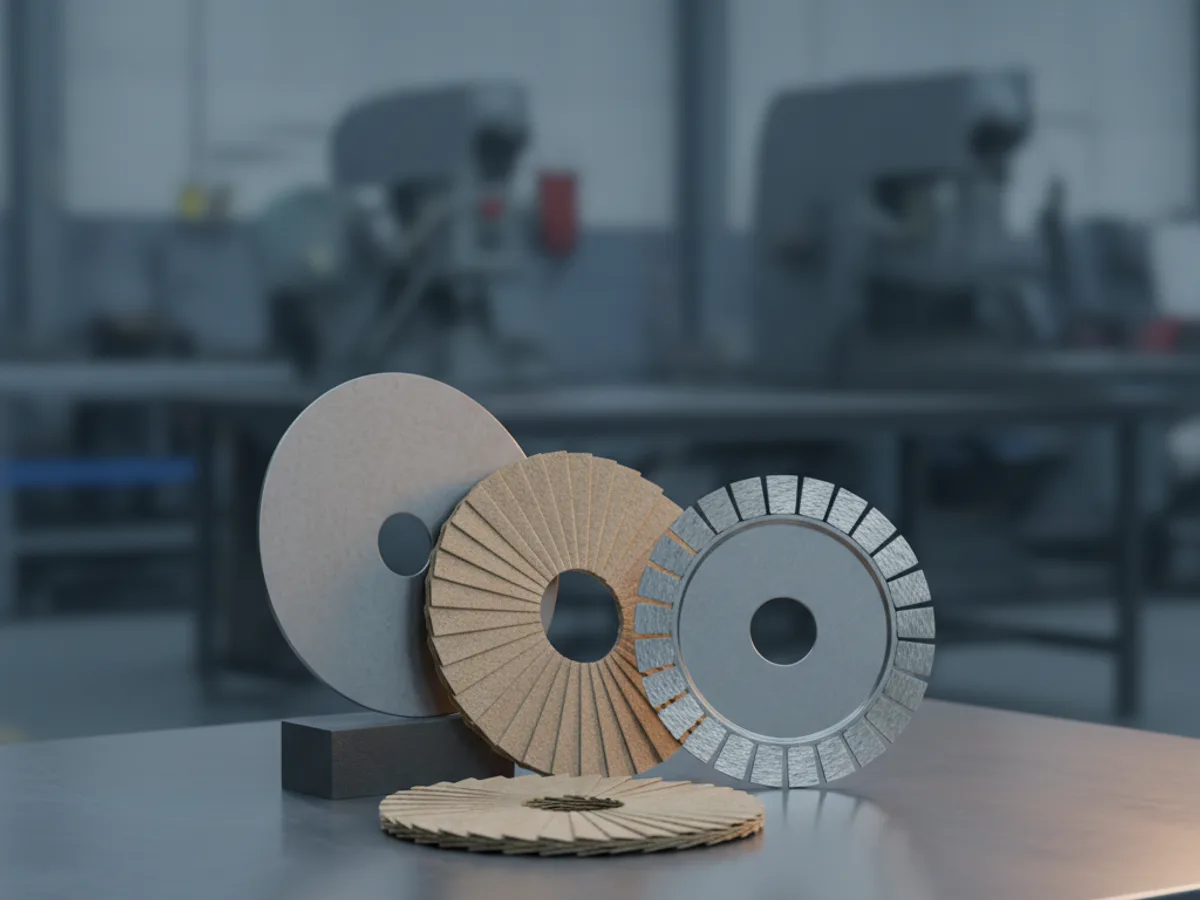
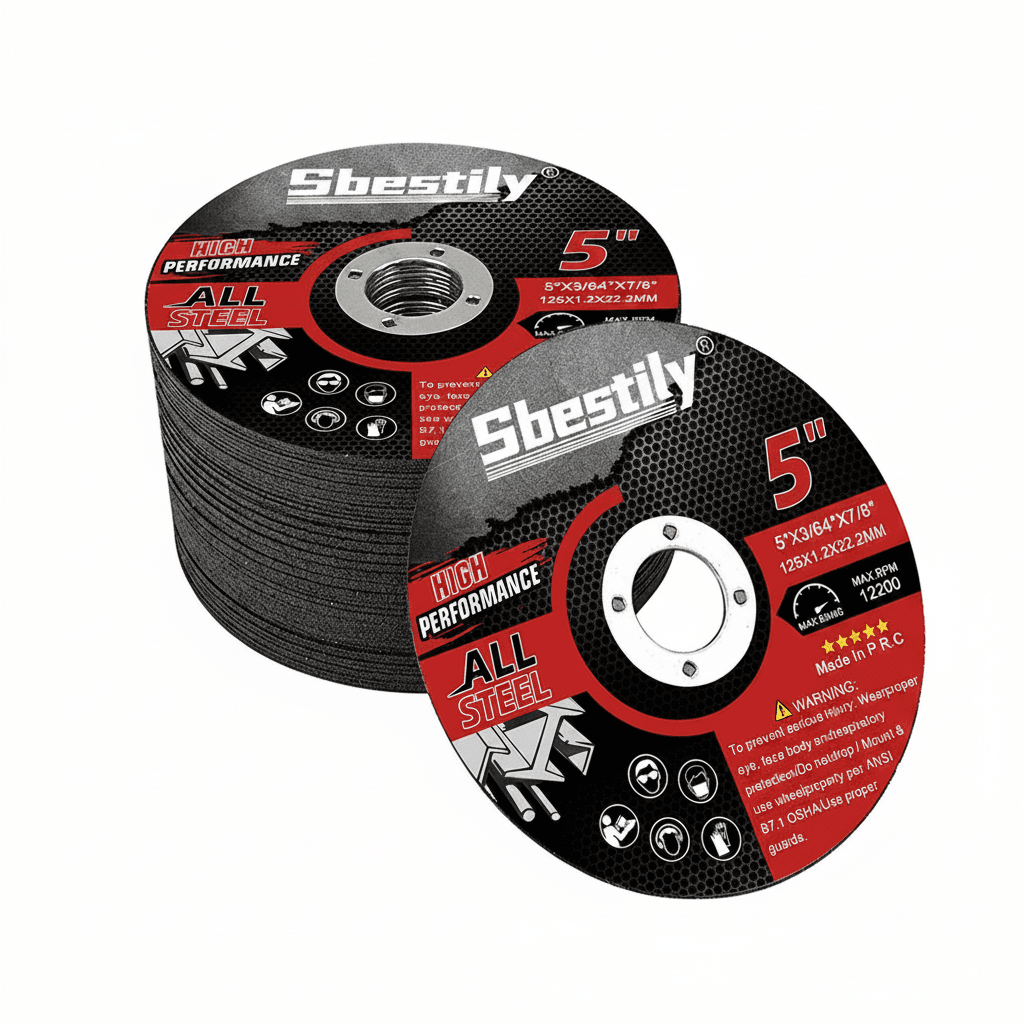
A cut-off wheel is thin, often a millimetre or so, and it is engineered to take force along its edge. Twist it in the cut, lean it sideways, or let the workpiece close on it, and the bond fails, which at grinder speeds means fragments leaving at speed. This is the single most common way people are hurt by an angle grinder.
A grinding disc is several millimetres thick and shaped so that the face does the work. It removes material fast and leaves a coarse surface, and it is the wrong disc for a narrow cut because it is too thick to fit one.
A flap disc sits between them. Overlapping abrasive flaps present a fresh edge as they wear, which grinds and blends in one operation and leaves a far better surface than a grinding wheel. It is gentler on thin material, it costs more per disc and it lasts a long time in the work it suits.
| Job | Disc | Never |
|---|---|---|
| Cutting steel section or bar | Thin cut-off wheel | Side load it or twist in the cut |
| Removing weld or heavy stock | Grinding disc | Use it to cut a narrow slot |
| Blending, dressing a weld | Flap disc | Expect grinding wheel removal rates |
| Tile, stone, concrete | Diamond disc | Use a metal cutting disc instead |
Diamond rims, and why the wrong one glazes
A diamond disc does not cut, it grinds, and the diamond is held in a metal bond that has to wear away at the right rate to keep exposing fresh grit. Match the bond to the material or the disc either glazes and stops cutting, or wears out in minutes.
A continuous rim gives the cleanest edge and is what tile and porcelain want, usually run wet to carry the heat away. A segmented rim has gaps that clear waste and cool the blade, which is what makes it right for concrete and stone dry cutting, at the cost of a rougher edge. A turbo rim compromises between the two.
A glazed diamond disc that has stopped cutting can often be brought back by running it briefly through an abrasive block or a soft material, which wears the bond and re-exposes the grit. That is a real technique rather than a workaround, and it is worth knowing before a disc gets thrown away.
Maximum speed and the expiry date
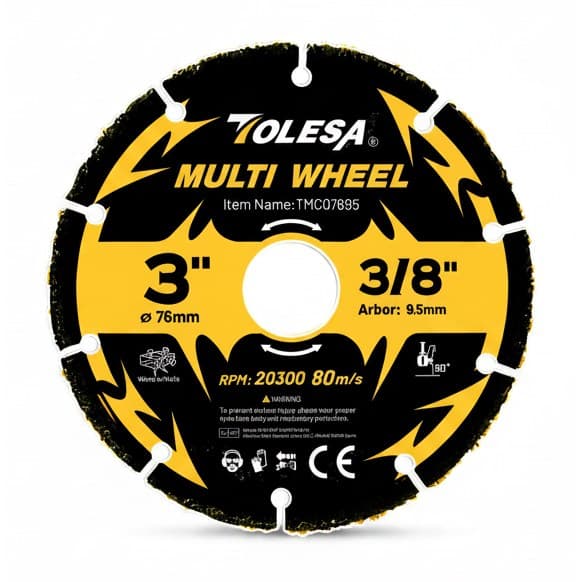
Every bonded disc carries a maximum rotational speed, and it must be equal to or higher than the no-load speed of the tool it goes on. A smaller disc on a large grinder is the trap: reducing the diameter does not reduce the spindle speed, and a disc spun beyond its rating can come apart.
Bonded abrasive discs also carry an expiry date, usually a few years from manufacture, because the resin binder degrades with age and humidity whether the disc has been used or not. A disc found in the back of a van past its date is not a bargain, and dating is why a box of old discs should be discarded rather than kept.
Store them flat, dry and unloaded. A disc stored leaning against something takes a set, a damp disc absorbs moisture into the bond, and a disc that has been dropped may carry a crack you cannot see. Inspect before fitting and ring-test where the disc type allows it.
Circular saw blades, teeth and rake
A tungsten carbide tipped blade is described by diameter, bore, tooth count and tooth geometry, and the last two decide what it cuts well. More teeth give a finer finish and cut slower with more heat; fewer teeth clear waste faster and leave a rougher edge, which is what ripping timber wants.
Tooth grind matters as much. Alternate bevel teeth slice cleanly across wood grain. A triple chip grind, where a chamfered tooth leads a flat one, is what survives laminate, plastic and non-ferrous metal, because it takes the load in stages rather than in one bite.
Rake angle is the safety point. A blade with a negative rake presents its teeth leaning away from the cut, which stops the blade grabbing and climbing, and that is why mitre saws and blades for non-ferrous metal use negative rake. Fitting a positive rake ripping blade to a mitre saw makes the saw snatch. Always check the arbor size, and use the reducing ring supplied rather than an improvised one.