

Class 1 and Class 2, and which you need
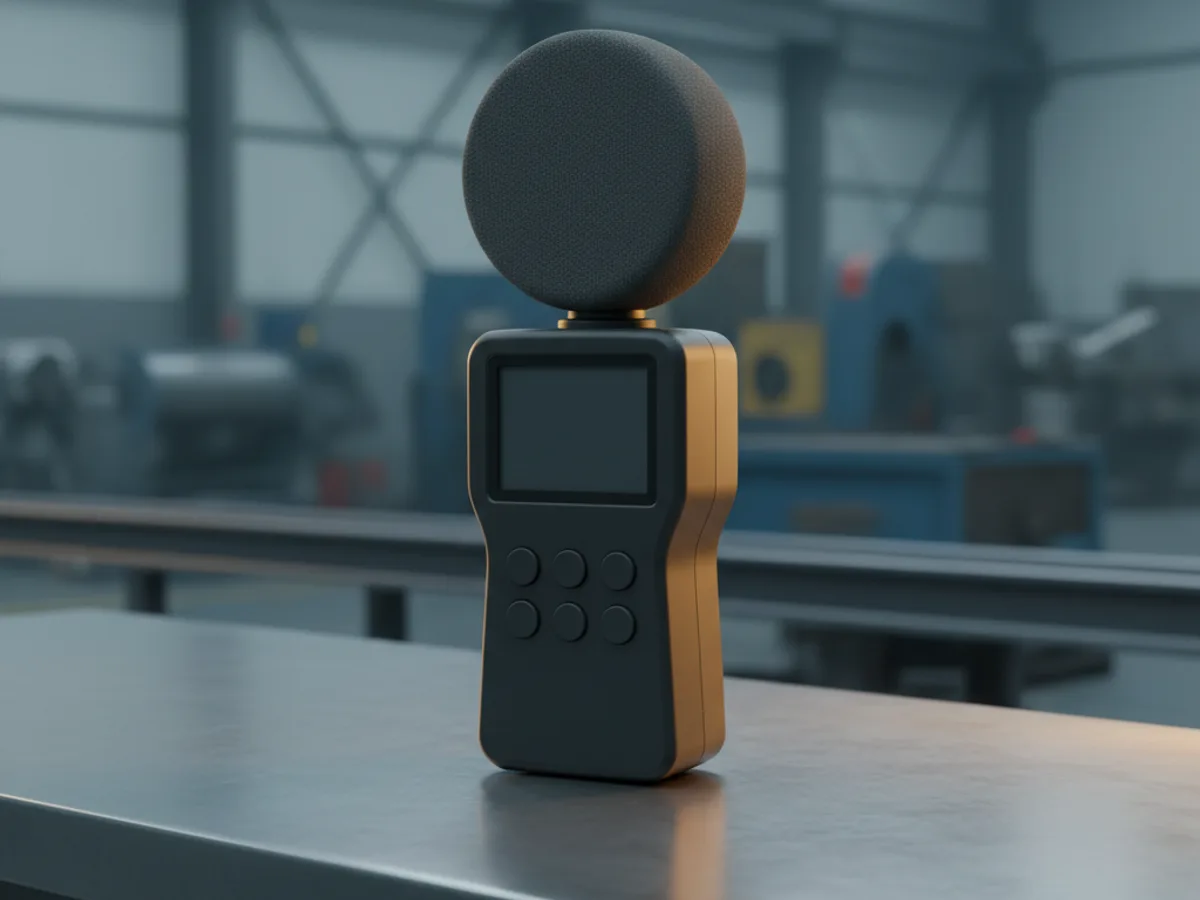
Sound level meters are built to a class that defines how tightly they must track the true level across the frequency range. Class 1 is the tighter specification and Class 2 is the wider one, and the difference is tolerance rather than a different kind of measurement.
For general workplace surveys, checking whether a machine has got louder, comparing before and after a modification, or deciding whether a proper assessment is needed, a Class 2 instrument is the normal and appropriate choice.
Class 1 belongs to work where the number will be relied on formally, such as environmental noise assessments, acoustic testing, or anything likely to be examined. A meter with no stated class at all is a general indicator rather than an instrument, and a phone application is neither, because the microphone is not designed or calibrated for it.
| Setting | Measures | Use for |
|---|---|---|
| A weighting | Level as human hearing responds | Hearing damage risk assessment |
| C weighting | Flatter response, more low frequency | Peak levels and choosing hearing protection |
| Fast response | Level tracking quick changes | Watching a varying source |
| Slow response | Smoothed level | Steady noise, easier to read |
| Averaged level | Equivalent level over a period | Exposure over a task or a shift |
A weighting and C weighting answer different questions
Human hearing is much less sensitive to low frequencies than to mid ones, and A weighting shapes the measurement to match that. It is the weighting used for assessing risk to hearing, because it reflects what the ear actually receives.
C weighting is far flatter and keeps the low frequency content that A weighting discounts. It is used for peak measurements, where a sudden impulsive noise is being captured, and in selecting hearing protection, where the difference between the C and A readings tells you how much low frequency energy is present.
Reporting a level without saying which weighting was used makes the number meaningless, because the same noise can read several decibels apart on the two settings. Note the weighting alongside every reading, and note the response setting with it.
Why one reading is not an exposure
Exposure depends on level and on how long it lasts. A brief loud event and a long moderate one can carry similar risk, which is why exposure is expressed as an average level over a reference period rather than as a peak reading.
That is what data logging is for. A meter that records at intervals through a task, or across a working day, produces the average that an assessment needs, and it also shows where the loud parts of the job actually are, which is what makes control measures targetable.
Peak levels are recorded separately, because an impulsive noise such as a hammer blow or a pressure release can damage hearing in a way an average will not reveal. A meter that captures both an average and a peak covers both halves of the question.
Calibration, wind and where you stand
An acoustic calibrator fits over the microphone and produces a known level, and checking the meter against it before and after a survey is what makes the results defensible. If the meter has drifted between the two checks, the survey is repeated. This field check does not replace periodic laboratory calibration, which the instrument needs on a schedule.
The microphone is easily fooled. Fit the windshield outdoors, because wind noise across the microphone reads as sound that is not there. Keep your body out of the path between source and microphone, since a person standing behind the meter reflects sound into it, and a tripod removes both hand noise and the operator.
Measure where the ear is, at the position and height a person actually occupies, rather than next to the machine. The point of the survey is what a person receives, and moving the microphone half a metre in a reflective space can change the reading noticeably.