
Compel Groupgroup

Silicone Insulated Wire and Cable

Author: James Whitfield, Equipment Desk5 min read
Updated

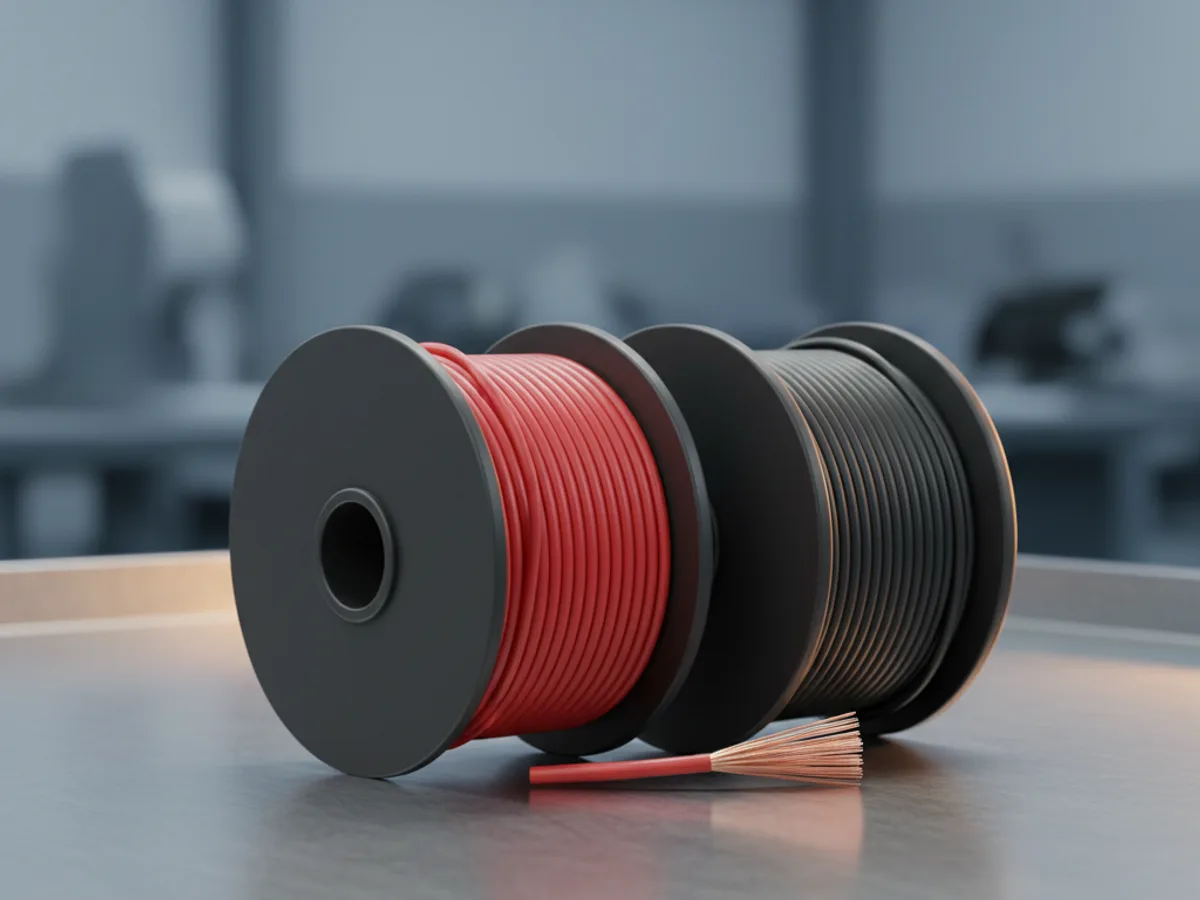
Silicone insulated wire buys you two things PVC cannot give: it stays flexible across a very wide temperature range, and it is made with very fine strands, so it bends easily and survives repeated movement. It is the wire for hot places, tight places and anything that flexes. It is also softer than PVC, so it needs protecting where it rubs.

12 products from £48.99 to £88.99

Specs and prices

Specifications as declared by the seller of each listing, not our own measurements. Prices update with the catalogue.

ProductPriceMaterialApplication
Wall Ties: multiple colourful cords, different colour variants.Wall Ties£83.99Silicone-
146-piece silicone cable organizer set with adhesive wire clips for managing USB cords in car, home, or office.146-Piece Cable Management Kit£59.99Silicone-
5-color silicone hook up wire kit with 8 AWG sizes from 16 to 30, featuring flexible tinned copper conductors for electronics projects.Professional-Grade Silicone Hook-Up Wire Kit£52.99-Hook-up, DIY Electronics
CONEPY Super Soft Silicone Electrical Wire in red and black, showing multiple AWG sizes from 12 to 30 gauge for car battery and automotive use.Automotive Battery Cable£52.99-Automotive Electrical, Battery Cables
XT60i female to M8 O-ring terminal plug connector with 12AWG silicone cable, a durable high-current power cable for RC and electronics.XT60 to M8 O-Ring Terminal Cable£52.99-Power Transmission

What silicone insulation gives you

PVC insulation softens as it warms and goes stiff and eventually brittle as it cools. Silicone does neither across a much wider band, which is why it turns up around heaters, engine bays, ovens, lighting and anywhere a loom has to survive both a cold morning and a hot working temperature.

It is also far more flexible for the same conductor size, partly because the insulation itself is soft and partly because silicone wire is normally built with a much higher strand count. Where PVC hookup wire might use a few dozen strands, silicone wire of the same gauge often uses hundreds of very fine ones, and that is what lets it bend tightly and take repeated movement without work hardening.

The trade is mechanical. Silicone cuts, abrades and tears far more easily than PVC, so anywhere it passes an edge, through a bulkhead or against a moving part it needs a grommet, a sleeve or braiding over it. Fitted carelessly it will chafe through where PVC would have survived.

Where each insulation suits
ConditionSiliconePVC
High or low temperatureHolds up across a wide bandSoftens hot, stiffens cold
Repeated flexingVery good, fine strandsWork hardens and fractures
Abrasion and edgesPoor, needs protectionMuch tougher
CostHigherLower

Fine strands, and why they need ferrules

The strand count that makes this wire flexible is also what makes it awkward in a screw terminal. Hundreds of very fine strands spread out under a clamping screw, some escape the terminal entirely, and the ones that are captured flow away from the pressure over time until the joint loosens.

A bootlace ferrule crimped on the end solves it completely. The strands are gathered into a solid sleeve, the screw clamps that sleeve, and the joint holds its torque. On this kind of wire a ferrule is not a refinement, it is the correct termination.

Do not tin the end instead. Solder creeps under sustained clamping pressure more than copper does, so a tinned end that is tight today is loose within months, and on fine stranded wire the wicking also creates a stiff point right where the wire wants to flex.

Gauge, current and the conditions around it

Conductor size is quoted in AWG or in square millimetres, and the two run opposite ways: a smaller AWG number means a larger conductor. What a given size can carry is not a single number, because it depends on how much the wire is allowed to warm and how easily that heat escapes.

The same wire carries less inside a bundle than it does in free air, less in a hot engine bay than in a cool cabinet, and less over a long run where voltage drop rather than heating becomes the limit. Silicone insulation tolerates a higher conductor temperature than PVC, which is part of why silicone wire is often quoted at a higher current for the same gauge, but the surrounding conditions still decide the real answer.

For a long run, size for voltage drop rather than for current alone. A cable comfortably rated for the current can still leave too little voltage at the far end, and on low voltage systems that shows up as equipment that misbehaves rather than as anything obviously electrical.

Tinned copper, and where it earns its cost

Bare copper oxidises. In dry indoor air that surface film is slow and harmless; in damp, salty or chemically active air it creeps along the strands under the insulation, raising resistance from the ends inwards and eventually turning a good joint into a warm one.

Tin plating on each strand slows that considerably, which is why marine and outdoor wiring specifies tinned copper as a matter of course. It also takes solder more readily and stays solderable after storage, which matters if the wire is going into a workshop drawer for a year before it is used.

For dry indoor equipment, plain copper is perfectly sound and cheaper. The decision is about the environment the wire will live in rather than about quality, and buying tinned for a bench project is spending money the job does not need.

James Whitfield, Equipment Desk editor at Compel GroupJames WhitfieldEquipment Desk

James edits the machine and equipment buying guides. The specifications on these pages are the declared figures from the live listings we hold, with a note wherever a number comes from a published standard instead. Pages are re-checked as the catalogue changes.

Share
Add Compel Group as a preferred source on Google

Silicone insulated wire and cable

18AWG silicone wire spool with five vibrant colors: red, black, blue, green, and yellow, each 16.4 feet long for electronics projects.

Connectors & Wiring

Silicone Wire | 18 AWG Stranded Tinned Copper | 5 Colors, 16.4ft Spools

TBS-02280CONN-00327
£88.99
10FT 6mm2 silicone solar extension cable with waterproof MC4 connectors for connecting solar panels in a photovoltaic system.

Connectors & Wiring

Solar Panel Extension Cable | 10 AWG 6mm² Silicone Wire | Waterproof PV Connectors

TBS-02211CONN-00275
£85.99
Wall Ties: multiple colourful cords, different colour variants.

Fixings & Anchors

Wall Ties | 18-Inch Reusable Silicone Twist Straps | Cord Organizers

CMP-02245FIXI-00007
£83.99
Black and red 2-pin silicone cable with tinned copper conductors, available in 16 to 28 AWG sizes for DIY electronics and automotive LED projects.

Connectors & Wiring

2-Conductor Silicone Wire | 16-28 AWG Tinned Copper | Flexible DIY & Automotive Cable

TBS-02288CONN-00334
£77.99
146-piece silicone cable organizer set with adhesive wire clips for managing USB cords in car, home, or office.

Cable Management

146-Piece Cable Management Kit | Adhesive Cord Organizers for Home, Office & Car

TBS-03385CABL-00009
£59.99
5-color silicone hook up wire kit with 8 AWG sizes from 16 to 30, featuring flexible tinned copper conductors for electronics projects.

Connectors & Wiring

Professional-Grade Silicone Hook-Up Wire Kit | 5-Color Tinned Copper | 16-30 AWG for DIY & Electrical Projects

TBS-02287CONN-00333
£52.99
UL3239 silicone high voltage wire rated for 30KV to 50KV, available in 22 to 16 AWG sizes with high temperature 150°C resistance.

Connectors & Wiring

High-Voltage Silicone Wire | UL3239 Rated | 30-50KV Capacity | 150°C Heat Resistant

TBS-02277CONN-00324
£52.99
CONEPY Super Soft Silicone Electrical Wire in red and black, showing multiple AWG sizes from 12 to 30 gauge for car battery and automotive use.

Maintenance & Parts

Automotive Battery Cable | Super-Flexible Silicone Wire | 12-30 AWG Heat-Resistant

TBS-02286MAIN-00049
£52.99
XT60i female to M8 O-ring terminal plug connector with 12AWG silicone cable, a durable high-current power cable for RC and electronics.

Connectors & Wiring

XT60 to M8 O-Ring Terminal Cable | 12/10 AWG Silicone | 1-10 Meter Custom Length

TBS-02217CONN-00279
£52.99
XT90H male and female to O-ring terminal cable with 12AWG silicone wire, a durable connector for high-current applications.

Connectors & Wiring

XT90 to O-Ring Connector Cable | 12AWG/10AWG High-Capacity Silicone Wire | 1m-10m Lengths

TBS-02226CONN-00284
£52.99
A waterproof needle tip PT100 sensor probe with a silicone cable for temperature measurement in meat, soil, or fruit.

Temperature Sensors

Waterproof Needle Tip Temperature Sensor Probe | PT100 & PT1000 RTD

TBS-06272SENS-00172
£49.99
Heat resistant flexible silicone wire kit with 5 colors, featuring tinned copper stranded cables in sizes from 30 to 16 AWG for electrical projects.

Connectors & Wiring

Professional-Grade Silicone Wire Kit | Heat-Resistant & Flexible | 5 Colors | 16-30 AWG Tinned Copper

TBS-02171CONN-00273
£48.99

See the full range

Buying guide

Silicone Insulated Wire and Cable questions

Why choose silicone wire over PVC?
It stays flexible across a much wider temperature range and is built with far finer strands, so it bends tightly and survives repeated movement. It suits hot places, tight places and anything that flexes.
Do I need ferrules on silicone wire?
Yes for screw terminals. The very fine strands spread under the screw, some escape the terminal and the rest flow away from the pressure until the joint loosens. A crimped bootlace ferrule is the correct termination.
Can I tin the end instead of using a ferrule?
No. Solder creeps under sustained clamping pressure, so a tinned end loosens over months, and on fine stranded wire it also creates a stiff point exactly where the wire needs to flex.
What current can a given gauge carry?
It depends on conditions, not just size. The same wire carries less in a bundle than in free air, less when hot, and over long runs voltage drop rather than heating becomes the limit. Size long runs for voltage drop.
Is tinned copper worth the extra?
In damp, salty or chemically active environments, yes, because bare copper oxidises along the strands under the insulation and raises resistance. For dry indoor equipment plain copper is perfectly sound.
What is the downside of silicone insulation?
It cuts and abrades far more easily than PVC. Anywhere it passes an edge, through a bulkhead or against a moving part it needs a grommet, sleeve or braid over it, or it will chafe through.

We use cookies. Some keep the store working, others show us what to fix. No third-party trackers, and we never sell your data. Learn more about cookies and your privacy