Size on voltage drop, not on current rating alone
A cable that will not melt is not the same as a cable that will do the job. On a 12 volt system there is very little voltage to lose, so the usual design target is a drop of around three per cent on a feed and less on a starter circuit. That is why battery and welding cable is so much thicker than an ampacity table alone would suggest.
Drop depends on length as well as current, and length means the whole circuit: positive lead plus the return path through the earth strap and the chassis. A common fault is a perfectly sized positive cable working against a corroded earth strap, which puts the resistance back into the circuit where nobody looks for it.
| Application | Typical size | Note |
|---|---|---|
| Small engine starter, short run | 4 AWG to 2 AWG | Keep both leads short and the earth clean |
| Car or van starter | 2 AWG to 1/0 AWG | Larger diesels want the heavier end |
| Inverter feed | 1/0 AWG to 2/0 AWG | Sized on inverter surge, not continuous rating |
| Welding lead | 2/0 AWG and up | Also chosen for flexibility and duty cycle |
Oxygen-free copper against copper-clad aluminium
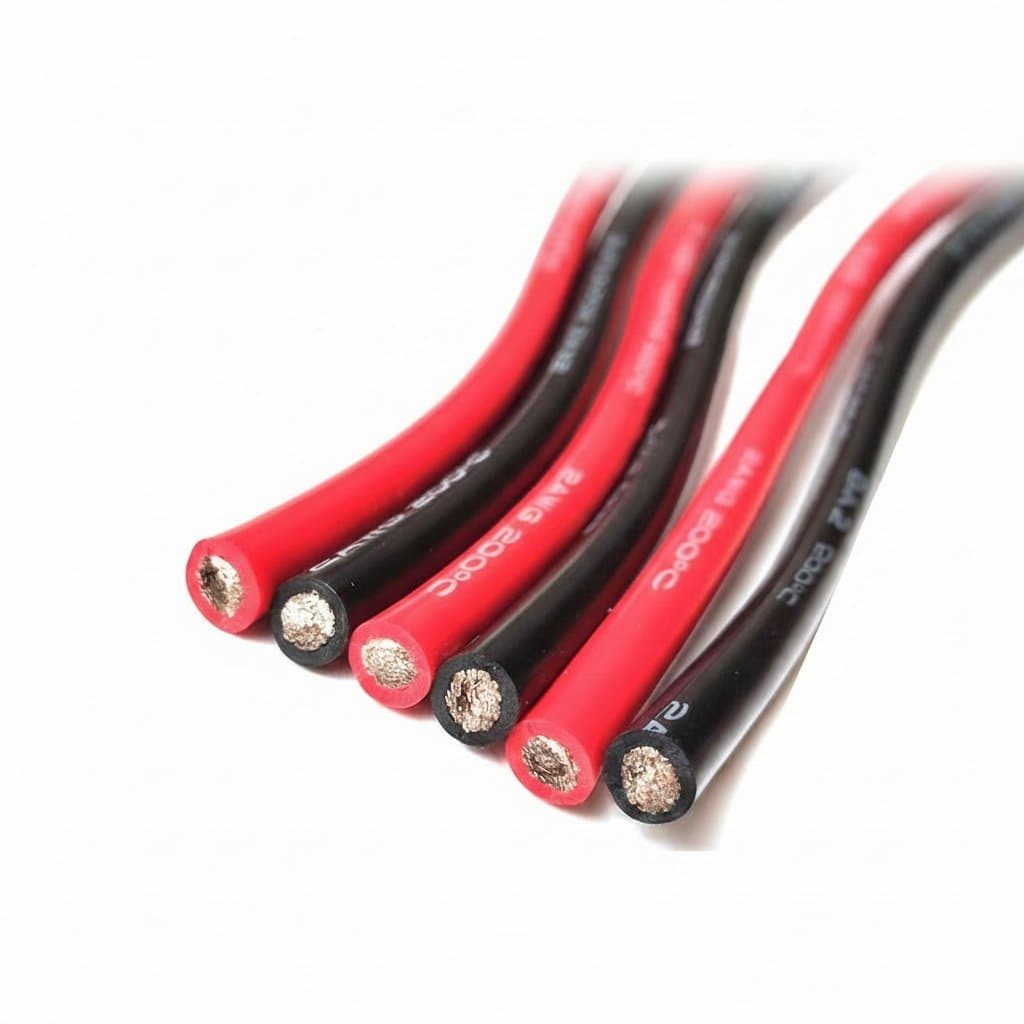
OFC is solid copper throughout. CCA is aluminium with a thin copper skin, and it is noticeably cheaper because aluminium is cheaper. Aluminium conducts around sixty per cent as well as copper by cross section, so a CCA cable has to be roughly two sizes larger to match the same OFC cable, which erases much of the saving once you buy the bigger lugs to fit it.
The bigger problem is the joints. Aluminium oxidises, and the oxide is not conductive, so crimps and terminations degrade over time in a way copper ones do not. On a starter or inverter circuit that shows up as a connection that grows hot under load. For anything carrying heavy current in a vehicle or a workshop, buy OFC and check the strand count rather than trusting the printed marking.
Strand count, insulation and why welding cable is different
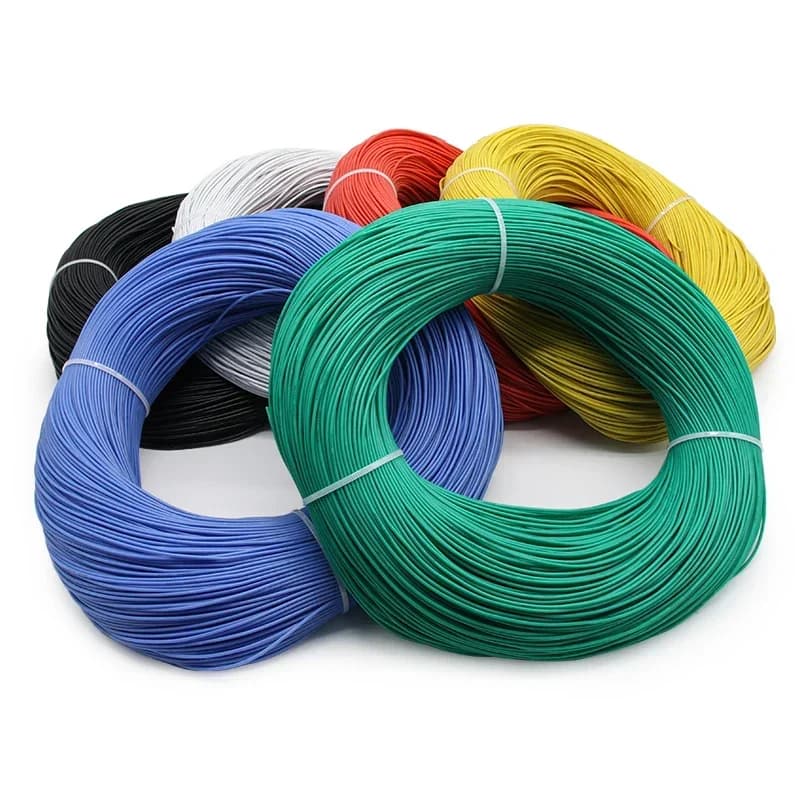
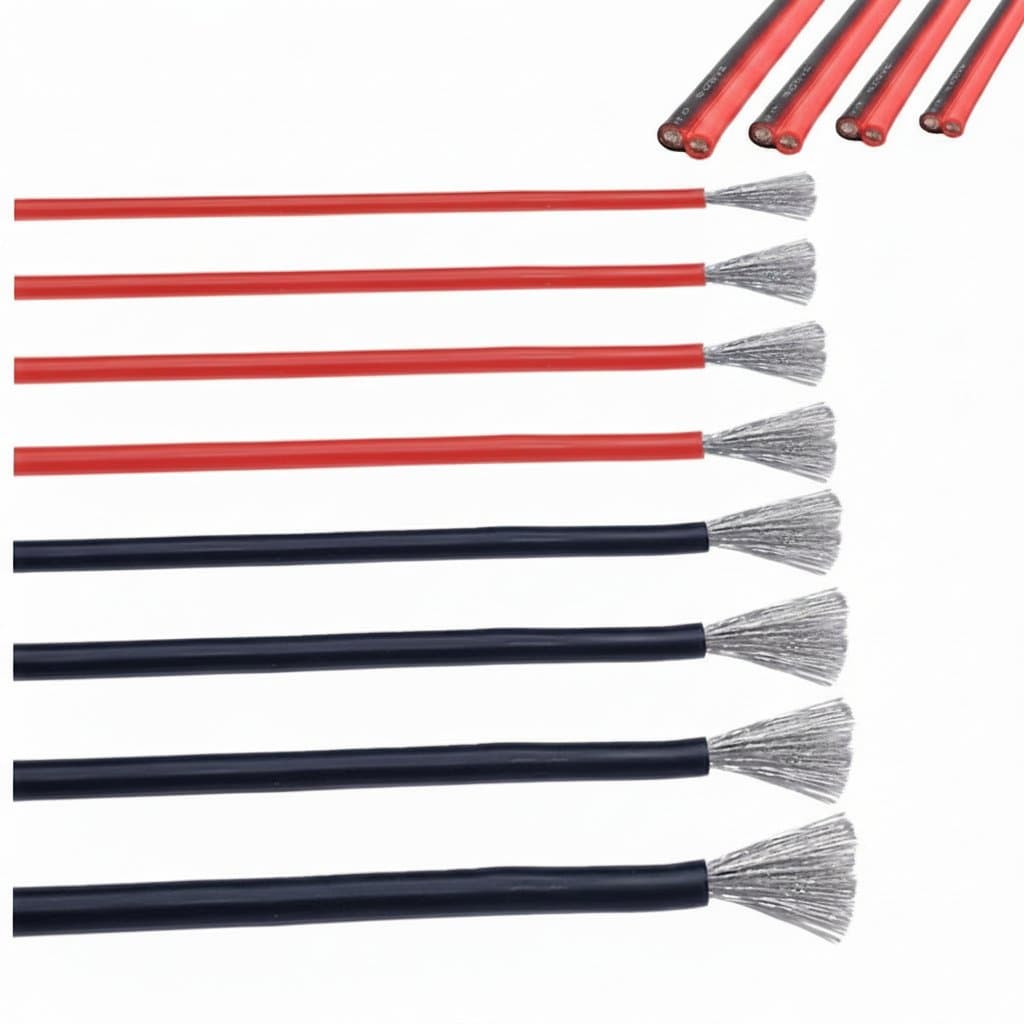
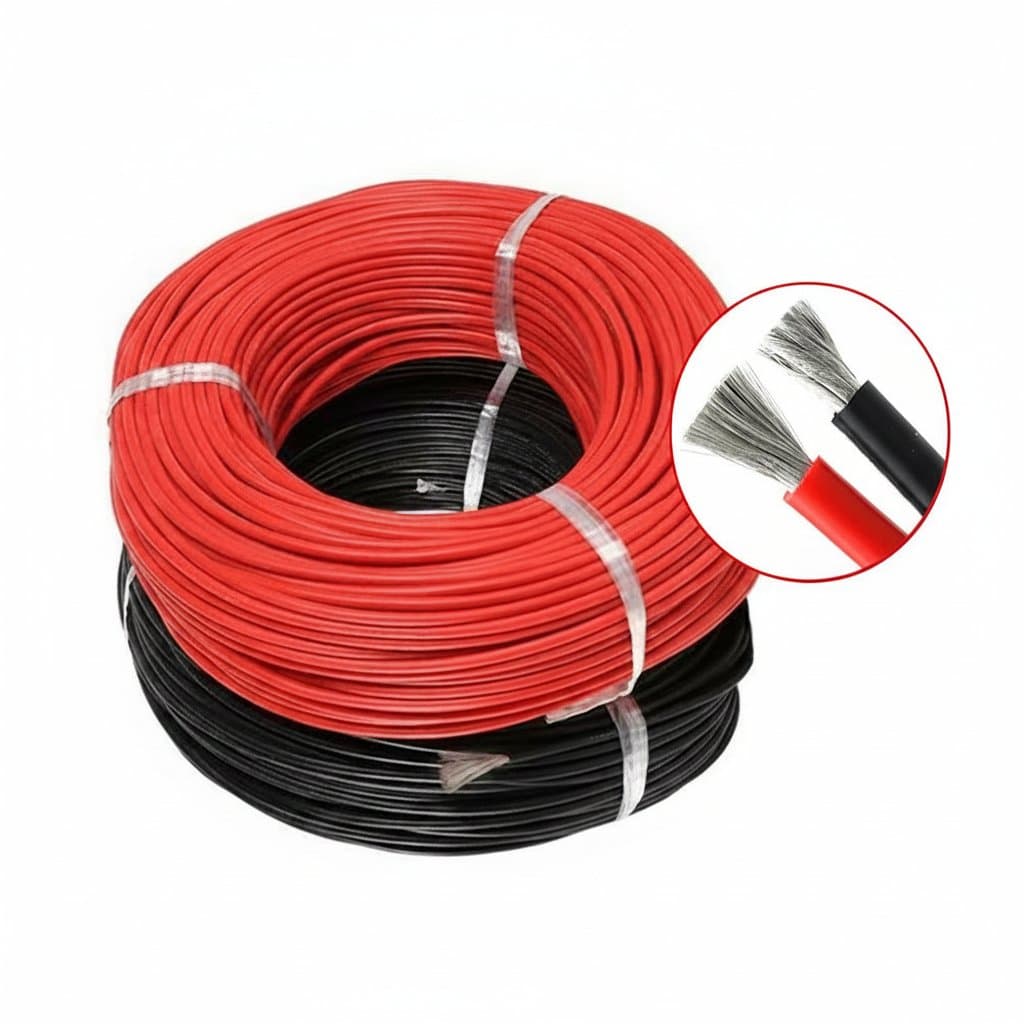
Welding cable is built from very many fine strands so it stays flexible while carrying huge current, and it is that flexibility rather than any electrical difference that makes it popular for battery and inverter work in tight engine bays. A stiff cable fights the terminal it is bolted to and eventually loosens it.
Insulation matters as much as the conductor. Engine bays run hot and see oil and fuel, so a cable rated for high temperature and resistant to hydrocarbons will outlast general purpose PVC by years. Where cable passes through a bulkhead or panel it needs a grommet, because vibration against a sharp edge is the most common cause of a dead short in a vehicle.
The termination is usually the weak point
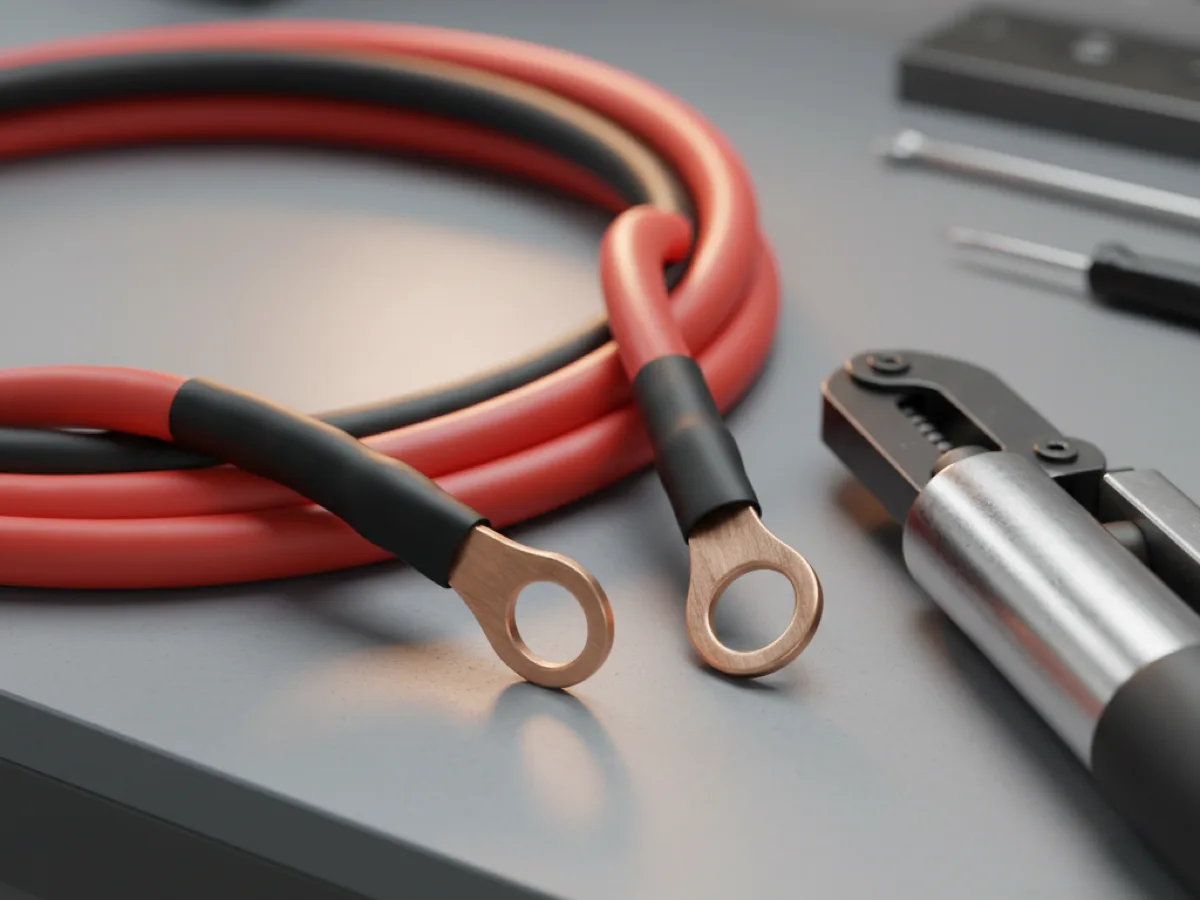
A properly made crimp is a gas-tight cold weld, and on heavy cable that means a hydraulic or hex crimper rather than pliers. A crimp made with the wrong tool looks acceptable and has a fraction of the contact area, so it runs hot under load, oxidises faster because it is hot, and gets worse from there.
Adhesive-lined heat shrink over the lug barrel keeps moisture out of the strands, which is what stops the slow green creep up a cable in a damp engine bay. Solder alone is not a substitute for a crimp on a vibrating vehicle circuit: the solder wicks up the strands and creates a hard point where the cable then fatigues and breaks.