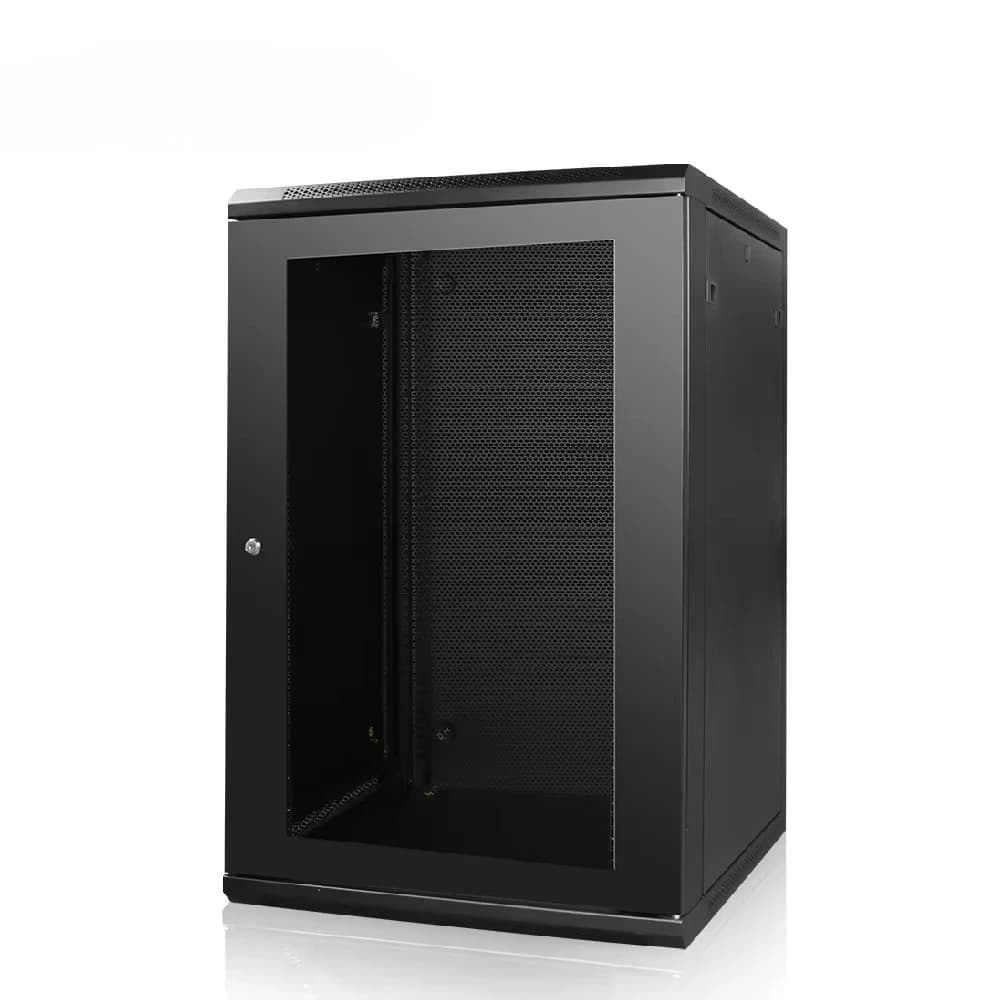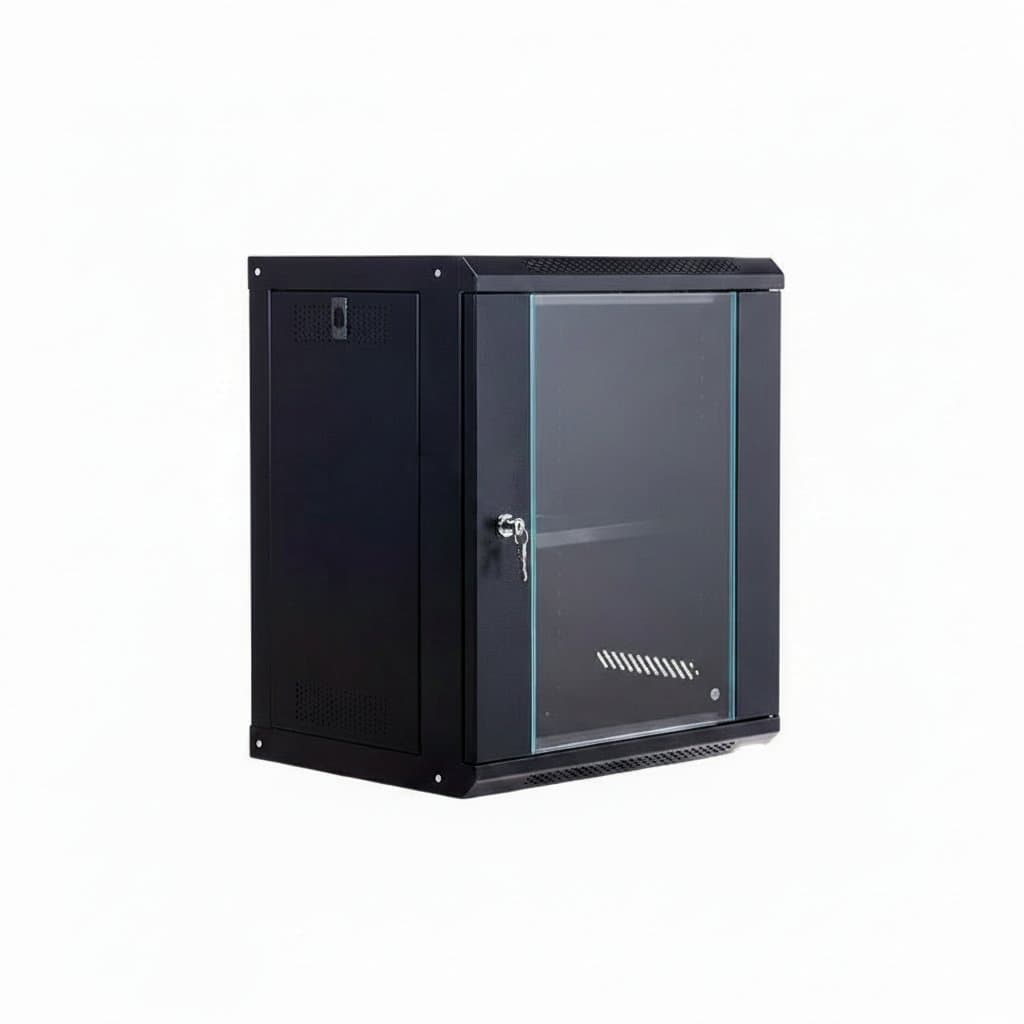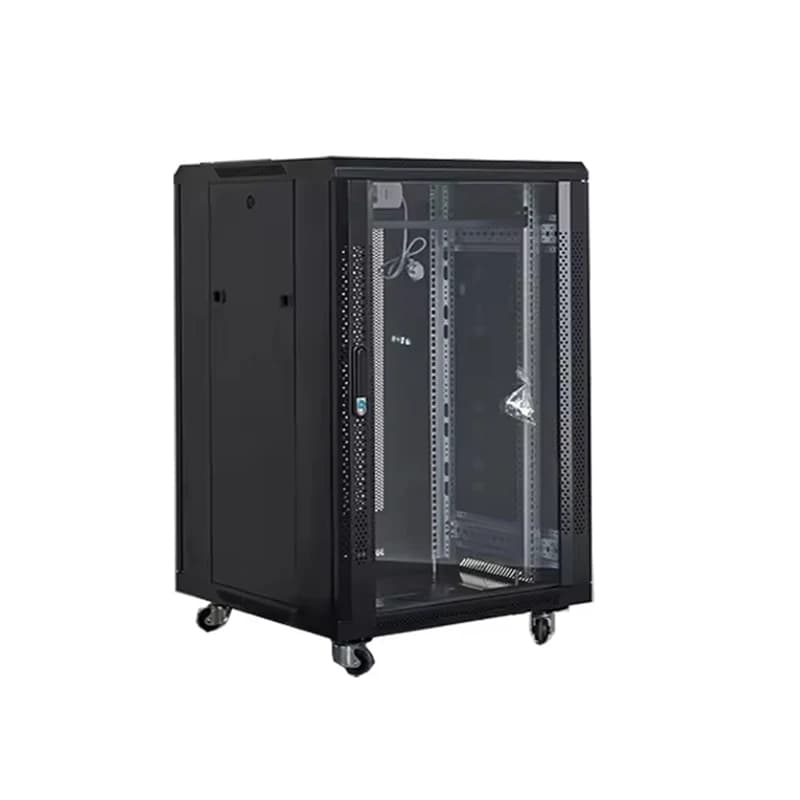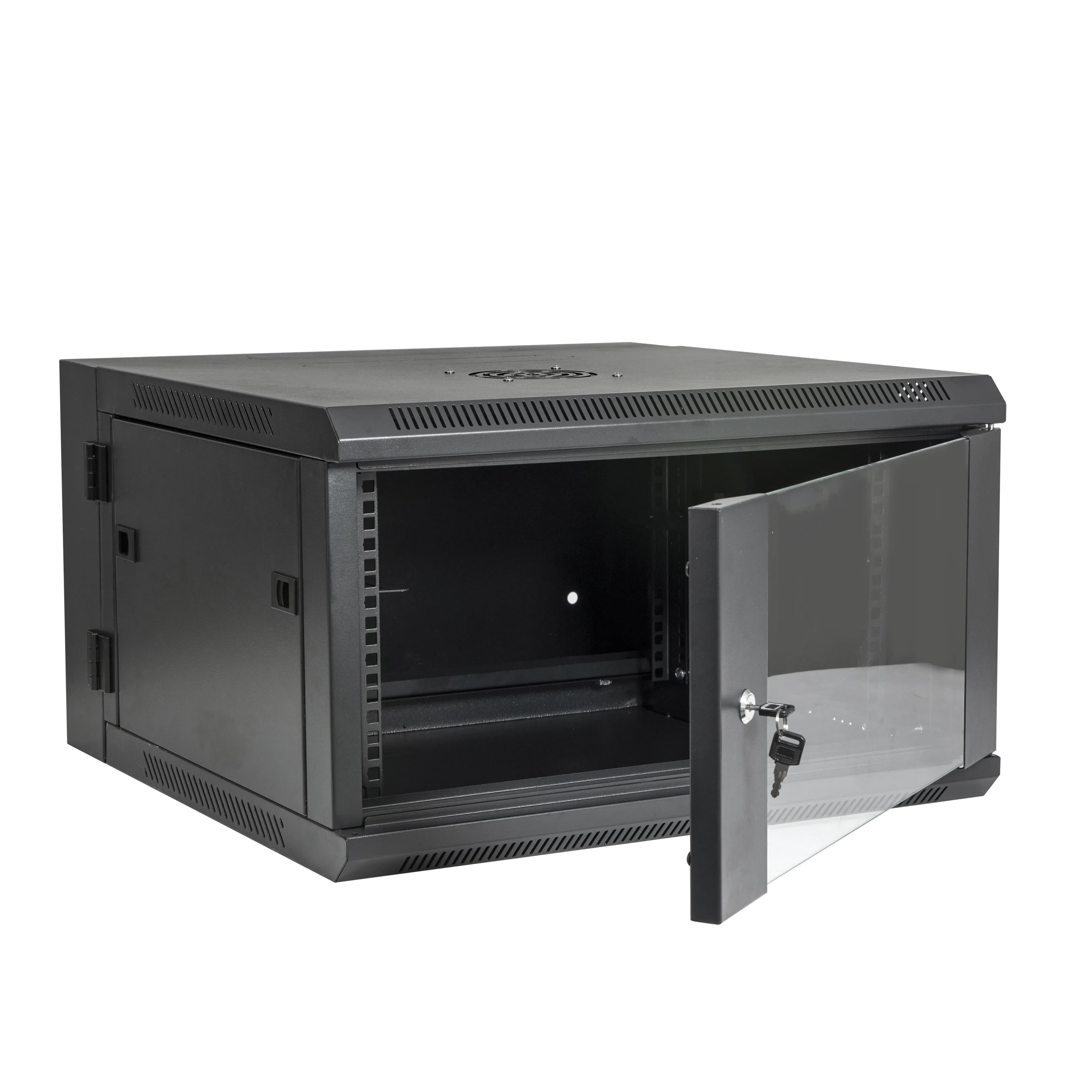
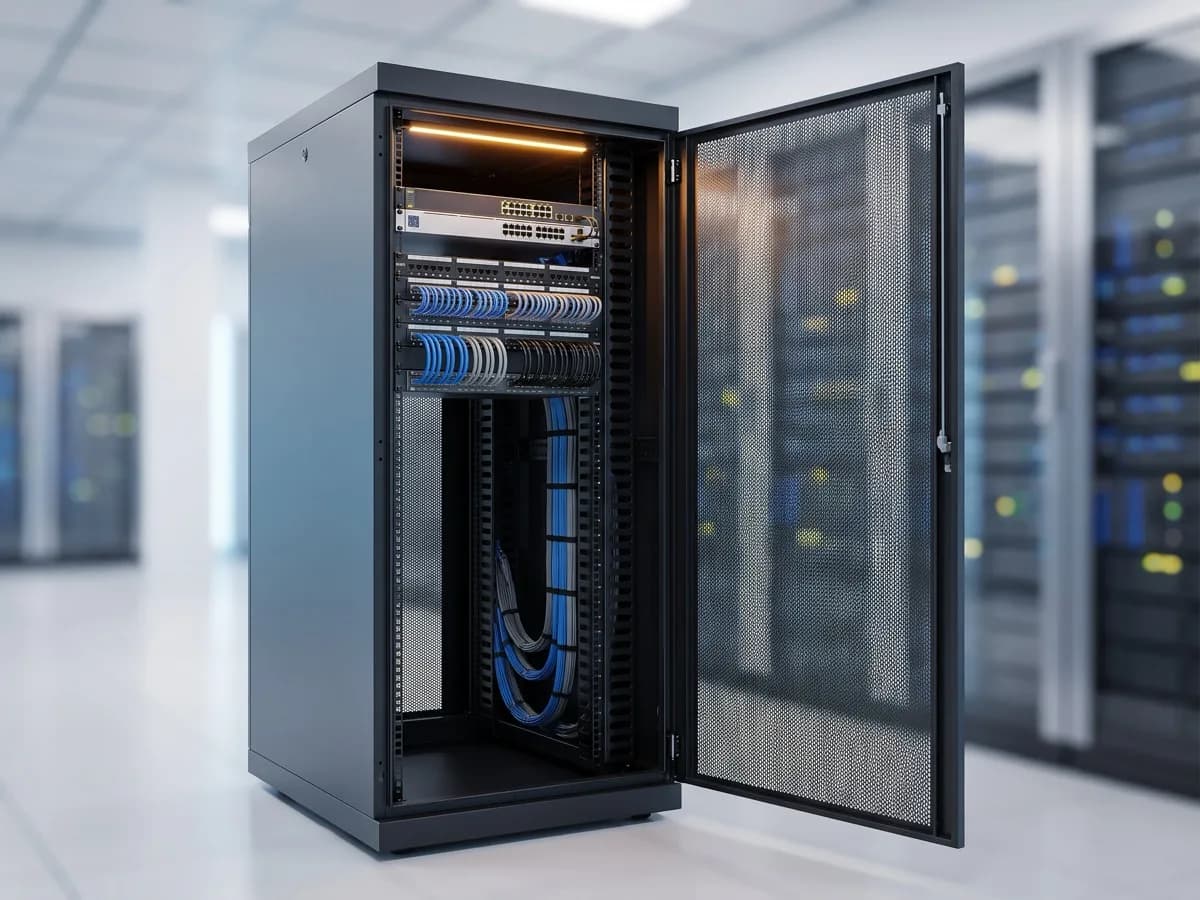
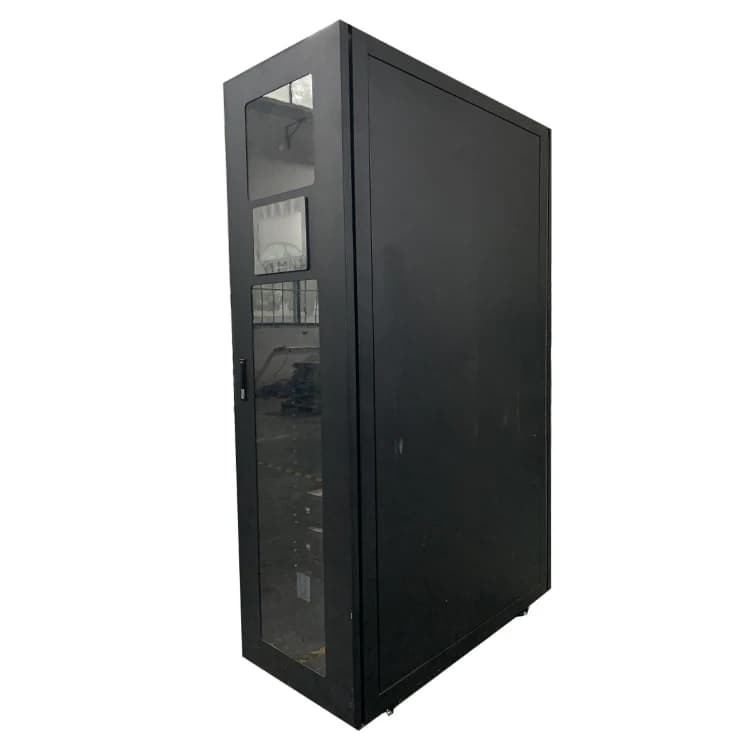
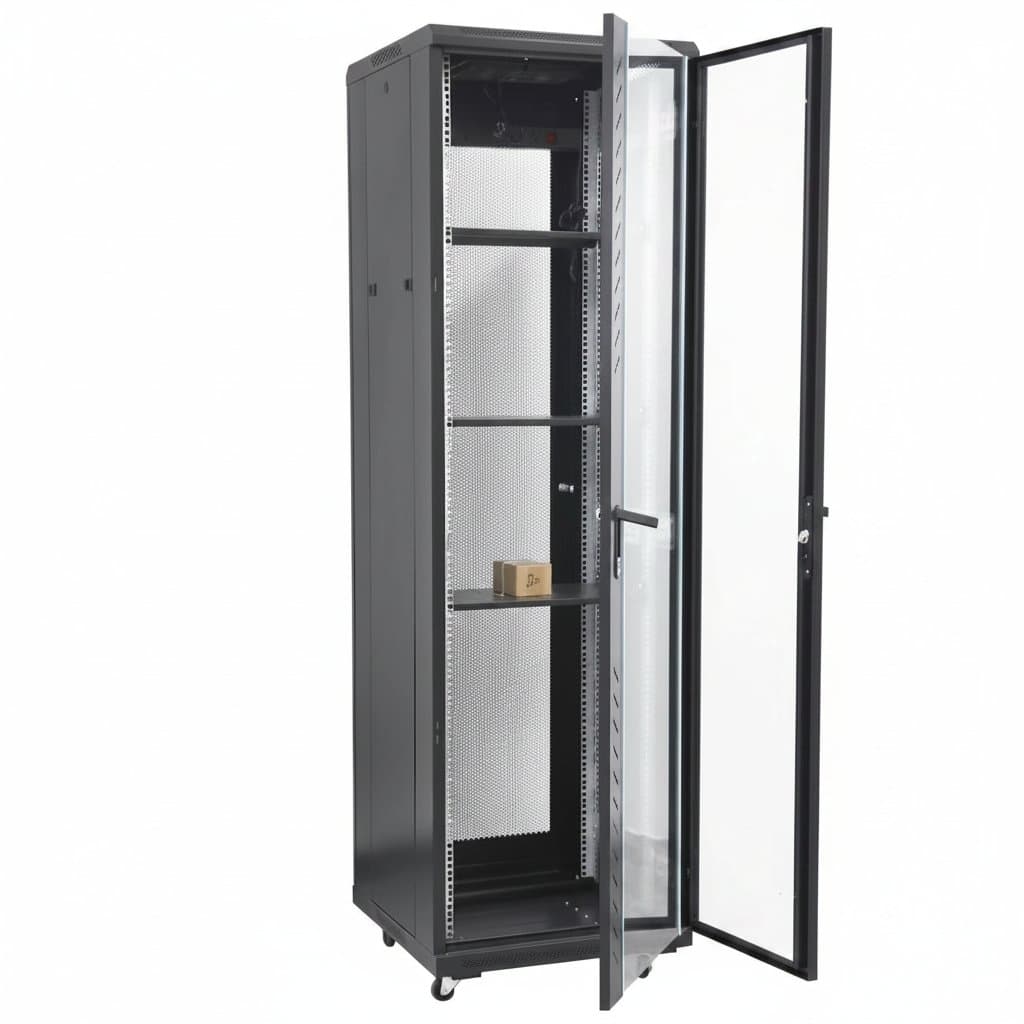
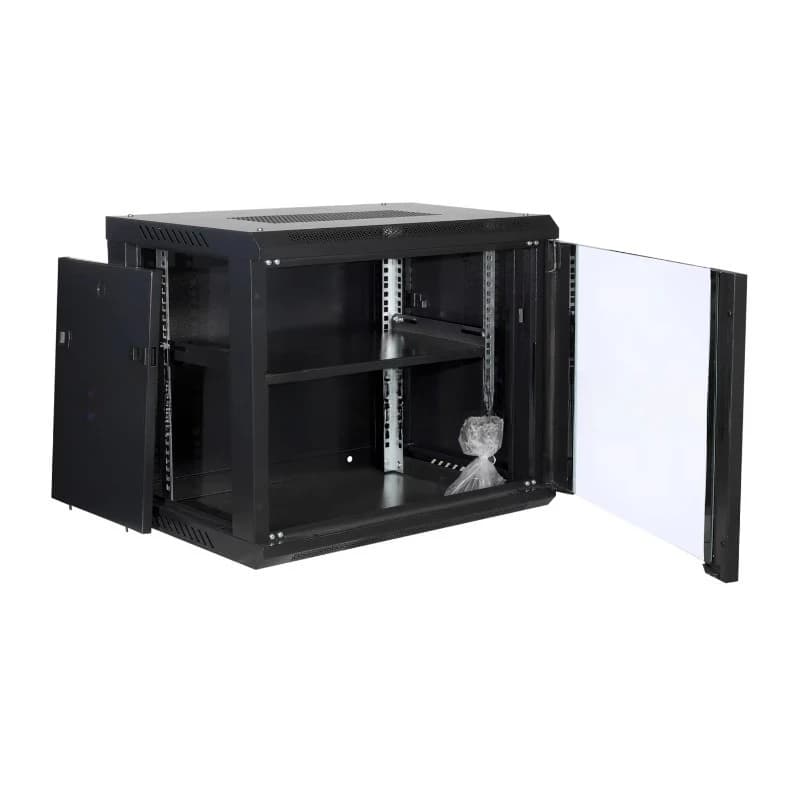

Data cabinet, network cabinet or server rack
The three names describe the same 19 inch steel box and get used interchangeably by most suppliers, including this one. Where a distinction is drawn it is about depth and what goes inside. A data cabinet or comms cabinet tends to be shallow, often 450 mm to 600 mm, because it holds patch panels, switches and a router and nothing that needs airflow behind it. A server rack tends to be 800 mm or deeper because a rack-mount server is itself around 700 mm long before you add a power lead.
Buy on the measurements rather than the label. A cabinet described as a network cabinet will hold a server perfectly well if it is deep enough and rated for the weight, and a cabinet described as a server rack is a fine home for patch panels. The one thing the name never tells you is whether the mounting rails are square-hole for cage nuts or pre-threaded, so check that before ordering the fixings.
Server rack sizes and what a U means
A rack unit, written U, is the vertical pitch of the mounting holes. One U is exactly 1.75 inches, which is 44.45 mm, and every piece of rack-mount equipment is built as a whole number of those. A 1U switch is 44.45 mm tall, a 2U server is 88.9 mm, and a cabinet described as 42U has room for 42 of those slots stacked up.
Work out the height you need by adding up the equipment and then adding room. Patch panels, cable management bars, shelves and a rack-mount power strip all eat U, and a cabinet packed to the last slot has nowhere for the next switch to go. The usual advice is to buy the next size up from what you have measured, because the cost difference between a 22U and a 32U cabinet is far smaller than the cost of replacing one.
| Height | Usable mounting height | Typical use |
|---|---|---|
| 4U to 6U | 178 to 267 mm | Wall box for a switch, a patch panel and a router |
| 9U to 12U | 400 to 534 mm | Small office comms cabinet, AV rack |
| 18U to 24U | 800 to 1,067 mm | Branch office, edge cabinet, small server room |
| 27U to 32U | 1,200 to 1,422 mm | Half-height cabinet where ceiling height is tight |
| 42U to 47U | 1,867 to 2,089 mm | Full-height data centre and server room cabinet |
Wall mount, floor standing and open frame
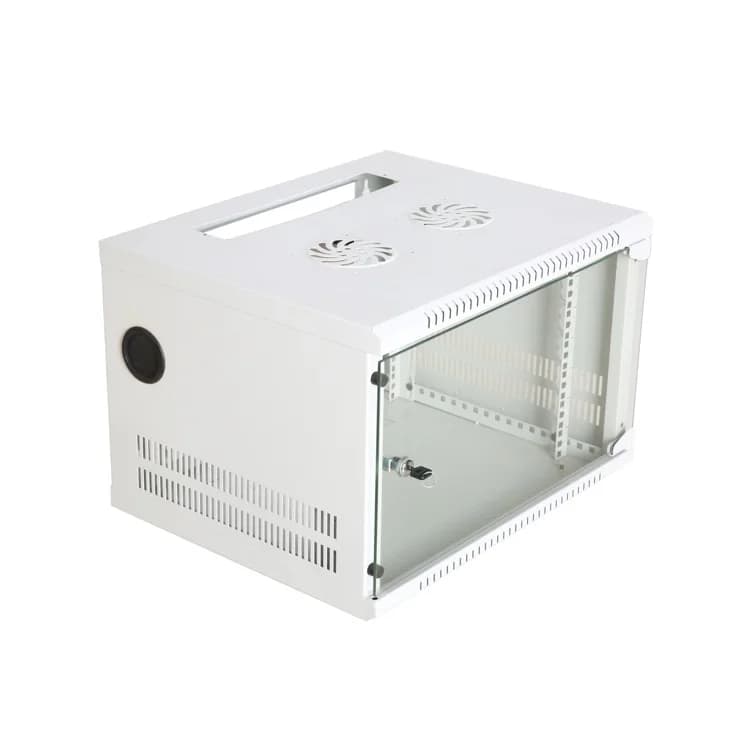
A wall mount cabinet hangs off the brickwork and is the right answer for a comms point in an office, a shop or a plant room. Sizes run from 4U to about 18U and depths from 300 mm to 600 mm. The limit is weight: the load goes into the wall fixings, so wall boxes carry far less than a floor cabinet and are not the place for a stack of servers. Check the substrate as well as the rating, because a stud wall will not take what masonry will.
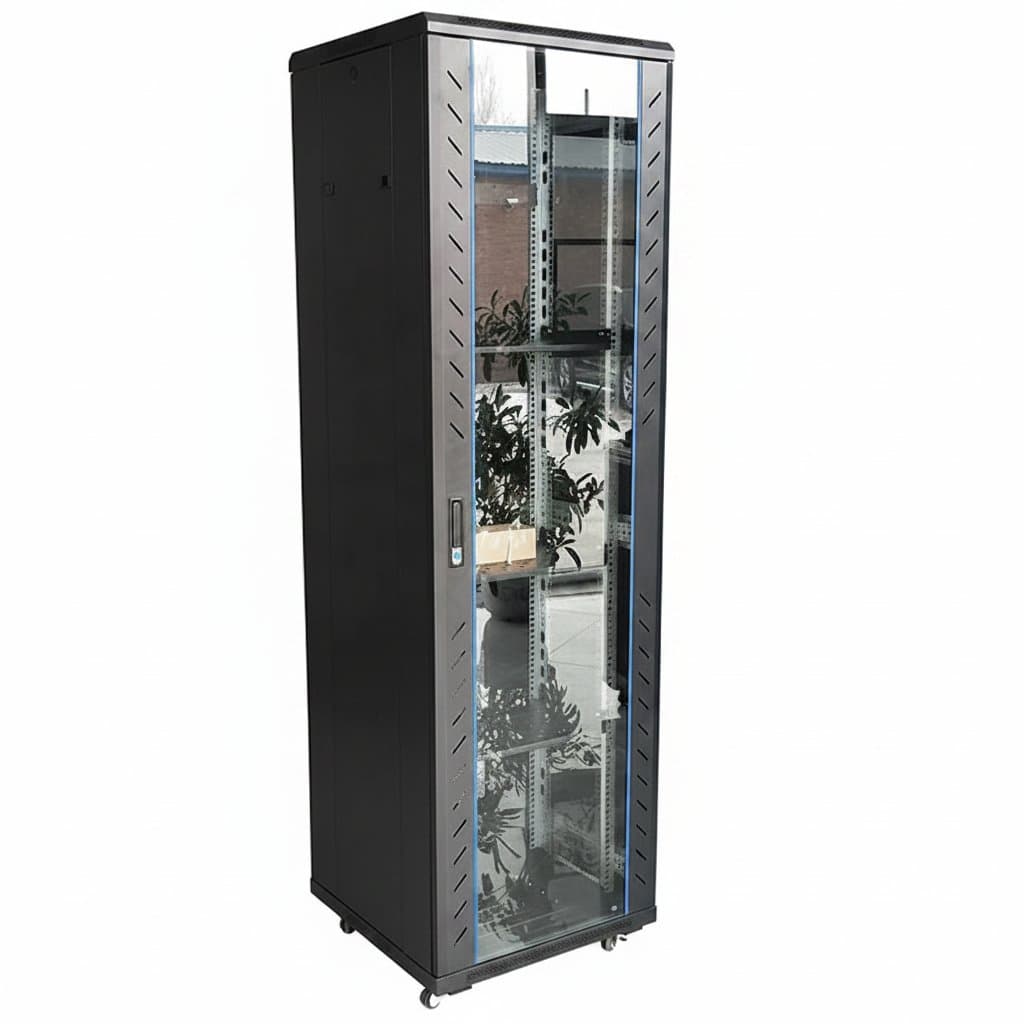
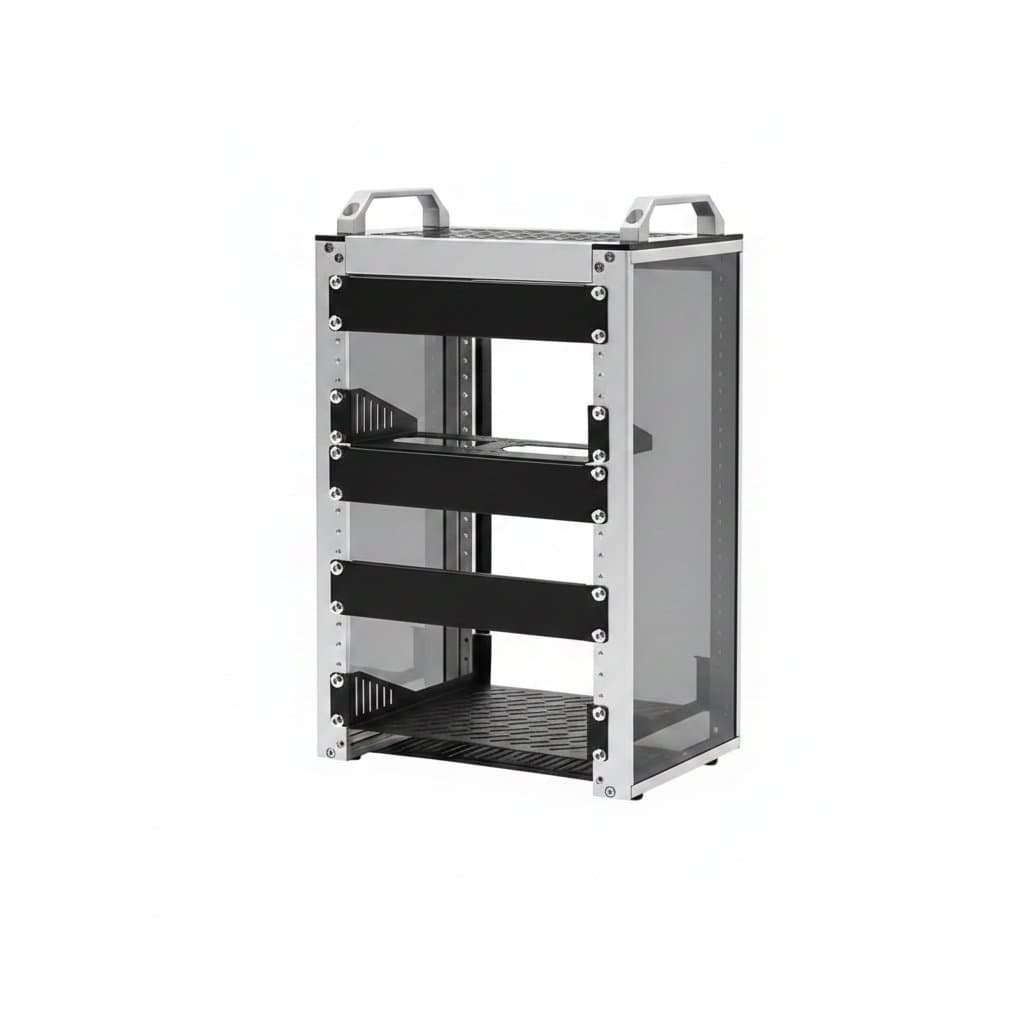
A floor-standing cabinet sits on castors or a plinth and carries hundreds of kilograms. It is the default anywhere equipment is heavy, needs security or needs airflow control. An open frame rack drops the doors and side panels entirely, which costs less, gives unrestricted airflow and makes cabling far easier to reach. What it gives up is security, dust protection and any ability to direct air, so it belongs in a locked room rather than an open office.
Rack depth and width
Depth is the measurement people get wrong. The 19 inch figure in the name is the equipment width, not the cabinet, and it says nothing about how far back the box goes. Measure the longest device you intend to fit, then add room at the rear for power leads, cable arms and a rack-mount power strip. A server that measures 700 mm will not live happily in a 600 mm cabinet.
Width is usually 600 mm externally, which matches a standard floor tile and leaves the rails at the 19 inch standard with a little room either side. An 800 mm wide cabinet keeps the same rail spacing but adds vertical channels down each side for cable management, which is worth the extra floor space once a cabinet carries more than a couple of patch panels.
| External depth | Fits | Notes |
|---|---|---|
| 300 to 450 mm | Patch panels, switches, wall boxes | Too shallow for most servers |
| 600 mm | Network gear, short-depth appliances | The usual comms cabinet depth |
| 800 mm | Most 1U and 2U servers | Room at the rear for leads and a power strip |
| 1,000 to 1,200 mm | Deep servers and storage arrays | Choose when rear cabling is heavy |
Server rack cooling and airflow
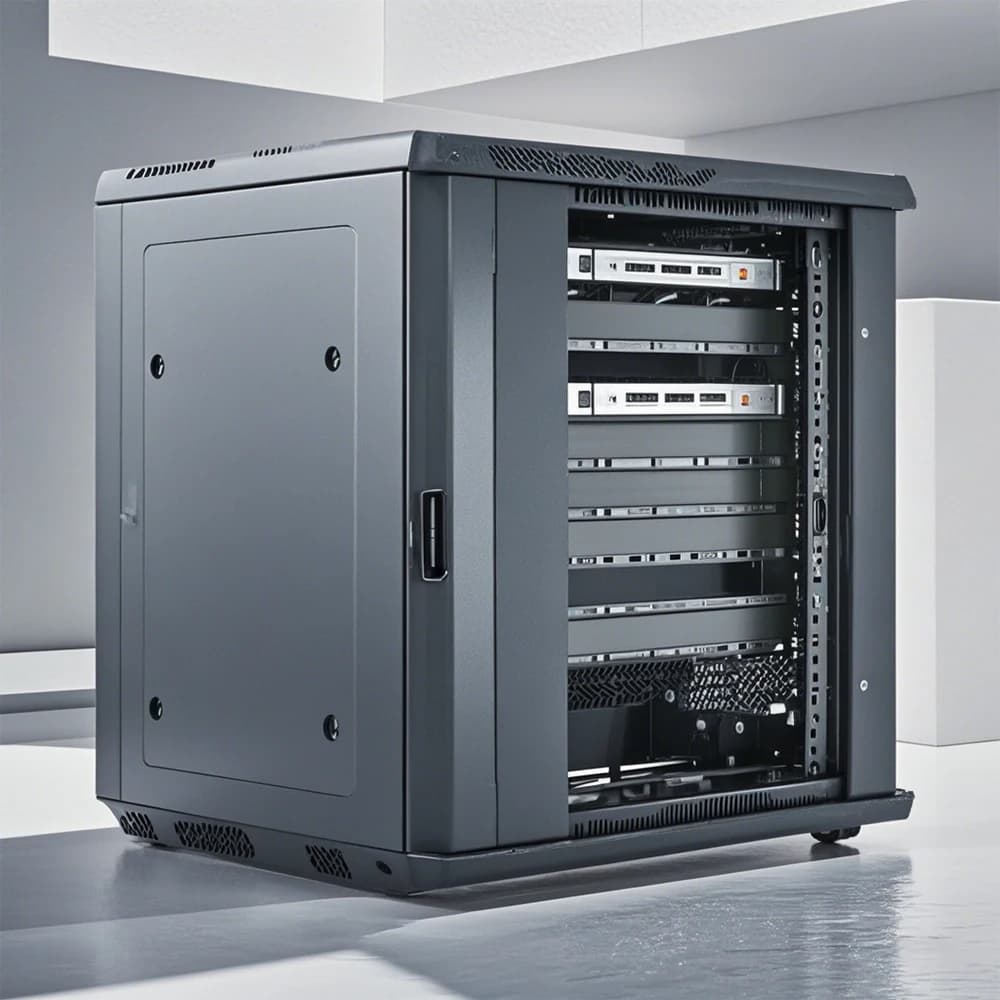
Rack-mount equipment almost always breathes front to back: cold air in at the front, hot air out at the rear. A cabinet works with that or against it. Perforated front and rear doors let the equipment pull its own air through, while a solid glass front door looks tidier and traps heat, so glass doors belong on patching cabinets rather than on anything with servers in it.
Two cheap habits do more than any fan. Fit blanking panels in the empty U so hot air from the back cannot loop round through the gaps and get pulled in again at the front, and keep the rear cabling out of the exhaust path. Roof fans help a cabinet that is already breathing correctly, and they do very little for one that is recirculating its own hot air.