



Shot size and clamping force
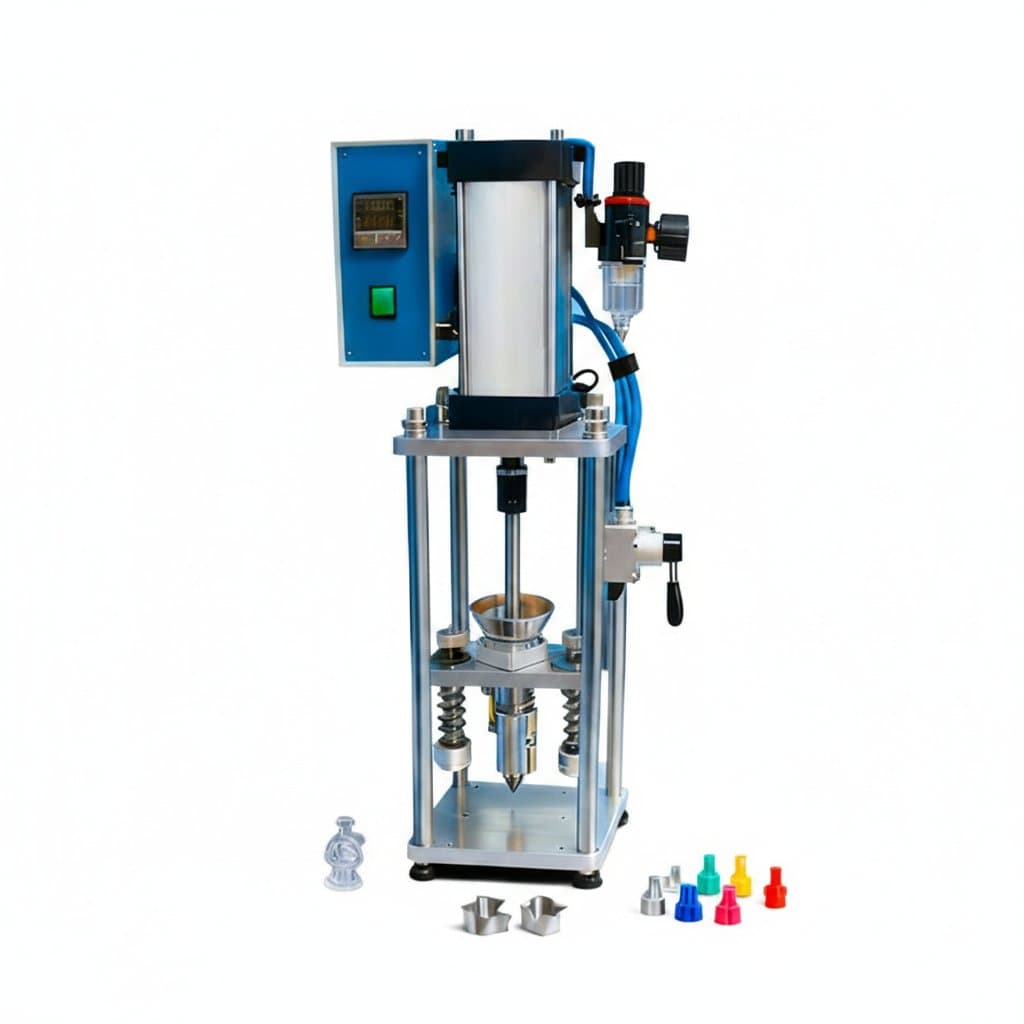
Shot size is the volume or weight of plastic the machine can inject in one cycle, and it sets the largest part you can make. It has to cover the part itself plus the sprue and runners feeding it, which people forget, so a thirty gram shot does not make a thirty gram part.
Clamping force is what holds the mould closed while plastic is injected at pressure. Injection pressure acting on the projected area of the cavity tries to force the mould halves apart, and if the clamp cannot resist it the mould opens a fraction and plastic escapes into the split line.
That escape is flash, the thin fin of plastic around the parting line, and it is the classic symptom of insufficient clamp. The two figures together define what a machine can actually produce, and a large shot capacity with a small clamp is a mismatch that will not mould a large flat part.
| Defect | Looks like | Usual cause |
|---|---|---|
| Short shot | Part not fully formed | Not enough material, too cold, too slow |
| Flash | Thin fin at the parting line | Clamp force too low, mould worn |
| Sink marks | Dimples over thick sections | Thick walls, insufficient hold pressure |
| Splay or silver streaks | Silvery streaks in the flow | Wet material, not dried |
| Burn marks | Scorched patch at the last fill point | Trapped air, poor venting |
The mould is the project
A mould is two halves that close to form a cavity, with a way in for the plastic, a way out for the air, cooling to take heat away, and some means of pushing the finished part off. Every one of those has to be designed for the specific part.
Material choice follows quantity. Aluminium tooling is quicker and cheaper to cut and wears faster, which suits prototypes and short runs. Hardened steel costs considerably more and lasts for very large numbers of cycles, which only makes sense once the volume justifies it.
Part design drives tool cost more than anything. Draft angles so the part releases, uniform wall thickness so it cools evenly, radii instead of sharp internal corners, and avoiding features that need side actions all reduce what the tool costs and how much trouble it gives. Designing the part for moulding is cheaper than paying the tool to cope with a part that was not.
Drying, and why it is not optional
Several common polymers absorb moisture from the air, and at moulding temperature that water flashes to steam inside the barrel. It appears in the part as silvery streaks following the flow, and it does something worse than look bad: in some materials the moisture causes chain scission, so the plastic itself is degraded and the part is weak.
The remedy is drying the granules to the manufacturer specification before use, in a proper dryer at the stated temperature and time. Leaving a bag open in a workshop overnight is enough to undo it in a humid climate.
Barrel temperature, injection speed, hold pressure and cooling time are the process levers, and they interact. Change one at a time and record what you did, because a process that produces good parts is a set of numbers worth writing down and returning to rather than rediscovering each session.
Heat, clamp and realistic expectations
Two hazards dominate. The barrel and nozzle run at temperatures that cause immediate deep burns, and molten polymer sticks to skin while it continues to burn. The clamp closes with enough force to crush, and it does not care what is between the halves.
The controls are guards and interlocks that prevent the machine cycling with the guard open, never reaching into the mould area, and heat resistant gloves and eye protection when purging. Purging in particular can spit hot material, so it is done into a purge box rather than onto a bench.
Set expectations honestly on desktop machines. They are excellent for prototypes, short runs, small fittings and spares, working in the range of grams rather than hundreds of grams. They are not production machines, and expecting industrial cycle times or part sizes from a benchtop unit ends in disappointment regardless of how it was marketed.