

The series code decides what fits
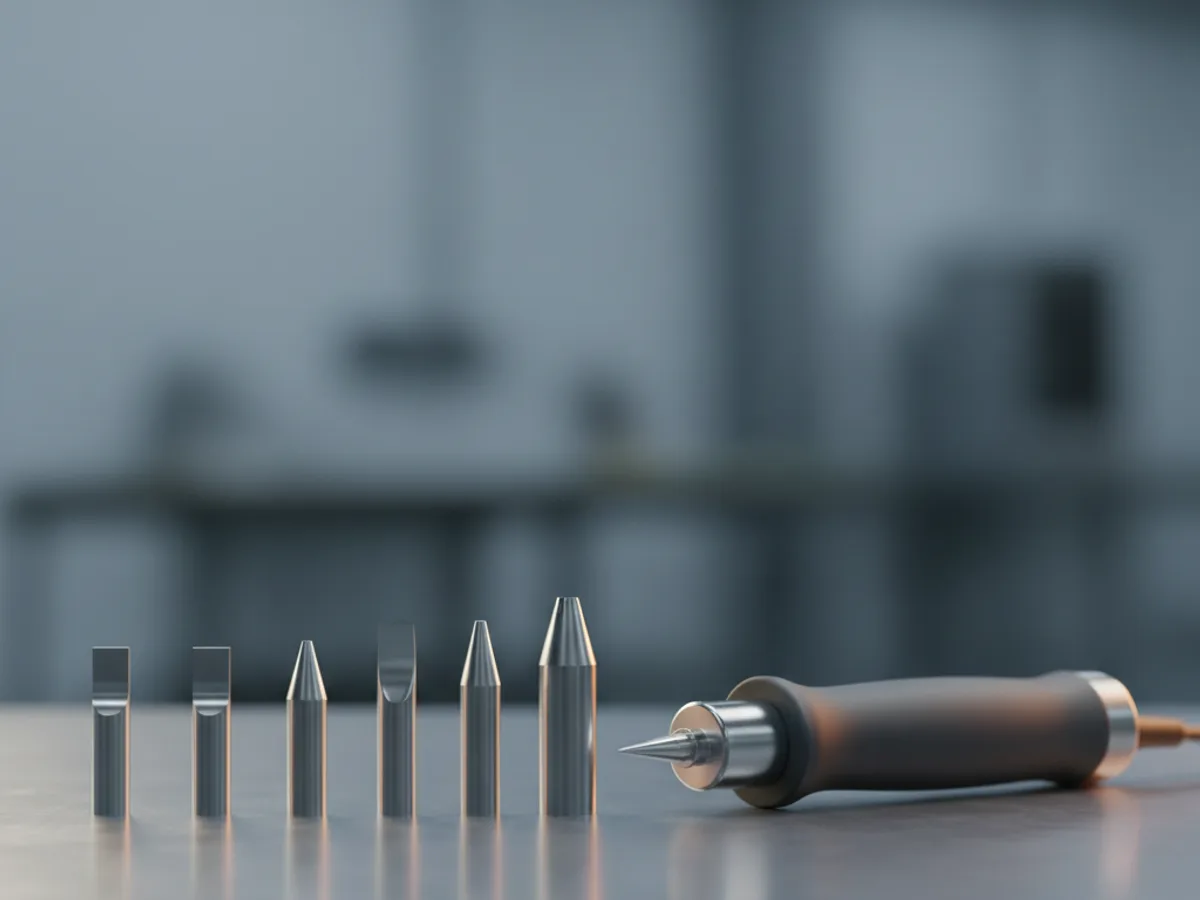
Cartridge tips carry their own heating element and temperature sensor, so the tip is most of the iron. That is why they heat in seconds and recover quickly under load, and it is also why they are grouped into families that only fit their own handles.
The common families are easy to tell apart by size. C245 is the general purpose size for through-hole work, wire and connectors. C210 is the smaller, finer family for surface mount and dense boards. C115 is smaller again for microsoldering. T12 is a separate widely-cloned family, and the pen-style irons such as TS100 and Pinecil use their own tips again.
Check the handle before ordering, not the station. Some stations accept several handles across families, so the constraint is the grip in your hand rather than the box on the bench. Buying the wrong series is the most common mistake here and the tips are not modifiable to fit.
| Series | Scale | Typical work |
|---|---|---|
| C245 | General purpose | Through hole, wire, connectors, ground planes |
| C210 | Fine | Surface mount, dense boards, small pitch |
| C115 | Very fine | Microsoldering, fine pitch rework |
| T12 | General purpose | Widely cloned, large tip choice |
Why a chisel beats a fine point for most work
Heat moves through contact area. A conical tip touches the joint at almost a point, so however hot it is, it transfers heat slowly and the joint takes time to reach temperature, which is when pads lift and components cook. A chisel laid flat against the pad and the lead contacts both and moves far more heat.
The practical rule is to use the largest tip that physically fits the work, not the smallest that will reach. A fine conical is for genuinely fine pitch work and for getting into places nothing else reaches, not as a default.
Bevel or hoof tips hold a small reservoir of solder and are what makes drag soldering fine pitch packages practical. Knife tips are the tool for dragging across a row of pins and for cleaning bridges. Having a chisel and one fine tip covers most work, and a bevel is the third one worth owning.
Tinning is what keeps a tip alive
The working face of a tip is a copper core with an iron plating, and the plating is what solder wets to and what stops the copper dissolving into the joint. Bare, hot, unprotected iron oxidises, and an oxidised tip will not wet, which presents exactly like a failing iron.
The routine is simple and it matters more than anything else. Tin the tip with fresh solder when it comes up to temperature, wipe it just before use, re-tin it before setting it down, and leave a visible blob of solder on it when you turn the iron off. The solder film is what keeps oxygen off the plating while it cools.
Never file, sand or scrape the plated face. That removes the plating in one pass and exposes the copper, which then dissolves into the solder and pits the tip within minutes of use. A tip that will not tin can usually be recovered with tip tinner or activator, which is a mildly abrasive paste made for the job.
Temperature, cleaning and when a tip is finished
Heat is what wears a tip out, so running hotter than the work needs shortens tip life directly. Set the temperature to what forms the joint cleanly and no more, and turn the iron down or off between sessions rather than leaving it at working temperature all day.
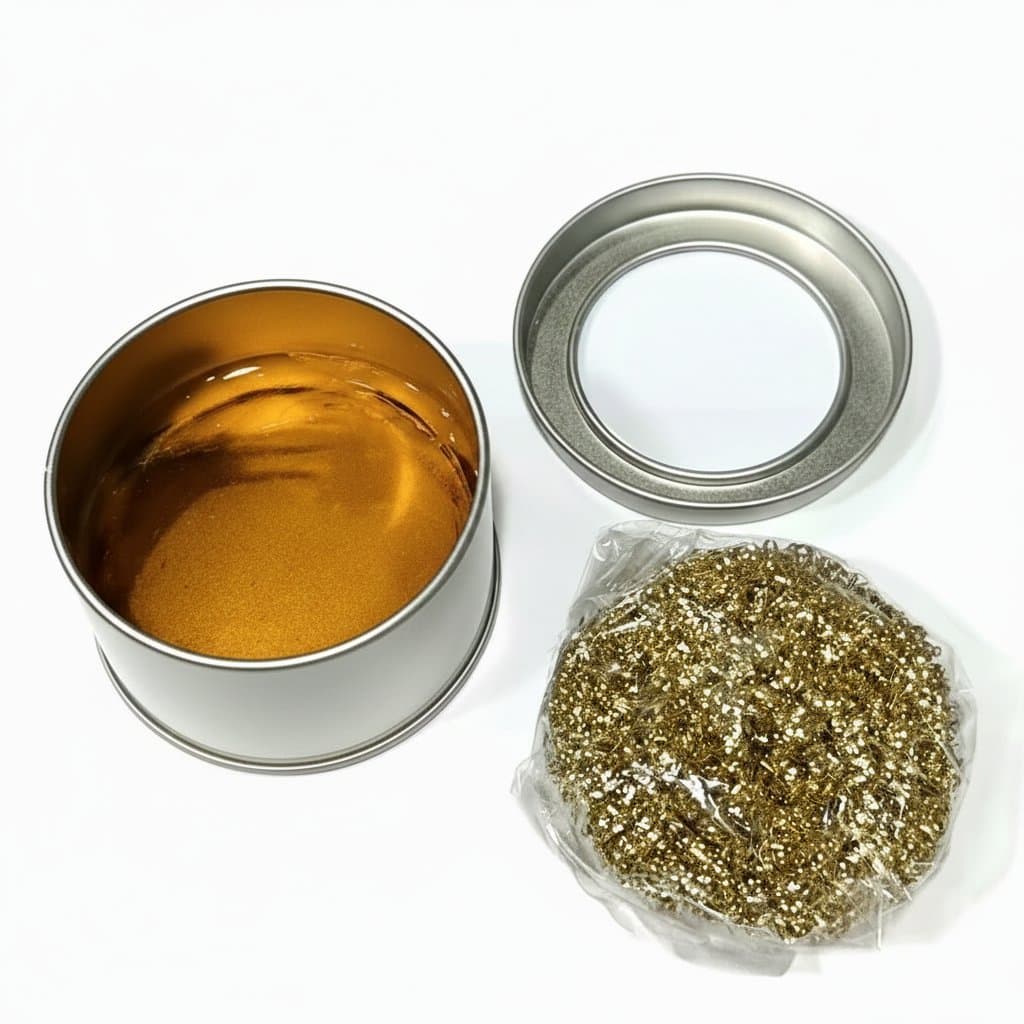
Brass wool is kinder than a wet sponge. A wet sponge takes a hot tip through a hard thermal shock every wipe, which stresses the plating, and it strips the solder film completely. Brass wool cleans the oxide off without cooling the tip much and leaves some tinning behind.
A tip is finished when the plating has gone: the face pits, solder beads up and rolls off instead of wetting, and no amount of tinner recovers it. At that point it is a consumable that has been consumed, and continuing with it means poor joints and more heat, not thrift.