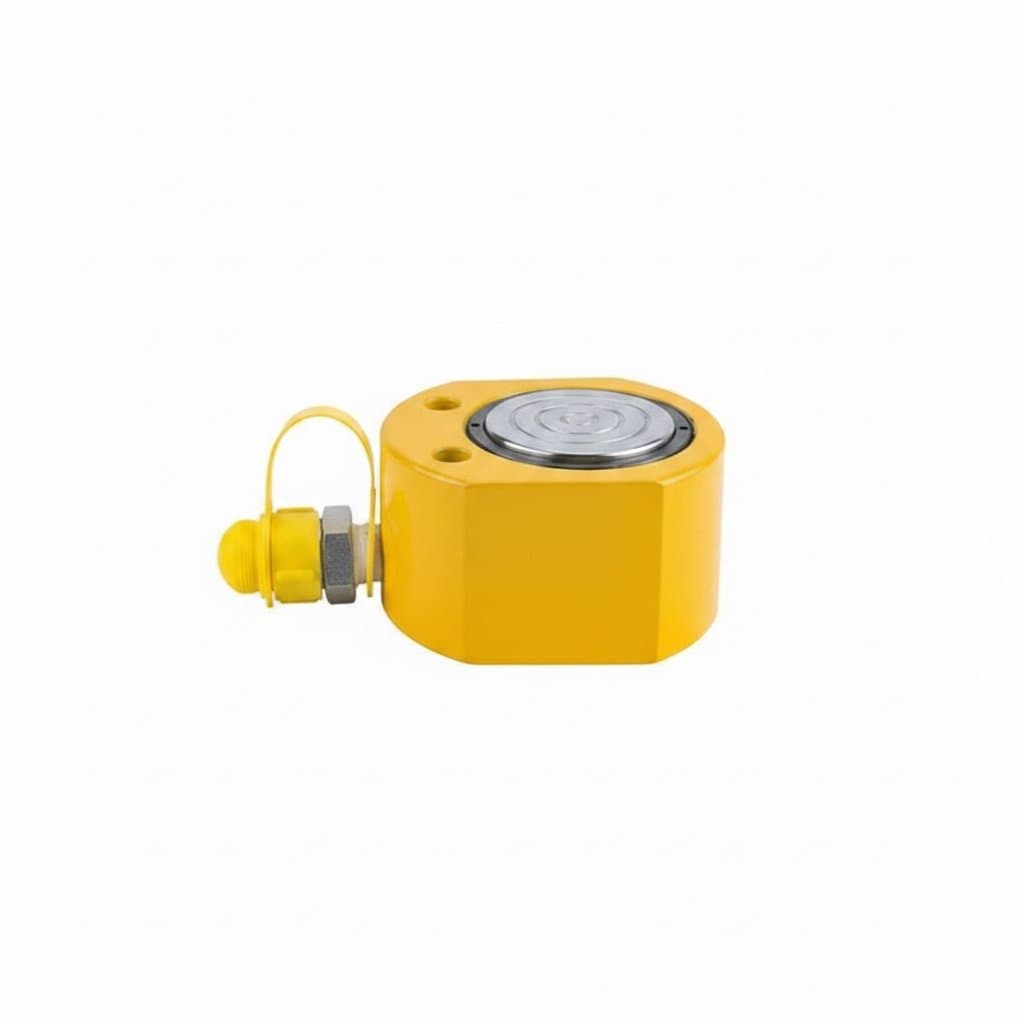
A jack lifts, stands hold
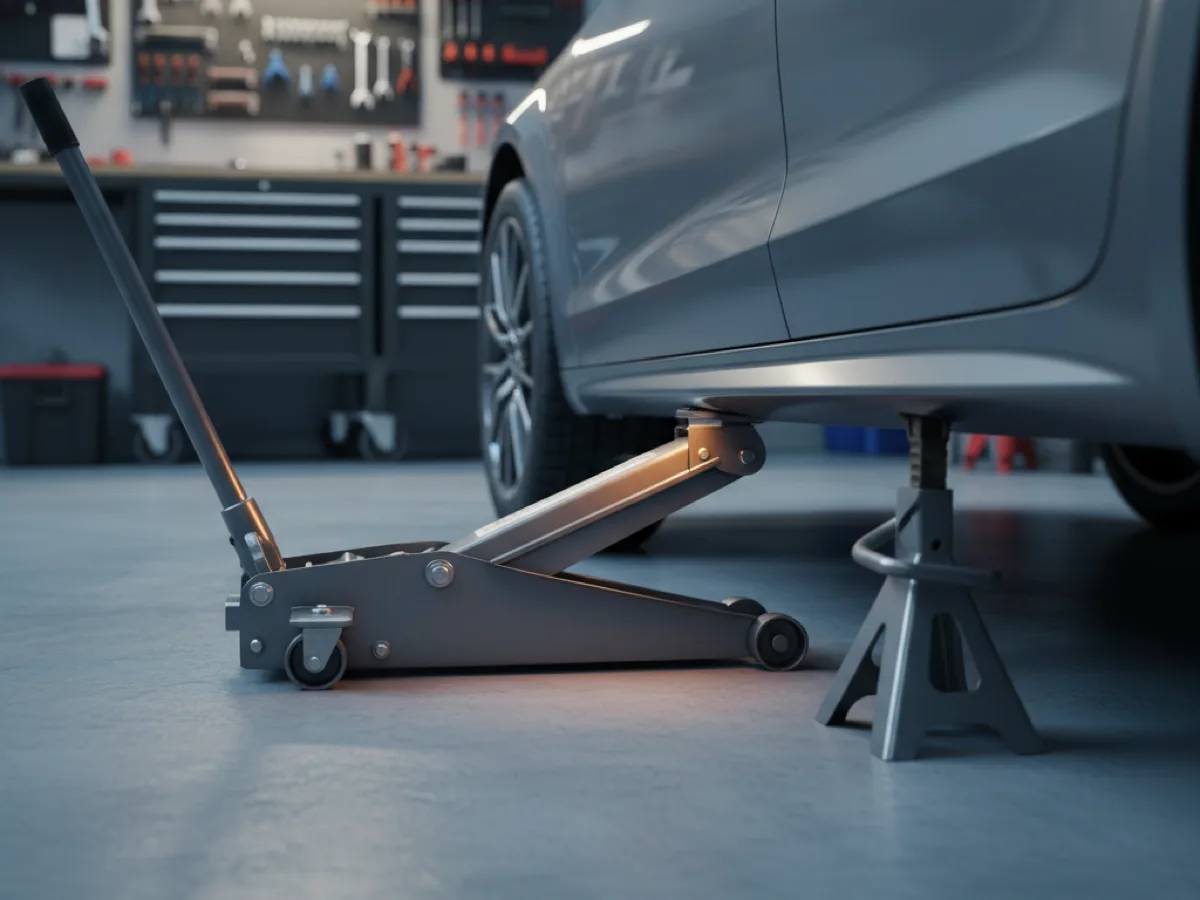
This is the one rule with no exceptions. A hydraulic jack holds its load on a column of oil behind a seal, and seals fail, valves weep and rams settle. A jack is a lifting device and nothing more. Axle stands are the load-bearing device, they are rated and marked as such, and the car goes on them before anyone goes near it.
Lower the car onto the stands rather than resting it beside them, leave the jack in place lightly loaded as a backup, chock the wheels still on the ground, and put the removed wheel under the sill as a last line of defence. None of this costs time worth saving.
Capacity, minimum height and lift range
Rated capacity is not the weight of the car. A jack lifts one corner or one end, so a two tonne jack handles most cars comfortably, and buying more capacity than you need brings a heavier jack rather than a better one. Where extra capacity genuinely matters is vans, pickups and anything carrying load.
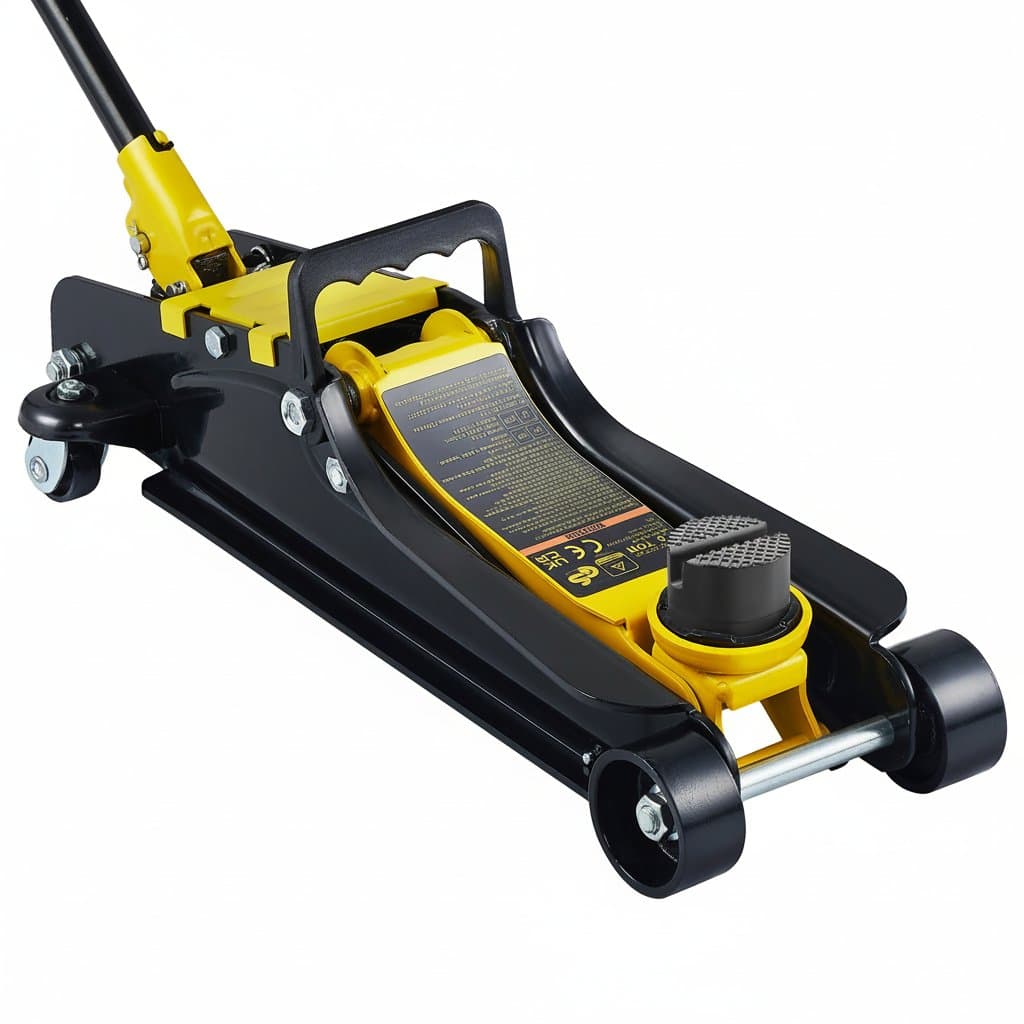
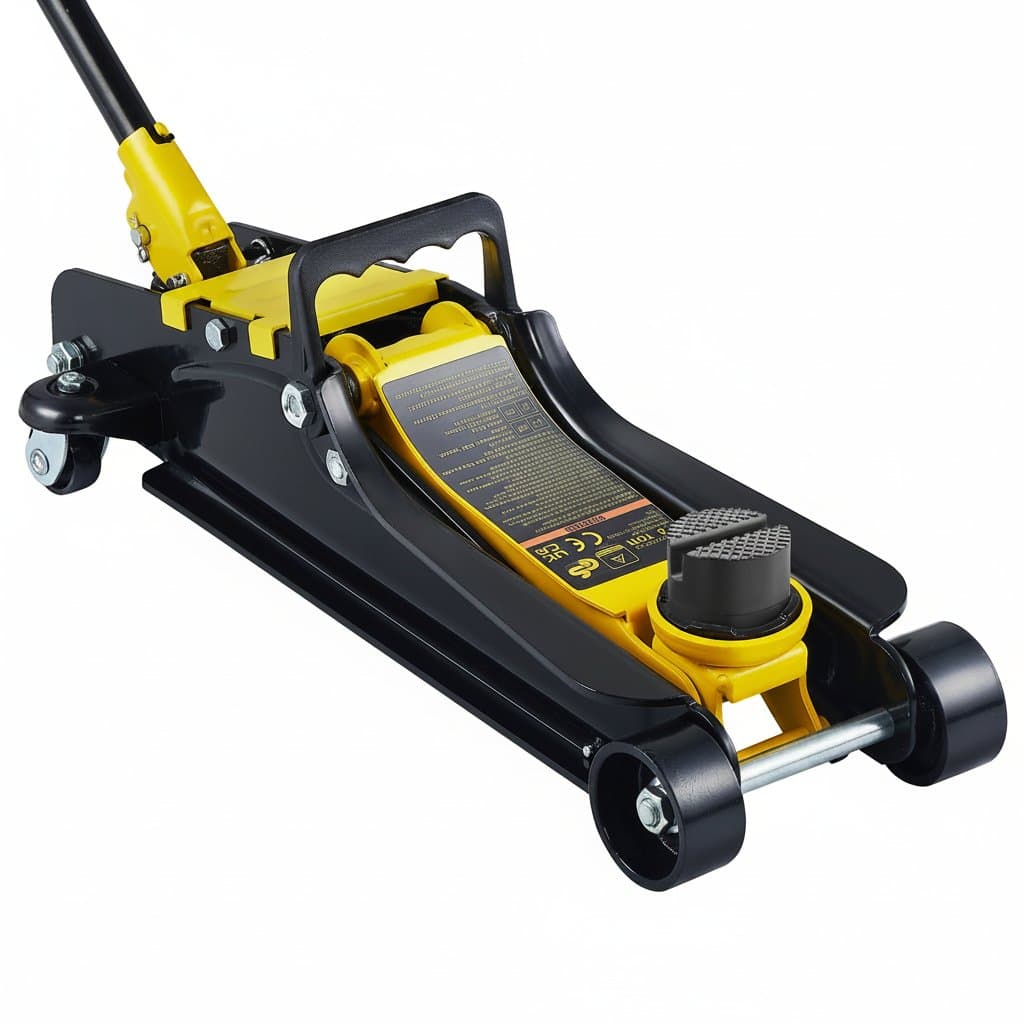
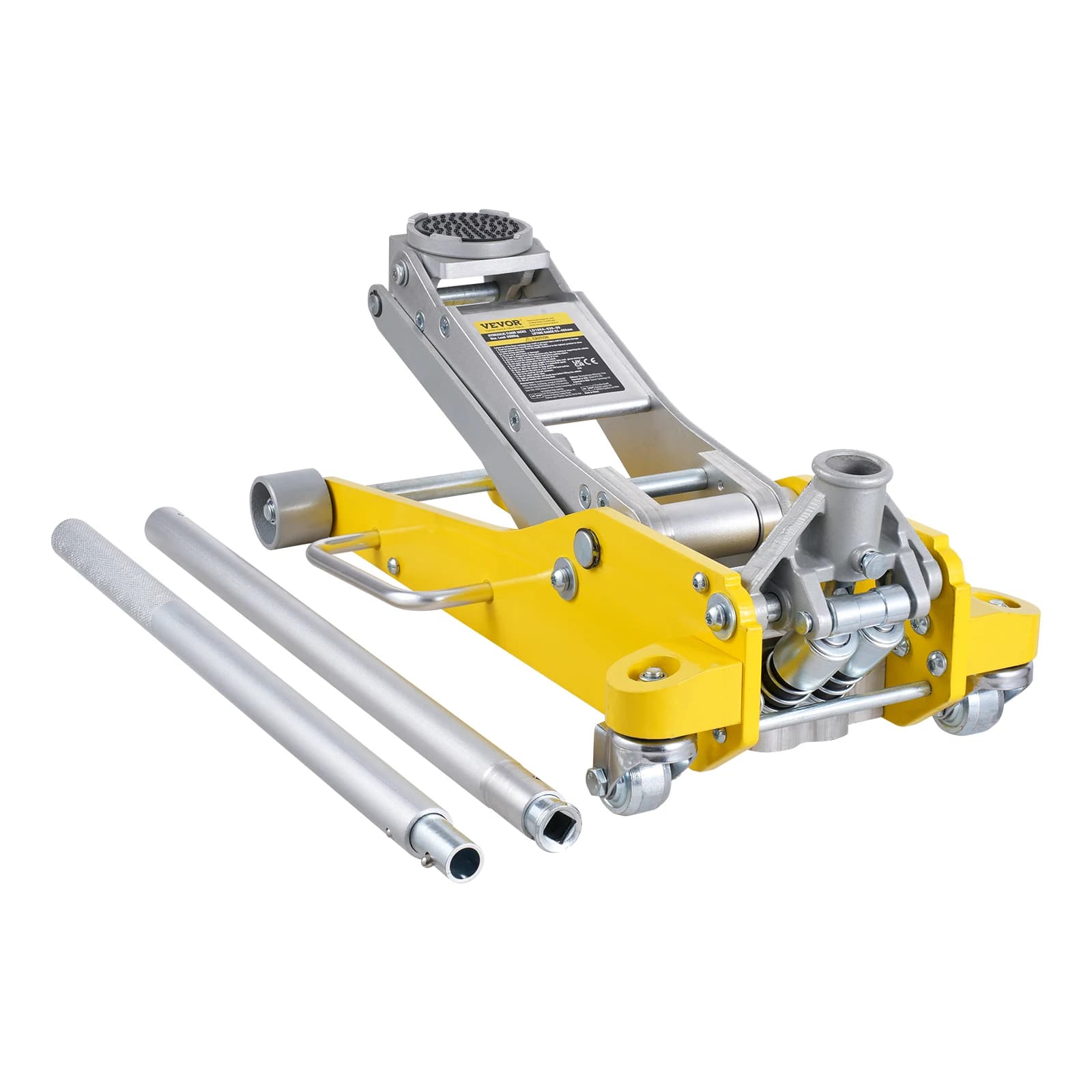
Minimum height is the specification that catches people out. A standard trolley jack simply will not slide under a low front valance, which is why low-profile and racing jacks exist with a saddle that starts around 75 to 90 mm. The other end of the range matters too: a jack that lifts high enough for a hatchback may not lift a van far enough to get a stand under the axle.
| Type | Strength | Limitation |
|---|---|---|
| Standard trolley jack | Cheap, stable, wide saddle | Too tall for low cars |
| Low profile or racing jack | Fits under low sills, often aluminium | Costs more, usually less maximum lift |
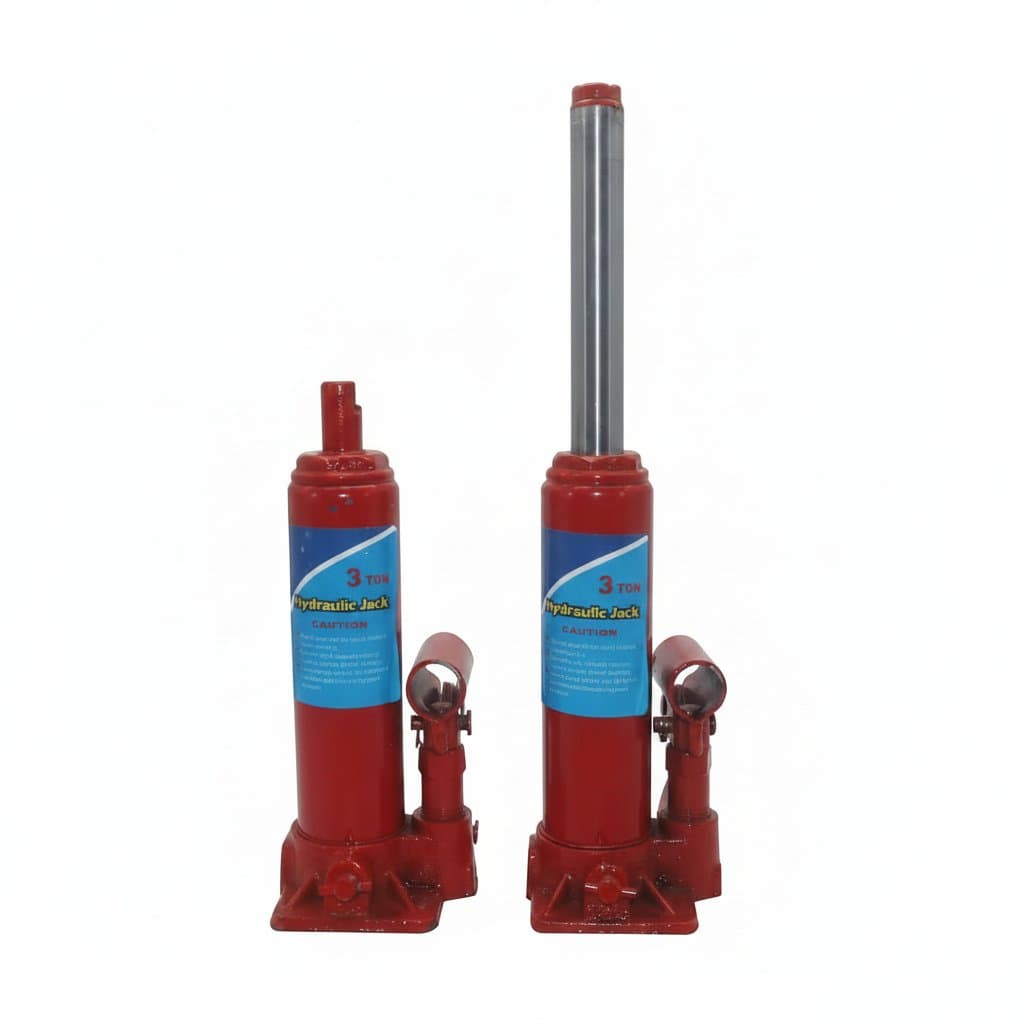
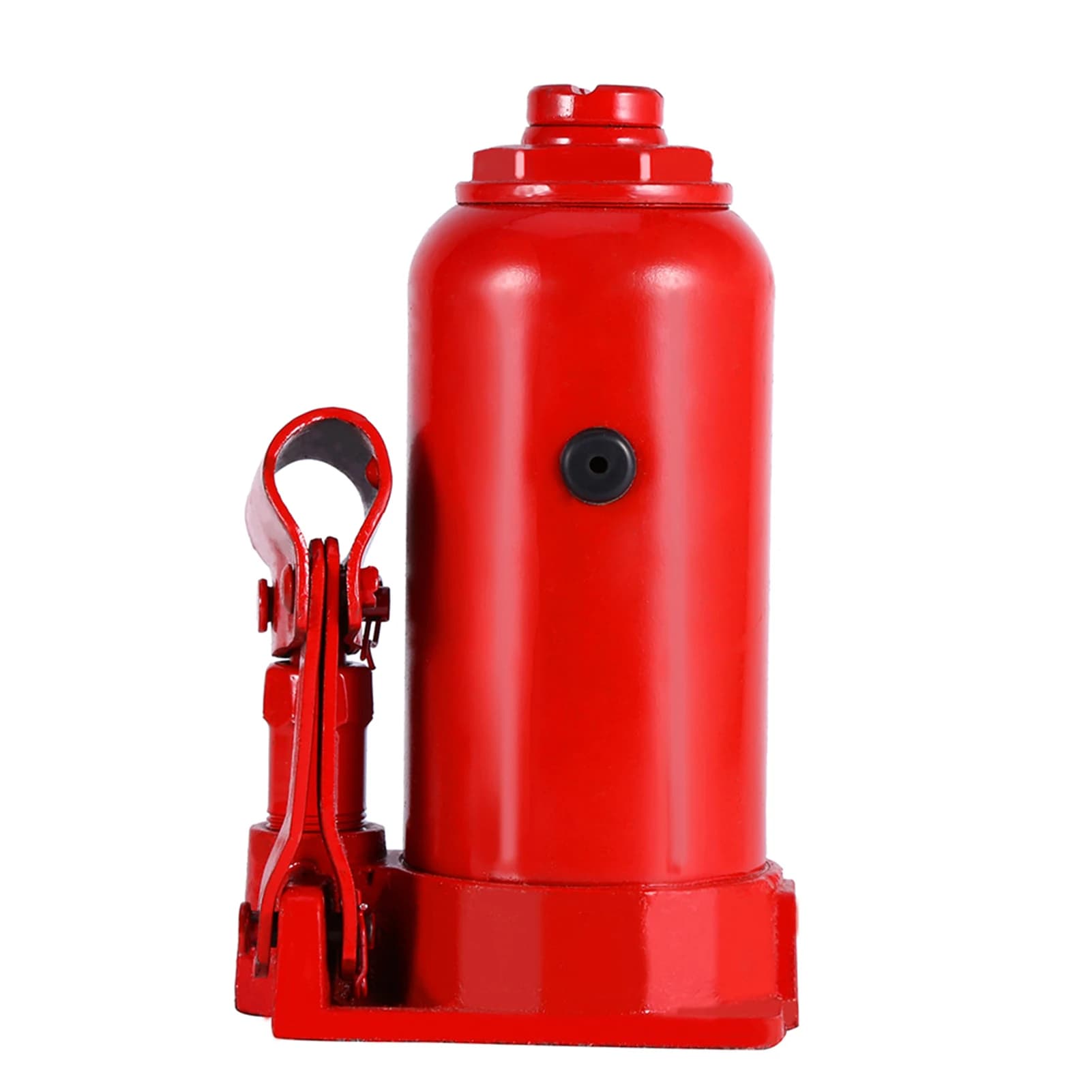
| Bottle jack | Huge capacity in a small footprint | Tall minimum height, small unstable base |
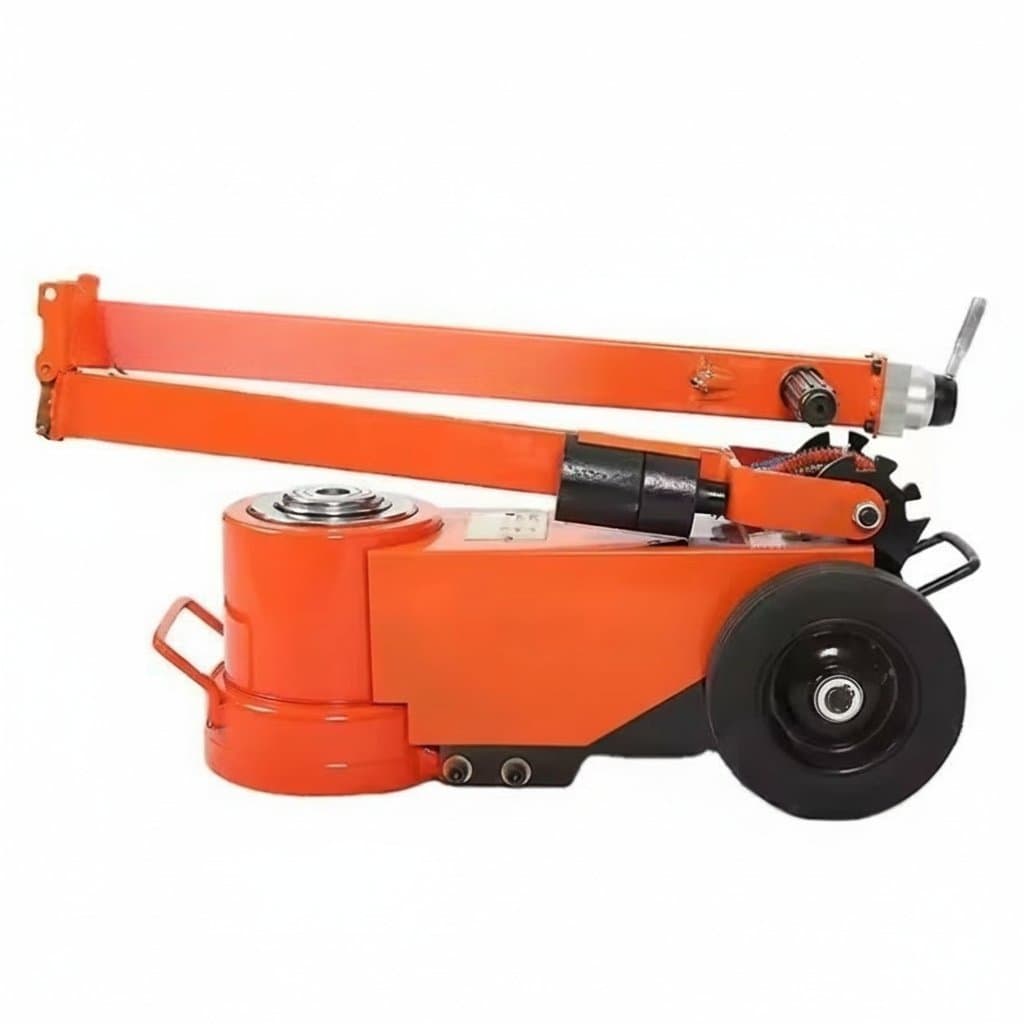
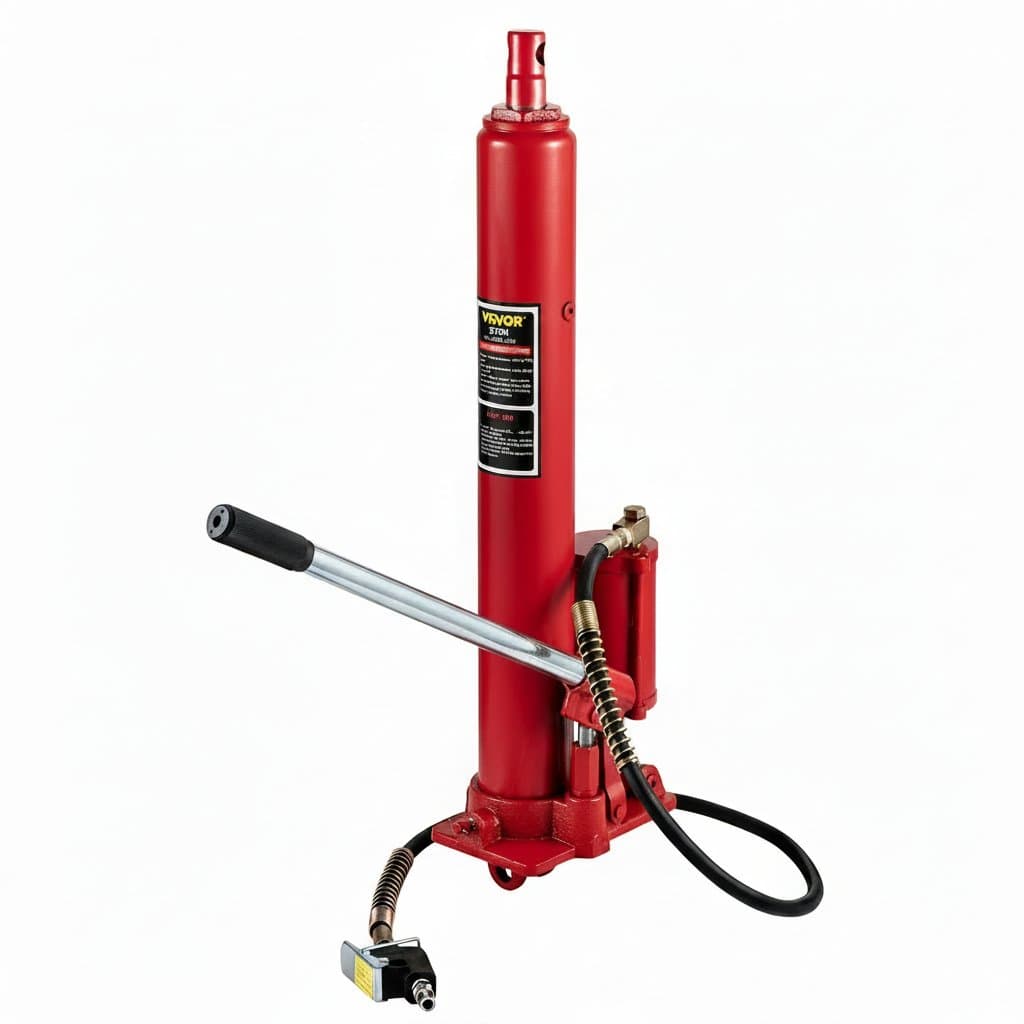
| Transmission or gearbox jack | Cradles and tilts a heavy component | Single purpose, not a vehicle jack |
Jacking points and why the pad matters
Cars have designated jacking points, usually a reinforced pinch weld on the sill or a subframe mount, and the handbook shows them. Lifting on a floor pan, a sump, a suspension arm or a fuel line does damage that is expensive and sometimes dangerous, and on a unibody car the sill is structural.
A bare steel saddle will crush a pinch weld flat. A rubber or polyurethane pad with a slot for the weld seam spreads the load and is the cheapest insurance on this list. On cars with plastic undertrays, the pucks that locate into the factory jacking point are worth having rather than guessing.
Aluminium against steel, and rapid lift
An aluminium jack of the same capacity weighs roughly half what a steel one does, which matters enormously if it lives in a car boot or gets carried to a track. It costs more and it is more easily damaged by being dragged across a rough floor. For a jack that stays in one workshop, steel is the sensible buy.
Dual-piston or rapid-lift designs raise the saddle to the car in far fewer strokes, then switch to the fine pump for the lift itself. On a jack used a few times a year this is a luxury; on one used daily it is the difference between a quick job and a tedious one.