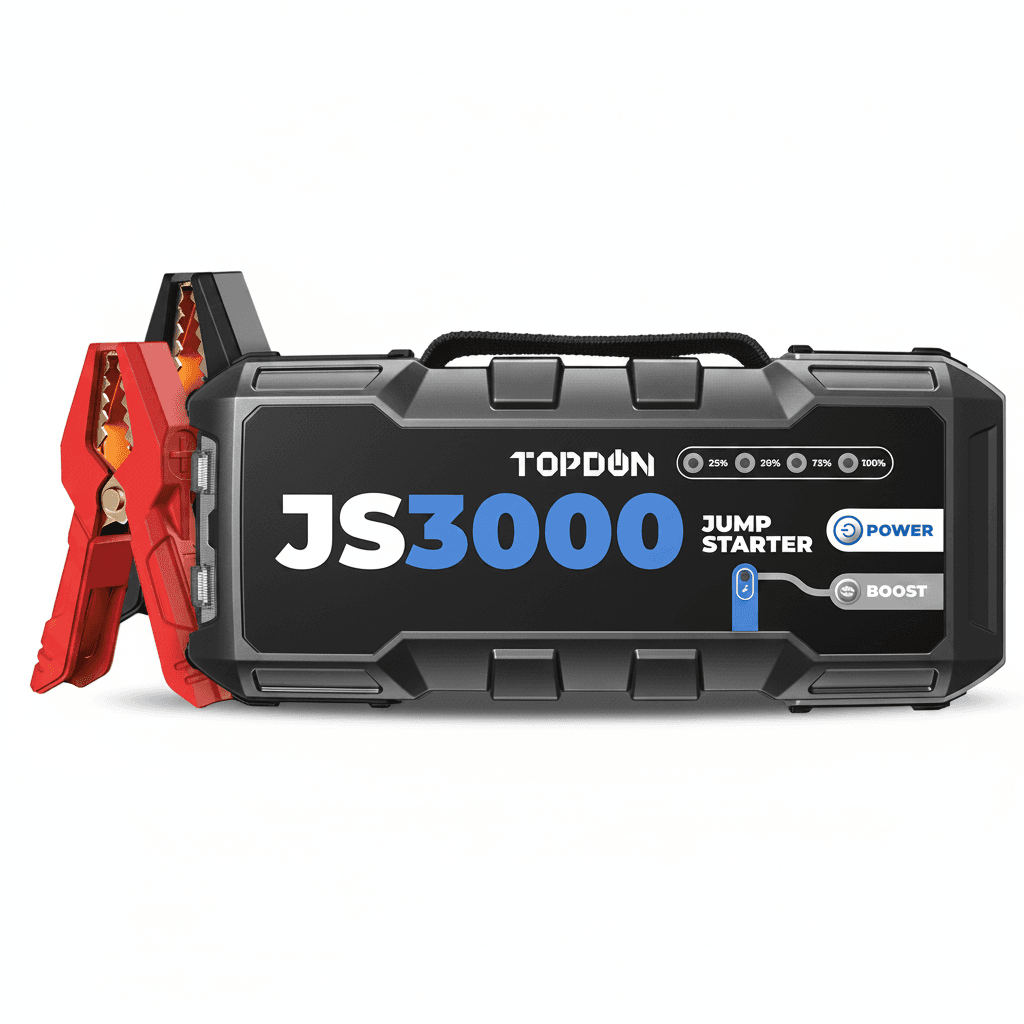
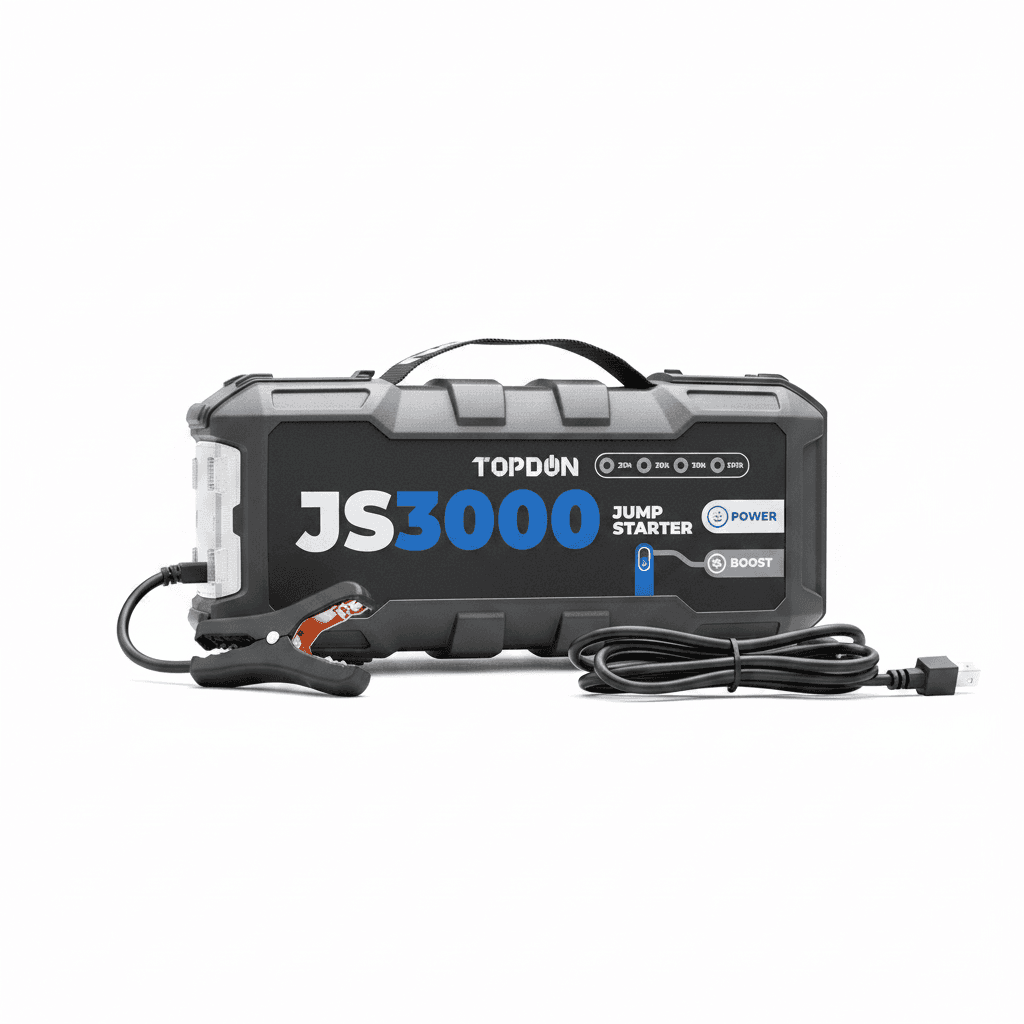
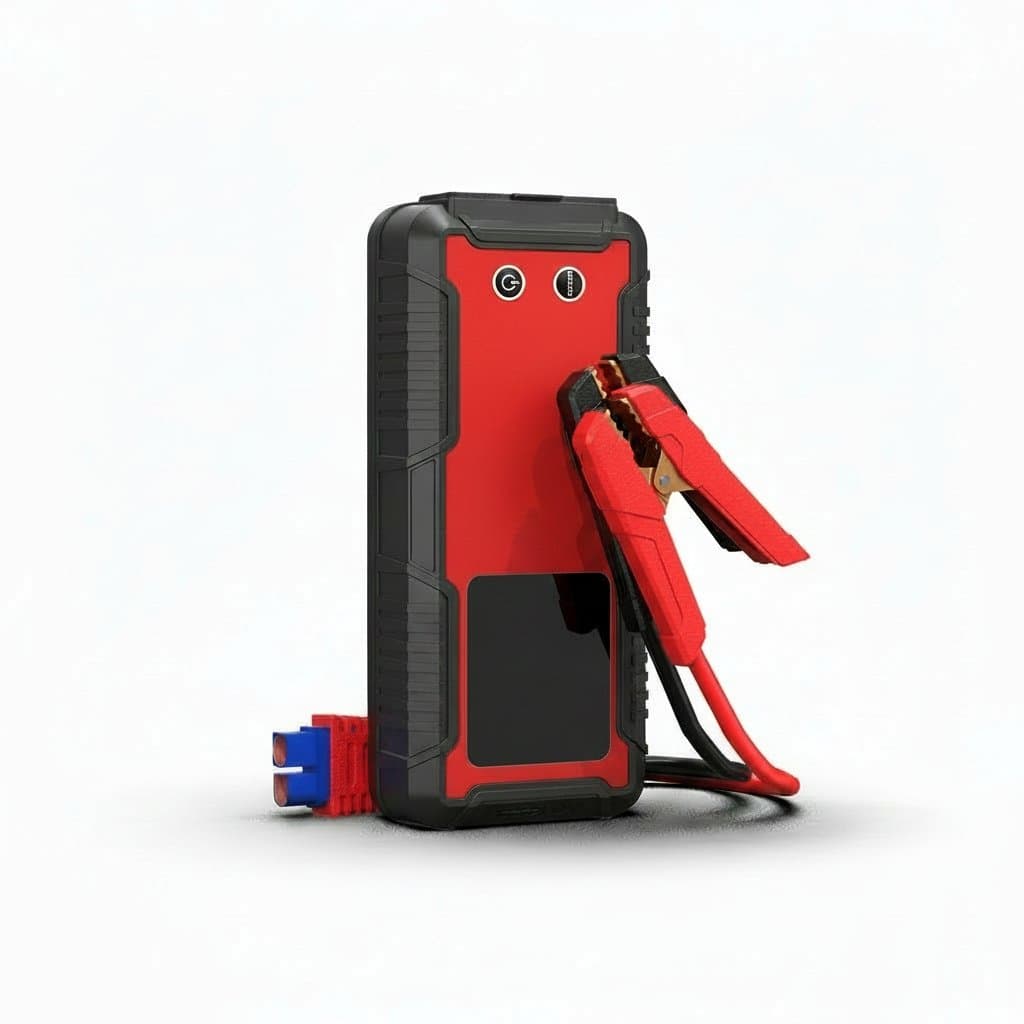
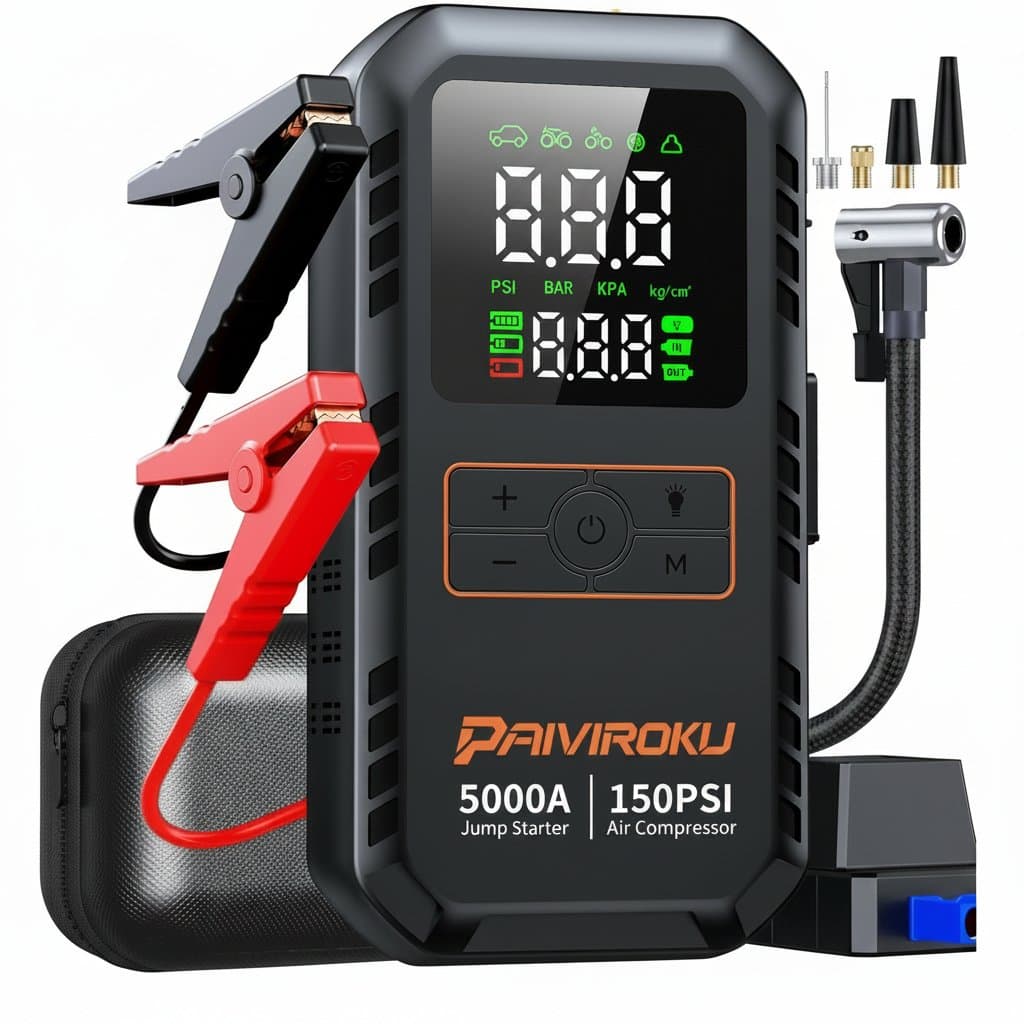
Peak amps is the number to distrust
Peak current is measured over a few milliseconds into a near short circuit. It is a real measurement and it is also close to useless for choosing a pack, because starting an engine means delivering high current for a second or more while the starter motor drags a cold engine over compression. Two packs quoting the same peak figure can behave completely differently on a cold diesel.
Look instead at capacity and at how many attempts the maker claims per charge. Capacity in milliamp hours, or better in watt hours, tells you how much energy is actually stored, and the number of starts is the honest version of the same fact. A pack that quotes a huge peak alongside a small capacity is telling you something, and it is not flattering.
| Engine | Look for | Note |
|---|---|---|
| Small petrol, up to about 2.0 litres | Modest capacity, any reputable pack | The easy case, almost anything works |
| Larger petrol, 2.0 to 4.0 litres | More capacity, decent sustained current | Cold weather is what catches people out |
| Diesel | Substantially more of both | Diesels crank harder and need glow-plug power too |
| Occasional fleet or plant use | Highest capacity, 12 and 24 volt | Check the pack supports the voltage you need |
The safe order to connect, and why
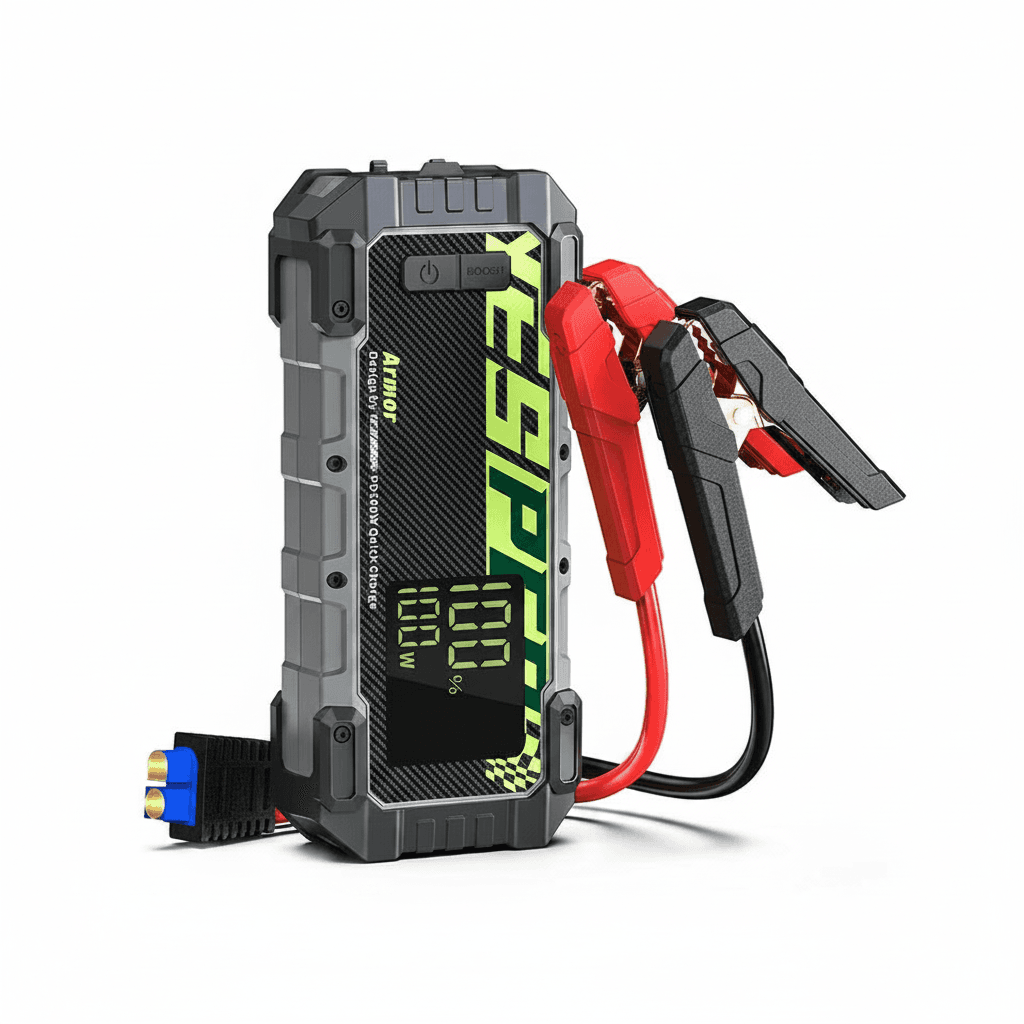
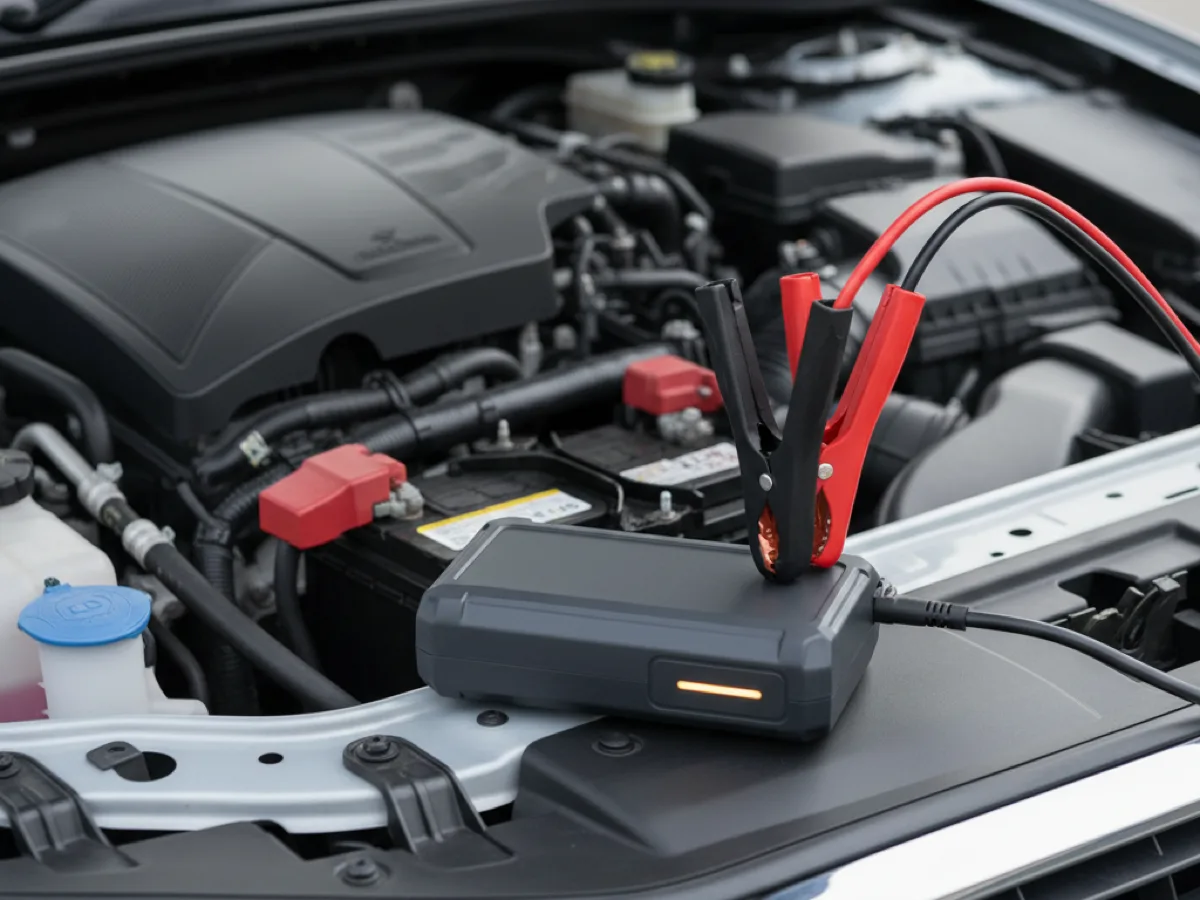
Red clamp to the battery positive terminal first. Black clamp last, and not to the battery negative post but to a solid unpainted metal point on the engine block or chassis, away from the battery. A lead-acid battery vents hydrogen while it charges, and the last connection is the one that can spark. Making that spark a foot away from the vent is the whole reason for the sequence.
Modern packs add reverse-polarity protection and spark-proof clamps, and they are worth having, but treat them as a backstop rather than permission to be careless. Connect in order, keep the leads clear of belts and the fan, and if the clamps get hot during a long crank, stop and let everything cool rather than pushing on.
Lithium packs and the cold
These packs are needed most in exactly the conditions they perform worst in. Lithium chemistry loses available current as temperature falls, so a pack that starts a car easily in September can struggle on the same car in January. Storing it in an unheated boot all winter guarantees the worst version of that.
They also self-discharge slowly, so a pack left in a glovebox for a year is often flat when it is finally needed. Charge it every few months whether it has been used or not, keep it somewhere warm if you can, and if it has been in the cold, warm it in the cabin for a few minutes before asking it for maximum current.
Combination units and what the extras are worth
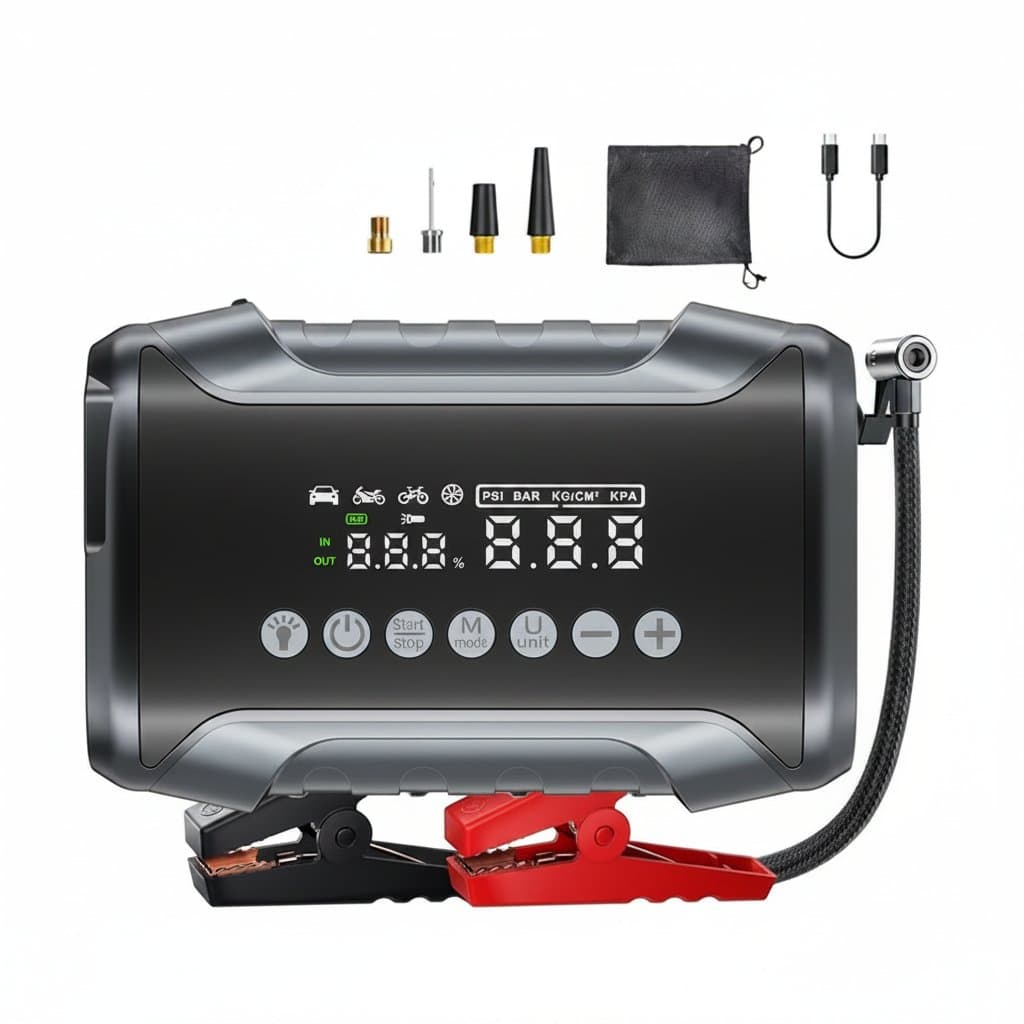
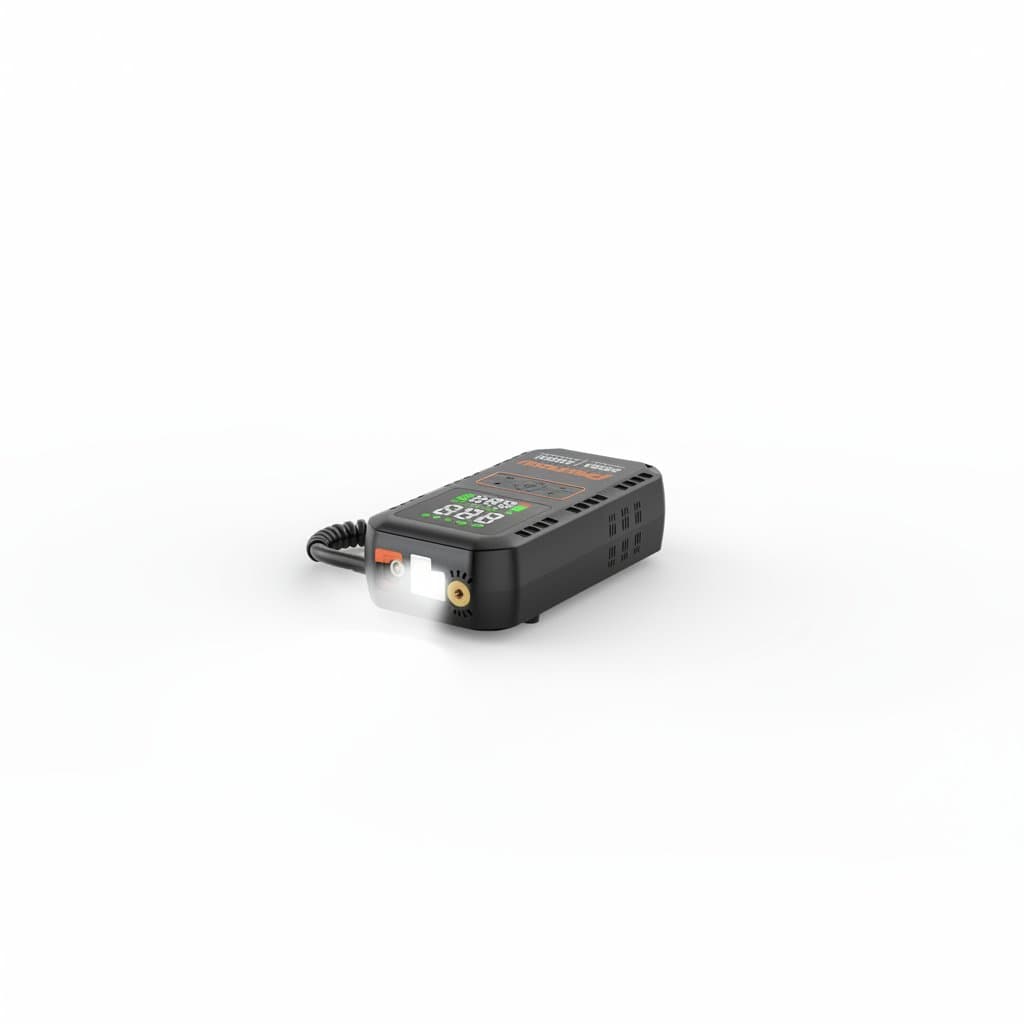
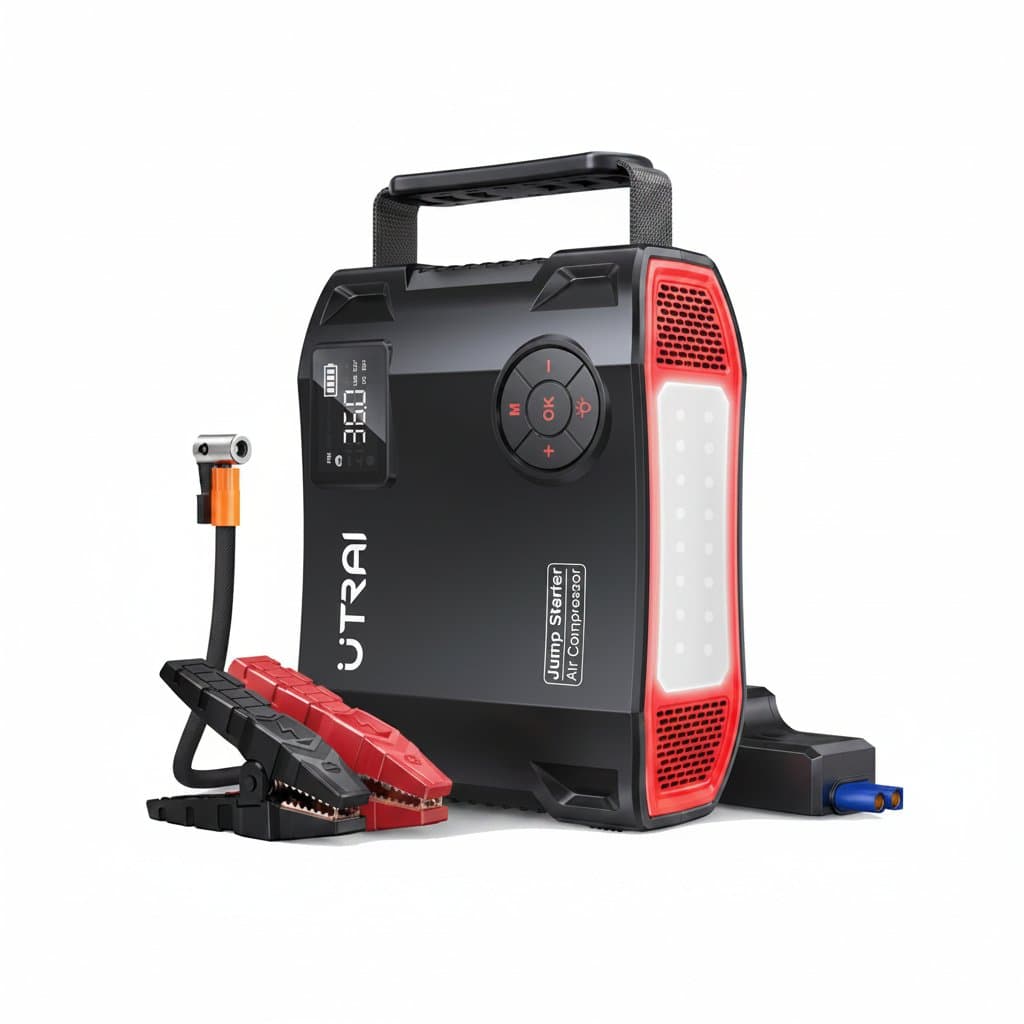
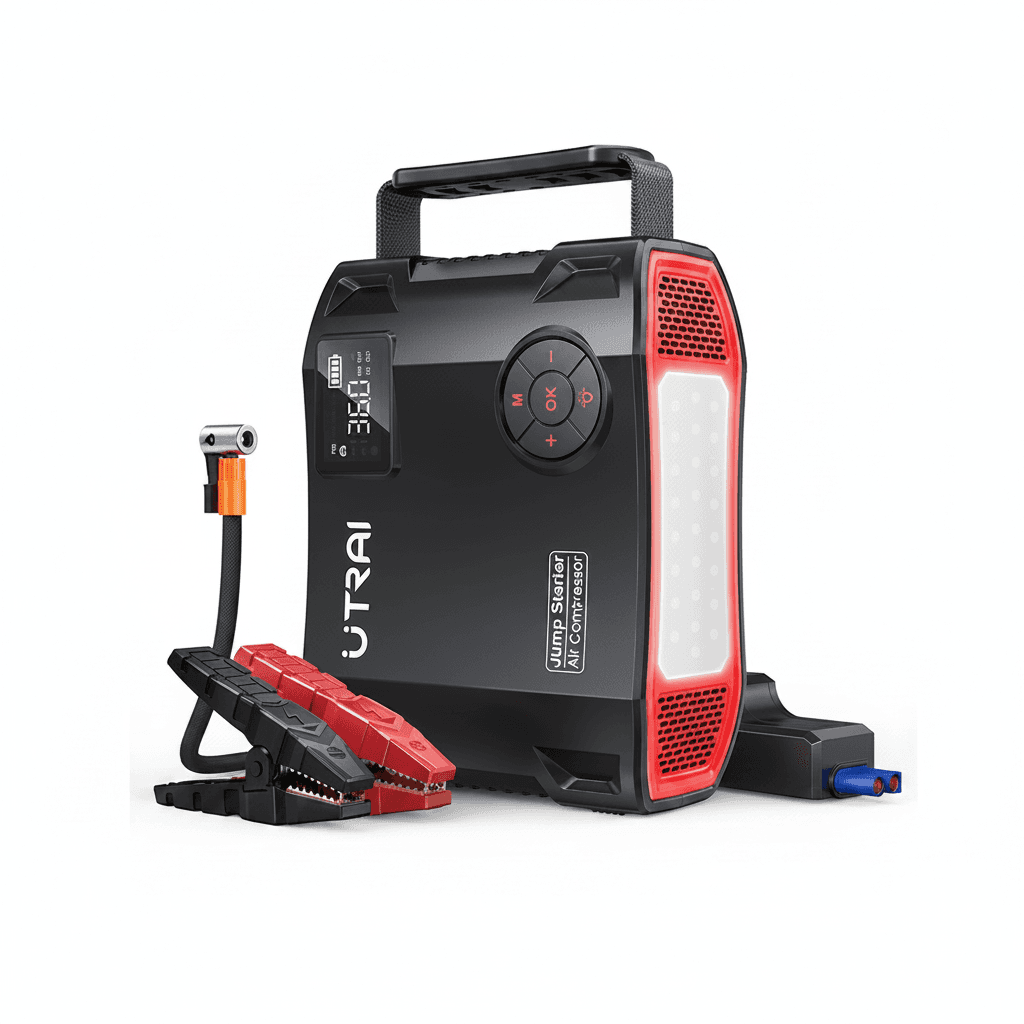
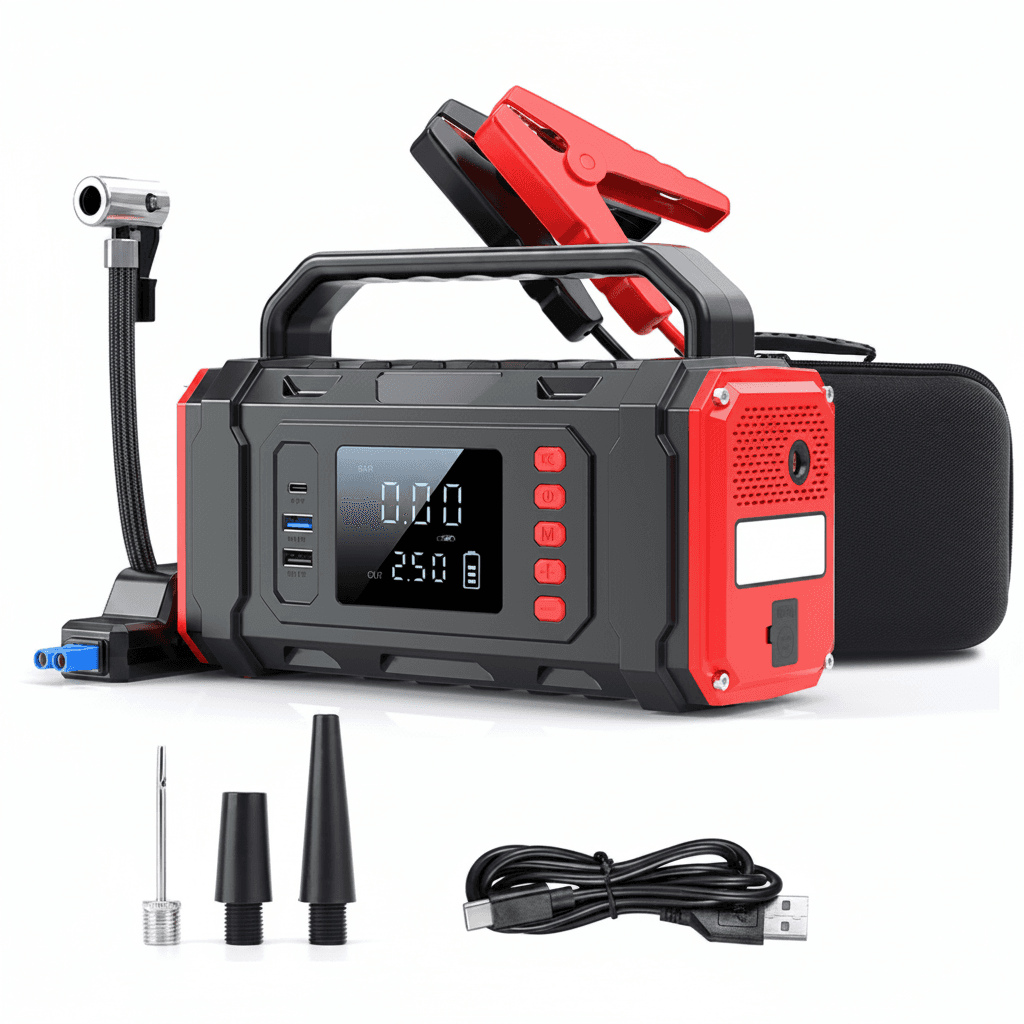
Many packs now include a tyre inflator, a work light and USB outputs. The inflator is the genuinely useful one, because a flat tyre and a flat battery are the two roadside failures a driver can actually fix, and a single device that covers both earns its space. Check the compressor is rated for the pressure you need rather than just the headline figure.
The light and the USB ports cost nothing to include and are worth having, with one caveat: every amp hour spent charging a phone is capacity not available to start the engine. Keep the pack charged for its primary job rather than treating it as a power bank that happens to have clamps.